Advertising disclosure: This page includes affiliate product links that may earn us a commission, as well as products from our own store.
Can a straightforward strength-training program improve the everyday capabilities of older adults who are already frail or approaching frailty? A synthesis released in October 2026 combined nine randomized trials, involving 566 people aged at least 60, to examine that question. The clearest signal involved leg strength. Results for grip strength and walking speed were more tentative; several broader mobility and frailty measures did not show dependable changes.
That split matters. Increasing how much force the thigh muscles can produce is useful, but it is not automatically the same as preventing falls, walking confidently outdoors or returning to independent living. A careful training plan can pursue those goals while respecting what the evidence has and has not established.
Who was actually studied and what counted as training
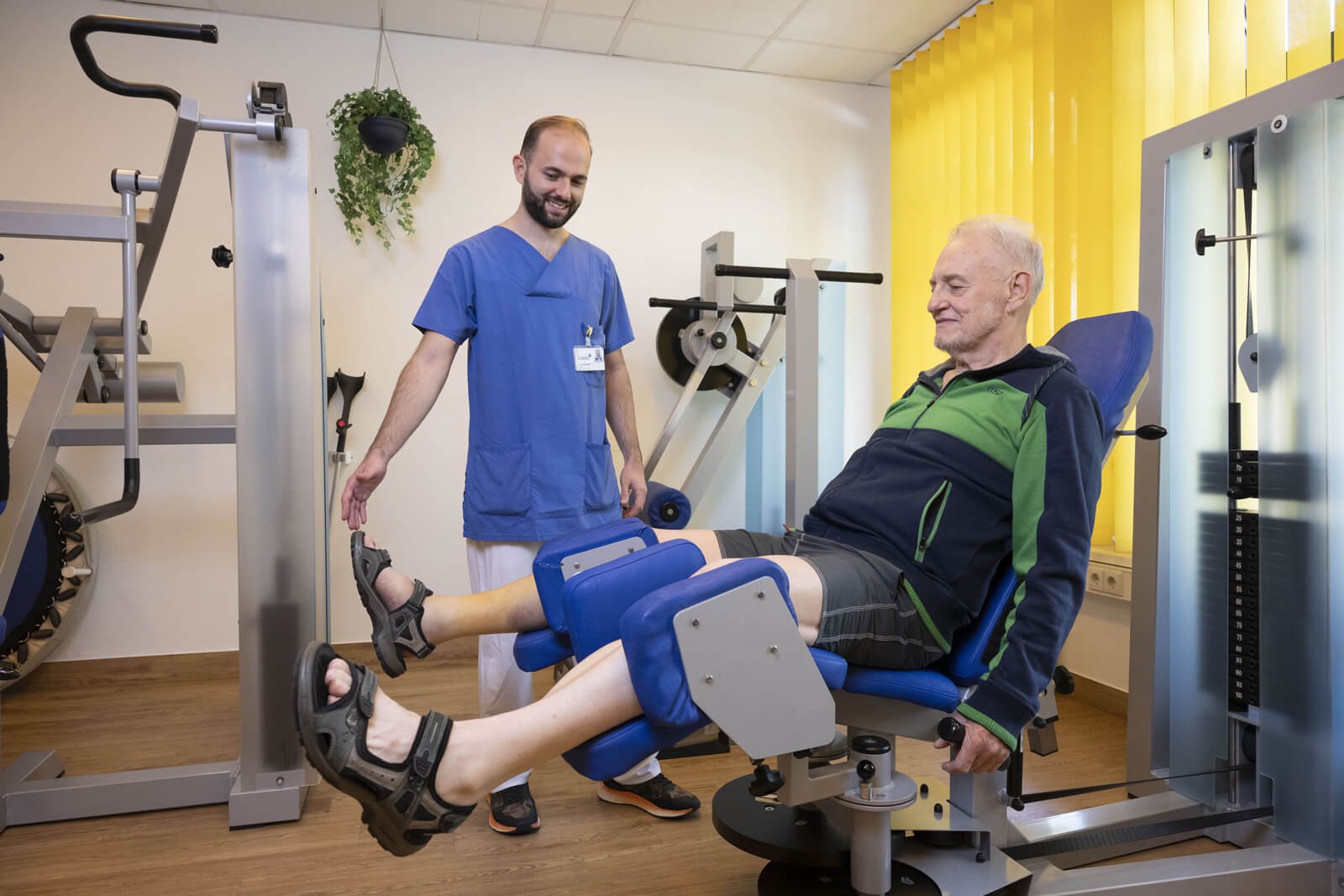
These trials enrolled adults aged 60 or older who had been classified as frail or pre-frail through defined assessments. Pre-frailty can involve emerging weakness, slower movement, fatigue or reduced activity, but it is not interchangeable with a diagnosis of severe disability. Participants had different starting capabilities and health histories. The synthesis combined nine randomized trials, 27 study arms and 566 people, rather than nine identical groups doing the same workout.
An important inclusion rule was that the resistance-training intervention was structured lifting or resisted movement, not a package that also combined aerobic work and balance sessions as the experimental treatment. Training could involve elastic bands, external weights, machines and supported movements. Program durations and session intensity varied substantially. That helps explain why a pooled result cannot be converted into one universal prescription for everybody over 60.
Researchers examined separate outcomes: knee-extension strength, grip, normal walking speed, timed standing and walking tasks, wider physical-performance scores and frailty scores. Each tells a different story. Stronger quads may make rising from a chair easier in principle, but a trial must actually measure chair-rise performance before improvement can be claimed. The synthesis used random-effects comparisons because participants and protocols varied.
Knee-extension strength showed the clearest signal
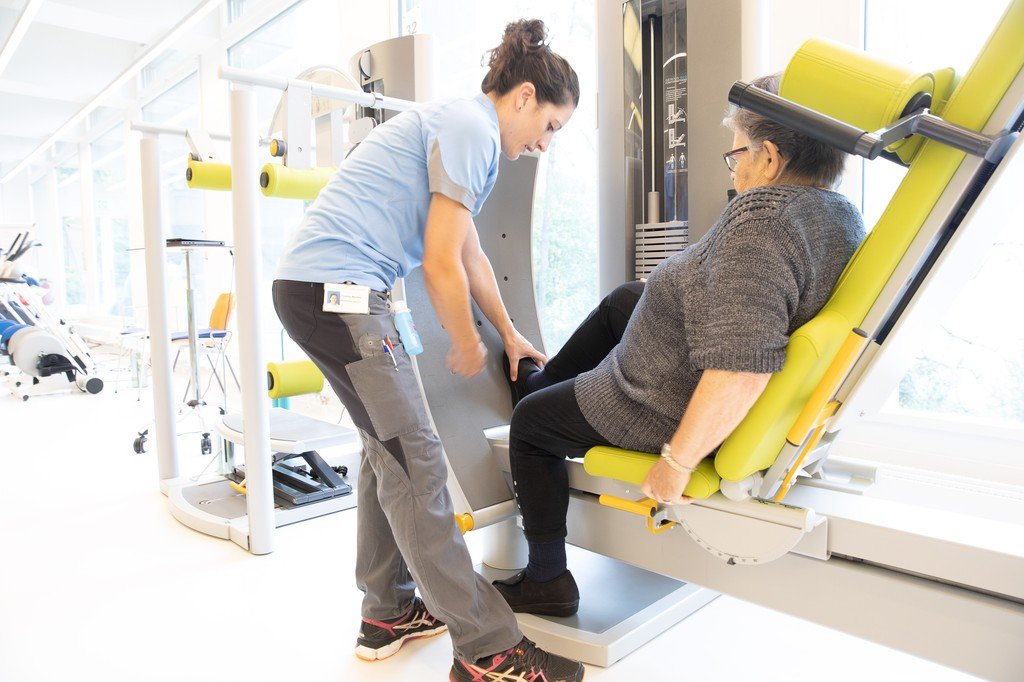
The most encouraging finding concerned knee-extension strength, which mainly reflects the capacity of the quadriceps to straighten the knee. Across the relevant comparisons, resistance training favored higher strength with a standardized mean difference of 1.30 and a 95% confidence interval from 0.48 to 2.13. This was graded as low-certainty evidence, not proof that the exact same improvement will occur in a new individual. Differences between studies were large, and the prediction interval for a future comparable trial crossed zero.
Understanding the unit prevents exaggeration. A standardized mean difference expresses a group difference relative to variation in measurement; it does not mean participants added 1.30 kilograms, became 130% stronger or gained the same amount of muscle. Testing methods and starting strength also differed. The finding supports further study of resisted leg work but gives no reliable promise for any single machine, band tension or repetition range.
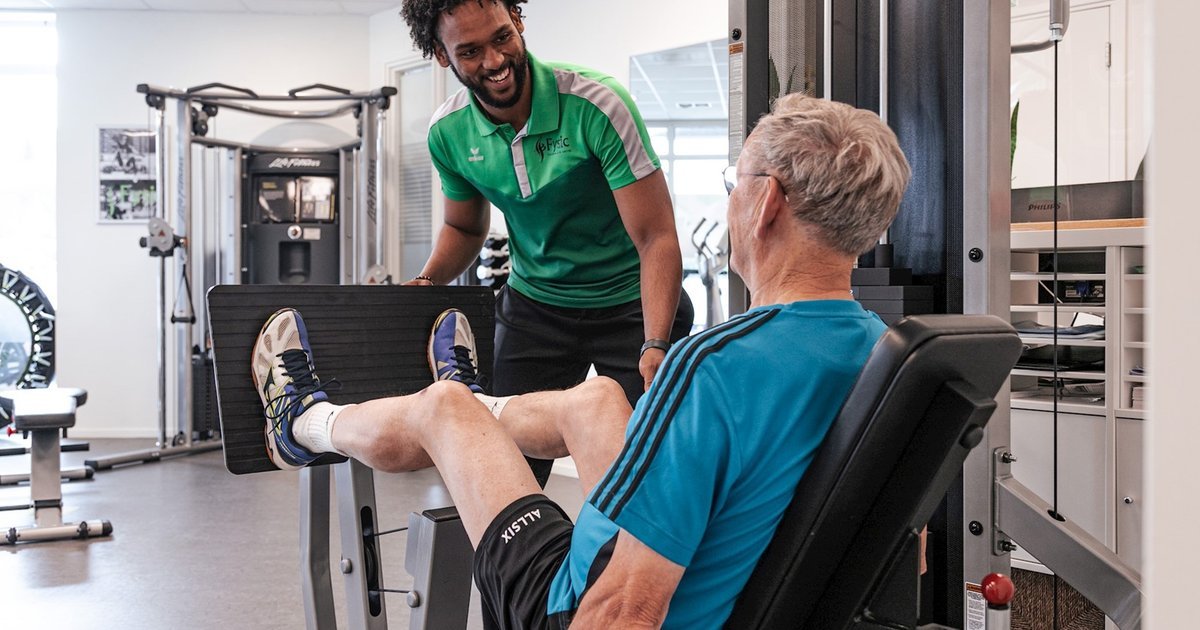
Practical lower-body exercises can include a supported sit-to-stand, a seated knee extension, a controlled machine leg press or an individually adapted step-up. Those are examples, not a declaration that all were equally tested. A stable chair and a physiotherapist-guided starting position may be more important than a heavy resistance setting. Technique should allow the working muscles to produce force without requiring unsafe balance corrections.
Grip and gait improved on average, with bigger uncertainty
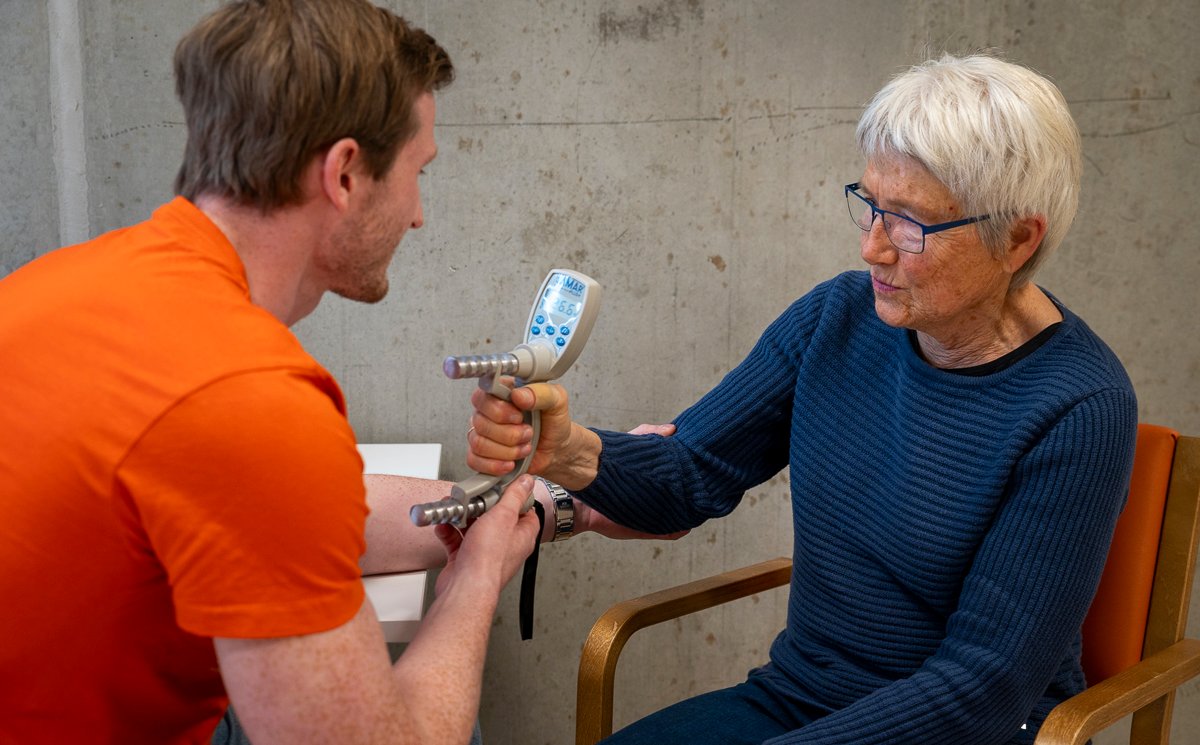
Grip strength was higher by an estimated 4.15 kilograms in the pooled comparisons, with a 95% confidence interval of 0.81 to 7.48 kilograms. Walking speed was faster by an estimated 0.13 metres per second, but its interval extended from 0.00 to 0.26 metres per second. Both findings were classified as very-low-certainty evidence. The actual size of benefit could be considerably smaller or larger than the point estimate, and there was substantial inconsistency between studies.
A faster walking test is interesting because gait speed is part of ordinary functioning: getting through a crossing, moving from room to room, or keeping pace with a companion. But a group mean should not be confused with an individual guarantee. The walking-speed interval included almost no improvement, and thresholds sometimes used to judge meaningful change were not originally established specifically for all frail or pre-frail adults in these trials.
For grip, the implication is similarly cautious. A stronger hand may help with carrying light bags or holding objects, but grip measured in a clinic is not a direct assessment of every household task. A simple dynamometer test can be useful if the same hand position and device are used at each check. Without that standardization, a changing score can reflect measurement noise rather than training progress.
Why broader frailty and mobility results remained unclear
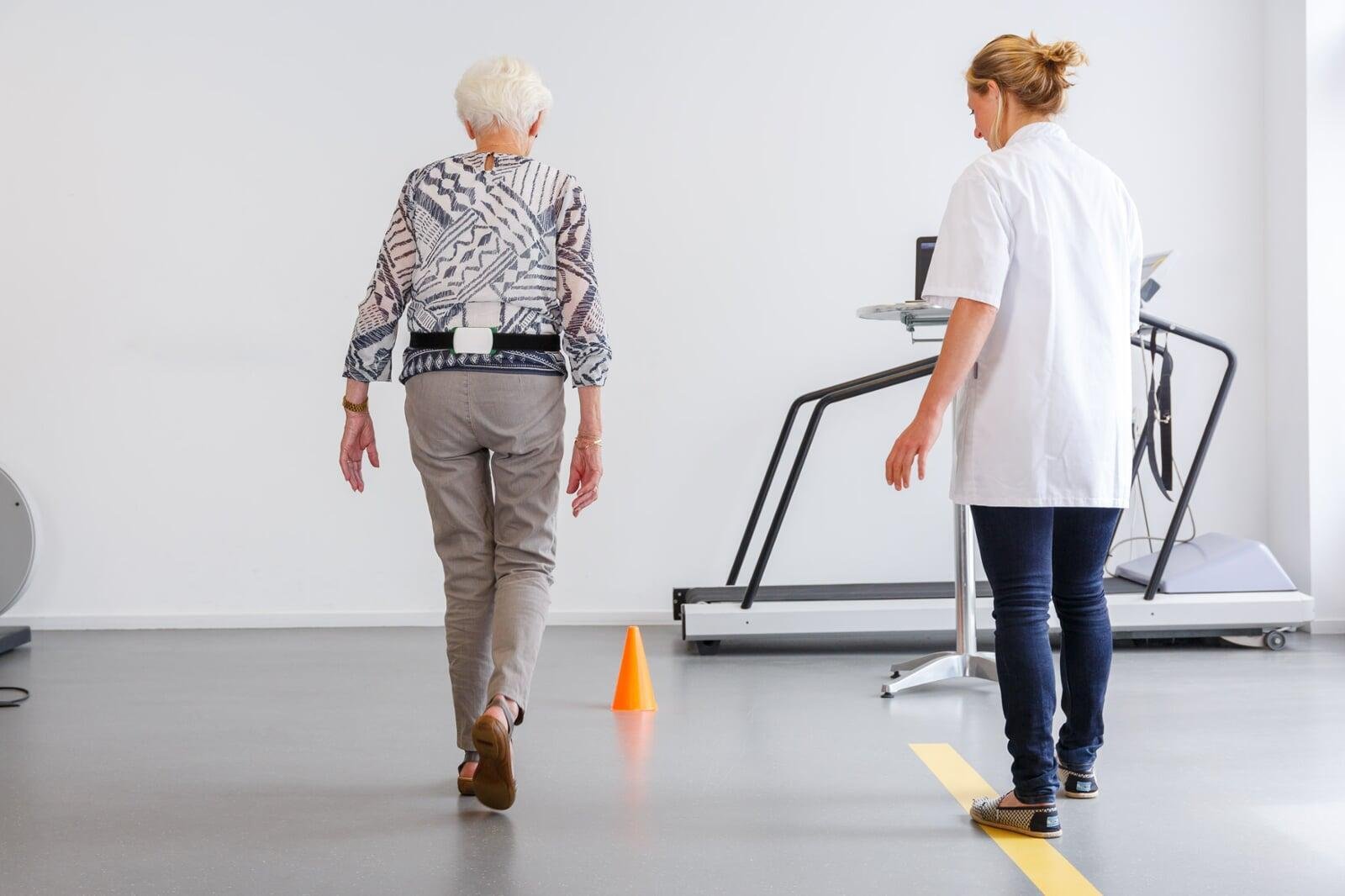
Several outcomes did not provide a convincing pooled improvement. The Timed Up and Go task involves getting up, walking a short distance, turning and sitting again; it combines strength with balance, coordination and movement speed. A broader lower-limb physical-performance battery captures still more than force production. Frailty scores themselves summarize several signs of vulnerability. In this review, results for these measures remained uncertain rather than showing a consistent benefit.
That does not prove resistance training never helps those tasks. It means the available trials did not establish a dependable change with enough certainty. The studies were relatively small and varied in who they enrolled, how exercise was progressed, how long it lasted and which tests were reported. Missing details about adherence, dropout and adverse events also limited conclusions about how safe and practical any particular protocol would be.
This distinction protects against a tempting headline: lifting reverses frailty. More knee-extension strength is not the same outcome as reduced falls, fewer hospitalizations, longer life or restored independence. None of those sweeping claims follows from these nine trials. A sensible program can still combine individually prescribed strength, balance and walking practice, but evidence from a resistance-only synthesis should not be presented as if it directly tested the entire combination.
How to select exercises, supervision and starting effort
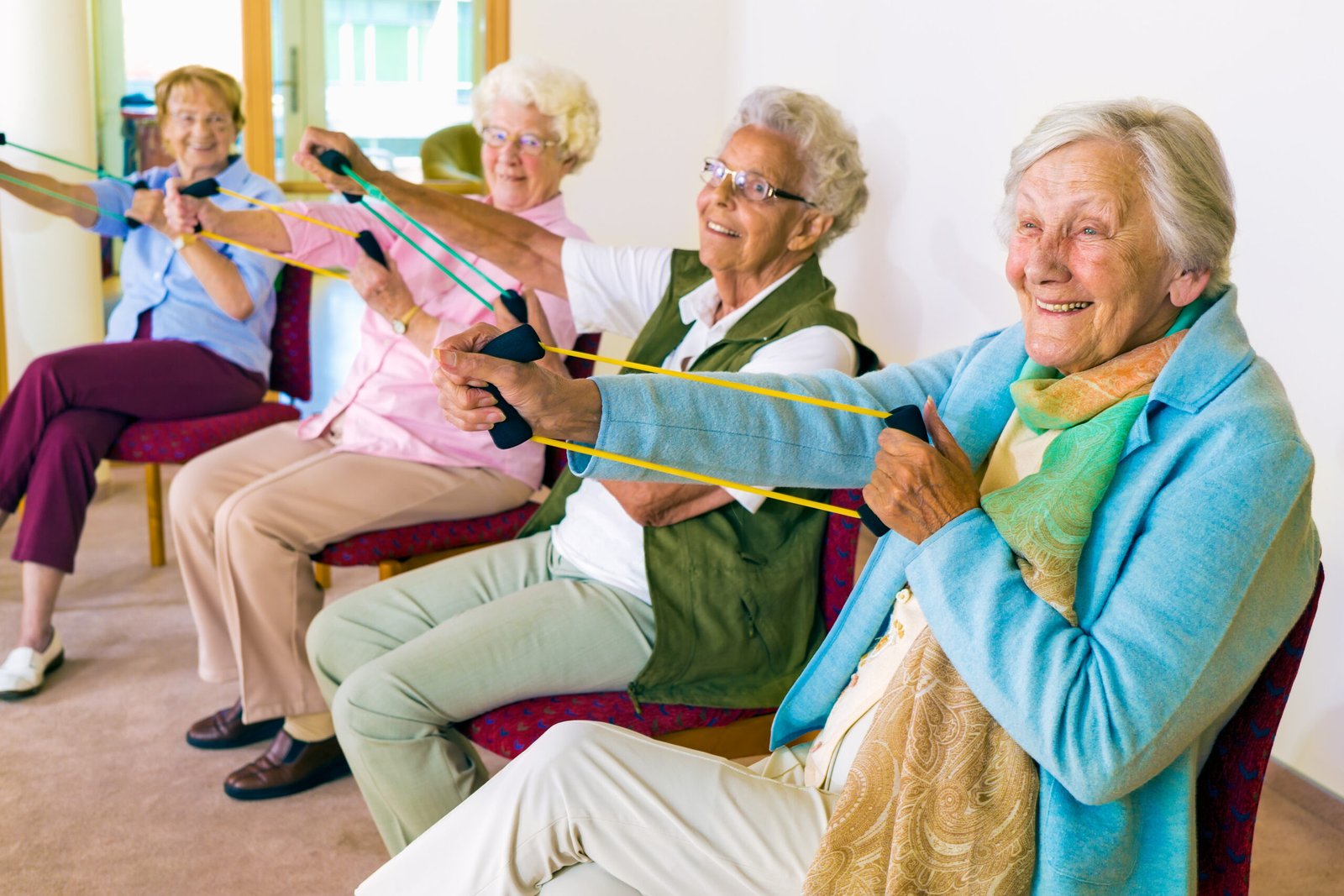
For someone whose balance, joints or energy are already limited, the first challenge is finding a movement they can repeat safely. A chair sit-to-stand can start with a higher seat and both hands available for assistance. A supervised machine may offer more stable resistance than free weights. Elastic bands can provide modest tension for supported knee extensions or rows, but their resistance changes across the movement and their anchors must be secure. No particular tool is mandatory.
Professional assessment matters when there is recent falling, dizziness, significant pain, unstable cardiovascular symptoms, osteoporosis-related precautions or other clinical complexity. The intervention in the research was not a do-it-yourself test of maximum strength for every older adult. A physiotherapist or qualified clinician can help set realistic loading, check movement quality and adapt the plan to medication, mobility aids and recovery. Do not use online exercise advice to override medical restrictions.
For a broadly tolerable beginning, a few smooth, technically repeatable repetitions of one or two supported movements may be more useful than a hard session that causes prolonged soreness. The starting dose has to be individual rather than prescribed by an average study participant. If movement stays controlled and recovery is normal, progress can mean another clean repetition, slightly more range of motion or a modest increase in resistance. Stop and reassess for unusual breathlessness, chest symptoms, dizziness or new sharp pain.

Equipment Worth Exploring
Explore equipment, accessories and gear from our carefully selected range.


Rubber Hex Dumbbells
Rubber-coated hex dumbbell pairs with a stable shape for home and commercial strength training.


VForce Wall Trainer
Space-saving wall-mounted functional trainer with pivoting cable arms and variable resistance ratios.
VOLTRA
Compact digital cable trainer with smooth, adjustable resistance.

Go-Tone Pro
Portable digital cable trainer with up to 66 lb (30 kg) of adjustable resistance.
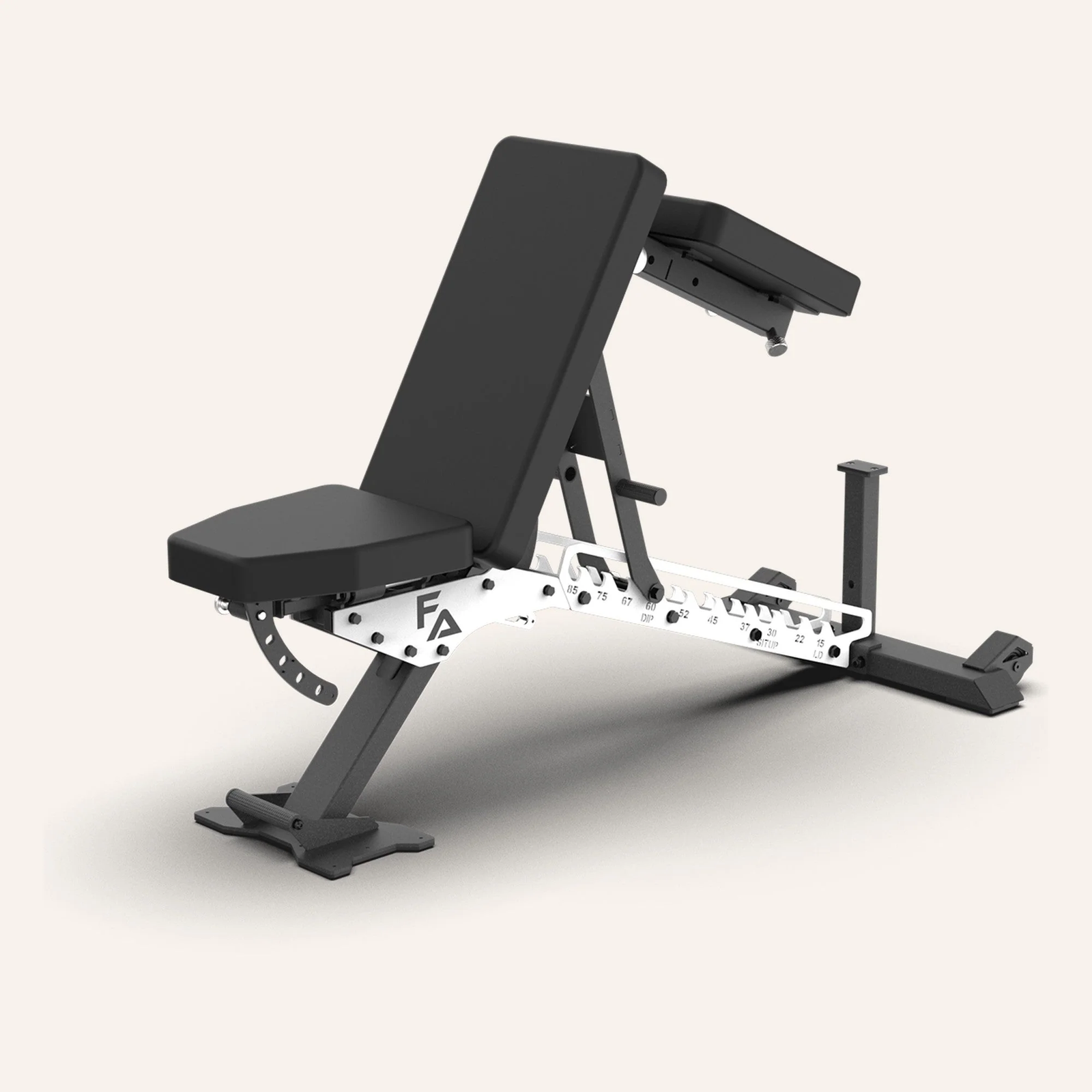

FID Bench MAX
Adjustable bench offering flat, incline, and decline positions + adjustable headrest.

VForce Lat Tower
Wall-mounted cable tower with pivot arms and adjustable 1:1 or 2:1 pulley ratios.
A four-week tracking framework without false promises
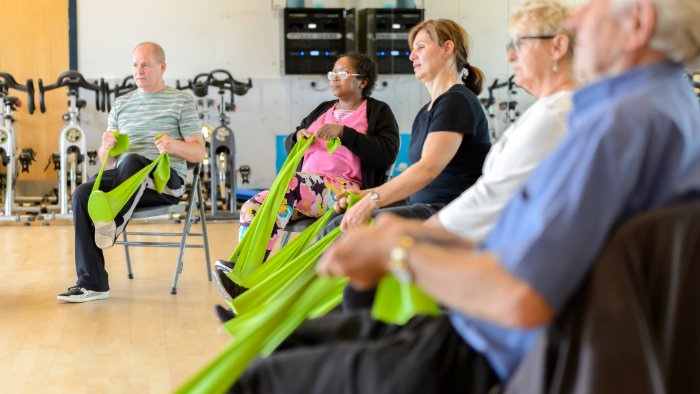
First establish a baseline with a professional or appropriately trained supervisor. Record what exercise is possible without compensatory movements, whether assistance is required and how the person feels afterward. Note practical context: a chair height, a machine setting, an elastic-band color and position, or the distance of a walking test. These details make a later comparison meaningful. Do not begin by testing a risky maximum effort or an unsupervised timed walk when falling is a possibility.
During week one, learn the selected movements with an easy, controlled effort and enough rest between bouts. Week two is for repeatability: aim to reproduce the same safe range and control rather than automatically increasing weight. In week three, consider a small progression if symptoms, recovery and confidence allow. Week four can repeat the baseline assessments under matching conditions. A clinician can decide whether to advance, stay at the same dose or revise the exercises.
Track more than a single lift number. Note whether standing requires the same help, whether a usual walk feels steadier, and whether grip measurements or leg-machine repetitions change consistently. Avoid interpreting a one-off faster time as proof of broad recovery. The strongest current conclusion is modest: structured resistance work may improve some muscle-strength measures in frail or pre-frail older adults, while wider functional changes still need better evidence. That is a reason for measured, individualized practice, not a miracle claim.

Funny Gym Shirts & Workout Gear
Funny gym shirts, tanks, hoodies and workout gear for lifters who like training hard.


Lifting Is Freedom Gym | Statue of Liberty Meme Workout Sticker
Give your everyday gear a playful “Lifting Is Freedom” twist.

Lift Time Gym | Funny Workout For Gym Bros & Powerlifte Hoodie
Bring “Lift Time” gym humor to lazy days and post-workout plans.

Lift With Your Heart Valentine’s Day Gym with Heart-Sha Tank Top
Bring “Lift With Your Heart Valentine’s Day” humor to your next lifting session.

Lift With Me Michelangelo Sistine Chapel Decal Water Sticker
Give your everyday gear a playful “Lift With Me” twist.

Lift Thing Is My Thing Superhero Crewneck Workout Jumpe T-Shirt
Bring “Lift Thing Is My Thing” humor to your everyday gym style.

Time to Lift Tee
Bring “If You're Reading This It's Time To Lift” humor to your next gym day.

Discipline Stoic Tee
Show some lifting attitude with a playful “Discipline Stoic Sigma Bodybuilder” tee.