Advertising disclosure: This page includes affiliate product links that may earn us a commission, as well as products from our own store.
Dumbbell Power Snatches: Drive With Your Legs, Catch Strong and Build Conditioning
A dumbbell power snatch looks like a fast trip from the floor to one locked-out arm. The important work happens before the bell reaches shoulder height. A repeatable setup, a hard extension through the legs and hips, and an active catch make the difference between a coordinated lift and a frantic one-arm swing.
It is an appealing movement for lifters who want an athletic exercise without learning a full barbell snatch first, but easier equipment does not make the skill automatic. A dumbbell still has to travel close to the body, the receiving arm must support it, and the lifter must be able to put it down safely. Here is a practical progression that separates movement quality from conditioning fatigue.
1. Set up for a clean first pull, not a hurried yank
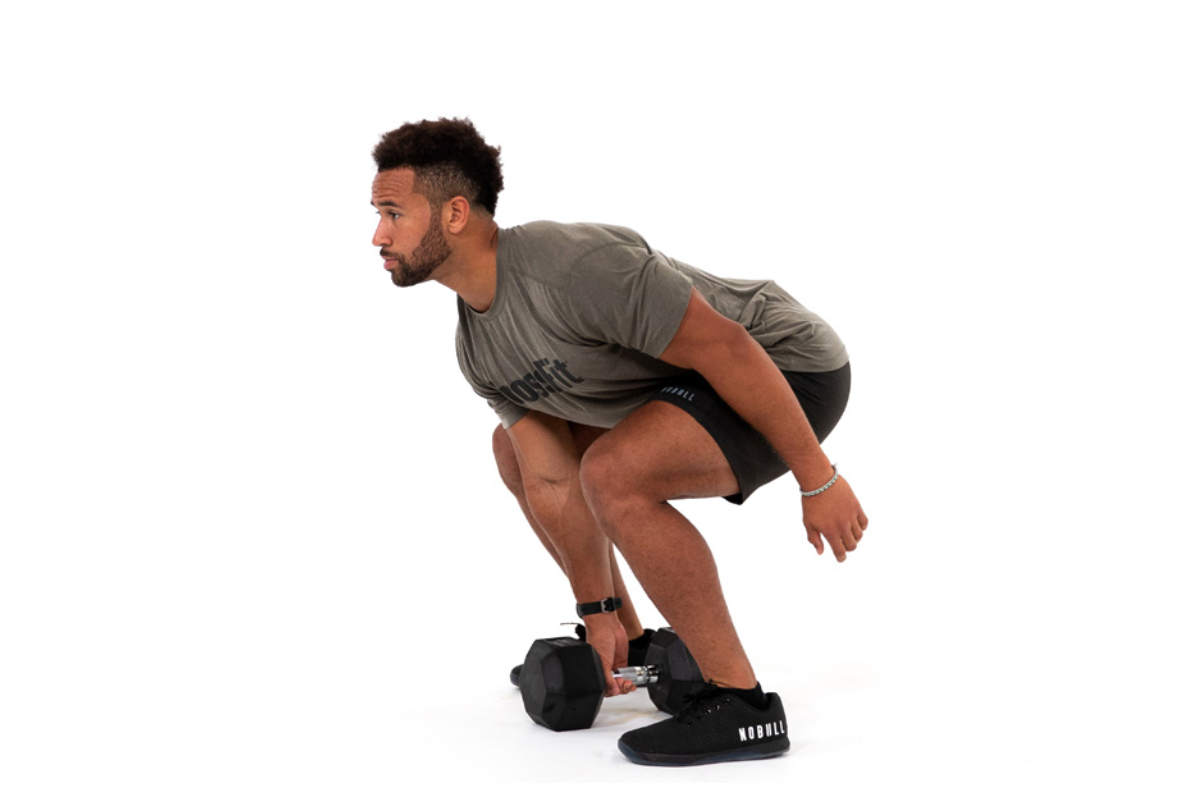
Start with one dumbbell resting between your shoes on an even, uncluttered surface. Stand approximately hip-width apart, with enough room to lower into a shallow squat or hinged start without your knees colliding with the weight. A neutral grip usually feels natural: the palm faces your leg as you reach down. Place the other arm slightly out to the side to help balance, rather than bracing it against a knee.
Bend the knees and hinge at the hips until your hand reaches the handle while keeping your whole foot in contact with the floor. Your torso does not need to match someone else’s exact angle. It does need to be braced enough to transmit leg force without the dumbbell pulling you into a rounded, uncontrolled start. The shoulder of the working arm begins slightly ahead of or over the implement, and your eyes can look at a fixed spot ahead on the floor.
Before the first fast repetition, practise three slow single-arm dumbbell deadlifts. Lift the handle only to mid-thigh, pause and lower it to the same spot. Check whether the weight tracks near your shin and thigh rather than drifting around a knee. If the dumbbell is too large to fit between your feet, widen your stance a little or use a more suitable implement. A weight that you cannot pick up smoothly is not a sensible starting snatch weight.
Clear the area above and beside you. There should be no low ceiling, hanging attachment or person in the path of the working arm. Choose a secure handle, a floor that allows stable footing and an implement you can return to the ground under control. Flat, stable footwear can make the floor position easier to judge than an especially soft running shoe. The first objective is an identical start position on every repetition.
2. Let the hips create speed before the arm takes over
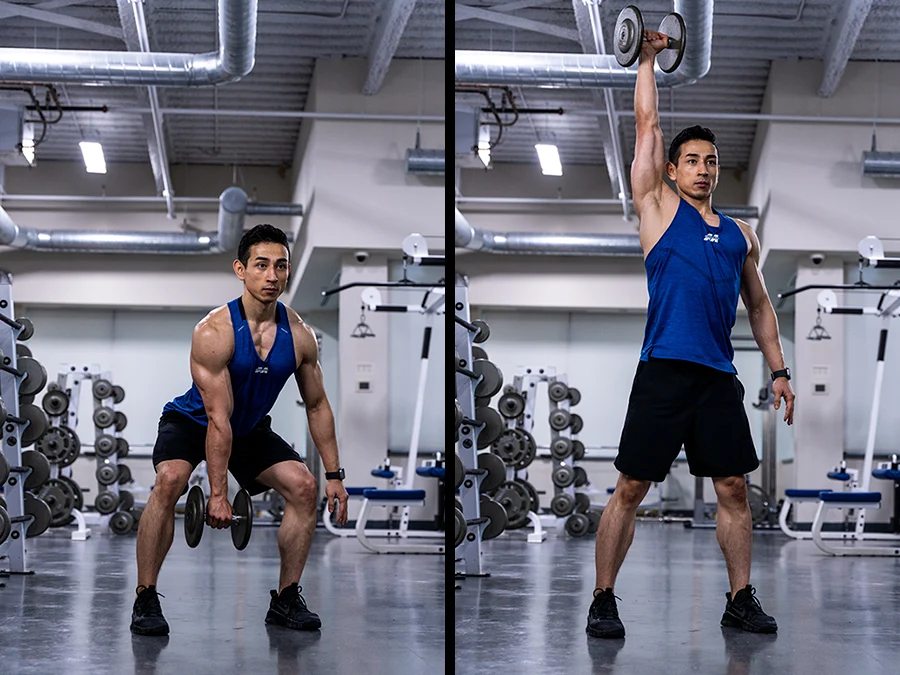
The first pull resembles the start of a single-arm deadlift: push against the floor, keep the dumbbell close and allow the hips and knees to extend together. Do not try to curl the weight from the ground. The elbow stays long while the legs do the early work. As the weight passes the knee and approaches the upper thigh, accelerate sharply through the hips and legs.
Think of an energetic jump without travelling across the room. You can rise through the feet as the hips, knees and ankles finish extending. That extension gives the dumbbell upward momentum. Only after that leg drive does the working shoulder shrug and the elbow travel up and out enough to guide the weight close to the torso. The hand is not tracing a huge semicircle from the floor to the sky.
At the moment the dumbbell feels briefly light, start moving your body underneath it. Turn the arm through and reach the hand toward the ceiling so that the weight can finish stacked overhead. The best cue for many beginners is not “pull it higher” but “finish your drive, then meet it.” If the arm starts curling early, the lift becomes harder on the upper body and the bell often swings away from the lifter.
Film one or two repetitions from a diagonal side angle at an easy load. Look for a weight path close to the body, forceful leg extension and a smooth turnover rather than a violent arc. Compare the first and fifth repetitions, not only the best-looking single rep. If speed falls apart by rep five, the set is already telling you to lower the load or reduce the number of repetitions.
There is no need to deliberately jump high. The goal is rapid extension and an efficient change of direction, not airtime. Keep the landing small and controlled. In a crowded gym, large hopping steps also create unnecessary collision risk. A good power snatch makes the weight move vertically while the athlete stays balanced over the same patch of floor.

Equipment Worth Exploring
Explore equipment, accessories and gear from our carefully selected range.


Rubber Hex Dumbbells
Rubber-coated hex dumbbell pairs with a stable shape for home and commercial strength training.


Cast Iron Kettlebells
Textured cast-iron kettlebells for swings, squats, carries, and full-body training.


Slam Ball
Low-bounce weighted slam ball for explosive throws and high-intensity conditioning.
3. Catch overhead with control and stand before lowering
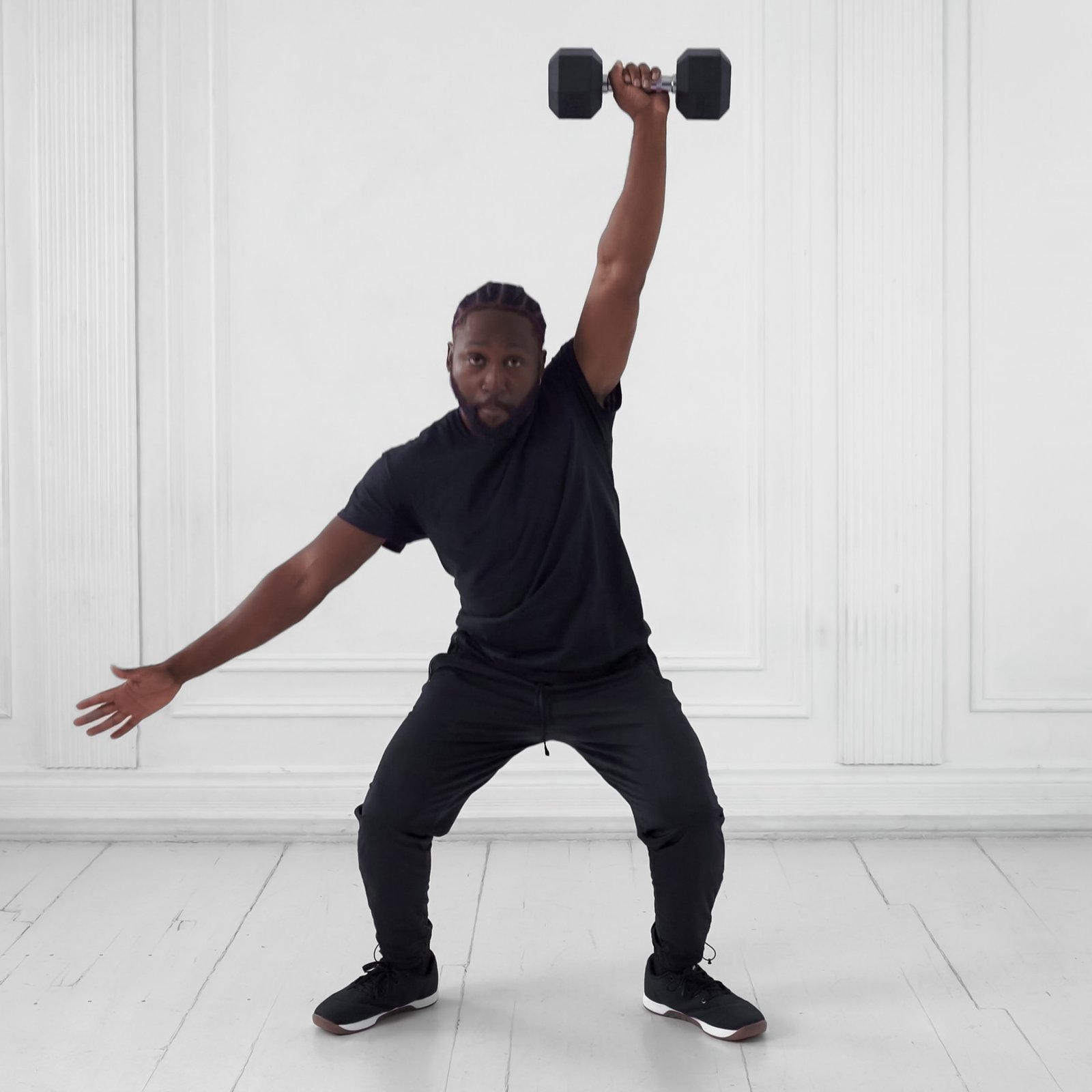
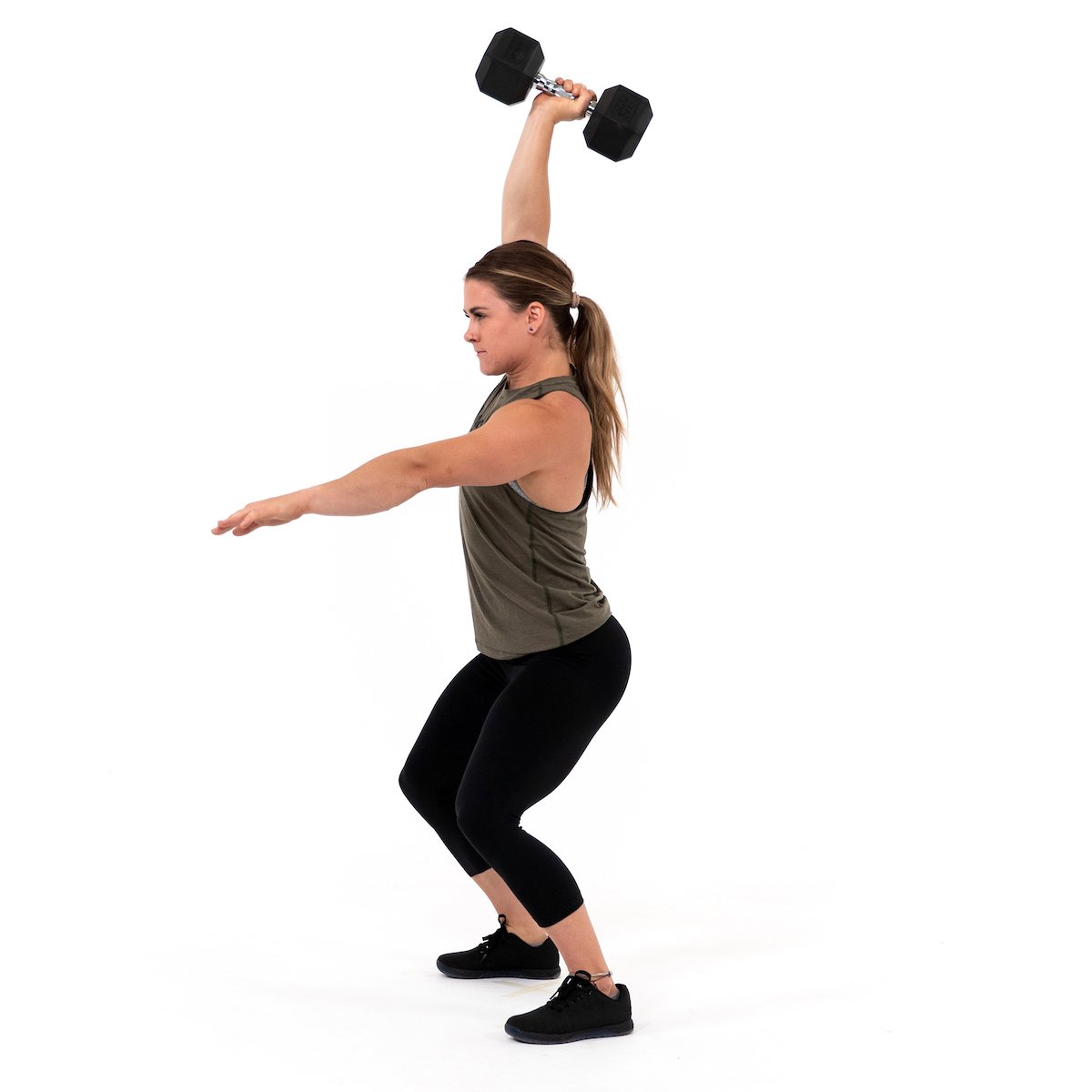
In a power snatch, you receive the dumbbell in a partial squat rather than dropping into a full-depth overhead squat. Your arm reaches a stable straight position, your knees and hips bend enough to absorb the catch, and your torso remains organised underneath the weight. The receiving elbow should not keep collapsing as you stand. Once balanced, extend the hips and knees fully to complete the repetition.
The word “locked out” describes a stable, supported finishing position, not an instruction to jam the joint painfully. Keep the shoulder active and the bell generally above its shoulder rather than hanging far behind or in front of the head. Different shoulder mobility and dumbbell shapes change how the finish looks, so use a comfortable stacked position, not a forced photograph-perfect line.
Practise a separate overhead hold before adding explosive reps. Press a light dumbbell overhead, stand quietly for five seconds, lower it and repeat on both sides. If one side cannot support the load calmly, that side is not ready to catch the same weight dynamically. If an overhead position causes sharp pain, numbness or persistent discomfort, stop and select another exercise rather than pushing through.
To return the bell, guide it from overhead to the shoulder area, then toward the hip and down to the floor with the legs helping to absorb the weight. At modest loads some experienced athletes cycle more quickly, but a beginner gets more useful information by resetting each repetition. Dropping the weight without knowing the floor rules or who is nearby is not part of good snatch technique.
The non-working arm can stay out to the side for balance. Avoid twisting dramatically to make room for the weight. A little natural trunk rotation is different from turning the lift into a large rotational throw. Track whether the shoulders and hips return to a predictable position at the finish. A stable catch should look like a controlled athletic stance, not an accidental lunge.
4. Fix the four mistakes that spoil most early sets
Arm pulling too soon: If the elbow bends while the dumbbell is still near your ankle, the upper body is doing work the hips could have supplied. Use a slow deadlift to the knee, then a deliberately snappy extension from a hang position. Keep the arm long until the lower body has accelerated the weight.
The weight swings out: A broad arc usually starts with the dumbbell drifting away during the floor pull or with an aggressive forward shoulder swing. Use lighter weight, a shorter hang variation and a near-vertical path. A side-view video makes this much easier to identify than watching only from the front.
Unstable overhead catch: If the bell pulls you onto your toes, forces a backward step or leaves the elbow bent, first check the load and the finish. Practise single-arm overhead holds, then deliberately shallow dip-and-catch drills. Do not compensate by leaning far backward or forcing more range through an uncomfortable shoulder.
Rushing the descent: A heavy bell slammed to the floor after every sloppy lockout can turn a useful power movement into a race to avoid an awkward return. Stand fully, guide it down under control and make each floor reset look the same. Under fatigue, stopping the set early is better than improvising a new technique just to reach the planned rep count.
A practical diagnostic is to change just one variable at a time. Reduce the load for two sets, retain the same stance, and focus on a single cue such as “keep it close.” Then review whether the intended change actually happened. Switching the grip, stance, weight, tempo and rep scheme simultaneously makes it harder to discover which adjustment helped. If one side consistently feels different, use that difference as information rather than disguising it with faster repetitions.

Funny Gym Shirts & Workout Gear
Funny gym shirts, tanks, hoodies and workout gear for lifters who like training hard.

Huh Huh Snatch Shirt – Beavis And Butt-Head T-Shirt
Bring “Huh Huh Snatch” humor to your next gym day.

I Snatched Your Heart Funny Valentine's Gym – Olympic L Hoodie
Show off your gym-girl humor in a laid-back “I Snatched Your Heart Funny Valentine's” hoodie.

Wonder Snatch Wonder Woman Olympic Weightlifting Superl T-Shirt
Keep things casual with a little “Wonder Snatch Wonder Woman Olympic” attitude.

Dumbbell Heartbeat Muscle Shirt Athletic Vest Fitness F Tank Top
Your gym-day look, with a playful “Dumbbell Heartbeat” twist.

Dumbbell Gauntlet Decal for Water Bottles Laptops Gym G Sticker
Stick a little “Dumbbell Gauntlet” humor on your favorite gear.

Superman Dumbbells Logo – Superhero Workout for Bodybui T-Shirt
Bring “Superman Dumbbells Logo” humor to your everyday gym style.

Spider-Man Lifting Dumbbells Workout Bodybuilding Power Hoodie
Stay casual and show some powerlifting attitude with “Spider-Man”.

Smash Dumbbells Muscle Shirt Athletic Vest Hulk Workout Tank Top
Train hard, laugh a little, and rep “Smash Dumbbells”.


5. Choose floor, hang or alternating snatches for the job
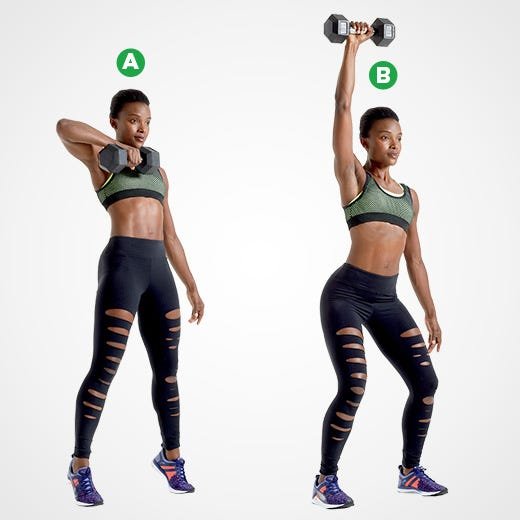
A floor-start dumbbell snatch asks you to organise a new lift from the ground on every repetition. It works well when you want to practise setup consistency and produce power through a larger movement. A hang power snatch begins with the dumbbell already held around the thigh. You hinge slightly, drive upward and catch it overhead. Removing the floor phase can make it easier to concentrate on hip timing and turnover.
A high-hang drill shortens the movement even further. It can teach the idea of finishing an extension and moving under the bell, but it should not become a high-speed shoulder press. Use a small, comfortable load while learning. Conversely, a dumbbell clean, which finishes on the shoulder rather than overhead, may be a better alternative when the overhead catch is not currently suitable.
Alternating repetitions introduce a different challenge: deciding exactly when and how to change hands. An experienced lifter may switch the bell efficiently as it returns toward the floor, but beginners should complete a rep, put the bell down, and change hands with both feet planted. Count both sides evenly so one arm does not quietly accumulate more work. For example, four reps left and four right is an eight-rep set.
The barbell snatch and kettlebell snatch are related skills, not interchangeable copies. A kettlebell can rotate around the hand near lockout, while a dumbbell has a different mass distribution. A barbell involves two hands and its own grip, pulling and receiving demands. Becoming comfortable with one implementation is useful, but do not assume technical competence instantly transfers to all three.
Choose the variation that lets you train the skill you actually need. If the floor position is untidy, use the hang. If the hang is easy and the catch steady, rebuild the pull from the floor. If fatigue turns the movement into a swing, pause and reset. Quality progressions are allowed to become simpler before they become heavier.
6. Build a four-week power-and-conditioning progression
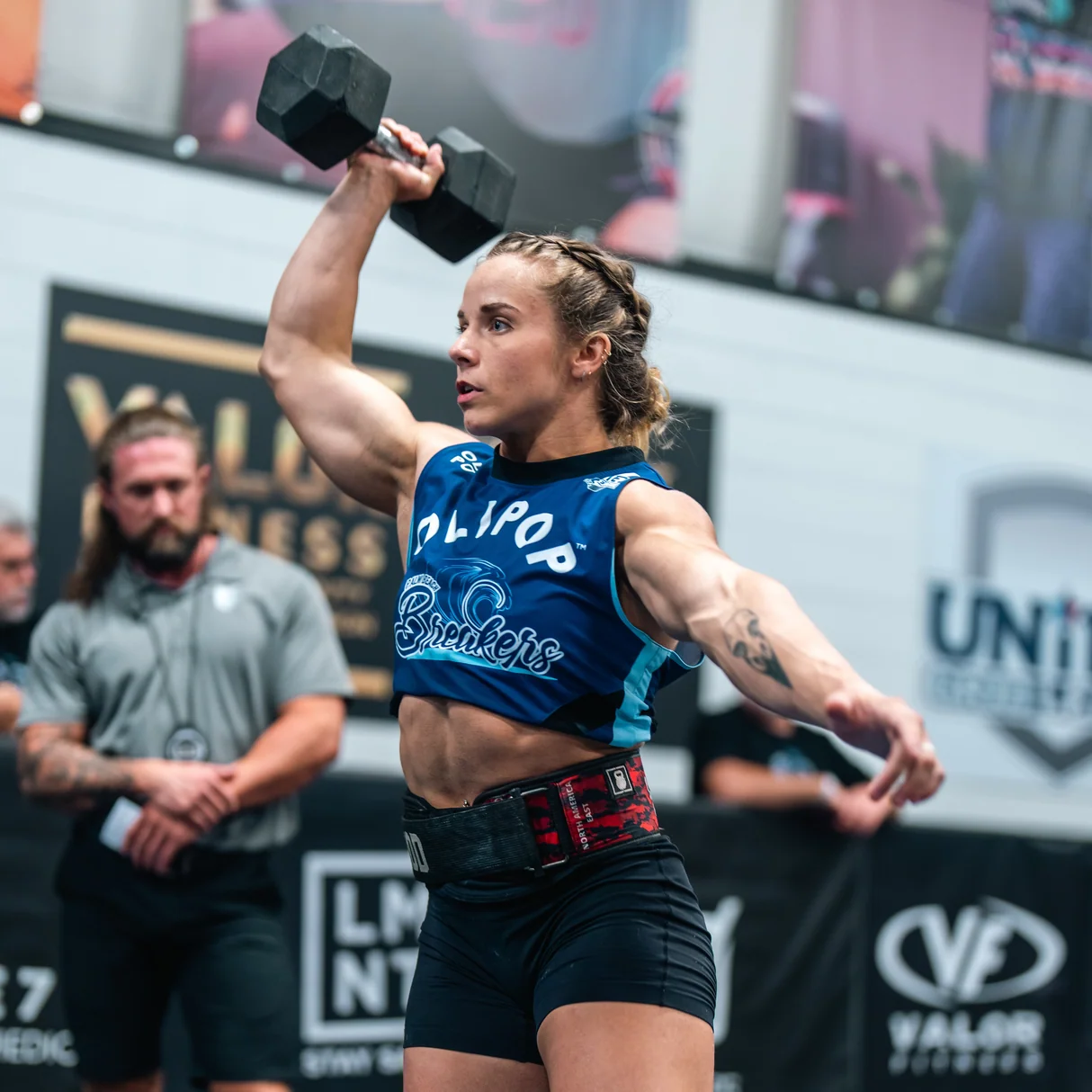
Train the skill while reasonably fresh, after a short warm-up of light hinges, squats, single-arm presses or overhead holds and unloaded practice. The snatch is a coordination-heavy power exercise. It is not necessary to exhaust yourself with high repetitions before you have learned where the bell should travel. Use a load that allows a crisp hip drive and quiet overhead catch on either side.
Week 1: position practice. Twice during the week, perform three sets of three hang power snatches per arm with generous rest. Stop after every repetition and check the finish. Add two easy sets of single-arm dumbbell deadlifts if the floor setup needs work. Take around 90 seconds between sets or longer if your breathing or technique still feels rushed.
Week 2: connect the floor pull. On two nonconsecutive days, use three sets of three floor-start reps per arm at the same manageable load. Reset the dumbbell each time. On a second brief block, practise a small number of hang reps to reinforce timing. Progress by cleaner repetitions rather than by adding load automatically.
Week 3: maintain speed as reps rise. Try four sets of three reps per arm in your first session. In the second session, complete three controlled sets of four per arm, resting long enough that the last overhead position is as solid as the first. If the new volume makes the dumbbell swing away or the catch drift, return to the previous week’s dose.
Week 4: decide whether the goal is power or conditioning. For power, keep three- to four-rep sets per arm, focus on maximal crispness and add only a small weight increment if every catch is stable. For conditioning, use a lighter bell and perform four 30-second work periods with 60 to 90 seconds of recovery, switching sides at a deliberate reset. End the interval as soon as you can no longer maintain the same technique. Do not increase weight and density together.
Record the dumbbell load, reps on each side, whether each rep began on the floor or from the hang, and one quality marker such as “no forward step on catch.” These notes make progress less dependent on memory. A useful result might be smoother repetitions and a more confident overhead position before it is any heavier number on the dumbbell.
The movement is not the only way to build powerful hips or fitness. Jumps, simpler loaded hinges, medicine-ball throws and established conditioning options can train overlapping qualities with different technical demands. If you cannot establish a comfortable overhead position or cannot keep the bell close when you accelerate it, choose a simpler option and revisit the snatch later. The reward for learning the movement is repeatable athletic power, not merely surviving the fastest possible set.
Functional Fitness Shirts & Workout Gear
Functional-fitness shirts, tanks and workout gear for athletes who train strength, conditioning and everything in between.


OnlyGains Kettlebell Meme Hooded Jumper Hoodie
Bring “OnlyGains” gym humor to lazy days and post-workout plans.


Gym Dost Thou Even Pedal Medieval Air Bike Humor for Cr Tank Top
Bring “Dost Thou Even Pedal Medieval Air Bike” humor to your next lifting session.

Hybrid Athlete – Strength & Endurance Crewneck for Func T-Shirt
For laid-back days and lifting humor: “Hybrid Athlete”.