Advertising disclosure: This page includes affiliate product links that may earn us a commission, as well as products from our own store.
Cacao and Workout Fatigue: A 19-Man Trial Found a Signal, Not Better Performance
A supplement can change a laboratory measurement without making the exercise last longer. That distinction is the useful takeaway from a September 2026 cacao-polyphenol trial. Some fatigue-related findings were promising, but the practical performance result stayed unchanged. For lifters, that calls for curiosity and careful reading rather than a new chocolate-based pre-workout routine.
The question is what the evidence can actually help you decide. Before buying an ingredient for better sessions, separate the product tested, the task performed and the outcome measured. Those three checks make a much stronger filter than a headline about the brain, antioxidants or recovery.
1. Start with the exercise result
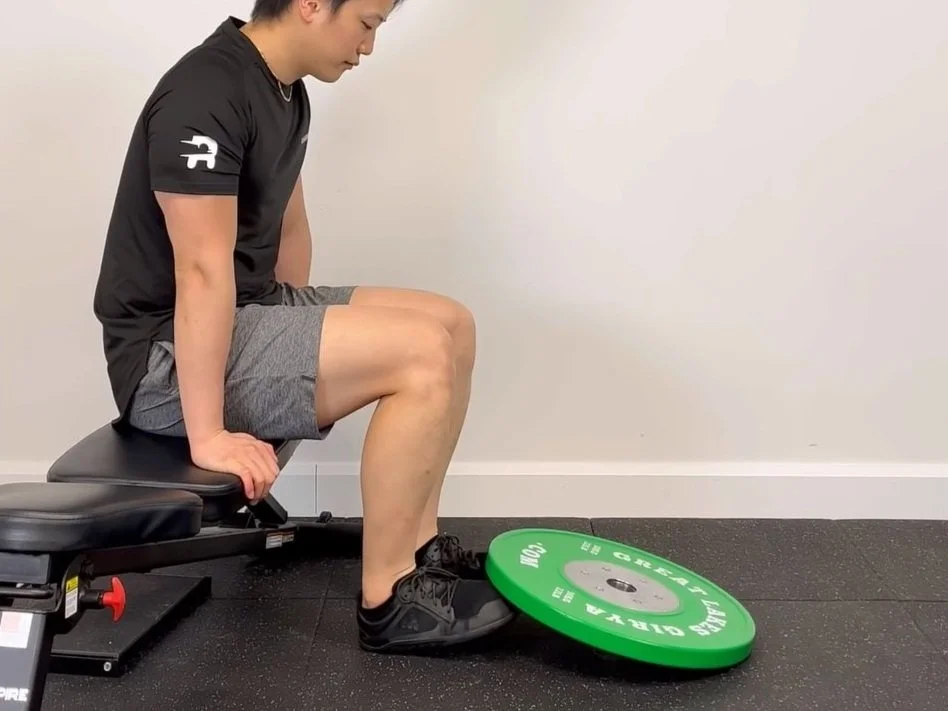
Nineteen healthy young men completed a randomized, double-blind crossover comparison of cacao polyphenols and placebo. They took a 500 mg polyphenol capsule before a sustained, low-intensity ankle-dorsiflexion task. Average time to task failure was 515 seconds with cacao and 519 seconds with placebo: no significant performance difference.
Ankle dorsiflexion means bringing the front of the foot toward the shin. The accompanying movement photograph illustrates that action, not the experimental apparatus or protocol. A controlled laboratory hold is different from a set of squats, a cycling time trial or a full lifting session. Results become useful when that distinction remains visible.
First decide which outcome would matter to you. If you are considering a supplement to sustain a demanding set, the ability to maintain the task is directly relevant. A separate measurement can explain an interesting response, but it cannot replace the performance outcome merely because its result looks more encouraging.
For example, imagine two training sessions in which you complete the same repetitions at the same load. One produces a different reading on a specialist test afterward. That reading may deserve further investigation, while your immediate programming decision remains unchanged. You still have the same demonstrated exercise output.
Also avoid treating a nonsignificant result as proof that the ingredient can never work. A small experiment has a defined task and population. Its value here is narrower: it did not establish a performance advantage under the conditions tested. That is enough reason to resist a confident promise of extra gym repetitions.
2. Keep central fatigue separate from feeling tired
Voluntary activation, a laboratory estimate related to central motor drive, was better preserved immediately after exercise and one minute later with cacao. However, maximal force recovery did not improve. A salivary stress marker also showed a different response pattern, while other assessed measures did not consistently favor cacao.
Those findings should not become a claim that your brain has recovered for the next workout. In everyday gym conversation, “central fatigue” is often used to explain anything from poor motivation to a difficult deadlift session. A specific laboratory measure has a much narrower meaning than that catch-all phrase.
Keep three questions separate: how tired do you feel, what can you actually perform, and what does a physiological test measure? They may be related, but they are not interchangeable. Feeling fresh does not automatically establish readiness for a personal record, just as feeling tired does not tell you precisely which physiological process is limiting the session.
That distinction also helps when reading supplement advertising. Ask whether the highlighted improvement concerns actual exercise output, a symptom rating, a biomarker or a proposed mechanism. Each can be worth studying. The mistake is silently replacing one with another while leaving the headline unchanged.
You do not need a laboratory to apply that reading habit. When someone says a product “improves recovery,” ask what improved and when it was measured. A clearer claim is easier to evaluate than a broad recovery promise, especially when your purchase decision is about tomorrow’s training rather than a specialist physiological question.
3. A cacao capsule is not a chocolate-bar prescription
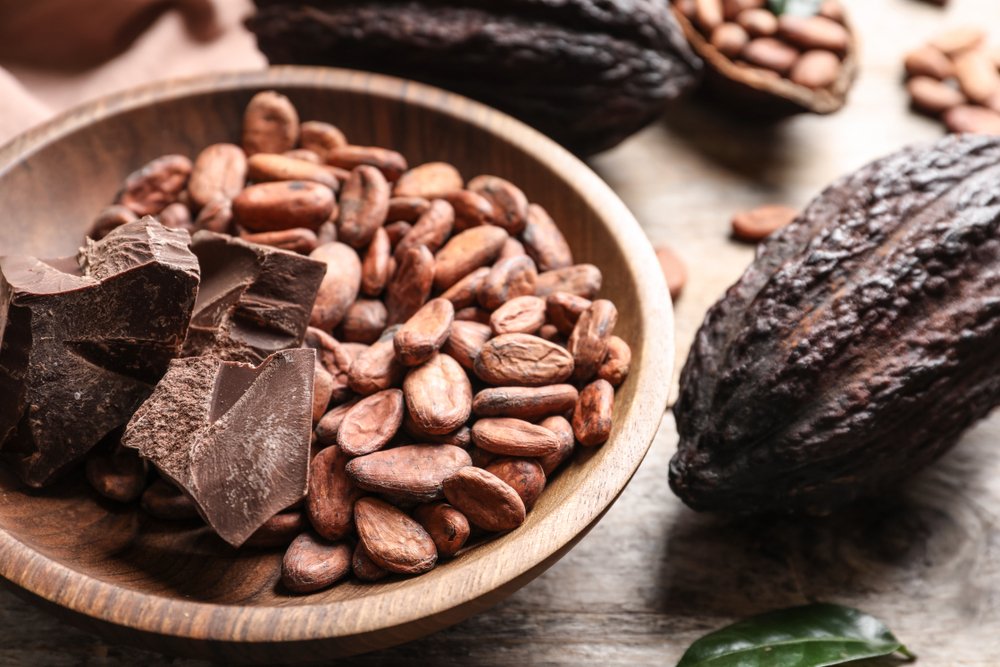
The intervention was a defined polyphenol preparation, not an ordinary chocolate snack. That limits what you can infer from a cocoa percentage or a picture of dark chocolate. A food label describing the proportion of cocoa does not by itself establish that the product matches the studied preparation.
When comparing products, distinguish the mass of the whole serving from the quantity of the ingredient a trial actually evaluated. A number printed next to “cocoa extract,” for example, may describe something different from a number specifying measured flavanols. Similar-looking milligram claims are not automatically interchangeable.
The practical question is whether the seller gives enough information to make the comparison at all. Check what the serving contains, how the amount is defined and whether the evidence concerns that formulation. If those details are missing, you cannot repair the gap by choosing the darkest packaging or the highest cocoa percentage.
Chocolate can remain a food you enjoy. You do not need to justify it as a performance intervention, and this experiment does not supply an amount of chocolate to eat before lifting. If you include it in your normal diet, account for the food as a whole rather than treating the headline ingredient as the only relevant part.
The useful discipline is to keep the buying decision proportionate to the evidence. An interesting experiment is a reason to follow future research, not an obligation to add another supplement. A product that cannot clearly explain its composition is particularly difficult to compare with a controlled trial.
4. Compare the wider evidence without merging different outcomes
A 2018 systematic review covering 13 studies found changes in several physiological measures, but acute and short-term cocoa-flavanol use did not improve athletic performance. That older evidence illustrates why favorable biological responses and a useful exercise advantage need to be evaluated separately.
A 2025 meta-analysis of five randomized trials involving 144 participants found no significant improvement in maximal oxygen uptake from dark-chocolate consumption. That outcome concerns aerobic capacity. It does not directly settle a question about lifting repetitions, but it also does not support a broad claim that chocolate reliably improves every kind of exercise.
A separate 2026 analysis in 603 older adults found no benefit for the measured two-year changes in grip strength, walking speed or the principal physical-performance battery. The age group, intervention duration and outcomes differ substantially from a young-adult fatigue experiment. Treating them as identical tests would lose the context that makes each result informative.
Read the evidence as a set of specific questions. Was the task aerobic or strength-based? Was the intervention a single serving or sustained use? Were the participants trained athletes, healthy young adults or older people? Did the result concern a direct performance measure or a biological response?
A useful research summary preserves those differences. It can acknowledge a promising mechanistic finding while withholding a practical recommendation. That is more helpful than counting favorable phrases across unrelated studies and presenting the total as proof that a supplement belongs in every gym bag.
5. Give your training log priority over a new promise
Before changing a routine that already works, define the problem you want to solve. Are repetitions falling unexpectedly, is the session becoming harder to repeat, or are you simply interested in a new ingredient? Those are different reasons for investigating a product, and they deserve different expectations.
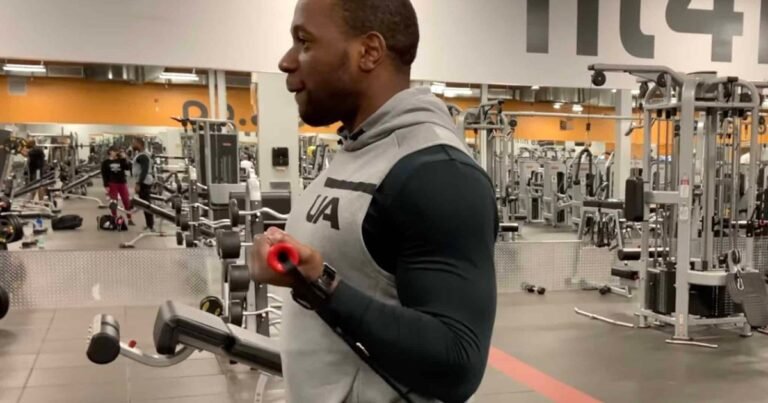
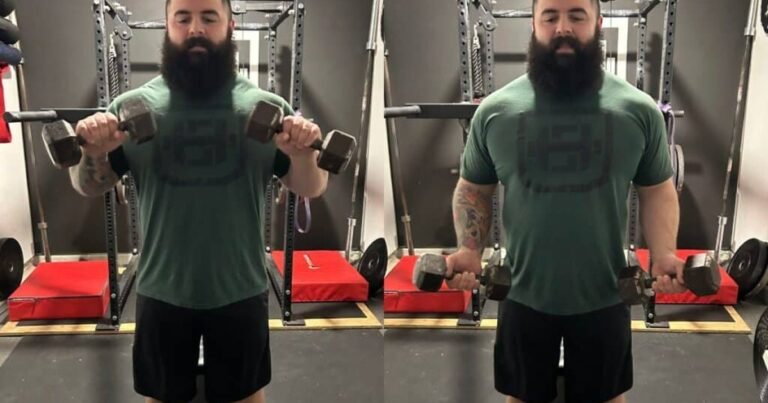
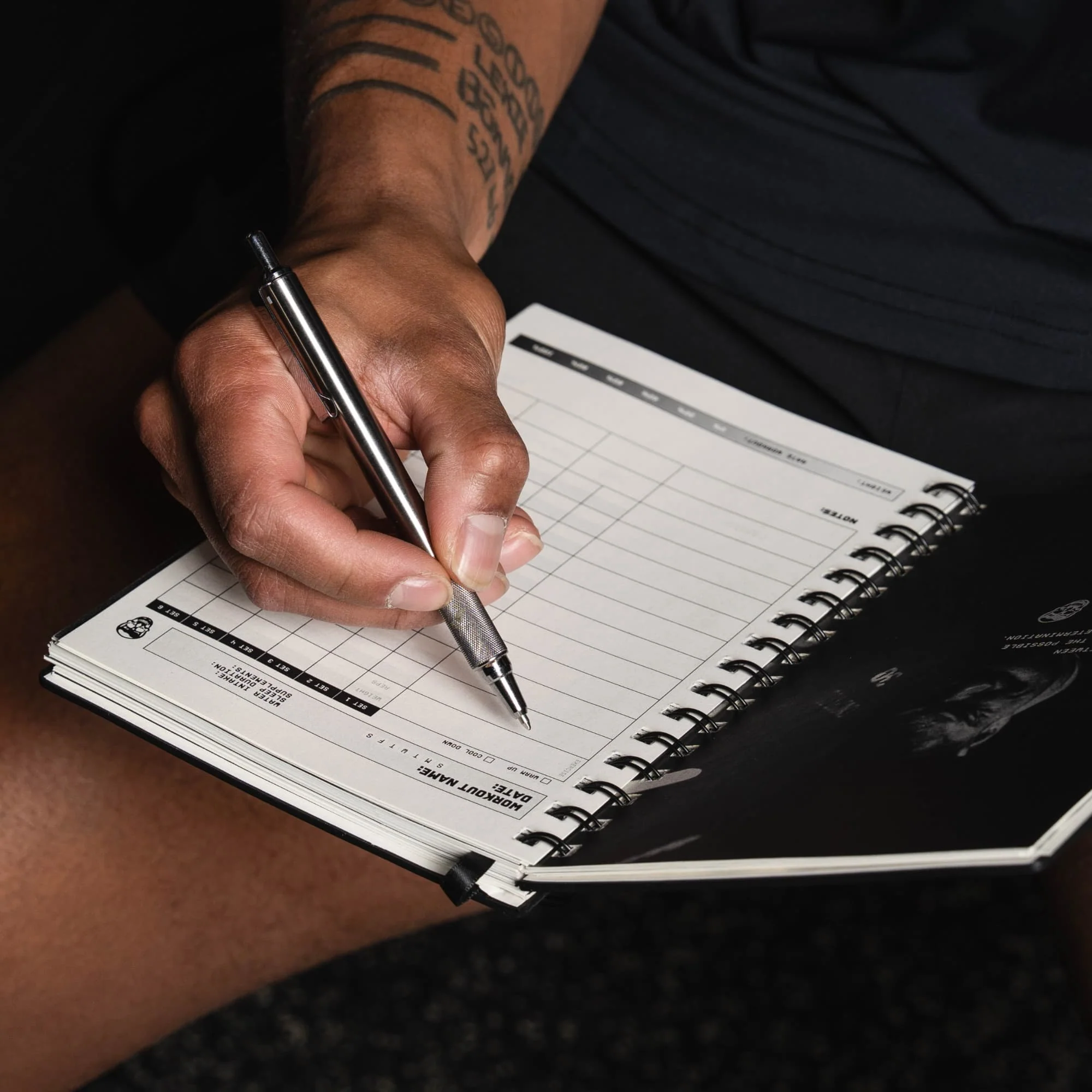
Choose a familiar exercise and keep its setup repeatable. Record the working load, completed repetitions, rest periods and an honest note about effort. Keep the equipment and useful range of motion consistent. A cable station and a dumbbell movement can both provide a baseline; switching the apparatus at the same time makes comparison less clear.

Equipment Worth Exploring
Explore equipment, accessories and gear from our carefully selected range.

Multi Bench MBX-650 2.0
Adjustable multi-bench with roller adjustment, 15 backrest positions and accessory mounts.


Rubber Hex Dumbbells
Rubber-coated hex dumbbell pairs with a stable shape for home and commercial strength training.


VOLTRA
Compact digital cable trainer with smooth, adjustable resistance.
Give unusual sessions context. Note a disrupted night, a rushed meal, a different training time or an exercise performed in a new position in the workout. These notes do not diagnose the cause of fatigue, but they help you avoid attributing every change to the latest supplement or snack.
If you later evaluate any change, decide what a worthwhile result would look like before seeing the numbers. One extra repetition in a single session may be interesting, while a repeatable pattern across comparable sessions is more informative. A personal log still cannot establish a biological mechanism or replace a controlled trial.
The cacao finding is worth following because it shows how performance and physiology can diverge. For the next workout, keep the practical threshold clear: an appealing explanation is not the same as demonstrated better training. Enjoy your food, maintain a repeatable routine and let the evidence earn a larger claim.

Funny Gym Shirts & Workout Gear
Funny gym shirts, tanks, hoodies and workout gear for lifters who like training hard.

Bro Science Periodic Table Tee
Heavy lifts, good laughs, and a little “Bro Science Periodic Table Graphic” energy.

Process Over Everything Stoic Greek God Marble T-Shirt
Heavy lifts, good laughs, and a little “Process Over Everything Stoic Greek God” energy.

Focus Stoic Bodybuilder Greek God Marble Sculpture T-Shirt
Heavy lifts, good laughs, and a little “Focus Stoic Bodybuilder Greek God Marble” energy.

More Rest More Test Meme Testosterone Bro T-Shirt
For laid-back days and lifting humor: “More Rest More Test”.

Off-Season Rest Day Decal Water Bottles & Gear Meme Sticker
Put “Off-Season Rest Day” gym humor on your laptop, bottle, or gym gear.

Mind Muscle Perfection Brain and Biceps Gym for Science T-Shirt
Show some gym-day personality with “Mind Muscle Perfection Brain and Biceps”.

Lift Smart Brain Weight Plate Mind Muscle Connection 45 Sticker
Put “Lift Smart Brain Weight Plate” gym humor on your laptop, bottle, or gym gear.

The Bro Science Theory Big Bang Meme T-Shirt
Rep “The Bro Science Theory” humor in and out of the gym.

Shirt – Broscience – Meme & Gymbros T-Shirt
Make gym days more fun with “Broscience” style.

Bro Science Chemistry Breaking Bad Hoodie
Show off your bodybuilding humor in a laid-back “Bro Science Chemistry” hoodie.