Advertising disclosure: This page includes affiliate product links that may earn us a commission, as well as products from our own store.
Cyclist Squats: Set the Heel Wedge, Load Your Quads and Control the Depth
Few squat variations make a modest weight feel as serious to your quads as the cyclist squat. Elevate your heels, bring the feet closer together and suddenly the movement asks for deep knee flexion with a relatively upright torso. The result can be an excellent quadriceps accessory, provided you build a stable platform and earn the depth instead of forcing it.
The useful distinction is between a controlled quad-biased squat and an unstable stunt on stacked plates. Here is how to select your wedge, manage the knee travel, choose a loading style and progress the lift through six weeks without making every workout a knee-tolerance experiment.
1. Choose a heel wedge and a stance you can actually own
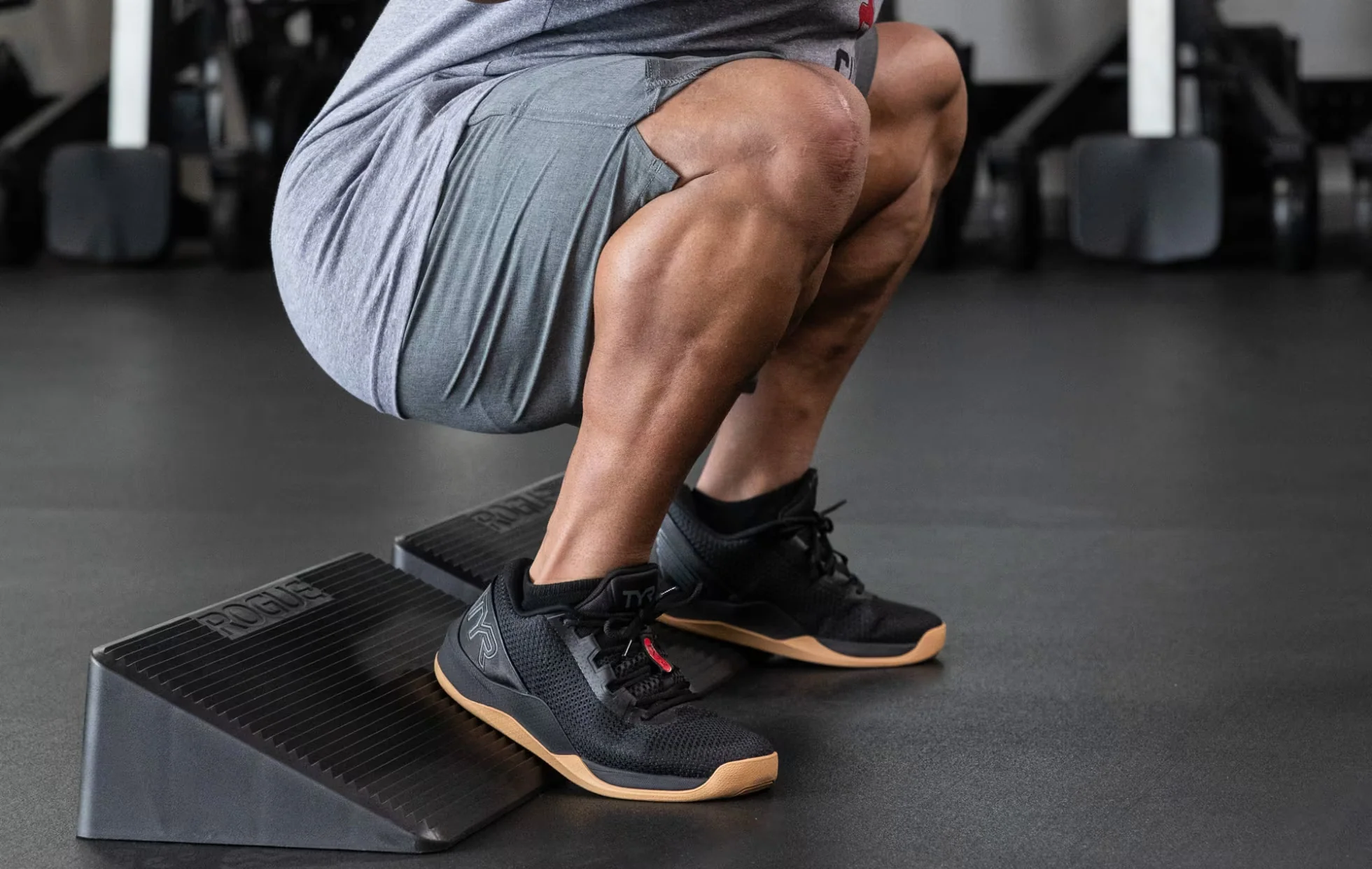
A cyclist squat is a deliberately knee-dominant squat: the heels are elevated, the feet are comparatively close together, and the lifter allows the knees to move forward as the hips descend. It is not simply an ordinary squat with a random plate under each shoe. The point of the setup is to make substantial knee bend available while the torso can remain relatively upright. That can make modest weights feel surprisingly challenging to the quadriceps.
Start by placing a purpose-made slant board or two stable, matching wedges on a dry, level floor. If using weight plates, make sure they are thick enough and absolutely secure; unstable rounded or sliding plates are a poor substitute. Put the heel and enough of the rear foot firmly on the surface, not just the edge of the shoe. Begin with bodyweight, preferably beside a sturdy support you can touch for balance. A modest elevation is enough to test the movement before trying a steep incline.
Stand roughly hip-width or slightly narrower, but do not interpret the exercise name as an order to glue your feet together. Feet that are too narrow for your hips or ankles may force the knees to collapse inward or make you wobble. Experiment with a small amount of toe turnout. The useful stance is the narrowest position in which you can track each knee in the direction of its toes without losing the whole-foot pressure. Tall lifters and people with longer thighs may appreciate a little more freedom rather than chasing a textbook silhouette.
Before loading anything, perform five slow repetitions. Check whether the wedges move, whether both heels stay in contact, and whether you can recover from the bottom without grabbing at the air. If you cannot, lower the wedge angle, widen the feet slightly or use a hand support. You are preparing a repeatable quad exercise, not passing a balance test.

Equipment Worth Exploring
Explore equipment, accessories and gear from our carefully selected range.

GymPin Squat Wedges
Non-slip 15-degree squat wedges help elevate the heels for deeper quad-focused squats.


Rubber Hex Dumbbells
Rubber-coated hex dumbbell pairs with a stable shape for home and commercial strength training.


Cast Iron Kettlebells
Textured cast-iron kettlebells for swings, squats, carries, and full-body training.
2. Let the knees travel, but keep the descent controlled
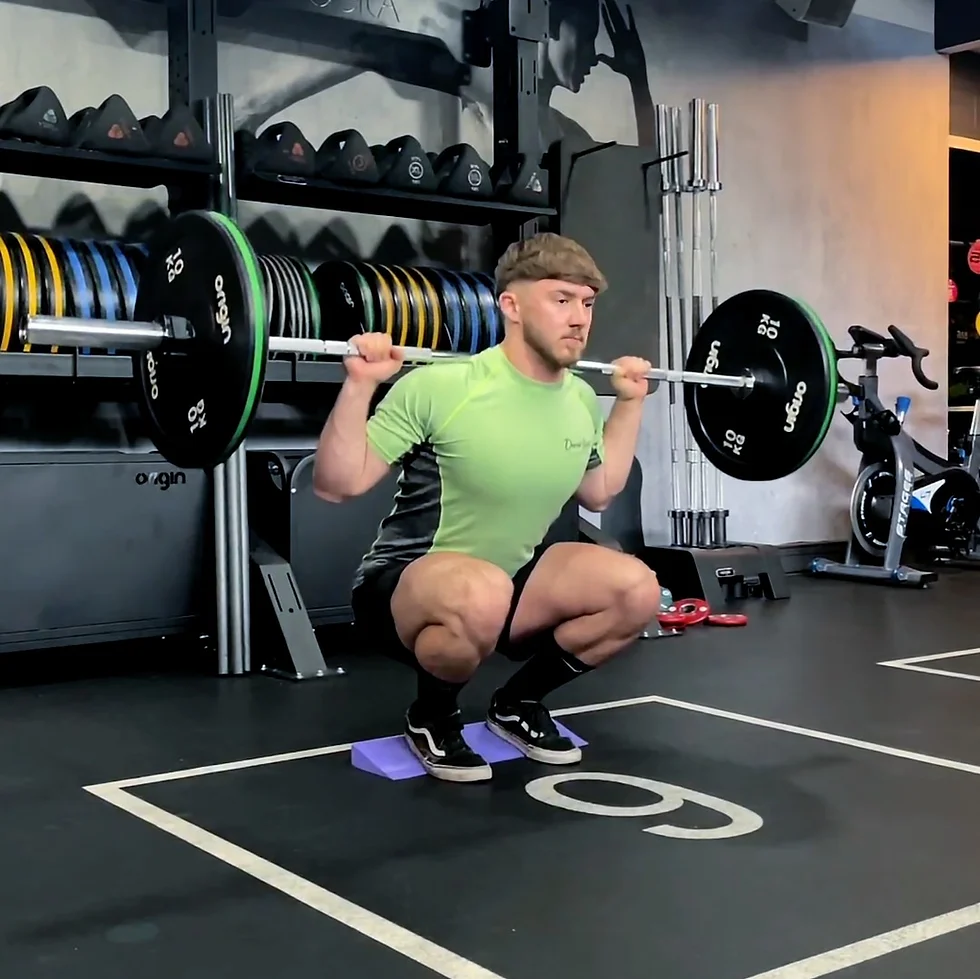
Take a normal breath and brace as if preparing for a controlled front squat. Bend the knees and hips together, letting the knees move forward while the thighs fold toward the calves. Keep the chest reasonably tall; do not force it perfectly vertical if that makes you arch your lower back. The center of pressure should remain stable through the foot on the wedge. A deliberate two- to three-second descent makes it easier to notice whether the load is drifting to your toes or your stance is twisting.
At the bottom, stop where you still have control. Deep knee flexion can be valuable for growing the quads, but maximum depth is not an achievement if your heels peel away, your lower back rounds suddenly, or you collapse onto a painful joint. Some lifters can comfortably bring their hamstrings close to their calves; others will benefit from a shallower working range that increases gradually. Use a brief pause to prove that the position is yours rather than bouncing out of it.
Stand by pushing the wedge away while the knees and hips extend. Avoid a deliberate heel lift on top of the raised surface. The calf does not need to perform a second exercise at the same time. Keep the ribs stacked over the pelvis and finish tall without exaggerated hip thrusting. The ascent may feel slow near the deepest point because the knee extensors are doing demanding work there. If you must pitch dramatically forward to complete the last few reps, the load is too high for the quad-biased pattern you wanted.
Knees moving ahead of toes are not automatically a technical fault. Knee travel is part of what makes this pattern different. The important distinctions are controlled movement, tolerable joint loading and stable foot pressure. If you feel sharp, catching or worsening discomfort in the knee or ankle, stop the set and modify the range, stance or exercise instead of repeatedly testing the same painful depth.
3. Understand the quad bias without turning it into a miracle claim
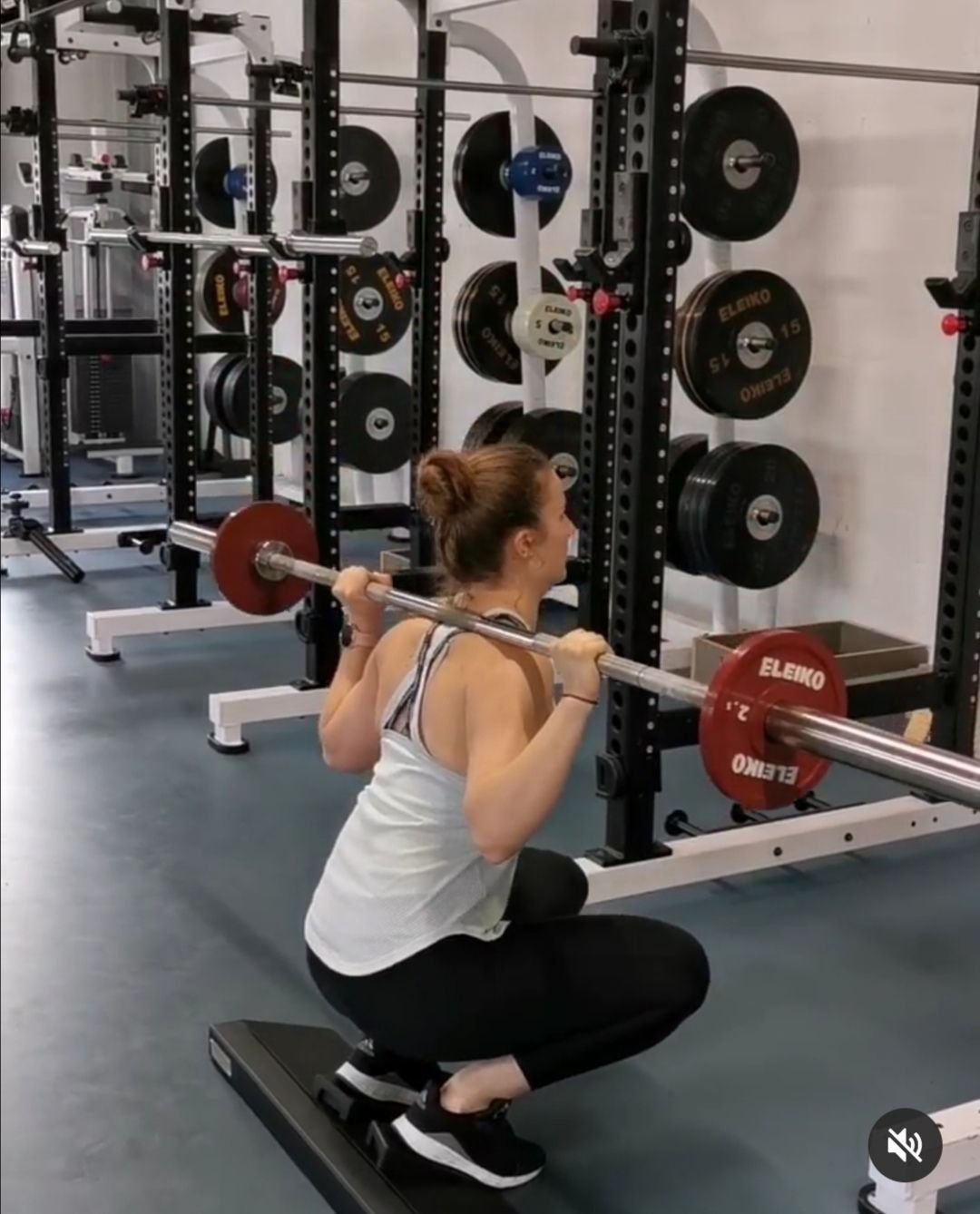
The quadriceps extend the knees. When your squat allows more forward knee travel and deep knee flexion, the knee extensors face a substantial mechanical demand. Elevating the heels changes the ankle geometry, which can let a lifter reach positions that would be difficult in flat shoes without tipping forward. Combined with a close but natural stance, the result often feels more quad-focused than a conventional back squat.
That does not mean cyclist squats switch off the glutes or hamstrings, nor that the inner teardrop-shaped portion of the quads can be selectively isolated by putting the feet a precise distance apart. All four heads of the quadriceps contribute to knee extension; hip extensors still help rise from the squat. There is no reliable reason to promise special growth in one visible section of the thigh just because your heels are higher. The training stimulus comes from tension through meaningful range, appropriate effort and repeatable progression.
Laboratory comparisons of heel elevation show changes in joint angles, knee moments and patterns of muscle activation, but the results vary with heel height, sex, footwear, loads and the type of squat being tested. A difference in a momentary muscle electrical signal is not automatically proof of greater long-term hypertrophy. An unloaded narrow cyclist squat and a heavy barbell squat are not interchangeable experiments. Treat the research as a biomechanical explanation, not a guarantee that one variation always produces bigger quads.
An underrated advantage is that the cyclist squat can be trained hard without needing the same absolute barbell weight as some wider-stance squat styles. That can be useful when you already have heavy compounds in the session. But a deep, forward-knee pattern can also feel demanding on tendons and joints. More knee motion is not a universal prescription: build tolerance progressively and choose the working depth you can repeat.

Leg Day Shirts & Workout Gear
Leg-day gym shirts and workout gear for lifters who never skip squats, lunges and lower-body punishment.


7 Plates Squat Club Shirt – Meme & Leg Day Gains T-Shirt
Rep “7 Plates Squat Club” humor in and out of the gym.

My Leg Hurts Leg Day Squat Lovers & Meme Fans Hoodie
Bring “My Leg Hurts” gym humor to lazy days and post-workout plans.


I Love Squats – Valentine's Day Leg Day Meme Decal for Sticker
Put “I Love Squats” gym humor on your laptop, bottle, or gym gear.

Coffee Shots & Heavy Squats for Leg Day, Lifting and Fi Tank Top
Add some leg-day attitude to training with “Coffee Shots & Heavy Squats”.

Heavy Metal Skeleton Squat for Powerlifting, Bodybuildi T-Shirt
Show some gym-day personality with “Heavy Metal Skeleton Squat”.


Squats R Us Shirt – Leg Day Gains & T-Shirt
Heavy lifts, good laughs, and a little “Squats R Us” energy.
4. Choose bodyweight, dumbbells, goblet or barbell loading
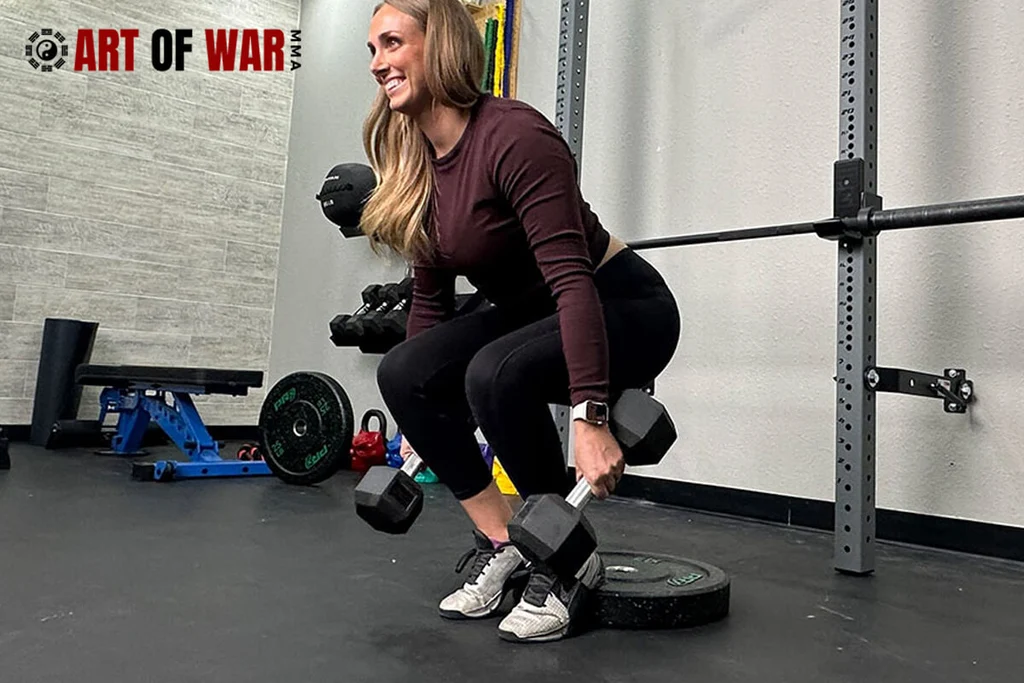
Bodyweight cyclist squats are the most honest starting point. Use a fingertip on a rack upright or post when balance limits depth before your quadriceps do. If you cannot complete a controlled set of ten at bodyweight, there is no benefit to making your exercise more complicated. You can instead use a slightly wider stance, a lower wedge or fewer repetitions and improve from there.
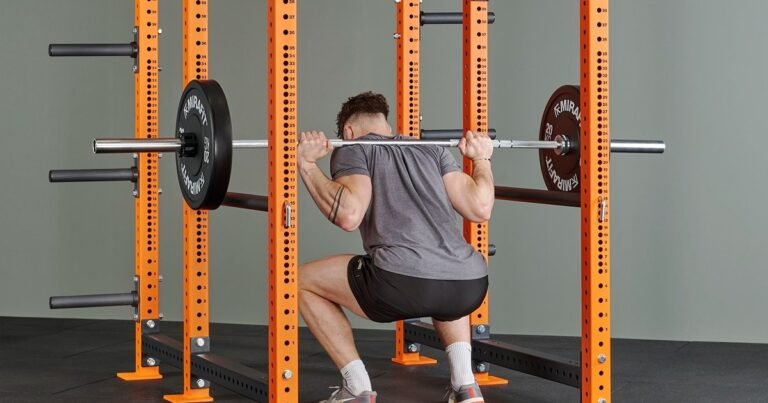
A goblet cyclist squat puts one dumbbell or kettlebell near the chest. The counterbalance can help you stay upright, though the arms and upper back may fatigue before your legs. Two dumbbells held at the sides free up the chest but may shift the loading feel and limit how close your arms can hang to the body. A barbell provides the most convenient heavy loading once you have a stable groove, but requires a suitable rack, safeties and enough shoulder mobility to hold the bar securely. Never turn a maximal back-squat attempt into a narrow-wedge balancing act.
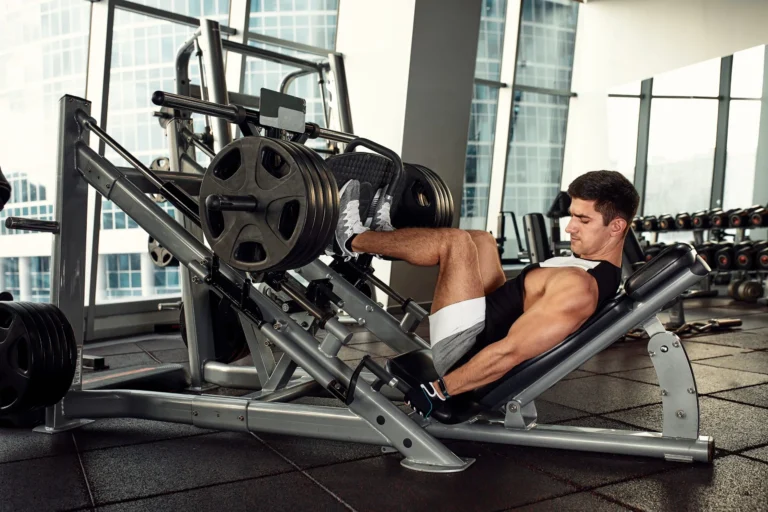
Compare this movement with a heels-elevated squat performed at ordinary stance width: the latter is often more forgiving, especially if your hip structure does not love narrow positions. Leg extensions make it easier to isolate knee extension without also managing balance. A hack squat or leg press removes part of the free-weight stability demand and can be easier to load. Those are complementary tools, not exercises to dismiss because cyclist squats feel harder at a lower weight.
Place the variation where it helps the program. After your primary squat or leg press, a few hard cyclist-squat sets can provide additional controlled knee-dominant volume. On a lighter quad-focused day, the movement can serve as the primary squat pattern. Either way, compare progress using the same wedge angle, stance, load and depth; swapping all four from session to session makes the logbook almost meaningless.
Equipment Worth Exploring
Explore equipment, accessories and gear from our carefully selected range.


Foldable Wall Rack
Wall-mounted folding squat rack designed to save floor space between workouts.

Multi Pull Smith Rack MPHR-780
All-in-one rack with a Smith machine, functional trainer, lat pulldown and low row.

Leg Press/Hack Squat BPR-790
Convertible 45-degree leg press and hack squat machine with a broad footplate and band pegs.

Studio V-Squat
Plate-loaded V-squat machine for supported lower-body strength training.

Compact Leg Press CLP-700
Compact reverse-style leg press with a moving seat carriage and an adjustable footplate.

Competition Plates
Competition-style bumper plates for Olympic lifts and loaded strength training.

5. Build a six-week plan around clean reps and joint tolerance
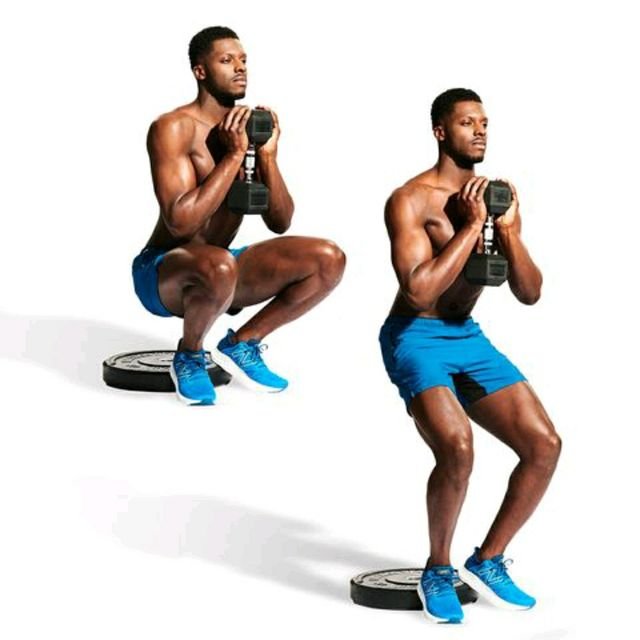
Try cyclist squats once or twice per week, ideally after a warm-up with ordinary squats, light cycling or another comfortable knee-bending movement. Start with two sets of eight to twelve slow repetitions and roughly two or three repetitions in reserve. Rest long enough that breathing and balance do not dictate the next set; for most accessory work, around ninety seconds to two minutes is a practical starting point. If the main goal is building quads, record the working weight and how deep you went rather than judging the set by the intensity of the burn.
During weeks one and two, keep the same wedge and stance and learn the movement. Choose a depth you can reproduce on every repetition. If fifteen clean bodyweight reps are easy and you can pause at the bottom without wobbling, add a modest goblet load. Do not increase wedge steepness and resistance simultaneously. Your first job is to establish an exercise that behaves the same way in each session.
In weeks three and four, move toward three work sets. Use a simple double-progression rule: remain at the same weight until every set reaches the top of a ten-to-fifteen-rep window with a smooth tempo and no knee or foot discomfort. Then increase the dumbbell by the smallest practical amount and let your reps return toward ten. The jump may be surprisingly challenging because the narrow-stance pattern is not built for huge loading. Maintain roughly one to three reps in reserve instead of forcing ugly grinders.
In weeks five and six, choose one change based on the limiting factor. If the legs need more resistance and the form is stable, add weight. If equipment limits weight, add a one-second controlled pause at the bottom. If the range has been shallow but pain-free, gradually work slightly deeper. Do not stack more depth, longer pauses, faster tempo and greater load into one week. On the sixth week, use a slightly lighter final session or reduce one set if your knees feel unusually irritated or your normal squat performance is slipping.
Judge success by repeatable depth, a stable platform, more clean reps or a little additional resistance—not by how sore you are the next morning. If your knees tolerate regular squats but repeatedly object to cyclist squats, a comfortable goblet squat, split squat or machine knee-extension variation can still train your quads effectively. A useful accessory should complement the program rather than become its most exhausting and unpredictable lift.