Advertising disclosure: This page includes affiliate product links that may earn us a commission, as well as products from our own store.
Drag Curls: Learn the Elbow Path Before Adding Weight
The drag curl gives an ordinary-looking barbell a different route. Instead of chasing the same finish position as your usual standing curl, you deliberately change how the upper arms move. That makes the exercise worth learning as its own task. It does not make it a secret shortcut to bigger arms or a test of how much weight you can move by any means available. Start by recognising the repetition, then choose equipment and a load that let you repeat it clearly.
1. Recognise a drag curl before counting repetitions
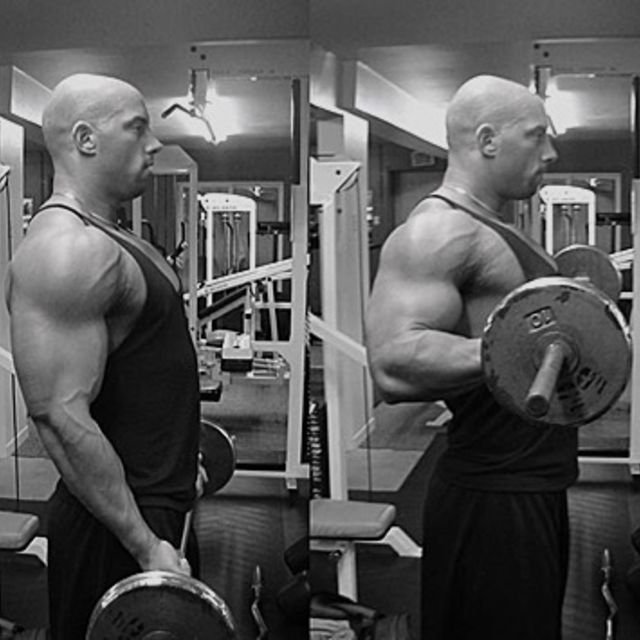
Begin standing with a palms-up grip and the bar near your thighs. During the lift, the elbows travel backward and the bar stays close to the torso. The finish is generally around the upper abdomen or lower chest. Lower along the same route under control. This is a deliberately different path from sending the bar forward and upward toward the shoulders.
Do not force extra height by shrugging or leaning backward. A shorter-looking repetition can be consistent with the exercise; height alone does not identify good execution. Use a manageable load while learning the sequence, and stop forcing the movement if it is uncomfortable.
For a useful first check, watch where the upper arm goes rather than only watching the plates. A repetition that changes its route halfway through is difficult to compare with the next one. Decide what you intend to practise before making the set harder.
2. Understand the grip without turning anatomy into a ranking
The biceps brachii contributes to bending the elbow and turning the forearm into a palms-up position. It also crosses the shoulder. Those functions explain why elbow angle, forearm orientation and upper-arm position are useful things to describe when discussing curls. They do not prove that one exercise isolates a particular head completely or produces the most growth.
Keep the wrists steady rather than folding them to move the bar farther. General barbell-curl guidance also emphasises a controlled torso and avoiding a swing. These checks remain useful when learning an unfamiliar variation, but remember that the drag curl intentionally changes upper-arm travel. A cue intended for a conventional curl should not silently erase that defining difference.
Make the grip description concrete. Record whether you used a straight bar or an angled curl bar, and which part of the handle you held. “Same bar” can be ambiguous in a gym with several differently shaped implements. A comfortable hand position is more useful than copying another person’s exact hand spacing without considering the equipment.
Take a light rehearsal seriously enough to notice the details. Can you hold the implement without bending the wrists? Is the grip repeatable on both sides? Can you describe the position without guessing? These are practical observations, not an anatomical diagnosis. Persistent pain or a current injury needs suitable individual guidance, not a new grip experiment pushed harder.
3. Keep conventional curls and drag curls separate in the log
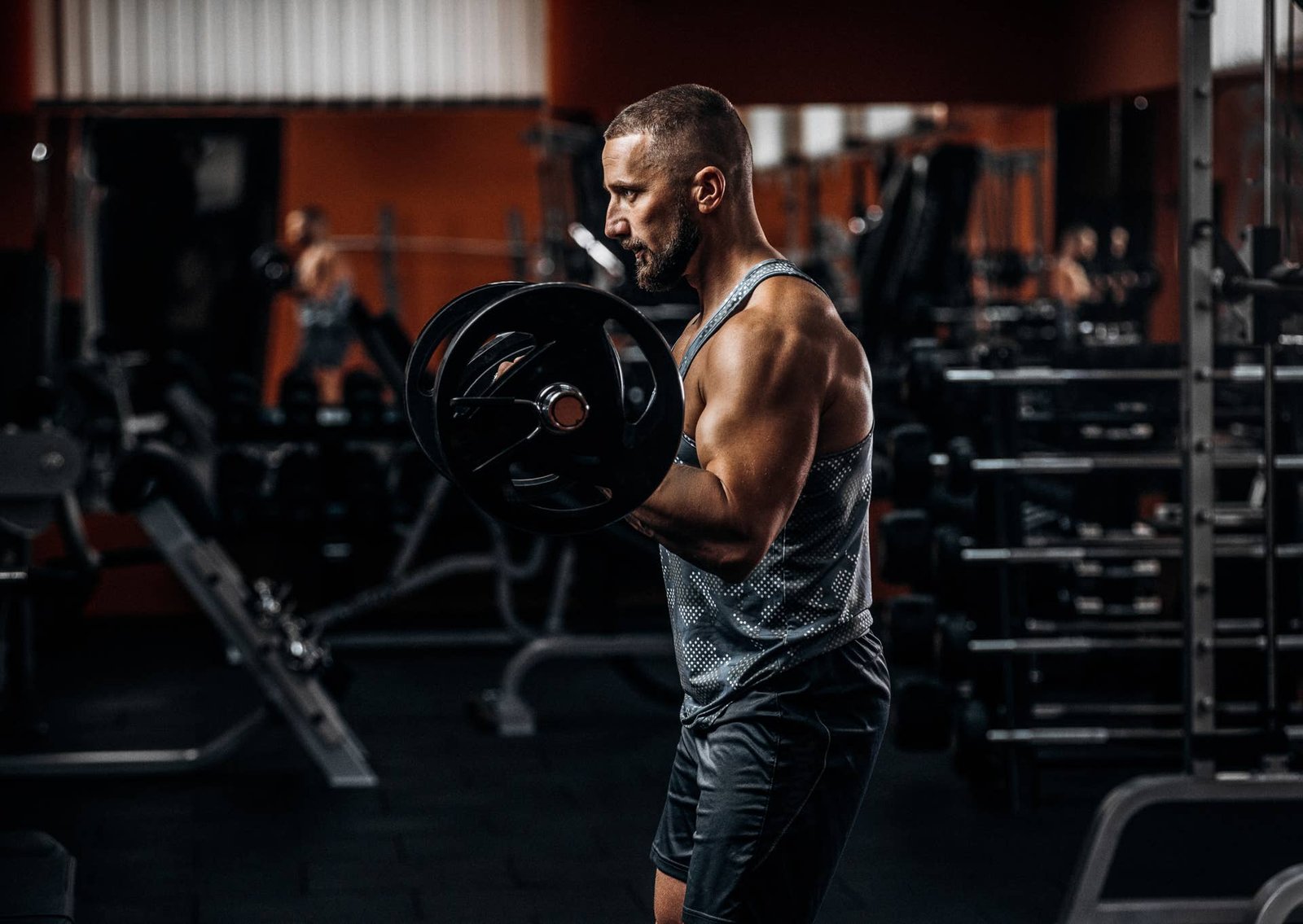
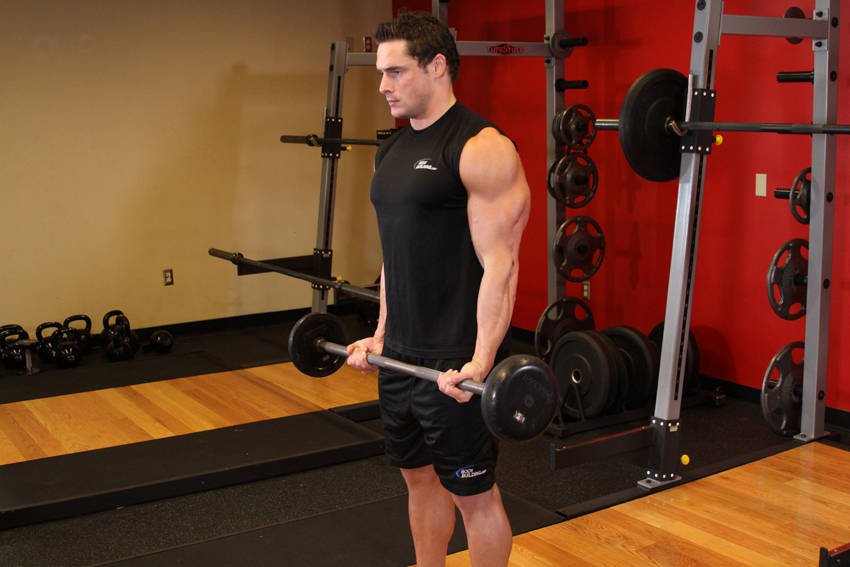
A conventional standing barbell curl is commonly taught with the elbows near the sides, a stable torso and controlled elbow flexion as the bar rises. The accompanying photograph illustrates a conventional barbell-curl context. It is a comparison image, rather than a second demonstration of the drag-curl route.
Both exercises belong in the broad family of elbow-flexion movements. That shared label does not make their working weights interchangeable. If you use one variation for several weeks and then switch, enter the new exercise name rather than treating the first session as a sudden loss or gain of strength.
Imagine two notebook entries: a conventional curl with a certain bar for ten repetitions, followed later by drag curls with a lighter implement for eight. Without the exercise names, the second entry could look like a disappointing result. With the names and setup recorded, it is simply a different task with its own baseline. These are illustrative numbers, not recommended loads or predicted outcomes.
The same principle applies to video comparisons. Film from an angle that shows the torso, upper arms and implement throughout the movement. A close-up of one flexed biceps may look impressive while hiding the details you wanted to check. Keep the recording useful to you: similar camera position, a clear view and enough space that equipment stays in frame.
You can retain a productive conventional curl while trying another variation. There is no need to declare an old movement useless to make room for a new one. Give each exercise a clear purpose and a separate record, then judge whether it earns its place in the programme.
4. Choose the implement before choosing the next increment
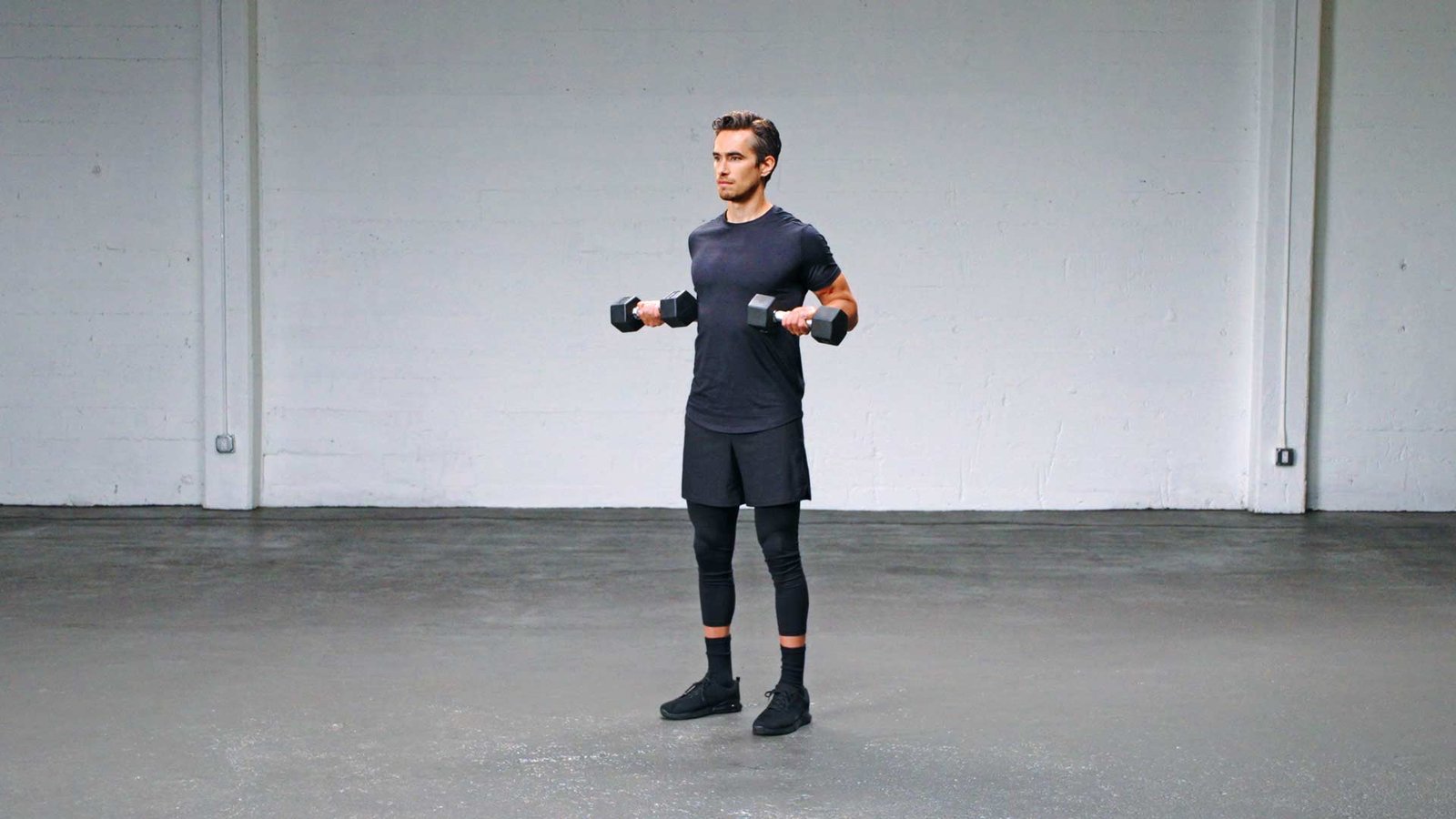
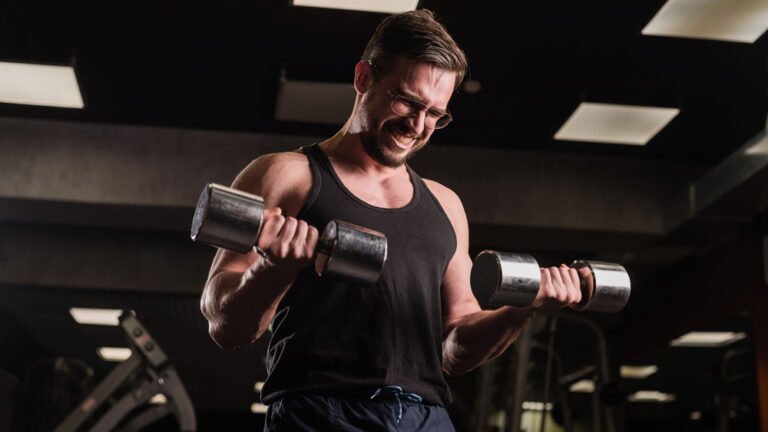
Dumbbells provide another way to practise the drag-curl pattern. Treat them as a distinct variation with a separate setup and log entry. The photograph shows the dumbbell version, so the implement visible in the section matches the option being discussed.
Equipment choice also affects how you describe the weight. With a barbell, specify whether the recorded number includes the bar. With dumbbells, write whether you mean each dumbbell or the combined total. “Twenty” can represent very different sessions depending on the convention. An accurate entry prevents confusion when returning to the exercise later.
Check what increments are actually available. A fixed-dumbbell rack, adjustable dumbbells and a plate-loaded bar may offer different next steps. If the smallest available increase changes the repetition substantially, staying at the present load is an option. You do not need to invent a progression simply because a heavier implement is nearby.
Keep setup practical and secure. Allow enough room for the weights, put equipment down deliberately and use the implement as intended. A crowded rack area is a poor place to create a complicated filming station. A few clear observations can be collected without monopolising the equipment or interrupting other people.
The selection below contains curl bars, standard barbells, dumbbells and smaller loading options. These are alternatives for equipment and progression, not a claim that buying a particular product changes the biology of arm growth. Choose the option that fits your existing training setup and the adjustments you genuinely need.

Equipment Worth Exploring
Explore equipment, accessories and gear from our carefully selected range.


EZ Curl Barbell
Olympic EZ curl bar with angled grips for curls and triceps exercises.


Rubber Hex Dumbbells
Rubber-coated hex dumbbell pairs with a stable shape for home and commercial strength training.


5. Use a simple progression record instead of chasing a pump
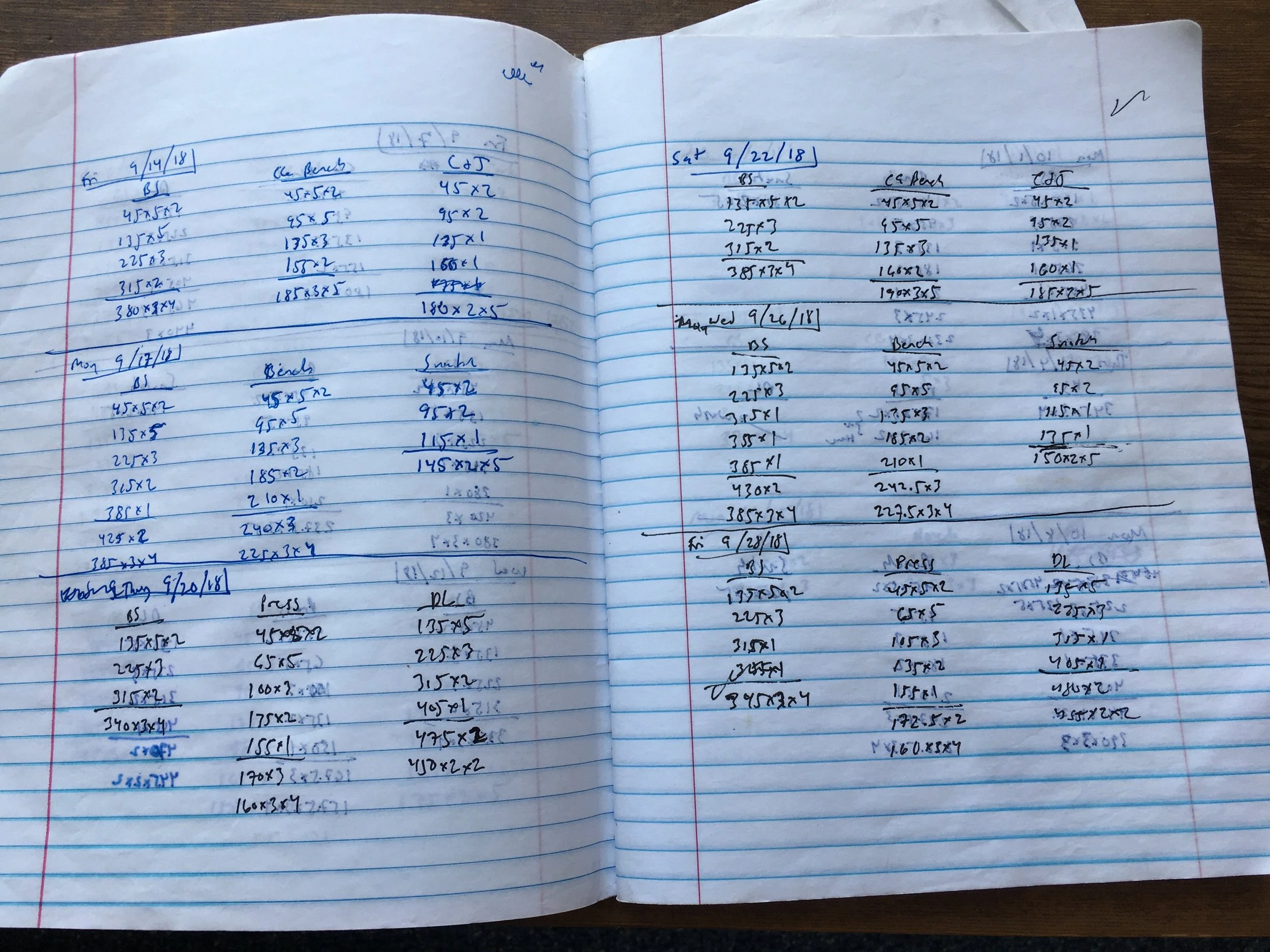
Give a new exercise a stable place in your training record. Write its exact variation, implement, grip, repetitions, sets and a short note about how the movement looked. The photographed notebook illustrates keeping real training entries; its handwritten exercises and weights are not a programme to copy.
For an example of organising practice, use the first couple of exposures to settle the setup. Keep the implement and recording convention the same. In later sessions, compare repetitions only when the movement remains recognisably consistent. This is a practical learning sequence, not a tested six-week drag-curl protocol or a promise about how quickly it should progress.
One optional practice example is two working sets of eight to twelve controlled repetitions, with about two minutes between sets. Choose a load that leaves a few repetitions in reserve rather than testing failure while learning. Keep that setup for a few exposures. When both sets reach the top of your chosen range without changing the movement, try the smallest practical increase and allow the repetition count to fall back within the range. This is an illustrative way to organise an accessory exercise, not an established optimal drag-curl dose. Adjust it to the rest of your training and recovery.
If you choose a repetition range, use it to organise the exercise rather than excuse a changing technique. An added repetition is easier to interpret when you did not also alter the bar, grip, torso movement and position in the workout. When several things change, record them. An honest note is more valuable than manufacturing a personal best.
Consider the rest of the session too. If the curl follows demanding pulling work one day and comes first on another, note that difference before comparing the results. The exercise may feel different in those circumstances, but the notebook cannot tell you the cause with certainty from one pair of sessions.
A pump or a satisfying contraction can be part of the experience without becoming the only success measure. Look for the training you actually intended to perform: a clear movement, manageable loading and repeatable work. If the variation repeatedly feels awkward, an established curl you can perform comfortably may be a better choice for now.
The useful lesson is simple: learn the task, name it precisely and make progression visible. A new curl does not need a dramatic superiority claim. It needs to fit the programme well enough that you can return, perform it consistently and understand what your record is telling you.

Bodybuilding Shirts & Workout Gear
Bodybuilding shirts, tanks and gym gear for lifters chasing muscle, size, symmetry and the pump.

Curls The Girls Shirt – Bicep Curls Top & Gymbros T-Shirt
Rep “Curls For The Girls” humor in and out of the gym.

OnlyGains Big Biceps Sweater & Meme Fans T-Shirt
Bring “OnlyGains Big Biceps” humor to your everyday gym style.

Funny Micro Biceps Club President | Gym Humor Hooded | Hoodie
Bring “Micro Biceps Club President” gym humor to lazy days and post-workout plans.


The Real Rocky Mountains Bicep Mountain Meme & T-Shirt
Heavy lifts, good laughs, and a little “The Real Rocky Mountains Bicep Mountain” energy.

Welcome To The Gun Show Bro Meme Huge Arms Tank Top
Train hard, laugh a little, and rep “Welcome to the Gun Show”.

Mind Muscle Perfection Brain and Biceps Gym for Science Hoodie
Show off your lifting humor in a laid-back “Mind Muscle Perfection Brain and Biceps” hoodie.

Gym Dost Thou Even Curl Medieval Knight Arm Day Crewnec T-Shirt
Show some gym-day personality with “Dost Thou Even Curl Medieval Knight Arm Day”.


Gym If You're Reading This It's Arm Day Drake Parody & Sticker
Stick a little “If You're Reading This It's Arm Day Drake” humor on your favorite gear.