Advertising disclosure: This page includes affiliate product links that may earn us a commission, as well as products from our own store.
Should your deadlift weight come from a spreadsheet or from how hard the set actually feels? A 2026 randomized training study offers a useful comparison: 18 participants completed two different loading approaches, both improved their one-rep max, and the RPE-based group reported lower fatigue before sessions.
What RPE and percentages ask the lifter to do
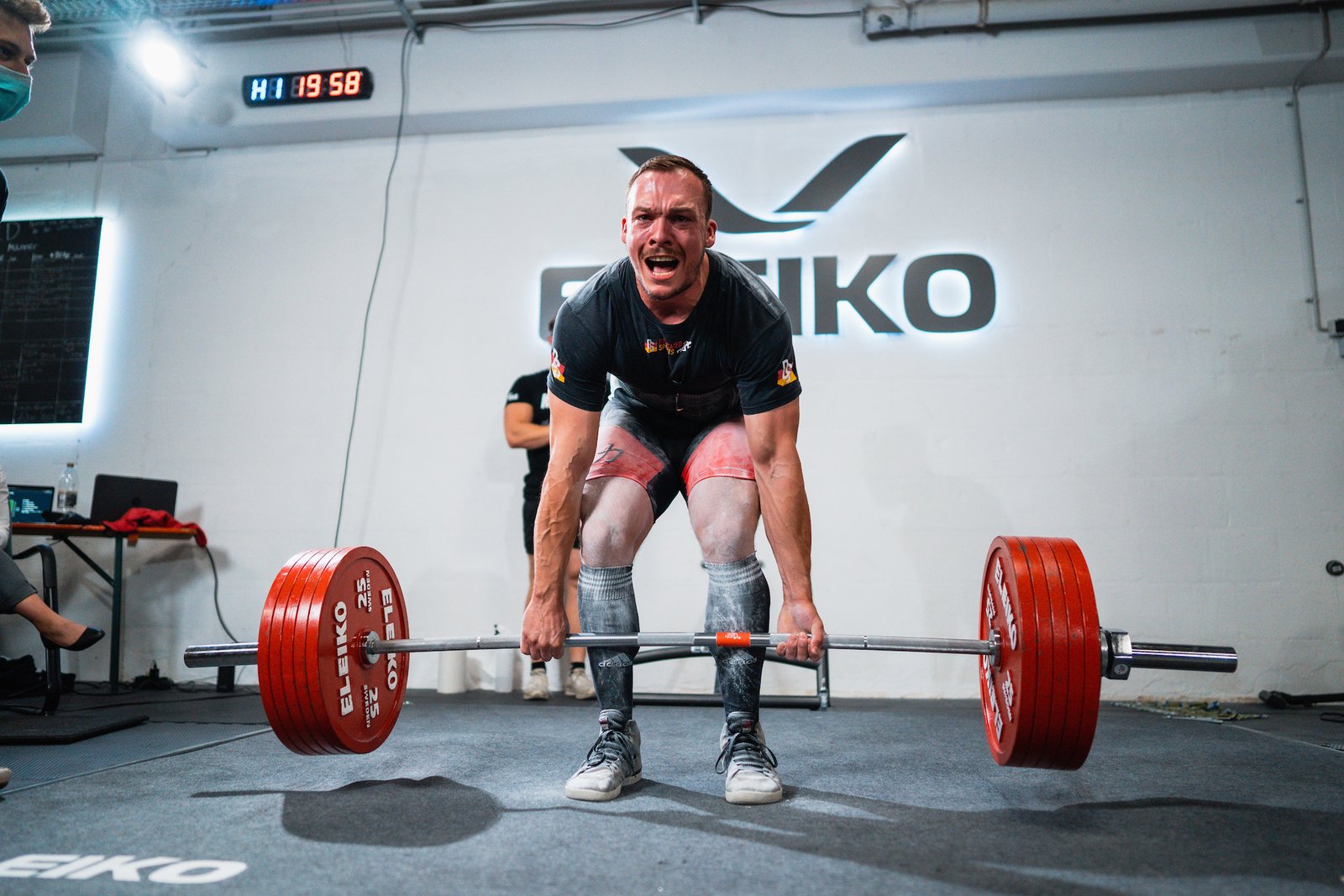
Two lifters can complete the same five-rep deadlift set and experience entirely different demands. One may be fresh, well rested and moving the bar confidently. The other may have slept poorly, played a demanding sport the previous day or accumulated soreness from squats. A fixed percentage of one-rep max gives both a simple external target. A rating of perceived exertion, or RPE, asks them to adjust the load to the effort of the set.
In a percentage program, a coach might prescribe three sets of five at 80% of a known 1RM. If the most recent deadlift max is 200 kg, that means 160 kg regardless of how the athlete feels today. There is value in the consistency: the plan is easy to communicate, track and compare. But the number is only as current as the max estimate. A test performed months ago may no longer reflect present capacity.
A strength-specific RPE scale usually connects the difficulty of a set to estimated repetitions remaining. RPE 8 means the lifter judges that about two more technically acceptable repetitions were possible; RPE 9 suggests roughly one remained. It is not a universal conversion from perceived effort to bar weight. The same RPE can require different loads when sets, exercises, skill and recovery change.
Both methods can coexist. A sensible percentage range sets the general intensity, while RPE helps decide whether to use its low or high end. The real question is not whether feelings beat mathematics, but whether allowing adjustment produces more useful training without sacrificing measurable strength progress.
The trial: 24 randomized, 18 finished
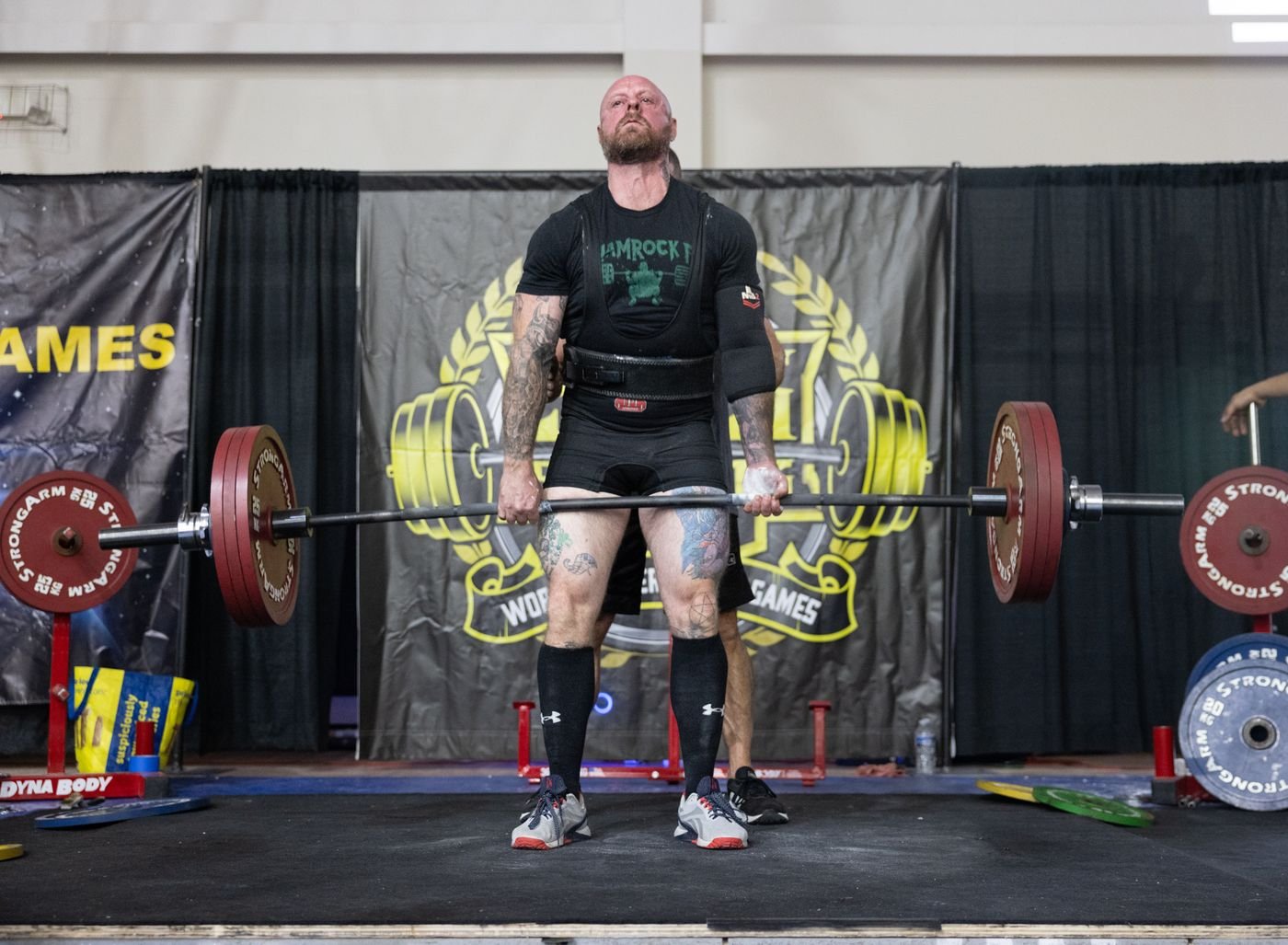
In an October 2026 experiment, 24 adults were assigned to either RPE-based or fixed-percentage deadlift loading. Each group began with 12 participants, but nine from each completed the intervention. That distinction matters: the reported final training outcomes reflect 18 finishers, not 24 fully observed lifters. The two groups used matching set-and-repetition schemes, with the method of selecting load as the principal programming difference.
The researchers tracked deadlift one-rep maximum as the primary strength outcome. Handgrip strength and body composition were secondary measures. Participants also reported fatigue before training sessions using a 100-millimeter visual analog scale. Those measures capture several different outcomes: what a person can lift once, how they perceive readiness and whether their measured physique changed.
The trial was relatively small. We cannot assume its precise results generalize to advanced world-class powerlifters, novices learning the hinge, people following other set structures or a year-long training cycle. Nine completers per arm also make it difficult to establish a small but meaningful difference between strategies with high precision.
Still, the design is directly relevant to an everyday programming choice. Athletes did not change between an entirely different exercise menu and a deadlift plan. They trained the same main movement while choosing resistance through two popular prescriptions, allowing a practical comparison of how those choices played out.

Equipment Worth Exploring
Explore equipment, accessories and gear from our carefully selected range.


Competition Plates
Competition-style bumper plates for Olympic lifts and loaded strength training.

Open Hex Bar
Open-frame trap bar with multiple handles for deadlifts, carries, and lower-body training.


Foldable Wall Rack
Wall-mounted folding squat rack designed to save floor space between workouts.

Leather Lifting Straps
Padded leather straps support grip during heavy rows, deadlifts and pulling exercises.
Both groups got stronger, without a clear RPE winner
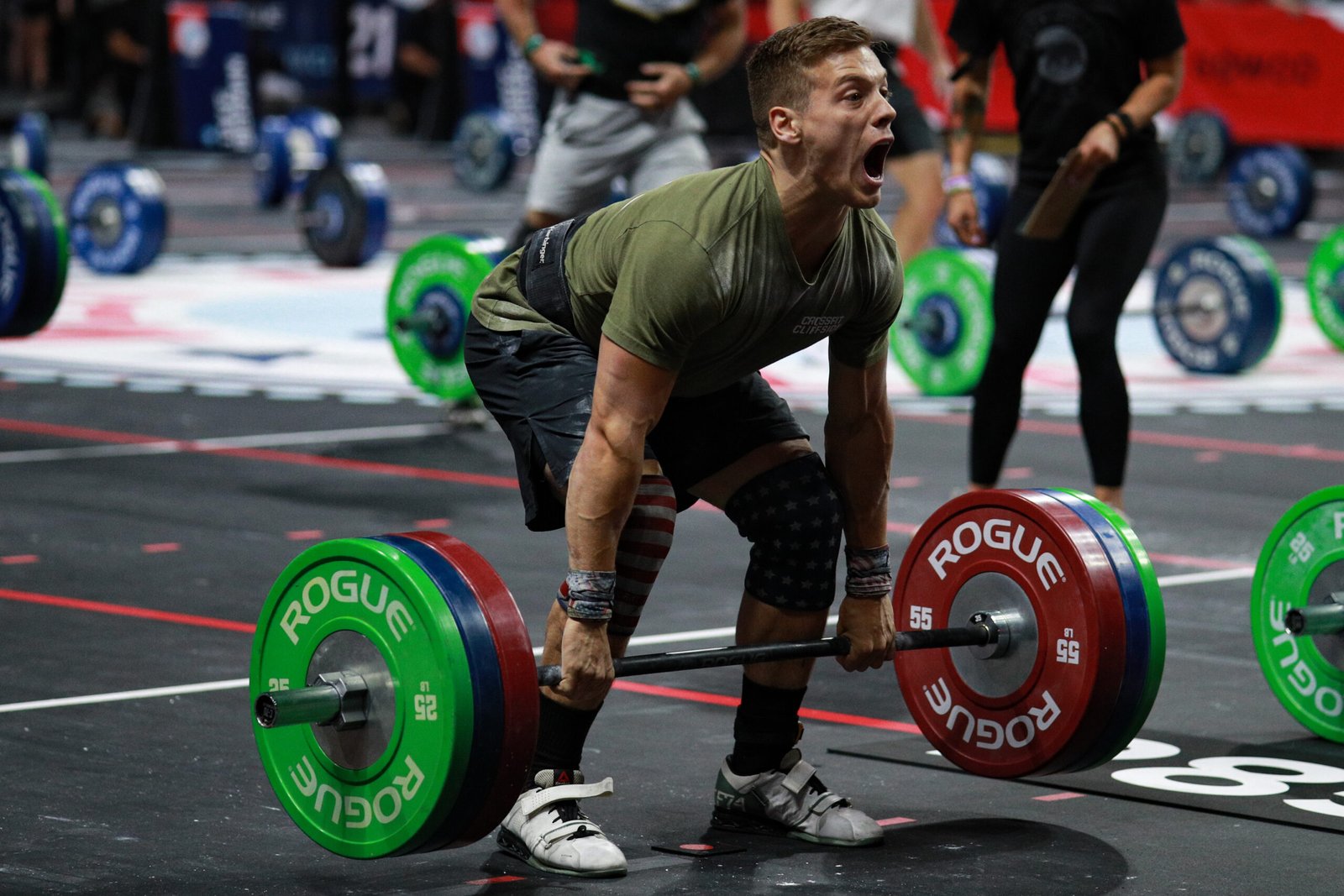
The average deadlift 1RM improvement was 12.3 kilograms in the RPE group and 10.8 kilograms in the percentage group. Both sets of participants increased strength during the experiment, while the difference between strategies was not a demonstrated advantage for one group over the other. A 1.5-kilogram numerical gap is not proof of superiority when the study is small and the statistical comparison does not establish it.
Average working intensity was also similar: approximately 82% of one-repetition maximum in the RPE arm and 80% in the fixed-percentage arm. Deadlift training volume averaged about 1,212 versus 1,338 kilograms per session, again without a clear significant difference. These numbers show that RPE-based training did not require substantially lighter pulling to achieve a comparable result.
A different volume measure was higher in the percentage group: total training volume was reported at roughly 4,496 kilograms per session versus 2,059 kilograms in the RPE group. The available public results do not fully explain how this broader total was built from all the training work. It would be premature to infer that a specific accessory movement, set or training frequency caused that difference.
Nor did either strategy produce a measurable body-composition change in this experiment. The RPE arm showed an improvement in right-hand grip strength that the percentage arm did not demonstrate, but one secondary outcome should not become the headline claim about muscle growth. The important outcome for a deadlift program remains that both approaches moved the strength needle in these finishers.

Powerlifting Shirts & Lifting Gear
Powerlifting shirts and gym gear for squat, bench and deadlift lifters who live for heavy numbers.

Bending Bars Meme – Barbell Squat Bench Deadlift, & T-Shirt
Heavy lifts, good laughs, and a little “Bending Bars Gym Meme” energy.


3 Plates Deadlift Club : Motivational & Ultimate Top T-Shirt
Rep “3 Plates Deadlift Club” humor in and out of the gym.

Do You Even Deadlift Muscle Shirt Athletic Vest Deadpoo Tank Top
Train hard, laugh a little, and rep “Do You Even Deadlift”.
PR or ER – Hardcore Deadlift Gym Shirt for Powerlifters T-Shirt
A t-shirt featuring the PR or ER – Hardcore Deadlift Gym Shirt for Powerlifters and Bodybuilders artwork, bringing lifting-inspired humor and distinctive gym graphics to your everyday gear.

Deadlift Skull Tank Top Pink Heavy Metal
Bring “Deadlift Skull” humor to your next lifting session.

Deadlift Pink Skull Muscle Shirt for Powerlifting Leg D Tank Top
Bring “Deadlift” humor to your next lifting session.

Deadlift Stone Skull Gym Crewneck for Powerlifters, Hea T-Shirt
For laid-back days and deadlift humor: “Deadlift”.

45LB Metal Weight Plate Barbell Standard Lifting T-Shirt
For laid-back days and metalhead humor: “45LB Metal Weight Plate”.

I’m Strong Barbell Heartbeat Decal for Powerlifting Str Sticker
A fun “I’m Strong Barbell Heartbeat” touch for bottles, laptops, and lockers.
Fatigue is where the practical difference appeared
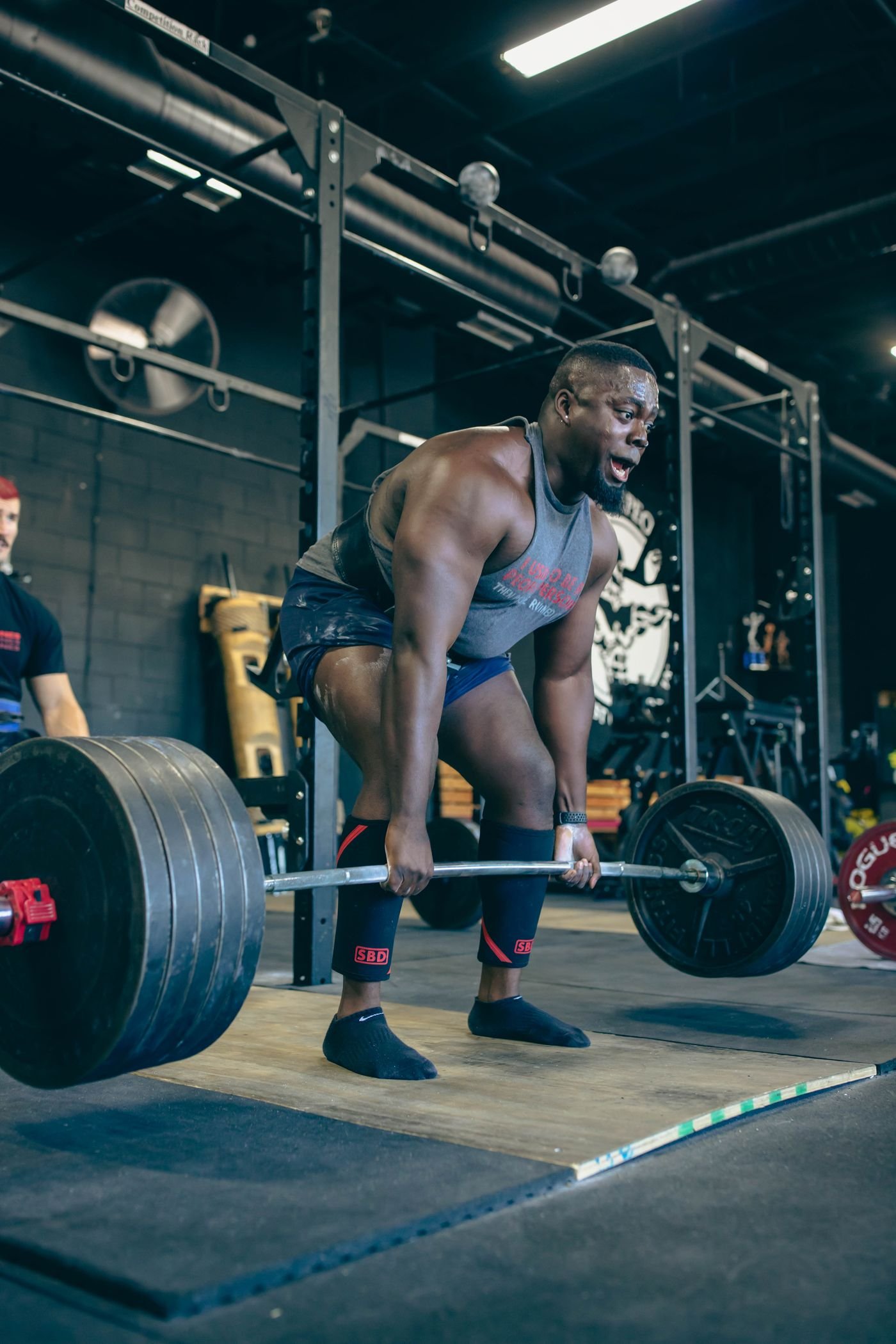
Average fatigue reported before sessions was lower in the RPE group, around 27.8 millimeters versus 32.7 millimeters in the fixed-percentage group on a 100-millimeter scale. That is a modest numerical difference, but it favors the idea that a responsive loading strategy can coexist with strength gains while leaving lifters feeling less run down before subsequent work.
There are two important caveats. First, a self-reported fatigue score is not the same as measuring injury risk, nervous-system recovery or a guaranteed performance boost. Second, this was a group-level association inside a particular training program; it does not prove that selecting RPE on Monday will reduce your soreness on Tuesday by a fixed amount.
The benefit makes intuitive sense. A percentage target forces the same mathematical load until a coach intervenes or the max gets revised. An RPE prescription permits a lifter to remove a few kilograms when a supposedly ordinary set feels unexpectedly close to failure, then load more heavily on a good day without abandoning the planned rep count.
The opposite problem also exists: uncalibrated lifters can undershoot hard work because discomfort is mistaken for an inability to continue. Experienced athletes can sometimes misjudge their repetitions in reserve, especially across different exercises and fatigue states. RPE should be treated as a trainable skill tested against objective repetitions and bar speed, not a substitute for accountability.
Use a hybrid prescription instead of picking a side
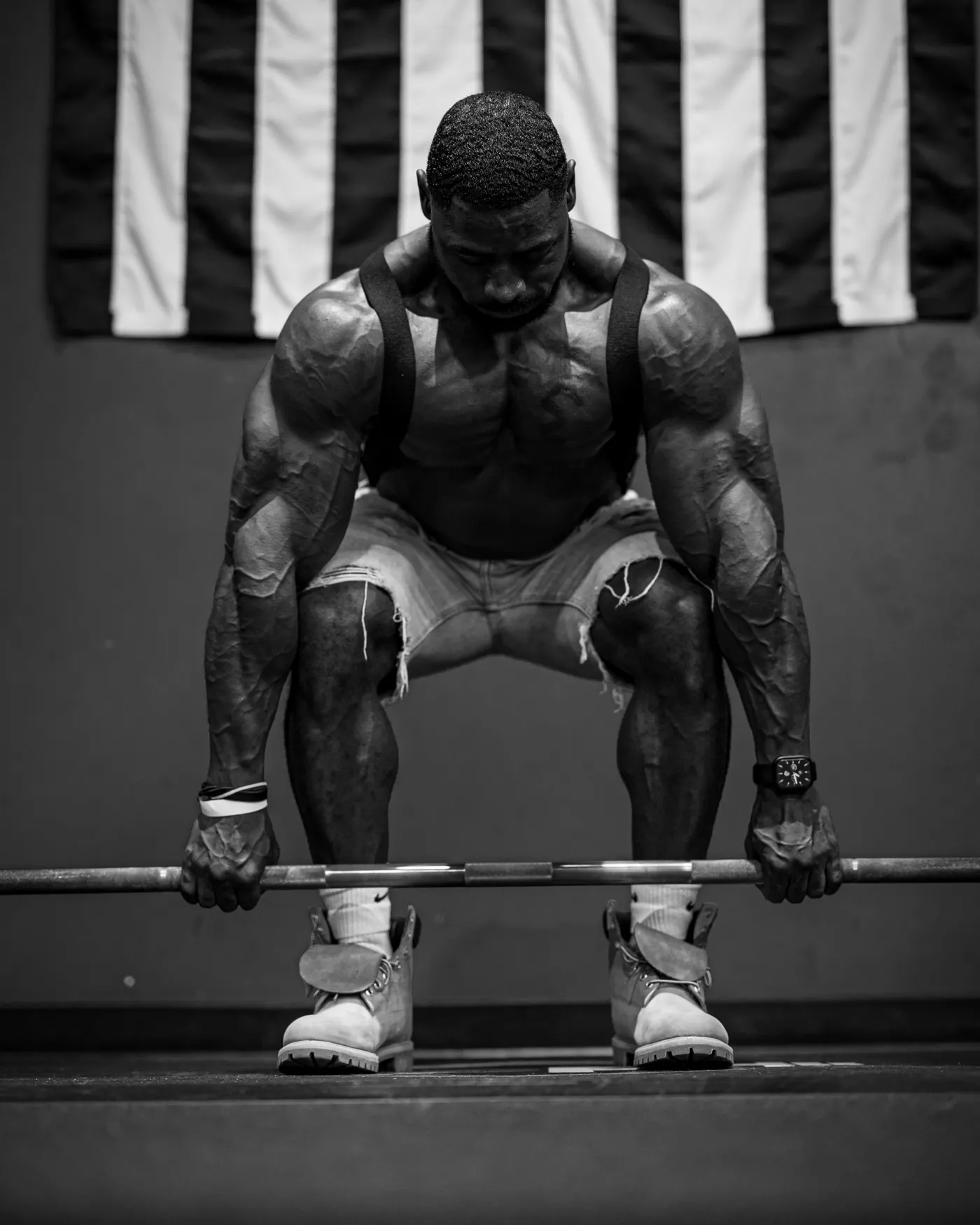
A practical starting approach is to select an intended percentage range and enforce an RPE ceiling. If an athlete’s estimated deadlift 1RM is 200 kilograms and the program calls for a top set of four at RPE 8, a load in the neighborhood of the athlete’s normal four-rep training weight might be the first attempt. Work-up sets then determine whether the day supports a heavier final set or requires a reduction.
For example, begin with the empty bar and several progressively heavier warm-ups. Move through manageable triples or doubles, preserving technique. At the final warm-up, assess whether the bar is leaving the floor smoothly, the torso position is consistent and a repeat effort seems plausible. If the top set feels like RPE 9.5 when RPE 8 was planned, reduce the load rather than pretending the number on the spreadsheet is mandatory.
Record the load, repetitions, estimated RPE and any major deviation from the plan. A useful log might read: 165 kg × 4 @ 8, followed by three sets of four at 150 kg. The next week, you can compare both weight and perceived difficulty. When the same load moves more cleanly at lower effort, your estimated capacity may be improving even if you have not tested an actual maximum.
Do not rewrite the entire program after one tired session. Use a predetermined adjustment rule, such as holding back-off work within an agreed RPE band and reviewing the trend over two to four weeks. When several workouts consecutively feel harder at the same loading, reduce fatigue or reevaluate your max. When several feel easier, raise the planned weight gradually.
Equipment Worth Exploring
Explore equipment, accessories and gear from our carefully selected range.

Leather Wrist Grips
Padded leather lifting grips help support the hands and wrists on heavy pulling exercises.
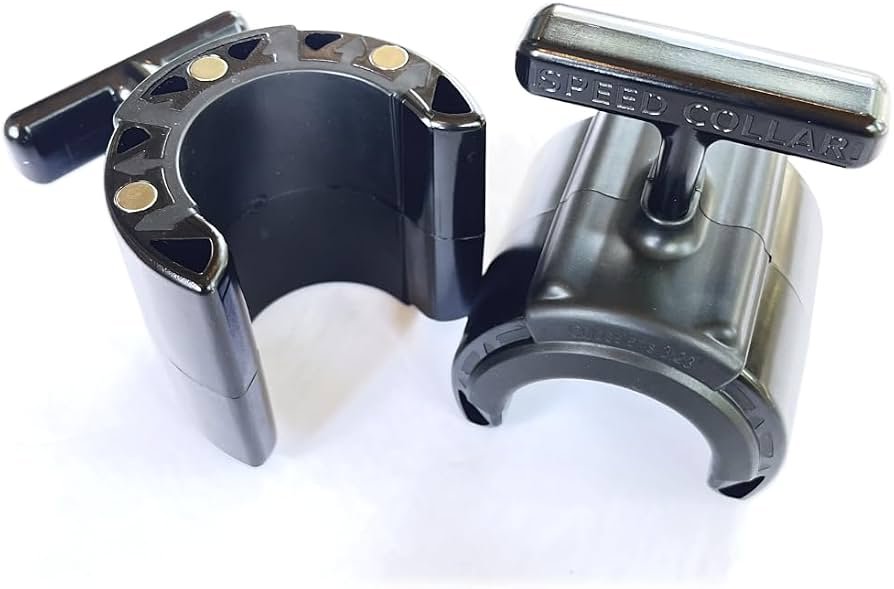
Speed Collar
Quick-release collars designed to secure weight plates on standard two-inch Olympic bars.
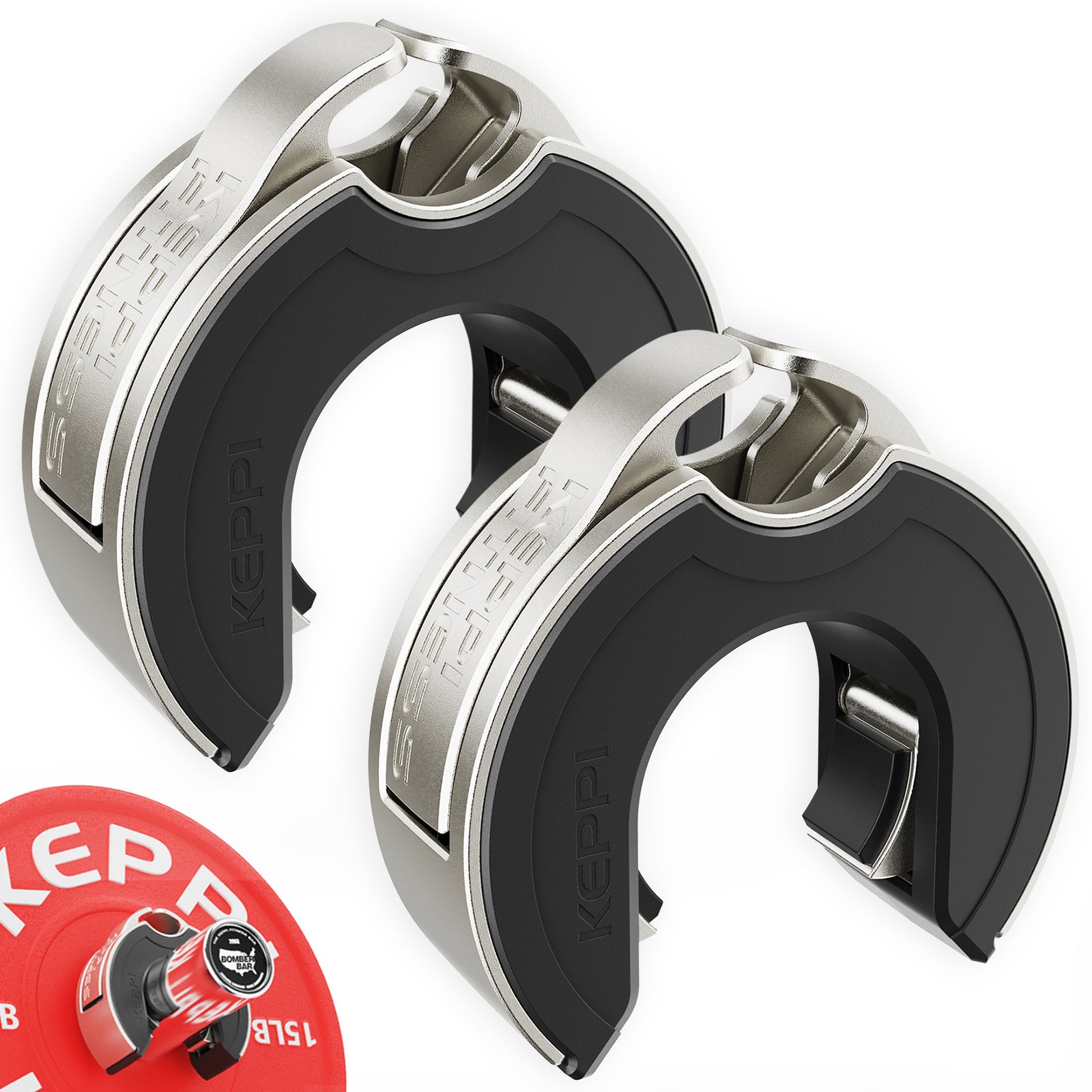
Keppi Open Collars
C-shaped magnetic Olympic barbell collars with a quick-lock mechanism and grippy lining.

Grip Plates
Rubber-coated weight plates with handholds for loading barbells and machines.





FID Bench MAX
Adjustable bench offering flat, incline, and decline positions + adjustable headrest.
A four-week example for lifters who already know the deadlift
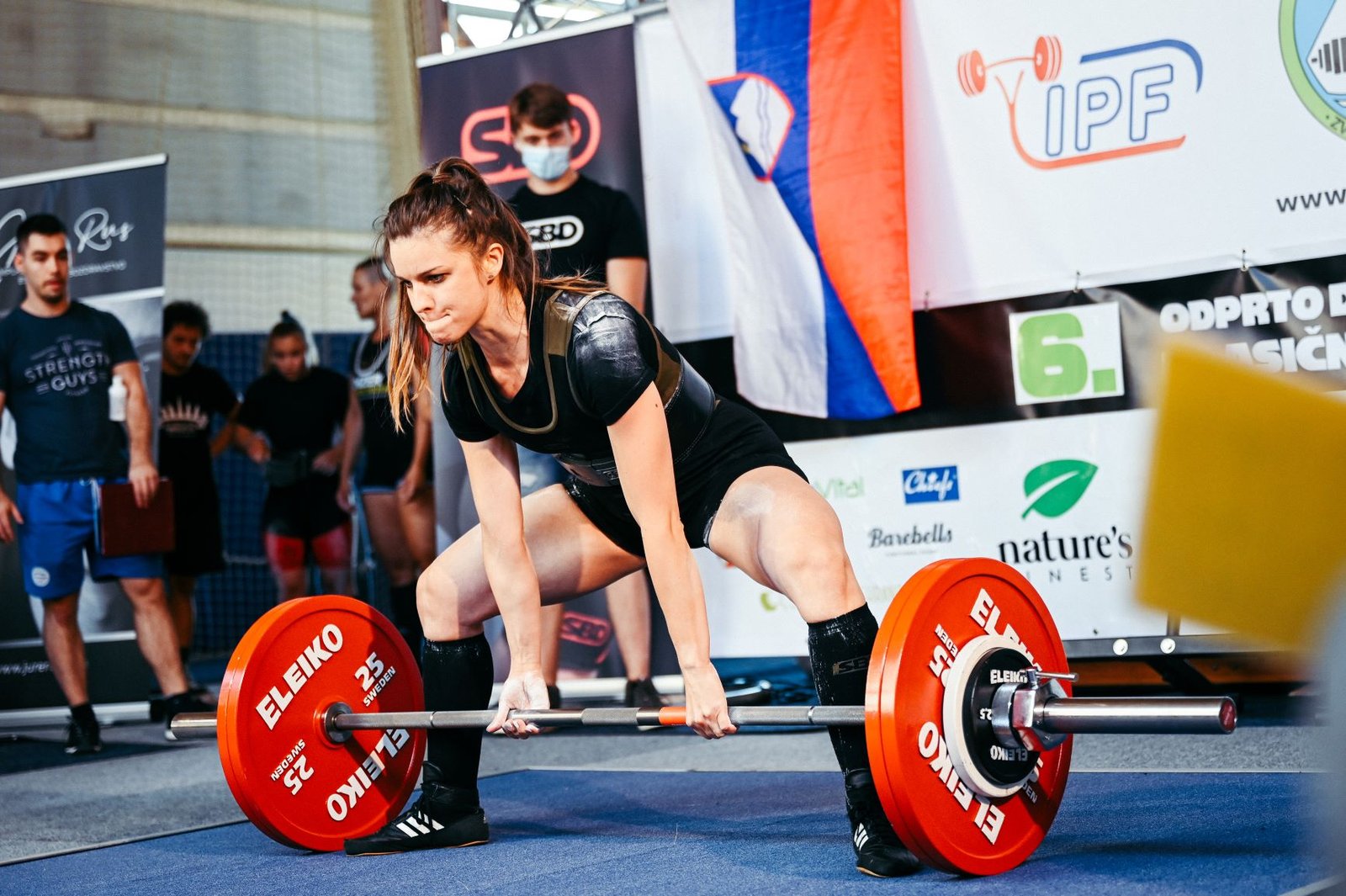
This is an illustrative programming framework, not the exact protocol used in the experiment. It assumes an adult lifter with consistent hinge technique and experience judging effort. Start each week with a comprehensive warm-up and stop a set if position or control deteriorates. Leave at least enough recovery time before the next heavy posterior-chain session for performance to return.
Week 1: work to one top set of four repetitions around RPE 7.5–8. Then perform three sets of four at a slightly lighter load, finishing around RPE 7. Focus on predictable setup, bracing and identical start position each repetition. Write down your effort estimate immediately after the set rather than revising it at home.
Week 2: keep the top set at four repetitions and RPE 8, adding a small load only if Week 1 was controlled. Complete three back-off sets of four, but avoid grinding. The goal is to build repeatable quality rather than chase a personal best on every working set.
Week 3: perform one triple at about RPE 8, then three triples at a manageable back-off load. Shorter sets can accommodate higher resistance while keeping technique consistent. Compare how hard the first repetition feels to how the last repetition moves. The record should tell you whether strength is improving, stagnating or being obscured by fatigue.
Week 4: use a lighter consolidation week, for example two or three sets of three at RPE 6–7. Keep the movement crisp and leave generous repetitions in reserve. Reassess the following week’s planned loads from several sessions of evidence, not from an emotional attempt to recover every kilogram skipped during the deload.
Hardcore Gym Shirts & Workout Gear
Hardcore gym shirts and workout gear for lifters who train heavy, intense and unapologetically old-school.

Deadlift Addict & Barbell Cigarettes Can'T Quit T-Shirt
Show some deadlift attitude with a playful “Deadlift Addict & Barbell Cigarettes” tee.

Heavy Enough Tee
Bring “If You're Not Scared It's Not Heavy Enough” humor to your next gym day.

Heavy Metal Deadlift – Skeleton Gym for Powerlifters an Hoodie
Stay casual and show some metalhead attitude with “Heavy Metal Deadlift”.

Deadlift Snake Skull – Hardcore Powerlifting Gym Decal Sticker
Give your everyday gear a playful “Deadlift Snake Skull” twist.

Heavy Metal – Rock & Barbell Decal for Water Bottles & Sticker
Stick a little “Heavy Metal” humor on your favorite gear.

Fight Your Inner Demon Sweater & Meme Fans T-Shirt
For laid-back days and leg-day humor: “Fight Your Inner Demon”.

Deadlift Skull Gym Gold Heavy Metal Decal for Powerlift Sticker
Give your everyday gear a playful “Deadlift Skull” twist.

Barbells and Suffering – Demonic Heavy Metal Gym Vest f Tank Top
Bring “Barbells and Suffering” humor to your next lifting session.

Flaming 45LB Weight Plate Fire Barbell Lifting Style Hoodie
Keep it laid-back with a little “Flaming 45LB Weight Plate” attitude.

Blood Sweat and Tears Weight Plate 45LB Plate Blood & W Hoodie
Keep it laid-back with a little “Blood Sweat and Tears Weight Plate” attitude.
When percentages win, when RPE helps, and what to track
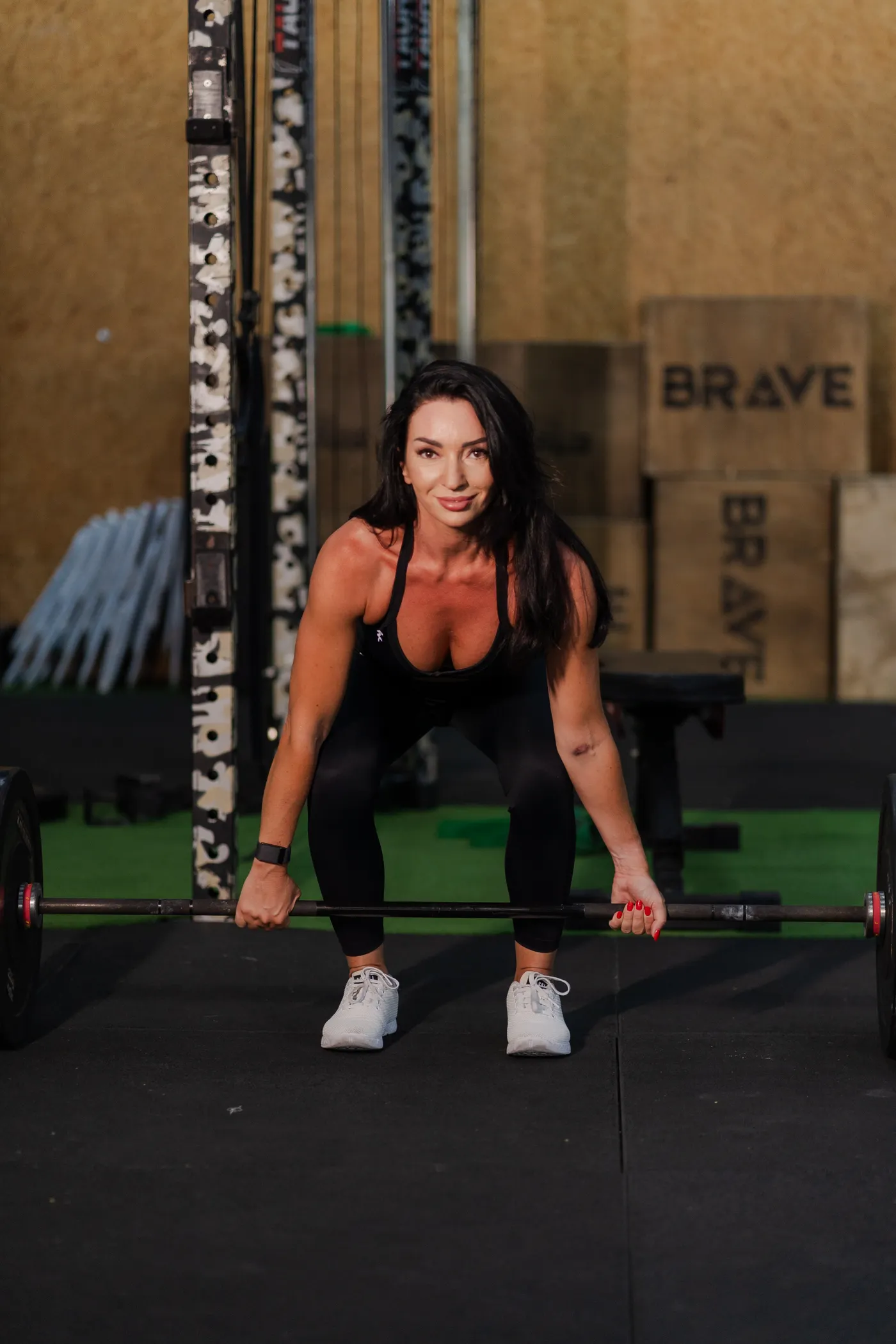
A percentage-led plan is particularly helpful for beginners who cannot yet estimate how many clean repetitions remain, athletes needing standardized sessions across a team or coaches who want strict load exposure. But its apparent precision can be misleading when the underlying max is stale or when sleep, illness, travel and previous sessions markedly change readiness.
RPE is especially useful during variable schedules, difficult work weeks, periods with multiple sports or training blocks where avoiding unnecessary near-maximal fatigue matters. Its weakness is subjectivity. Two people calling a set RPE 8 may have very different actual reserves, and even the same athlete can rate pulling differently from squatting.
Track four things: the prescribed sets and repetitions, completed kilograms, how many clean reps you believe remained, and whether the quality of setup and bar path stayed stable. A few words about sleep, soreness or an unusual session can help interpret an outlier. Over time, match RPE estimates against actual rep outcomes in safe, planned assessment sessions. Do not repeatedly test maximal deadlifts just to validate the scale.
If a lifter adds weight with similar reps and RPE while maintaining sound positions, that is meaningful progress. If the same weight begins to require maximum effort and the athlete feels persistently fatigued, it is worth reviewing workload before more intensity is added. Neither method exempts you from eating enough, recovering adequately or following a structured progression.
The evidence here does not declare one universal deadlift system. It shows that RPE-guided load selection can yield comparable strength improvements to fixed percentages in a small randomized trial, with a favorable pre-session fatigue signal. That is a reason to consider a hybrid approach—not to throw away the percentages, promise larger muscles or claim that every harder day requires a lighter bar.
Bottom line: RPE-based and percentage-based deadlift training produced comparable improvements in a small trial. Use percentage ranges for structure, RPE for sensible day-to-day adjustments, and your training log to check whether the plan is moving you forward.