Advertising disclosure: This page includes affiliate product links that may earn us a commission, as well as products from our own store.
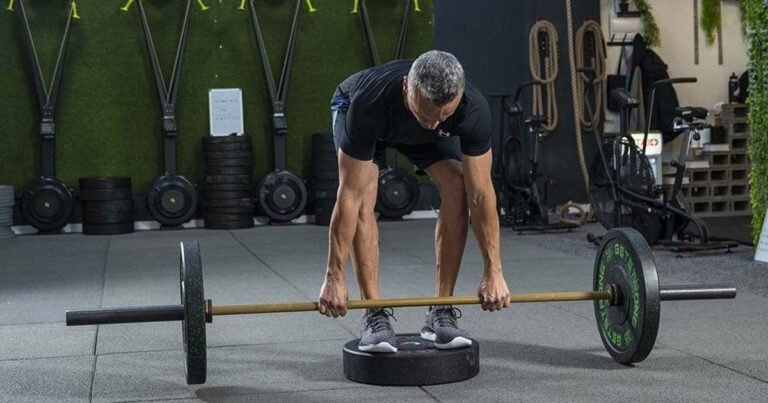
A slow barbell rep can mean fatigue, but does it reveal exactly how many more repetitions you could perform? A November 2026 hex-bar deadlift experiment examined that distinction in 19 trained men. Its findings offer a useful warning about velocity-based training without requiring lifters to abandon technology, good technique or thoughtful programming.
Bar speed measures movement; reps in reserve predicts a future
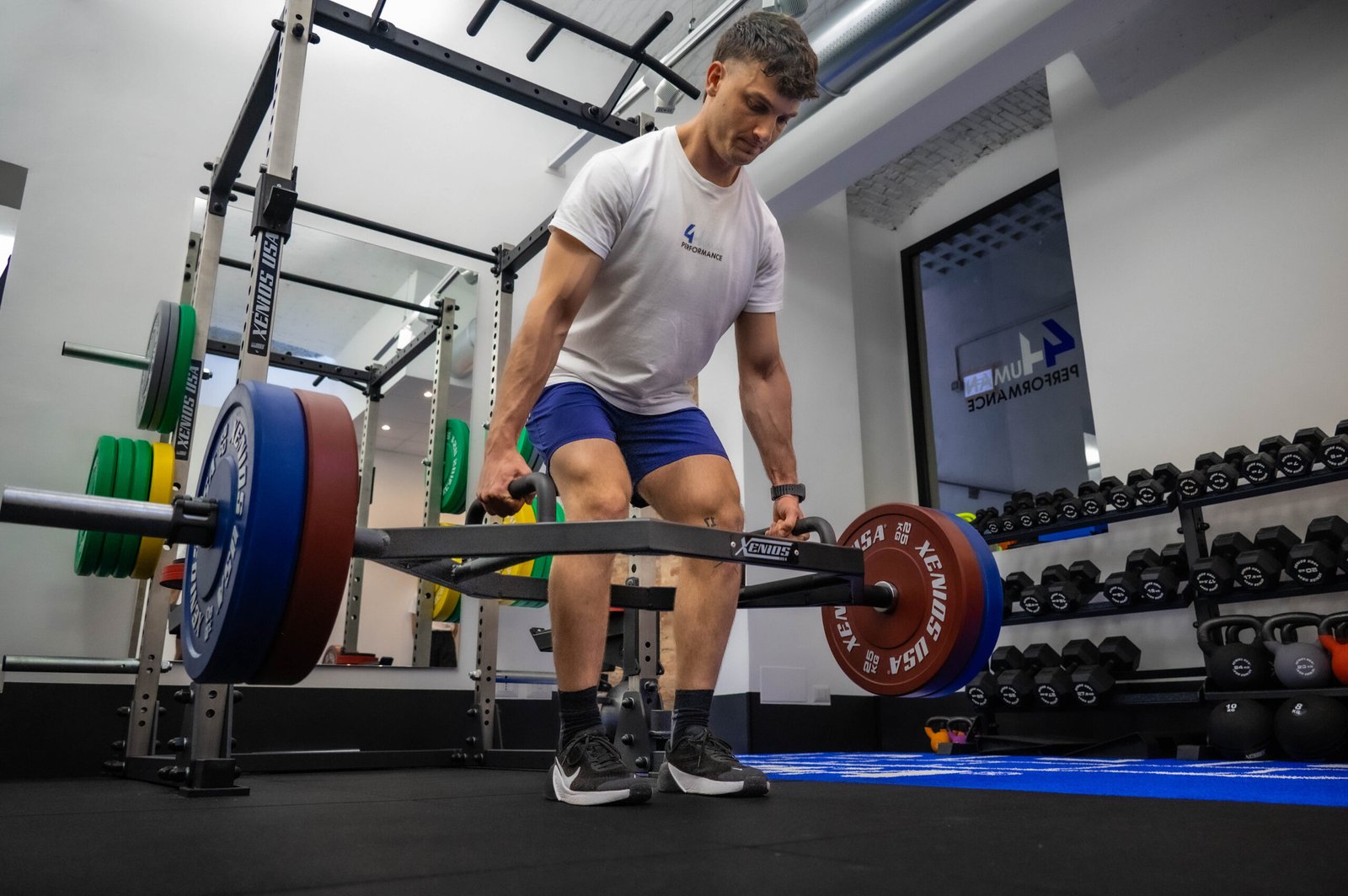
When a deadlift starts moving slowly, the change is obvious enough that you may not need a sensor to notice it. A velocity device makes the observation numerical: it measures the distance the load moves over time and reports a value such as mean concentric velocity. Repetitions in reserve, usually abbreviated RIR, asks a harder question. If you had continued the set with acceptable technique, how many additional repetitions could you have completed before reaching failure?
Those two measurements have a relationship, but they are not definitions of one another. A rep can be slow because the weight is heavy, because you intentionally used a controlled tempo, because your start position changed, or because you are fatigued. A speed reading cannot separate all of those explanations without a suitable model and consistent lifting conditions. In a trap-bar deadlift, the shape of the handles, starting height and bar path add further opportunities for differences between athletes and sessions.
This matters when you want to stop a set at two RIR. If the speed threshold gives you a false green light, you may grind an extra repetition you did not plan. If it gives a false red light, you stop short and miss training work. Speed is an objective record of the repetition completed, but RIR is an estimate of repetitions that were never performed.
Treat both values as useful information only after defining the practical decision they are supposed to support. Monitoring a trend in how fast a known load moves is one possible use. Claiming a device can count the exact clean reps you have left is a much stronger promise.
What happened in the 19-man hex-bar experiment
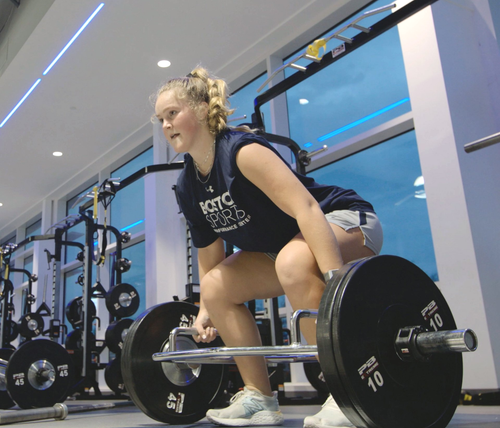
A 2026 study tested the accuracy and applicability of mean-velocity estimates of RIR specifically during hexagonal-bar deadlifts. Nineteen well-trained men completed modeling procedures relating movement velocity to repetitions remaining. The investigators then used two randomized sessions with four sets taken to failure at either 65% or 85% of each person’s one-repetition maximum. Comparing those two loads tested whether the relationship held up across different degrees of loading.
The experiment deliberately went beyond finding an impressive correlation. First, the median absolute prediction error needed to be no greater than two reps. Second, a prediction within two reps had to occur with at least 75% probability. Third, the expected velocity threshold for the intended RIR needed to manifest in at least 75% of situations. All three conditions had to hold simultaneously for a model and training condition to count as practically reliable.
None of the tested experimental conditions met every criterion. The weight used, modeling approach and the set number all influenced prediction performance. The problem was not necessarily that every individual estimate was wildly incorrect; instead, the models failed the combined standards needed for consistently actionable decisions. In particular, expected velocity thresholds did not appear frequently enough across many situations.
The sample consisted of trained men, involved one exercise and used a specific testing setup. That makes the result highly relevant to the trap-bar deadlift, not a universal verdict on every lifting exercise or athlete. It also should not be described as proof that a speed sensor never provides useful information. The studied outcome was reliable estimation of exact remaining reps.
| Study feature | Tested |
|---|---|
| Participants | 19 well-trained men |
| Exercise | Hex-bar deadlift |
| Loads | 65% or 85% of one-rep max |
| Training sessions | Two randomized sessions of four sets to failure |
| Accuracy standard | All three combined prediction and applicability criteria |

Equipment Worth Exploring
Explore equipment, accessories and gear from our carefully selected range.


Open Hex Bar
Open-frame trap bar with multiple handles for deadlifts, carries, and lower-body training.


Competition Plates
Competition-style bumper plates for Olympic lifts and loaded strength training.


Grip Plates
Rubber-coated weight plates with handholds for loading barbells and machines.

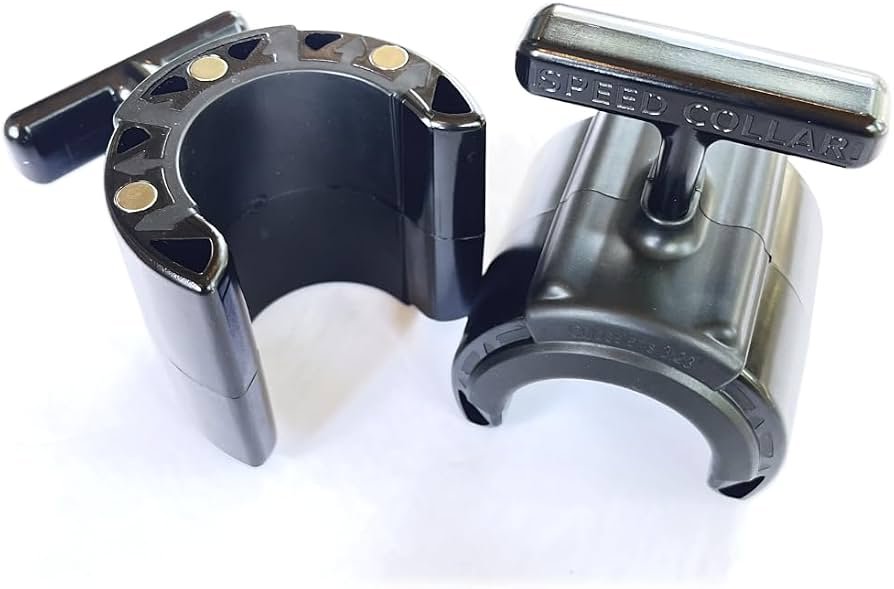
Speed Collar
Quick-release collars designed to secure weight plates on standard two-inch Olympic bars.

Leather Lifting Straps
Padded leather straps support grip during heavy rows, deadlifts and pulling exercises.

Leather Wrist Grips
Padded leather lifting grips help support the hands and wrists on heavy pulling exercises.
Why a two-rep error is bigger than it sounds
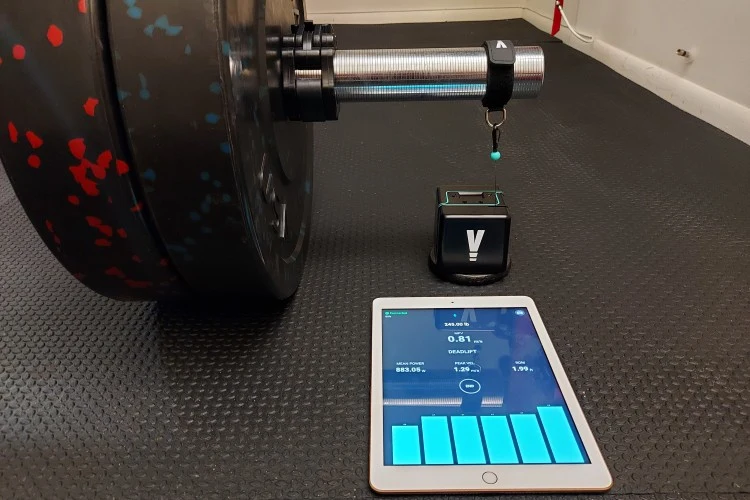
Imagine a lifter trying to finish at two RIR during a heavy pulling session. If the model reports two remaining reps but the lifter truly has none left, another repetition would be an unplanned maximal effort. If the model reports two remaining but four or five are actually possible, the set ends notably earlier than intended. Both situations are consistent with a prediction error that sounds modest when summarized as a number.
Error also changes character over a workout. The first set follows a warm-up and a fresh nervous system. The fourth set follows previous hard efforts, possibly different breathing and changes in bracing or bar path. A generalized speed threshold may describe an average athlete while missing the person lifting. An individualized threshold can still drift as that same person’s fatigue accumulates.
The researchers measured applicability separately because a threshold is of little operational value when it rarely appears. A coach cannot consistently prescribe ‘stop when the bar reaches this velocity’ if the predicted velocity is not encountered at the intended RIR. Meeting an average error target is therefore not enough; the decision point must be available and consistently accurate in real training.
This is especially important when someone claims their software can automate proximity to failure. You can still learn from an unusual drop in rep speed, particularly when a familiar weight normally moves with a different rhythm. But interpreting a single reading as an exact countdown needs stronger evidence than was shown in this experiment.

Powerlifting Shirts & Lifting Gear
Powerlifting shirts and gym gear for squat, bench and deadlift lifters who live for heavy numbers.

PR or ER – Hardcore Powerlifting for Deadlift PR Chaser Hoodie
Show off your deadlift humor in a laid-back “PR or ER” hoodie.

Praise The Deadlift Holy Lifting Meme Fans T-Shirt
For laid-back days and deadlift humor: “Praise The Deadlift”.

4 Plates Deadlift Club – Motivational & Deadlifts Top T-Shirt
Show some deadlift attitude with a playful “4 Plates Deadlift Club” tee.

Deadlift Skull Gym Gold Heavy Metal Pullover for Powerl Hoodie
Show off your metalhead humor in a laid-back “Deadlift Skull” hoodie.

I’m Strong Barbell Heartbeat Crewneck Pullover for Powe T-Shirt
Bring “I’m Strong Barbell Heartbeat” humor to your everyday gym style.

I Love Deadlifts | Valentine's Heart Plate Hooded For G Hoodie
Keep it laid-back with a little “I Love Deadlifts” attitude.

Deadlift Cyberpunk Skull Gym Decal for Powerlifters, Sc Sticker
Stick a little “Deadlift” humor on your favorite gear.

Skeleton Deadlift – Meme Deadlift Lovers, Leg Day & T-Shirt
Show some leg-day attitude with a playful “Skeleton Deadlift” tee.

Deadlift Military Skull Muscle Shirt for Powerlifters, Tank Top
Add some deadlift attitude to training with “Deadlift”.

Gym Thou Art Not Yet Ripped Medieval Knight Deadlift Li T-Shirt
Show some gym-day personality with “Thou Art Not Yet Ripped Medieval Knight”.
Predicting your one-rep max is a different technology claim
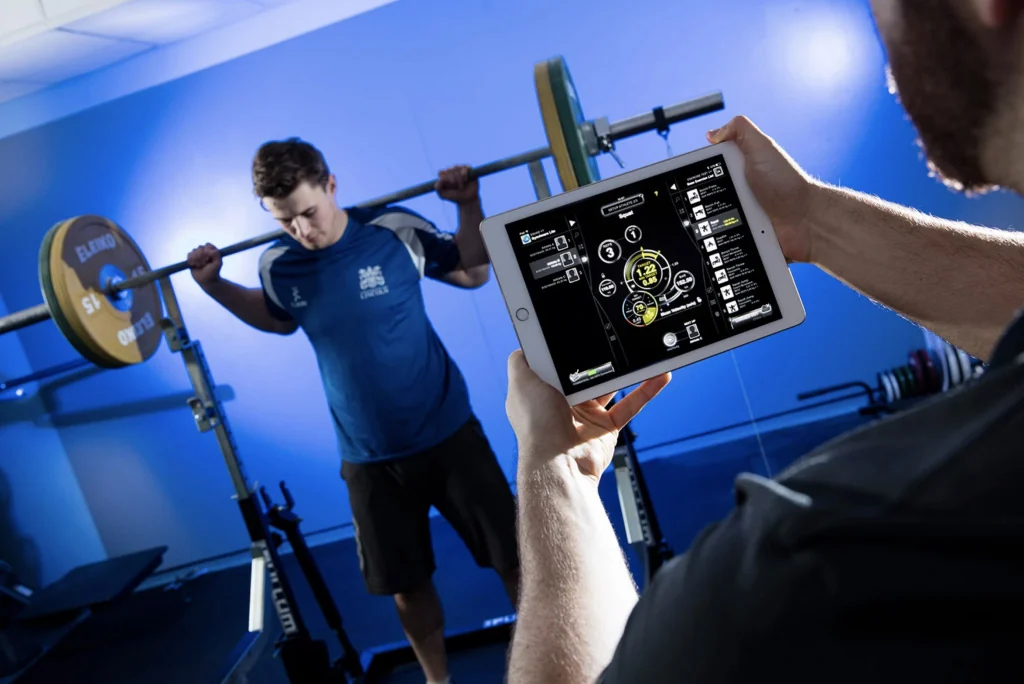
Velocity-based training gets discussed as though it is one function, but there are several distinct jobs. A load-velocity profile estimates the relationship between external weight and lifting speed, sometimes to help infer strength capacity. An RIR-velocity model tries to infer how many repetitions remain during a hard set. The former is about performance at different loads. The latter must account for the evolving effects of fatigue within and across sets.
Research on the hex bar has previously found promising relationships between load and velocity when estimating maximal strength in specific athletic populations. Other investigations of bar-speed predictions of RIR in exercises such as the bench press or row have shown challenges with estimation across repeated sets. These observations are not contradictory. A device can be better suited to one estimation task than another.
For the recreational home-gym lifter, asking a clear question prevents data from becoming decoration. Do you want to compare how quickly the same 100-kilogram load moves over several months? Do you want to manage intent on speed-focused work? Or do you need a precise answer about the last rep you could perform today? Each question needs a different validation standard and potentially a different measurement setup.
Before paying for a new sensor, establish a baseline with your existing equipment. Record load, repetitions, handle height, rest period and perceived effort. If the sensor adds a repeatable signal that changes a specific decision for the better, it has earned its place. If not, an honest logbook may be the more effective technology.
Use technique and an effort estimate to manage deadlift sets
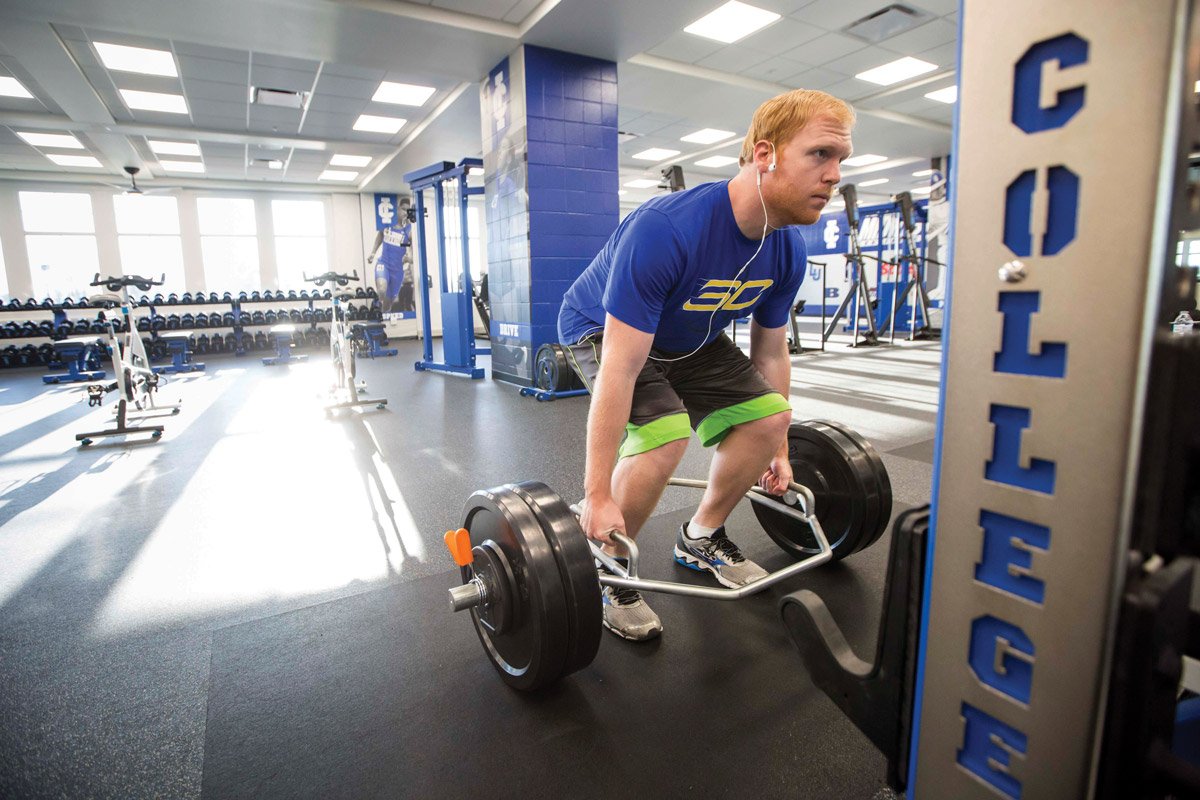
Begin by standardizing the movement. Use the same trap bar and handle height when comparing sessions, set your feet consistently and brace before the first pull. Choose whether each rep is a dead stop or a controlled touch-and-go repetition and log that choice. A change in range of motion or bouncing the plates can make apparent progress difficult to interpret.
Next, choose a target rep range and a conservative effort range. For many productive main-lift sessions, stopping around two or three estimated good repetitions shy of failure is a practical starting point, although there is no universal RIR target for all training goals. If the final repetition shows major deterioration in bracing, grip or lockout, stop regardless of what any numerical device reports.
Self-rated RIR improves with practice but should still be treated as an estimate. Pair it with a brief video of a representative working set from the side. Look for a repeatable floor break, consistent spine and hip positions and deliberate full lockouts. A log with weight, reps, RIR, rest and technical notes can show whether the workout is getting harder for reasons you understand.
If you track velocity as well, keep the measurement setup stable and compare like with like. A known load moving faster with the same range of motion and cueing can be a useful trend. It does not automatically imply that a particular repetition was three reps from failure.
Practical stopping rule: If the reps stop resembling your well-controlled baseline, end the set, even if a displayed speed suggests you could continue.
Equipment Worth Exploring
Explore equipment, accessories and gear from our carefully selected range.


Foldable Wall Rack
Wall-mounted folding squat rack designed to save floor space between workouts.

Safety Squat Handles
Barbell squat handles that reduce shoulder positioning demands during high-bar squats.

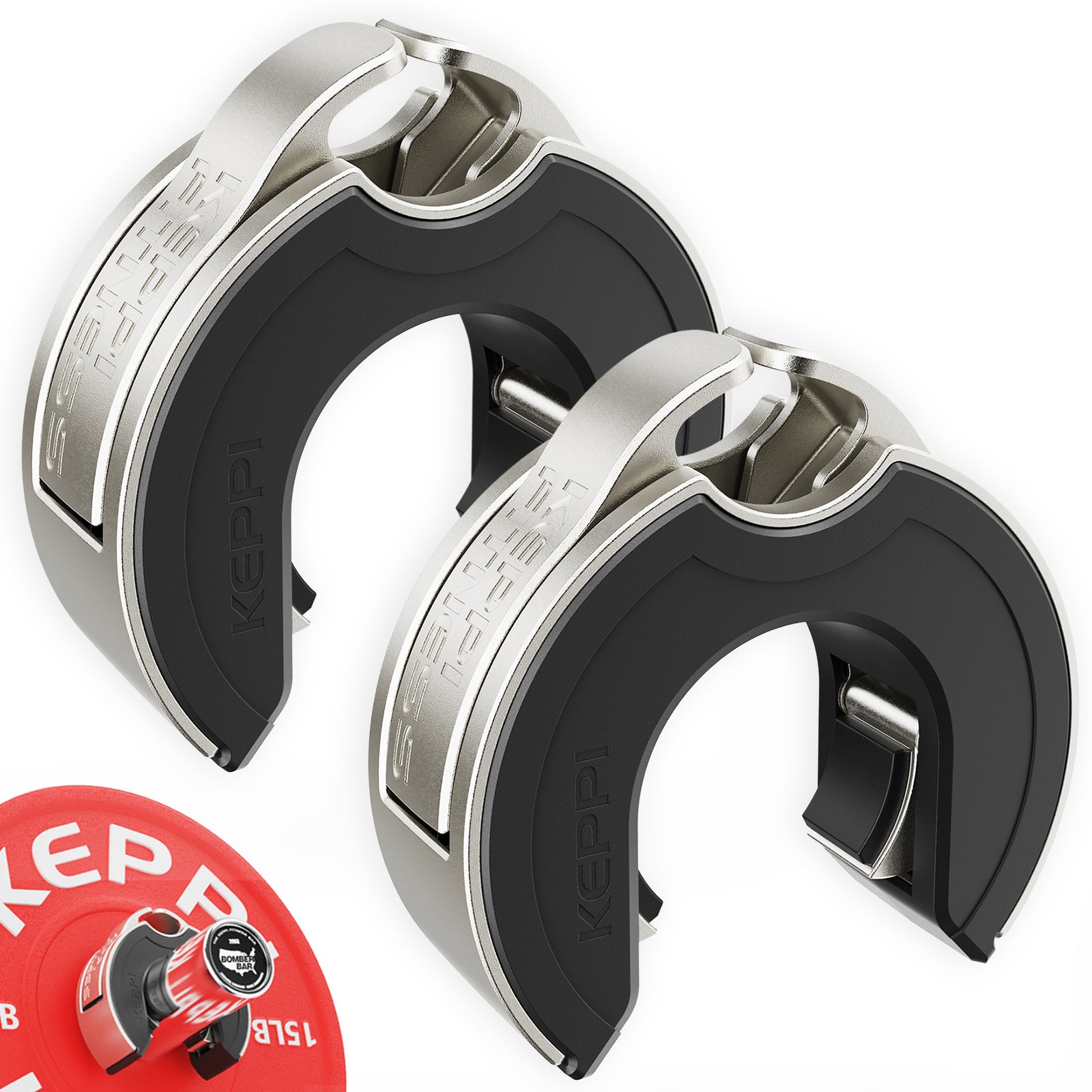
Keppi Open Collars
C-shaped magnetic Olympic barbell collars with a quick-lock mechanism and grippy lining.
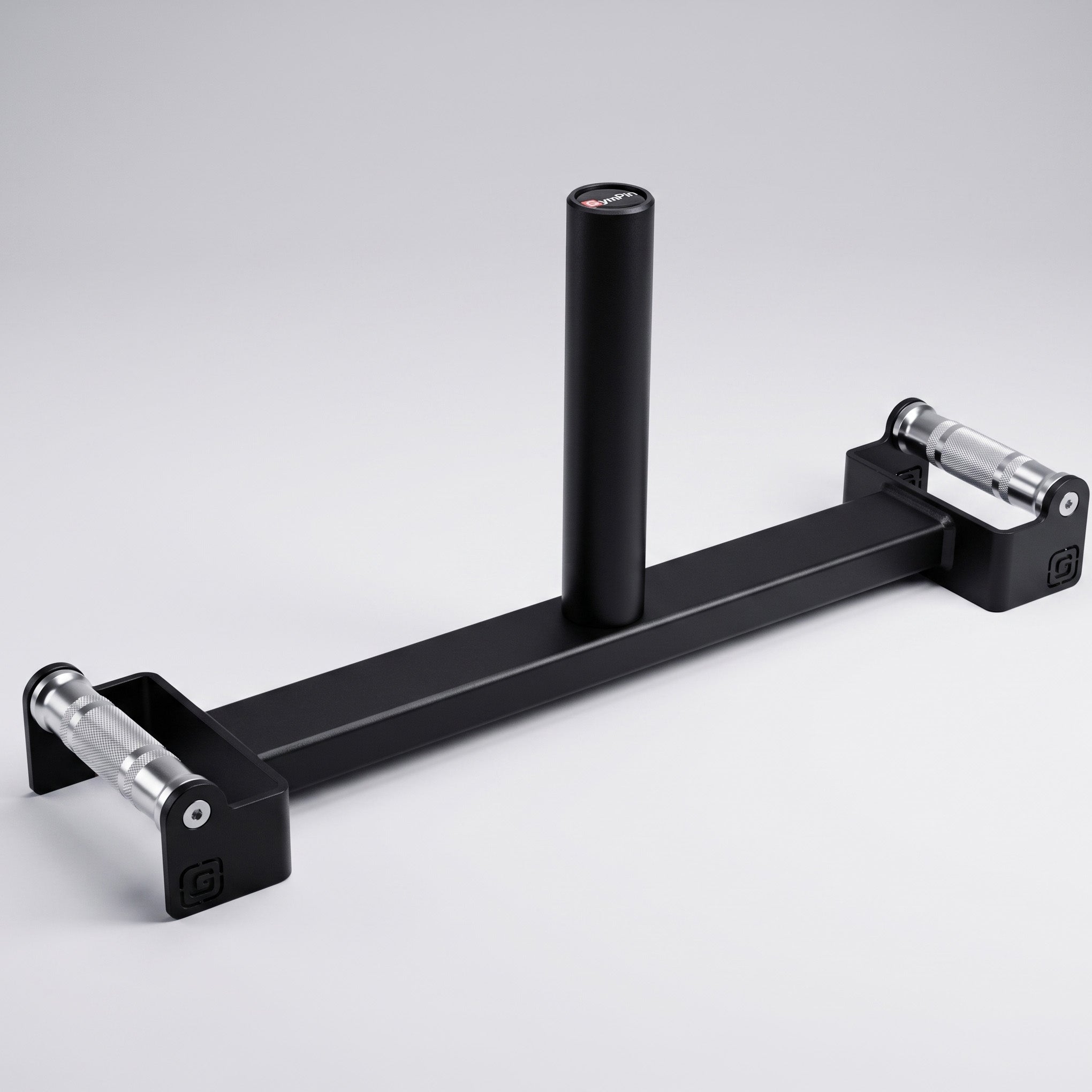
GymPin Hyper Loader
Central Olympic-plate loading attachment for weighted hyperextensions.

GymPin Mag Pin V2
Magnetic selector pin designed to secure weight selection on compatible pin-loaded machines.
A six-week trap-bar plan without arbitrary speed thresholds
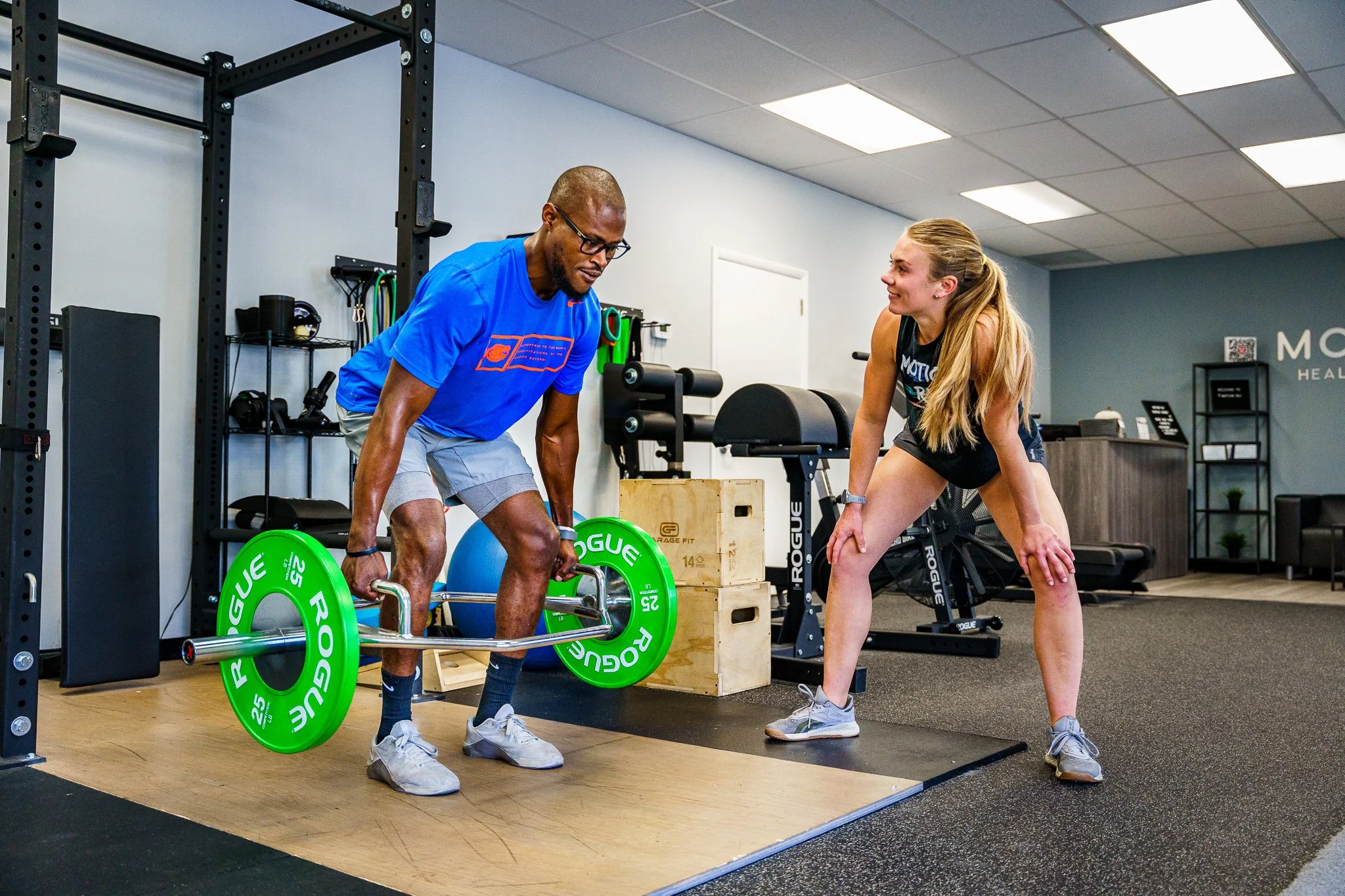
This is an illustrative coaching framework, not the experimental protocol used with the 19 participants. Lift with the trap bar twice per week on nonconsecutive days. If you are new to the movement, rebuilding after an injury, or unable to maintain consistent technique, reduce the workload and get qualified guidance rather than forcing the example as written.
During weeks one and two, build a baseline. Day A is three sets of five at roughly three RIR, resting two to four minutes. Day B is three sets of six to eight at around three to four RIR, with the same careful setup. Use whichever handle height fits your mobility, but do not switch handles halfway through the block just to lift more weight. Write down the actual load and whether every rep meets your quality standard.
In weeks three and four, increase the load on Day A only if you complete all three sets with clean form and a perceived effort close to two to three RIR. Small jumps are better than ambitious ones that turn the lift into a grind. On Day B, keep three sets in the six-to-eight-rep range at around three RIR. Your objective is controlled volume, not proving that every working set can reach failure.
Weeks five and six consolidate the work. Attempt another modest progression only when your previous week’s reps remain stable. If fatigue accumulates or your grip becomes the main limitation, hold the weight, reduce an accessory set or choose a recovery-focused session. The most useful comparison at the end is how the same technique and handle height perform at a known load—not whether a gadget showed a magic speed.
Rows, loaded carries, hamstring exercises and single-leg movements can complement the main lift. Choose a small number based on your recovery rather than adding every accessory available. As a simple example, 100 kg for three tidy sets of five with estimated RIR 3, 3 and 2 is worth recording; it is not an evidence-based starting weight for anyone else.
Where speed feedback still makes sense
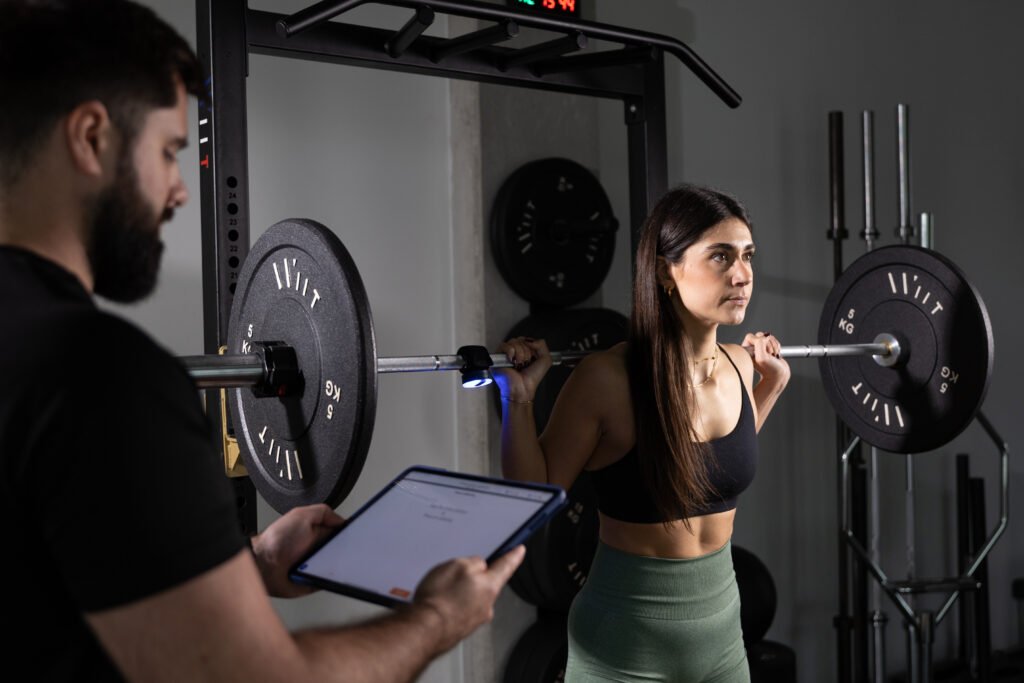
Velocity monitoring may help when the aim is to keep movement intent high, compare standardized work over time or make carefully calibrated decisions in a power-focused session. A coach can be interested in whether a lifter’s usual training weight moved substantially slower today without pretending to know the precise repetition where failure would occur. That type of performance trend can complement a well-run training program.
The 2026 trap-bar experiment gives a narrower, more useful warning than the slogan ‘bar speed does not work.’ Nineteen trained lifters, two loads and four demanding sets per session revealed that the tested velocity-to-RIR relationships could not simultaneously satisfy accuracy and practical threshold availability. It does not invalidate all strength or power uses of velocity data, nor establish that every other exercise would respond identically.
For a home gym, build a practical setup around a bar you can load safely, suitable plates, a reliable grip and enough room for a repeatable pull. Then make the core training decisions using the plan, the quality of your repetitions and your recovery. If a velocity tracker offers insight beyond that foundation, record it as an additional measurement rather than an authority that overrides your movement.
The better question is not whether data is fashionable. It is whether the data is valid for the decision you are trying to make. Record what the bar actually did; estimate the remaining effort with appropriate humility; and change the program only when the combined evidence supports that change.
Leg Day Shirts & Workout Gear
Leg-day gym shirts and workout gear for lifters who never skip squats, lunges and lower-body punishment.

Trap Bar Deadlift Behold Thee Trap Bar Medieval Knight Tank Top
Bring “Trap Bar Deadlift” humor to your next lifting session.

Leg Day Squats Deadlifts Sweater Meme T-Shirt
Show some gym-day personality with “Leg Day”.

Leg Day Is Calling You Squats & Deadlifts Meme Hoodie
Stay casual and show some leg-day attitude with “Leg Day Is Calling You”.

Deadlift Stone Skull Gym Crewneck for Powerlifters, Hea T-Shirt
For laid-back days and deadlift humor: “Deadlift”.

Deadlift Frozen Skull Gym Crewneck for Powerlifters, Co T-Shirt
Keep things casual with a little “Deadlift” attitude.

Leg Day Gains | LEGO Inspired Workout Decal for Water B Sticker
Bring “Leg Day Gains” attitude to your water bottle or laptop.

Deadlift Purple Skull Crewneck for Powerlifters Hardcor T-Shirt
Show some gym-day personality with “Deadlift”.

Deadlift Snake Skull – Hardcore Powerlifting Muscle Shi Tank Top
Bring “Deadlift Snake Skull” humor to your next lifting session.

Deadlift Lovers Grim Reaper Skeleton Decal Water Sticker
Bring “Deadlift Lovers” attitude to your water bottle or laptop.

Deadlift Skull Explosion Pullover for Powerlifting Leg Hoodie
Show off your leg-day humor in a laid-back “Deadlift Skull” hoodie.