Advertising disclosure: This page includes affiliate product links that may earn us a commission, as well as products from our own store.
Is pressing one leg at a time better than loading both legs together? The answer depends on what you actually want to improve. A controlled eight-week experiment with 28 previously untrained men found a meaningful difference in single-leg maximum strength, but no clear winner for two-leg strength or several jump tests. That makes this study less of a verdict against the traditional leg press and more of a useful lesson about specificity: practice a task and you usually get better at that task. Here is what the numbers mean, how the machine setup changes between approaches, and how to combine both without turning leg day into an endless workout.
What the eight-week leg-press experiment actually tested
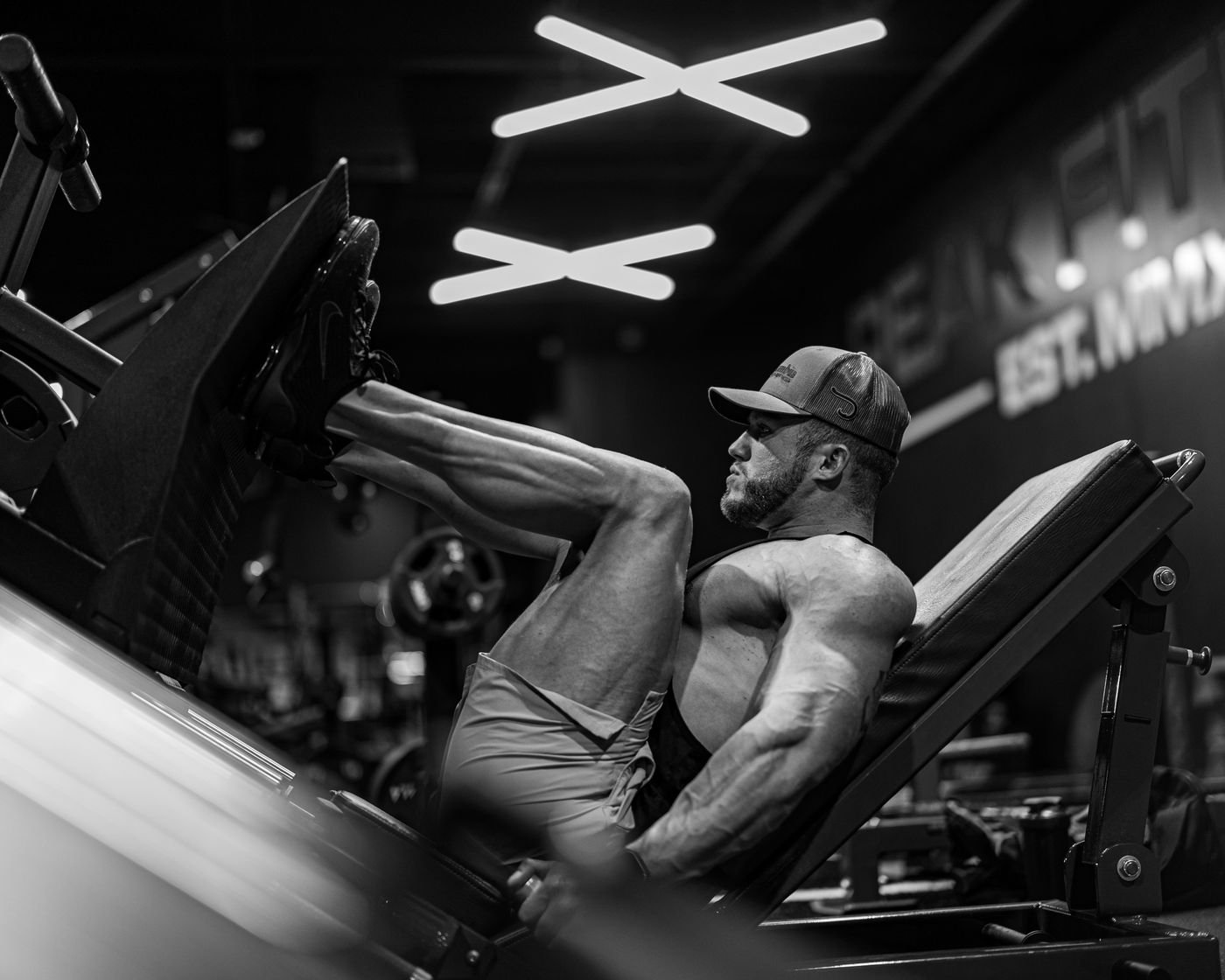
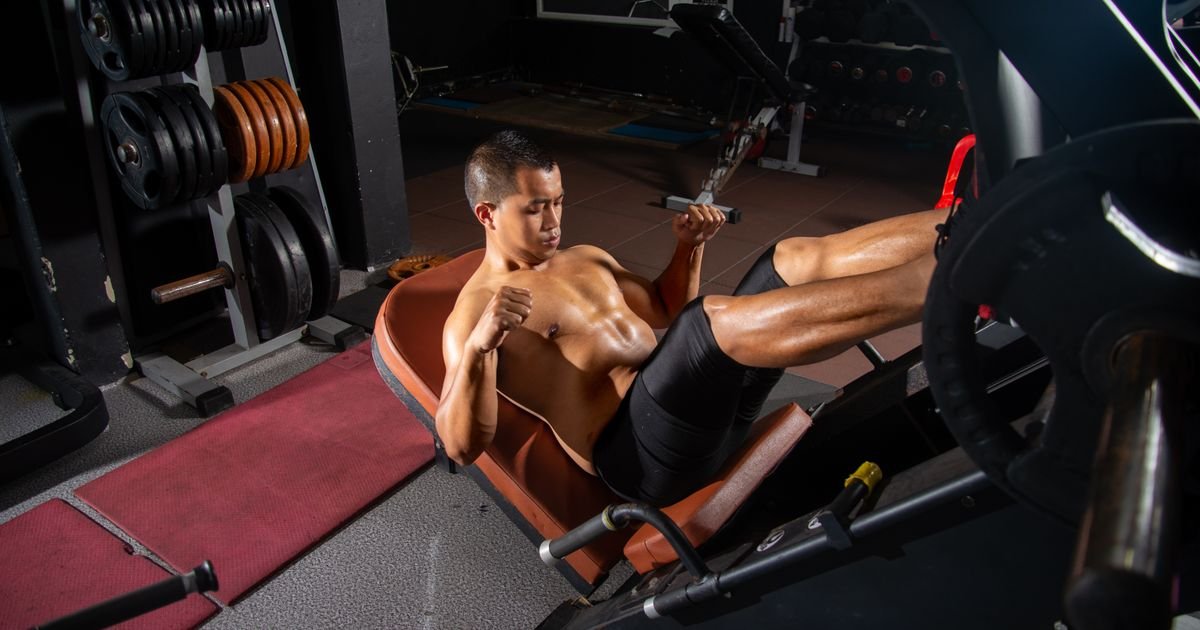
Researchers divided 28 young men who were not accustomed to resistance training into two groups of 14. One group used a leg-press machine with both legs at once. The other trained each leg individually during its sessions. Both groups trained twice a week for eight weeks, completing three sets of ten repetitions in each session. The repetitions were deliberately controlled: about three seconds lowering the resistance and one second pressing it away. This was eccentric-accentuated training, rather than a comparison of two casual gym routines.
Resistance was progressed over the intervention. The researchers described training intensity increasing from 30% up to 120% of the participants’ pretraining one-repetition maximum. The higher values were part of this particular eccentric-emphasis protocol; they are not instructions to load 120% of your usual maximum on an ordinary gym leg press. With a standard sled, use a load you can move safely through the planned range, without losing control at the bottom.
Before and after training, the team measured the maximum load participants could press with two legs and with one leg. They also tested several kinds of knee-extensor muscle force and three jumping tasks. Those outcomes let us ask whether unilateral practice improves only its own test, whether it transfers to the bilateral press, and whether greater machine strength automatically produces better explosive performance.
Because every participant was a beginner, the results are most directly relevant to learning a new resistance exercise. An experienced lifter may need different loading, volume and recovery to see the same relative improvements. Neither group trained a full lower-body program built around squats, hinges, lunges and sport practice, so the experiment should not be treated as a comparison of two complete strength programs.
The headline result: single-leg strength responded to single-leg practice
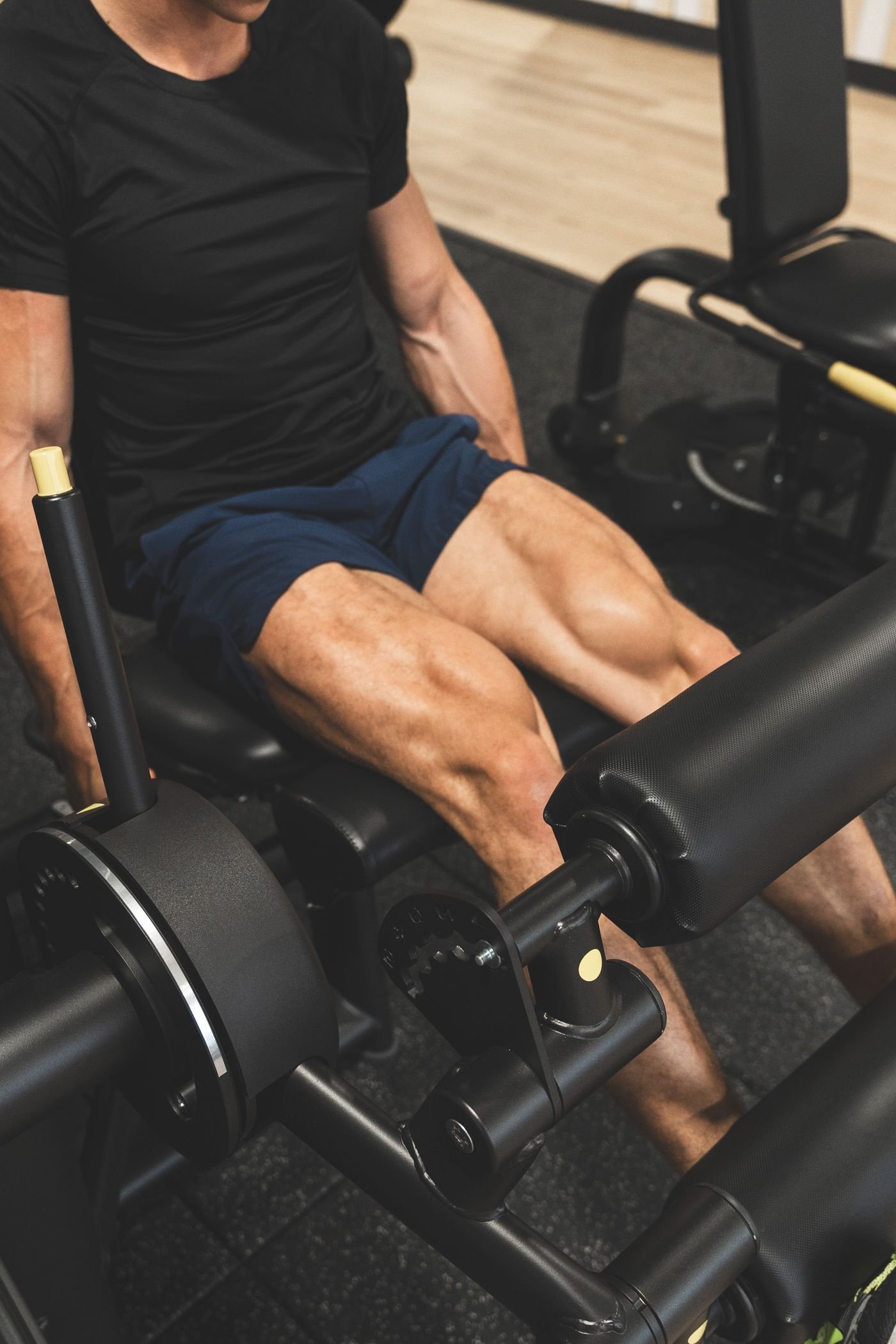
Both groups got stronger at the two-leg leg press. Average bilateral one-repetition maximum rose by 13.4% in the bilateral group and 14.7% in the unilateral group. The difference between those improvements was not statistically significant. In other words, practicing with one leg did not prevent participants from making progress when they later used both legs together.
The clearer separation appeared on the single-leg maximum test. Men who had trained one leg at a time improved that score by 22.7%, compared with 13.7% among those who trained both legs simultaneously. The difference was statistically significant. This is a practical illustration of task specificity, not proof that a unilateral workout creates a universally stronger body.
Imagine a lifter who has never worked one leg independently. Their first single-leg press can feel awkward even when the muscles are strong. They must learn where to place the working foot, how to brace against the seat, and how to push without allowing the pelvis to twist. Repeated practice can improve all those skills alongside muscular force production. Testing that same movement after eight weeks will naturally favor the group that rehearsed it most often.
Do not confuse machine numbers with a direct reading of tissue size. This experiment did not measure quadriceps hypertrophy. Strength can increase through better coordination, improved familiarity, greater force production and changes in muscle tissue; the study cannot separate all those explanations. If your goal is larger thighs, the evidence does not establish that single-leg pressing beats a well-programmed two-leg press for growth.

Equipment Worth Exploring
Explore equipment, accessories and gear from our carefully selected range.

Studio V-Squat
Plate-loaded V-squat machine for supported lower-body strength training.


HUSLA Leg Extension Pad
Pad attachment designed to increase usable range of motion on compatible leg-extension machines.

GymPin Squat Wedges
Non-slip 15-degree squat wedges help elevate the heels for deeper quad-focused squats.

Squat Harness
Wearable harness for hands-free cable squats, sled work, and lower-body training.

VForce 3IN1
All-in-one rack combining an adjustable Smith machine, functional trainer, and free-weight station.

VForce 3IN1 Max
Six-post all-in-one rack with Smith machine, functional trainer, and variable-force cables.

Pro Sled System
Heavy-duty push-pull training sled for loaded conditioning, speed, and strength work.


Grip Plates
Rubber-coated weight plates with handholds for loading barbells and machines.
Does unilateral training build more muscle, or just a different skill?
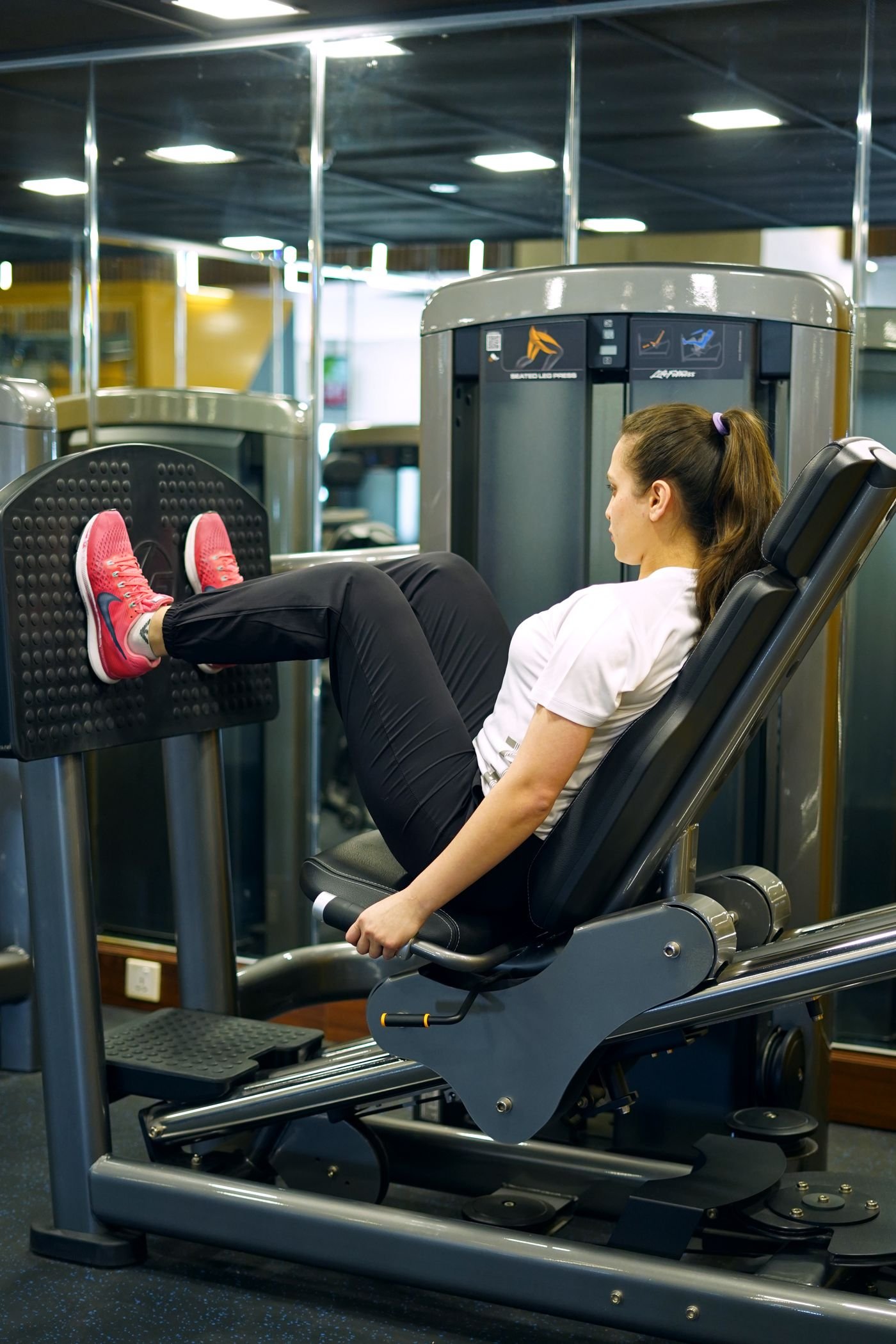
For hypertrophy, unilateral and bilateral exercises can both be productive ways to train the quadriceps. A leg press provides a stable platform for hard knee-and-hip-extension sets. Whether one foot or two feet contact the plate is only one variable among many: range of motion, load, effort, total challenging sets, control, progression and how the exercise fits around your squats or other compound work all matter.
Broader research comparing single-limb and double-limb resistance training has not established a consistent muscle-growth advantage for either choice. A synthesis of nine studies found no clear difference in measured hypertrophy, while a larger 2026 review of 24 randomized trials also found no significant hypertrophy difference. Those reviews included different exercises and populations, so they cannot guarantee identical outcomes for every individual or every leg-press design. They do, however, discourage an exaggerated claim that one-legged pressing is automatically the secret to bigger quads.
There is also a programming trap: comparing the number printed on the stack or the number of plates on the sled across the two versions. One-leg and two-leg loads are not directly interchangeable. Sled angle, friction, equipment geometry and the need to stabilize your body complicate the comparison. Your practical target is similar challenge to the working muscles with repeatable technique—not forcing the single leg to move exactly half of your bilateral working weight.
Unilateral work may be especially useful for noticing a side-to-side difference, but a difference in how the exercise feels is not a diagnosis. Small asymmetries are common, and the weaker side may simply be less practiced. Choose a load and range your less confident side controls, then match its repetitions with the other side rather than turning the stronger leg’s extra capacity into a reason to extend the session forever.

Leg Day Shirts & Workout Gear
Leg-day gym shirts and workout gear for lifters who never skip squats, lunges and lower-body punishment.

Leg Press Dost Thou Even Press Medieval Knight Gym Shir T-Shirt
Make gym days more fun with “Leg Press” style.

Negative Leg Day Review 1 Star Not Recommended Decal Sticker
Stick a little “Negative Leg Day Review” humor on your favorite gear.


Squat Queen Gym | Funny Burger King Parody Workout | Le Hoodie
Stay casual and show some burger-loving attitude with “Squat Queen”.

Squatbucks Gym | Funny Starbucks Parody Muscle Shirt | Tank Top
Train hard, laugh a little, and rep “Squatbucks”.

5 Plates Squat Club – Motivational T-Shirt
Show some leg-day attitude with a playful “5 Plates Squat Club” tee.

Mermaid Leg Day Sweater Strong Meme T-Shirt
For laid-back days and leg-day humor: “Mermaid Leg Day”.

I Want You To Squat Uncle Sam Patriotic – Funny 4th of T-Shirt
Bring “I Want You To Squat Uncle Sam Patriotic” humor to your everyday gym style.

Leg Day Is Calling You Decal Water Bottles & Sticker
Bring “Leg Day Is Calling You” attitude to your water bottle or laptop.

Both groups jumped higher, but neither won the jump tests
The researchers also measured squat jumps, countermovement jumps and drop jumps. Both groups improved across those tests. For example, average countermovement-jump height increased by 9.6% after bilateral training and 9.0% after unilateral training. The corresponding squat-jump improvements were 14.0% and 9.8%, while drop-jump improvements were 14.2% and 16.3%. Those differences in percentage change were not statistically significant between groups.
This distinction matters. Seeing that one group has a numerically bigger mean does not establish that its method is superior. Variation among participants, small groups and the kind of outcome being measured all affect what the data can support. The study also did not find significant correlations between individuals’ gains in machine strength and their gains in jump height. A stronger leg press and a higher jump can improve alongside each other without progressing in lockstep.
If jumping higher is your actual goal, keep jumping practice in the program. A controlled ten-repetition leg-press set teaches forceful pressing, but it is not the same task as a rapid takeoff and landing. A small dose of appropriately scaled jumps, hops or sport-specific explosive work can preserve the movement qualities that a strength-only block does not train directly.
For newer lifters, the machine can still be a sensible way to accumulate lower-body strength without the balancing demands of a free-weight squat. But no amount of impressive sled loading guarantees better sprint times or more height on a rebound jump. Keep the exercises aligned with the outcome rather than treating every lower-body gain as interchangeable.
How to set up the leg press safely with one foot or two
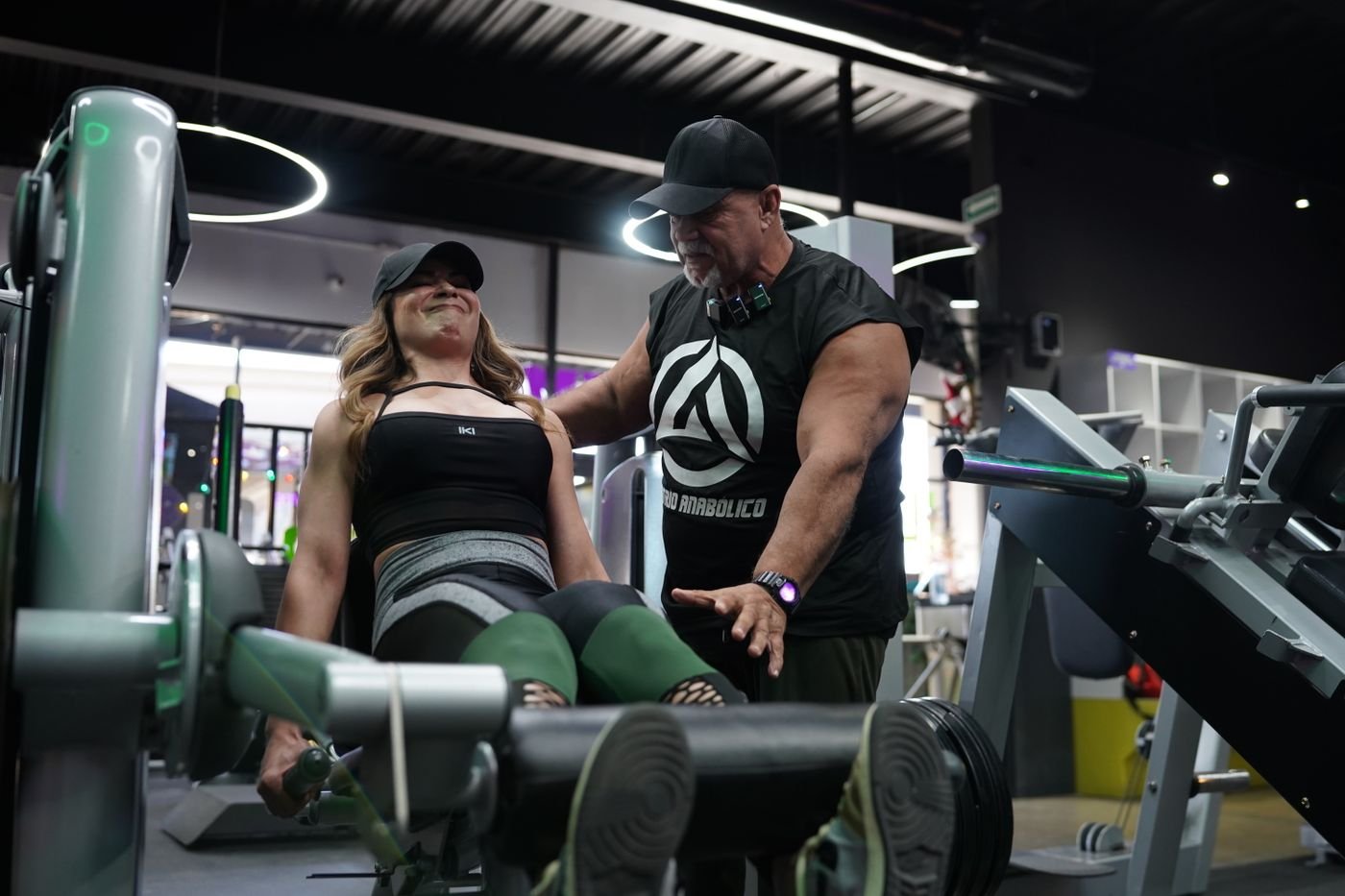
First adjust the seat or backrest so your feet can reach the platform comfortably and your hips remain supported throughout the descent. On a two-leg press, begin with feet at a comfortable, roughly shoulder-width stance and pressure distributed across each foot. Lower under control to the deepest position you can use without your lower back rolling away from the pad or your pelvis tucking sharply. Press through the foot rather than rocking onto your toes, and finish with control instead of snapping the knees into a forceful lockout.
For the single-leg version, begin much lighter than you expect. Center the working foot where the platform lets you maintain a stable knee path and even pressure. Keep your pelvis against the seat and avoid turning your torso to help the resistance move. The unused leg must be positioned safely according to the specific machine; do not put it under or inside a moving sled or near pinch points. Use the machine’s stops and safety catches as intended by its manufacturer.
Some sleds and seated machines simply do not feel secure with one foot. A large offset load may pull an unfamiliar sled unevenly, and an extreme bottom position can make the pelvis rotate. If you cannot maintain control, choose a safer unilateral alternative such as a supported split squat, step-up or reverse lunge. There is no prize for making a poorly designed machine do something its manufacturer never intended.
Keep the knee tracking in a comfortable line over the foot rather than forcing a fixed stance that hurts. If one knee, hip or low back is already painful, skip experiments with maximal loads and seek qualified assessment when needed. Build your training around stable repetitions, not maximal numbers earned by shortening the movement, bouncing at the bottom or lifting your pelvis from the seat.
Equipment Worth Exploring
Explore equipment, accessories and gear from our carefully selected range.

Studio Glute Drive
Plate-loaded hip-thrust machine with supported back pad and adjustable foot platform.

Standing Abductor
Plate-loaded standing hip abductor for targeted outer-glute and hip-stability training.

Belt Squat Collar
Heavy-duty collar adapter for compatible belt-squat and landmine bar setups.
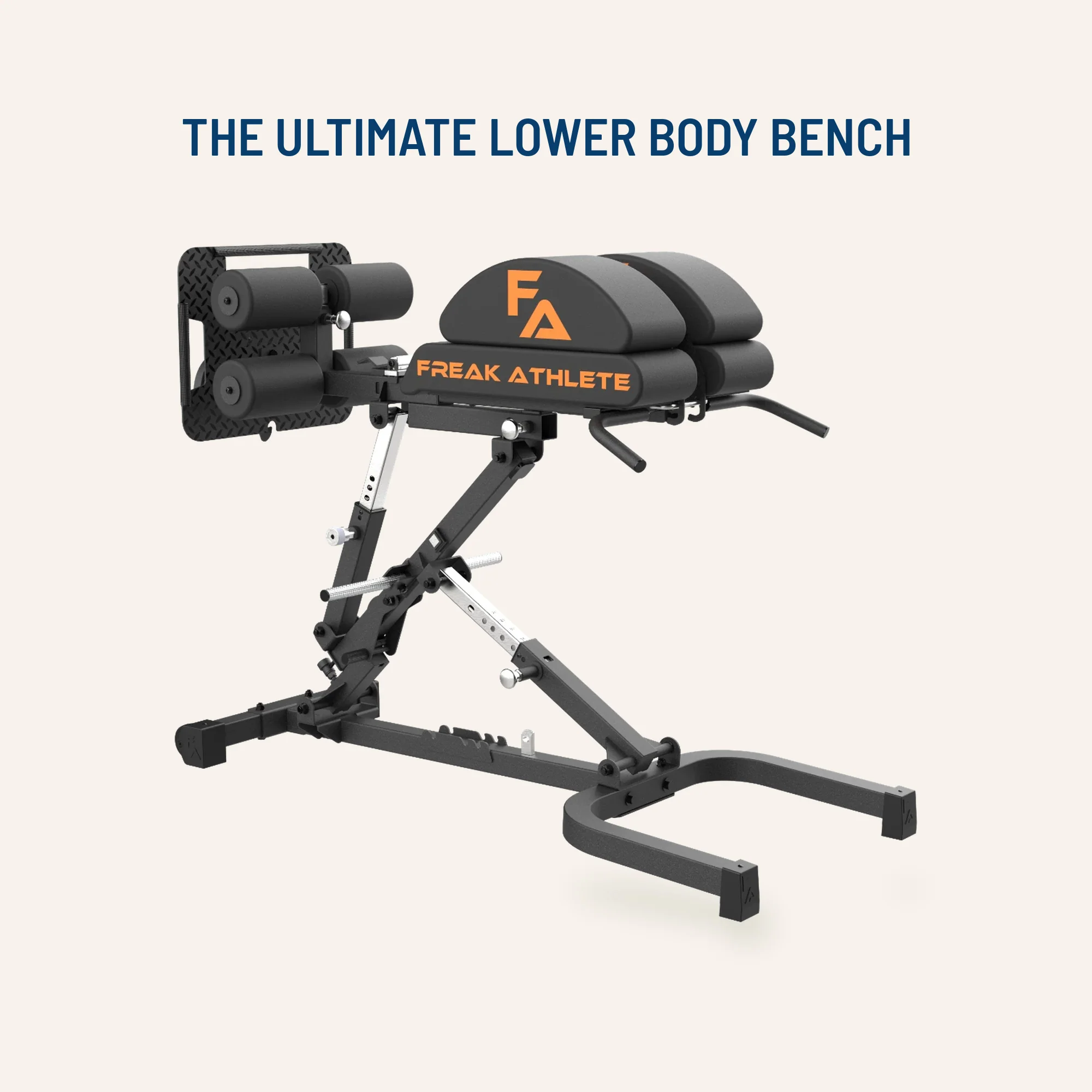

VForce 2IN1
Half rack and pivot-arm functional trainer with switchable 1:1 and 2:1 pulley ratios.


Rubber Hex Dumbbells
Rubber-coated hex dumbbell pairs with a stable shape for home and commercial strength training.

A practical two-day program that uses both versions
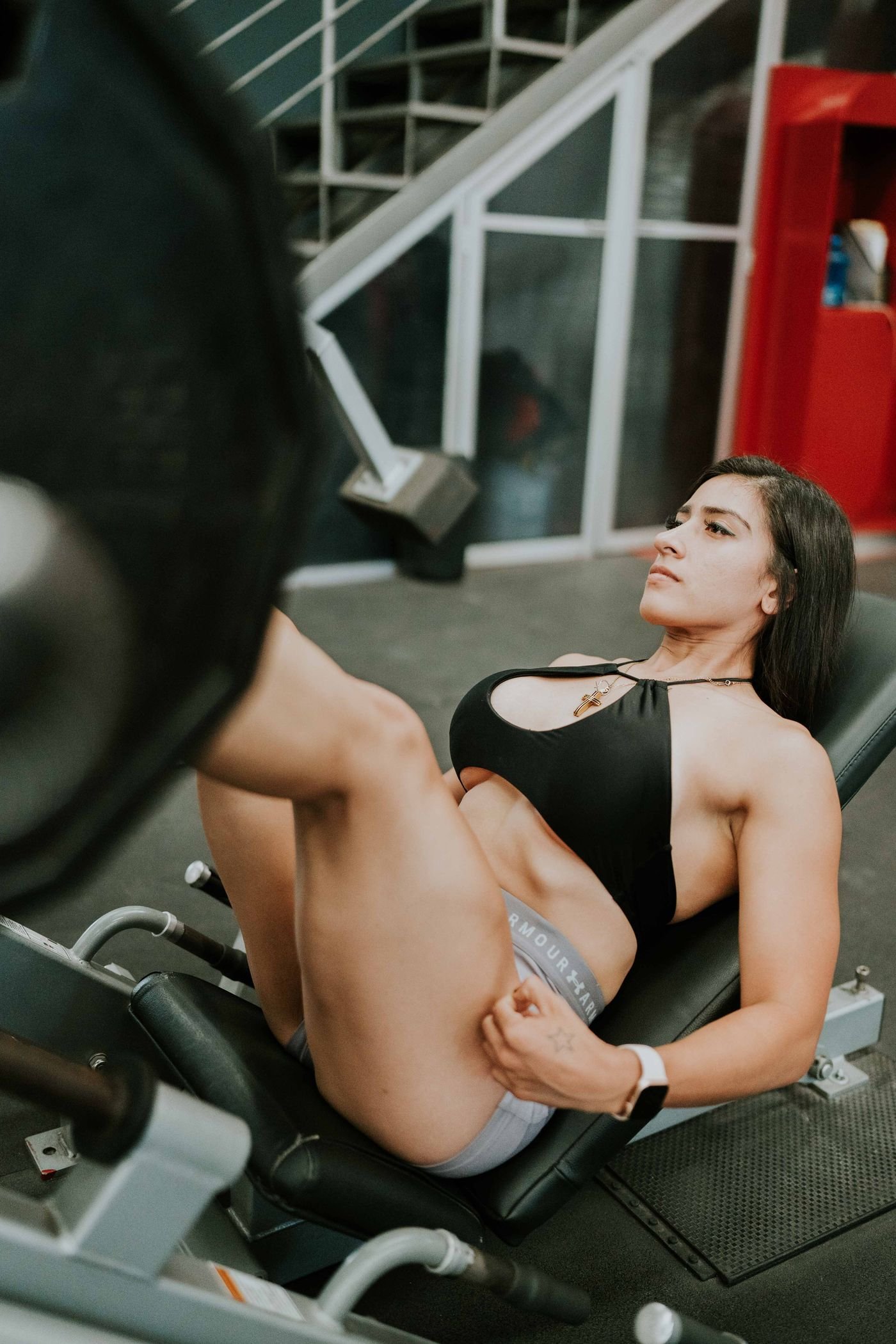
You do not need to choose one version forever. If you want general lower-body strength and better control side to side, try keeping a bilateral press as your primary progression and adding a smaller unilateral dose afterward. Here is one example for a lifter who already tolerates leg pressing and trains legs twice per week. It is a programming suggestion, not a copy of the experimental loading protocol.
Day one: two-leg emphasis. Warm up with a few light sets, then complete three working sets of the bilateral leg press for roughly eight to twelve controlled repetitions. Leave about two repetitions in reserve on early sets; resist turning each repetition into an all-out grind. Follow with two sets of a comfortable hip hinge or leg curl, then two sets of calf raises if those fit your schedule. End the session when quality declines, not when the sled reaches an arbitrary number of plates.
Day two: one-leg emphasis. After a short general warm-up and a light practice set, perform two or three sets of eight to twelve repetitions per leg on the unilateral press. Start with your less confident side and repeat the same number of controlled reps on the stronger side. Add two sets of a squat, supported split squat or another lower-body pattern if recovery allows. Finish with a hamstring exercise rather than using every remaining minute for more quad work.
Use consistent setup and a repeatable range of motion. When all working sets reach the top of the chosen repetition window with stable technique, add the smallest practical increment at the following session. If you suddenly lose stability or shorten the range to move more plates, the load rose faster than your movement skill. Over four to eight weeks, record sets, repetitions, working loads and any meaningful left-right difference. Reassess only after you have enough comparable training data to distinguish genuine progress from a good day.
Powerlifting Shirts & Lifting Gear
Powerlifting shirts and gym gear for squat, bench and deadlift lifters who live for heavy numbers.

Heavy Barbell – Meme Shirt & Top T-Shirt
Make gym days more fun with “Heavy Barbell Powerlifting Graphic” style.

Meme : Squat Rack Top Home T-Shirt
Make gym days more fun with “Powerlifting Gym Meme” style.

Ultimate : Meme Squat Rack Gains & Humor T-Shirt
Rep “Ultimate Powerlifting” humor in and out of the gym.

Raise The Barbell Shirt – Motivational & T-Shirt
Show some powerlifting attitude with a playful “Raise The Barbell” tee.

Lift Heavy Be Happy Meme Bros & Gains Top T-Shirt
Show some powerlifting attitude with a playful “Lift Heavy Be Happy” tee.

I Want You To Lift Heavy Patriotic – Uncle Sam USA T-Shirt
Show some lifting attitude with a playful “I Want You To Lift Heavy Patriotic” tee.

Don'T Fart Squats & Leg Day Meme Hoodie
Show off your leg-day humor in a laid-back “Don't Fart Squats” hoodie.

Barbell Flag American Pride Workout | Gym Jumper | Funn T-Shirt
For laid-back days and powerlifting humor: “Barbell Flag American Pride”.

Gym Cult Occult Barbell Meme – Powerlifting Bodybuildin Sticker
Give your everyday gear a playful “Gym Cult” twist.

Bar Breaker Barbell Breaker Ballbreaker Parody Heavy Me Tank Top
Add some metalhead attitude to training with “Bar Breaker Barbell Breaker”.
Who should prioritize which version—and what the study cannot settle
Beginners: either version can develop strength. Two-leg pressing is often easier to learn and progress because it has fewer balance and coordination demands. Introduce unilateral work gradually once you can keep the hips and knees controlled. Beginners should not attempt the original trial’s advanced eccentric-accentuated intensity progression simply because it produced results in a supervised setting.
Bodybuilders: use the version that allows hard, consistent quad work and fits your recovery budget. A bilateral press is efficient when you want a challenging set without doubling the number of single-leg bouts. A unilateral press can be valuable for extra work on one side or when it gives you a comfortable training position. Neither choice has a guaranteed growth advantage, and this 28-person experiment did not measure muscle size in the first place.
Strength and sport athletes: prioritize the strength task you need. If a performance test requires both legs to push together, train bilateral patterns deliberately. If your sport places high demands on one-leg force and control, maintain unilateral work too. The broader evidence supports task-specific advantages more than a one-size-fits-all winner. For jumping and field sport, pair strength with appropriately designed explosive practice, instead of assuming one machine exercise provides everything.
The most important limitations are the small sample, all-male untrained population, eight-week duration and highly specific eccentric-focused leg press. Participants did not follow comprehensive programs, and the researchers did not measure long-term injury outcomes, muscle hypertrophy or elite-athlete performance. A non-significant difference on a test is not mathematical proof the training methods are identical for everyone.
Bottom line: both methods improved two-leg pressing and jumping in these beginners, while the one-leg group gained more on the one-leg maximum test. Choose bilateral pressing for efficient general loading, unilateral pressing for specific single-leg ability, or a measured combination when both matter. Progress the work you can control, recover from and repeat, and let that be more important than the number on the machine.