Advertising disclosure: This page includes affiliate product links that may earn us a commission, as well as products from our own store.
Some product links may be affiliate links. If you shop through them, Mind Muscle Perfection may earn a commission at no extra cost to you.
Heavy sets and high-rep sets can both make a muscle work hard, but they do not feel remotely the same. One puts more weight on the bar; the other keeps a working muscle under tension for longer. Which approach should get most of your training time if you want more size, better strength and recoverable progress?
A comparison of muscle samples from trained men offers an intriguing clue. Across two experiments, heavy-load and higher-volume resistance exercise produced several similar markers related to mitochondrial activity. In the six-week leg-training experiment, the higher-volume leg grew more on one imaging measure, but most mitochondrial markers did not differ meaningfully between conditions. That is a reason to understand the evidence, not a reason to declare that high reps always win.
1. Heavy weight and high volume are different training choices
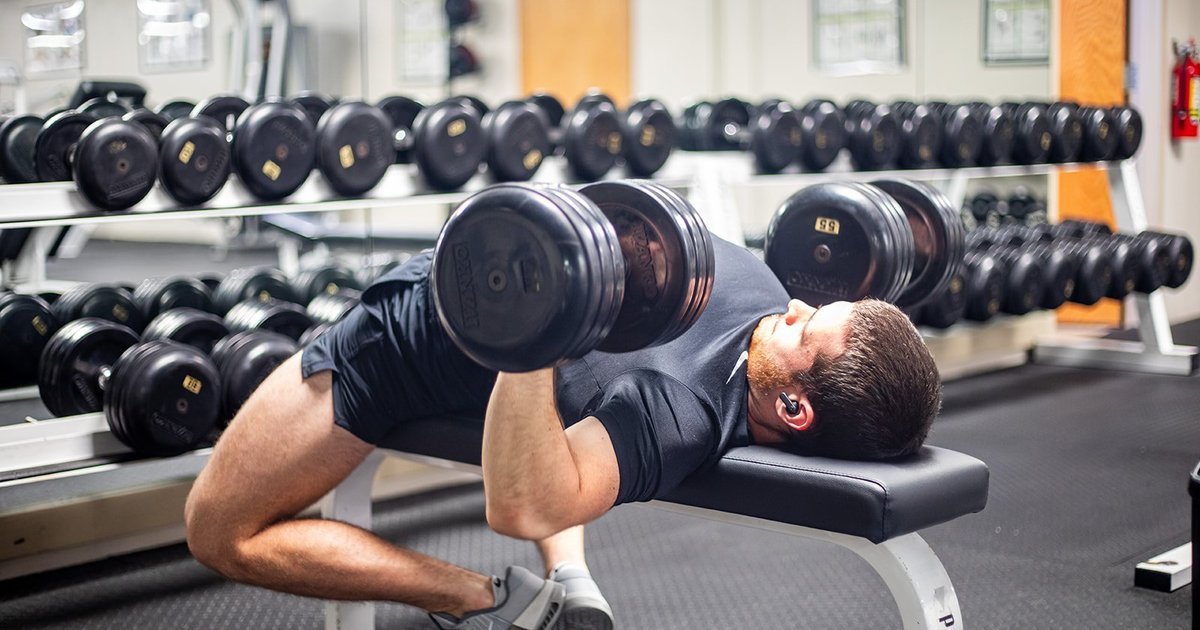
Heavy-load training usually emphasizes higher external resistance and fewer repetitions. Higher-volume sessions typically use lower weights and perform more total repetitions. The definitions can overlap: adding a fourth heavy set increases volume, and taking a lighter set close to failure can create considerable effort. Do not confuse the weight you use with the total dose of training.
Imagine three sets of five with a challenging barbell load beside three sets of fifteen using a lighter load. The first format practices producing high force against heavy resistance. The second accumulates many more contractions and may bring substantial local fatigue. Neither method is automatically superior without knowing how close the sets come to failure, how many sets are completed, and what adaptations you care about.
For most gym-goers, there are at least three goals to separate. Muscle size concerns the growth of the trained muscle. Maximal strength concerns the force you can express, often tested in a particular lift. Training efficiency concerns whether the session’s fatigue, duration and workload fit into the rest of your week. Changing repetition range can affect these goals differently.
A useful starting point is to choose loads that let you perform technically sound repetitions at a challenging effort. Six to ten reps may suit a main compound lift, while ten to twenty can work well for an accessory. These are practical bands, not biological boundaries: meaningful training occurs across a considerably wider range when effort is sufficient.
2. What the muscle-biopsy experiments actually measured
Two groups of previously trained men took part in related experiments. In the acute experiment, eleven men completed separate high-load and higher-volume sessions with muscle samples taken before exercise and again three and six hours afterward. The focus was short-term changes in molecular signals, not the amount of muscle gained after one workout.
In a separate six-week experiment, fifteen trained men performed resistance training three times weekly. Each participant trained one leg with the heavier-load approach and the other with the higher-volume approach. This within-person comparison helps reduce some genetic, lifestyle and dietary differences that complicate separate-group studies, although it cannot remove every source of uncertainty.
Most measured mitochondrial gene and protein markers did not show a clear condition-by-time difference between the two approaches. Some markers moved over time in both conditions, and the immediate exercise bout altered particular gene signals. But a short-lived messenger-RNA change is not the same as creating more mitochondria, improving endurance, or building a larger muscle.
One nuance matters for anyone following the hypertrophy discussion. In previously reported measurements from the six-week leg experiment, quadriceps vastus lateralis cross-sectional area rose by approximately 3.2% in the higher-volume leg, while the heavier-load leg showed approximately −0.1% change on that measure. That specific contrast deserves attention, but the new molecular analysis itself is not a new independent growth trial, and six weeks with fifteen men is a narrow foundation for sweeping recommendations.
The two leg protocols differed by only about eleven percent in accumulated volume, despite their distinct loads and repetition patterns. That makes a simplistic “more reps grow more muscle” interpretation especially shaky. Training work, muscle-specific responses and measurement methods matter alongside the label on the program.
3. Why mitochondria are not a scoreboard for hypertrophy
Mitochondria help cells handle energy demands. During lifting, the ability to replenish energy and recover between efforts can matter to repeated performance. A muscle biopsy can detect certain genes, proteins and enzyme activities involved in this machinery, but those values are indirect snapshots of a complicated system.
In the six-week comparison, some proteins associated with mitochondrial regulation increased while others decreased across time, without a clear advantage for one loading scheme. Citrate synthase activity also decreased across the measurement window. These findings do not prove that either program reduced a participant’s real-world aerobic fitness, because the experiment did not simultaneously establish changes in whole-body oxygen uptake or endurance capacity.
Similarly, a bigger short-term spike in a molecular signal would not automatically mean better long-term growth. Training adaptations reflect weeks of tension, effort, energy balance, protein availability, recovery and progression. A single laboratory marker cannot capture all of them. That is why program decisions should also consider strength records, the repetitions completed, muscle-specific measurements and how well you recover.
Think of molecular data as background context. The practical question for a lifter is not “which session activates the most markers?” but “which repeatable sessions let me create high-quality hard sets while improving the outcomes I actually value?”

Equipment Worth Exploring
Explore equipment, accessories and gear from our carefully selected range.





Safety Squat Handles
Barbell squat handles that reduce shoulder positioning demands during high-bar squats.

4. Size and maximum strength do not reward every rep range equally
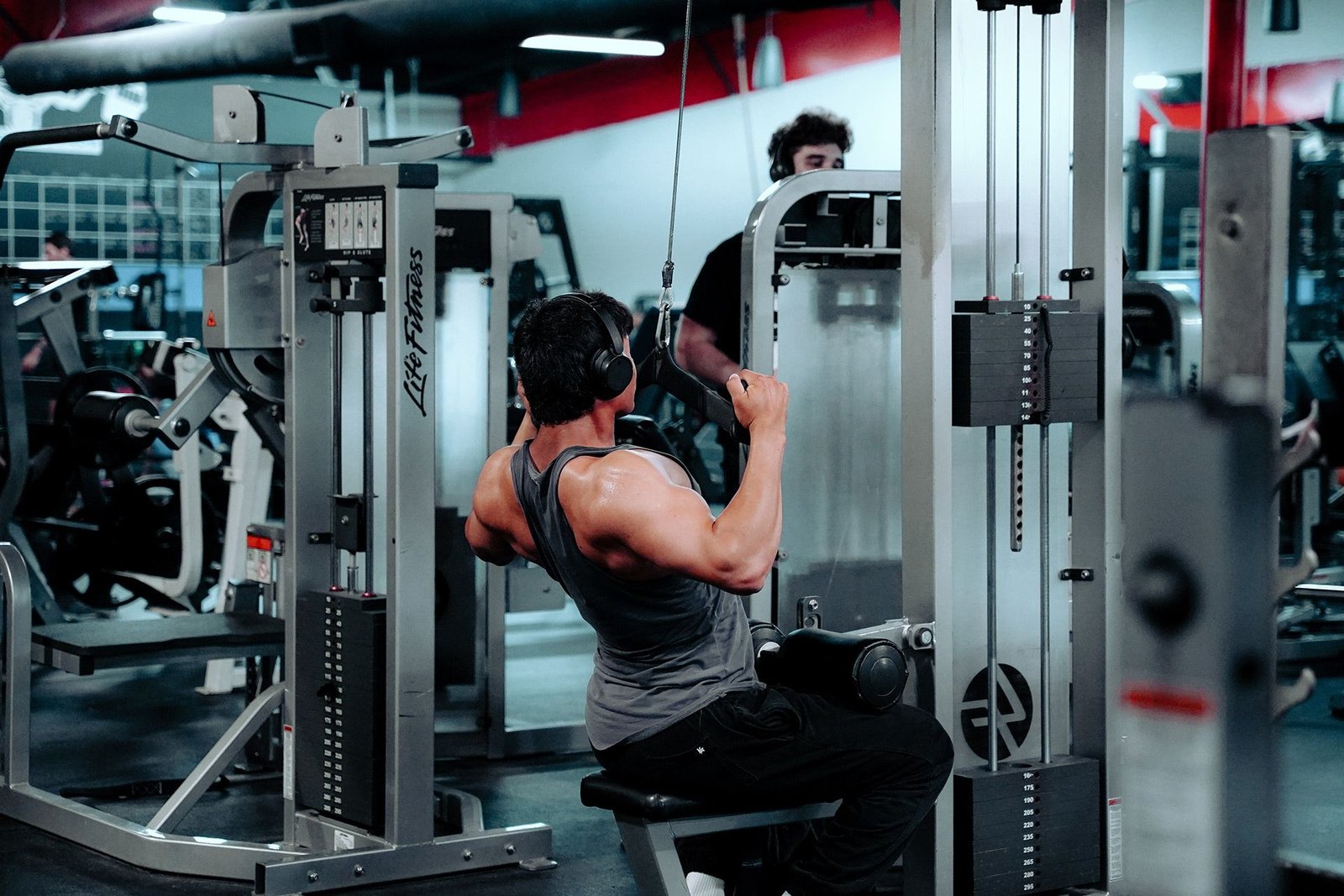
Broader training comparisons suggest muscle hypertrophy can occur across light-to-heavy loads when working sets create enough effort. High-load work, however, tends to produce a stronger improvement in measured one-repetition-maximum performance. The mechanism is not mysterious: lifting heavy improves skill, confidence and force production in heavy tasks as well as strengthening muscle.
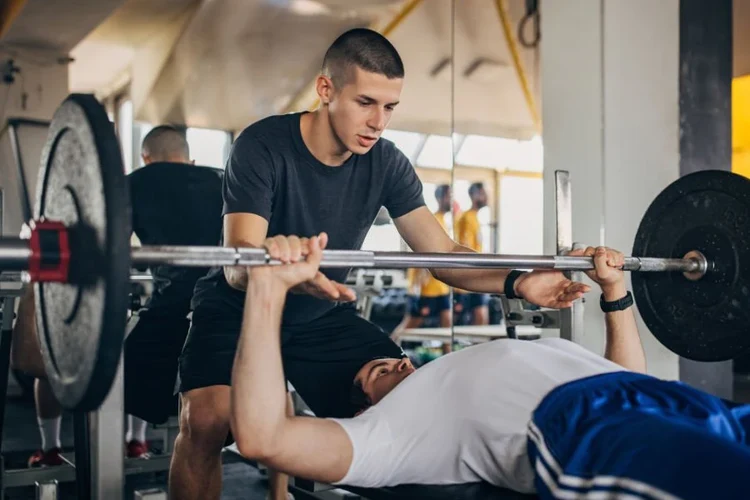
For example, a lifter chasing a bigger bench-press number should regularly practice challenging barbell presses with adequate recovery. A lifter primarily seeking a fuller chest may use bench pressing, dumbbell pressing and controlled machine work across several rep ranges. Hard sets with manageable loads are easier to maintain when technique remains consistent.
Lower-load work is not automatically easier. Fifteen to twenty-five technically strict repetitions taken close to the point where another rep is impossible can create substantial discomfort and breathing demand. That fatigue may make it hard to sustain quality in later sets. Conversely, frequent all-out heavy sets can create joint, nervous-system and technical costs disproportionate to the modest extra stimulus.
A balanced plan may use heavy work for the main skill you want to improve, followed by moderate-to-higher repetitions for additional muscle-building volume. The best blend depends on joint tolerance, exercise complexity, equipment, time and the effect of one session on the next.
5. Build one week that combines heavy and higher-rep work
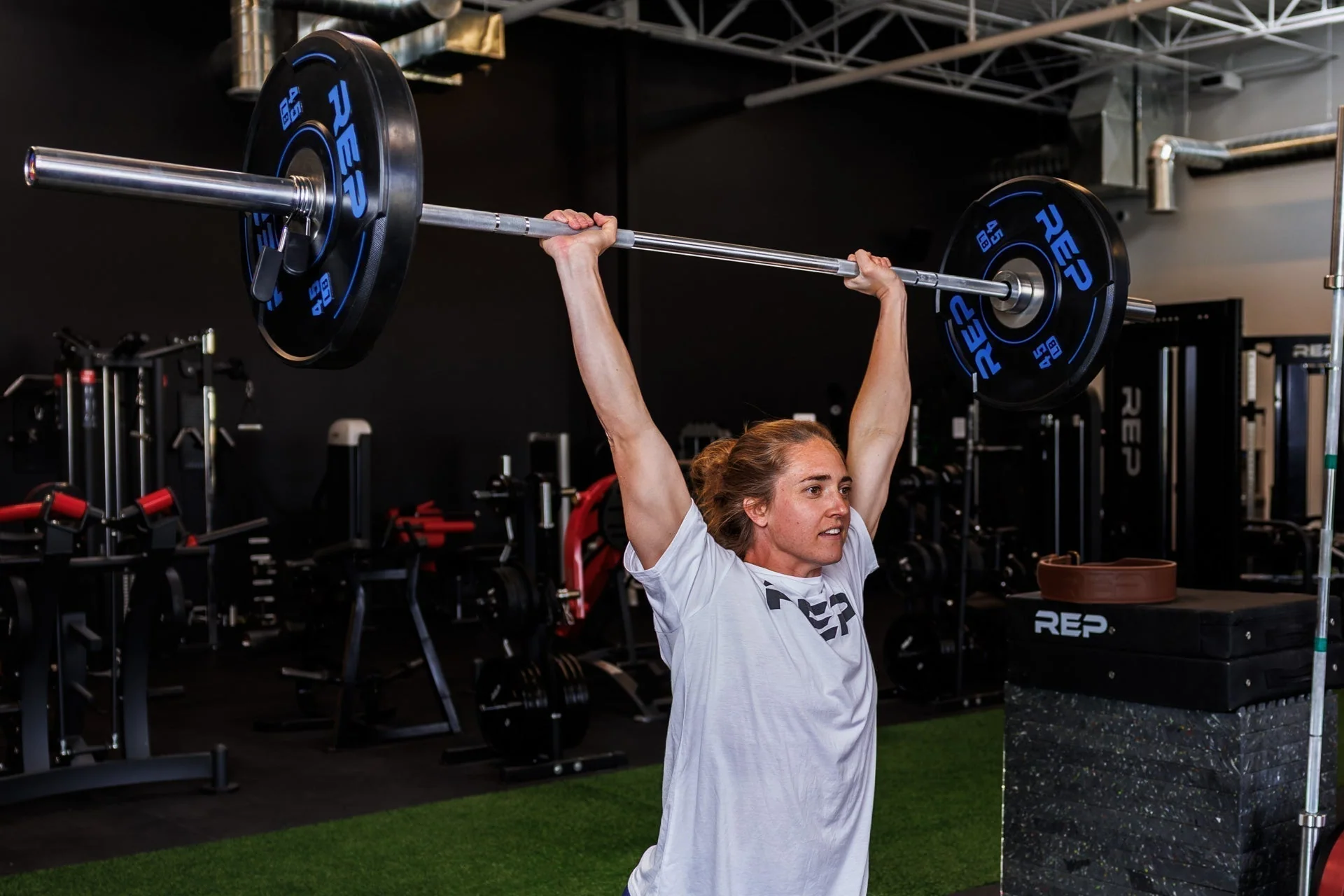
Here is a practical two-day upper-body framework rather than a claim that a laboratory protocol is the optimal routine. Leave at least a day between comparable hard sessions when possible, and adjust the sets to your recent training capacity. Prioritize good repetitions and repeatable technique over forcing a number from a template.
Day A — heavier emphasis. Begin with three sets of five to eight bench-press repetitions, resting about two to three minutes between challenging sets. Follow with three sets of six to ten supported rows. Add two sets of eight to twelve overhead presses and two sets of ten to fifteen curls. For each exercise, stop with roughly one to three technically sound reps in reserve.
Day B — volume emphasis. Perform three sets of ten to fifteen incline dumbbell presses, three sets of ten to fifteen cable rows, two sets of twelve to twenty lateral raises, and two sets of twelve to twenty triceps extensions. Take enough rest to keep your technique and rep quality consistent, usually about sixty to one hundred fifty seconds for accessory movements.
Both days train overlapping muscles, so the second day is not a free bonus. If you already perform a high-volume chest or back workout elsewhere in the week, reduce sets rather than stacking unnecessary work. For a novice, two focused sets per movement may be plenty. If you consistently recover and progress, add work gradually rather than jumping straight to a maximal-volume program.
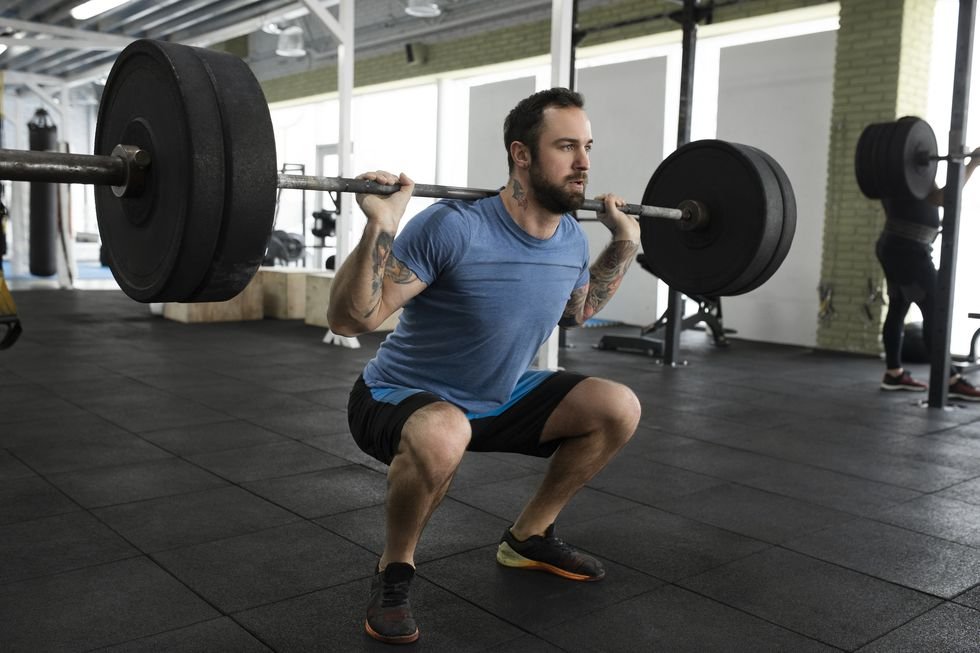
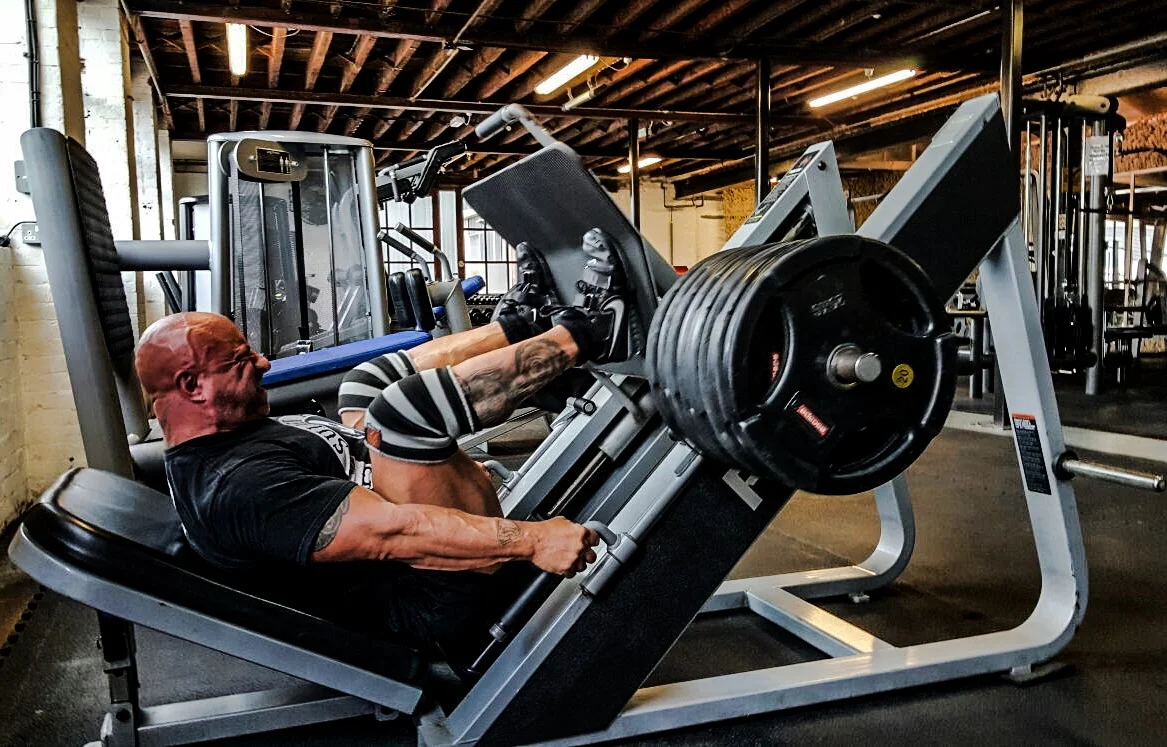
For lower-body training, use the same structure: establish heavy squat or hinge practice when fresh, then distribute moderate-rep single-leg, hamstring and calf work across the week. Do not pair maximal squats and demanding high-rep leg presses back-to-back solely to make the session harder.

Powerlifting Shirts & Lifting Gear
Powerlifting shirts and gym gear for squat, bench and deadlift lifters who live for heavy numbers.

We Choose To Lift These Weights Not Because They Are T-Shirt
Show some powerlifting attitude with a playful “We Choose To Lift These Weights Not Because” tee.

Patriotic – George Washington PRs, & Gymbros – 4th T-Shirt
Rep “Patriotic” humor in and out of the gym.

Thick Thighs Crush Guys Shirt – Leg Day Meme & T-Shirt
Bring “Thick Thighs Crush Guys” humor to your next gym day.

I Want You To Go To The Gym – Patriotic Uncle Sam Hoode Hoodie
Stay casual and show some powerlifting attitude with “I Want You To Go To The”.

I Want You To Break Your PR – Patriotic Uncle Sam Jumpe T-Shirt
For laid-back days and powerlifting humor: “I Want You To Break Your PR”.

Let There Be Gains Let There Be Rock Parody AC/DC Heavy Sticker
Bring “Let There Be Gains” attitude to your water bottle or laptop.


Pancake Weight Plate 45LB Plate Pancakes & Weights Brea Hoodie
Keep it laid-back with a little “Pancake Weight Plate” attitude.

Waffles Weight Plate 45LB Plate Waffles & Weights Break T-Shirt
Show some powerlifting attitude with a playful “Waffles Weight Plate” tee.

Sushi Weight Plate 45LB Plate Sushi & Weights Workout G T-Shirt
Show some powerlifting attitude with a playful “Sushi Weight Plate” tee.
6. Adjust load, effort and recovery using real performance
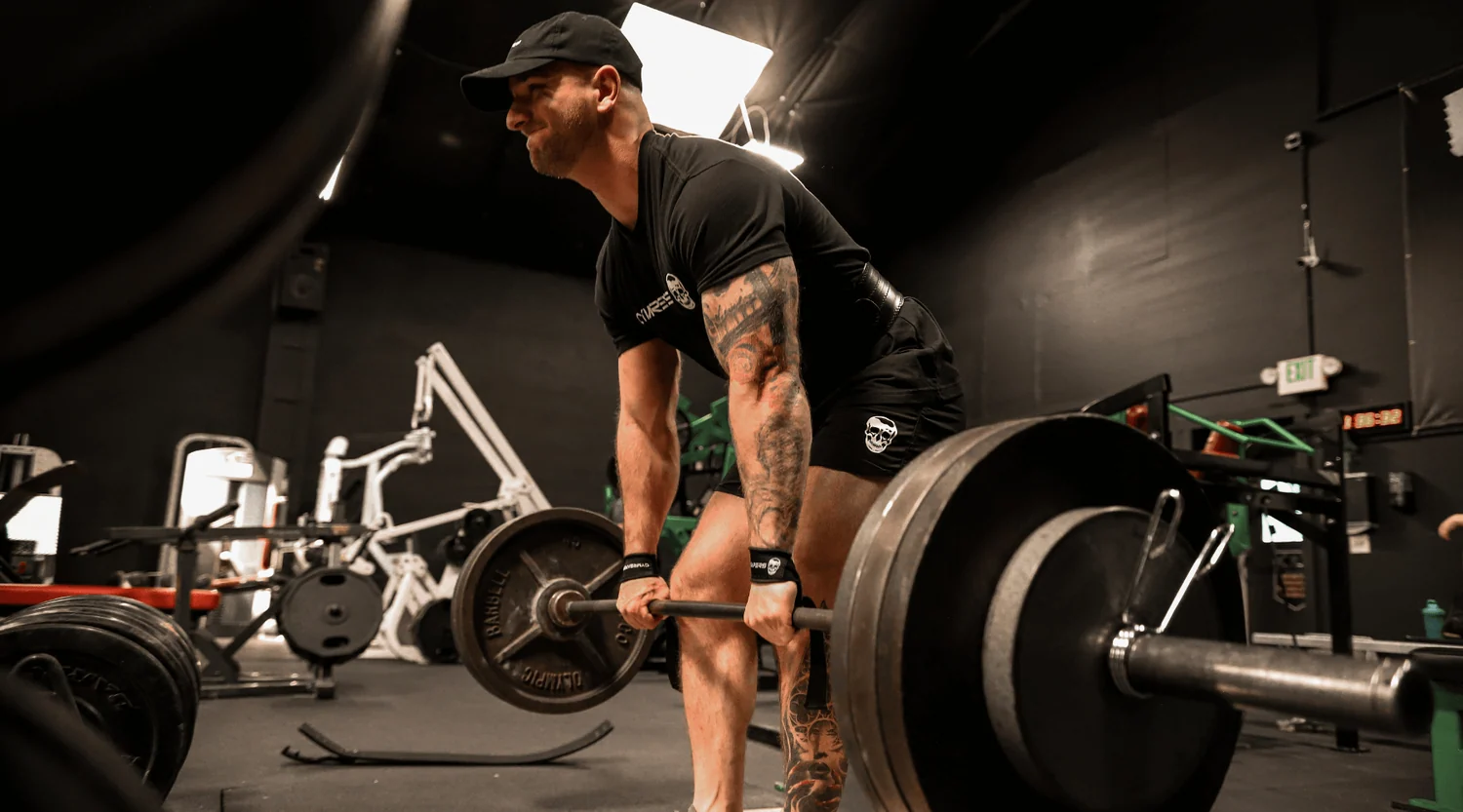
Record the weight, repetitions, set count, and approximate repetitions in reserve for your main lifts. When all planned sets reach the top of the range with consistent technique, consider a small weight increase the next session. A slightly heavier dumbbell or barbell is often enough; larger jumps can force premature technique changes.
Look for patterns over multiple exposures rather than judging one stressful workout. A lower rep total after poor sleep is not proof that the program failed. But repeated declines at the same load, persistent soreness, and rising effort with no progress suggest your volume or intensity may exceed current recovery capacity. Reduce one variable and reassess.
Rest duration also changes the experience. Heavy sets of squats, presses and rows usually benefit from longer breaks when maximal force and consistent reps matter. Higher-rep isolation exercises may tolerate shorter breaks, yet they still need enough rest to preserve useful tension. A set that ends because you cannot breathe is not identical to a set that challenges the target muscle through a controlled range.
Food and sleep support adaptation without replacing intelligent programming. Consistent adequate protein, energy intake matched to your goal, and regular sleep make it easier to interpret training results. These basics are especially important if you increase the number of weekly hard sets.
Equipment Worth Exploring
Explore equipment, accessories and gear from our carefully selected range.
VOLTRA
Compact digital cable trainer with smooth, adjustable resistance.

Go-Tone Pro
Portable digital cable trainer with up to 66 lb (30 kg) of adjustable resistance.

GymPin Ergo Handles
Pair of ergonomic cable handles shaped for comfortable triceps and pulling exercises.
W Grip
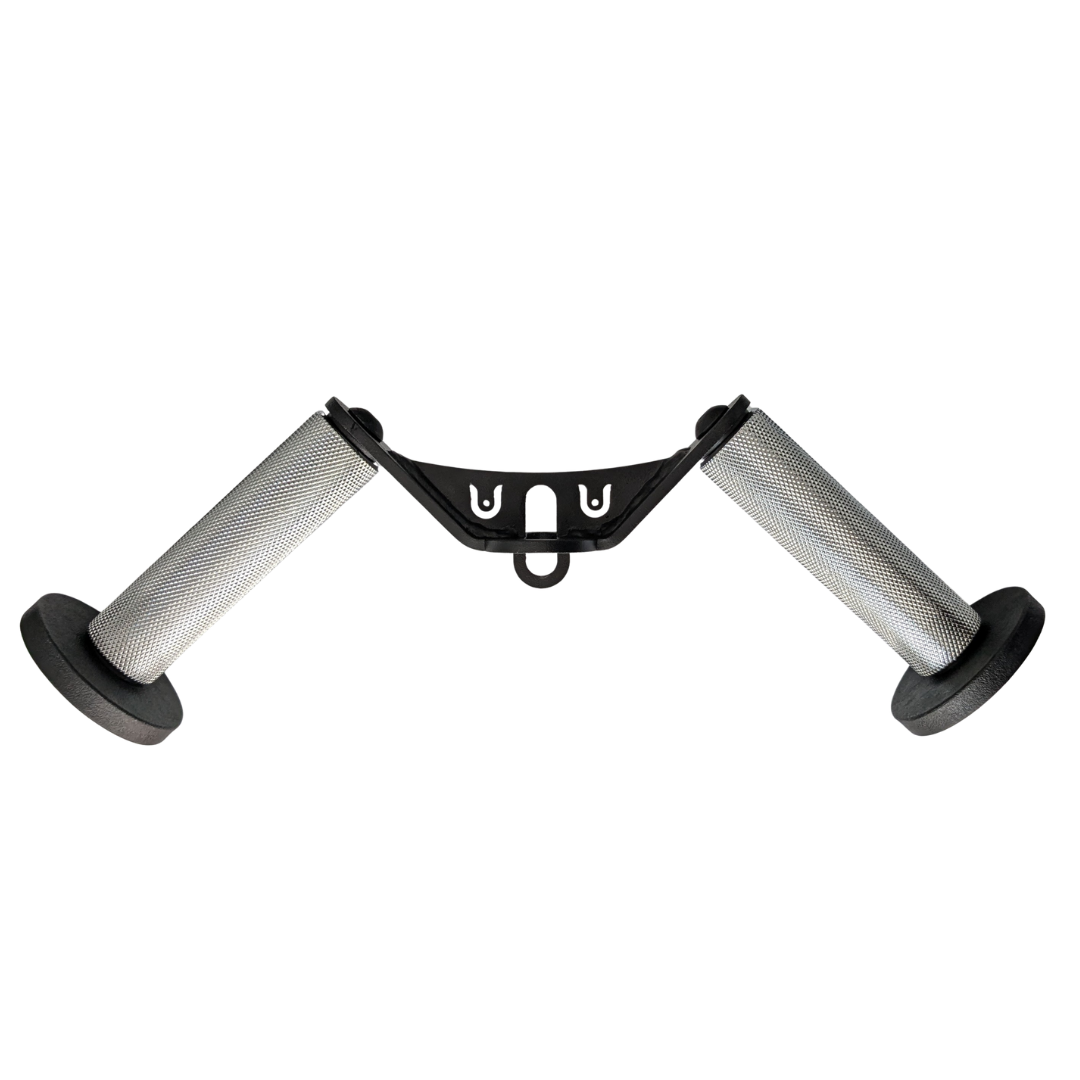
Angled cable grip for comfortable rows, pushdowns, and curls.

HUSLA Leg Extension Pad
Pad attachment designed to increase usable range of motion on compatible leg-extension machines.
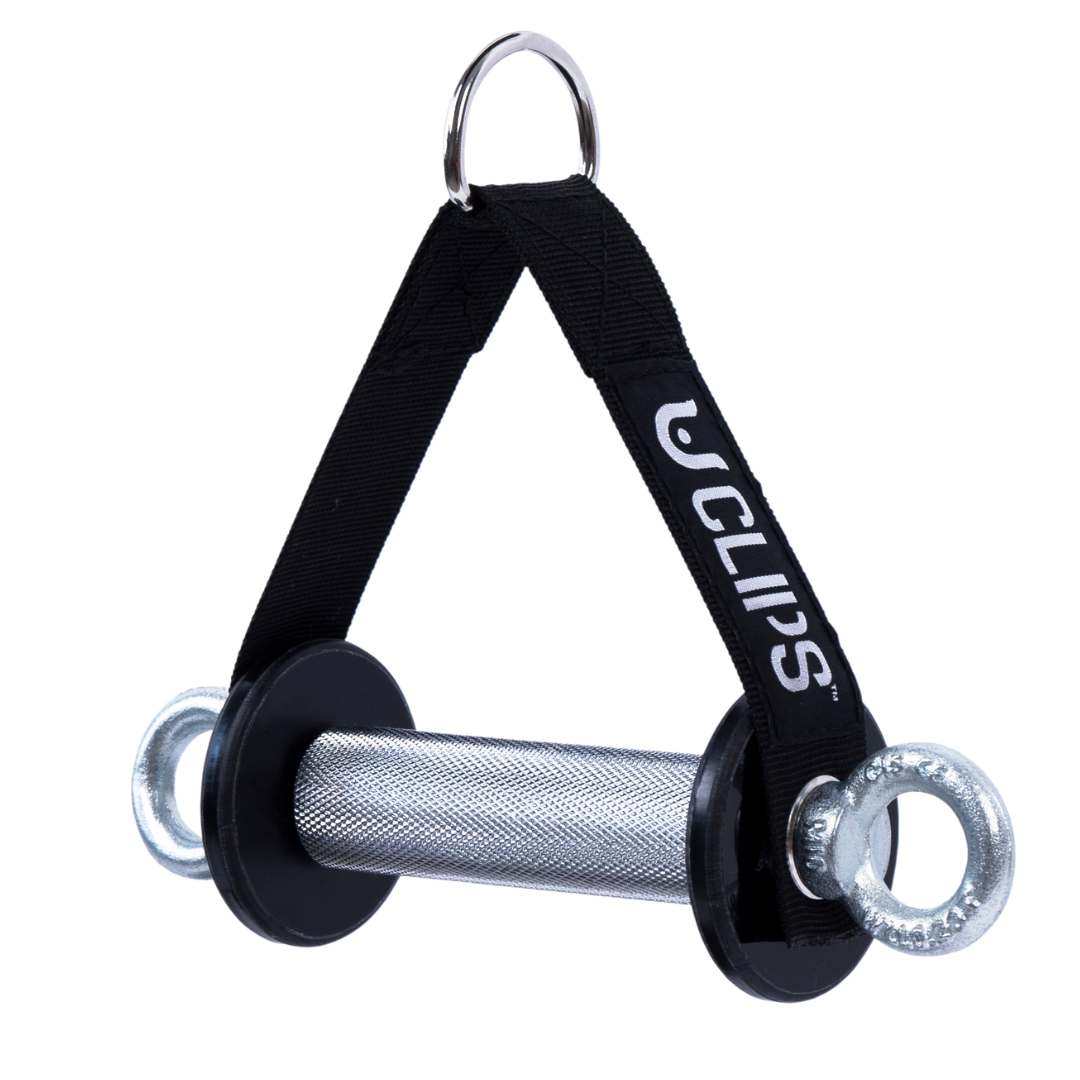

Long Tricep ERGO Ropes
Extended triceps ropes with ergonomic grips for cable pressdowns and overhead extensions.


T-Bar Row Attachment
Welded barbell attachment that connects a D-handle bar for landmine and T-bar rows.
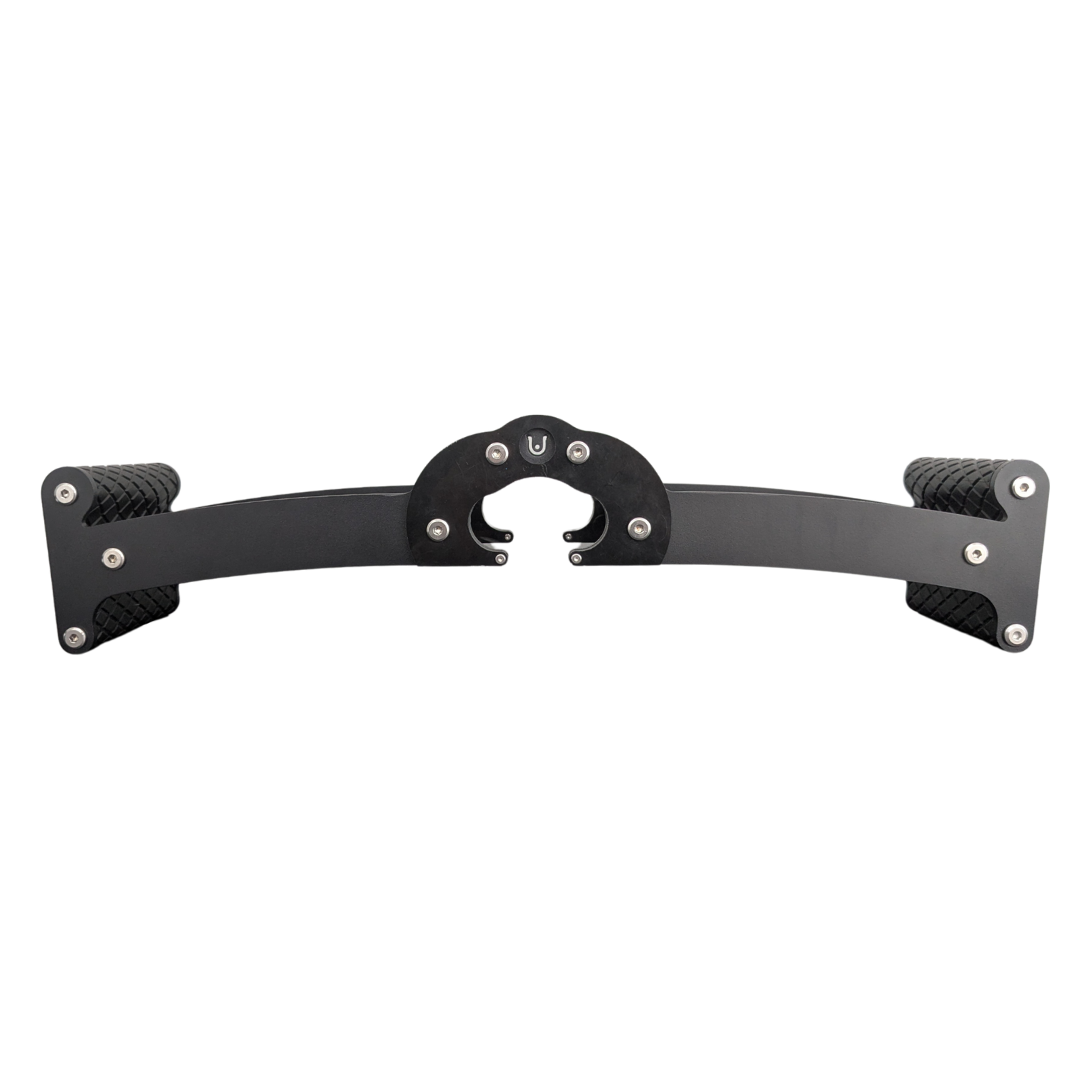
Back Bar
Multi-grip cable and landmine bar with a built-in deadlift jack.
7. Run a four-week comparison without fooling yourself

Choose one priority lift and one accessory before your next block. For week one, record baseline loads, technically valid reps, approximate effort, session duration and any discomfort. Keep exercise technique and range of motion as consistent as possible. If you want to compare two rep ranges, avoid changing your diet, exercise selection and weekly schedule at the same time.
In week two, aim for one extra controlled rep across a set or for smoother repetitions at the same load. In week three, increase weight slightly if the high end of the target range is reliably achieved. In week four, compare progress against your original baseline. Do not treat four weeks as enough to establish precise muscle growth; it is a practical window to evaluate performance, adherence and fatigue.
If your heavy lift improves but accessories stall, examine whether the first exercise is consuming too much of your recovery budget. If higher-rep sets improve while main-lift performance stagnates, keep some heavier practice instead of making every session an endurance test. The aim is to allocate effort to the adaptations you value most.
The most defensible conclusion is nuanced: both heavy and higher-volume work can create useful muscular signals, the available small biopsy comparisons do not establish a unique mitochondrial winner, and one six-week leg comparison favored higher volume on a particular muscle-size measurement. For real-world lifting, combine appropriately challenging loads, recoverable weekly sets and patient progression rather than chasing a single molecular marker or supposedly perfect repetition number.
Bodybuilding Shirts & Workout Gear
Bodybuilding shirts, tanks and gym gear for lifters chasing muscle, size, symmetry and the pump.

Pencilneck Science Tee
Make gym days more fun with “Pencilneck Science-Based Lifting” style.

Shirt – Muscle Inflation Graph Gymbro Meme Top & T-Shirt
Heavy lifts, good laughs, and a little “Muscle Inflation Graph” energy.


Atlas Greek Mythology The Power Within Top & Gymbros T-Shirt
Show some bodybuilding attitude with a playful “Atlas Greek Mythology” tee.

Fearless Icarus : Reaching PRs Greek Mythology T-Shirt
Heavy lifts, good laughs, and a little “Fearless Icarus” energy.

Almost Natty & Meme Fans Athletic Shirt Tank Top
Bring “Almost Natty” humor to your next lifting session.

Massquatch Bigfoot Sasquatch Sweater & Meme Fans T-Shirt
Bring “Massquatch Bigfoot” humor to your everyday gym style.

Dino Sore Dinosaur Sore Muscles & Meme Hoodie
Stay casual and show some lifting attitude with “Dino Sore”.

I Want You To Do One More Rep – Uncle Sam Patriotic Pul T-Shirt
Show some gym-day personality with “I Want You To Do One More Rep”.

Mike Mentzer Heavy Duty Old School Bodybuilding Gym Shi T-Shirt
Heavy lifts, good laughs, and a little “Mike Mentzer Heavy Duty” energy.