Advertising disclosure: This page includes affiliate product links that may earn us a commission, as well as products from our own store.
Some product links may be affiliate links. If you shop through them, Mind Muscle Perfection may earn a commission at no extra cost to you.
Slow negatives are a bodybuilding staple; fast descents are a feature of explosive training. Both involve controlling the downward phase of a squat, but they do not ask the legs to solve the same problem. A 2026 eight-week comparison in 24 previously untrained men provides a particularly clear demonstration of why the distinction matters.
One protocol emphasized a five-second lowering phase; another emphasized rapid lowering matched to a countermovement jump; a third used weighted jumping. Different results emerged for quadriceps growth, early force production and jump performance. Here is what the actual comparison tells us, where its limits are, and how to train for the outcome you want without copying an advanced eccentric-only loading method.
1. What 24 untrained men actually did over eight weeks
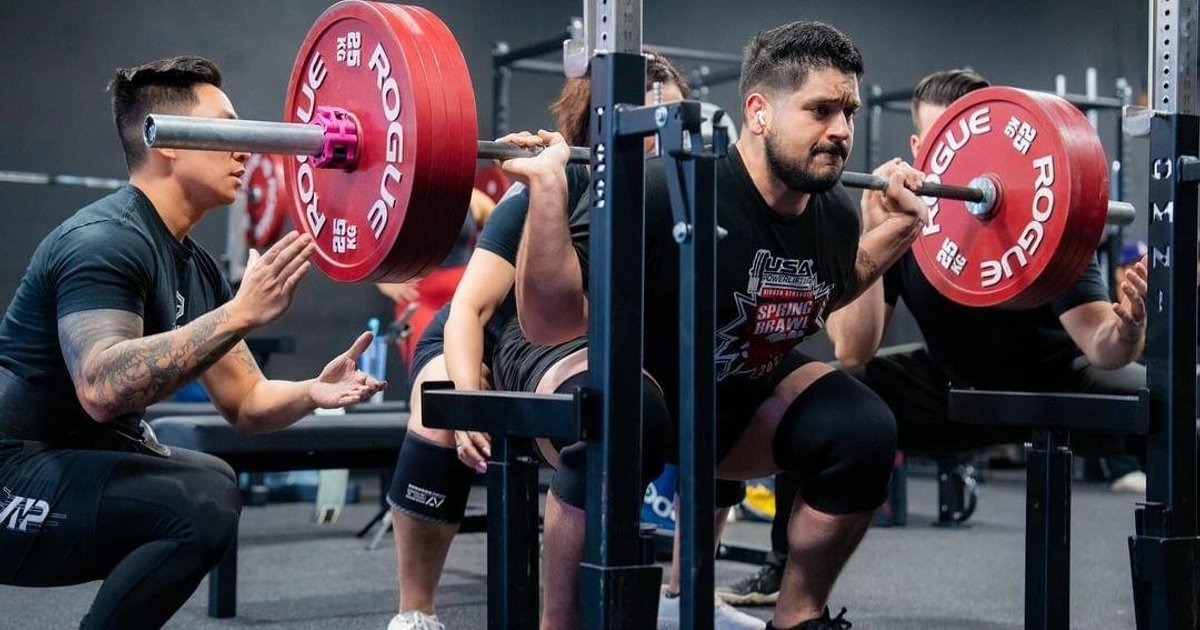
Does a slower lowering phase make your thighs bigger, or does a faster descent build better jumping ability? An eight-week squat comparison provides a rare direct look at that trade-off. The participants were 24 male college students with no previous strength-training experience. They were assigned to one of three training approaches and trained three times per week. That makes the experiment more informative than a single workout, but still quite narrow: it was not a large trial of experienced powerlifters, women, or athletes in season.
The first group performed isolated eccentric squats with a five-second lowering phase, using a load equivalent to their measured back-squat one-repetition maximum. The second used a rapid lowering phase with a lighter load, 50% of one-repetition maximum, intended to resemble the fast countermovement of a jump. A third group practiced weighted countermovement jumps with resistance chosen for maximal power. The researchers assessed changes in quadriceps muscle size, strength and force development, as well as the mechanics of countermovement jumping.
An essential detail is the phrase isolated eccentric. These were deliberately controlled lowering exercises, not instructions to squat down and stand back up with a maximal barbell on every repetition. Eccentric-only loading can require specialized assistance and safety arrangements for the return phase. For most ordinary gym members, copying the percentages without copying the equipment and supervision would be a serious mistake.
The interesting result was not a single method winning every test. The slower squat group had the clearest quadriceps size response. Faster lowering favored certain rapid force and jump measures. The basic question to ask is therefore not which tempo is universally best, but which training quality you want to improve.
2. Why the five-second descent stood out for quadriceps growth
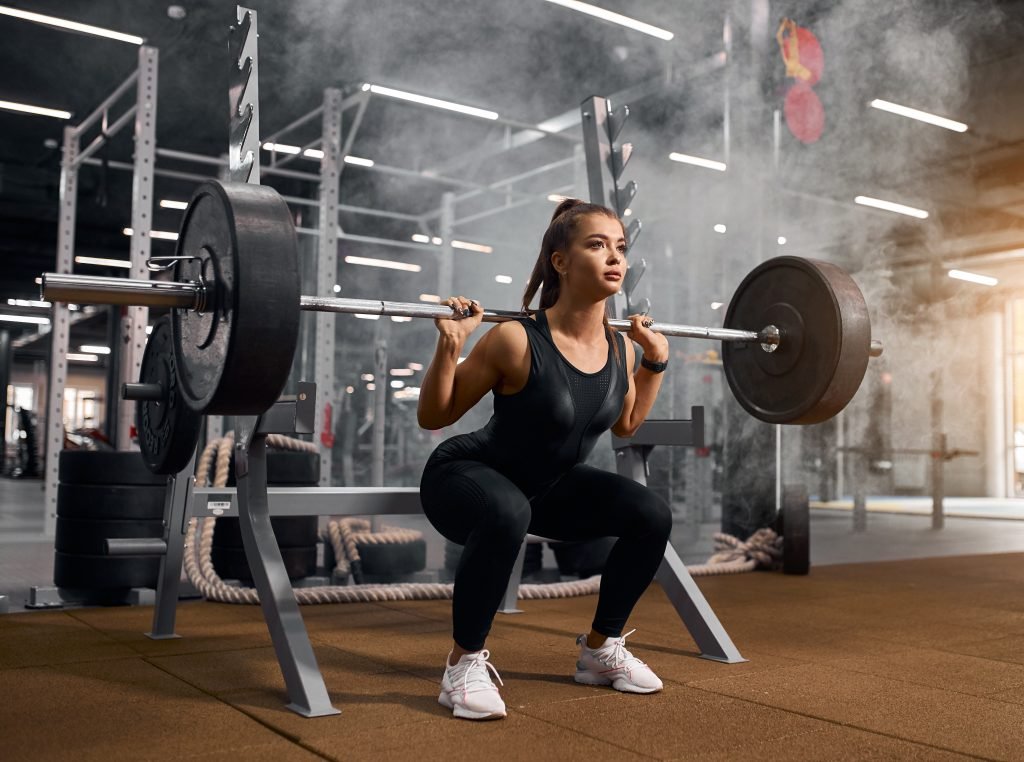
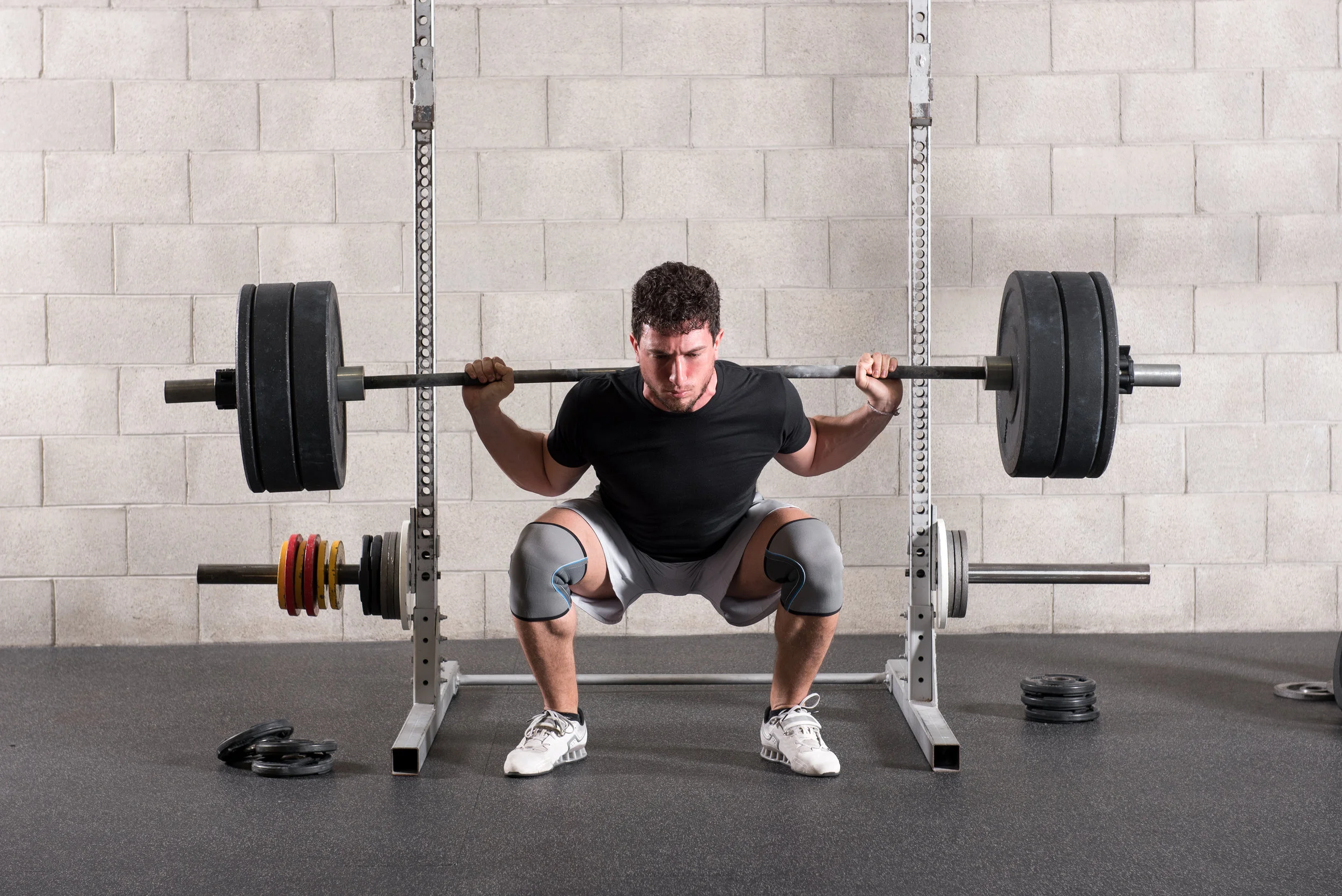
By the end of eight weeks, the slow eccentric squat group showed a reported 10.7% increase in quadriceps hypertrophy, compared with approximately -0.3% to 2.5% in the two comparison groups. That is a striking difference in this particular experiment. It does not mean anyone who counts five seconds on a squat will grow their thighs by 10.7%, or that the number represents an expected result for trained lifters.
Slow, controlled lowering can extend the time a muscle resists force. During the eccentric phase, quadriceps tissue helps control knee flexion while the barbell and body move downward. In a specialized eccentric program, those demands can be concentrated without requiring an equally heavy lifting phase. The combination of exercise choice, relative loading, session frequency, movement range and participants’ novice status all contributed to the training stimulus. Separating the effect of descent speed alone from that wider prescription is not straightforward.
Another reason not to turn this into a universal five-second rule is that muscle growth has more than one workable route. Conventional squats, leg presses, split squats and leg extensions can all deliver meaningful tension when performed consistently and progressively. A moderately paced descent may help a lifter keep depth, balance and knee tracking repeatable. Excessively slow reps, however, can reduce the load or number of quality repetitions a person completes. That trade-off matters when evaluating a whole program rather than one memorable workout.
For practical quad training, use slow negatives as a deliberate variation, not a replacement for every normal rep. The decision should be driven by useful range of motion, recoverable effort and measured progression. The study supports the value of an eccentric-focused stimulus under its specific conditions; it does not establish a mandatory tempo for everyone.

Equipment Worth Exploring
Explore equipment, accessories and gear from our carefully selected range.


Safety Squat Handles
Barbell squat handles that reduce shoulder positioning demands during high-bar squats.

GymPin Squat Wedges
Non-slip 15-degree squat wedges help elevate the heels for deeper quad-focused squats.


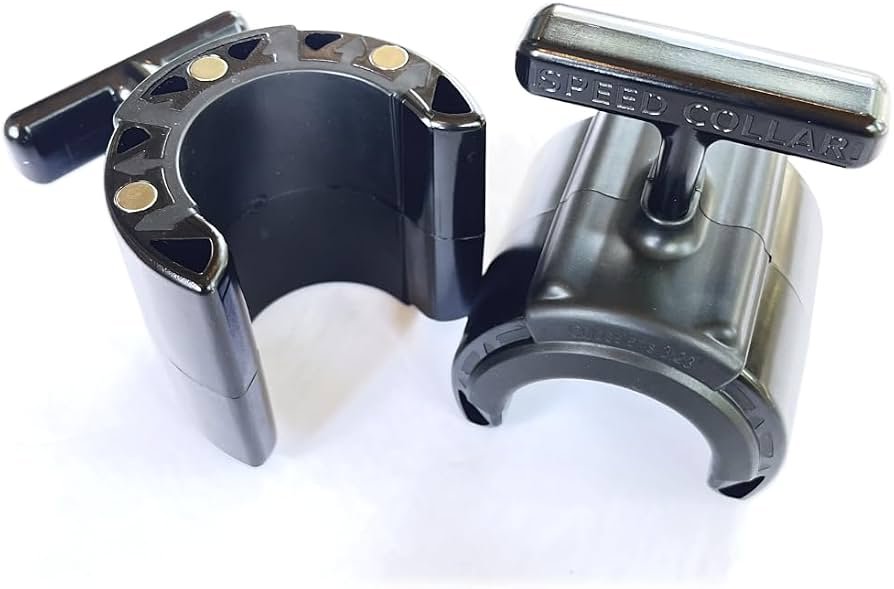
Speed Collar
Quick-release collars designed to secure weight plates on standard two-inch Olympic bars.
3. Why faster lowering helped the explosive side of the equation
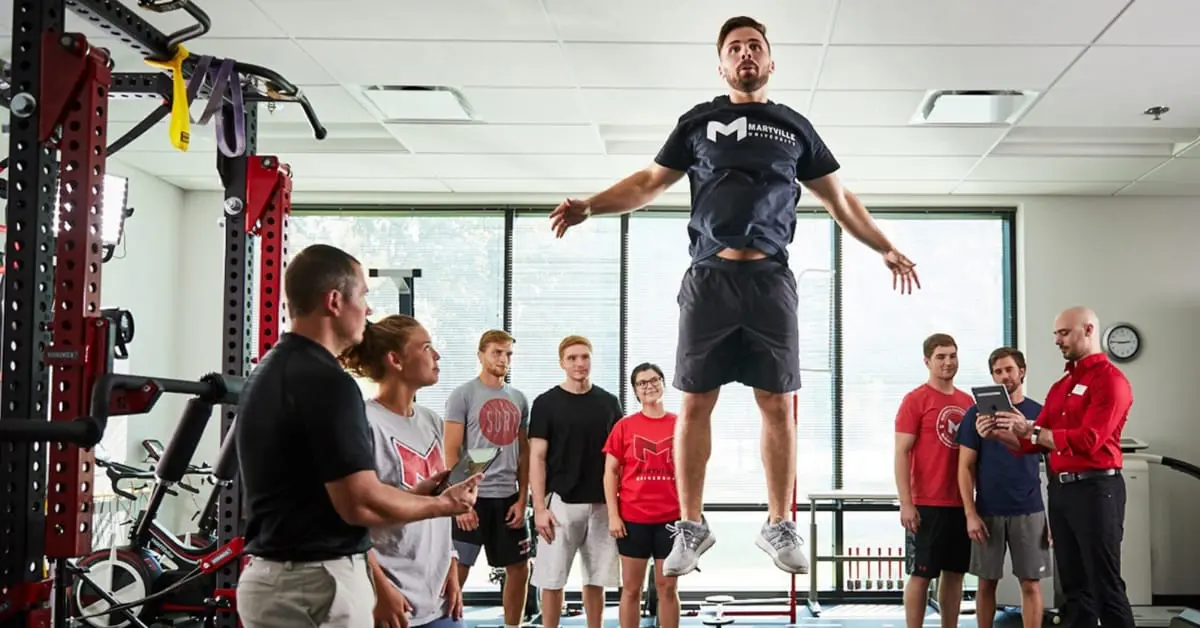
The fast eccentric squat group achieved the largest reported improvement in very early quadriceps rate of force development: 104.7% in the first 25 milliseconds, compared with a range of about -20.1% to 18.1% across the other conditions. Rate of force development describes how quickly force rises, not simply how much force a muscle can eventually produce. That distinction is important for jumping, sprinting and other actions with little time available to generate force.
The same group improved countermovement jump height by 9.6%, compared with 0.9% for the slow eccentric group. The experiment also recorded favorable changes in knee joint positive power and quadriceps activation during the jump. Those results are directionally consistent: training a fast, movement-specific descent can help prepare the legs for rapid transitions from absorbing force to producing it.
That does not make an uncontrolled drop into a heavy squat a sensible jump-training method. A fast eccentric strategy needs a load and range of motion that the lifter can actually stabilize. Dropping under a bar too quickly can move the torso, knees and hips into positions the athlete cannot reverse with control. The lighter, more jump-specific training condition in the experiment is fundamentally different from rushing a maximal-strength repetition.
A person trying to improve vertical jump should keep a separate place for high-quality jumps, controlled landings and power work rather than relying entirely on slow bodybuilding squats. Fewer crisp repetitions with generous recovery typically make more sense for an explosive session than turning every jump into a breathless conditioning circuit. Speed is valuable only when the movement remains technically consistent.

Leg Day Shirts & Workout Gear
Leg-day gym shirts and workout gear for lifters who never skip squats, lunges and lower-body punishment.


Legday – Squats & Deadlifts , Meme Top Bros & T-Shirt
Bring “Legday” humor to your next gym day.

Leg Day Is Calling You Squats, Deadlifts & Gains T-Shirt
Rep “Leg Day Is Calling You” humor in and out of the gym.

Leg Day No Thanks – Skip Legday Meme , Squats & T-Shirt
Heavy lifts, good laughs, and a little “Leg Day No Thanks” energy.

Negative Leg Day Review Leg Day Sucks Meme Squats, T-Shirt
Show some leg-day attitude with a playful “Negative Leg Day Review” tee.

Never Skip Leg Day Squats & Deadlifts Meme , Top T-Shirt
Show some leg-day attitude with a playful “Never Skip Leg Day” tee.

My Leg Hurts Leg Day Sweater & Squat Meme Lovers T-Shirt
Keep things casual with a little “My Leg Hurts” attitude.

Zombie Deadlift Deadlift Lovers & Leg Day Meme Hooded Hoodie
Make your off-duty look more fun with “Zombie Deadlift”.

Deadlift Lovers Grim Reaper Skeleton Decal Water Sticker
Bring “Deadlift Lovers” attitude to your water bottle or laptop.
4. Weighted jumps, strength and muscle size answer different questions
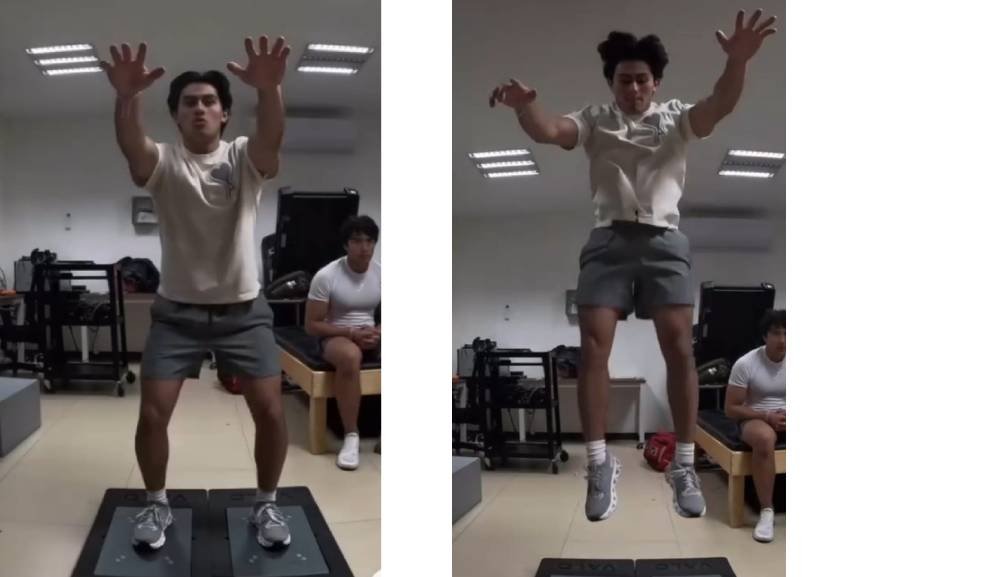
The comparison included a third condition: weighted countermovement jumps using loads selected to maximize power. That was not simply another squat grip or a different number of seconds on the lowering phase. It was a separate exercise goal. The jump requires the body to accelerate and leave the floor, so the athlete must express force rapidly and coordinate the hips, knees and ankles in a very short sequence.
All three groups improved strength measures, with reported gains spanning approximately 9.8% to 23%. That range matters because it prevents an overly tidy story in which slow training builds only size and fast training builds only speed. Adaptations overlap. Someone can gain strength from a program that is not optimized for their most important performance outcome; the different training modes may simply emphasize different aspects of improvement.
Muscle size, maximal force and explosiveness are related but not interchangeable. Larger muscles can provide more potential force-producing capacity, while technique, neural coordination, tendon behavior and practice affect how effectively that force is used in a particular movement. A lifter with bigger quads might still need jump practice to translate those gains into a higher countermovement jump. Likewise, a more elastic and skillful jump does not guarantee large increases in thigh circumference.
Think of the exercise menu as an allocation problem. A squat-focused strength block can build general force capacity. A hypertrophy block can provide extra volume and controlled tension for muscle development. A short, fresh jump or plyometric block can practice rapid coordination. The proportions should depend on the goal, training age and recovery budget rather than chasing every metric at once.
5. Why this experiment is not a license for maximal eccentric squats
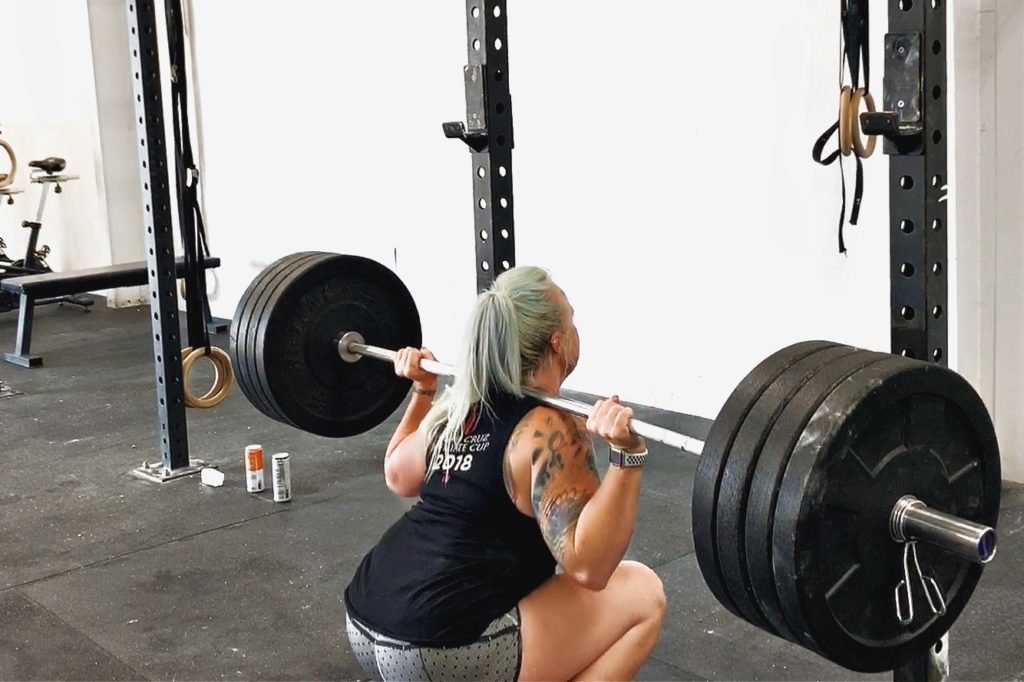
The slow condition used the equivalent of a one-repetition-maximum load for its eccentric work. In a conventional back squat, however, the athlete must also drive the bar back up. The ability to lower a given weight and the ability to lift it are not identical. Without appropriate assistance, a rack setup, competent supervision and a safe return mechanism, a novice who attempts repeated five-second descents at 100% of their maximum can get stuck in the bottom position.
The sample was also small: 24 untrained men split into three groups. Beginners may respond rapidly to many forms of structured training. The study lasted eight weeks, not a season of competitive lifting or years of programming. Results may differ for trained women and men, older athletes, people with previous knee injuries or individuals using a different squat depth, stance or machine. Percent changes measured in one sample should not be mistaken for guaranteed personal gains.
It is also essential to distinguish a deliberate slow eccentric from a slow concentric. The former means controlling the lowering phase; the latter means intentionally rising slowly. For power work, an athlete may lower with appropriate control and then attempt to rise explosively, even if the weight itself moves only moderately fast. Intent, load and exercise selection all shape the stimulus. Simply slowing every part of every squat often makes the session tiring without clearly advancing the target skill.
For most recreational lifters, the safest interpretation is to keep ordinary squat loads within what they can control throughout a complete repetition. Use safeties and a suitable rack when lifting near limits, and do not imitate eccentric-only study loads with improvised spotting. If knee pain, instability or technique breakdown appears, change the load or exercise rather than forcing a predetermined tempo.
Equipment Worth Exploring
Explore equipment, accessories and gear from our carefully selected range.



HUSLA Leg Extension Pad
Pad attachment designed to increase usable range of motion on compatible leg-extension machines.

Belt Squat Collar
Heavy-duty collar adapter for compatible belt-squat and landmine bar setups.

Squat Harness
Wearable harness for hands-free cable squats, sled work, and lower-body training.


6. Two practical squat plans: bigger quads or better jumping
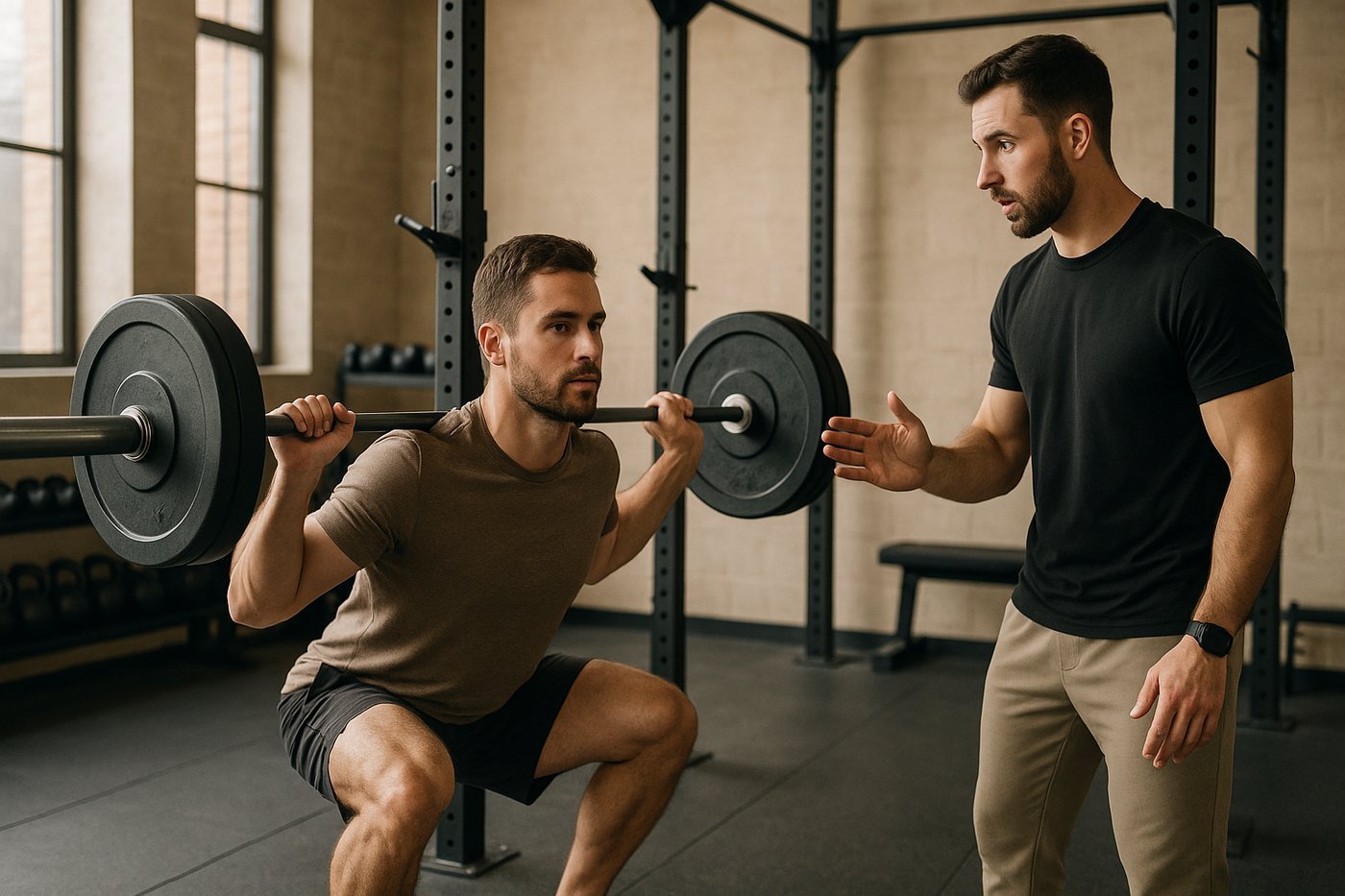
For a hypertrophy-focused week, start with a squat variation that allows full control and a comfortable, repeatable depth. After warm-up sets, perform roughly three challenging working sets of six to ten repetitions, keeping about one to three repetitions in reserve. Try a two- to three-second descent on some sets, followed by a deliberate rise without bouncing. Add a leg extension, split squat or other knee-dominant exercise when additional quad volume is appropriate. The point is not to reproduce an eccentric-only laboratory protocol; it is to create a repeatable, progressive stimulus that you can recover from.
Track the load, repetitions and perceived effort for several weeks. If a three-second descent forces the weight down by so much that total quality work collapses, shorten the tempo slightly or adjust the sets. When the same load becomes easier with stable technique, progress a small amount. Recovery, nutrition and adherence matter far more than whether a rep takes exactly three or four seconds. Be especially cautious if you have not trained lower body consistently: soreness from a new eccentric emphasis can be substantial.
For a jump-focused week, put explosive work early in the session when you are fresh. After a thorough warm-up, use several short sets of two to five controlled jumps, separated by sufficient rest to maintain height and clean landings. A simple unloaded countermovement jump, low box jump or small set of submaximal jump squats may be more suitable than a heavily loaded variation. Focus on a consistent dip, rapid upward drive and a quiet, balanced landing. Stop when jump quality deteriorates.
Then use conventional squats or another lower-body strength movement to retain and build general force. Keep heavy leg work from overwhelming the quality of the jumps, especially when you also run or play a sport. If you want both muscle size and explosive power, you can place a small amount of jumps before strength work and distribute additional hypertrophy volume across the week. None of these sample prescriptions was itself tested as an exact package in the eight-week experiment; they are practical ways to apply training specificity without misusing the study’s heavy eccentric loads.
Powerlifting Shirts & Lifting Gear
Powerlifting shirts and gym gear for squat, bench and deadlift lifters who live for heavy numbers.

Bending Bars Meme – Barbell Squat Bench Deadlift, & T-Shirt
Heavy lifts, good laughs, and a little “Bending Bars Gym Meme” energy.

Heavy Enough Tee
Bring “If You're Not Scared It's Not Heavy Enough” humor to your next gym day.

Meme : Squat Rack Top Home T-Shirt
Make gym days more fun with “Powerlifting Gym Meme” style.

Shirt – I'M Strong Barbell Heartbeat , Gymbro , & T-Shirt
Bring “I'm Strong Barbell Heartbeat” humor to your next gym day.

Big Boy Barbell Club Shirt Meme & Essential Top T-Shirt
Make gym days more fun with “Big Boy Barbell Club” style.

Heavy Barbell – Meme Shirt & Top T-Shirt
Make gym days more fun with “Heavy Barbell Powerlifting Graphic” style.

Weights Breakfast Pancake Weight Plates Morning Hoodie
Bring “Weights For Breakfast” gym humor to lazy days and post-workout plans.

Meme – "Shhh I'M Doing Plate Math" Sweater & Jumper T-Shirt
Keep things casual with a little “"Shhh I'm Doing Plate Math" Workout Sweater” attitude.

Don'T Fart Squats Decal Water Bottles & Weight Sticker
Give your everyday gear a playful “Don't Fart Squats” twist.

Platehead Skull Sweater Powerlifters & Bros Meme T-Shirt
Bring “Platehead Gym Skull” humor to your everyday gym style.
7. The useful verdict: train the outcome, not a stopwatch
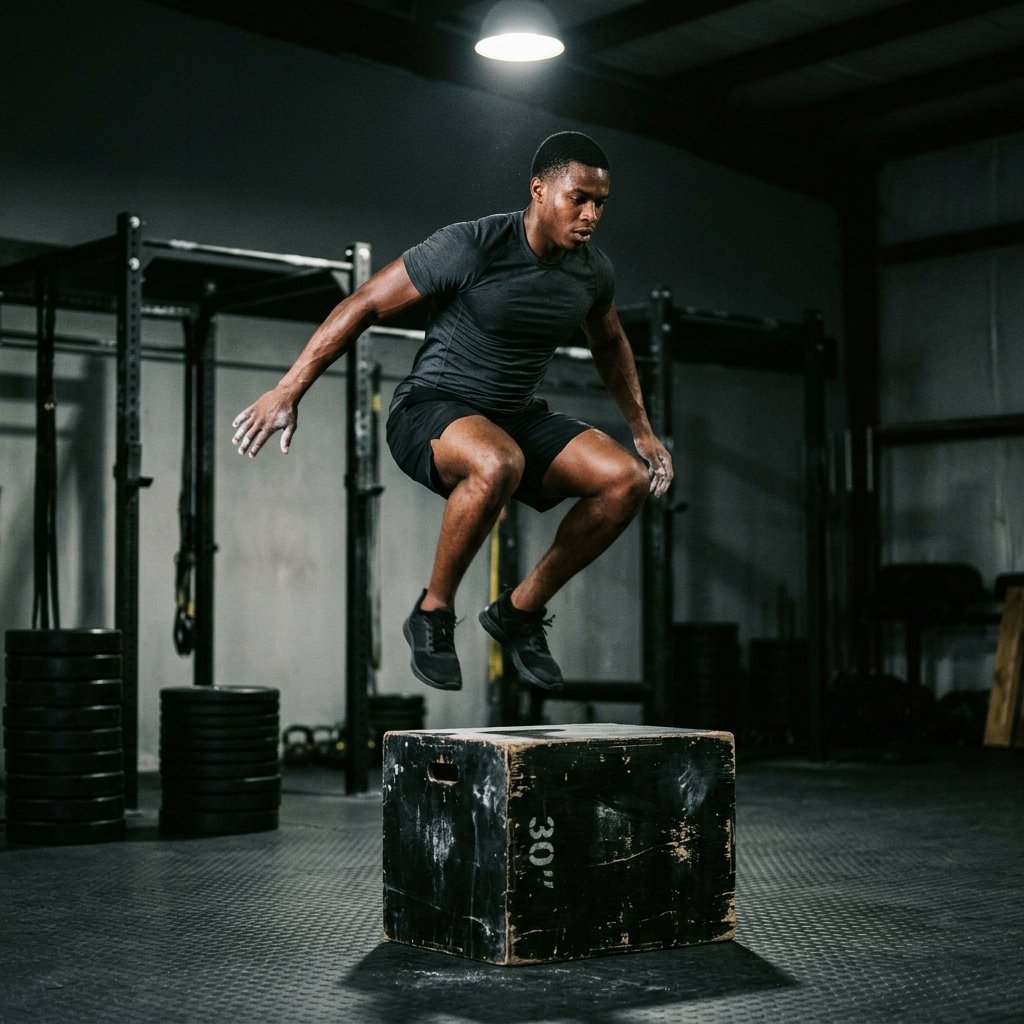
The clearest takeaway is that different forms of lowering work can favor different outcomes. In 24 untrained men, an isolated five-second eccentric squat approach produced the largest quadriceps size change, while a faster, jump-oriented eccentric approach did better on very early force production and selected jump measures. Strength improved across groups. It is reasonable to see these findings as support for goal-specific programming, not proof that one rep speed is universally superior.
If your priority is bigger quads, build a plan around progressive resistance, enough effective work and controlled knee-dominant movements. A slower descent can be one tool for making a set harder and more precise. If your priority is jumping higher, practice producing force quickly and use explosive movements that resemble the performance task. If both matter, combine them in quantities that your joints, technique and weekly schedule can tolerate.
Before changing a well-functioning squat program, ask three questions. First, what outcome are you actually tracking: thigh size, squat strength, jump height or athletic speed? Second, is the new tempo improving the quality of your training, or merely making the same load feel more exhausting? Third, are you comparing similar repetitions, depth and recovery conditions from one week to the next? Answers to those questions are more actionable than an isolated percentage from any one trial.
The strongest training plan is one you can execute precisely, monitor honestly and progress safely. Use the slow eccentric when its controlled tension serves your purpose, use fast work when explosive skill is the priority, and remember that the best combination will depend on your experience and the rest of your training.