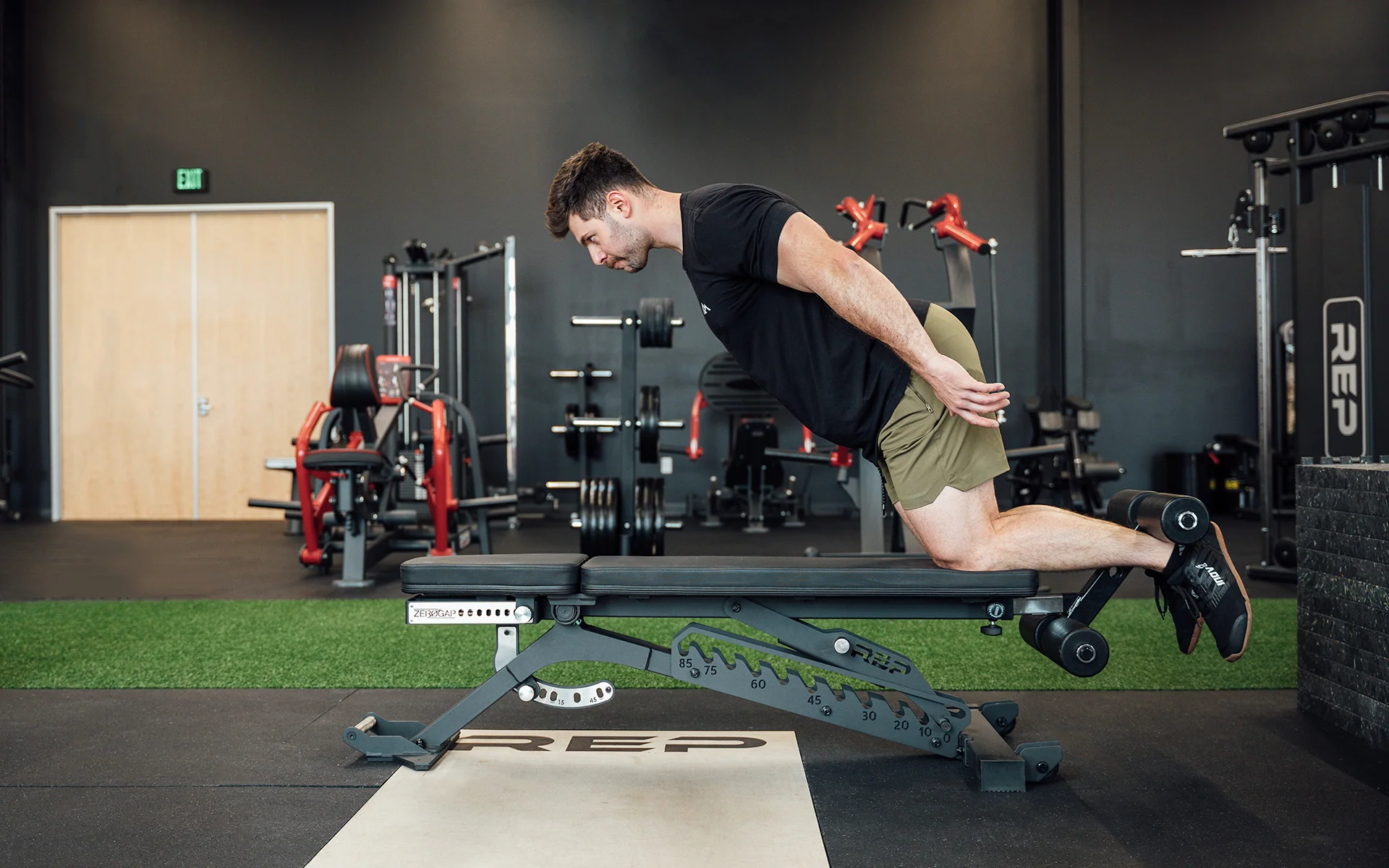
A Nordic curl and a stiff-leg deadlift both punish the hamstrings, but they do not load every hamstring head in the same way. Newer muscle-growth research reveals a useful difference between knee-flexion work and hip hinging. Here is what the findings mean for lifters, plus a practical six-week plan for building a stronger posterior chain.
Some product links may be affiliate links, which can support Mind Muscle Perfection at no additional cost to you.
1. Why Nordics and hip hinges hit different hamstring muscles
A bigger set of hamstrings is not one uniform slab of muscle. The back of the thigh contains the semitendinosus, semimembranosus and biceps femoris, with the biceps femoris itself divided into heads. Most of these muscles cross both the hip and knee. That is why you can train the posterior thigh by bending the knee or by extending the hip, but the two movement patterns are not interchangeable.
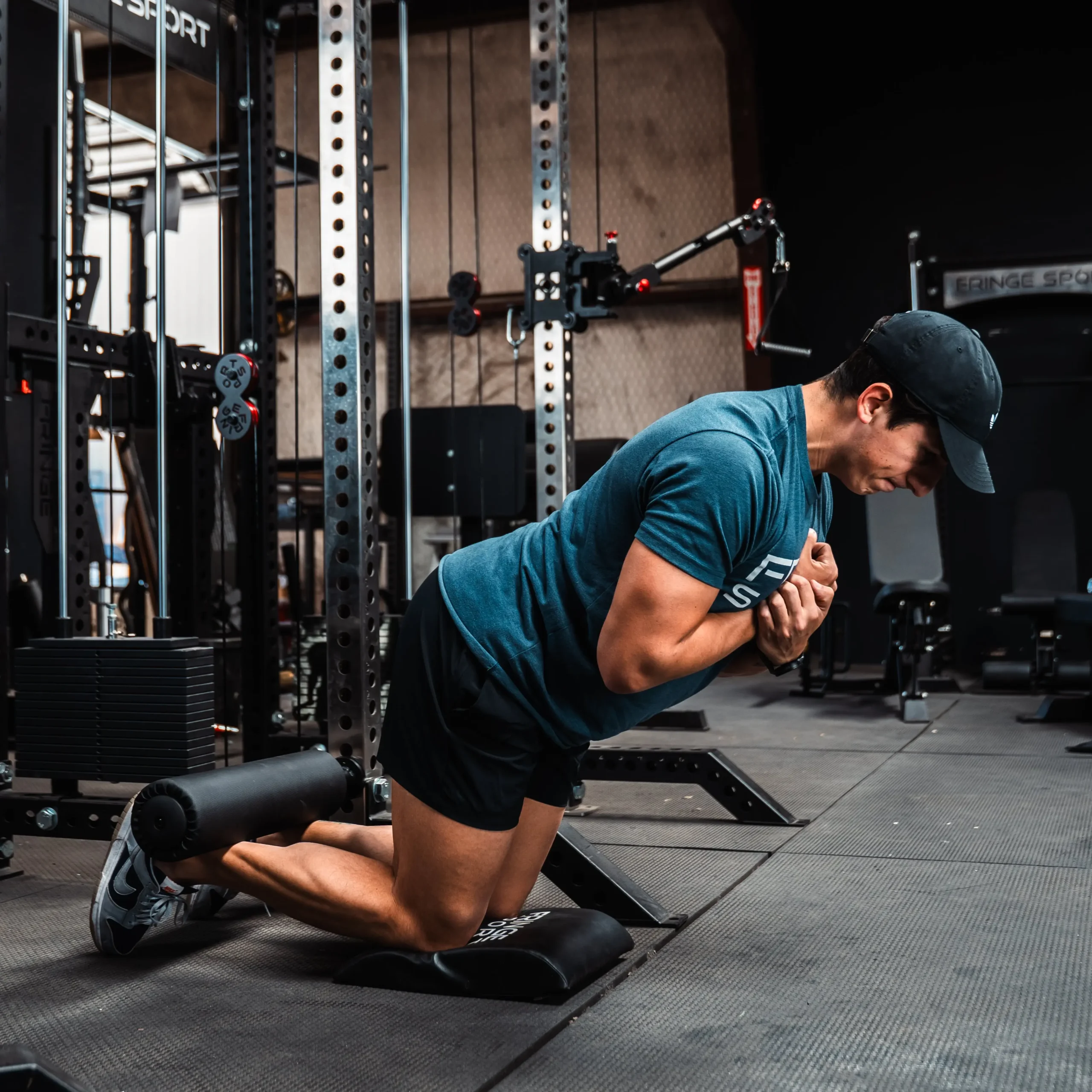
A Nordic curl challenges knee flexion while the torso leans forward from the knees. Your hamstrings fight to prevent the knees from straightening too quickly. A stiff-leg deadlift makes the hips travel backward while a barbell creates an external moment around the hip. Your hamstrings help extend the hip as you stand up. Both can be brutally difficult, yet muscle lengths, leverage and distribution of work differ.
For bodybuilding, that distinction matters more than the usual debate about which exercise feels harder. You can be very strong at a hip hinge while still struggling with an unassisted Nordic. You can also improve your Nordic eccentric without automatically adding the same number of kilograms to a barbell pull. Specificity is normal, not a sign that one exercise is defective.
The goal is not to crown one winner. It is to use the strengths of each movement to cover the posterior chain, improve training variety and build a program you can progress safely. If you only ever hinge, you leave a distinct knee-flexion challenge undertrained. If you only ever curl, you miss the loaded hip-extension pattern that carries over to many heavy lifts.
2. What the 2026 hamstring study actually found
A September 2026 investigation examined why individual hamstring muscles respond differently to common exercises. Researchers combined measurements of muscle changes with an EMG-informed model of activation, operating length and force during Nordic curls, stiff-leg deadlifts and, in an acute experiment, isokinetic seated leg curls. The point was to understand regional adaptations, not to announce a universal best hamstring exercise.
The most striking chronic finding was selective growth. Nordic training was associated with a particularly large increase in semitendinosus volume, about 24.4 percent, while stiff-leg deadlift training was associated with roughly 11.2 percent growth in the semimembranosus. Those numbers describe the muscles and experimental conditions measured, not guaranteed results for experienced lifters following any random workout.
The acute responses were also different. The semitendinosus showed the largest post-exercise shear-modulus increase after the seated curl and Nordic exercise. The stiff-leg deadlift did not show the same clear between-muscle separation in that acute measure. Shear modulus is a mechanical tissue measurement; it should not be mistaken for a direct muscle-growth reading after one session.
Modeling correctly identified the most hypertrophied muscle in about three quarters of cases. It explained the knee-flexion results better than the stiff-leg deadlift findings. Biomechanics can help explain adaptation without predicting exactly how every individual will grow.
For lifters, the message is straightforward. Nordics and stiff-leg deadlifts are complementary ways to train the hamstrings, and changing an exercise can change which muscle within the group receives the strongest growth signal.

Equipment Worth Exploring
Explore equipment, accessories and gear from our carefully selected range.




HUSLA Leg Extension Pad
Pad attachment designed to increase usable range of motion on compatible leg-extension machines.
VOLTRA
Compact digital cable trainer with smooth, adjustable resistance.


FID Bench MAX
Adjustable bench offering flat, incline, and decline positions + adjustable headrest.

Leather Lifting Straps
Padded leather straps support grip during heavy rows, deadlifts and pulling exercises.
3. A nine-week trial adds a reality check
A separate randomized nine-week trial assigned 36 previously untrained adults to Nordic training, stiff-leg deadlift training or a control group. Both exercise groups trained three times per week and improved their exercise-specific one-repetition maximum. Average reported strength gains were around 37 percent for Nordics and 34 percent for stiff-leg deadlifts. Those are large changes, but the participants were beginners, so early skill and neural improvements are part of the picture.
The trial measured hamstring muscle volume using three-dimensional ultrasound. Overall hamstring growth occurred in both training groups, while its distribution differed: the Nordic group favored the semitendinosus and the stiff-leg deadlift group favored the semimembranosus. The groups did not show a clear overall hypertrophy winner, despite those regional differences.
Another analysis looked at strength transfer between the movements. It found that muscle-size changes did not neatly explain how much strength carried over to the untrained exercise. That is a useful warning against assuming that a bigger muscle automatically produces the same improvement in every movement pattern.
None of this means the biceps femoris is unimportant or that these are the only two exercises worth performing. The studies are relatively small, use specific protocols and are not a direct test of a combined program in advanced bodybuilders. Exercise order, range of motion, load progression and recovery can all affect results.
A better interpretation is to train both functions over time. Use a hinge for progressively loaded hip extension, a Nordic or curl for challenging knee flexion, and judge the program by repeated performance and recovery rather than one week’s soreness.

Leg Day Shirts & Workout Gear
Leg-day gym shirts and workout gear for lifters who never skip squats, lunges and lower-body punishment.


Leg Day Is Calling You Squats, Deadlifts & Gains T-Shirt
Rep “Leg Day Is Calling You” humor in and out of the gym.

Leg Day No Thanks – Skip Legday Meme , Squats & T-Shirt
Heavy lifts, good laughs, and a little “Leg Day No Thanks” energy.

Negative Leg Day Review Leg Day Sucks Meme Squats, T-Shirt
Show some leg-day attitude with a playful “Negative Leg Day Review” tee.

Never Skip Leg Day Squats & Deadlifts Meme , Top T-Shirt
Show some leg-day attitude with a playful “Never Skip Leg Day” tee.

Heavy Metal Deadlift – Gymbro Leg Day & Gains T-Shirt
Make gym days more fun with “Heavy Metal Deadlift” style.

5 Plates Deadlift Club : Meme Shirt & Leg Day Gains T-Shirt
Show some leg-day attitude with a playful “5 Plates Deadlift Club Graphic” tee.

Deadlift Lovers Grim Reaper Sweater Powerlifters & T-Shirt
Add a playful “Deadlift Lovers Grim Reaper” touch to your casual rotation.

Leg Day Squats Deadlifts Meme Hooded Hoodie
Show off your leg-day humor in a laid-back “Leg Day” hoodie.

Quadzilla Massive Quads Decal Leg Day Squat Meme Sticker
Stick a little “Quadzilla” humor on your favorite gear.
4. How to perform Nordic curls without turning them into a fall
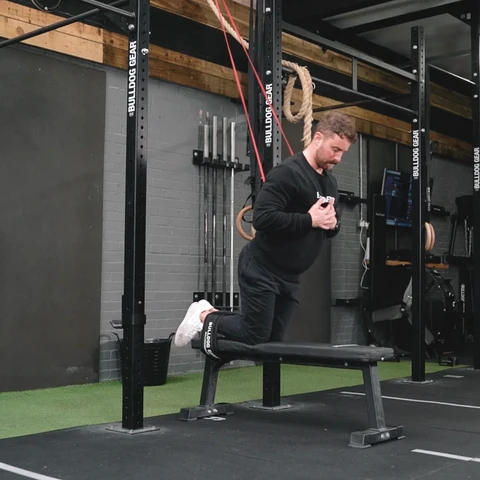
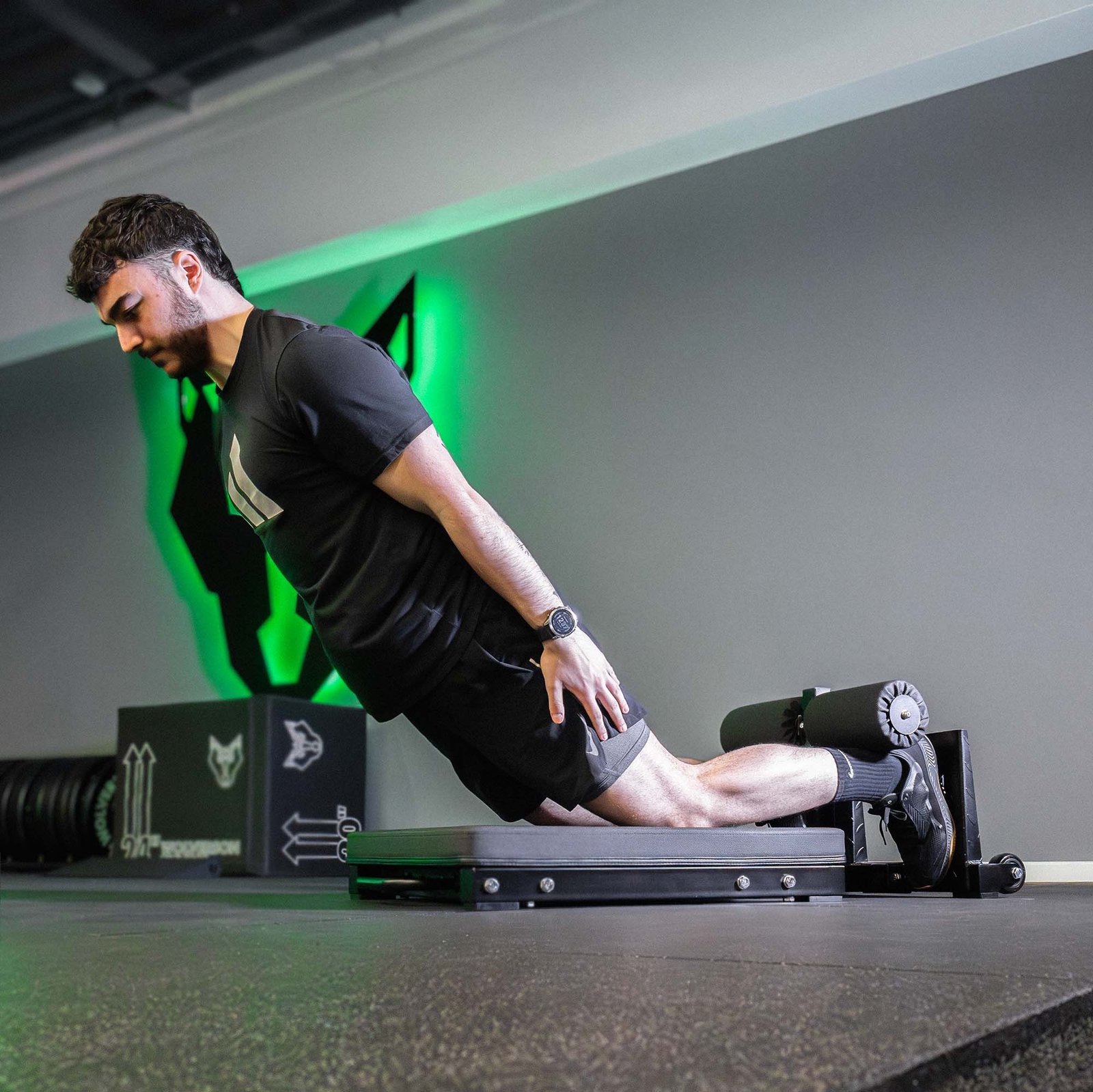
The Nordic is deceptively simple: kneel on a padded surface, secure your ankles beneath a stable roller or have a reliable partner hold them, and lean forward under control. Keep the hips extended and the torso relatively rigid. Your knees are the main moving joint. As gravity pulls your body forward, your hamstrings resist the descent.
Most lifters cannot perform a perfect unassisted full-range repetition immediately. That is normal. Start with controlled eccentrics, catching yourself with your hands at the bottom and using the arms to return. Another option is a securely anchored resistance band that reduces the load during the most difficult portion. A dedicated Nordic bench, a stable rack roller or a correctly weighted bench setup can make training more repeatable.
Do not yank yourself up from the floor or aggressively arch the lower back to steal a few centimeters. A controlled partial range is more useful than a dramatic collapse. If the knees feel uncomfortable on a thin mat, improve the padding and setup before adding repetitions. If the ankle anchor can slide, lift or rotate, do not attempt the movement until it is secured.
Start with two sets of three to five controlled eccentric repetitions, once or twice weekly. Rest at least two minutes between demanding sets. Progress by slowing the descent, extending the range you can control or reducing band assistance. Only later worry about performing full concentric repetitions.
Nordics can create substantial delayed soreness, especially when introduced abruptly. Keep the first exposure conservative if you also sprint, play field sports or have heavy deadlifts scheduled soon. Training quality over six weeks beats one heroic session that makes walking downstairs miserable.
5. Stiff-leg deadlift technique for hamstring growth
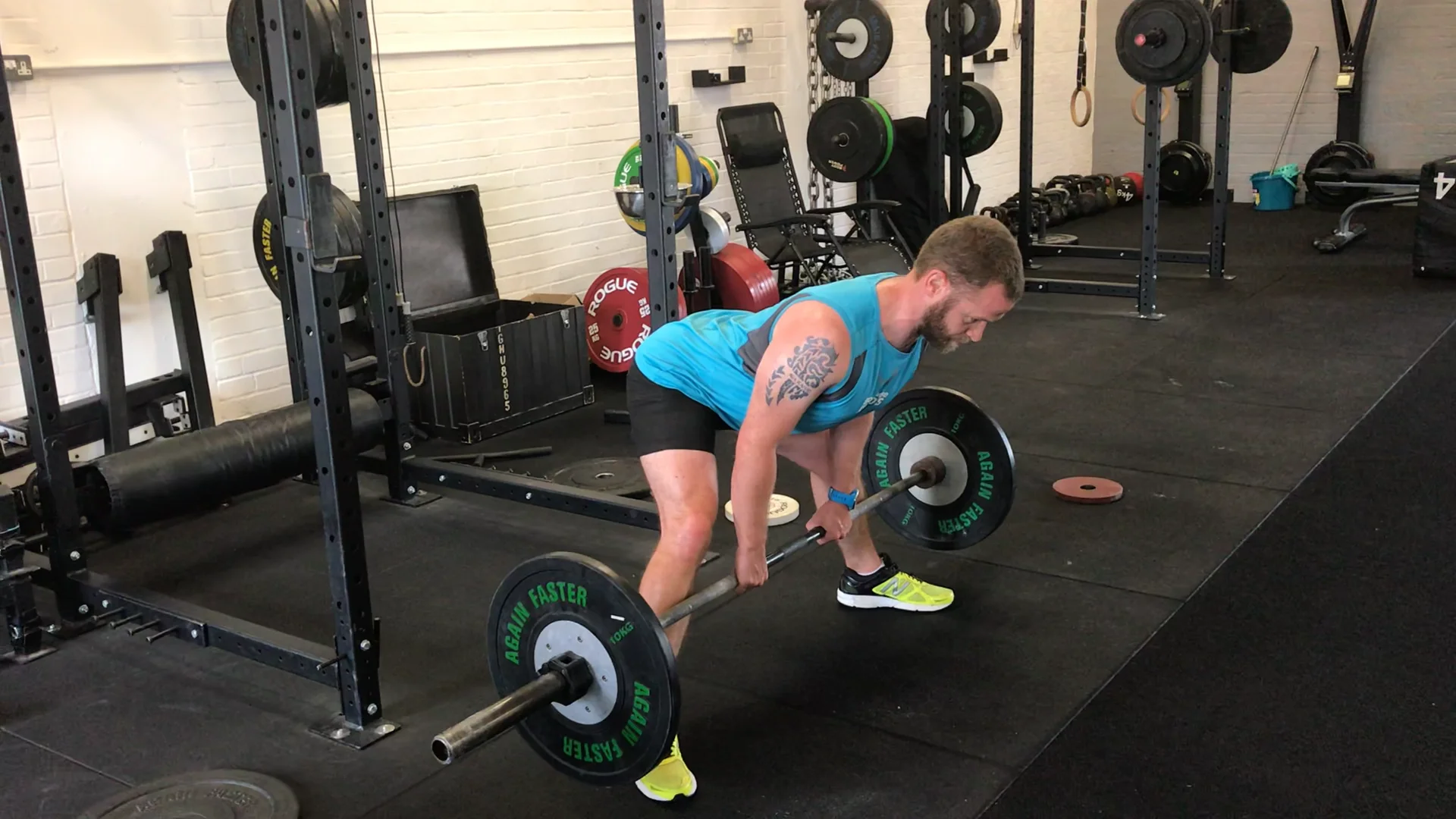
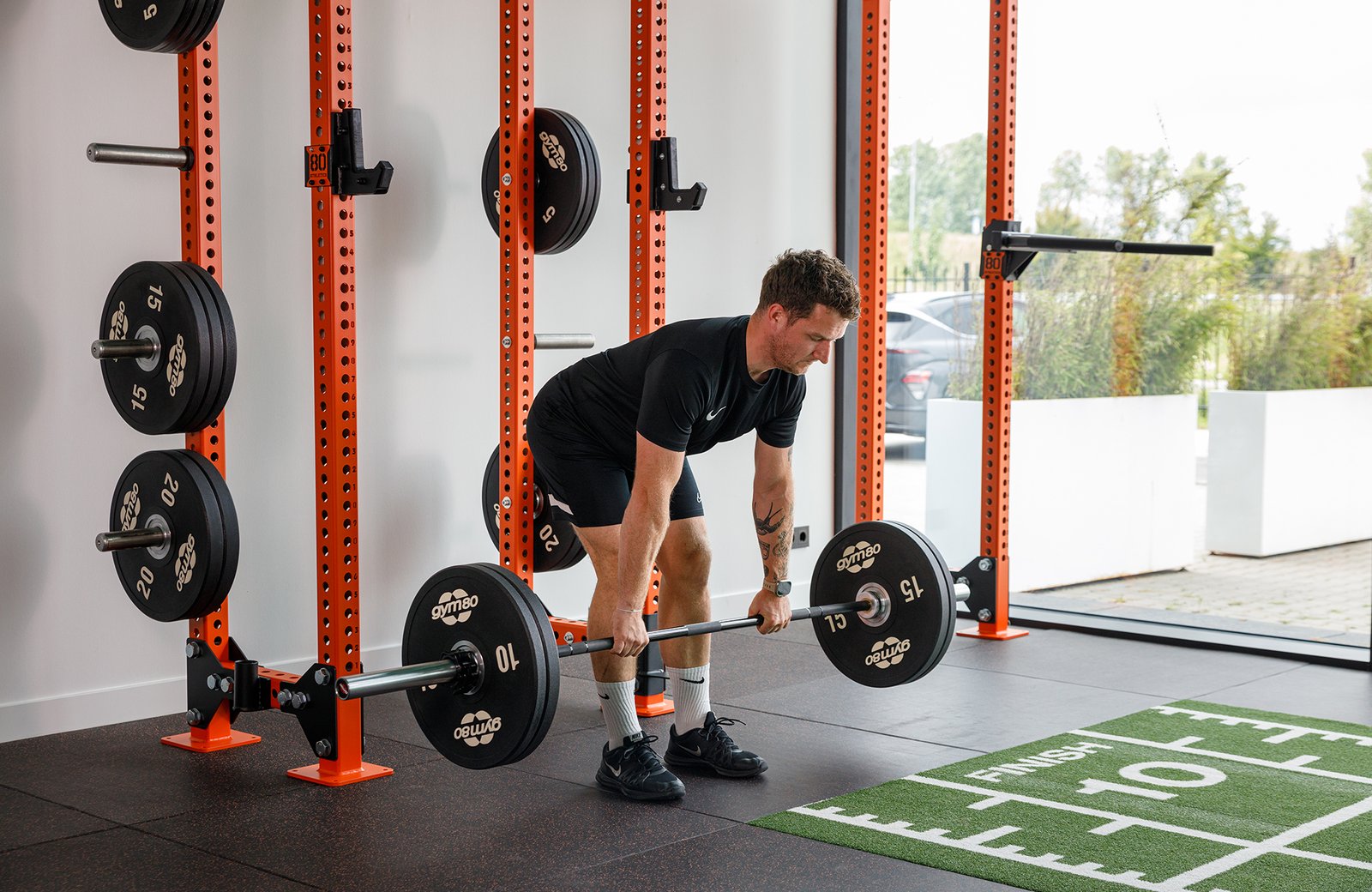
The stiff-leg deadlift is a loaded hip hinge, not a contest to touch the floor. Stand with feet roughly hip-width apart and hold the bar close to the thighs. Keep the knees soft rather than forcibly locked. Brace the torso, push the hips backward and let the bar travel close to the legs as the upper body inclines forward.
Lower only as far as you can maintain your intended spinal position and feel a meaningful hamstring stretch without losing balance. For many lifters the bar will finish around the shins, not the floor. Drive the feet into the ground and extend the hips to stand tall. Avoid leaning backward at the top; you have finished the repetition once the hips are extended and the ribs remain stacked.
A Romanian deadlift is a close practical alternative, usually performed with a modestly bent knee and a controlled lowering phase. Do not get trapped in arguments over exercise labels. Consistent hip-hinge mechanics, appropriate range and measurable loading matter far more than whether a gym friend calls your set a stiff-leg deadlift or an RDL.
Use two to four hard sets of six to ten repetitions, generally stopping one or two clean reps before technical failure. Heavy hinging can tax the spinal erectors and grip as well as the hamstrings, so avoid turning every set into a max-effort pull. Straps may be useful when grip fails well before the posterior chain, provided your setup remains stable.
At home, a quality barbell and plates are the straightforward option. Adjustable dumbbells can work well when space is tight, although very strong lifters may outgrow their loading capacity. Record load, reps, range and technique so that the exercise progresses rather than merely feeling difficult.
Equipment Worth Exploring
Explore equipment, accessories and gear from our carefully selected range.


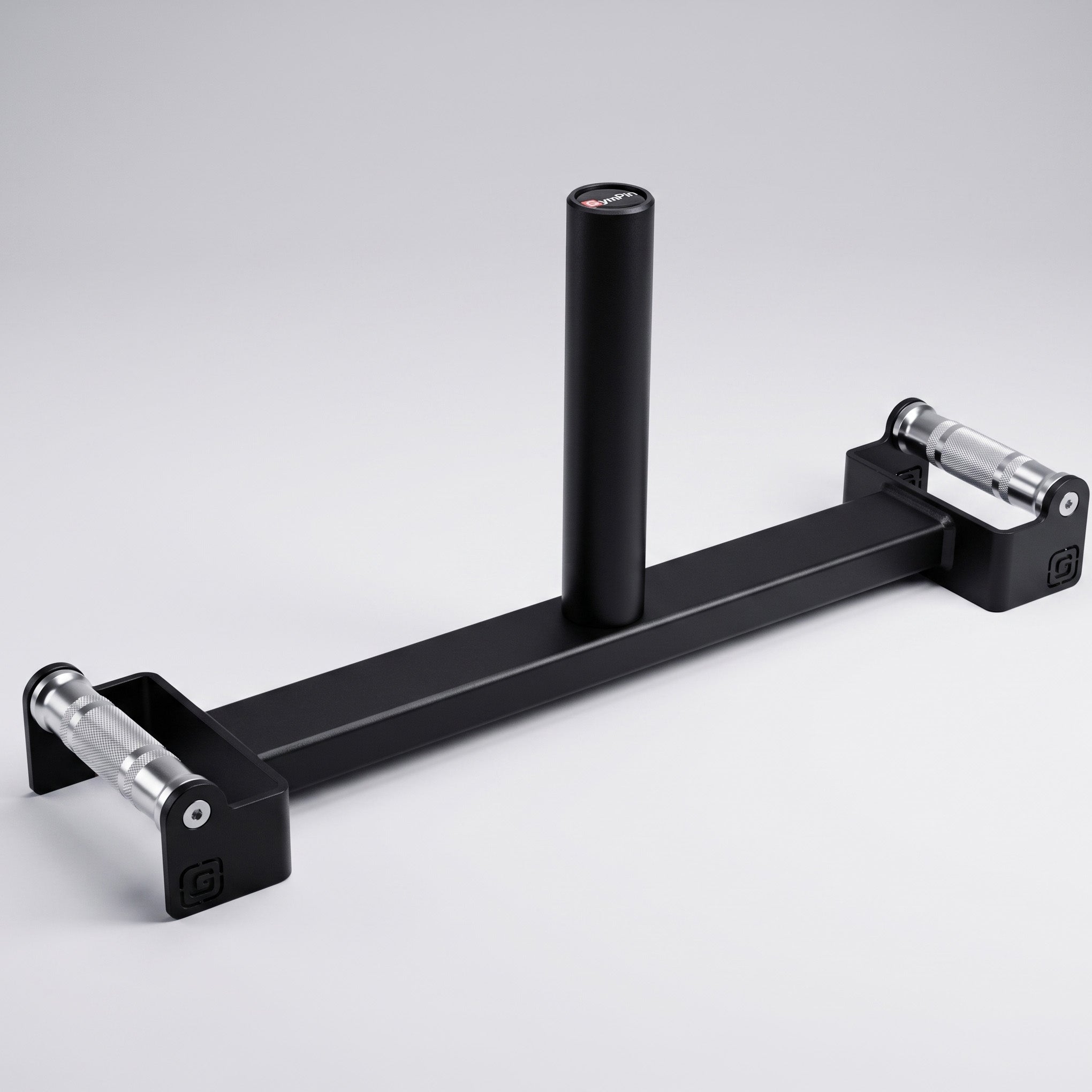
GymPin Hyper Loader
Central Olympic-plate loading attachment for weighted hyperextensions.
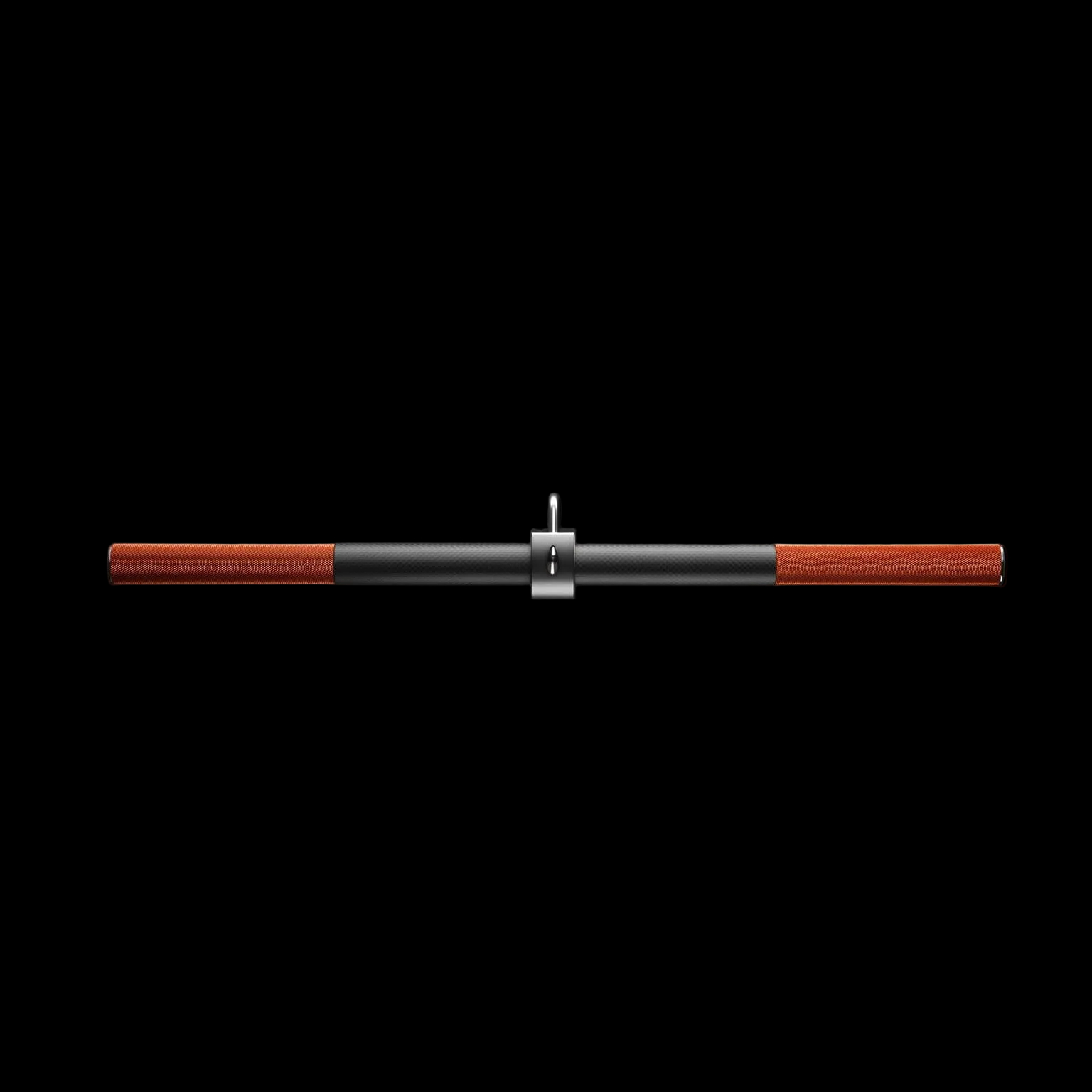


Safety Squat Handles
Barbell squat handles that reduce shoulder positioning demands during high-bar squats.


Belt Squat Collar
Heavy-duty collar adapter for compatible belt-squat and landmine bar setups.
6. Do you still need seated or lying leg curls?
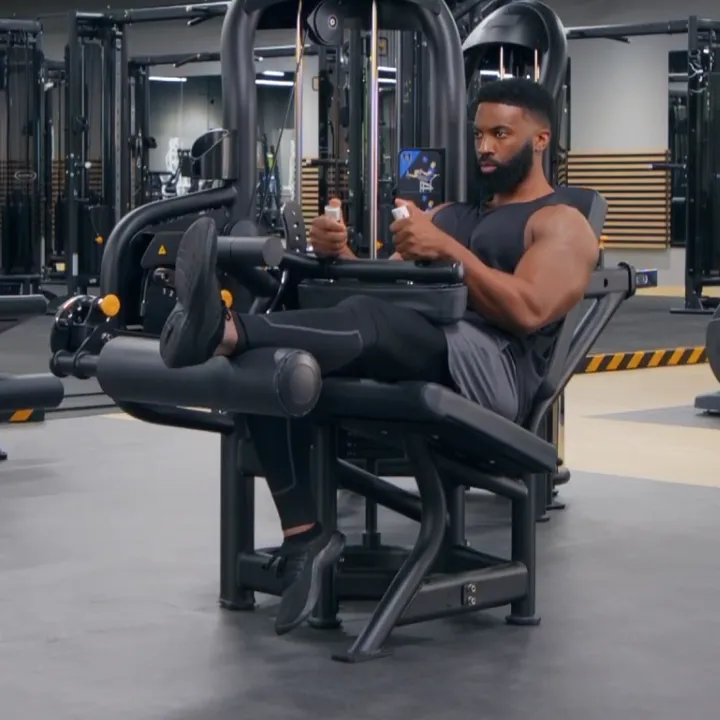
Nordics and stiff-leg deadlifts are a strong pairing, but a machine curl can add convenient knee-flexion volume with a different resistance profile. Seated leg curls hold the hips in a flexed position, changing the operating length of the biarticular hamstrings. Lying curls place the hips differently. Both let you train knee flexion without loading a heavy barbell through the hands and back.
If your gym has a well-adjusted seated curl, use it to accumulate controlled repetitions after your main hinge. Set the thigh pad snugly, line up the knee with the machine pivot as closely as the design permits and avoid lifting the hips off the seat. A lying curl can be a useful substitute; keep the pelvis controlled and do not kick the stack with momentum.
Home-gym lifters have more options than they sometimes realize. A compact Nordic device, a leg developer attached to a bench, a cable machine with ankle cuffs or a sliding hamstring curl can all provide knee-flexion work. They are not identical, so select one you can set up quickly and progressively overload without awkward joint positions.
Equipment matters because a setup that takes fifteen minutes to assemble is less likely to be used consistently. Prioritize stable anchoring, comfortable knee padding, a predictable resistance path and a range that fits your body. A machine with impressive marketing but poor adjustment is not automatically better than a simple attachment that fits your space.
If your knees or hamstring tendons are irritated, reduce range and load rather than pushing through sharp pain. Persistent symptoms warrant individual professional assessment. The purpose of these exercises is long-term training capacity, not proving that discomfort can be ignored.
Powerlifting Shirts & Lifting Gear
Powerlifting shirts and gym gear for squat, bench and deadlift lifters who live for heavy numbers.

Heavy Enough Tee
Bring “If You're Not Scared It's Not Heavy Enough” humor to your next gym day.

Bending Bars Meme – Barbell Squat Bench Deadlift, & T-Shirt
Heavy lifts, good laughs, and a little “Bending Bars Gym Meme” energy.


4 Plates Squat Club Meme Shirt Motivational Leg Day T-Shirt
Make gym days more fun with “4 Plates Squat Club” style.

8 Plates Deadlift Club Motivational Meme & Top T-Shirt
Make gym days more fun with “8 Plates Deadlift Club” style.

Viking Deadlift – Norse Bros & Meme Shirt T-Shirt
Show some Viking attitude with a playful “Viking Deadlift” tee.

Shirt Gymrats – , Meme , Top & Trash T-Shirt
Show some lifting attitude with a playful “for Gymrats” tee.

Heavy Metal Skull – Gymbro & Gains T-Shirt
Bring “Heavy Metal Gym Skull” humor to your next gym day.

Skeleton Deadlift Deadlift Lovers & Leg Day Hooded Hoodie
Show off your leg-day humor in a laid-back “Skeleton Deadlift” hoodie.

7 Plates Deadlift Club Meme Motivational T-Shirt
Rep “7 Plates Deadlift Club” humor in and out of the gym.
7. A six-week hamstring plan that combines both patterns
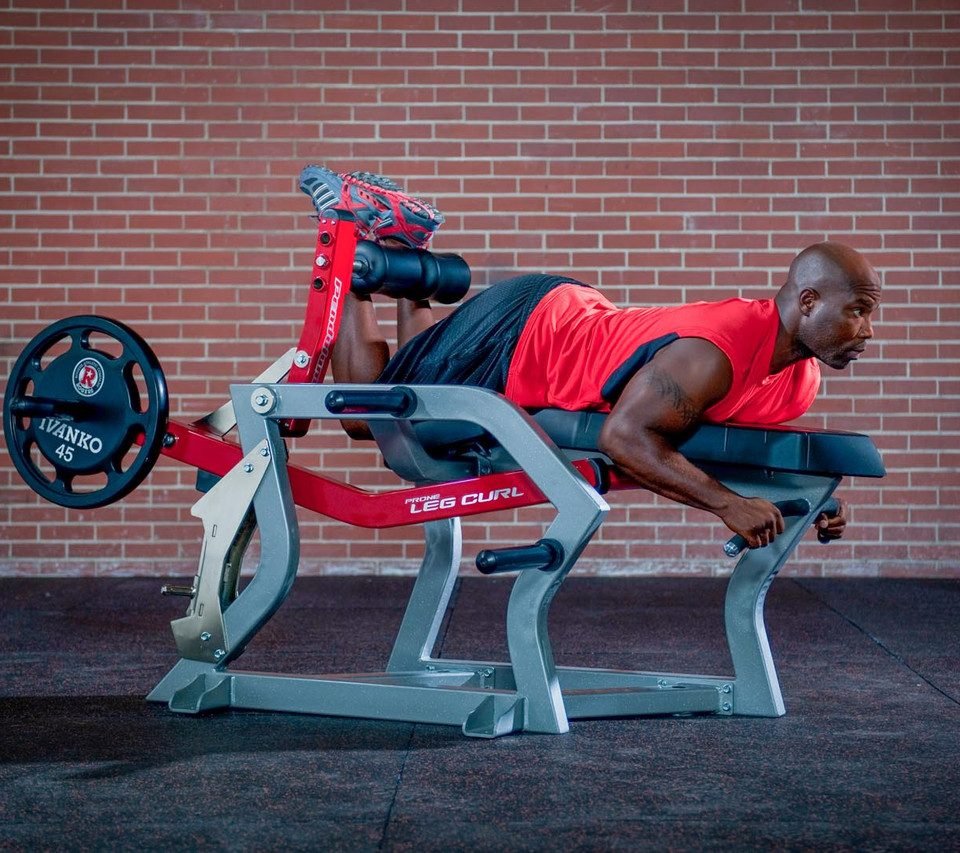
Here is a simple two-day weekly template. On Day A, perform stiff-leg deadlifts for three sets of six to eight, then a seated or lying curl for three sets of ten to fifteen. On Day B, begin with two sets of three to five assisted Nordic eccentrics, then perform two or three sets of a lighter hinge for eight to twelve. Keep at least two days between sessions if possible, especially during the first fortnight.
Weeks one and two are about learning. Choose loads you can control and stop with roughly two or three repetitions in reserve on the machine and hinge movements. For Nordics, prioritize a smooth descent and a secure anchor. Write down how many seconds you can control the eccentric and where you begin to lose position.
In weeks three and four, add a repetition when your technique stays consistent. Once you reach the top of a rep range on every set, make a small load increase at the next exposure. For Nordics, progress one variable at a time: slightly longer control, more range or less assistance. Do not increase all three at once.
Weeks five and six are your consolidation block. Keep the same exercise variations so that comparisons are meaningful. You might move from three sets of six at a given hinge weight to three sets of eight before adding plates. On curls, try to improve repetitions with the same full range. On Nordics, aim for less assistance without sacrificing the descent.
Track soreness, sprint performance if relevant, hinge technique and knee comfort. If performance drops for two consecutive sessions, trim a set or reduce effort rather than chasing more fatigue. The program is a starting template, not a claim that one volume fits everyone.
The main takeaway is not that Nordics beat deadlifts or vice versa. They emphasize different actions and can produce different regional adaptations. Pair a progressive hip hinge with knee-flexion training, keep the equipment safe and let several weeks of repeatable work determine your next adjustment.