What the reverse Nordic actually trains
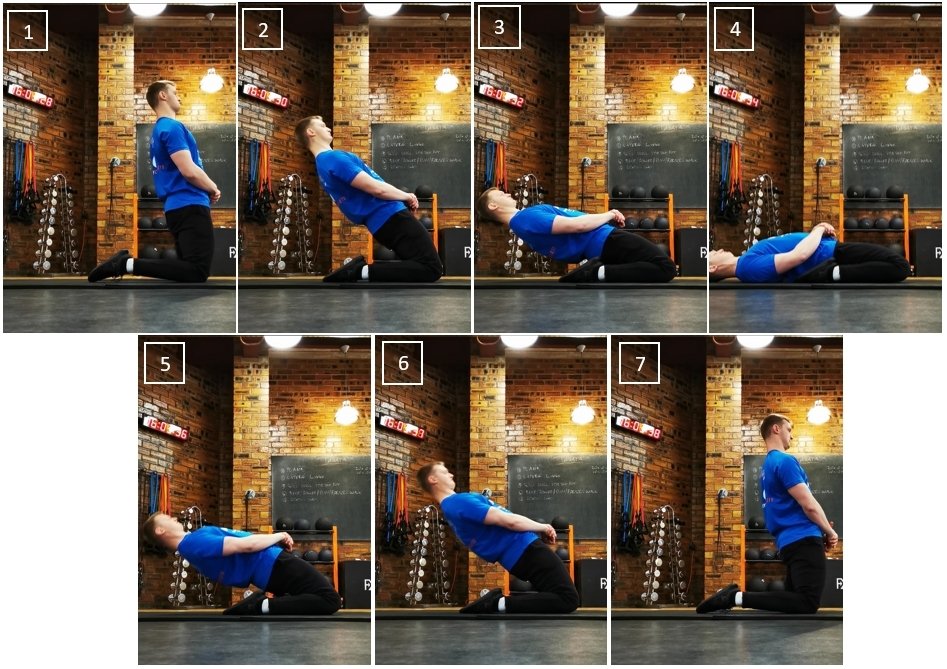
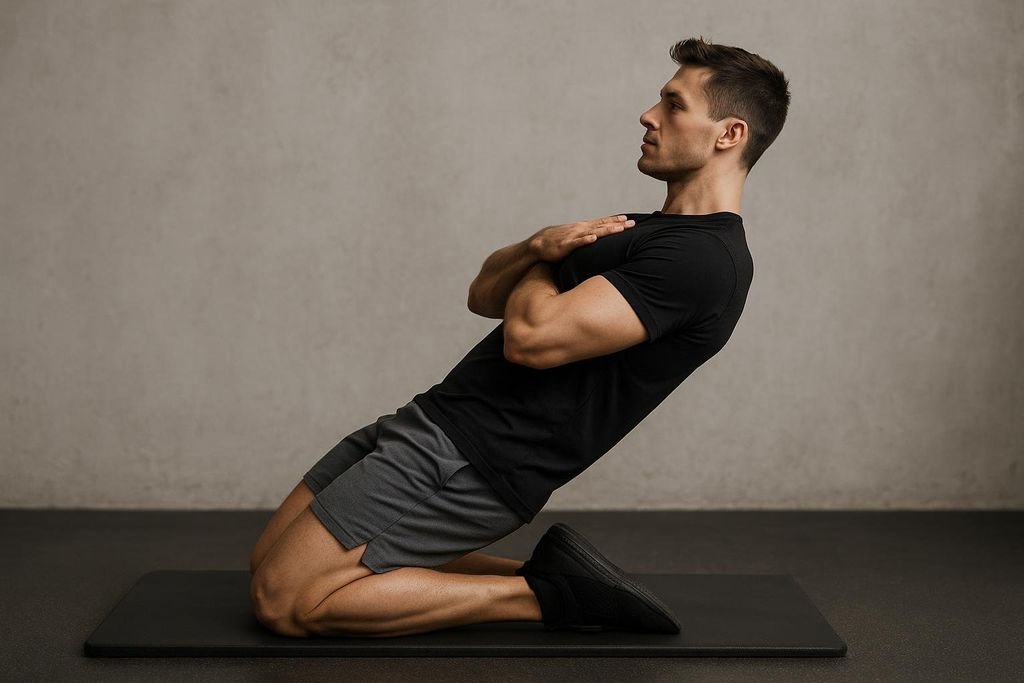
A Nordic hamstring curl sends your torso forward while the ankles are anchored. The reverse Nordic is the opposite challenge: kneel tall, keep the hips extended and lean backward while the quadriceps control the descent. You do not need a leg-extension machine or a giant weight stack to make the movement difficult. The farther your center of mass travels behind your knees, the harder the knee extensors must work to stop you from falling.
This is not a magic replacement for squats. Squats and leg presses allow substantial loading across the hips and knees, while the reverse Nordic creates a knee-dominant challenge with relatively little equipment. That makes it a useful accessory when a home gym lacks a dedicated leg-extension station, or when an athlete wants a controllable eccentric quadriceps exercise. It also makes the move surprisingly demanding for someone who already squats heavy.
The important distinction is controlled range, not how close your shoulders get to the floor. A short lean with a rigid trunk can challenge the quads more honestly than a dramatic lean achieved by arching the back or folding at the hips. Start with the range you can reverse under control, then build it over several weeks. This guide explains what the research supports, what remains unproven and how to fit the movement into an actual leg program.
What the research says—and what it does not prove
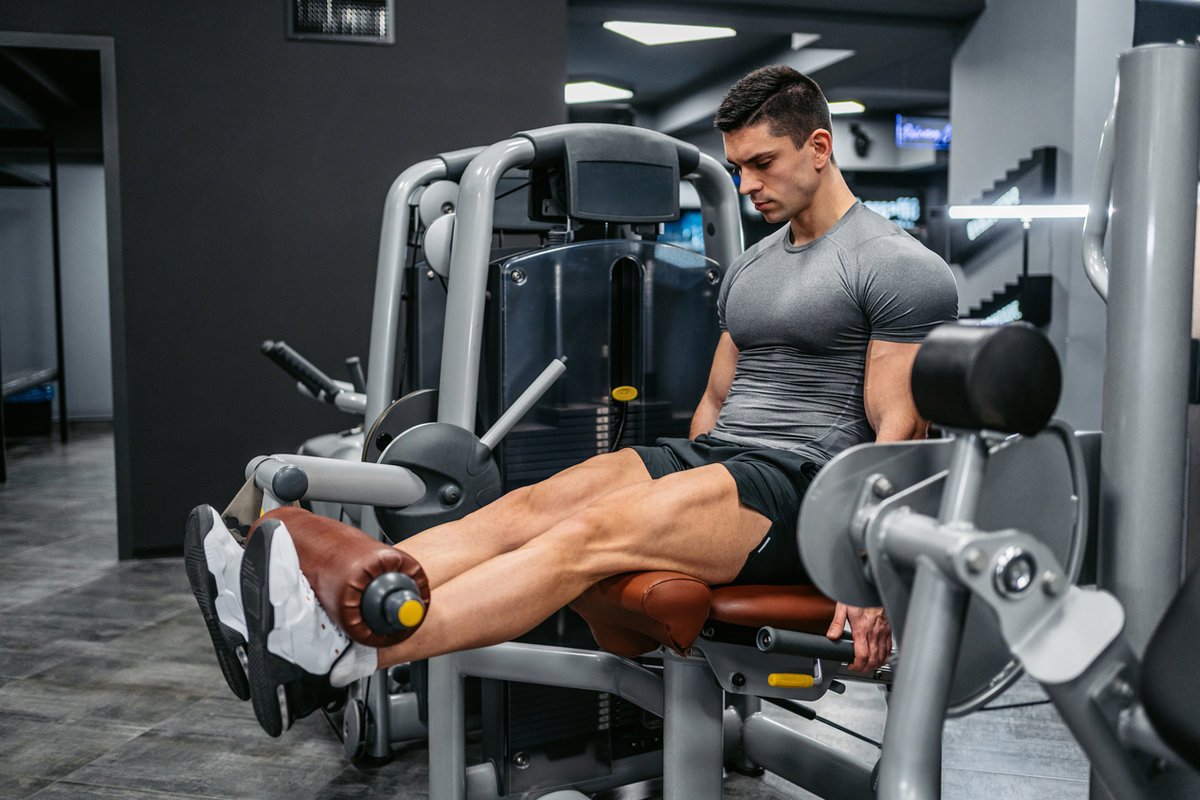
A 2025 technical review described the reverse Nordic as a predominantly eccentric, single-joint knee exercise and outlined practical regressions, progressions and coaching applications. That is a useful starting point for programming, but a technique review is not proof that reverse Nordics produce more muscle than a machine leg extension. Exercise descriptions and long-term hypertrophy trials answer different questions.
A separate 2024 experiment compared eccentric muscle activity in 23 healthy volunteers performing reverse Nordics, single-leg squats, Bulgarian squats and forward lunges. Reverse Nordics did not produce superior quadriceps activation across the board. Rectus femoris and vastus medialis activity were broadly comparable to the squat-based movements, while vastus lateralis activity was lower than during single-leg squats. The reverse Nordic also used less knee-flexion range than the other tested movements. These are acute electromyography measurements, not months of measured muscle growth.
Why does that matter? Because a big sensation at the front of the thigh does not establish superior hypertrophy. The rectus femoris crosses both the hip and knee, whereas the vasti extend the knee without crossing the hip. Hip position, knee angle, external moment arm and individual anatomy all change how the exercise feels. For building bigger quads, treat the reverse Nordic as one potentially productive way to load knee extension—not a scientific shortcut that makes heavy squats, leg presses or leg extensions obsolete.
Other research on leg-press range and muscle-length training adds context, but it does not directly settle reverse-Nordic programming. An eight-week study in trained lifters found similar quadriceps growth between two tested leg-press knee-flexion ranges, and a broader muscle-length review reported mixed findings across exercises. That argues for a practical approach: select tolerable exercises, use sufficient effort and measure progress rather than chasing a single supposedly perfect angle.

Equipment Worth Exploring
Explore equipment, accessories and gear from our carefully selected range.


HUSLA Leg Extension Pad
Pad attachment designed to increase usable range of motion on compatible leg-extension machines.

GymPin Squat Wedges
Non-slip 15-degree squat wedges help elevate the heels for deeper quad-focused squats.



FID Bench MAX
Adjustable bench offering flat, incline, and decline positions + adjustable headrest.


VOLTRA
Compact digital cable trainer with smooth, adjustable resistance.
The five-step setup for a strict repetition
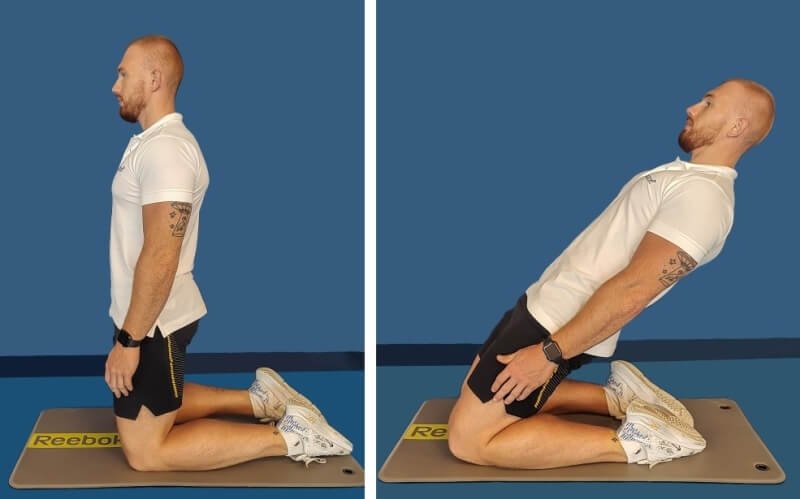
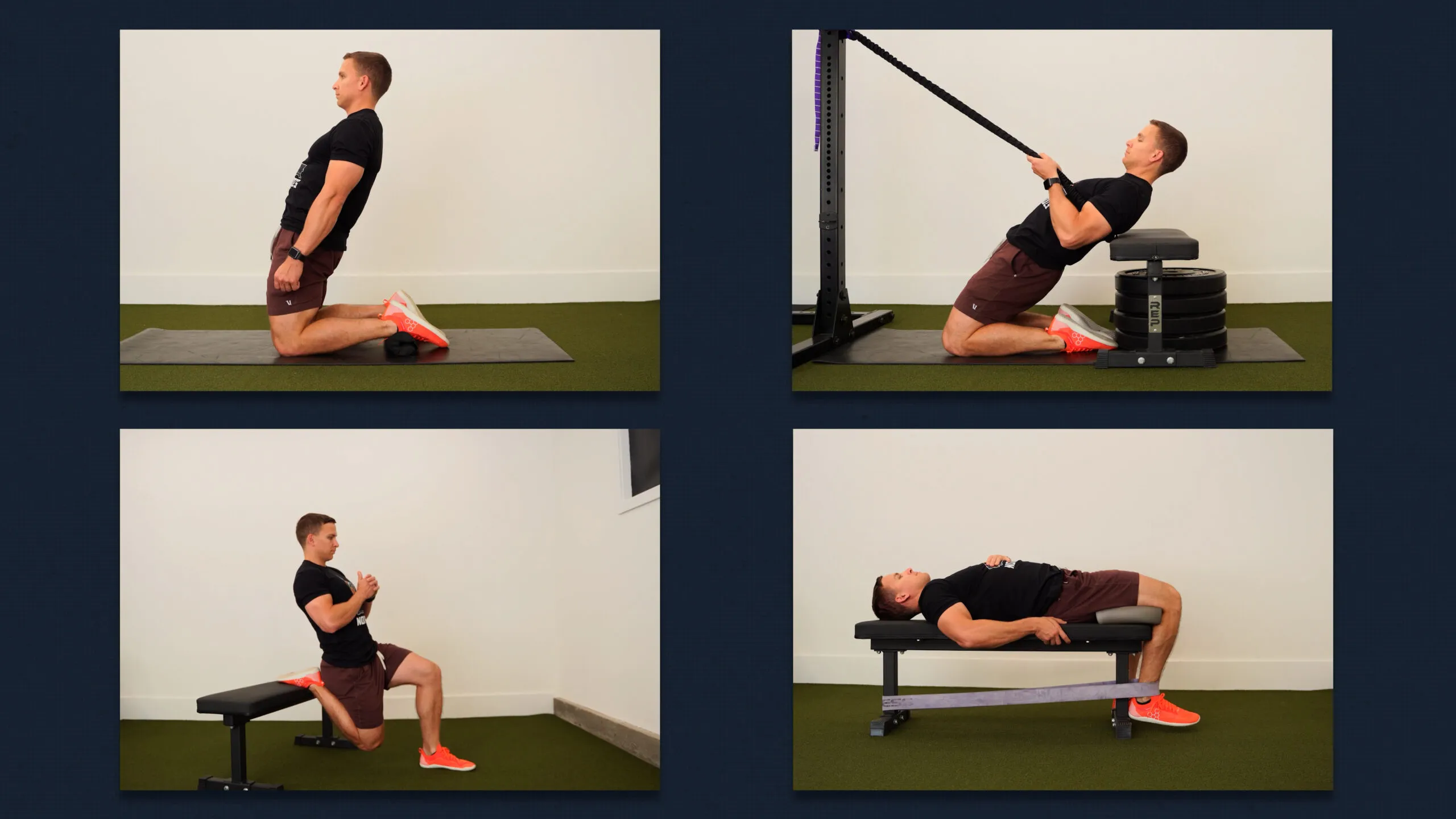
First, place a folded mat or firm pad under the knees. Use enough cushioning to tolerate kneeling without sinking so deeply that the surface becomes unstable. Set the knees around hip width, let the shins rest on the floor and choose a foot position that does not irritate the ankles. You do not need a partner to hold your feet down for the basic movement.
Second, stack the shoulders over the hips and knees. Brace the abdomen and lightly squeeze the glutes so the pelvis stays near neutral. Think of your torso and thighs as one long plank from the knees upward. This alignment matters because folding at the hips changes the lever and turns the movement into a different exercise.
Third, cross the arms over the chest or extend them forward for a modest counterbalance. Begin leaning backward from the knees only. Descend for roughly three seconds, stopping at the first point where you cannot keep the ribs down, hips extended and knees comfortable. The goal is tension you can control, not a maximum-depth demonstration.
Fourth, pause briefly without relaxing into the bottom. Drive the shins into the pad and extend the knees to return to tall kneeling. Use the hands for assistance if you cannot reverse the motion without losing position. A controlled assisted rep is better than dropping backward and scrambling upright.
Fifth, finish the set before technique changes. On a first exposure, two sets of four to six shallow repetitions may be plenty. A strong eccentric can cause disproportionate soreness when it is unfamiliar, so resist the temptation to test your limit on the first day. Stop for sharp or escalating knee pain rather than treating discomfort as proof of a productive stretch.

Leg Day Shirts & Workout Gear
Leg-day gym shirts and workout gear for lifters who never skip squats, lunges and lower-body punishment.

Quadzilla Massive Quads Decal Leg Day Squat Meme Sticker
Stick a little “Quadzilla” humor on your favorite gear.

The Quadfather Leg Day Meme Top & T-Shirt
Bring “The Quadfather” humor to your next gym day.

I Want You To Stop Skipping Leg Day Uncle Sam – T-Shirt
Make gym days more fun with “I Want You To Stop Skipping Leg Day Uncle” style.

Yesterday I Skipped Leg Day – Beatles Rock Music T-Shirt
Make gym days more fun with “Yesterday I Skipped Leg Day” style.

No More Leg Day Shirt Ozzy Osbourne Heavy Metal & T-Shirt
Heavy lifts, good laughs, and a little “No More Leg Day” energy.

Santa Quads Is Coming To Town | Fitmas Leg Day Workout T-Shirt
Keep things casual with a little “Santa Quads Is Coming To Town” attitude.


Leg Day Gains | LEGO Inspired Workout Sweater For Squat T-Shirt
Add a playful “Leg Day Gains” touch to your casual rotation.

Heavy Metal Leg Day – Shirt Squats & Gains – & T-Shirt
Show some metalhead attitude with a playful “Heavy Metal Leg Day” tee.

Funny Squat Queen Gym | Burger King Parody Workout Swea T-Shirt
Add a playful “Squat Queen” touch to your casual rotation.
Make it easier with bands, shorter range and support
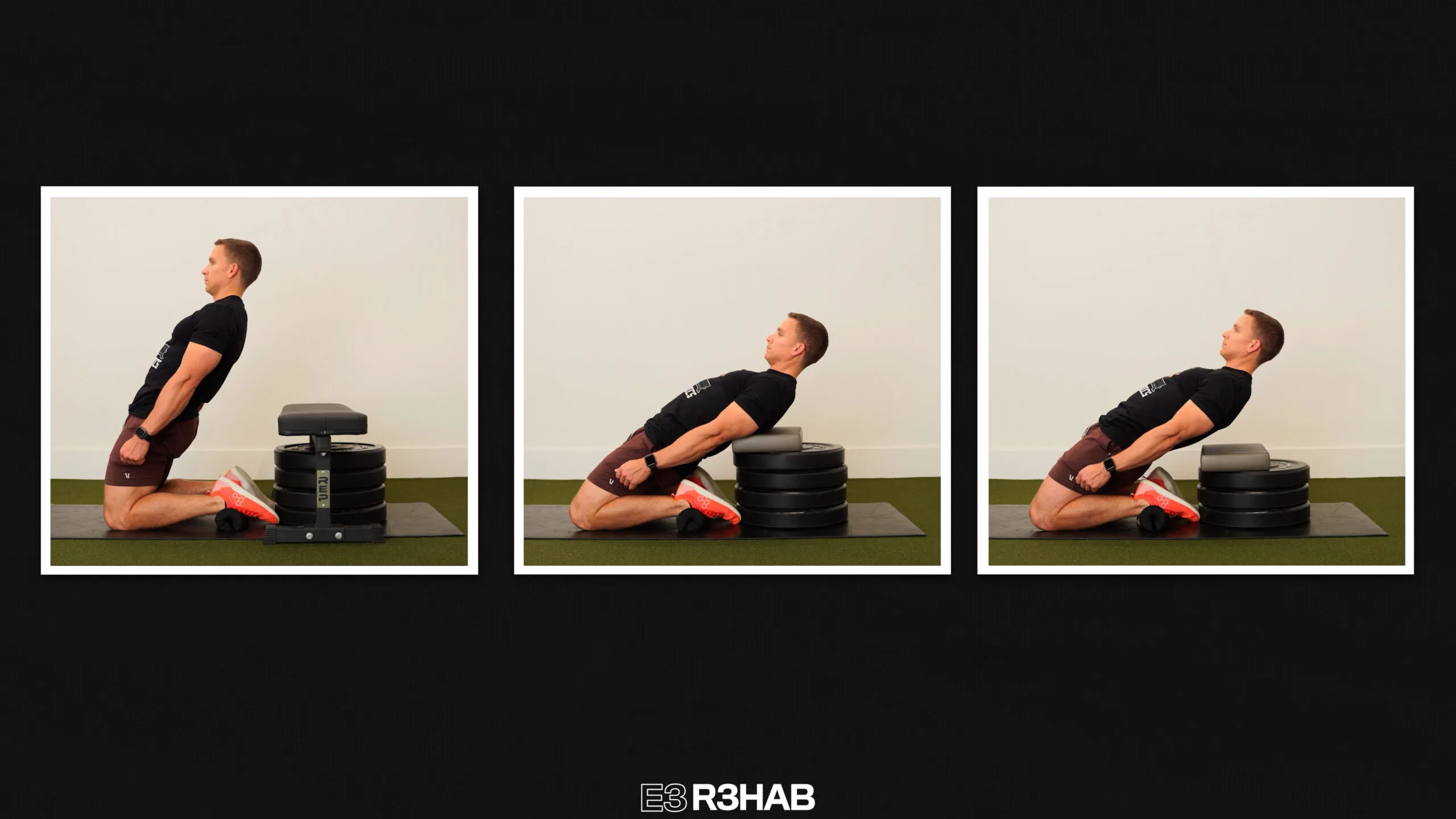
The best regression is usually less lean. Put a bench or stack of stable pads behind the body to define a shallow, repeatable stopping point. Lower only until you touch that target lightly, then return. Raise or lower the target gradually as control improves. This makes progression measurable without adding external weight.
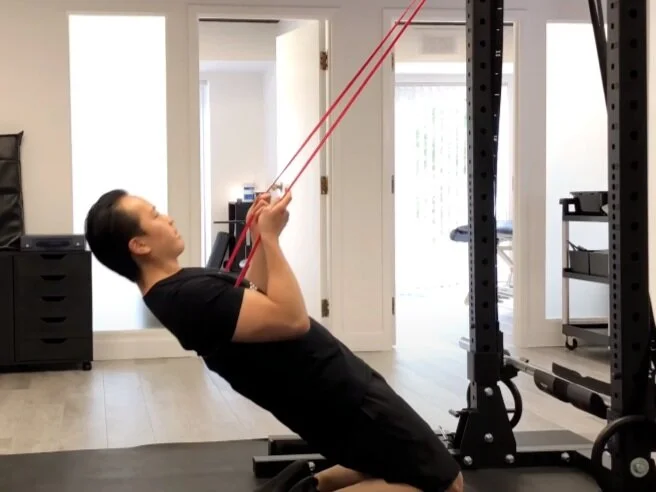
A securely anchored resistance band can provide assistance. Anchor it in front and above you, check the attachment carefully and hold the band or loop it in a manner that allows an unobstructed return. The band should help at the hardest part of the lean, not yank the shoulders forward. Never rely on a questionable rack attachment or an unstable bench to catch your bodyweight.
You can also use a hand-supported return: lower slowly, place the hands behind you when needed and push lightly to regain tall kneeling. This emphasizes the eccentric phase without demanding a concentric effort you cannot yet produce. Keep the effort controlled and the return repeatable. If kneeling itself is uncomfortable, choose a leg extension, supported split squat or another knee-extension exercise instead of forcing the reverse Nordic.
Progress by removing assistance, increasing clean range or adding a repetition before considering a plate or weighted vest. A weighted vest can eventually be convenient, but adding load before mastering the lever often produces a bigger back arch rather than a better quad stimulus. The exercise is already mechanically demanding near the bottom; earn the harder version rather than rushing toward it.
Where it belongs beside squats and leg extensions
A good quad program does not need every knee-dominant exercise in one session. For most lifters, keep a stable compound movement such as a squat, split squat or leg press as the main progressive lift. Add a knee-extension accessory that challenges the quads without overwhelming the lower back. The reverse Nordic can fill that accessory role, especially in a compact home gym.
Consider a two-day lower-body split. On Lower A, perform a squat pattern for three hard sets of five to eight, then a reverse Nordic for two or three sets of six to ten controlled repetitions. Finish with hamstrings and calves. On Lower B, use a split squat or leg press for three sets of eight to twelve, then a leg-extension variation or assisted reverse Nordic for two sets of ten to fifteen. Do not force every set to failure; leave roughly one to three repetitions in reserve while learning the movement.
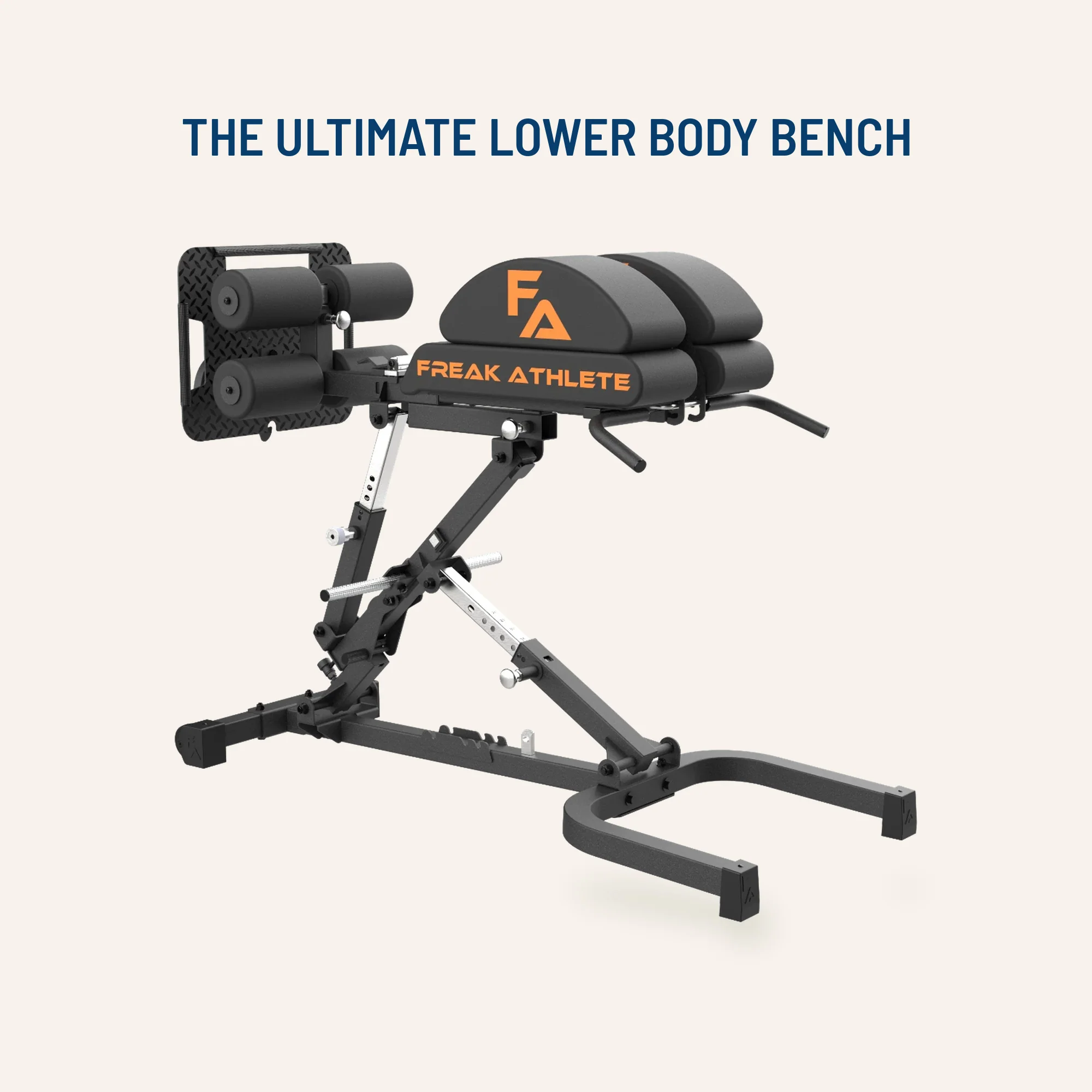
Equipment choices should follow the job. A bench and mat support the kneeling setup; a sturdy rack can anchor a carefully checked assistance band. A cable machine or bench-mounted leg developer provides an alternative with easier load increments. Squat wedges may improve comfort for some squat patterns, but they are not required for reverse Nordics. Adjustable dumbbells and a weighted vest are useful for the surrounding program rather than automatic additions to the reverse Nordic itself.
If the quadriceps are already getting twelve or more demanding weekly sets from squats, lunges and leg presses, start by replacing a few accessory sets instead of adding a large new block. The best program is the one that lets you improve output while managing knee comfort and fatigue. More exercise variety is not necessarily more productive volume.
Equipment Worth Exploring
Explore equipment, accessories and gear from our carefully selected range.

Go-Tone Pro
Portable digital cable trainer with up to 66 lb (30 kg) of adjustable resistance.

Squat Harness
Wearable harness for hands-free cable squats, sled work, and lower-body training.


Belt Squat Collar
Heavy-duty collar adapter for compatible belt-squat and landmine bar setups.
The mistakes that turn quad work into joint irritation
Folding at the hips: sitting backward toward the heels shortens the external lever. Reset to tall kneeling and use a shallower lean. If the movement looks like a kneeling hip hinge, you have changed the exercise. Arching the lumbar spine: flaring the ribs to reach more depth shifts motion away from the knee. Exhale gently, brace and stop before the back changes shape.
Dropping through the bottom: a fast fall followed by a desperate catch is not controlled eccentric training. Reduce the range, use a band or place a stable target behind you. Confusing pressure with pain: pressure from kneeling on a hard floor is different from sharp pain inside or around the knee. Improve padding first; if pain persists, choose a different exercise and seek qualified assessment where appropriate.
Overloading too early: the long lever makes small changes in lean angle meaningful. A weighted plate is not a badge of progress if it destroys control. Ignoring the rest of leg day: reverse Nordics train knee extension but do not replace hip-dominant work, hamstring training, calf training or a compound squat pattern.
Finally, avoid promising that this movement prevents quadriceps strains. Eccentric strength may be useful within broader athletic preparation, but the acute activation data do not establish a specific injury-prevention effect for this exercise. Train it as a progressive accessory and judge it by clean repetitions, tolerable recovery and its contribution to the whole program.
A six-week progression you can actually track
Week 1: perform two sets of four to six shallow reps twice in the week, separated by at least two days. Use a mat, a stable stop and hand assistance if needed. Film a side-view set to establish your starting lean angle. The first priority is consistent body alignment and no lingering joint irritation.
Week 2: keep the same range and add one or two clean repetitions per set. If the return still requires a large hand push, keep the assistance. The target is better control rather than more soreness. Week 3: increase the lean slightly or lower the stop by a small, measurable amount while returning to the lower end of the rep range.
Week 4: build back toward eight to ten clean repetitions. If the eccentric remains difficult, maintain two sets rather than adding volume automatically. Week 5: add a third set only if your main squat performance, knee comfort and recovery remain stable. Alternatively, keep two sets and remove a little band assistance.
Week 6: repeat the original filming angle, pad height and effort target. Compare the deepest controlled lean, clean reps and amount of assistance. If you have clearly progressed, continue for another block or rotate to a leg-extension variation. If you have not, check whether you were too sore to train consistently or kept changing the setup.
The reverse Nordic is a valuable tool precisely because it can be difficult without much equipment. But the biggest payoff comes from treating it like any other serious lift: establish technique, progress one variable at a time, recover between sessions and keep the rest of leg training in place. Stronger quads are built by repeatable training, not by one dramatic backward lean.
Bodybuilding Shirts & Workout Gear
Bodybuilding shirts, tanks and gym gear for lifters chasing muscle, size, symmetry and the pump.

Squatzilla Meme Leg Day & Squat Fans Hooded Hoodie
Show off your leg-day humor in a laid-back “Squatzilla” hoodie.

Swolebob Squatpants Gym | Funny SpongeBob Meme Workout Hoodie
Stay casual and show some leg-day attitude with “Swolebob Squatpants”.

Squat You Must – Leg Day Meme , Top Gains T-Shirt
Heavy lifts, good laughs, and a little “Squat You Must” energy.

Heavy Squatter Meme Squats & Gains Leg Day Wizard Top T-Shirt
Heavy lifts, good laughs, and a little “Heavy Squatter” energy.

Squats R Us Shirt – Leg Day Gains & T-Shirt
Heavy lifts, good laughs, and a little “Squats R Us” energy.

Never Skip Leg Day | LEGO Workout Sweater For Squats & T-Shirt
Keep things casual with a little “Never Skip Leg Day” attitude.

Funny Squat Game Gym | Squid Game Parody Workout Sweate T-Shirt
Add a playful “Squat Game” touch to your casual rotation.

Legendary Leg Day – Squat Meme Hooded Pullover Hoodie
Keep it laid-back with a little “Legendary Leg Day” attitude.

Funny Squat Inspector Gym | Edgy Workout Sweater For Le T-Shirt
Bring “Squat Inspector” humor to your everyday gym style.

Drake Leg Day Hoodie
Bring “If You're Reading This Its Leg Day” gym humor to lazy days and post-workout plans.