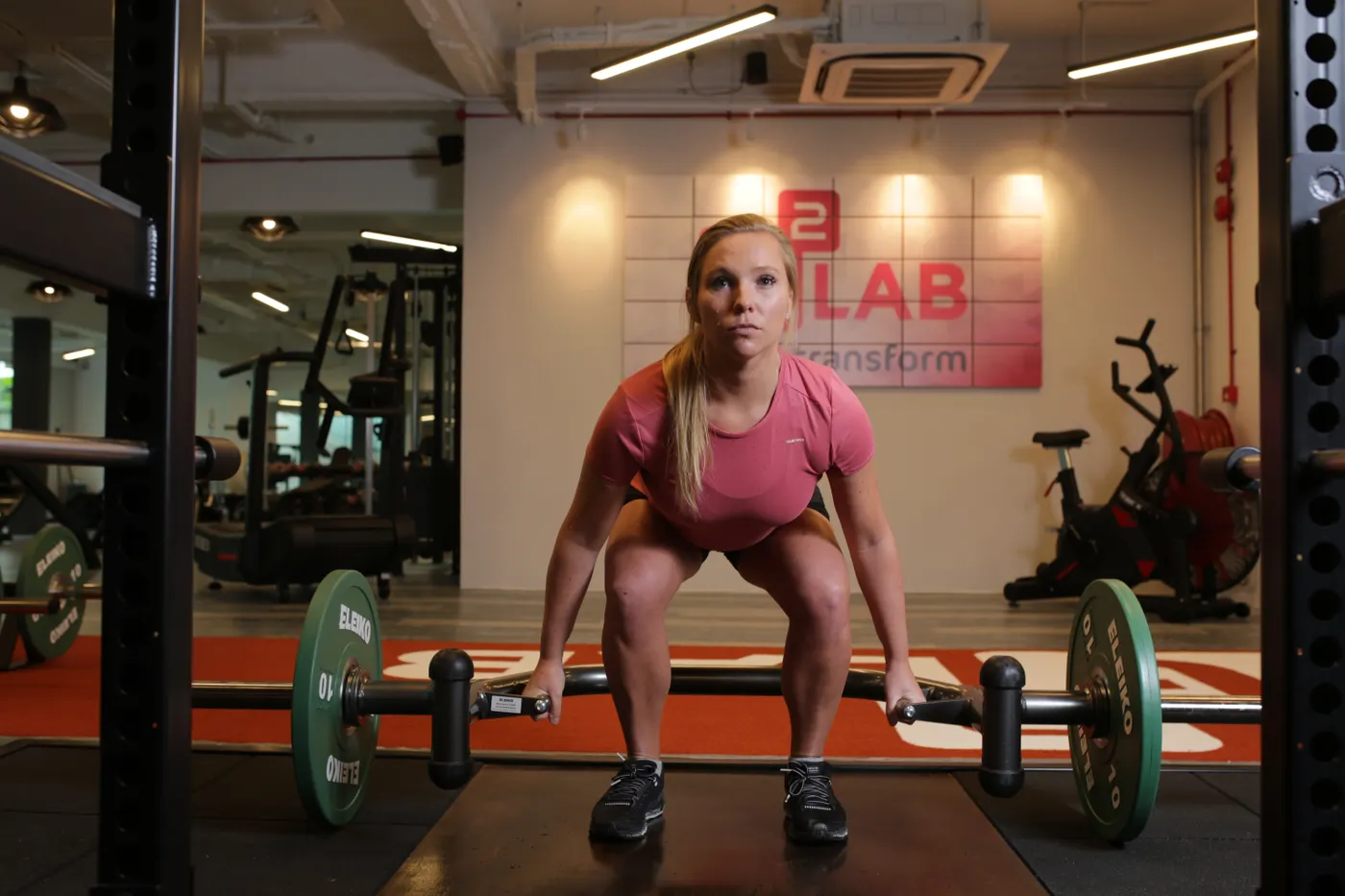
Creatine is often marketed as a shortcut to bigger muscles and heavier lifts. For vegan athletes, there is an additional question: plant foods contain almost no dietary creatine, whereas meat and fish contribute some. Does supplementation make a measurable difference? A randomized trial published online in July 2026 and included in the October issue of the European Journal of Applied Physiology provides an intriguing but narrower answer.
After four weeks, the creatine group improved on some jumping tests and showed changes in estimated body composition. Crucially, the measured strength and sprint tests did not improve. That distinction matters more than any headline promising instant gains. Here is what the study tested, what the results actually mean, and how a plant-based lifter can use the evidence without confusing power, muscle and water weight.
What the four-week vegan creatine trial actually tested
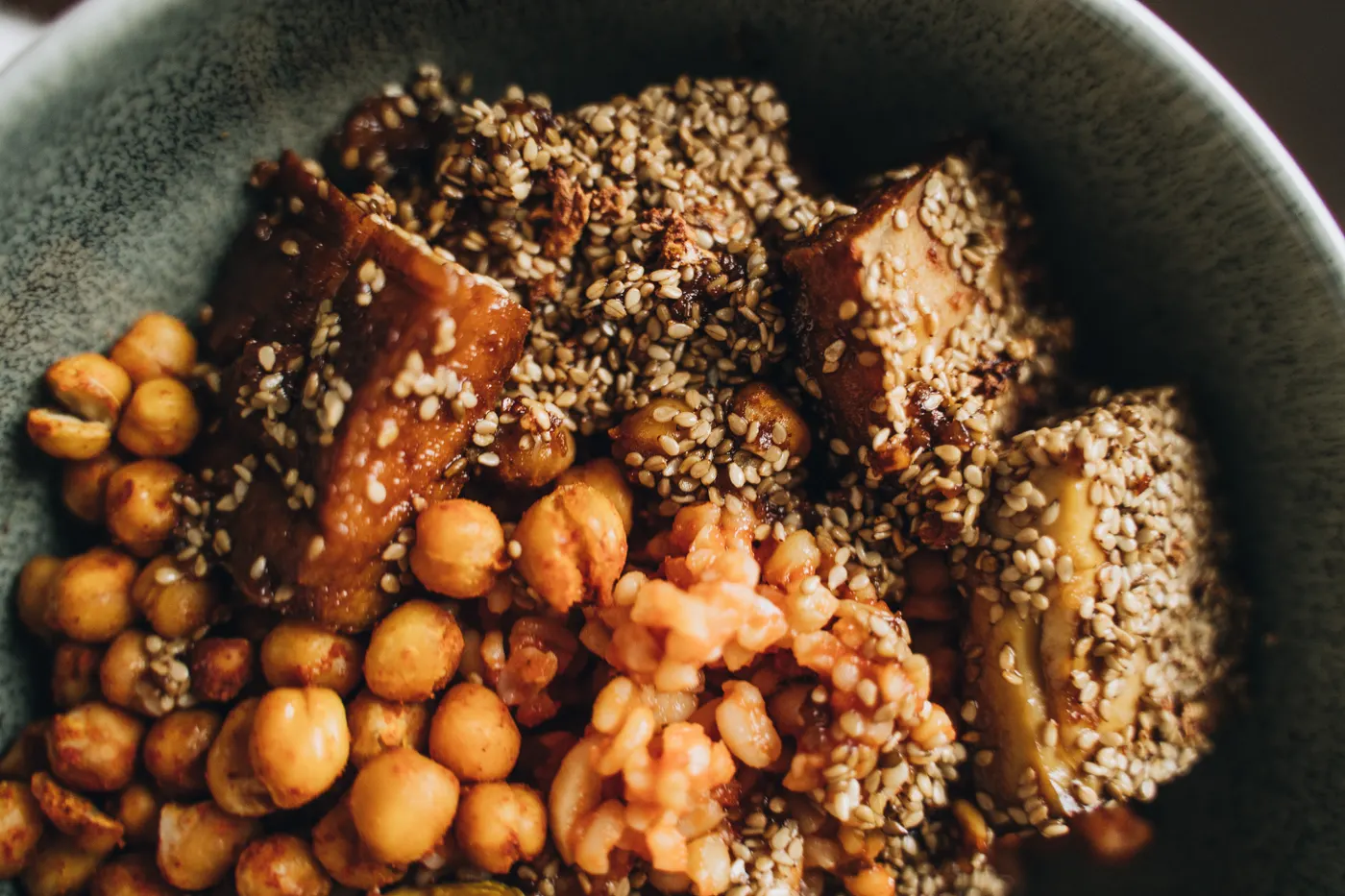
Researchers enrolled twenty physically active vegan adults aged eighteen to forty-five. Ten received creatine monohydrate and ten received a placebo; each group included five women and five men. The trial was randomized, placebo-controlled and triple-blind. These design features reduce several sources of bias, although they cannot eliminate the uncertainty of a small sample.
The supplement group used 0.1 grams of creatine per kilogram of body weight every day. For a 70-kilogram person, approximately 154 pounds, that is seven grams daily. Participants maintained diets intended to keep their usual energy intake. The intervention lasted four weeks, not one workout, because creatine works mainly by increasing muscle phosphocreatine stores over time.
The researchers measured countermovement jumps, repeated jumps, sprinting, handgrip strength, isometric mid-thigh-pull strength, body composition and selected blood markers. This breadth provides several ways to detect changes, but it also increases the number of comparisons. The trial did not compare vegan athletes directly with omnivores and did not prescribe an identical progressive lifting program for everyone.
Those details limit the conclusions. This is evidence about short-term supplementation in a specific group of active vegan adults. It does not establish what an experienced powerlifter would gain over six months, how a beginner would respond to a year of progressive overload, or whether one diet is inherently superior for strength.
Jumping improved, but measured strength and sprinting did not
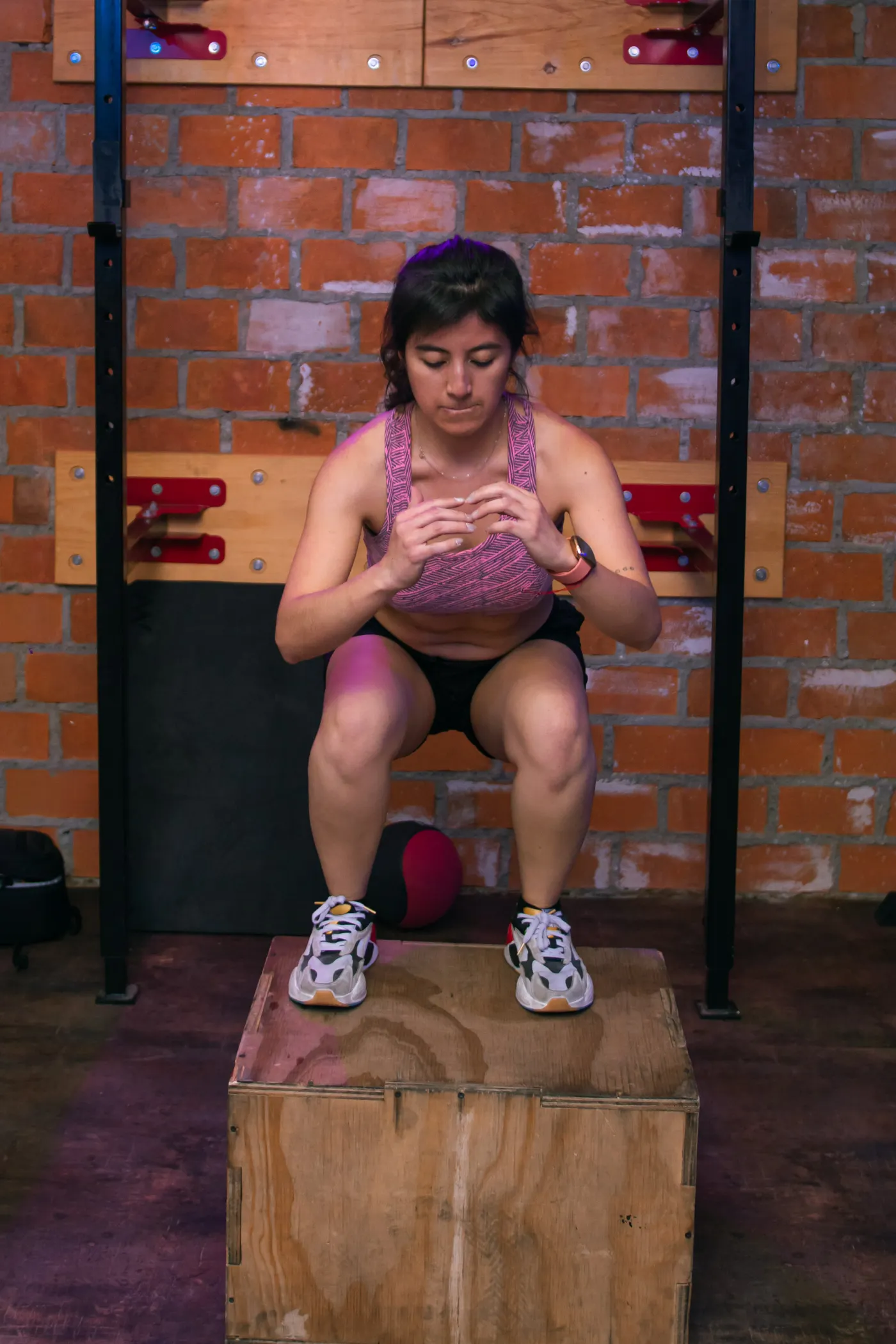
The clearest performance signal involved explosive lower-body tasks. The creatine group improved countermovement-jump measures and parts of repeated jumping, including maximum height and flight time. Brief, intense efforts rely partly on the phosphocreatine energy system, so the direction of the result is physiologically plausible.
But the other tests tell an equally important story. The published abstract reports no changes in sprint or strength tests. Handgrip and isometric mid-thigh pull were among the strength outcomes. The authors’ conclusion uses broader language about enhanced strength and power, but the specific findings support a narrower statement: some jumping outcomes improved over four weeks, while measured maximal-strength and sprint outcomes did not.
A vertical jump is not a heavy deadlift, and repeated jumps are not a timed sprint. Each task requires a different mix of skill, coordination, force and energy supply. A supplement may influence one quality without improving all the others. That is not an argument against creatine; it is a reminder that the word performance covers several different physical abilities.
With only ten participants per group, individual variation and test familiarity can influence the averages. Multiple measured outcomes also make isolated statistically significant results more difficult to interpret. Larger trials with clearly prespecified primary outcomes would help establish how repeatable the jumping findings are.
If your sport includes repeated explosive efforts, this trial provides a reason to investigate creatine further. If your goal is a heavier squat or bench press, it offers no shortcut around progressive resistance training. The evidence concerns a specific test battery, not a guaranteed improvement in every measure of strength.
Why the muscle-mass numbers need context
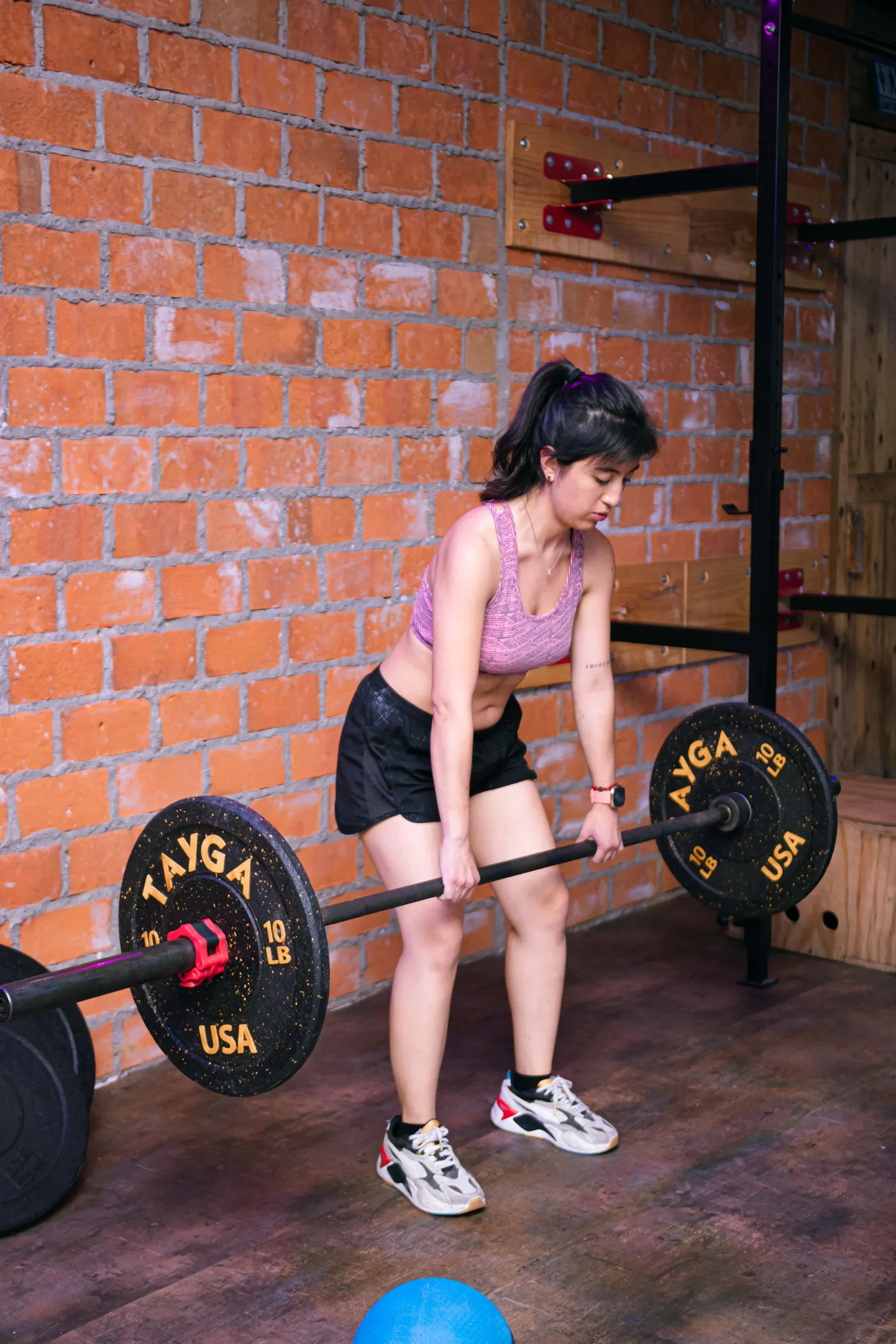
The researchers reported roughly 0.3 kilograms, or 0.7 pounds, more estimated skeletal muscle mass in the creatine group compared with controls. Total body water also increased by about 1.4 kilograms, or 3.1 pounds. An estimated reduction in body fat of around 1.4 kilograms was reported. These figures are interesting, but they do not prove that four weeks of creatine created pure contractile muscle while burning fat.
Creatine can increase the water stored in muscle. Many practical body-composition methods estimate lean or muscle compartments using measurements influenced by hydration. When total body water changes substantially, an increase in estimated skeletal muscle mass is not automatically the same amount of newly synthesized muscle protein. Longer interventions with direct hypertrophy measurements would help separate these effects.
Similarly, a short trial with twenty participants cannot establish that creatine independently causes meaningful fat loss. Creatine is not a fat burner. Long-term body composition still depends on energy intake, progressive training, adequate protein, recovery and individual factors. A single short-term estimate should not become a supplement advertisement promising fat loss.
Some people notice an early increase in scale weight after starting creatine. That can reflect water rather than fat and is not necessarily a problem. It may matter to athletes competing in weight classes, while others may not mind. Evaluate trends under consistent conditions rather than treating one morning’s reading as evidence of muscle growth.
Separate three questions: did hydration change, did a measured performance task improve, and did months of training produce lasting tissue adaptation? This trial speaks most directly to the first two. It does not replace the longer training studies needed to answer the third.

Equipment Worth Exploring
Explore equipment, accessories and gear from our carefully selected range.


FID Bench MAX
Adjustable bench offering flat, incline, and decline positions + adjustable headrest.
VOLTRA
Compact digital cable trainer with smooth, adjustable resistance.


Why plant-based athletes might respond to creatine

The human body synthesizes creatine naturally, and animal foods also provide it. Most plant foods contain little or none. That does not mean a vegan diet is inherently inadequate or that creatine is an essential nutrient vegans cannot make. It means habitual muscle creatine stores may differ, and supplementation can increase them above their usual level.
A 2018 randomized dietary intervention found that women switching from omnivorous to vegetarian eating experienced reductions in plasma and muscle creatine during the first months. A low-dose supplement strategy mitigated some of those changes. Those participants were not identical to vegan strength athletes, but the work supports the biological logic behind studying creatine in plant-based populations.
At the same time, a systematic review of plant-based diets and athletic performance found no convincing evidence that well-planned plant-based eating harms performance. Vegan athletes can build strength, endurance and muscle when they consume sufficient energy, protein and other nutrients. Creatine is an optional performance aid, not a repair kit for a supposedly broken diet.
Useful plant-based protein sources include tofu, tempeh, soy milk, legumes, seitan and appropriate protein powders. A varied daily intake helps cover amino-acid needs. Vitamin B12 and certain other nutrients require separate attention on vegan diets; creatine does not replace a balanced nutrition plan.
Plain creatine monohydrate is generally produced synthetically rather than extracted from meat, making many products suitable for vegans. Check labels and capsule materials if strict sourcing matters. A simple, independently tested monohydrate is often more defensible than an expensive proprietary blend promising effects the evidence cannot support.

Bodybuilding Shirts & Workout Gear
Bodybuilding shirts, tanks and gym gear for lifters chasing muscle, size, symmetry and the pump.

Creatine – Meme & Gains – Powered By Creatine Top T-Shirt
Bring “Creatine” humor to your next gym day.

This Is Your Body On Creatine Shirt – Superpower T-Shirt
Heavy lifts, good laughs, and a little “This Is Your Body On Creatine” energy.

Creatine Monster Cookie Monster Meme & Gains T-Shirt
For laid-back days and lifting humor: “Creatine Monster”.

Sniffing Creatine Gym | Hilarious Hooded | Gym Meme Jum Hoodie
Make your off-duty look more fun with “Sniffing Creatine”.

Powered By Creatine Breaking Bad Meme Decal Water Sticker
Put “Powered By Creatine” gym humor on your laptop, bottle, or gym gear.

Protein Bro Supplement Decal Water Bottles & Shaker Sticker
Give your everyday gear a playful “Protein” twist.

Pink Protein Shaker | Meme Pullover for Bodybuilding Ga Hoodie
Bring “Pink Protein Shaker” gym humor to lazy days and post-workout plans.

Funny Protein Shaker Bottle : Gym Meme Vest For Muscle Tank Top
Train hard, laugh a little, and rep “Protein Shaker Bottle”.

Funny Free Protein Gym | Sarcastic Workout Sweater & Gy T-Shirt
Add a playful “Free Protein” touch to your casual rotation.

Brotein Bar Gym | Funny Protein Bar Meme Workout Decal Sticker
Bring “Brotein Bar” attitude to your water bottle or laptop.
Dose, timing and safety: the practical details
The 2026 trial used 0.1 grams per kilogram daily, which is higher than the familiar maintenance routine for many adults. That is what researchers tested, not a new requirement for every vegan athlete. Broader sports-nutrition reviews find that around 3–5 grams of creatine monohydrate daily can increase muscle stores over several weeks without a loading phase.
Some people use a short loading period to saturate stores sooner, but loading is optional. Consistent smaller doses are easier for many users and may cause less stomach discomfort. Timing before versus after a workout is less important than adherence over time. Creatine works through accumulated muscle stores, not an immediate stimulant-like effect.
Creatine is not caffeine. A scoop swallowed immediately before lifting should not be expected to create a sudden surge of focus or bar speed. If a pre-workout product does that, other ingredients may be responsible. Mixing plain powder into water, a smoothie or a meal is generally a straightforward way to take it.
Safety deserves proportionate attention. Large reviews find creatine monohydrate well tolerated in healthy adults at studied doses, but individual medical circumstances matter. People with kidney disease, relevant conditions or medications affecting renal function should discuss supplementation with a clinician familiar with their history. Creatine can raise blood creatinine, a marker used to estimate kidney function, without necessarily indicating kidney injury; the full clinical picture matters.
The vegan trial lasted only four weeks and included twenty people, so it is not long-term safety evidence for this population. More powder is not automatically better. For people choosing to supplement, a reputable single-ingredient product with independent quality testing is more sensible than a premium blend promising dramatic results.
A strength-and-power training plan that makes sense

Whether you supplement or not, a useful program needs enough structure to reveal progress. Two or three full-body strength sessions each week can cover the basics: a knee-dominant exercise, a hip hinge, a push, a pull and manageable trunk work. Choose loads you can control and leave some repetitions in reserve on most sets.
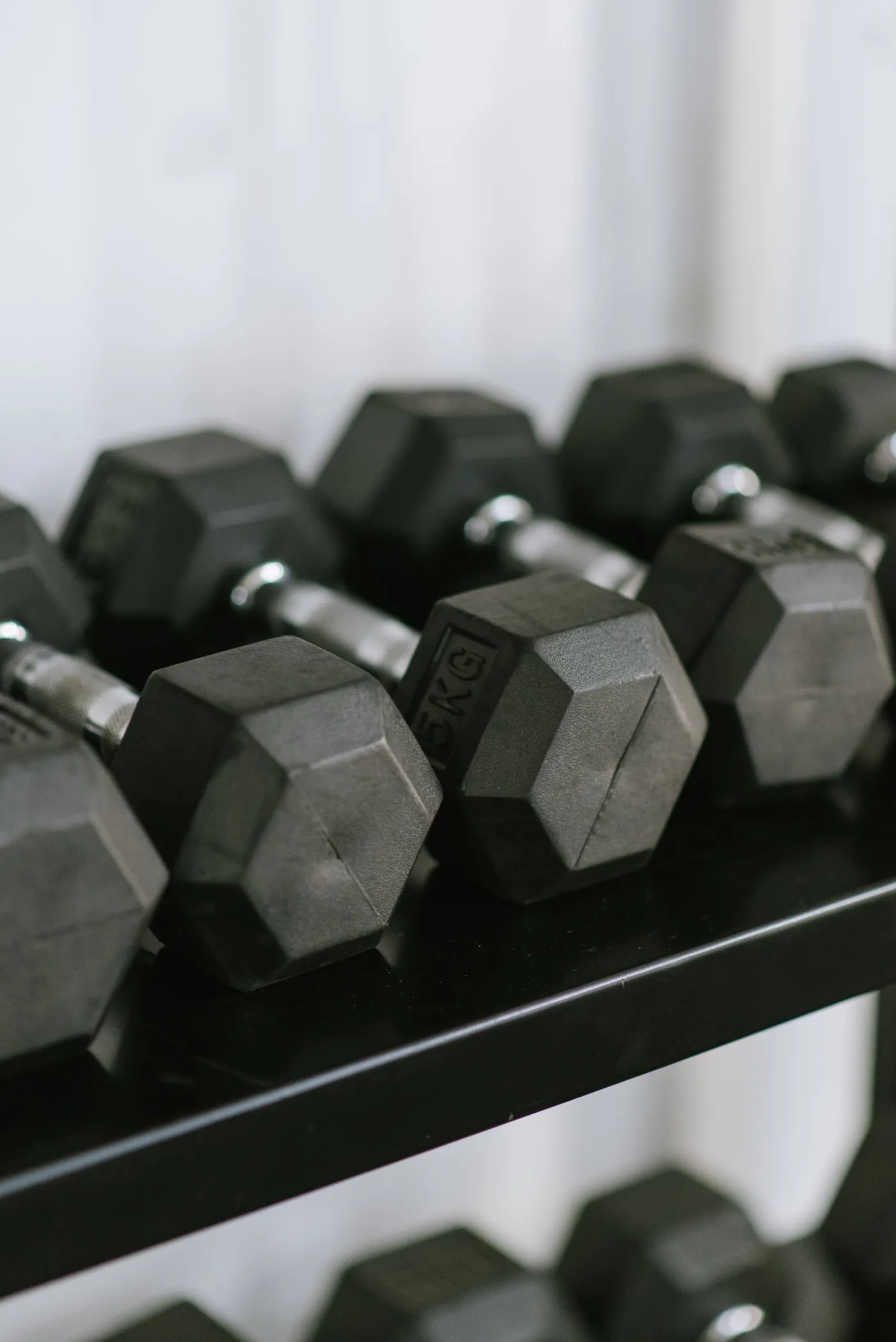
Session A: Perform three sets of six to ten squats, three sets of six to ten rows and two or three sets of eight to twelve presses. Add two sets of Romanian deadlifts or another controlled hip hinge. Rest long enough to maintain technique. Dumbbells, barbells and cable machines can all provide useful resistance when the load is appropriate.
Session B: Use three sets of six to ten split squats per leg, three sets of six to ten hip hinges, and two or three sets each of a pull and a press. Finish with loaded carries or basic core work. Alternate A and B through the week, record weights and repetitions, and increase the challenge gradually when existing sets remain technically sound.
For athletes interested in explosive performance, add a small number of crisp jumps after warming up and before heavy fatigue. Two to four sets of three controlled jumps can be plenty for a beginner. Land softly, use stable surfaces and stop when speed or technique declines. Jump training is a skill and a stressor, not a requirement for every lifter.
Track repeatable outcomes across several weeks: working-set performance, recovery, body-weight trend and perhaps a safe jump measure. Do not expect a personal best every day. Sleep, hydration, stress and test familiarity can outweigh a small supplement effect on a single session.
Build meals around sufficient calories and protein. Creatine may support repeated high-intensity efforts, but it cannot rescue an underfed program or replace progressive overload. The strongest plan is the one you can repeat consistently rather than the one with the most complicated supplement stack.
Equipment Worth Exploring
Explore equipment, accessories and gear from our carefully selected range.


Power Tower
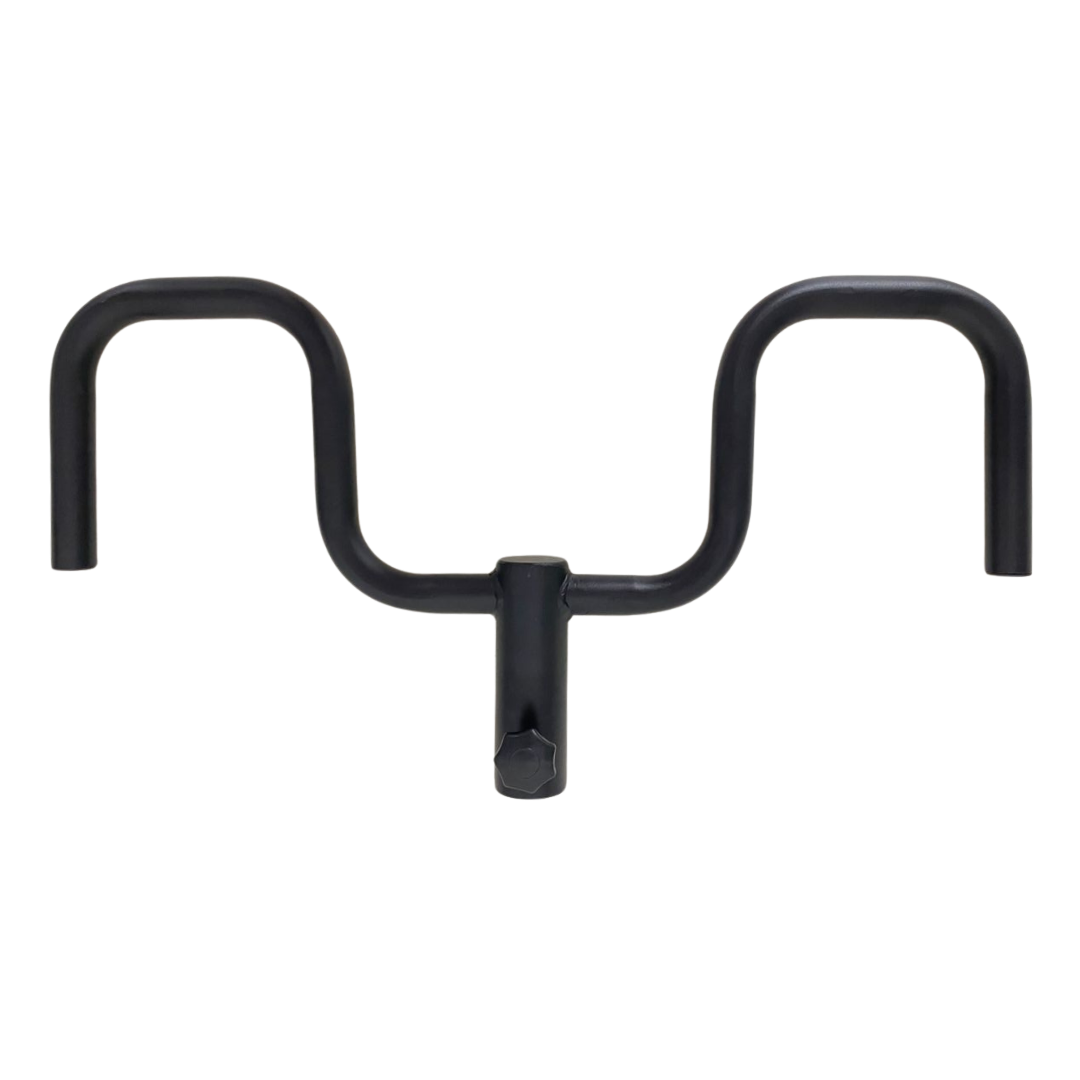
Freestanding pull-up and dip station with adjustable handles for bodyweight training.




What the trial cannot prove—and the useful bottom line

It is tempting to turn one randomized trial into a rule for every vegan athlete. The actual evidence is narrower. There were ten participants per group, the intervention lasted four weeks, and several performance and body-composition outcomes were measured. The study did not prescribe an identical resistance-training progression or follow participants long enough to establish durable hypertrophy.
The authors’ broad conclusion about strength must be read alongside their specific finding that strength tests did not improve. That is not a reason to dismiss the research. It is a reason to describe it accurately: jumping measures improved, while measured maximal strength and sprinting did not. Better jumping cannot automatically be translated into a bigger one-rep maximum.
There are disclosure considerations, too. Some authors reported outside consulting or advisory relationships involving nutrition and creatine-related companies. Such disclosures do not automatically invalidate results, but independent replication matters. Larger samples, longer follow-up and clearly prespecified primary outcomes would increase confidence in the size and consistency of the effects.
For a vegan lifter deciding what to prioritize, the hierarchy remains unchanged. Train consistently and progressively, eat enough, cover protein and important micronutrients, and protect sleep and recovery. Then consider whether modest daily creatine monohydrate fits your goals, budget and circumstances. Supplements are easier to evaluate when the fundamentals remain stable.
The bottom line: this 2026 trial suggests creatine may improve some explosive jumping outcomes in physically active vegan adults over four weeks. It did not show improvements in reported strength or sprint tests, and body-composition changes occurred alongside a notable rise in water. That is less dramatic than supplement marketing, but far more useful for people who want measurable results.
Bodybuilding Shirts & Workout Gear
Bodybuilding shirts, tanks and gym gear for lifters chasing muscle, size, symmetry and the pump.

Shirt Protein Addicts – , Meme , Top Gymbros T-Shirt
Heavy lifts, good laughs, and a little “for Protein Addicts” energy.

Heavy Weights And Protein Shakes Meme And Gymbros T-Shirt
Show some powerlifting attitude with a playful “Heavy Weights and Protein Shakes” tee.

Bear Protein : Hilarious Meme Hooded Hoodie
Stay casual and show some bodybuilding attitude with “Gym Bear Protein”.

Eat Big Lift Big Get Big Bulking Season Pizza Meme Hoodie
Make your off-duty look more fun with “Eat Big Lift Big Get Big”.

Pizza Cheat Day Pizza Weight Plate Sweater & Bulking T-Shirt
Show some gym-day personality with “Pizza Cheat Day”.

Bulking Over Being Lean Tee
Show some carb-loving attitude with a playful “for Bulking Over Being Lean” tee.

Bulking King Decal Water Bottles & Lunchboxes Meme Sticker
Bring “Bulking King” attitude to your water bottle or laptop.

Bulking Season – & Fast Food Meme – Burgers & Gains T-Shirt
Show some burger-loving attitude with a playful “Bulking Season” tee.

Work Hard Eat Hard Bulk Hoodie
Stay casual and show some lifting attitude with “Work Hard Eat Hard”.

Simple Man Complex Macros Shirt Lynyrd Skynyrd Rock T-Shirt
Heavy lifts, good laughs, and a little “Simple Man Complex Macros” energy.