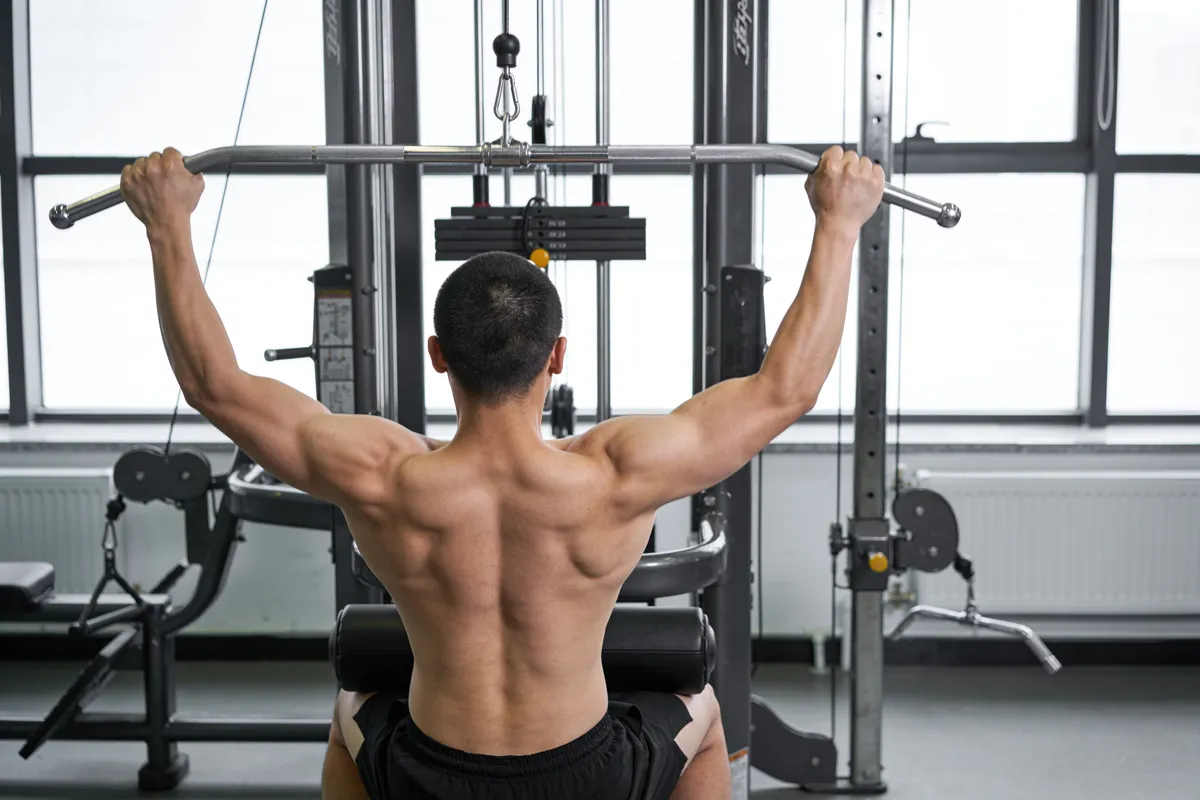
Back width starts with progressive pulling, not a magic handle
A bigger back comes from muscular development, progressive training and time. The latissimus dorsi helps bring the upper arm toward the torso, making vertical pulling an important tool for bodybuilders and strength athletes. The lat pulldown lets you load that movement precisely while the seat and thigh pads reduce the balance demands that often limit pull-ups. It is useful when you want hard back sets without turning every set into a full-body effort.
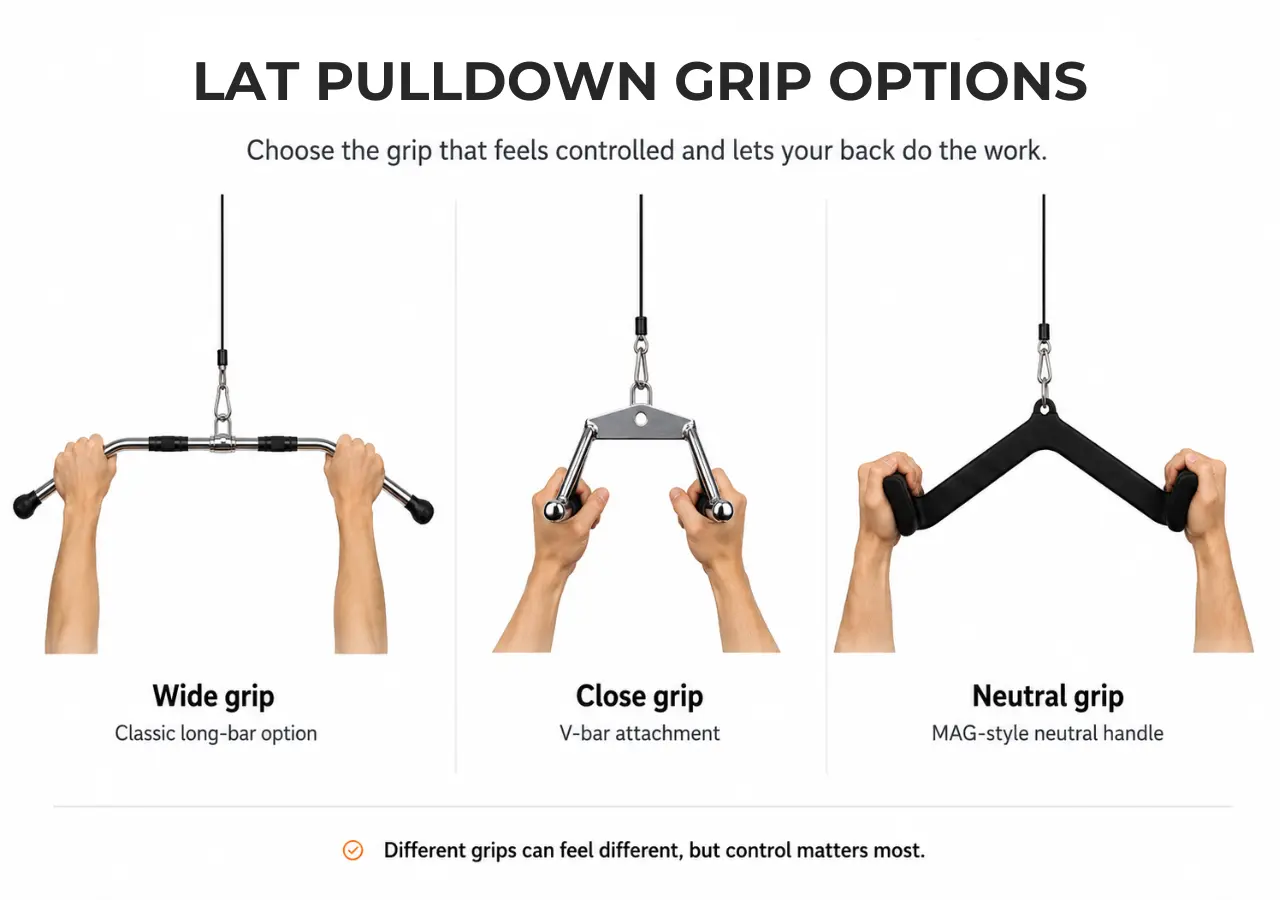
The familiar claim that a very wide grip automatically builds a wider back is not well established. Hand spacing changes leverage, joint positions and the available range, but a stronger sensation in one part of the back does not prove superior muscle growth. Short-term electrical activity tests cannot tell us which grip will add the most muscle after months of training. Your first priority should be a comfortable setup you can repeat and progressively overload.
A complete back program also needs horizontal pulling. Rows move the upper arm backward from in front of the torso, while pulldowns start overhead. Both involve the lats and upper-back muscles but differ in joint angles and stabilization demands. Instead of swapping handles every session, choose a reliable vertical pull and a reliable row, record your performance and change one variable at a time. This gives you actual feedback rather than a new pump to interpret each week.
Set up the lat pulldown so the last rep resembles the first
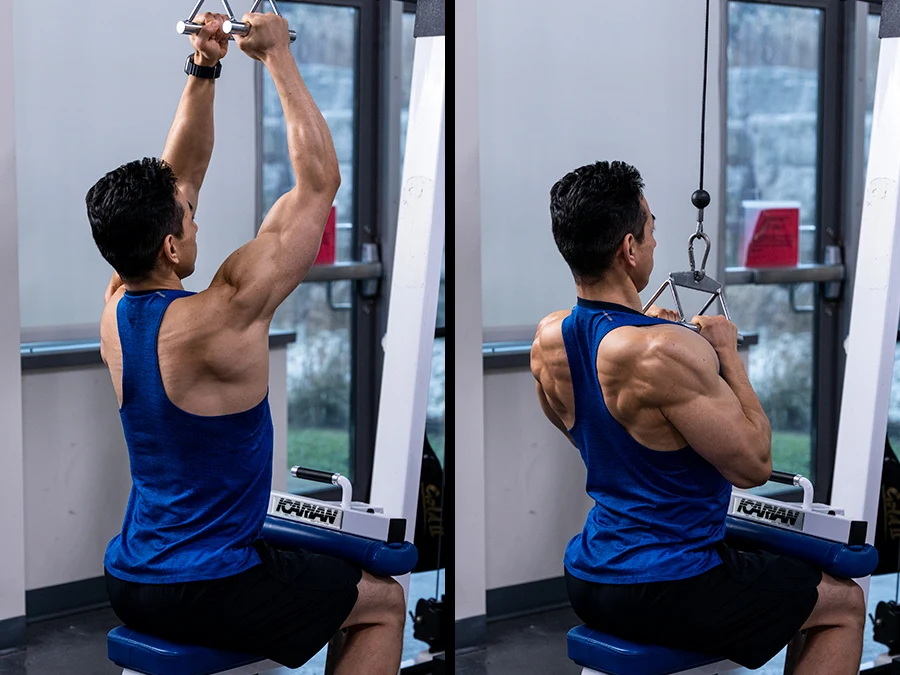
Set the thigh pad snugly enough to prevent the load from lifting you off the seat. Plant your feet, brace the trunk and reach for a handle that allows a comfortable overhead position. A medium-width overhand or neutral grip is a sensible starting point. Let the shoulders move naturally at the top without exaggerating a lower-back arch or forcing a painful stretch.
Start the pull by driving the elbows downward toward the sides of the body. Think about moving your upper arms, not merely curling the handle toward your face. A slight lean may help the bar clear your head, but a dramatic backward swing turns the exercise into a different movement. Bring the handle toward the upper chest or another repeatable end point that your shoulders tolerate. Then return with control until the arms are long again.
Choose a load that keeps the final repetition similar to the first. If you need to thrust your hips, shrug violently or shorten the motion by half, the stack is too heavy for the technique you intended. A controlled return lasting roughly two seconds can help maintain consistency, but tempo is a tool, not a magic number. Sharp shoulder or elbow pain is a reason to change the grip or exercise, not a cue to push harder.
For hypertrophy, begin with two to four working sets of eight to fifteen repetitions, usually finishing with one to three good reps in reserve. Rest long enough that technique stays stable. Log the handle, seat setting and range as well as the weight. Without those details, apparent progress can simply be a change in leverage.

Equipment Worth Exploring
Explore equipment, accessories and gear from our carefully selected range.
VOLTRA
Compact digital cable trainer with smooth, adjustable resistance.

Go-Tone Pro
Portable digital cable trainer with up to 66 lb (30 kg) of adjustable resistance.
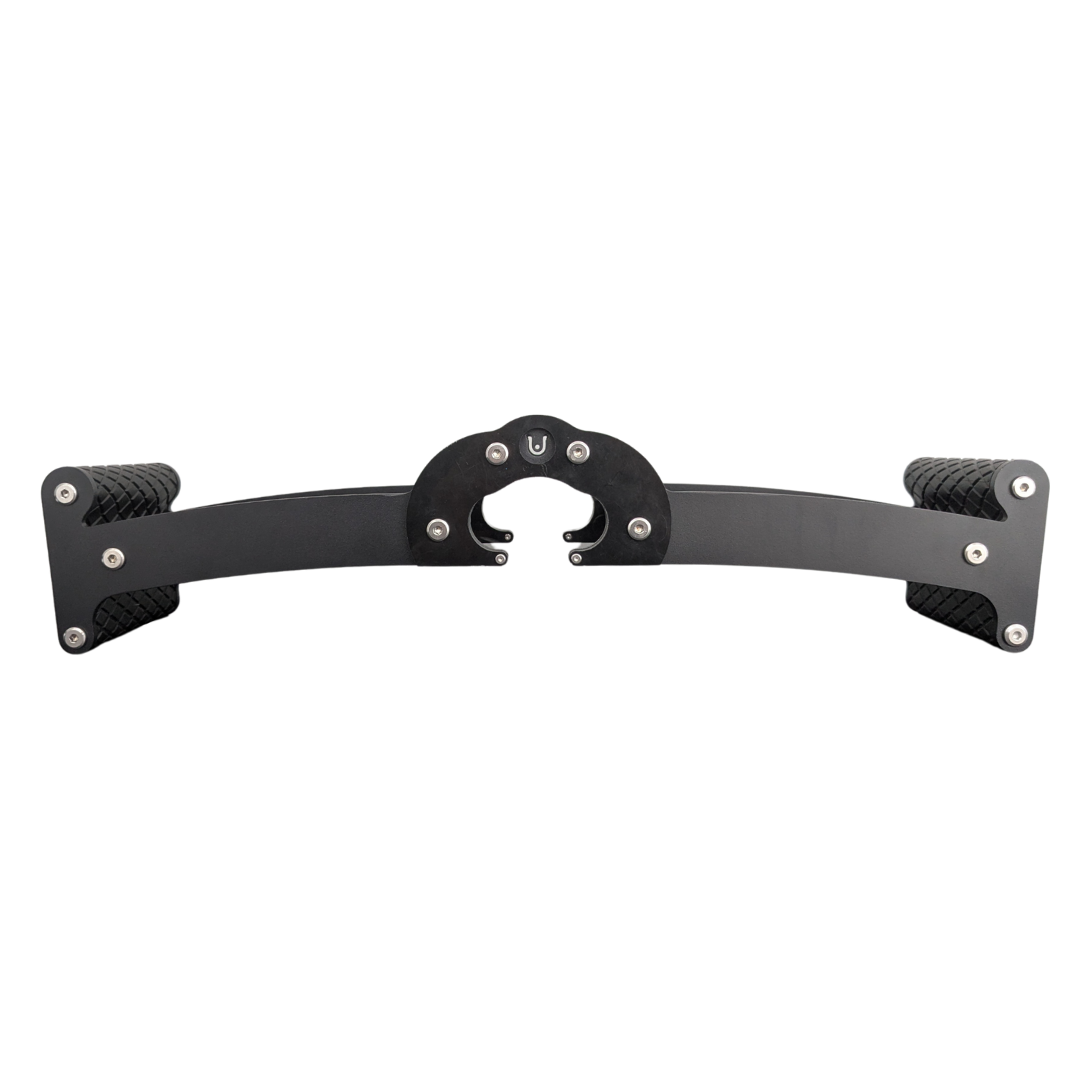
Back Bar
Multi-grip cable and landmine bar with a built-in deadlift jack.
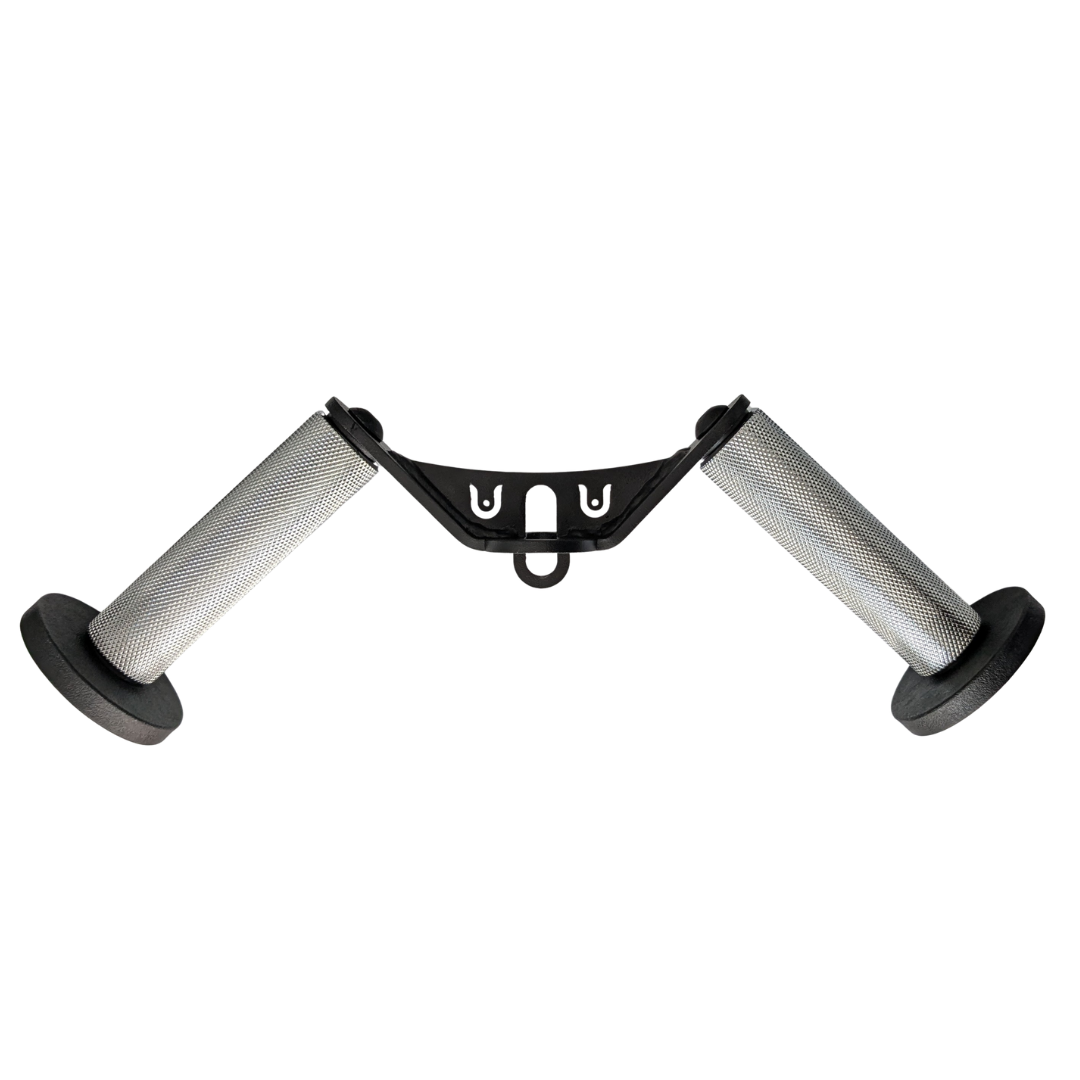
W Grip
Angled cable grip for comfortable rows, pushdowns, and curls.
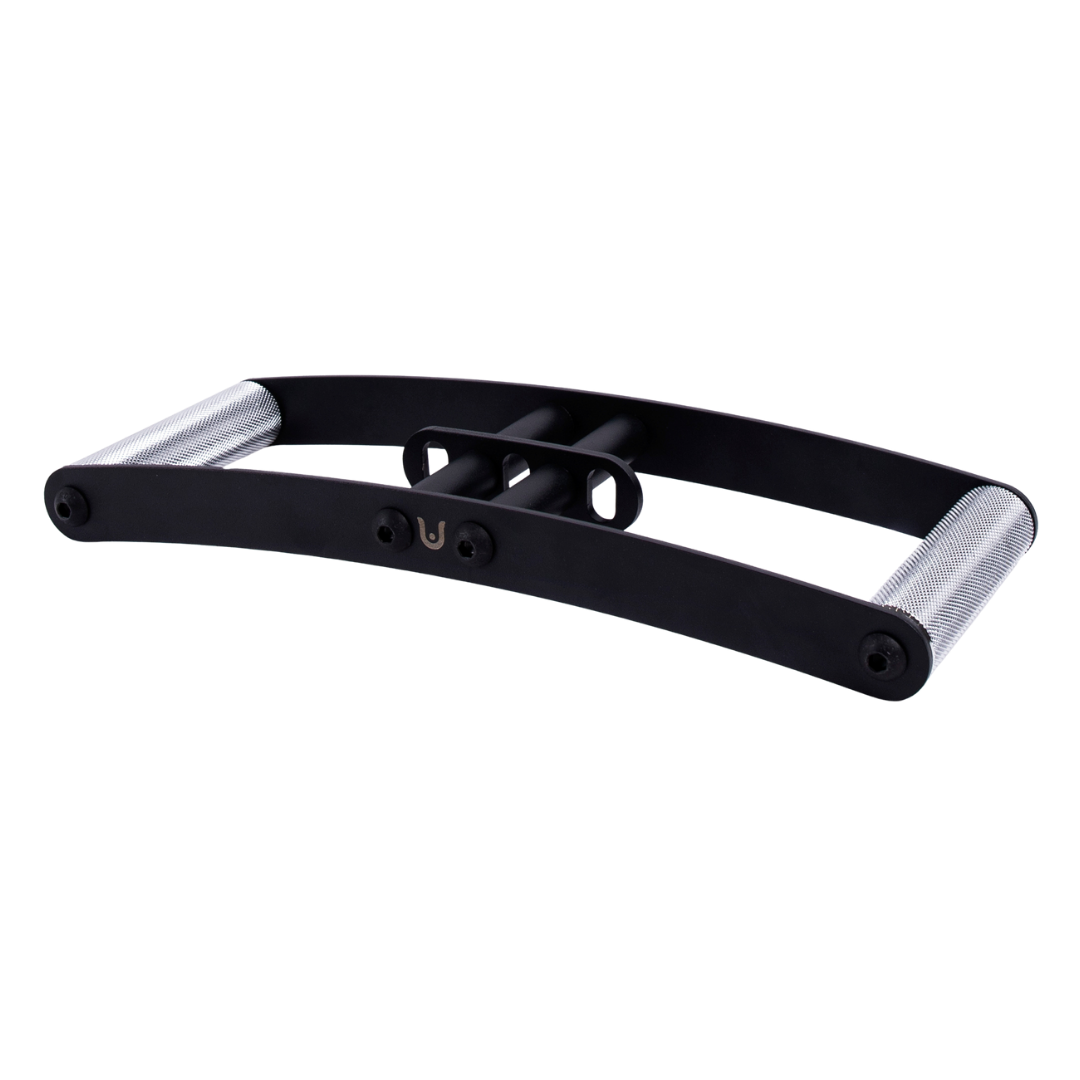
Horizon Grip
Ergonomic V-style cable grip for rows and back training.
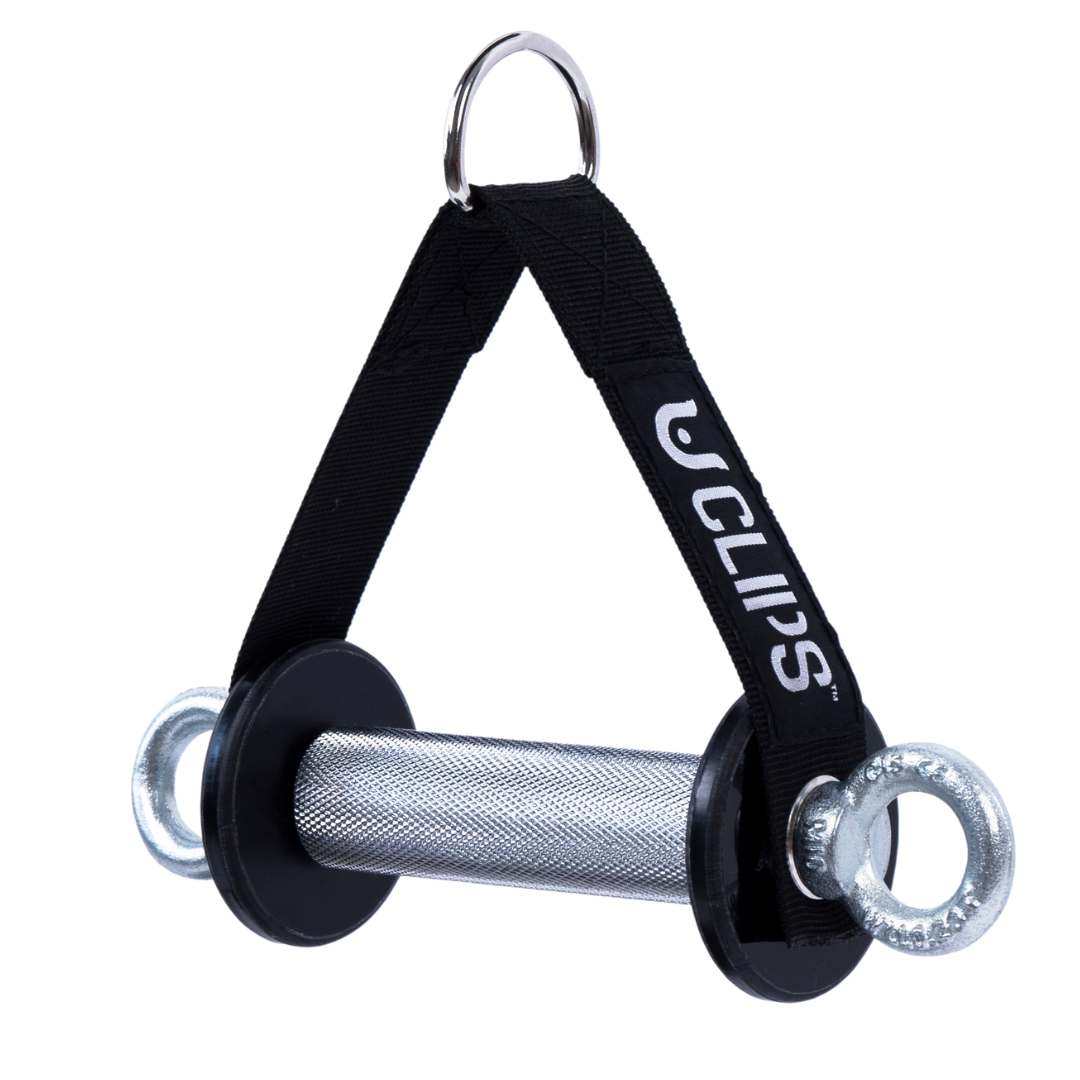


Angles 90 Grips
Flexible grip attachments that allow natural wrist movement during pulling exercises.

GymPin Ergo Handles
Pair of ergonomic cable handles shaped for comfortable triceps and pulling exercises.
Wide versus close versus neutral: what muscle-activity research says
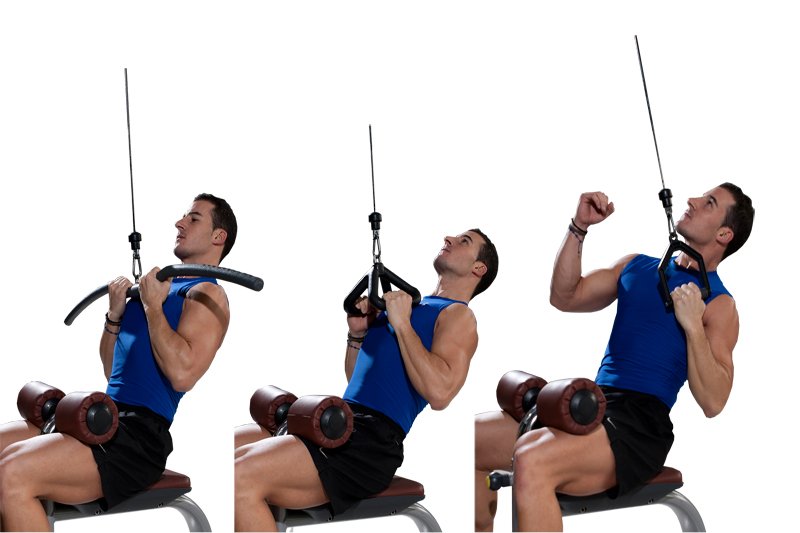
In one experiment, fifteen men performed six-repetition-maximum pulldowns with narrow, medium and wide overhand grips. Narrow and medium grips permitted slightly more weight than the widest grip, while whole-repetition lat activity was broadly similar. A separate study in forty experienced men compared seven combinations of grip and torso angle and found no significant overall difference in lat electrical activity across those conditions.
A 2026 synthesis of twenty-three studies reached a similar cautionary conclusion: grip-width effects on lat activity are inconsistent. The front-of-body pulldown path was more consistently associated with greater lat activity than pulling behind the head, although individual experiments found phase-specific differences. These studies primarily measured short-term electrical signals, not actual growth after a training program. Electrical activity is not a guaranteed ranking of hypertrophy exercises.
A medium overhand grip is a practical default. Neutral handles can be useful when your wrists or shoulders prefer that orientation, and a narrower underhand grip can change the contribution of the elbow flexors. Very wide grips may reduce comfortable range or the load you can use without delivering any proven special back-width benefit. Select a grip that lets you control the weight, achieve a useful range and progress over time.
You do not need to collect five different attachments to build a complete back. If two grips feel equally good, keep one stable for four to six weeks and compare the logbook. Change when you have a clear reason: discomfort, a persistent sticking point, or a desire for variation after progress slows. Different feelings are interesting; measurable progress is more useful.

Bodybuilding Shirts & Workout Gear
Bodybuilding shirts, tanks and gym gear for lifters chasing muscle, size, symmetry and the pump.


Strong Back Bodybuilder Tee
Show some lifting attitude with a playful “Strong Back Bodybuilder” tee.


Nice Traps Big Back Tee
Heavy lifts, good laughs, and a little “Nice Traps Big Back” energy.

Shirt Pull Day – Back & Biceps Meme Top T-Shirt
Heavy lifts, good laughs, and a little “Pull Day Graphic” energy.

Unbreakable Gains Back Tee
Make gym days more fun with “Unbreakable Gains: Strong Back Greek God” style.

Rows add another pulling angle and help build a complete back
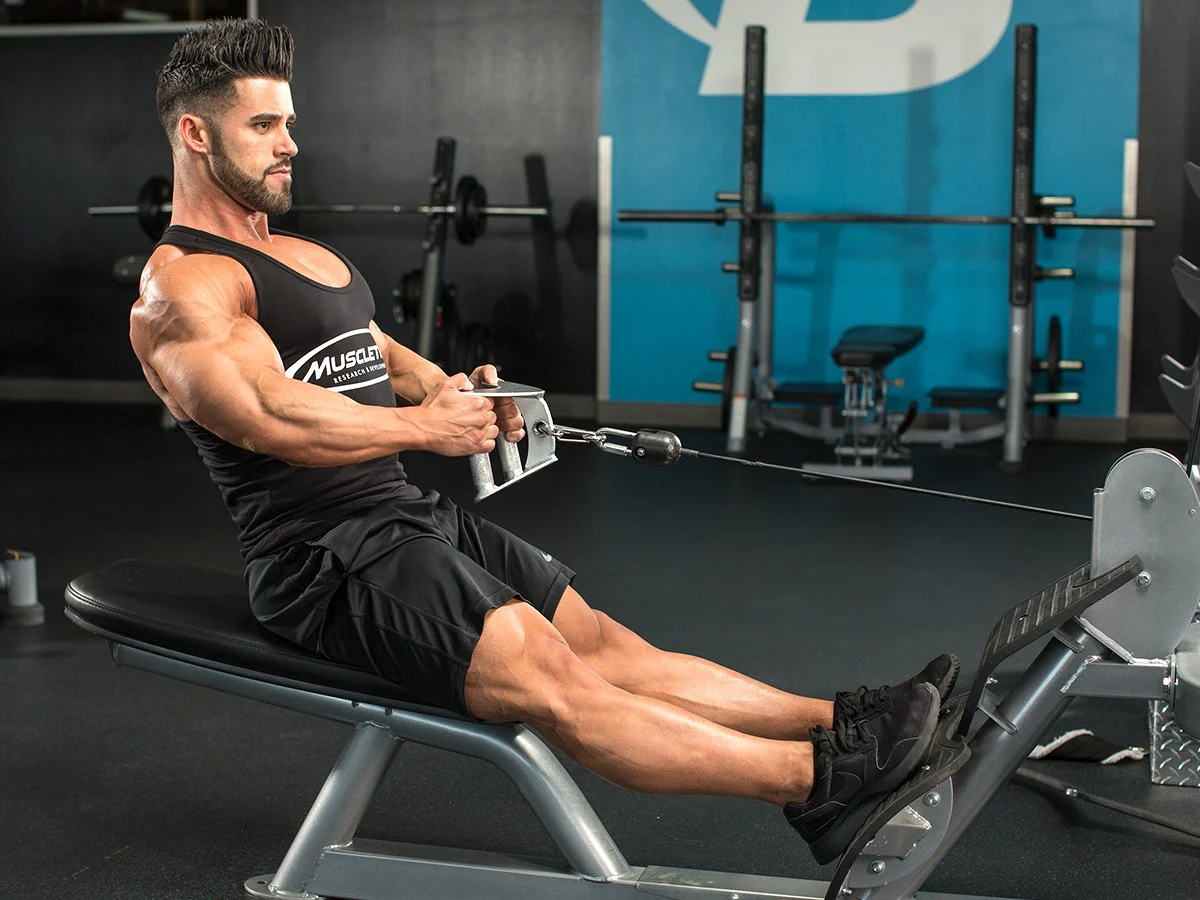
The seated cable row moves the upper arm backward toward the torso from a position in front of the body. It challenges the lats, rear shoulders and muscles around the shoulder blades while allowing the trunk to remain relatively stable. A closer elbow path often feels more lat-focused, while a wider elbow path may shift more demand toward the upper back. Neither is a complete isolation exercise.
Set the cable so the handle travels toward your lower ribs or upper abdomen. Brace the feet, sit tall and let the arms reach forward without collapsing the lower back. Pull by driving the elbows backward and finish where the shoulders remain comfortable. Pause briefly if needed to remove momentum, then let the arms lengthen again. A little natural shoulder-blade motion is useful; an aggressive backward body swing is not.
Barbell rows also build the back, but they demand more from the hip hinge and spinal erectors. If you already deadlift heavily, a seated or chest-supported row may help you accumulate back work without making lower-back endurance the limiting factor. That does not make machines inherently superior. It means choosing the exercise whose constraint fits your goal and recovery on that day.
A straightforward pull-day pairing is three sets of pulldowns followed by three sets of rows. Use eight to twelve repetitions for one movement and ten to fifteen for the other, or choose another controllable range. Keep your torso angle, handle and range consistent enough that a heavier load or extra rep represents real progress. When your back gets stronger, the log should tell a coherent story rather than a collection of incomparable personal records.
Use straight-arm work and chest support to solve real bottlenecks
When your biceps or lower back give out before your target back muscles, another heavy compound set is not always the best answer. Chest-supported dumbbell rows reduce the need to hold a bent-over torso. Set an incline bench at an angle that gives the arms clearance, keep the chest against the pad and row without bouncing. If the dumbbells strike the bench or you have to twist to finish, adjust the setup or use a supported machine.
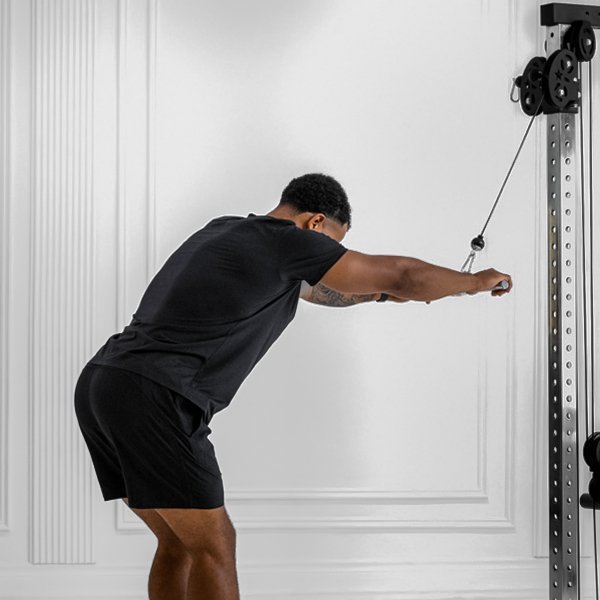
Straight-arm cable pulldowns offer a different way to challenge shoulder extension. Set a high pulley, take a bar or rope and keep a soft elbow bend as the arms sweep down toward the hips. The elbows should change angle relatively little, reducing the role of elbow flexion compared with a conventional pulldown. This can be useful when grip and biceps fatigue dominate your back work, but it is not a proven way to isolate a mythical lower-lat region.
Start with two or three sets of twelve to twenty controlled reps. Avoid turning the movement into a triceps pushdown by repeatedly straightening the elbows. Maintain a stable trunk and allow the shoulders to move through a comfortable arc. The exercise is usually best treated as an accessory rather than a contest to move the entire weight stack.
Do not add accessories simply because a workout feels too short. If your pulldowns and rows are progressing and you recover well, more variations may only make the session harder to repeat. Use a chest-supported row when the lower back limits training, or straight-arm work when the elbow flexors dominate. The best accessory solves a specific problem without stealing recovery from the main lifts.
Equipment Worth Exploring
Explore equipment, accessories and gear from our carefully selected range.

Power Tower
Freestanding pull-up and dip station with adjustable handles for bodyweight training.

GymPin Barbell Row Handle
Heavy-duty handle attachment for barbell, landmine and T-bar rows.

T-Bar Row Attachment
Welded barbell attachment that connects a D-handle bar for landmine and T-bar rows.


FID Bench MAX
Adjustable bench offering flat, incline, and decline positions + adjustable headrest.


Leather Lifting Straps
Padded leather straps support grip during heavy rows, deadlifts and pulling exercises.

Leather Wrist Grips
Padded leather lifting grips help support the hands and wrists on heavy pulling exercises.
GymPin D Cuffs
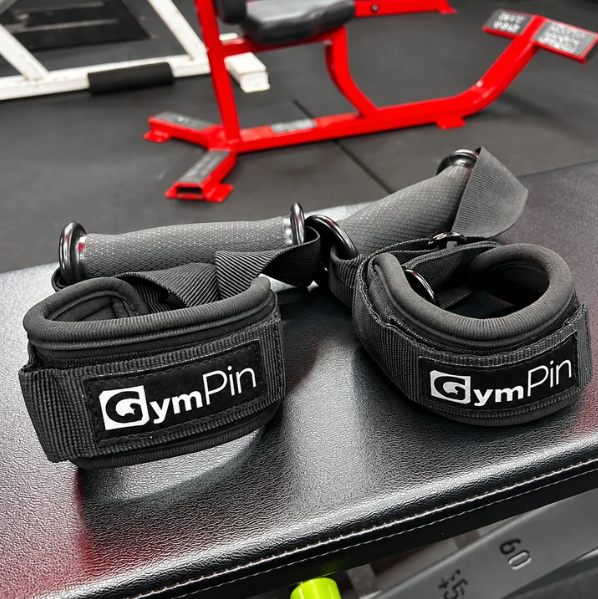
Adjustable wrist cuffs with textured grips for supported cable-machine exercises.
Pull-ups, straps and grip fatigue: choose the right challenge
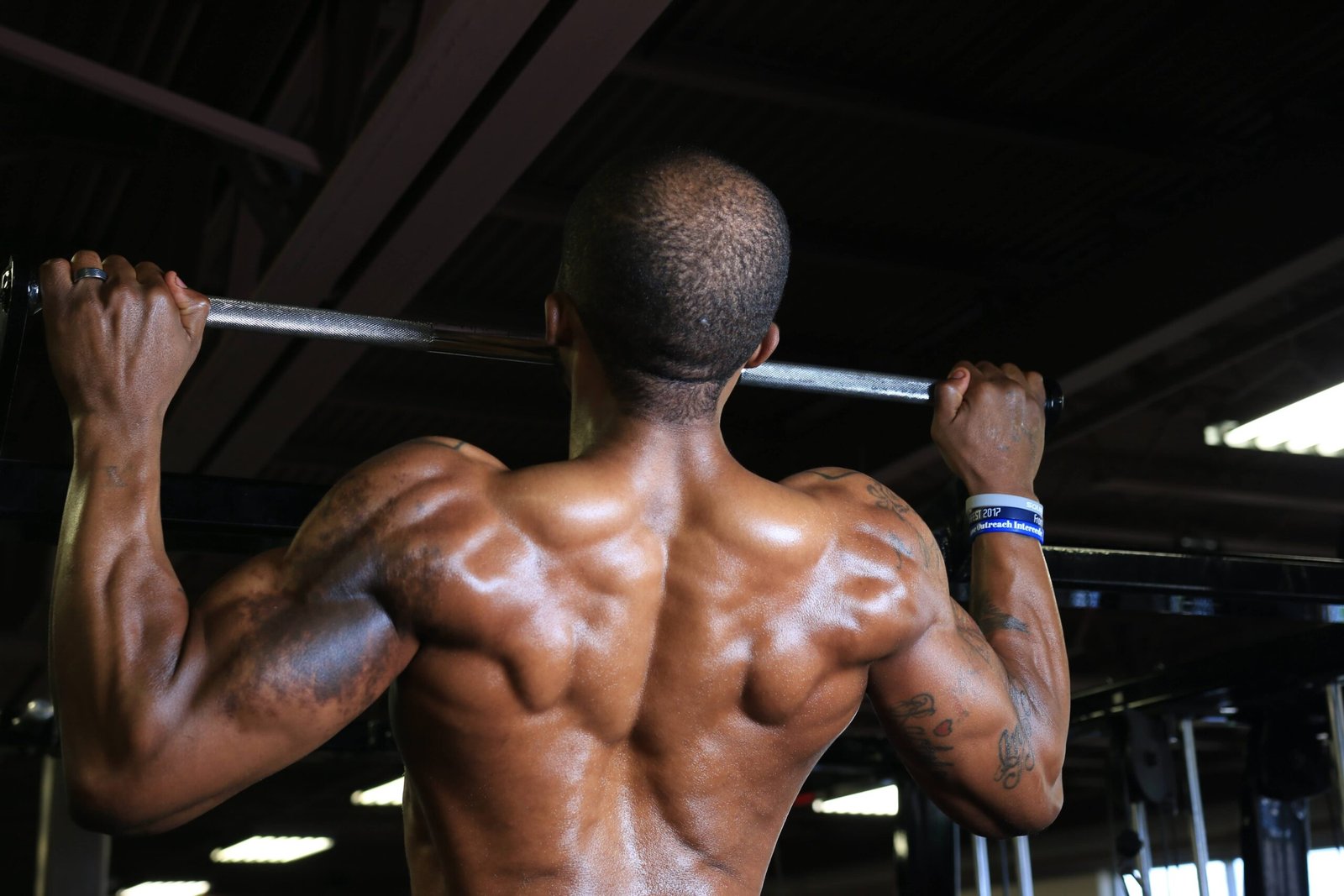
Pull-ups are an excellent vertical pull, but body mass determines much of the starting resistance. A heavy athlete may struggle to accumulate enough clean repetitions for productive hypertrophy volume, even with strong lats. A pulldown allows finer load adjustments, while pull-ups provide a useful bodyweight strength benchmark. You can train both without declaring one universally better.
Start a pull-up from a controlled hang that your shoulders tolerate, brace the trunk and pull without swinging the legs. End the set before the next repetition would require a large kip or a sharply reduced range. If you cannot perform several clean reps, use an assisted machine or band and reduce assistance gradually. If fifteen clean reps are easy, adding external load may be more useful than chasing very long sets.
Grip fatigue is another variable. Straps can let you continue training the back when your hands would otherwise fail first on rows or pulldowns. They do not need to replace every unassisted set. Keep some strap-free work if grip strength matters to you, and use assistance on high-volume sets where the lats are the target. The same principle applies to specialized handles: use them because they improve control or comfort, not because the shape guarantees a new muscle stimulus.
If your priority is a bigger back, you can begin with pulldowns, continue with rows and add pull-ups later when technique remains solid. If pull-up strength is the goal, put pull-ups first while fresh. Exercise order should follow your objective and the quality of work you can perform, rather than an arbitrary rule about which movement looks more impressive.
Calisthenics Shirts & Street Workout Gear
Calisthenics and bodyweight-training gear for pull-ups, dips, handstands and street-workout athletes.


Always Pull Yourself Up Funny Gym T
Heavy lifts, good laughs, and a little “Always Pull Yourself Up” energy.

Shirt – Calisthenics Heartbeat Gymbros & Meme Lovers T-Shirt
Bring “Calisthenics Heartbeat” humor to your next gym day.

Be Stronger Than Your Excuses – Motivational T-Shirt
Rep “Be Stronger Than Your Excuses” humor in and out of the gym.


Calisthenics Evolution
Show some lifting attitude with a playful “Calisthenics Evolution” tee.


Shirt – Lord Of The Calisthenics Rings – Meme T-Shirt
Rep “Lord of the Calisthenics Rings” humor in and out of the gym.

Hero Spider-Man Comic Book Meme Pullups & Gains T-Shirt
Make gym days more fun with “Gym Hero Spider-Man” style.
A six-week back plan with simple, measurable progression
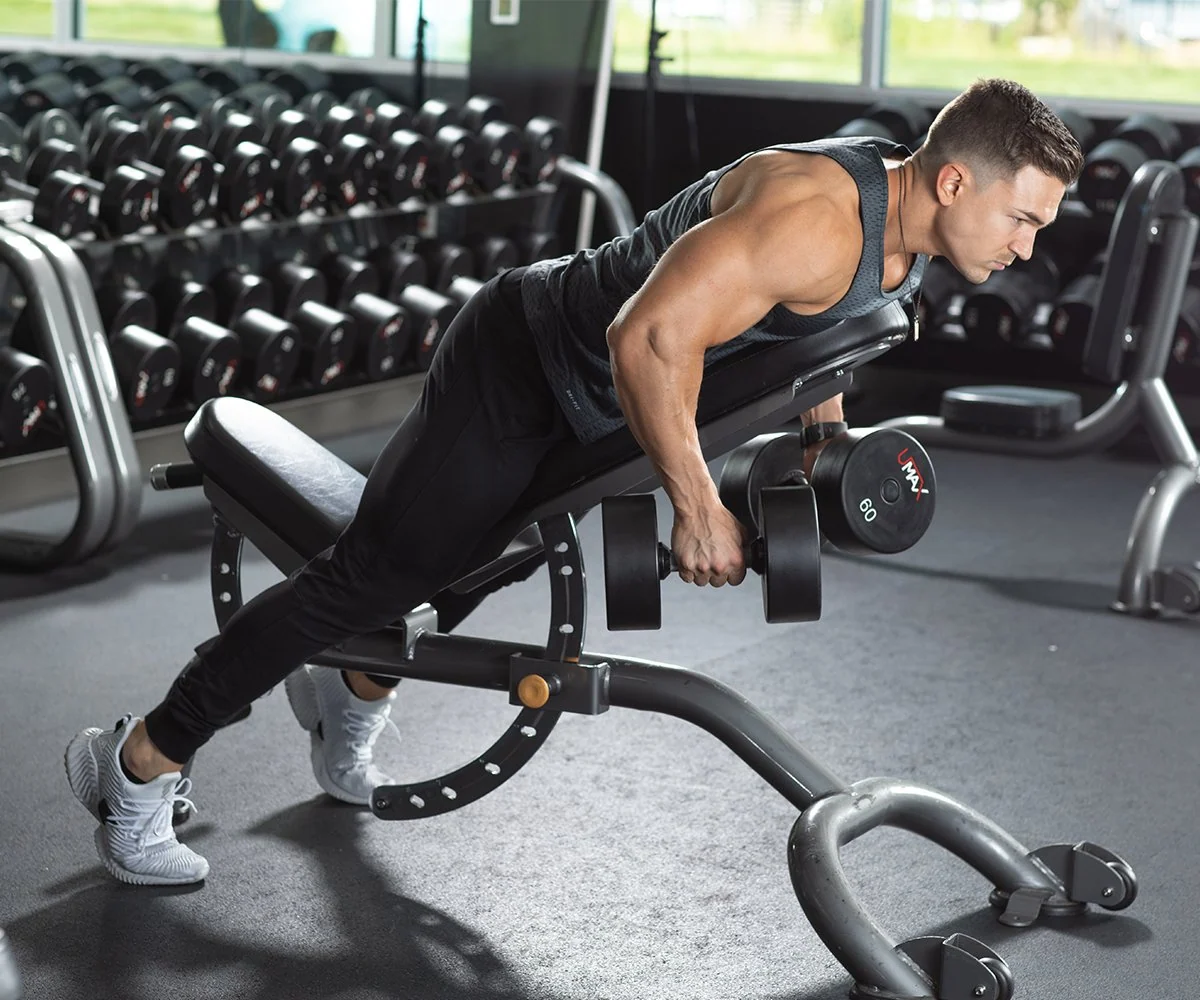
Train the back twice weekly with at least a day of recovery between demanding sessions. Begin with a few lighter warm-up sets and use working weights that leave one to three good reps in reserve on most sets. The program below is a starting point for healthy lifters, not a rigid requirement. If you also deadlift heavily or perform other pulling work, reduce the accessory volume to fit your recovery.
Day A emphasizes vertical pulling. Perform three sets of eight to twelve lat pulldowns, three sets of eight to twelve chest-supported dumbbell rows and two sets of twelve to twenty straight-arm cable pulldowns. Rest around two minutes after demanding compound sets and about a minute after lighter accessories, extending rest if your rep quality deteriorates. Keep the same pulldown attachment throughout the first block.
Day B emphasizes rows and pull-up performance. Perform three sets of five to ten assisted, bodyweight or weighted pull-ups, three sets of ten to fifteen seated cable rows and two sets of ten to fifteen single-arm cable pulldowns per side. If pull-ups are not practical, use a second comfortable pulldown variation. The goal is to cover vertical and horizontal pulling without forcing every set to failure.
Weeks one and two establish your baseline: record load, reps, range and attachment settings. During weeks three and four, add reps within the chosen range while keeping technique consistent. When all sets reach the top of the range with control, increase the load by the smallest practical increment and return to the lower end. In weeks five and six, maintain the variations that are progressing and audit recovery. If your elbows, grip or lower back repeatedly limit the session, change one exercise rather than rewriting the entire program.
Evaluate four outcomes: completed repetitions, load, consistent technique and readiness for the next session. A wider back is built over months, not proven by one workout pump or a short-term muscle-activity reading. Choose repeatable work, progress it and let the long-term results decide.