Arm strength after 55 is not a contest to see how many push-ups you can grind out. It is a way to keep everyday movements comfortable, preserve independence and build a stronger foundation for whatever activities you enjoy. Six simple bodyweight exercises can introduce pushing, shoulder control and coordination, but they do not all train the same thing — and they leave important gaps.
Here is a practical way to use bodyweight movements without pretending that every exercise is right for every shoulder. We will separate mobility from progressive strength, add the missing pulling work, and build a two-day plan that can grow with you. The approach is suitable for many healthy adults starting or returning to resistance exercise, with individual modifications where necessary.
1. After 55, arm strength is about capability, not just size
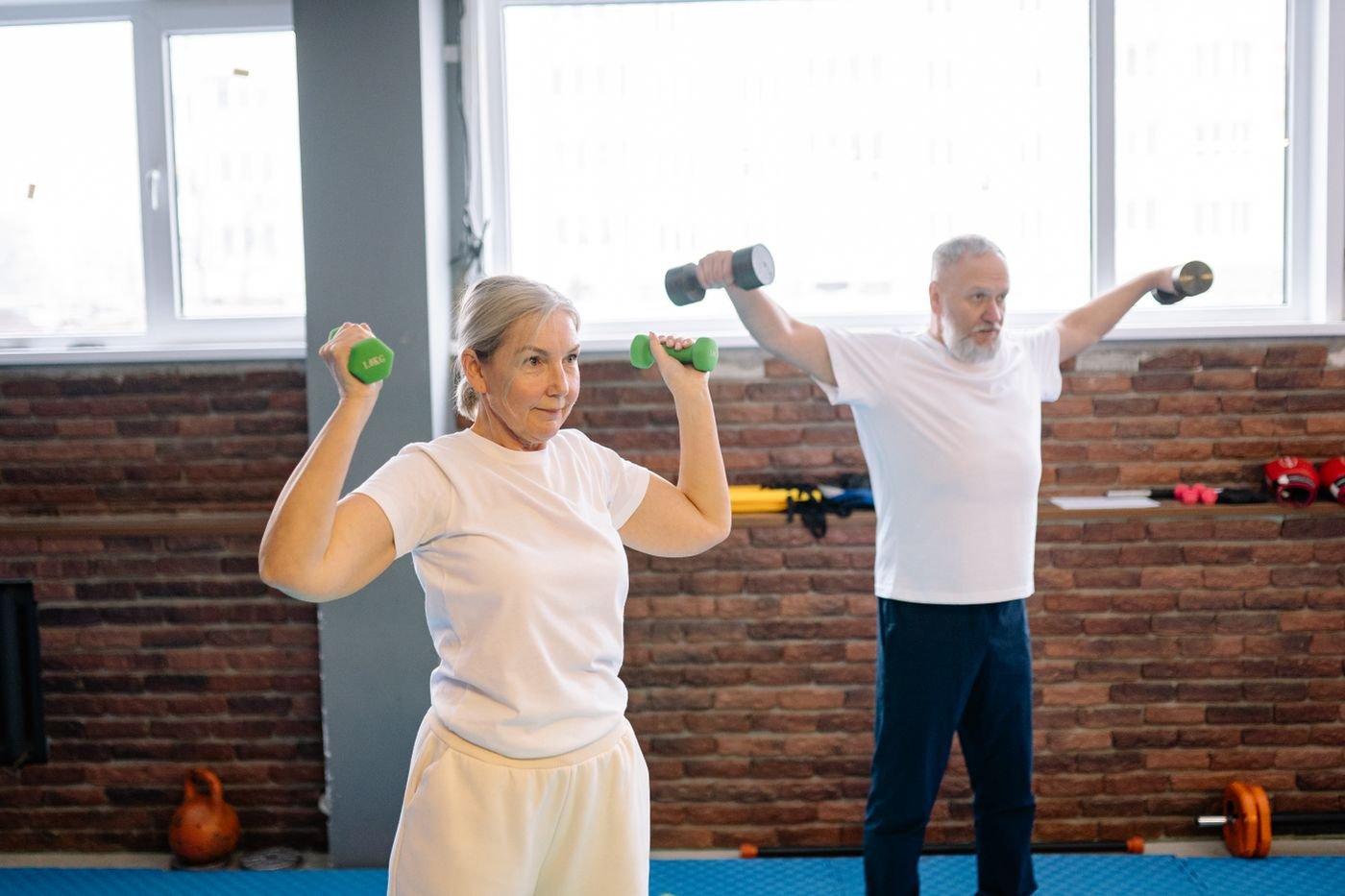
Arm training is often marketed as a route to bigger biceps. For adults in their mid-fifties and beyond, a more useful question is whether the upper body can still push, pull, carry and stabilize confidently. Getting up from a low seat, placing a bag on a shelf, lifting groceries and controlling a stumble all depend on several muscle groups working together. An exercise can feel hard without preparing you equally well for every one of those tasks.
Age-related reductions in muscle mass and strength are common, but they are not an unavoidable instruction to stop improving. Progressive resistance exercise remains effective in later life. A synthesis of 42 randomized trials involving 3,728 older adults with sarcopenia found that resistance exercise, alone or combined with other activity and nutrition strategies, improved several meaningful outcomes. Those trials do not prove that six bodyweight arm exercises will reproduce every benefit; they establish why structured resistance matters.
The sensible goal is to preserve options. A person who can do eight controlled incline push-ups, carry two shopping bags and perform an easy pulling movement has a broader base than someone who can only hold a long plank. Start with repeatable movements and record progress. If joint discomfort, frailty or a medical condition complicates training, individual assessment matters more than a generic age-based prescription.
2. Six bodyweight movements: useful tools, different jobs
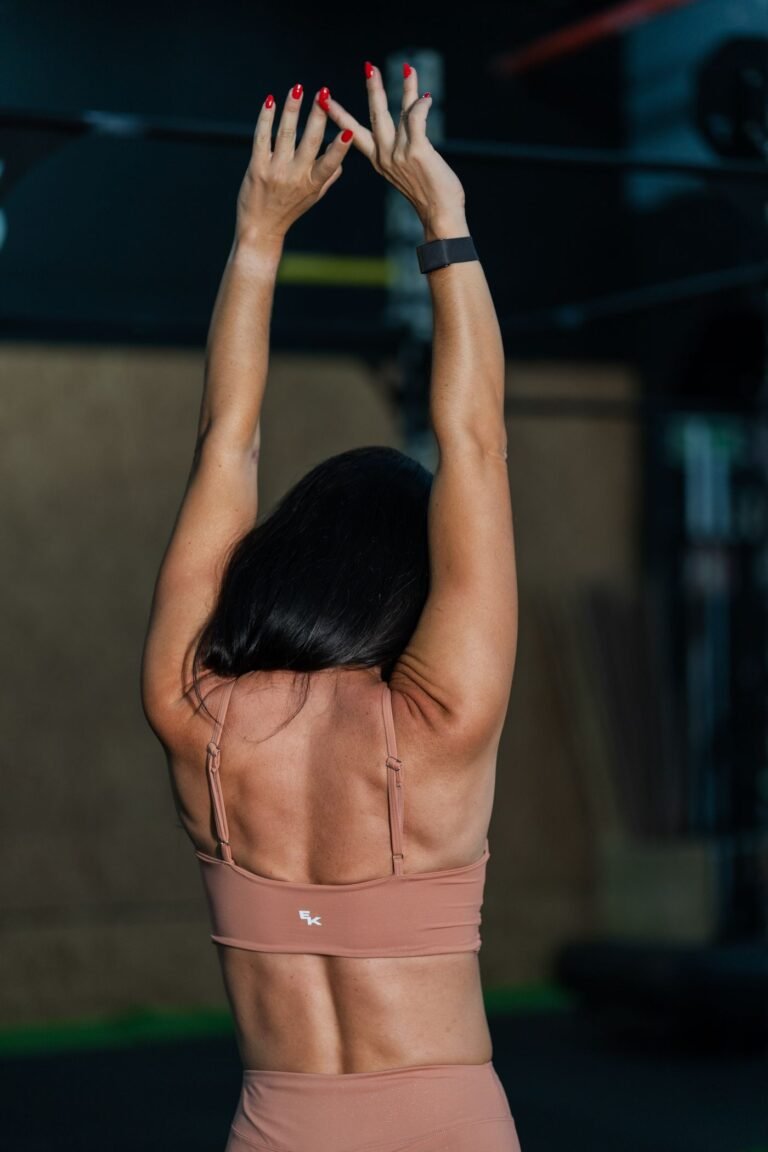
A standing Y-T-W sequence asks the shoulder blades and upper-back muscles to coordinate with the arms. It is a light movement-quality drill, not a substitute for progressive heavy rowing. Wall or countertop push-ups train a horizontal push pattern; moving the hands lower gradually raises the challenge. Shoulder taps add anti-rotation control while one arm briefly supports the torso, although their balance demand can exceed their arm-strength demand.
A reverse plank challenges shoulder extension, trunk stiffness and posterior support. It may be uncomfortable for people who dislike loading the shoulder behind the body, so a short bridge or another supported drill can be a better starting point. Chair or bench dips also place the shoulder in extension and can irritate some shoulders; they are optional rather than mandatory. A boxing-style jab-and-cross sequence can build coordination and local endurance, but punching the air is not a direct replacement for loaded elbow flexion.
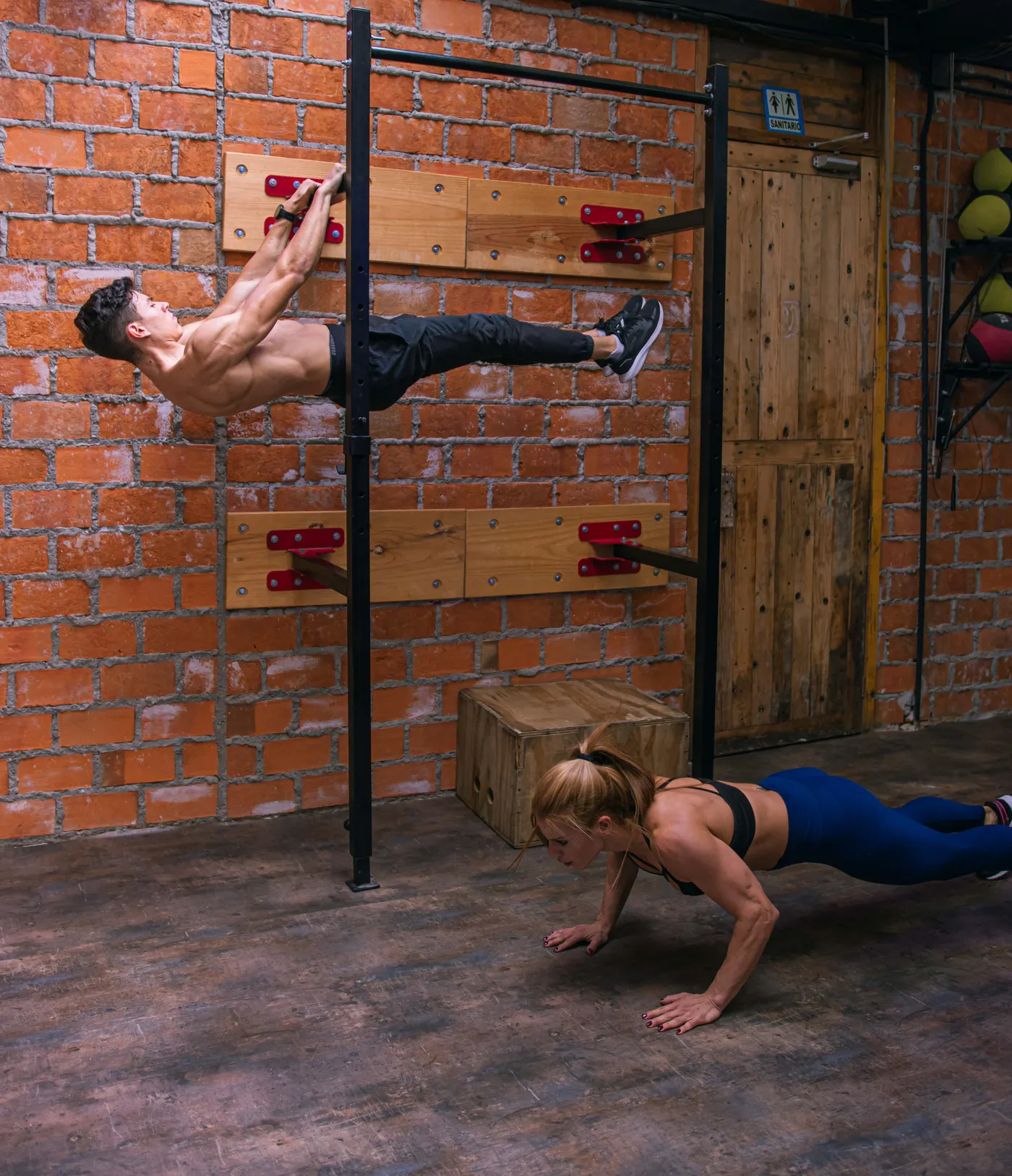
Notice the pattern: most of these choices emphasize pushing or stabilization. They offer relatively little progressive pulling resistance for the upper back and biceps. That does not make them bad exercises; it means a complete strength plan should not be defined by a list of arm movements alone. For a beginner, select two pushing patterns, one gentle coordination drill and one pulling option instead of trying to complete every exercise every day.
Choose an appropriate version by asking whether you can complete each repetition smoothly, keep breathing, and stop with two or three controlled repetitions still possible. A technically sound set of six is more useful than a shaky set of twenty. The exercise’s name matters less than the force you can safely produce through a consistent range.

Equipment Worth Exploring
Explore equipment, accessories and gear from our carefully selected range.


Power Tower
Freestanding pull-up and dip station with adjustable handles for bodyweight training.
VOLTRA
Compact digital cable trainer with smooth, adjustable resistance.

Go-Tone Pro
Portable digital cable trainer with up to 66 lb (30 kg) of adjustable resistance.
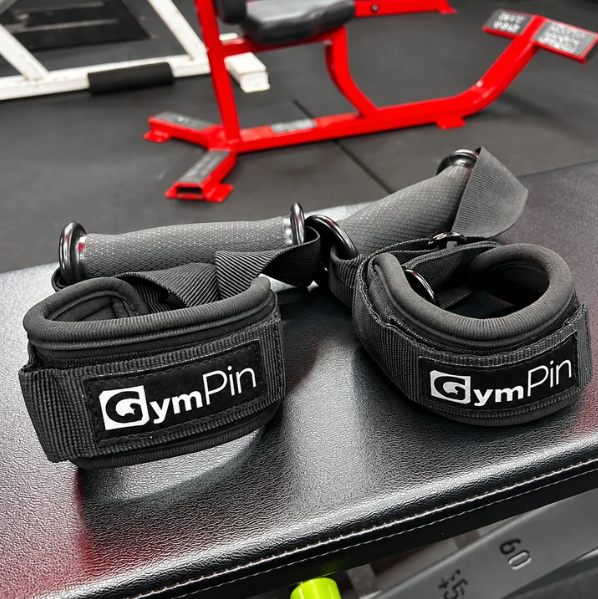
GymPin D Cuffs
Adjustable wrist cuffs with textured grips for supported cable-machine exercises.


GymPin Ergo Handles
Pair of ergonomic cable handles shaped for comfortable triceps and pulling exercises.

3. Make push-ups, taps and dips fit your shoulders
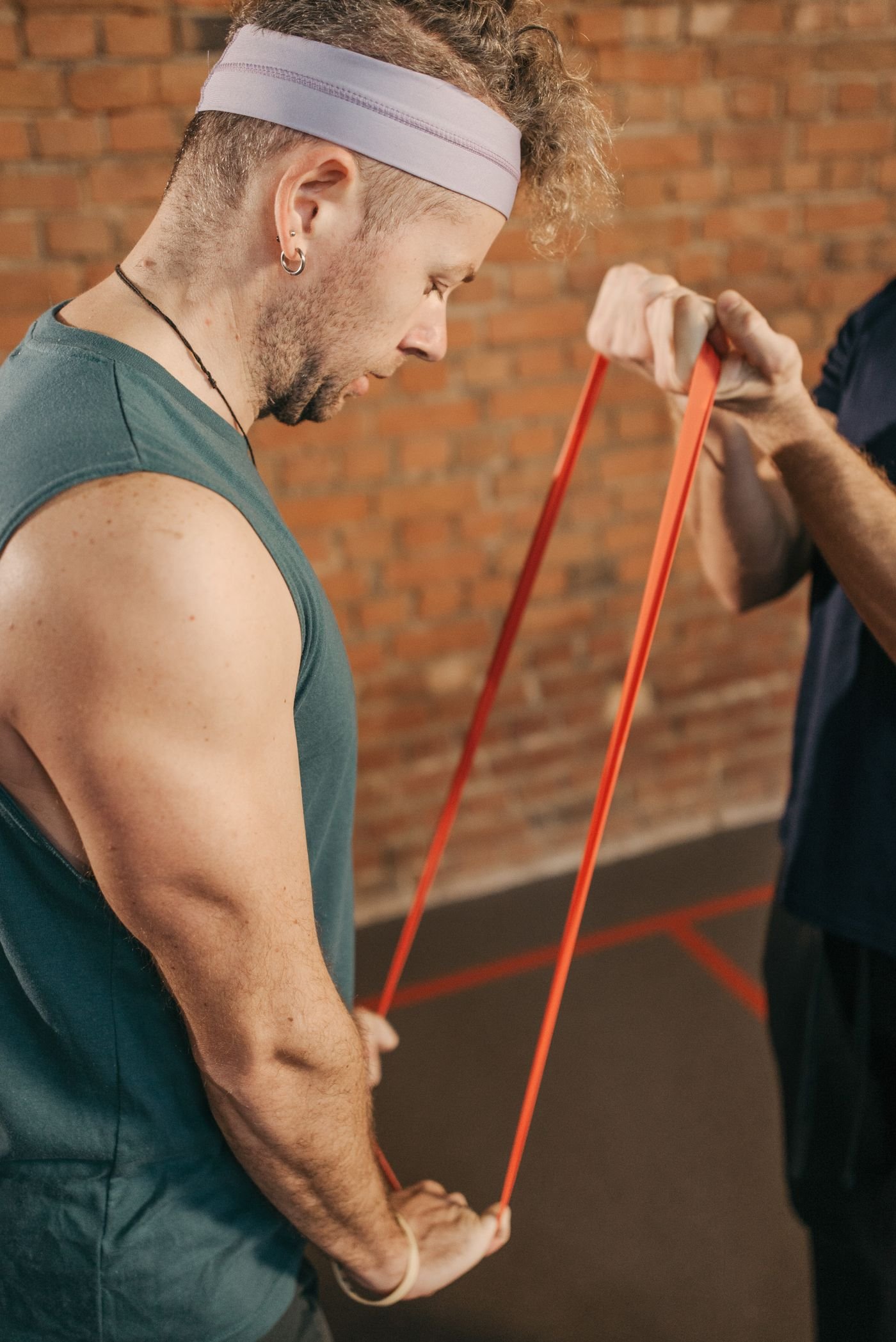
Push-ups are scalable without any special equipment. Start against a wall, move to a stable counter, then a sturdy bench and finally the floor as strength improves. Keep the ribs and pelvis moving together, allow the shoulder blades to move naturally and choose a hand position that does not provoke pain. A narrow hand position can increase the elbow-extension challenge, but forcing the hands together is unnecessary.
Shoulder taps are easier with hands on a high support and feet wider apart. Touch the opposite shoulder slowly while resisting trunk rotation. If the wrists are uncomfortable, use neutral-grip handles or return to a simpler incline hold. The purpose is controlled weight transfer, not a race to complete taps. Reverse planks are optional; a supported standing shoulder-extension drill may be a more tolerable way to explore the movement.
Dips deserve a separate caution. Lowering the body far below a bench can place substantial load on the front of the shoulder, particularly when the upper arm travels well behind the torso. Someone with previous shoulder symptoms should not assume that dips are a necessary part of healthy aging. A wall push-up, incline push-up or cable press can provide a more adjustable pressing challenge. Stop any movement that produces sharp, worsening or lingering pain, and seek appropriate clinical guidance when symptoms persist.
A practical test is to film one side-view set at the easiest useful level. Look for a stable trunk, repeatable elbow path and consistent depth. If the last repetition becomes a different exercise, shorten the set. Increase difficulty only after the current variation is comfortable and controlled across multiple sessions.

Calisthenics Shirts & Street Workout Gear
Calisthenics and bodyweight-training gear for pull-ups, dips, handstands and street-workout athletes.

Funny Calisthenics Gym Hooded Pullover for Bodyweight L Hoodie
Bring “Calisthenics” gym humor to lazy days and post-workout plans.

T-Rex Hates Push Ups Decal for Water Bottles Laptops Ca Sticker
Put “T-Rex Hates Push Ups” gym humor on your laptop, bottle, or gym gear.


Pull Up Not Out Hoodie
Show off your bodybuilding humor in a laid-back “Pull Up Not Out” hoodie.

Be Stronger Than Your Excuses – Motivational T-Shirt
Rep “Be Stronger Than Your Excuses” humor in and out of the gym.


Calisthenics Heartbeat Tank
Add some lifting attitude to training with “Calisthenics Heartbeat”.

Always Pull Yourself Up Tank
Show some personality between sets with “Always Pull Yourself Up”.

Big Dip Energy Hooded Pullover for Calisthenics Dips Fa Hoodie
Show off your lifting humor in a laid-back “Big Dip Energy” hoodie.

4. Add pulling and grip work to complete the picture
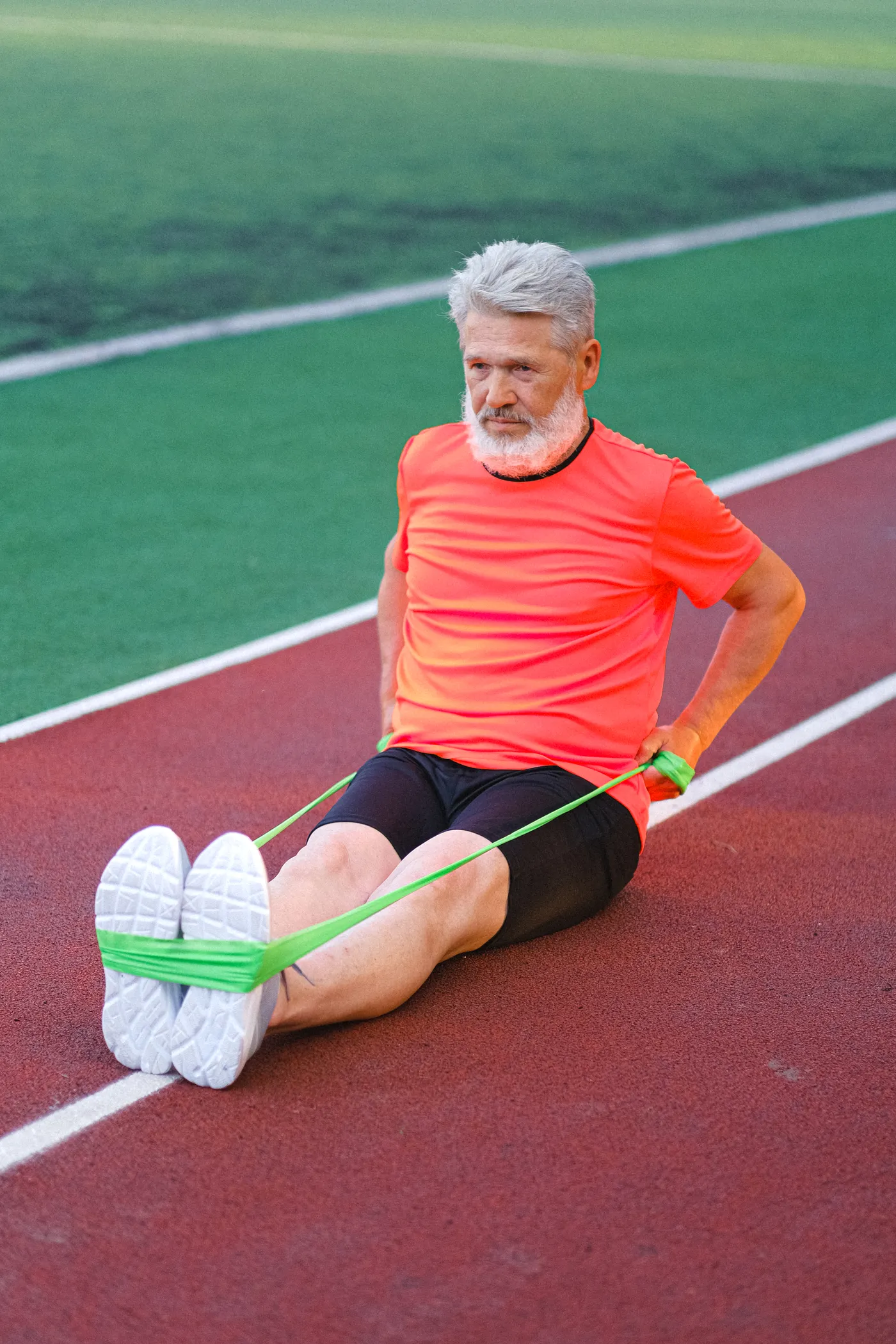
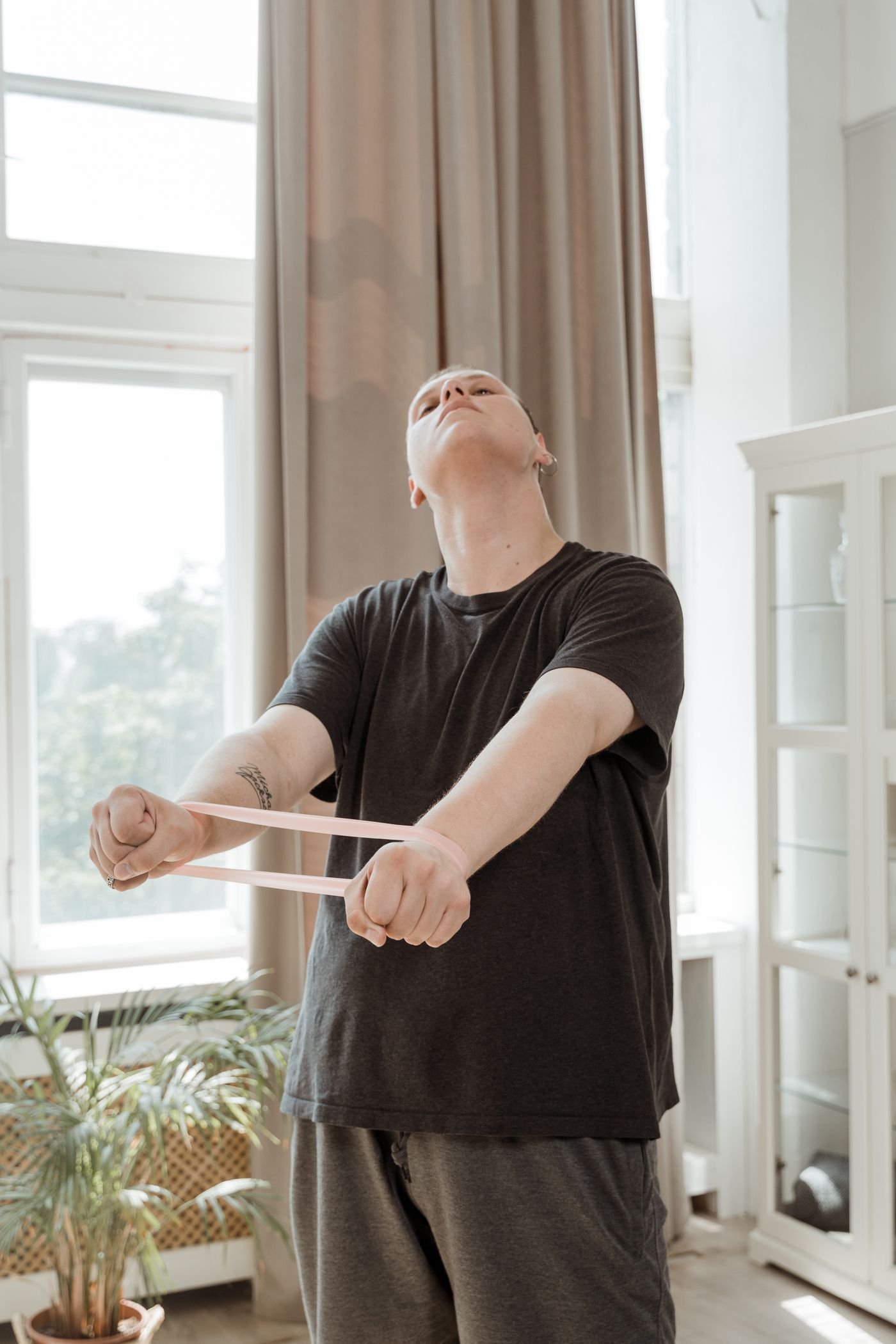
Arm training that only pushes leaves a major gap. Rows, pulldowns and supported curls expose the elbow flexors and back to a different direction of force. A resistance band anchored securely at chest height can provide a basic row; a cable machine makes the load easier to quantify; a dumbbell row offers a simple alternative. Use a stable support, draw the elbow back without twisting the trunk and pause briefly before returning.
For a new lifter, two sets of eight to twelve smooth rows can be enough to learn the pattern. Choose resistance that makes the final repetitions challenging but does not require shrugging or jerking. If gripping a handle is difficult, adjust its thickness or use a comfortable neutral grip rather than forcing the wrist into an awkward position. A light hammer curl can complement rows when elbow flexion strength is a specific goal.
Carrying objects is another overlooked upper-body task. Short suitcase carries challenge grip, shoulder stability and trunk control. Start with a load you can walk with safely for twenty to thirty seconds without leaning. Alternating sides is useful, but not if balance is uncertain. A stationary hold next to a stable support can be the better first step.
Resistance training should address the whole body, not just arms. Stronger legs, hips and trunk support everyday tasks and help preserve independence. A pair of upper-body exercises is an excellent entry point; it should eventually become part of a balanced program. Adults who already have pain, recent surgery or neurological limitations may need a tailored exercise selection.
5. A realistic two-day upper-body strength plan
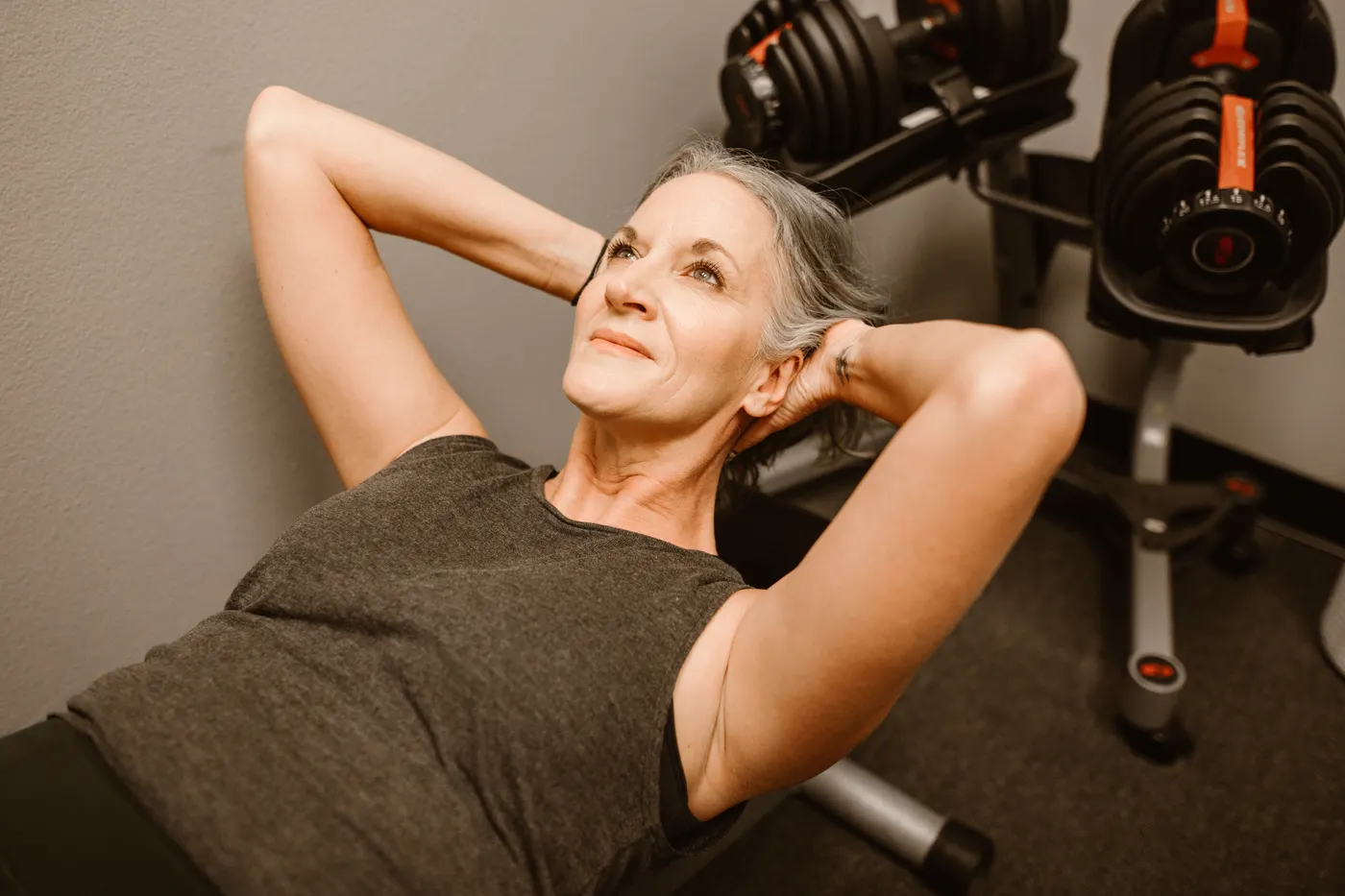
Two sessions per week provide a manageable starting schedule. Leave at least one day between demanding upper-body sessions, and include walking or other comfortable activity on additional days. A short warm-up can consist of two minutes of easy movement, five gentle shoulder circles each way, and one easy practice set of the first exercise. Warm muscles are useful, but an exhausting warm-up is not required.
Day A — push and pull: Perform an incline push-up for two sets of six to ten controlled repetitions; a supported row for two sets of eight to twelve; a standing Y-T-W sequence for one or two sets of five slow repetitions per position; and a comfortable suitcase hold for two twenty-second intervals per side. Rest about one to two minutes between strength sets, or longer if breathing and technique have not recovered.
Day B — stability and arm work: Perform an incline push-up or light chest press for two sets of six to ten; a band or cable row for two sets of eight to twelve; a neutral-grip curl for one or two sets of eight to twelve; and elevated shoulder taps for one or two sets of four to eight touches per side. Finish with a gentle walk or easy mobility if desired. Keep each exercise at a level where you can finish with good control.
If only bodyweight equipment is available, the row remains the hardest pattern to replace. Use a properly installed and rated suspension trainer, an appropriate fixed bar or a safe resistance-band anchor. Never improvise a pulling anchor with an unstable door, loose furniture or an unsecured railing. The goal is a repeatable twenty- to thirty-minute workout, not an impressive-looking collection of exercises.
Equipment Worth Exploring
Explore equipment, accessories and gear from our carefully selected range.


FID Bench MAX
Adjustable bench offering flat, incline, and decline positions + adjustable headrest.



Long Tricep ERGO Ropes
Extended triceps ropes with ergonomic grips for cable pressdowns and overhead extensions.
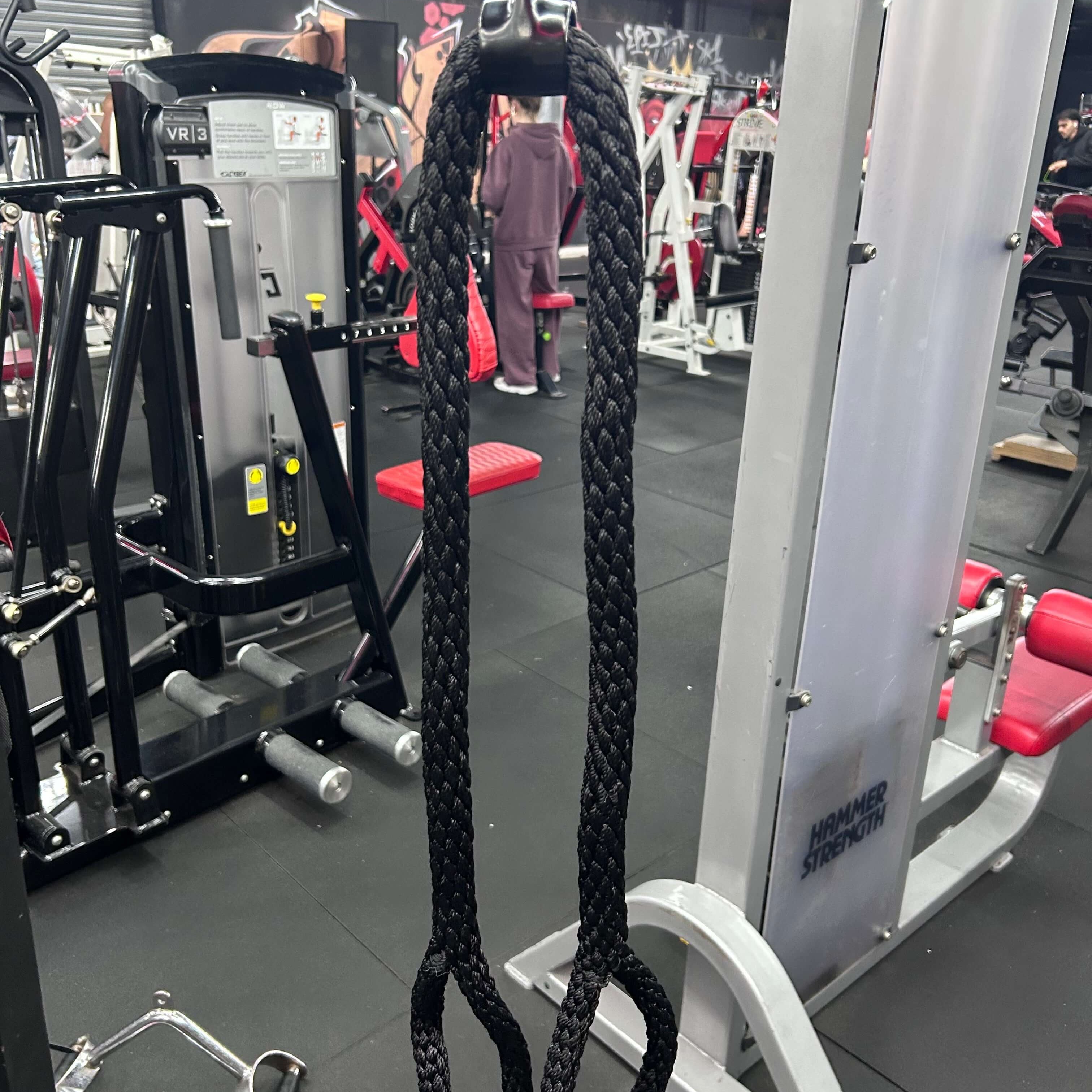
Super Long Tricep Rope
Extra-long looped cable rope for triceps pressdowns and overhead extensions.
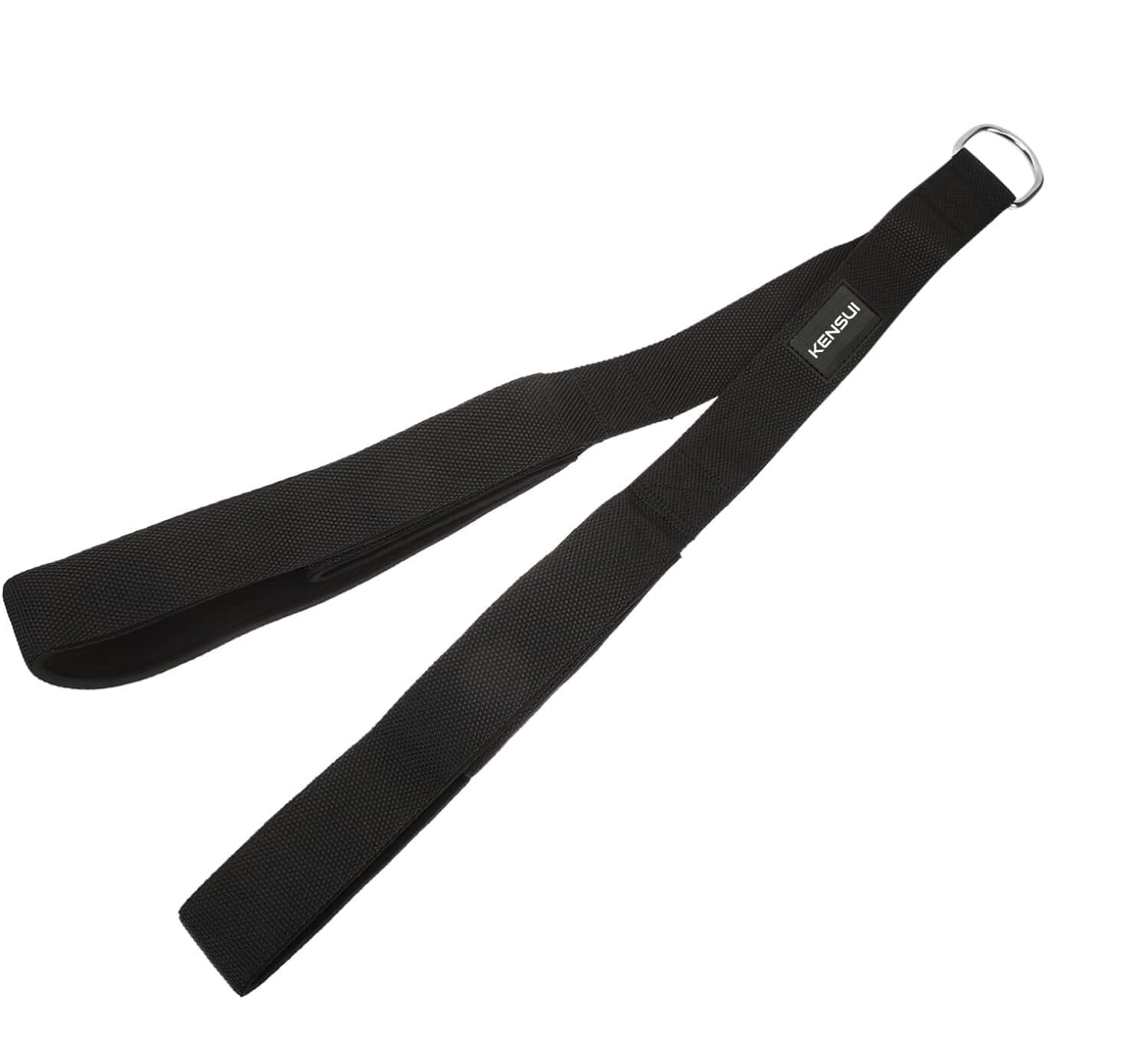
Multi-Length Tricep Strap
Adjustable-length cable strap for triceps, biceps and upper-body cable exercises.

6. Progress the load without chasing pain or exhaustion
Bodyweight training becomes strength training when difficulty progresses in a measurable way. For an incline push-up, that can mean moving the hands slightly lower after you can complete two sets of ten with consistent depth and no troublesome symptoms. For rows, increase band tension, cable resistance or dumbbell load modestly. For carries, add a few seconds before adding weight. Only change one variable at a time so you know what caused a response.
A useful effort target is to finish most sets with roughly two to three repetitions in reserve. That is an estimate, not a laboratory measurement. Older adults can train hard, but there is no prize for turning every set into a maximal test. The first two weeks should prioritize movement confidence, stable technique and recovery. The third and fourth weeks can introduce slightly more challenge when the first two were tolerated.
Research comparing resistance-training intensities in older adults with sarcopenia has found benefits across several approaches, with moderate-to-vigorous work producing larger improvements for some muscle and physical-function outcomes. That does not mean every beginner should immediately lift heavy. It means an exercise that never becomes more demanding may eventually stop providing enough stimulus. Progressive loading should be individualized.
Separate normal muscle effort from warning signs. Local muscular fatigue that resolves with rest is different from sharp joint pain, dizziness, chest discomfort or new neurological symptoms. Stop and seek medical advice for concerning symptoms. If discomfort persists into the next session, reduce the range, resistance or volume and consider professional assessment instead of pushing through.
7. A four-week scorecard for strength that lasts
Record a few simple measures at the first session: the height of the surface used for push-ups, controlled repetitions per set, row resistance, how long you can hold a carry, and whether the following day feels normal. You do not need a maximal test. Repeating the same submaximal task under similar conditions provides more actionable information than constantly changing exercises.
Week 1: Learn four to six movements, choose conservative resistance and identify comfortable ranges. Week 2: Keep the same movements and add one controlled repetition where possible. Week 3: If the upper repetition target is met, make one exercise slightly harder, such as a lower incline or a marginally heavier row. Week 4: Repeat the original measurements and assess recovery, confidence and technique as well as repetitions.
Progress is not always linear. Sleep, medication changes, stress, illness and ordinary daily activity can affect performance. A temporary plateau is not proof that the plan has failed. If recovery is poor, hold the difficulty steady for another week. If a variation remains painful, substitute a more comfortable movement and continue training the underlying pattern where appropriate.
The central lesson is simple: bodyweight arm exercises can be an excellent on-ramp after 55, especially when they make training accessible. But six moves do not automatically cover every upper-body function. Pair pushing with pulling, add sensible progression, train the rest of the body and use consistency rather than exhaustion as the measure of a good program.
Bodybuilding Shirts & Workout Gear
Bodybuilding shirts, tanks and gym gear for lifters chasing muscle, size, symmetry and the pump.

Consistency Is Key Stoic Greek God Marble Sculpture T-Shirt
Make gym days more fun with “Consistency is Key Stoic Greek God Marble” style.

Every Day Is Arm Day
Make gym days more fun with “Every Day is Arm Day Octopus Gym Meme” style.


Big Biceps Theory & Weightlifting Bro Science Hoodie
Stay casual and show some lifting attitude with “Big Biceps Theory”.

Welcome To The Gun Show Bro Meme Huge Arms Tank Top
Train hard, laugh a little, and rep “Welcome to the Gun Show”.


OnlyGains Big Biceps Sweater & Meme Fans T-Shirt
Bring “OnlyGains Big Biceps” humor to your everyday gym style.

I Love Gym Bicep Heart Shirt | Swole Heart Valentine's T-Shirt
Bring “I Love Gym Bicep Heart” humor to your next gym day.


Dost Thou Even Curl Tank
Bring “Dost Thou Even Curl Medieval Knight Bicep” humor to your next lifting session.