One Rectus Abdominis, Not Two Independent Sets of Abs
The fitness industry often presents the midsection as two separate targets: upper abs for crunches and lower abs for leg raises. The visible six-pack can encourage that interpretation because horizontal tendinous intersections divide the surface into distinct blocks. But the rectus abdominis is a paired, elongated muscle running between the rib cage and pelvis. Those intersections do not turn the blocks into independently switchable muscles.
That anatomy changes how we should think about exercise selection. You can alter the mechanical demands on different regions without completely switching off the rest of the muscle. A curl-up, a reverse crunch and a controlled hanging knee raise can feel different because they change body position, leverage, pelvic movement and the contribution of other muscles. Feeling a burn below the navel is not direct proof that only lower fibers are active, much less that they will grow faster.
The abdominal wall also includes the obliques and deeper muscles that help control the trunk. Hip flexors contribute to many movements marketed as lower-ab exercises. The most productive question is not which exercise magically isolates one row of the six-pack. It is which movement you can perform consistently, challenge progressively and recover from alongside your main strength training.
There is another distinction that matters for physique goals: training a muscle and uncovering it are different tasks. More reverse crunches cannot selectively remove the fat over the lower abdomen. Visible definition reflects overall body composition, individual fat distribution, muscle development and even lighting. Progressive abdominal training may build strength and muscle thickness, but it does not create regional fat loss.
For a compact home gym, this is reassuring. You do not need separate upper- and lower-ab machines. A mat, a stable hanging station, a cable and one free weight can provide more than enough ways to progress. The objective is a small collection of well-executed movements, not an expensive catalog of mythical muscle subdivisions.
Crunches, Reverse Crunches and the Importance of Pelvic Tilt
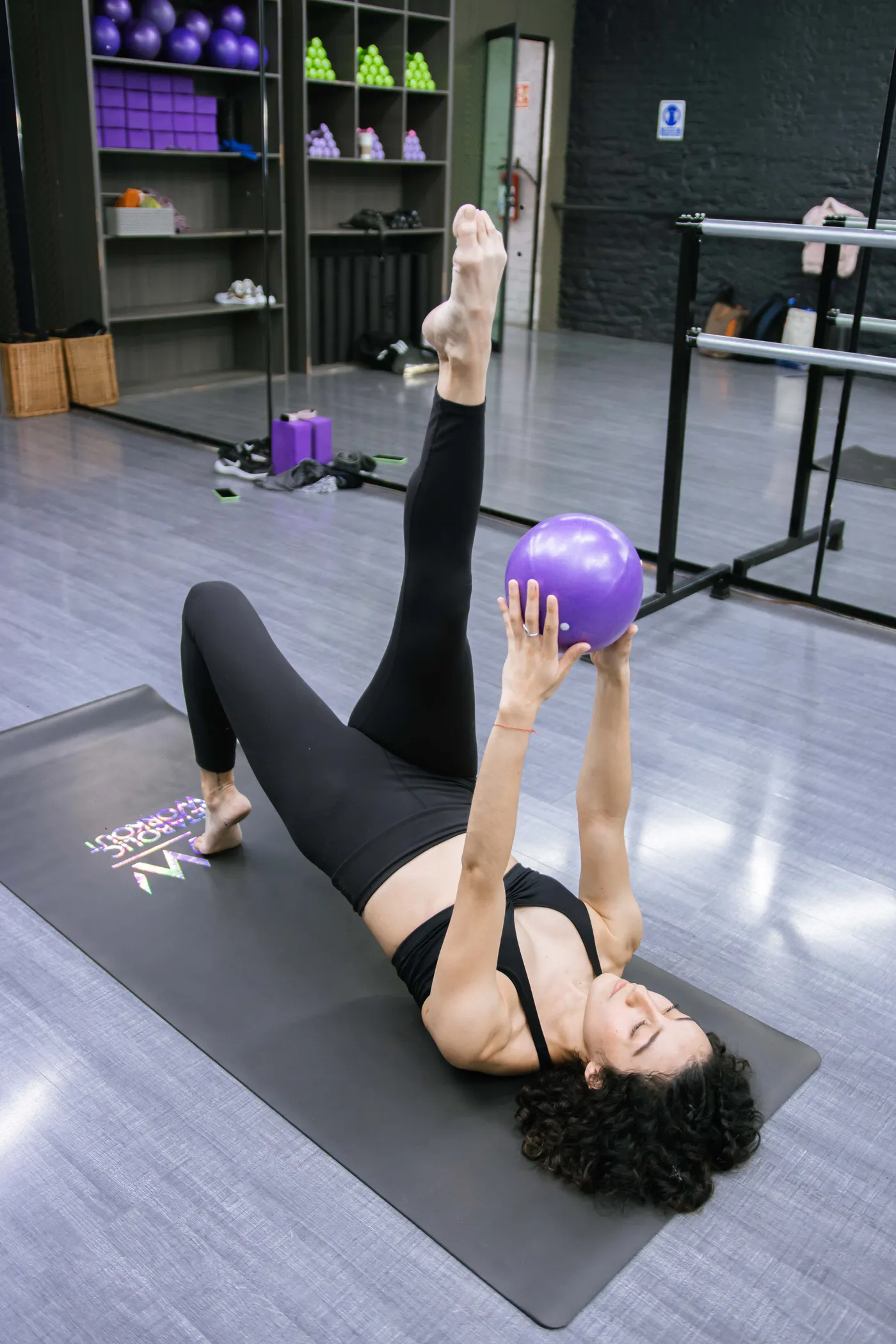
A standard crunch moves the rib cage toward the pelvis. A reverse crunch brings the pelvis toward the rib cage. Both can challenge the rectus abdominis through spinal flexion, but the moving end, resistance and lever length differ. That difference may change where the effort is greatest, without making either movement an exclusive regional isolation exercise.
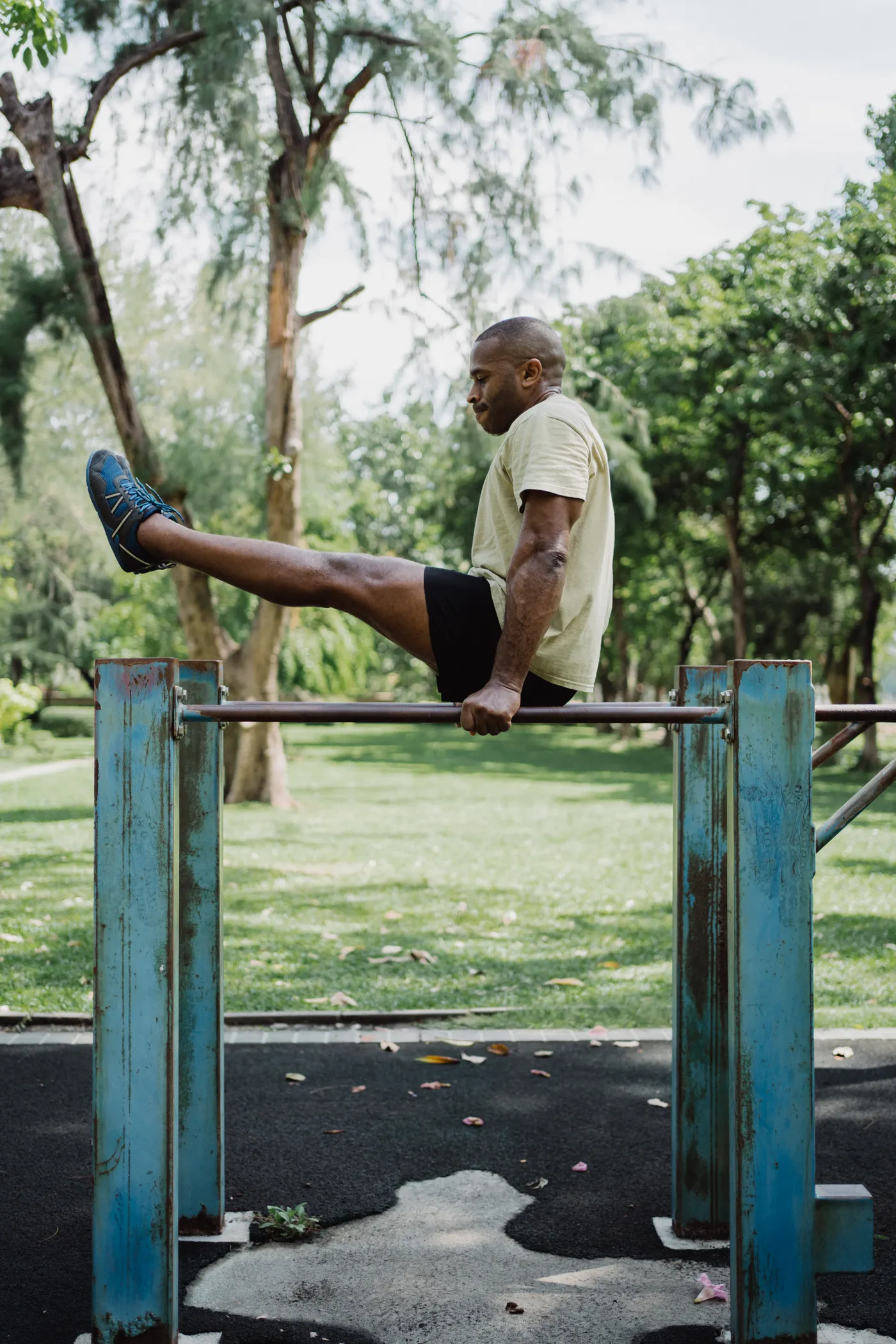
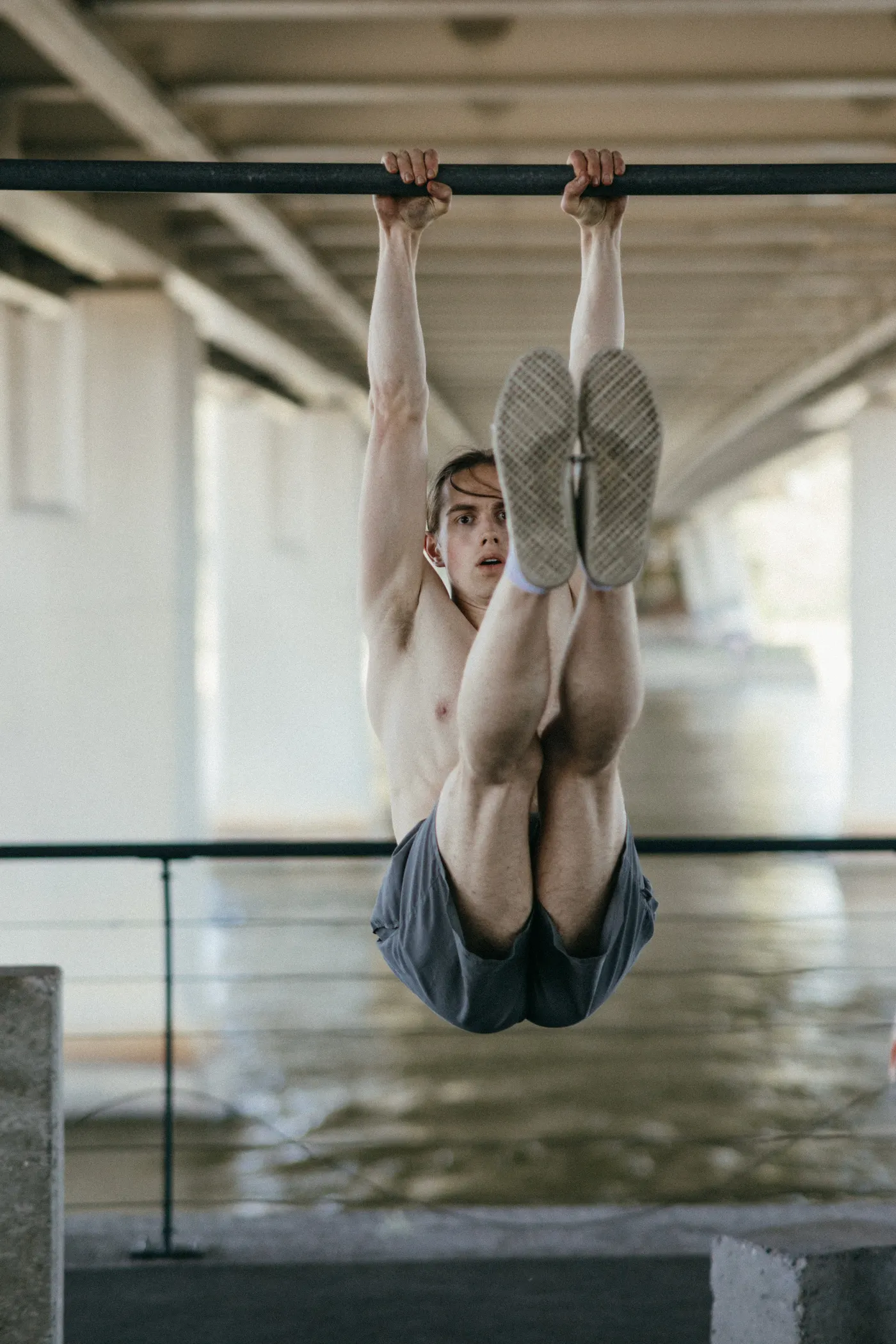
Consider the hanging knee raise. If the knees rise while the pelvis remains almost still, much of the motion is hip flexion. The iliopsoas and other hip flexors can do substantial work, even though the abs must help stabilize the trunk. To make the abdominal contribution more deliberate, begin with a small posterior pelvic tilt: gently roll the tailbone upward, bringing the front of the pelvis toward the ribs. Lower slowly instead of allowing the legs to swing.
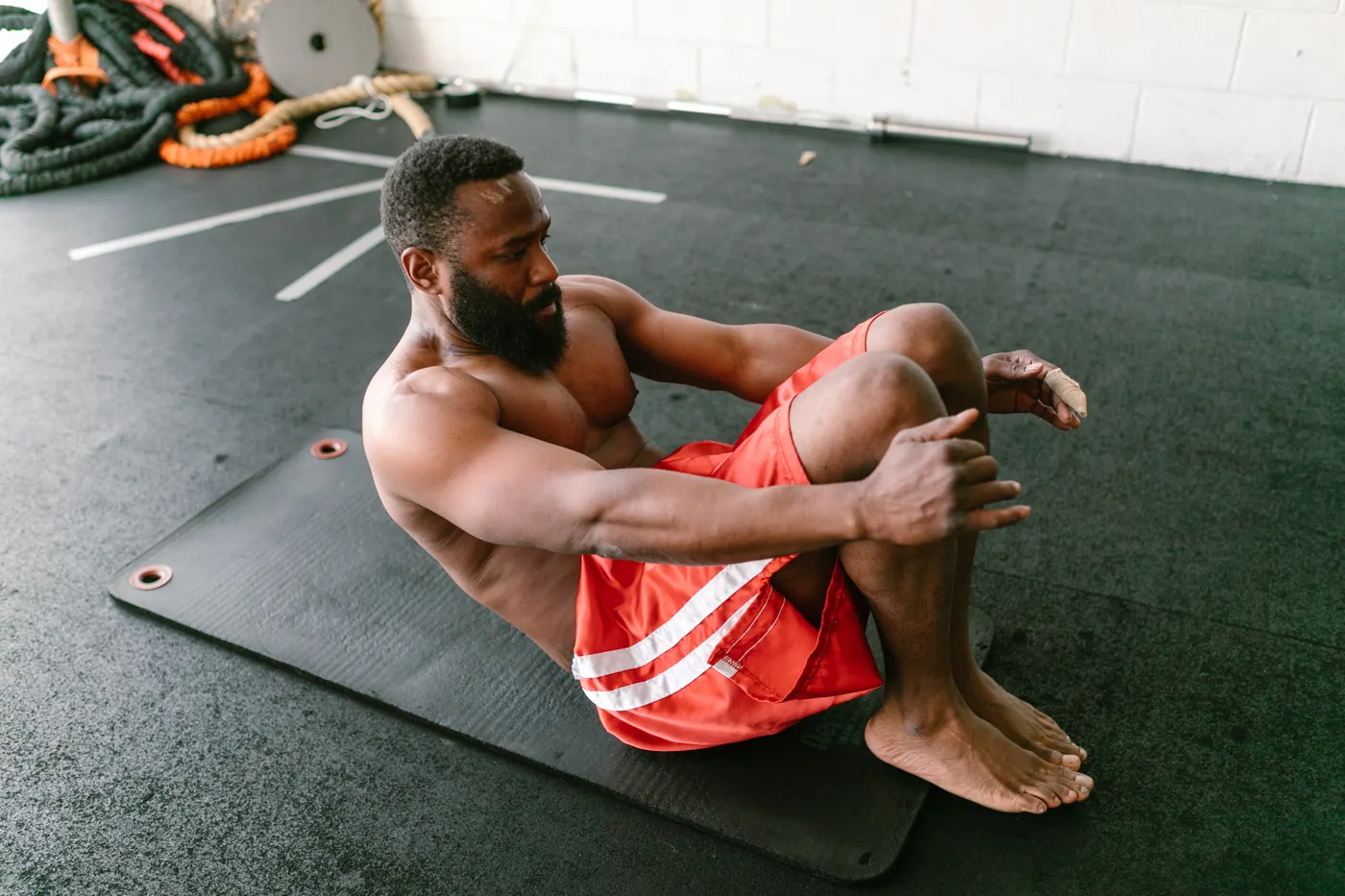
Try the distinction on the floor first. Lie on a mat with bent knees, exhale and gently lift the tailbone by curling the pelvis. A small controlled motion can be more demanding than a large, momentum-driven leg swing. Do not pull the knees aggressively to the chest or launch the feet toward the ceiling. Keep the range short enough to feel that you are controlling the pelvis rather than simply folding at the hips.
A cable crunch changes the challenge again. Set the pulley high, kneel securely and hold a comfortable handle near the head. Let the ribs move toward the pelvis while the hips stay relatively stable. Do not turn it into a straight-arm pulldown or a deep bow at the hips. The goal is a loaded trunk curl, with a consistent start and finish on each repetition.
Each exercise can be progressed through additional controlled repetitions, small load increases, pauses or a longer lever. Those changes are more useful than choosing a movement because its name contains the words upper or lower. The relevant question is whether the technique and resistance are repeatable, not how far the feet travel.

Equipment Worth Exploring
Explore equipment, accessories and gear from our carefully selected range.
VOLTRA
Compact digital cable trainer with smooth, adjustable resistance.

Go-Tone Pro
Portable digital cable trainer with up to 66 lb (30 kg) of adjustable resistance.


FID Bench MAX
Adjustable bench offering flat, incline, and decline positions + adjustable headrest.

GymPin Ergo Handles
Pair of ergonomic cable handles shaped for comfortable triceps and pulling exercises.
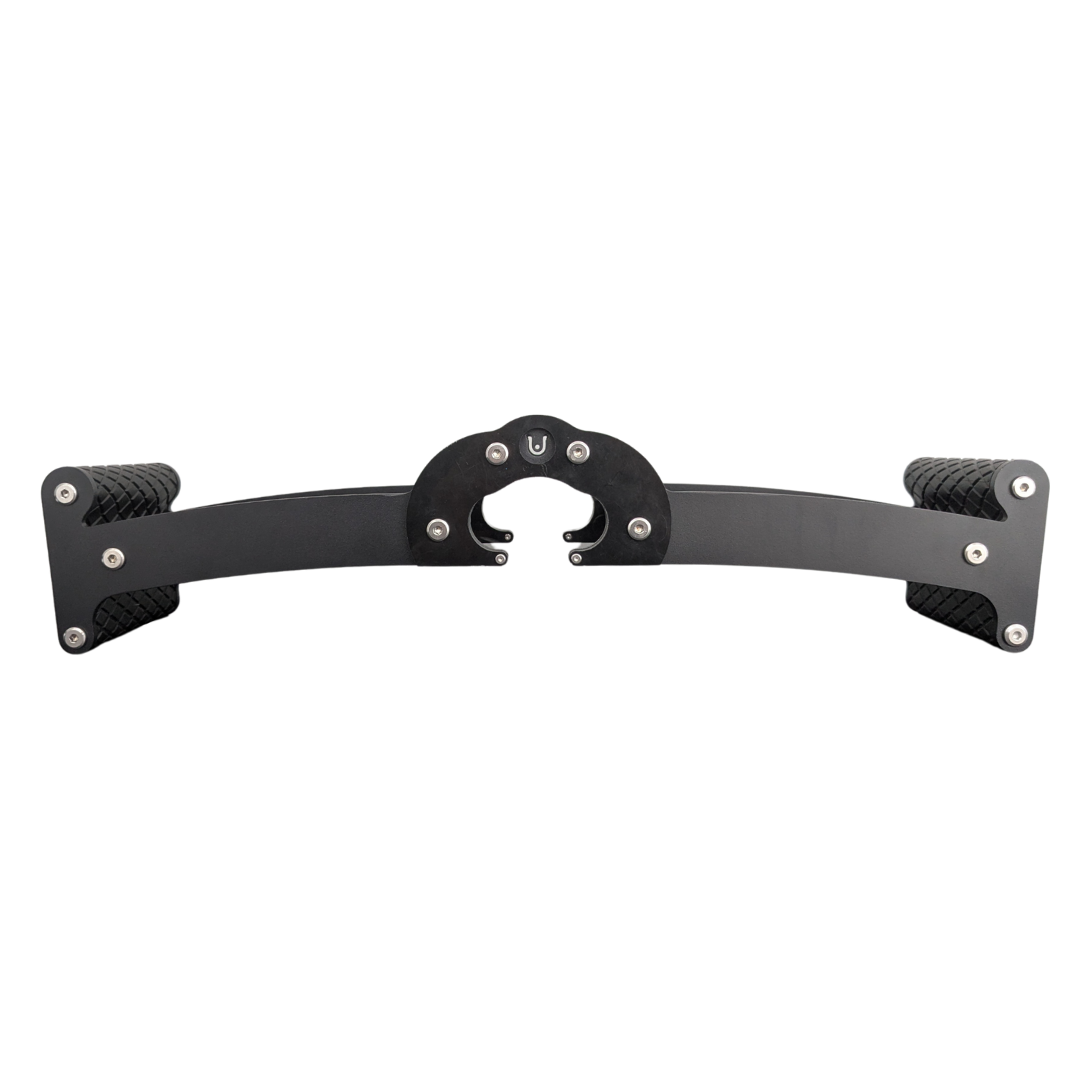
Back Bar
Multi-grip cable and landmine bar with a built-in deadlift jack.



Power Tower
Freestanding pull-up and dip station with adjustable handles for bodyweight training.
What the EMG Studies Actually Show About Regional Emphasis
Researchers have compared electrical activity over the upper and lower rectus abdominis using surface electromyography. Some experiments suggest exercise-dependent differences; others find little or no reliable separation. That mixed evidence is why the terms regional emphasis and regional isolation should not be treated as synonyms.
In a 1996 experiment involving 33 volunteers, correctly performed curl-ups generated greater activity over the upper rectus region. Among participants with higher training backgrounds who executed the movements correctly, a posterior pelvic tilt could be more demanding for the lower region. The distinction was less clear among participants who performed the exercises incorrectly. Technique and familiarity were therefore important to the measured result.
A 2001 comparison involving 25 healthy participants found that the reverse curl produced the greatest lower-rectus activity among five abdominal exercises. Several movements produced similar upper-region activity. This supports the possibility of exercise-dependent recruitment patterns, but it does not prove that reverse curls selectively enlarge the lower six-pack over months of training.
Other laboratory comparisons of curl-ups, leg-lowering exercises, rollouts and reverse curls did not find significant differences between the two rectus regions. These studies vary in sample size, electrode placement, exercise execution and whether activity was measured during movement or a static hold. They are not identical tests, and a single headline cannot erase those methodological differences.
Most importantly, surface EMG is not a direct measurement of muscle hypertrophy. A high electrical reading does not guarantee greater mechanical tension across the full movement or superior long-term growth. These experiments are useful for understanding exercise demands, not for ranking every abdominal exercise by future six-pack development.
Use the evidence to justify thoughtful variation rather than constant exercise hopping. A cable crunch and a reverse crunch can complement each other because they change the direction and nature of the challenge. Neither should be advertised as a guaranteed upper-only or lower-only builder.

Bodybuilding Shirts & Workout Gear
Bodybuilding shirts, tanks and gym gear for lifters chasing muscle, size, symmetry and the pump.

6Pack Panther – Six Pack Abs Bros & Meme Lovers T-Shirt
Heavy lifts, good laughs, and a little “6Pack Panther” energy.


Six Pack Tacos Gym Tee
Rep “Check Out My Six Pack Tacos Gym Meme” humor in and out of the gym.

Check Out My Six Pack Donut – Donut Meme Pullover Jumpe T-Shirt
Bring “Check Out My Six Pack Donut” humor to your everyday gym style.

Check Out My Six Pack Beer – Gym Meme Pullover Jumper T-Shirt
Add a playful “Check Out My Six Pack Beer” touch to your casual rotation.

Shirt – Shredded Cheese Muscle Gymbros & – Cheese T-Shirt
Show some lifting attitude with a playful “Shredded Cheese” tee.

Get Shredded Wolverine Flex 'S – X- Hero Superhero & T-Shirt
Show some superhero attitude with a playful “Get Shredded Wolverine Flex Men's” tee.

Get Shredded Freddy Krueger Horror Meme T-Shirt
Show some Halloween attitude with a playful “Get Shredded Freddy Krueger” tee.

How to Make Reverse Crunches and Hanging Raises More Effective
Start with the simplest movement you can control. For a reverse crunch, lie on a mat with bent knees and feet hovering. Exhale as the pelvis rolls gently upward; pause when the tailbone lifts, then lower without dropping the feet. Count only repetitions where the pelvis visibly curls. A set of eight deliberate repetitions can be more useful than twenty rushed ones.
The common failure is confusing foot height with abdominal effort. Swinging the legs upward creates impressive movement but can hide how little the pelvis changes position. Pulling the knees tightly toward the chest can also become mostly hip flexion. Neither action is inherently worthless, but both change the training task. Film a side view if you are unsure: watch the tailbone and rib cage rather than the shoes.
For hanging knee raises, verify that the rack, bar or power tower is securely mounted and that there is clear space below. Begin from a still hang, keep the knees bent and lift with a small pelvic curl. Lower deliberately. If your grip or shoulders give out before the trunk is challenged, use a supported captain’s-chair station or a floor-based variation. Hanging work is optional, not a requirement for building strong abs.
Progress gradually. First make the repetitions consistent, then add a short top pause, a slower return or a few repetitions. Extending the knees increases the lever and can make the exercise much harder. Ankle weights or heavy cable loading are not useful if they cause swinging or loss of position. Keep one or two technically clean repetitions in reserve while learning the movement.
Some people experience discomfort with spinal flexion or hanging positions. Adjust the range and support rather than forcing an exercise. Anyone with acute back pain, recent abdominal surgery, a hernia concern or other relevant medical issues should obtain individualized guidance before attempting difficult variations. The best version is the one you can perform safely and progressively, not the most dramatic version on social media.
Core Strength Also Means Resisting Unwanted Movement
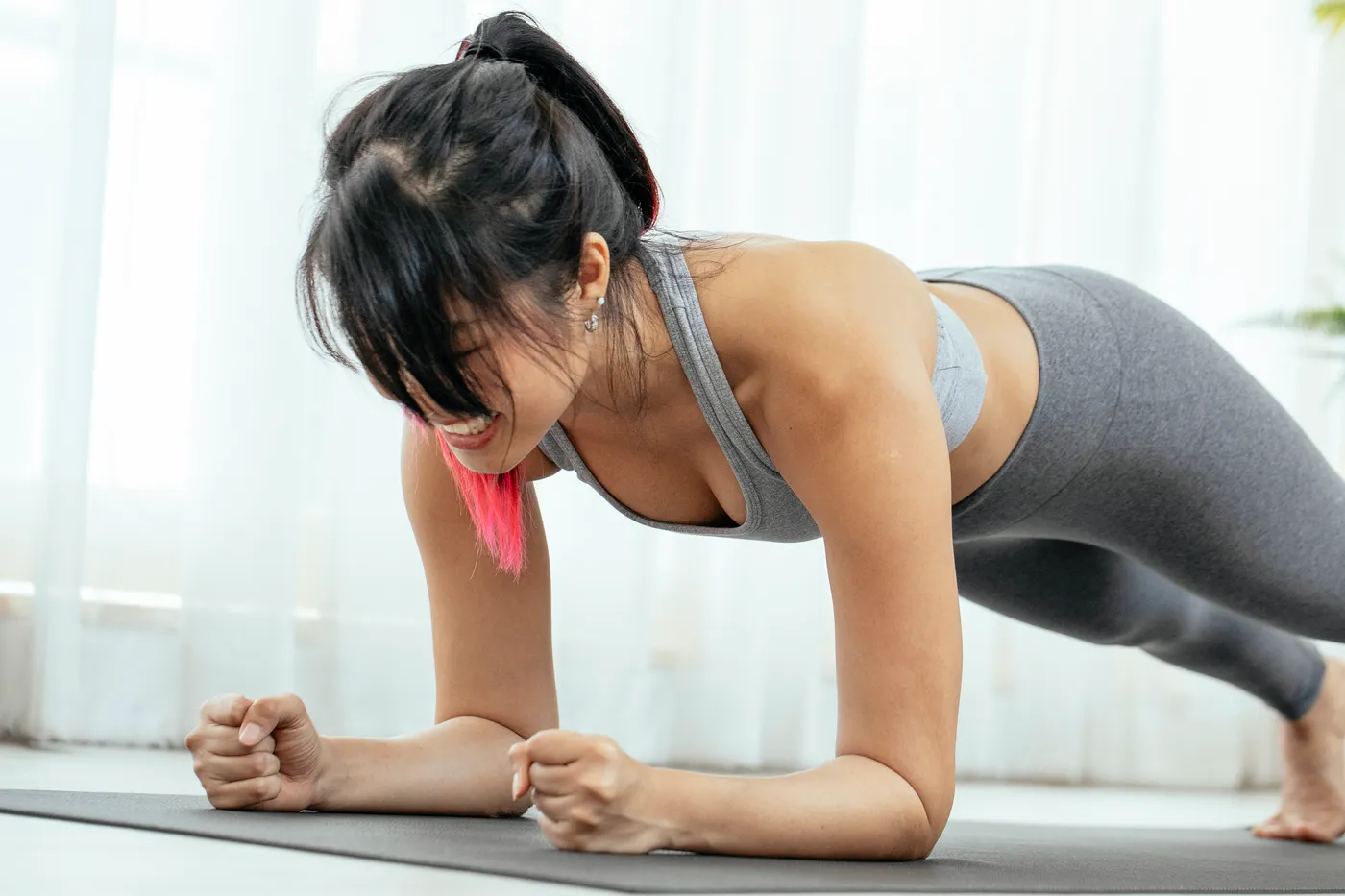
Not every effective abdominal exercise involves curling the spine. A plank challenges the trunk to resist extension. A Pallof press creates a rotational force that you resist. A suitcase carry tries to pull the torso sideways, and a dead bug adds moving limbs while the trunk stays controlled. These patterns are useful even though they do not pretend to isolate different six-pack blocks.
For a dead bug, lie on the back with the hips and knees bent and the arms raised. Exhale gently, maintain a comfortable rib-to-pelvis relationship and extend the opposite arm and leg only as far as you can without losing control. Return slowly. If the back arches dramatically, shorten the lever. Six good repetitions per side can be enough when the motion is deliberately challenging.
For a Pallof press, position a band or cable around chest height. Stand sideways to the anchor, hold the handle at the sternum and press forward without letting the trunk rotate. Begin light. A heavier weight is not an improvement if you twist to complete the press. The same compact cable machine can handle kneeling crunches, presses and other resistance exercises, making it more versatile than a dedicated abdominal gadget.
For a suitcase carry, hold a dumbbell or kettlebell in one hand and walk slowly while remaining upright. Switch hands after the planned distance or duration. In a very small room, a controlled march in place can work if the floor is clear and balance is reliable. Avoid deliberately leaning into the weight; resisting the lean is the point.
Combine one dynamic flexion exercise with one anti-movement pattern rather than repeating five nearly identical crunches. That pairing challenges the trunk through more than one task and makes progression easier to track. It is not necessary to chase maximal soreness, nor should every set end in total muscular failure. Consistency, technical control and appropriate resistance matter more.
Equipment Worth Exploring
Explore equipment, accessories and gear from our carefully selected range.


Angles 90 Grips
Flexible grip attachments that allow natural wrist movement during pulling exercises.
A Two-Day Core Program for a Small Home Gym
Two short core sessions per week can fit after a conventional strength workout. The aim is to train controlled flexion, pelvic movement and resistance to unwanted motion without exhausting the trunk before heavy squats, presses or rows. Start with manageable resistance and leave at least one recovery day between unfamiliar sessions. If you already do demanding carries or calisthenics, account for that work when setting volume.
Day A, loaded flexion: kneeling cable crunch, three sets of eight to fifteen repetitions; reverse crunch, two sets of eight to twelve; and Pallof press, two sets of eight to twelve per side. Set the cable so the ribs actually curl toward the pelvis. For reverse crunches, finish each repetition with a deliberate pelvic roll. Rest about sixty to ninety seconds between accessory sets, longer if technique deteriorates.
Day B, pelvic control and bracing: supported hanging knee raise or floor reverse crunch, three sets of six to twelve; dead bug, two sets of six to ten per side; and suitcase carry or march, two rounds of twenty to forty seconds per side. Choose the hanging variation only if the station is stable and the grip and shoulders tolerate it. A controlled floor version is a legitimate alternative.
In the first week, beginners may use one fewer set per exercise. Stop most sets with roughly two clean repetitions left before technique changes. If a set ends because you must swing, shrug or move through a different range, it has already reached its practical limit. Add difficulty only after all sets meet the same standard.
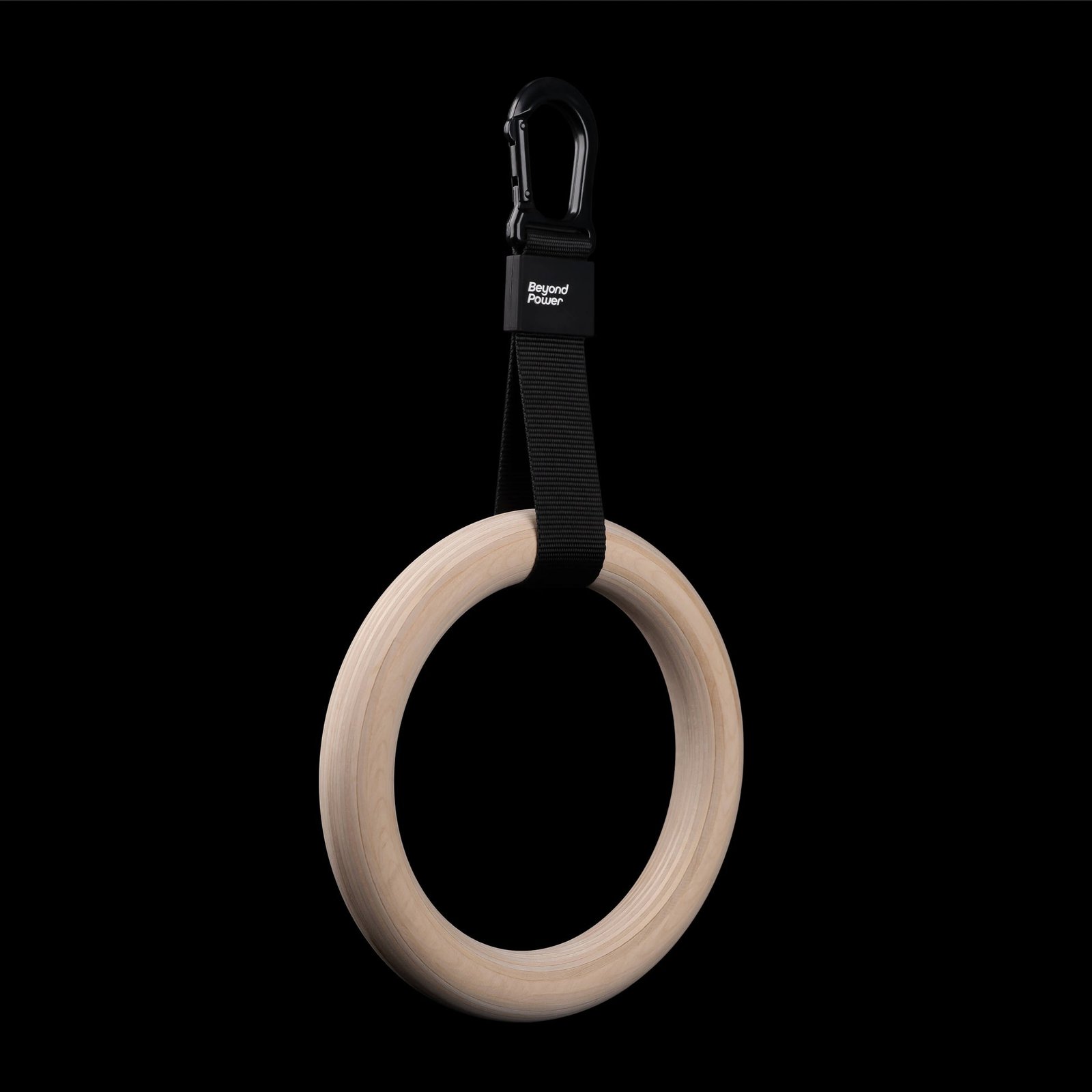
For equipment, prioritize a mat, secure mounting, one adjustable resistance source and a free weight. A cable unit is convenient for incremental loading but not mandatory. A stable bench or rack can support some variations, while parallettes and rings expand bodyweight options. None of these purchases is essential for the supposed purpose of separating upper and lower abs. They are tools for making the actual exercises more practical and repeatable.
Calisthenics Shirts & Street Workout Gear
Calisthenics and bodyweight-training gear for pull-ups, dips, handstands and street-workout athletes.


Always Pull Yourself Up Funny Gym T
Heavy lifts, good laughs, and a little “Always Pull Yourself Up” energy.

Shirt – Calisthenics Heartbeat Gymbros & Meme Lovers T-Shirt
Bring “Calisthenics Heartbeat” humor to your next gym day.


Calisthenics Evolution
Show some lifting attitude with a playful “Calisthenics Evolution” tee.

Human Flag Crewneck Calisthenics Pullover Sweater Worko T-Shirt
Bring “Human Flag” humor to your everyday gym style.


Calisthenics – Meme & Lovers – Top & Gains T-Shirt
Heavy lifts, good laughs, and a little “Calisthenics” energy.
A Four-Week Progression Audit That Measures What Matters
Pick two or three exercises and keep them consistent long enough to learn whether the plan works. In week one, record repetitions, resistance, range of motion and effort. For a cable crunch, note pulley height and handle position. For a reverse crunch, note whether the tailbone lifts under control. For a hanging raise, note whether the pelvis curls or the legs merely swing.
In week two, add one clean repetition to selected sets without sacrificing the original technique. In week three, increase cable resistance slightly or add a brief pause to a bodyweight movement if the top of the repetition range is comfortable. In week four, compare the same setup with week one. Better control, more repetitions at the same effort or a modest load increase with identical form is genuine progress.
Do not judge the plan solely by whether the lower blocks of the six-pack are more visible after four weeks. Appearance depends on body composition, genetics, fat distribution and the gradual development of the underlying muscle. Abdominal exercise does not remove fat from one chosen area. More importantly, a single month may be too short for visible muscle changes even when strength and coordination improve.
If a movement repeatedly causes discomfort, shorten the range, change the leverage or choose a different variation. A stable reverse crunch can be more valuable than an uncontrolled hanging leg raise. A moderately loaded cable crunch can be more productive than hundreds of rushed sit-ups. The right movement is one you can execute, recover from and progress without turning the exercise into something else.
The final answer is nuanced but useful: upper and lower abs are not independent muscles, yet exercise selection and technique can influence regional demand. Build a small program around controlled trunk flexion, deliberate pelvic movement, bracing and progressive resistance. That is a more reliable approach than searching for a mythical lower-ab switch.