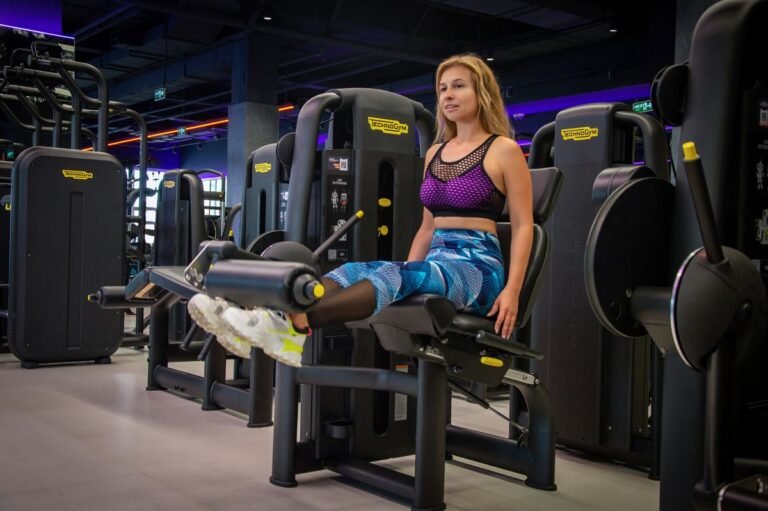
Is eating more protein while lifting dangerous for your kidneys or liver? A 2026 randomized study followed middle-aged and older women eating three different protein targets while resistance training, with or without added cycling. Some blood markers moved in directions that deserve attention, while cholesterol-related measures generally improved. Neither result should be turned into a blanket promise of safety or a warning that protein damages organs.
1. What the 12-week protein experiment actually tested
The trial initially randomized 108 women aged 40 to 77 into six combinations. Everyone was assigned either resistance training alone or resistance training plus cycling. Within each exercise condition, daily protein targets were 0.8, 1.6 or 2.2 grams per kilogram of body weight. The analysis of blood lipids, kidney-related measures and liver enzymes used complete data from 83 participants, not all 108 originally assigned.
This was a 12-week intervention, not a lifelong dietary follow-up. The additional cycling group did more exercise overall; it was not simply an alternative to lifting. Likewise, food composition and total energy intake were not perfectly matched between protein groups. Those differences matter because a change in cholesterol or a blood test could reflect several interacting factors rather than the protein target alone.
For perspective, a 70-kilogram participant would have targets of 56, 112 or 154 grams of protein daily. These are assigned dietary levels, not three medically validated safety thresholds. A target of 0.8 g/kg roughly matches the standard adult recommended dietary allowance, while the higher targets are more typical of strength-training nutrition.
The central question is what the measurements can establish. A laboratory marker is a clue to physiology, not automatically a diagnosis. A short trial with multiple exercise and nutrition conditions can identify patterns worth studying without proving that a particular protein intake caused every change.
2. Cholesterol markers improved, but the comparison has a catch
Across the study conditions, triglycerides, total cholesterol, LDL cholesterol and apolipoprotein B declined, while HDL cholesterol increased. That broad direction is encouraging because several of these measures are commonly used to assess cardiovascular risk. The investigators also reported differences between protein conditions and some more favorable changes in the group combining resistance training with cycling.
There is an important confounder: the concurrent-training participants added aerobic work to their resistance training. More total activity can affect lipid metabolism independently of protein intake. Dietary fat quality, fiber, overall calories, changes in body composition and baseline health can also influence a lipid panel. Because these variables were not all controlled to be identical, the results cannot cleanly assign the improvement to 2.2 rather than 1.6 or 0.8 g/kg.
A practical interpretation is to treat resistance training as one component of cardiometabolic health, not a substitute for movement outside the weight room. If your schedule allows, modest walking or cycling can complement lifting without turning every session into exhausting cardio. But the study does not establish an optimal weekly cycling dose, and its participants were not a direct comparison of two identical calorie-matched diets.
For people following their own blood work, look at a trend over time and the complete clinical picture rather than declaring victory from one number. LDL and apolipoprotein B are not interchangeable with body-fat percentage, and a better cholesterol result does not guarantee every other risk factor improved.

Equipment Worth Exploring
Explore equipment, accessories and gear from our carefully selected range.


FID Bench MAX
Adjustable bench offering flat, incline, and decline positions + adjustable headrest.


VOLTRA
Compact digital cable trainer with smooth, adjustable resistance.

Go-Tone Pro
Portable digital cable trainer with up to 66 lb (30 kg) of adjustable resistance.


3. Why creatinine and estimated kidney filtration moved

Several kidney-related blood measures increased during the intervention: urea, blood urea nitrogen, creatinine, the blood urea nitrogen-to-creatinine ratio and cystatin C. At the same time, three equations estimating glomerular filtration rate, or eGFR, produced lower values. These changes deserve to be reported rather than hidden behind the familiar claim that protein is always harmless.
However, estimated filtration is not the same as directly measuring kidney injury. Creatinine can vary with muscle mass, recent exercise and other factors. Urea production is influenced by protein metabolism. Cystatin C offers a different perspective but is not a perfect stand-alone verdict either. A clinician may need repeat testing, urine markers, medication review and medical history to interpret a concerning pattern.
The trial reported that differences tended to be more apparent when comparing 0.8 g/kg with the two higher-protein groups, with relatively little evidence of additional differences between 1.6 and 2.2 g/kg. That does not prove 2.2 g/kg is harmless, nor does it mean the 0.8 g/kg condition is necessarily better for training outcomes.
Earlier pooled randomized trials involving healthy adults did not find a meaningful difference in change in measured or estimated filtration when higher-protein and lower-protein diets were compared. That evidence is reassuring for many otherwise healthy people, but it does not settle questions about very long exposures or individuals with chronic kidney disease. The new 12-week data add detail rather than overturning the need for context.
If you have reduced kidney function, protein targets should be individualized with a qualified clinician or renal dietitian. An article about healthy or mixed-health exercise participants is not a substitute for a disease-specific prescription.

Bodybuilding Shirts & Workout Gear
Bodybuilding shirts, tanks and gym gear for lifters chasing muscle, size, symmetry and the pump.

Protein Monster Cookie Monster Meme T-Shirt
Keep things casual with a little “Protein Monster” attitude.

Bear Protein : Hilarious Meme Hooded Hoodie
Stay casual and show some bodybuilding attitude with “Gym Bear Protein”.

Chicken Broccoli Rice Breaking Bad Meme & Bros Tank Top
Bring “Chicken Broccoli Rice” humor to your next lifting session.

Protein Shake Hooded & Meme Fans Hoodie
Show off your lifting humor in a laid-back “Protein Shake” hoodie.

Powered By Chicken Broccoli Rice Bro Sweater Meme T-Shirt
Show some gym-day personality with “Powered By Chicken Broccoli Rice”.


Funny Protein Addict Gym | Breaking Bad Meme Workout Sw T-Shirt
Show some gym-day personality with “Protein Addict”.

Protein Shaker Bottle Gym Meme | Funny Bodybuilding Gra T-Shirt
Bring “Protein Shaker Bottle Gym Meme” humor to your next gym day.

Simple Man Complex Macros Shirt Lynyrd Skynyrd Rock T-Shirt
Heavy lifts, good laughs, and a little “Simple Man Complex Macros” energy.

Weights & Protein Shakes Tee
Bring “Heavy Weights and Protein Shakes” humor to your next gym day.
4. Liver enzymes rose in some conditions: what that does and does not mean
The researchers also measured alanine aminotransferase, aspartate aminotransferase and gamma-glutamyl transferase, usually abbreviated ALT, AST and GGT. Their responses varied by assigned protein condition, and AST and GGT also showed training-dependent patterns. These are useful biochemical signals, but they are not direct photographs of liver tissue and do not by themselves establish damage.
AST in particular can rise after demanding muscular work, and exercise timing matters when comparing laboratory tests. GGT is more liver-associated but still requires clinical interpretation. Alcohol intake, medicines, existing conditions and other dietary differences can influence the same measurements. A single elevated enzyme should prompt context and appropriate follow-up, not an instant conclusion that the protein shake was responsible.
A separate 16-week study in trained men compared 1.6 and 3.2 g/kg of protein during resistance-only or concurrent training. Some biochemical measures increased within the very-high-protein groups, but clear between-group differences were not demonstrated. The population, duration and protein doses differed from the new women’s trial, so the studies cannot be treated as interchangeable replications.
The useful boundary is straightforward: changes in blood chemistry warrant accurate reporting and sometimes repeat assessment; they cannot establish long-term organ injury or long-term safety without appropriate clinical outcomes and follow-up. Claims that high protein either inevitably damages healthy kidneys or is proven risk-free at any intake both go beyond the available evidence.
5. How much protein is useful for building muscle?
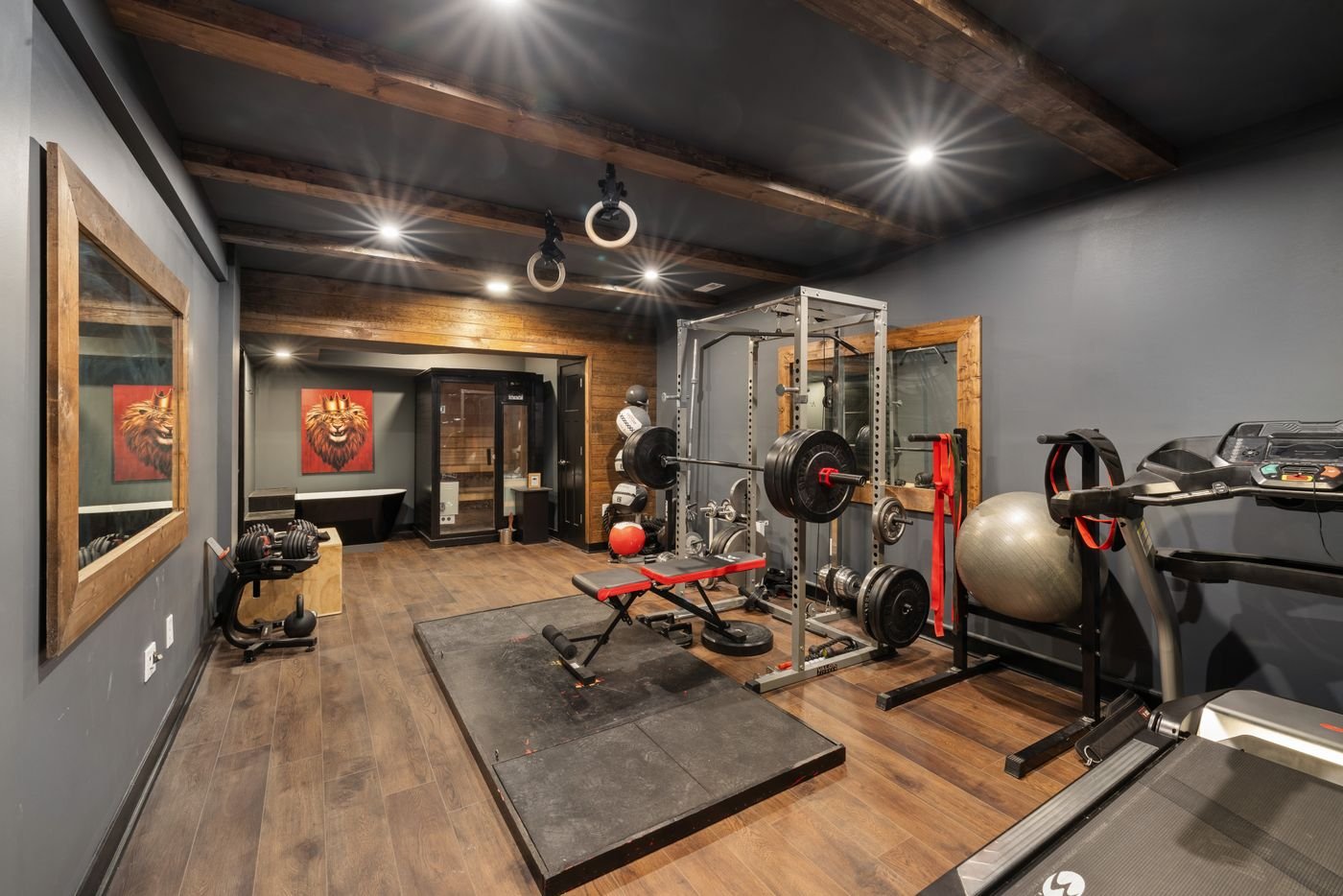
Protein intake is a tool for supporting resistance-training adaptation, not a competition to reach the largest possible number. A major pooled analysis of 49 resistance-training studies involving 1,863 participants found that additional protein modestly improved fat-free mass and strength on average. Its estimated breakpoint for fat-free-mass benefits was around 1.6 g/kg/day, with uncertainty around the exact threshold.
That result does not mean 1.61 g/kg is a magical cutoff or that 2.2 g/kg has no place in any circumstance. Energy restriction, training status, age, individual appetite and food preferences may change what is practical. It does suggest that someone already eating about 1.6 g/kg should not assume a jump to 2.2 or 3.2 g/kg will create a proportional increase in muscle growth.
For a 70-kilogram lifter, 1.6 g/kg equals 112 grams daily and 2.2 g/kg equals 154 grams. Both totals can be built from normal meals; a supplement is optional convenience rather than a special anabolic ingredient. For example, three protein-containing meals plus a snack can be easier to sustain than chasing a huge dose at dinner.
Quality of the overall diet still matters. Include vegetables, fruit, carbohydrate sources that support training, dietary fats and enough total energy for the goal. Replacing nearly everything with protein powder is not what the trial tested, and it is not a sensible interpretation of sports nutrition research.
Above all, keep progressive resistance training in the picture. Food supports adaptation, but it does not replace progressively challenging muscles with adequate recovery.
Equipment Worth Exploring
Explore equipment, accessories and gear from our carefully selected range.


Leather Lifting Straps
Padded leather straps support grip during heavy rows, deadlifts and pulling exercises.


6. A practical three-day strength plan with realistic meals
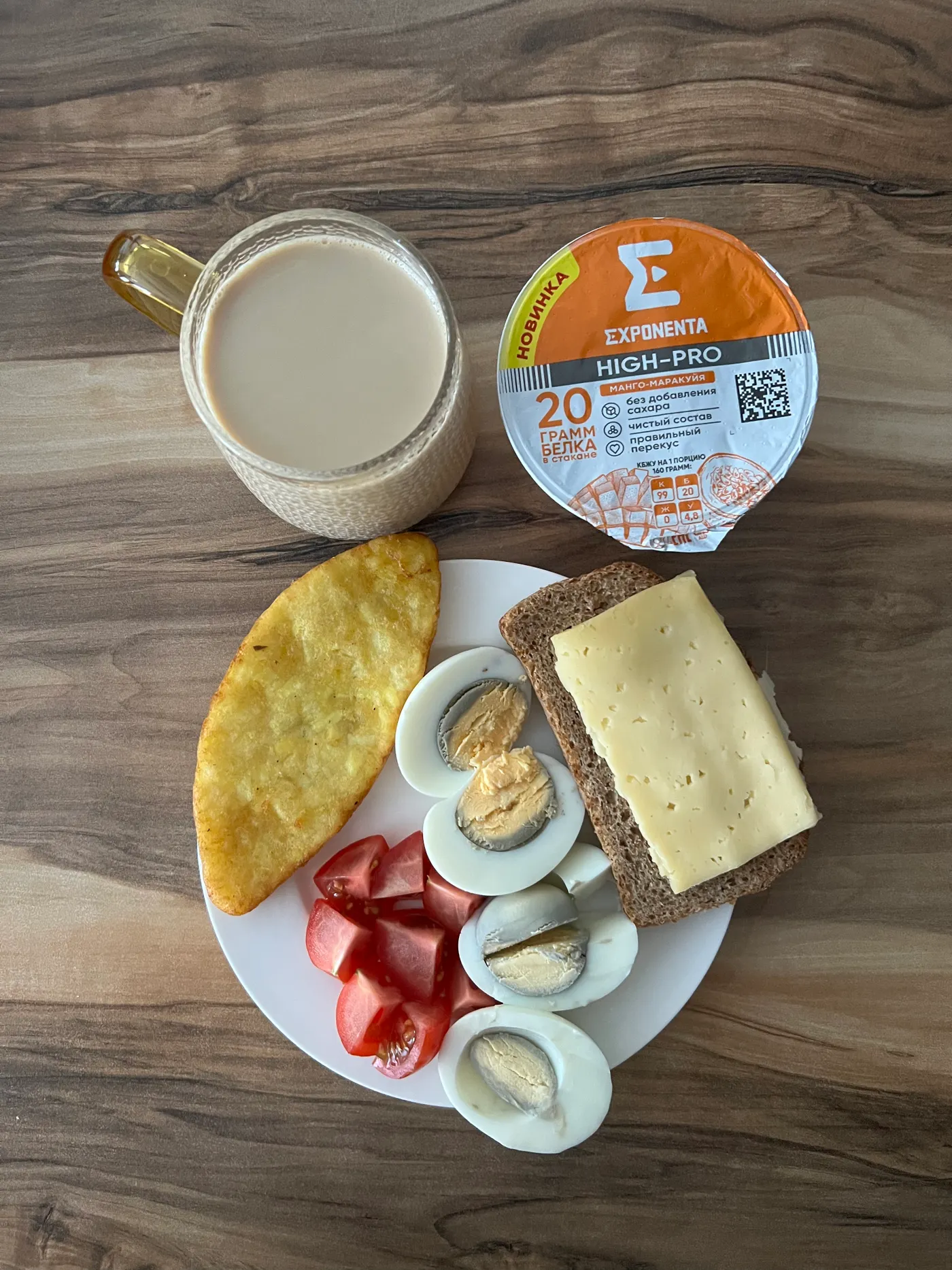
Here is a compact-home-gym template for generally healthy adults who want to train consistently without turning every week into an elaborate nutrition experiment. Alternate two full-body sessions across three nonconsecutive days. Start with loads that leave roughly two or three technically sound repetitions in reserve, and progress only when form remains reliable.
| Session A | Session B |
|---|---|
| Squat or goblet squat — 3 × 6–10 | Romanian deadlift — 3 × 6–10 |
| Bench or dumbbell press — 3 × 6–10 | Overhead press — 3 × 6–10 |
| Chest-supported row — 3 × 8–12 | Pulldown or assisted pull-up — 3 × 8–12 |
| Calf raise — 2 × 10–15 | Split squat — 2 × 8–12 per leg |
Week one can be A/B/A, followed by B/A/B in week two. Repeat while adjusting load or repetitions gradually. A cable trainer, rack, adjustable dumbbells or a stable bench can cover much of this plan; no one product is required. If training experience is limited, use fewer sets initially and build tolerance.
For food, choose a realistic daily protein target with your circumstances in mind rather than copying the highest arm of the trial. At roughly 112 grams, an illustrative day could include a 25–30 gram breakfast, a 30–35 gram lunch, a 30–35 gram dinner and a smaller protein-containing snack. Exact food choices, calories and portion sizes depend on body size, appetite and whether you are maintaining, gaining or losing weight.
Include some walking or cycling if appropriate for your fitness and recovery. Remember that adding aerobic exercise changes the total training dose, which is exactly why the study cannot cleanly attribute every lipid change to protein. Keep sleep, hydration and recovery habits consistent so your training log becomes interpretable.
Powerlifting Shirts & Lifting Gear
Powerlifting shirts and gym gear for squat, bench and deadlift lifters who live for heavy numbers.

5 Plates Bench Club Chest Day Meme & T-Shirt
Show some powerlifting attitude with a playful “5 Plates Bench Club” tee.

Deadlift or Die Tryin Sweatshirt
Bring “Deadlift or Die Tryin” humor to your everyday gym style.

Deadlift Purple Skull Gym Decal for Powerlifters Heavy Sticker
Put “Deadlift” gym humor on your laptop, bottle, or gym gear.

I Love Deadlifts Gym | Funny Heart Plate Hooded for Dea Hoodie
Keep it laid-back with a little “I Love Deadlifts” attitude.

I Want You To Bench Press Uncle Sam – 4th of July Patri T-Shirt
Keep things casual with a little “I Want You To Bench Press Uncle Sam” attitude.

Lift Heavy Be Happy Meme Bros & Gains Top T-Shirt
Show some powerlifting attitude with a playful “Lift Heavy Be Happy” tee.

Stars Stripes & Squats Patriotic Eagle – 4th of July Wo Tank Top
Add some leg-day attitude to training with “Stars Stripes & Squats Patriotic Eagle”.

Do You Even Deadlift Sticker
Stick a little “Do You Even Deadlift” humor on your favorite gear.

I Love Bench Press Gym | Funny Bench Press Meme Crewnec T-Shirt
For laid-back days and gym-girl humor: “I Love Bench Press”.

7. A four-week audit—and when to get individualized advice

Instead of making a drastic dietary change after one headline, collect four weeks of simple information. Record the loads and repetitions of your main lifts, approximate daily protein, body-weight trend if relevant, energy levels, sleep and any symptoms that affect training. Use weekly averages rather than reacting to a single unusually high or low day.
In week one, establish a baseline. In week two, check whether you are meeting a sustainable protein target and whether you can complete your workouts without unusual fatigue. In week three, make one small change if necessary: perhaps improve meal consistency or add a repetition to a lift. In week four, review strength progress, appetite and recovery before deciding whether more food or a different training schedule is warranted.
Blood tests require more caution. If you already monitor creatinine, cystatin C, eGFR or liver enzymes, discuss unexpected results with your healthcare professional. Ask whether recent strenuous exercise, medications, hydration or the timing of the test could affect interpretation. Do not diagnose kidney or liver damage from a social-media chart, and do not dismiss a persistent abnormal result because you lift weights.
Anyone with known kidney or liver disease, a relevant medication regimen, pregnancy-related considerations or another medical condition should get individualized advice before adopting a high-protein diet. The 2026 trial did not follow participants long enough to determine lifetime organ outcomes and did not show that every protein target is suitable for every person.
The practical conclusion is more useful than either extreme: moderate-to-high protein can support lifting, but 2.2 g/kg was not shown to provide a unique health advantage over 1.6 g/kg in this study. A well-designed training routine, adequate food and appropriate medical context matter more than turning a laboratory marker into a slogan.