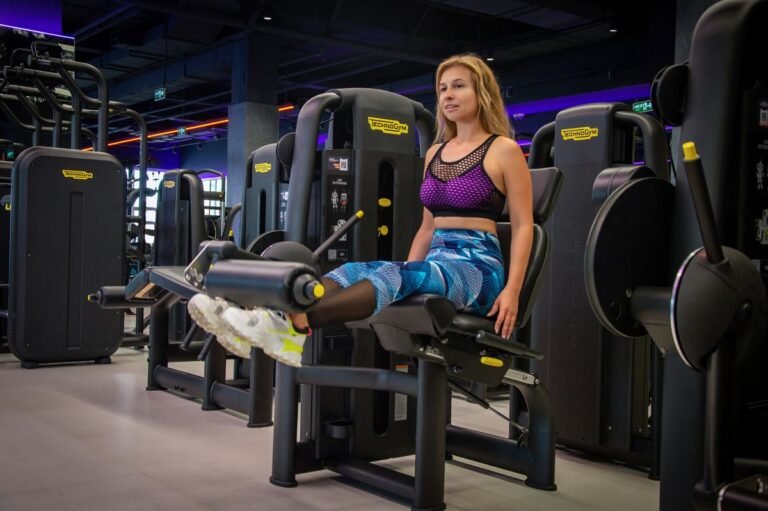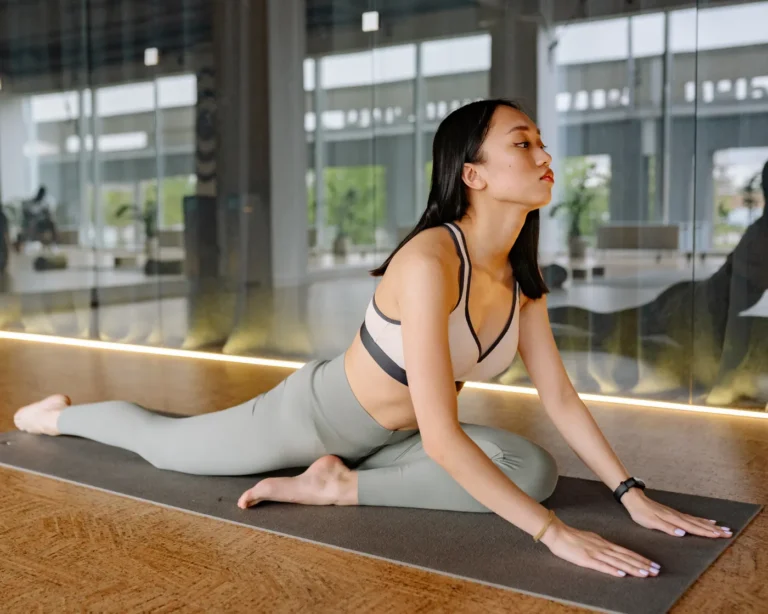
A back extension looks simple: secure your feet, bend forward, and raise your torso. Yet the name hides an important distinction. Depending on the setup and movement, you can emphasize hip extension by the glutes and hamstrings, challenge the spinal erectors to hold position, or deliberately move through some spinal extension. Those tasks overlap, but they are not identical.
That distinction matters when choosing exercises. A Romanian deadlift trains a loaded hip hinge with the weight in your hands. A Roman-chair extension changes the support and lever arms, potentially making it useful as an accessory. Neither deserves an automatic place in every routine. Before adding weight or chasing twenty burning repetitions, decide what you want to train and how you will measure progress.
What a back extension really trains
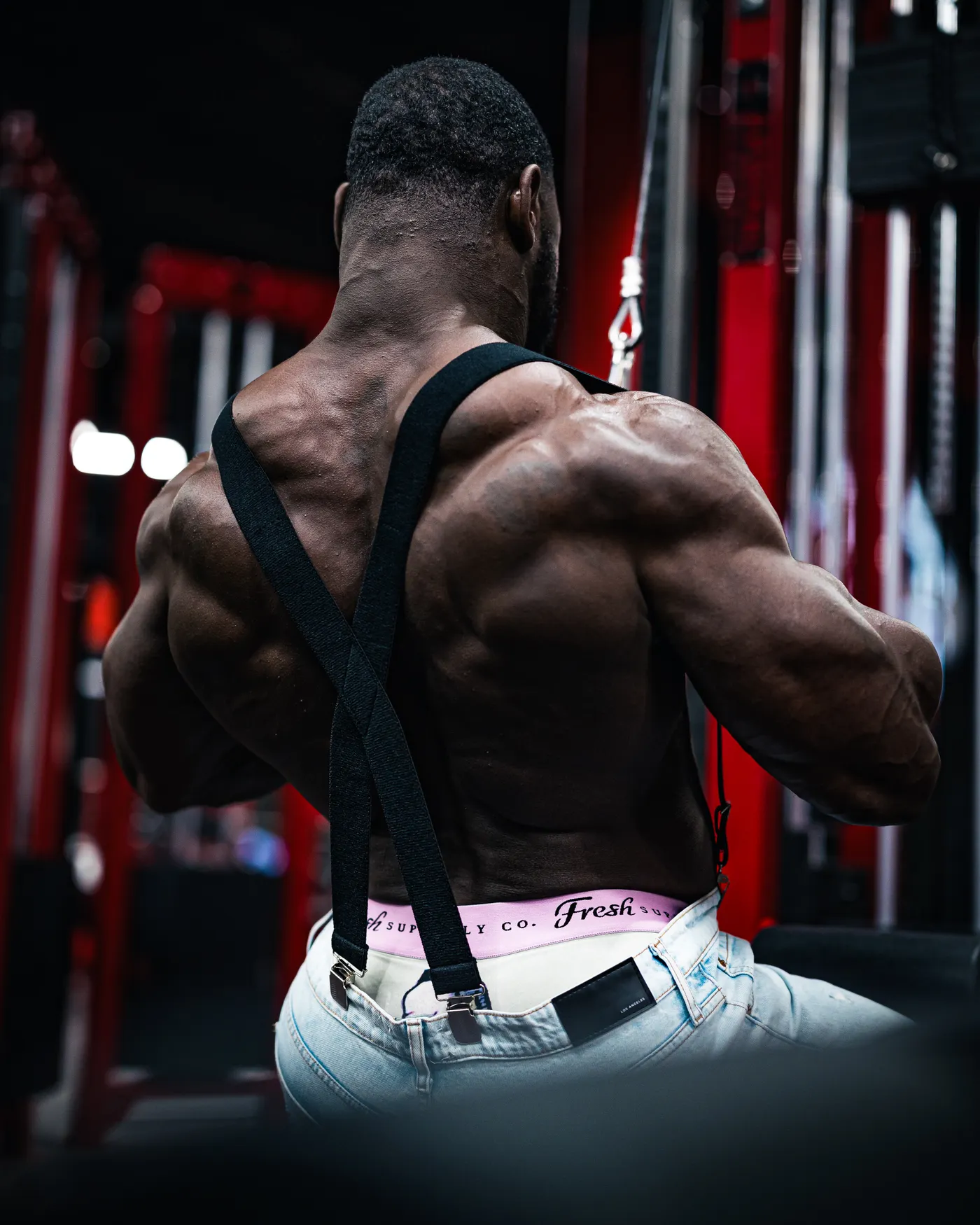
The posterior chain is not one muscle. Gluteus maximus helps extend the hips; the hamstrings assist hip extension and act across the knees; the spinal erectors contribute to trunk extension and spinal control. Abdominal and deeper trunk muscles help manage forces. A back extension recruits several of these structures, but the contribution depends on where movement occurs.
Imagine bowing from the hip crease with the trunk held in a comfortable, repeatable shape. Your hips flex on the way down and extend as you rise. The glutes and hamstrings contribute to bringing the torso back toward the legs, while trunk muscles resist unwanted changes in spinal position. If instead you repeatedly arch the lumbar spine to lift the chest higher, you have changed the task. Feeling more strain in the lower back does not by itself mean the rep is more productive.
Neither pattern should be reduced to a universal safety slogan. Spines move and adapt, but load tolerance varies between people, histories and contexts. For someone learning a hip-extension accessory, a controlled hinge and a clear endpoint are usually easier to repeat than a large, deliberately moving lumbar range. Think about which joints are doing the work, not just which muscles feel tired afterward.
Set up the Roman chair so your hips can move
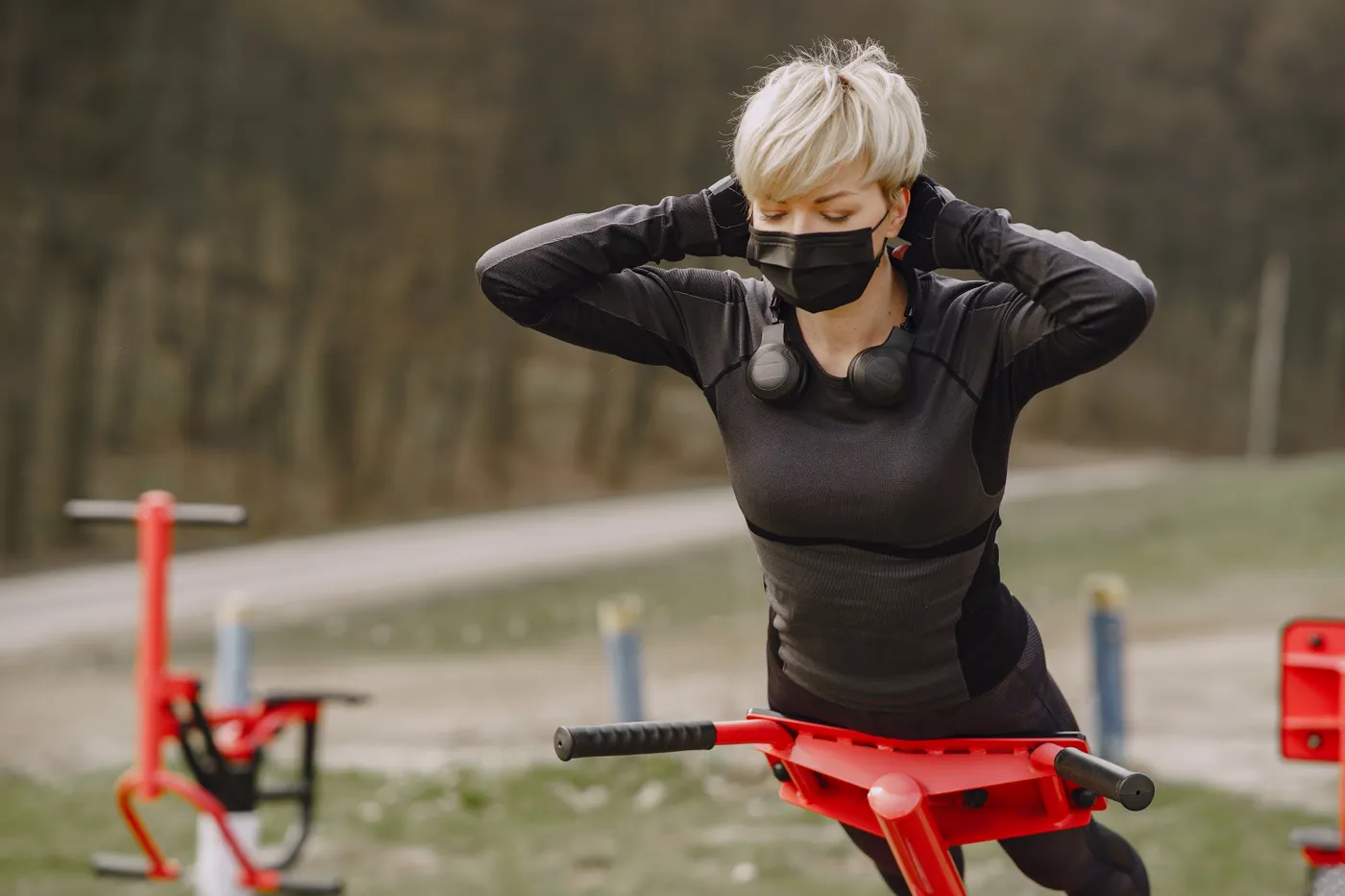
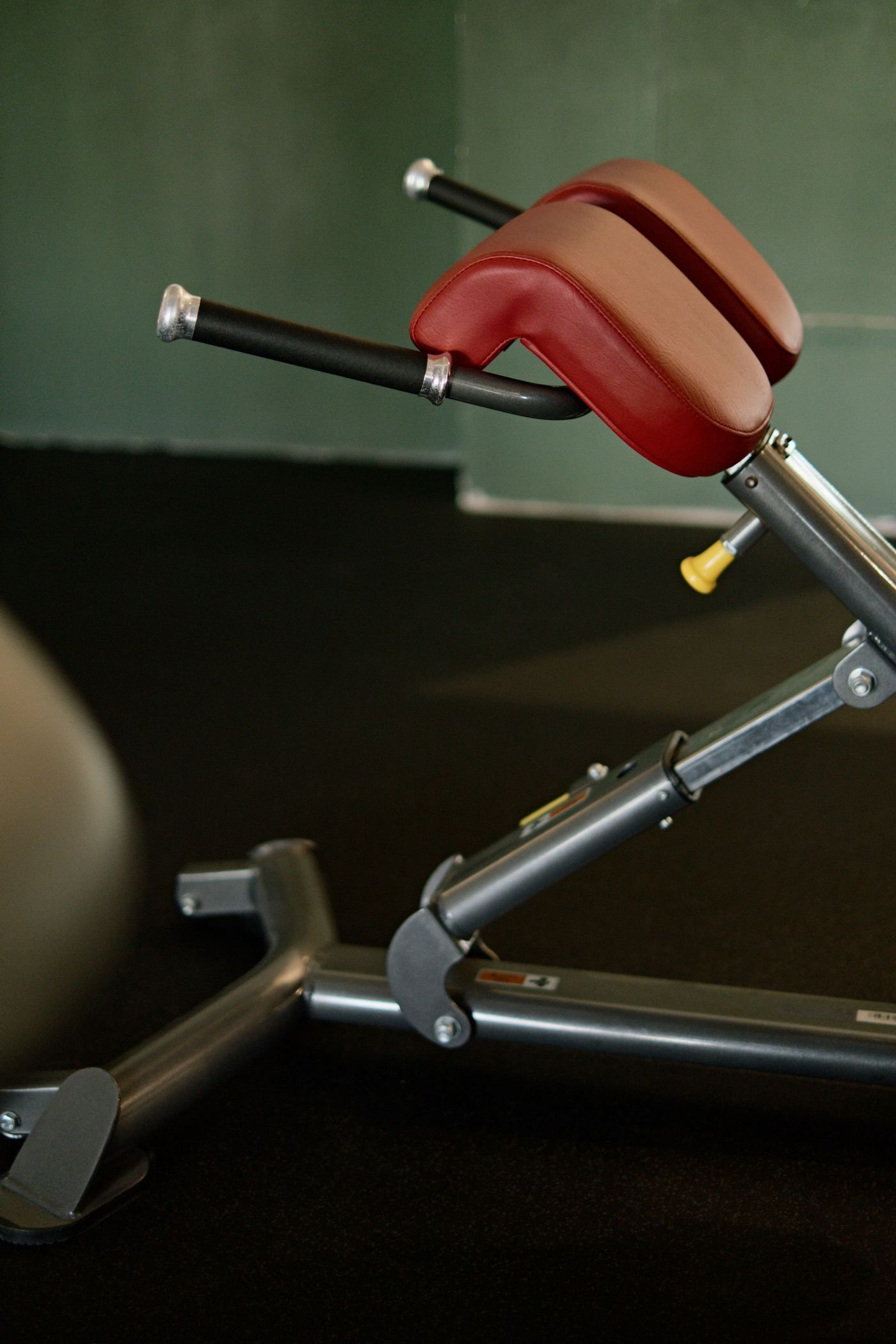
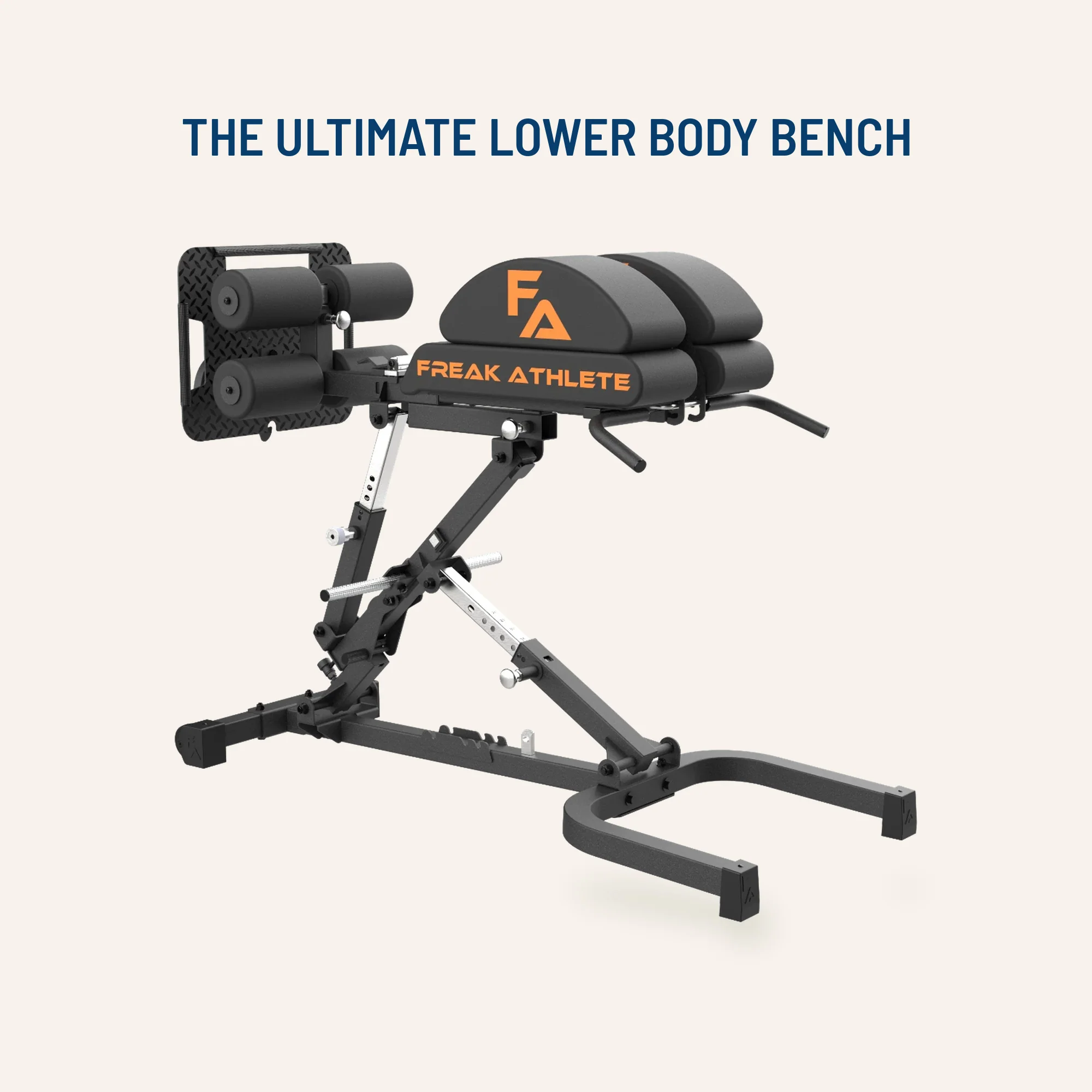
First inspect the machine. The foot platform and ankle rollers should hold you securely without painful pressure or slipping. Adjust the front pad so it supports the upper thighs below the hip crease, rather than blocking the pelvis from folding. The exact pad position varies with body proportions and machine design; use your ability to hinge freely as the test instead of blindly copying a fixed measurement.
Begin without a weight. Cross your arms across your chest, create gentle trunk tension, and lower under control. Descend only as far as you can maintain the position you intend. Then extend through the hips until the torso is roughly in line with the legs. There is no prize for throwing the chest upward beyond that line. Pause briefly at the top so you can feel whether you are finishing with the hips or with a last-second back arch.
For a first session, two sets of six to ten smooth repetitions are plenty. Keep several clean reps in reserve. A controlled range, stable feet and a repeatable tempo matter more than touching the floor or matching somebody else’s depth. If the pad presses into the abdomen, the knees are forced into an awkward angle, or the trunk position changes unintentionally, adjust the equipment before adding load.
A stable, rated back-extension attachment can be useful. A standard adjustable bench balanced on boxes is not an equivalent machine, and a loose ankle anchor can turn a simple exercise into an avoidable accident. When suitable equipment is unavailable, choose another hip-extension exercise rather than improvising an insecure support.

Equipment Worth Exploring
Explore equipment, accessories and gear from our carefully selected range.




FID Bench MAX
Adjustable bench offering flat, incline, and decline positions + adjustable headrest.

VOLTRA
Compact digital cable trainer with smooth, adjustable resistance.
Build a controlled hip hinge, not an arching contest
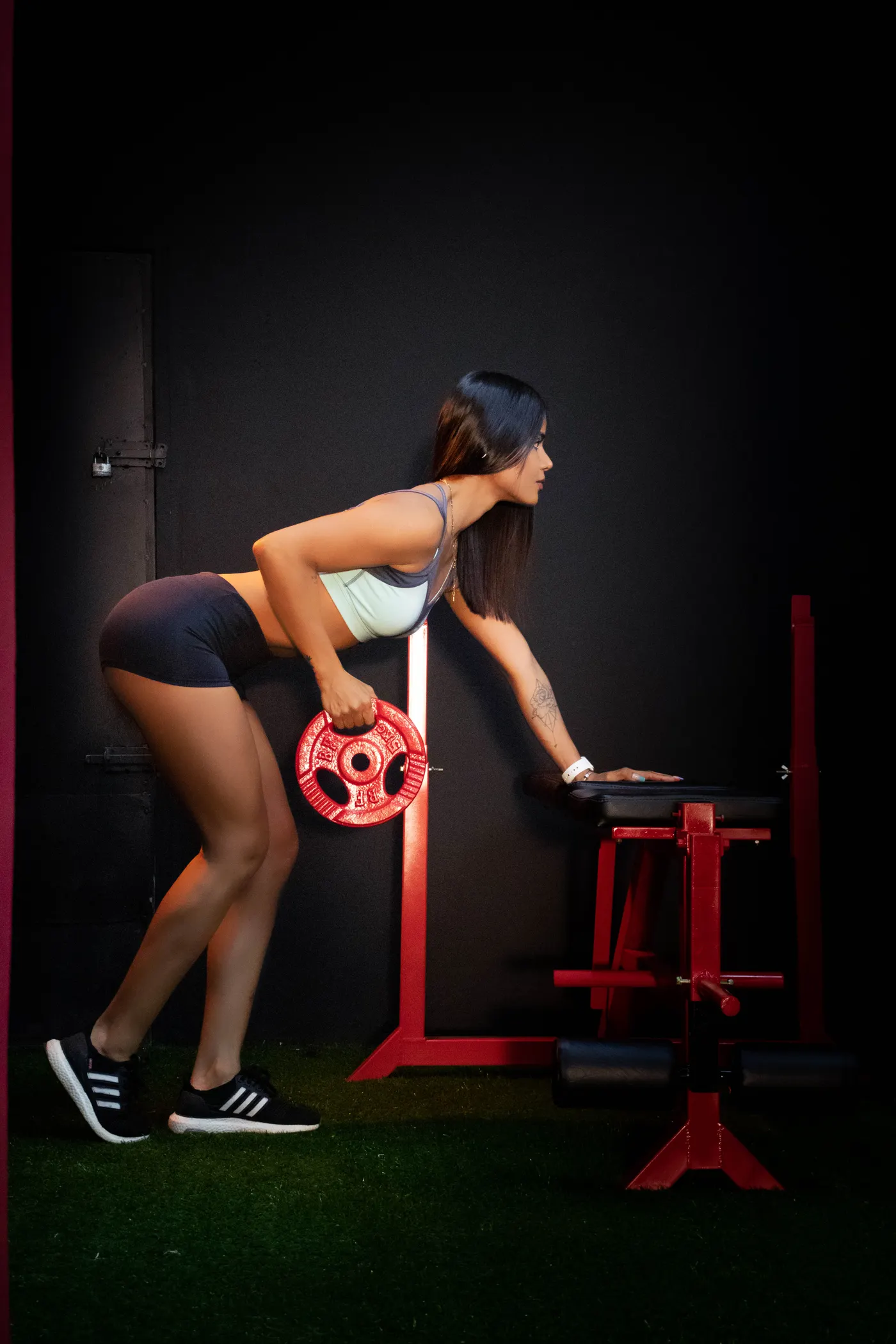
Use a simple sequence: brace comfortably, let the hips fold, keep the movement smooth, and drive the hips forward to return. Your head can follow the torso rather than looking sharply upward. The goal is not a perfectly frozen body at any cost; it is a repeatable movement that keeps the intended muscles working and does not rely on momentum.
Three common mistakes are easy to spot. A pad set too high can block hip motion and invite compensation. Bouncing out of the bottom makes the movement harder to control and disguises a load that may be too heavy. Finishing with an exaggerated lumbar arch changes the endpoint after the hip-extension task is already complete. Correct these before trying a heavier plate.
Some lifters deliberately round the upper back slightly to bias the glutes. That is a specific coaching variation, not proof that rounding is safer for everyone or that it removes all load from the lumbar region. If you are learning the exercise, start with a comfortable trunk position and a clear hip hinge. Deliberate spinal-motion variations need context, particularly when there is a history of symptoms.
When bodyweight repetitions are consistent, hold a small plate or dumbbell close to your chest. Add the smallest practical increment and preserve the same depth, pace and top position. If the new load forces you to jerk upward, shorten the descent or lose the intended tension, reduce it. A high-quality set of eight is more useful than a set of fifteen in which every repetition has a different shape.
To check your mechanics, film one set from the side. Look for stable feet, an unobstructed hip crease and a finish that stops in line with the legs. Compare the first and last repetition. If the last rep changes dramatically, treat that as a reason to stop the set rather than to push for another number on the log.

Powerlifting Shirts & Lifting Gear
Powerlifting shirts and gym gear for squat, bench and deadlift lifters who live for heavy numbers.

Skeleton Deadlift – Meme Deadlift Lovers, Leg Day & T-Shirt
Show some leg-day attitude with a playful “Skeleton Deadlift” tee.

The Ultimate Deadlifter Jesus Christ – Deadlifts Liftin T-Shirt
Bring “The Ultimate Deadlifter Jesus Christ” humor to your everyday gym style.

Deadlift Pink Skull Gym Decal for Powerlifting Leg Day Sticker
Give your everyday gear a playful “Deadlift” twist.

Deadlift Cyberpunk Skull Gym Pullover for Powerlifters, Hoodie
Bring “Deadlift” gym humor to lazy days and post-workout plans.

I Love Deadlifts Gym | Valentine's Day Funny Workout Fo Hoodie
Keep it laid-back with a little “I Love Deadlifts” attitude.

Uncle Sam Deadlift Patriotic – 4th of July Workout Vest Tank Top
Train hard, laugh a little, and rep “Uncle Sam Deadlift Patriotic”.

Powerlift Deadlifts Powerage Album Cover Parody AC/DC H Hoodie
Keep it laid-back with a little “Powerlift Deadlifts” attitude.

Deadlift Purple Skull Crewneck for Powerlifters Hardcor T-Shirt
Show some gym-day personality with “Deadlift”.

Deadlift Bloody Skull Graphic for Bodybuilders, Hardcor Tank Top
Your gym-day look, with a playful “Deadlift” twist.

Zombie Deadlift Lifting Dead Halloween Meme T-Shirt
Rep “Zombie Deadlift” humor in and out of the gym.
Roman chair versus Romanian deadlift: what the evidence can tell us
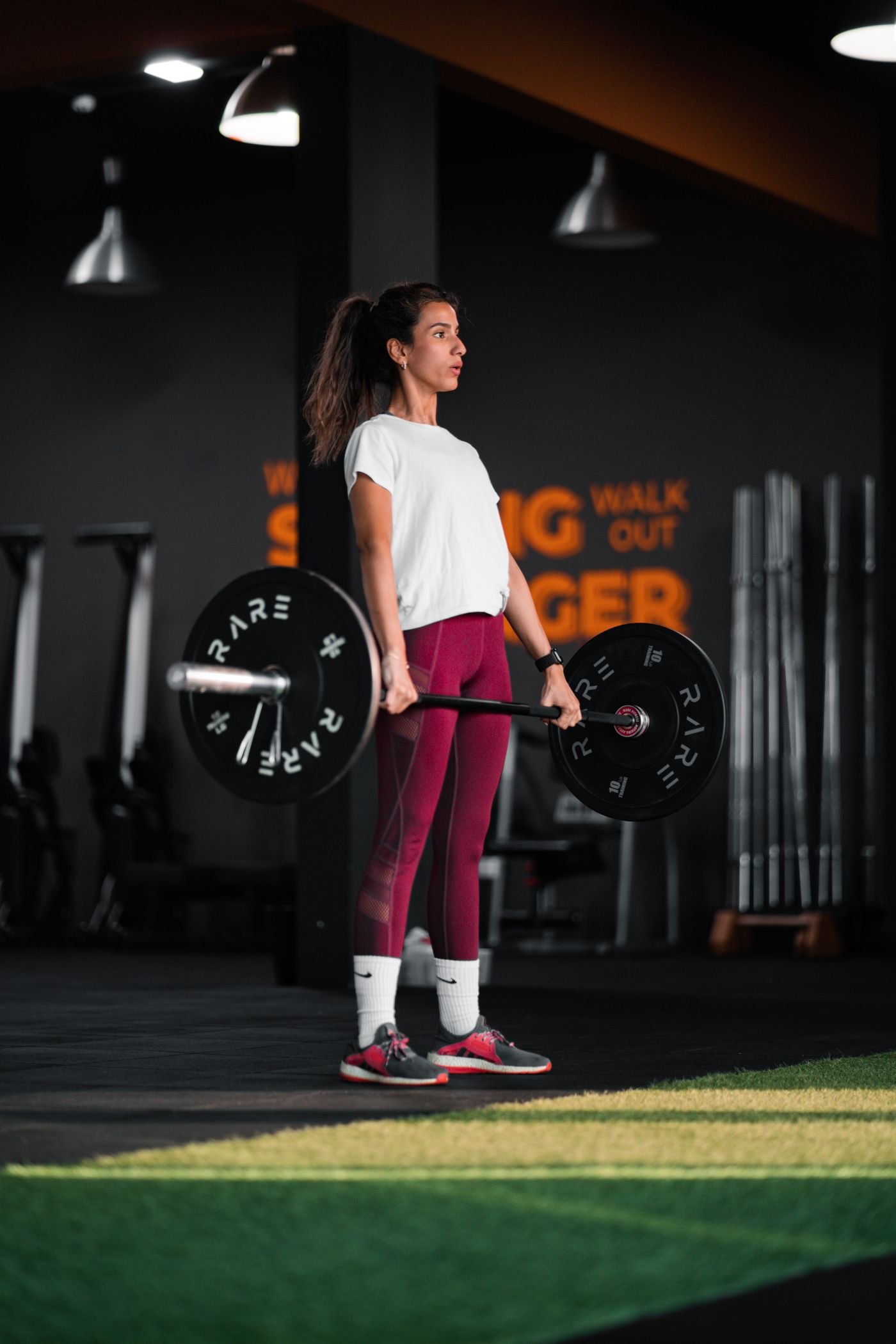
A controlled comparison studied fifteen resistance-trained women performing Romanian deadlifts, 45-degree Roman-chair extensions and seated machine back extensions. Participants completed three repetitions with six-repetition-maximum loading in each exercise, and researchers measured electrical activity in the gluteus maximus, biceps femoris and erector spinae.
In that protocol, the Roman-chair exercise produced higher biceps-femoris activity than the other two variations. Both the Romanian deadlift and Roman-chair extension produced greater gluteus-maximus activity than the seated machine exercise. Erector-spinae activation did not differ significantly between the three. These are interesting task-specific findings, not a universal hierarchy of exercises.
Electromyography measures electrical activity during the tested repetitions. It does not directly establish how much muscle a movement builds over months, how safe it is, or which exercise will work best for an individual. This experiment involved a small group of trained women, particular loading and specific equipment. A long-term trial would be needed to answer a different question about hypertrophy or strength adaptation.
Mechanically, the two movements also solve different training problems. A Romanian deadlift loads the hinge with a barbell or dumbbells in your hands, requiring coordination of the hips, trunk and grip. The Roman chair supports the body and can provide extra hip-extension work with relatively little handling of weights. A seated extension machine constrains movement differently again. The choice should reflect the goal, the available equipment and how the exercise fits with the rest of the week.
If challenging RDLs are already a staple, back extensions may be optional accessory volume. If grip or setup limits free-weight hinges, a secure Roman chair may offer another way to train the posterior chain. You can also rotate exercises between blocks instead of cramming every hinge variation into one session. The useful comparison is not which one creates the biggest immediate burn, but which one lets you accumulate progressive, recoverable work.
Back pain changes the decision, but not into a simple ban
Ordinary muscular fatigue is different from sharp, spreading or escalating pain. Do not use a back extension as a self-diagnostic test for a painful spine. Persistent or worsening symptoms, leg weakness or numbness, or other neurological changes deserve professional evaluation. New bowel or bladder dysfunction with neurological symptoms requires urgent medical attention. Exercise form advice cannot replace clinical assessment.
A 2025 systematic review combined eight randomized trials involving 381 adults with chronic nonspecific low-back pain. Isolated lumbar-extension training showed a favorable pooled pain result compared with true control groups, but disability and isometric-strength outcomes were not clearly significant. The evidence certainty was rated very low. That matters: it does not prove that a standard gym Roman chair treats pain, and some research used specialized machines or pelvic stabilization.
Broader clinical guidance includes structured exercise as a possible part of care for chronic primary low-back pain. It does not make one movement compulsory. Individualized exercise, education and graded exposure may all have roles, depending on the person and their circumstances. The existence of back pain does not mean every load is dangerous, but it does mean the right starting point may be different from a healthy lifter’s accessory workout.
For a lifter without current symptoms, choose a comfortable range, control the descent and progress gradually. If one variation repeatedly provokes symptoms, stop it and choose a tolerable alternative while seeking advice as appropriate. Do not force a particular exercise because someone calls it essential for posture or claims that it prevents future injury. Those broad promises go beyond what these studies establish.
Equipment Worth Exploring
Explore equipment, accessories and gear from our carefully selected range.

Go-Tone Pro
Portable digital cable trainer with up to 66 lb (30 kg) of adjustable resistance.



Squat Harness
Wearable harness for hands-free cable squats, sled work, and lower-body training.


Program the posterior chain without stacking redundant fatigue
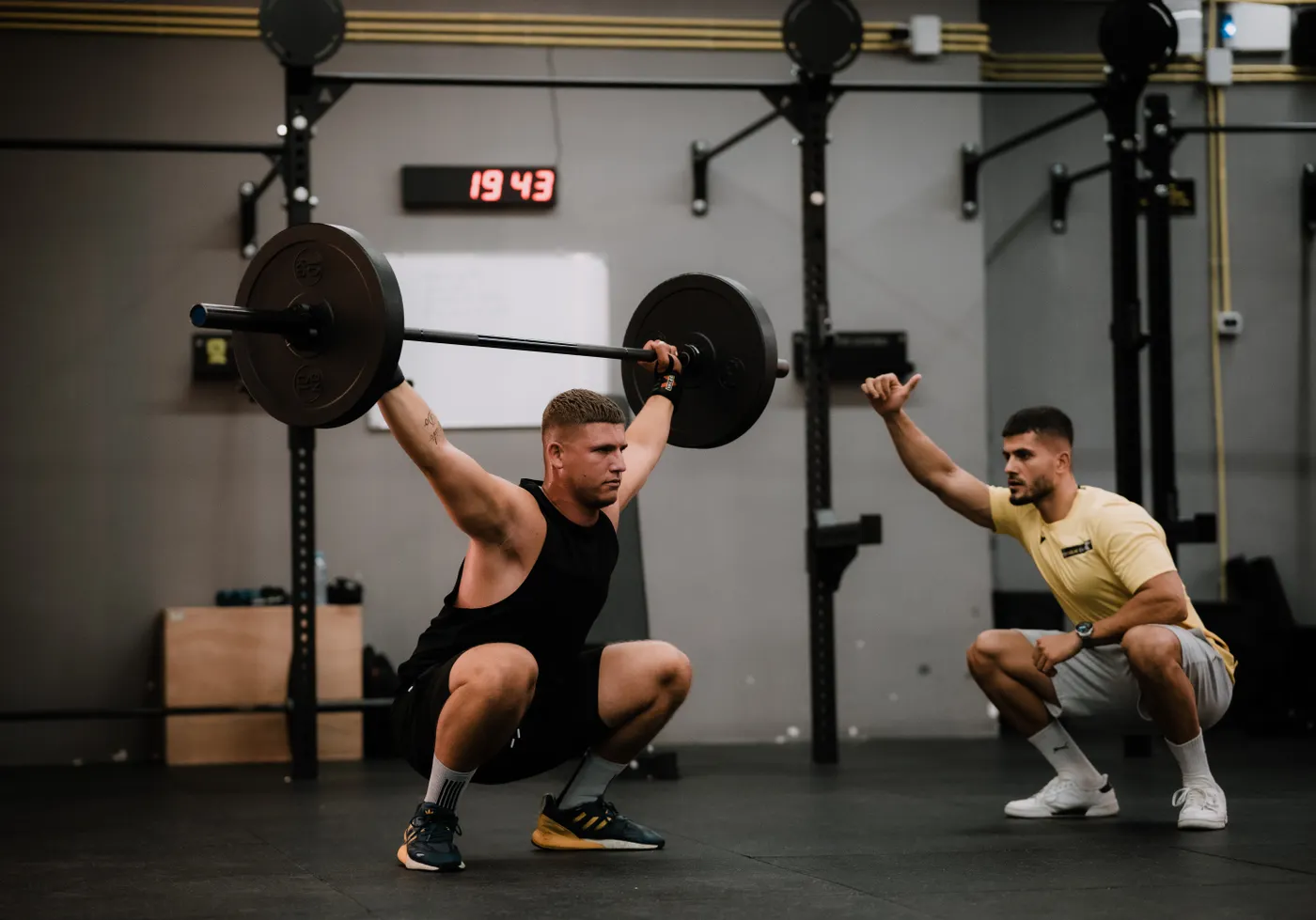
A simple two-day framework can help you test whether back extensions contribute something useful. Separate the sessions by at least a day, and adjust them around existing squats, deadlifts and sports. These are practical programming examples, not a research protocol. Start with loads that leave roughly two or three technically clean repetitions in reserve.
Day A, hinge emphasis: Romanian deadlift for three sets of six to ten; split squat or step-up for two sets of eight to twelve per leg; a row for three sets of eight to twelve; and a short plank for two sets of twenty to forty seconds. Rest about two minutes after demanding hinges, longer if necessary to keep technique. Stop each RDL descent where the intended trunk position and hamstring tension remain controlled.
Day B, accessory emphasis: stable Roman-chair extension for two or three sets of eight to fifteen; glute bridge or hip thrust for three sets of eight to fifteen; hamstring curl or controlled Nordic regression for two sets of six to twelve; and a light suitcase carry for two walks per side. Use moderate effort on the extensions. Their purpose is extra quality work, not another maximal deadlift day disguised as a small accessory.
If you do not have a secure extension station, substitute a cable pull-through, light dumbbell RDL or another stable hip-extension movement. A bench can support hip thrusts, but it is not automatically rated for unsupported back extensions. An adjustable dumbbell, barbell and plates are enough for many effective hinge variations. Dedicated posterior-chain equipment becomes attractive when it adds a useful movement you can train consistently.
Already performing heavy deadlifts twice weekly? Reduce the accessory sets instead of adding this entire template unchanged. Training stress is cumulative. A useful starting dose is the smallest amount you can recover from and progress, not the largest session you can survive. The best plan leaves room for the rest of your lifting.
Bodybuilding Shirts & Workout Gear
Bodybuilding shirts, tanks and gym gear for lifters chasing muscle, size, symmetry and the pump.

Strong Back Bodybuilder | Meme Muscle Shirt | The Simps Tank Top
Train hard, laugh a little, and rep “Strong Back Bodybuilder”.


Lat Man Big Back – Decal With Huge Lats – Meme Back Sticker
Bring “Lat Man Big Back” attitude to your water bottle or laptop.

Big Back SpongeBob Bodybuilders Back Day Hooded Hoodie
Make your off-duty look more fun with “Big Back”.

Demon Back Big Back Decal Weight Plates & Water Sticker
Bring “Demon Back” attitude to your water bottle or laptop.

Back Panther – Big Back & Gymbros – Meme Shirt T-Shirt
Show some superhero attitude with a playful “Back Panther” tee.

The Empire Lifts Back – Star Wars Back Day Meme Pullove T-Shirt
Add a playful “The Empire Lifts Back” touch to your casual rotation.

Big Booty Energy Glute Lovers & Bodybuilders Vest Tank Top
Add some lifting attitude to training with “Big Booty Energy”.

Hippo Thrust Leg Day Meme Sweater Glutes & Booty Day T-Shirt
For laid-back days and leg-day humor: “Hippo Thrust”.

Booty Building Mode Hoodie
Bring “Booty Building Mode” gym humor to lazy days and post-workout plans.
Use four weeks of repeatable data to judge the exercise
In week one, record the pad position, foot setup, range of motion, repetitions, load and estimated repetitions in reserve. A short side-view video can help identify changes in the finish position. Use the same setup at the next session. Fifteen shortened repetitions are not automatically progress over ten full, controlled ones.
In week two, keep the weight steady and add one or two repetitions only when the original movement stays consistent. In week three, if all sets reach the top of your selected repetition range, add the smallest practical load and return to the lower end. In week four, compare the same setup at a similar effort. Better control at the same weight can be meaningful progress, even when the number on the plate has not changed.
Ask three questions. Are you training the intended glutes, hamstrings and trunk without persistent symptom aggravation? Are controlled repetitions, load or execution improving? And does the exercise contribute something that your existing hinges, squats and rows are not already providing? If the answer is yes, extensions have earned their place. If not, that does not make them worthless; they may simply be unnecessary in your current program.
The practical conclusion is neither that back extensions are mandatory nor that they are inherently reckless. A secure setup, deliberate hinge, sensible loading and honest comparison with alternatives make the difference. Train the posterior chain with exercises you can repeat and progress for months. A bigger arch on the final rep is not the same thing as a stronger back.