A 30-day workout challenge can be a useful reset, but its best outcome is not a dramatic before-and-after photograph. It is learning how to repeat good training, pace hard efforts, and recognize when to recover. The same squats and push-ups feel different when you use fixed intervals, an AMRAP, or an EMOM. A recently resurfaced bodyweight challenge brought those formats back into focus. The underlying guide is older, not a newly completed scientific experiment. Here is an independent, recovery-aware approach to the idea.
What 30 Days Can – and Cannot – Change
Four weeks can improve exercise familiarity, consistency and some aspects of muscular endurance. Beginners may make rapid coordination gains because a familiar movement becomes more efficient. More experienced lifters may improve pacing without meaningfully increasing their one-rep max. No credible training plan can guarantee visible abs, substantial hypertrophy or a particular weight change in one month.
Behavior is part of the result. In a four-week randomized experiment involving 186 participants, pairing an activity plan with mental imagery was associated with improved habit measures and activity. This does not mean a habit is permanently formed in 30 days. It suggests that choosing a reliable cue, such as training immediately after work, can be more useful than relying on motivation at an unpredictable time.
Before starting, establish three benchmarks. Count clean push-ups using a fixed variation; perform controlled squats for one minute without sacrificing depth; and note how long conversational breathing takes to return after a short circuit. Record your sleep, soreness and perceived effort as well. Retest under similar conditions at the end. If your performance improves while movement quality stays high, you have evidence of progress even without a dramatic change in appearance.
Do not make daily exhaustion the entry fee. A day of gentle mobility or walking can maintain your appointment with movement while allowing harder sessions to work. The purpose of a challenge is to build a repeatable training habit, not to turn rest into a source of guilt.
Six Bodyweight Patterns Worth Mastering
Choose a small exercise menu before selecting a timer. A useful program needs a squat, a single-leg movement, a horizontal push, a hip extension, a core-stability exercise and a conditioning pattern. Repeating them makes progress measurable and keeps the challenge from becoming a random exercise generator.
- Squat: keep your feet planted and lower between the hips. Use a chair as a depth target if necessary. Progress with a controlled pause rather than faster, shallower repetitions.
- Reverse lunge: step back and lower smoothly. A wall or rail can provide balance support while the legs develop strength.
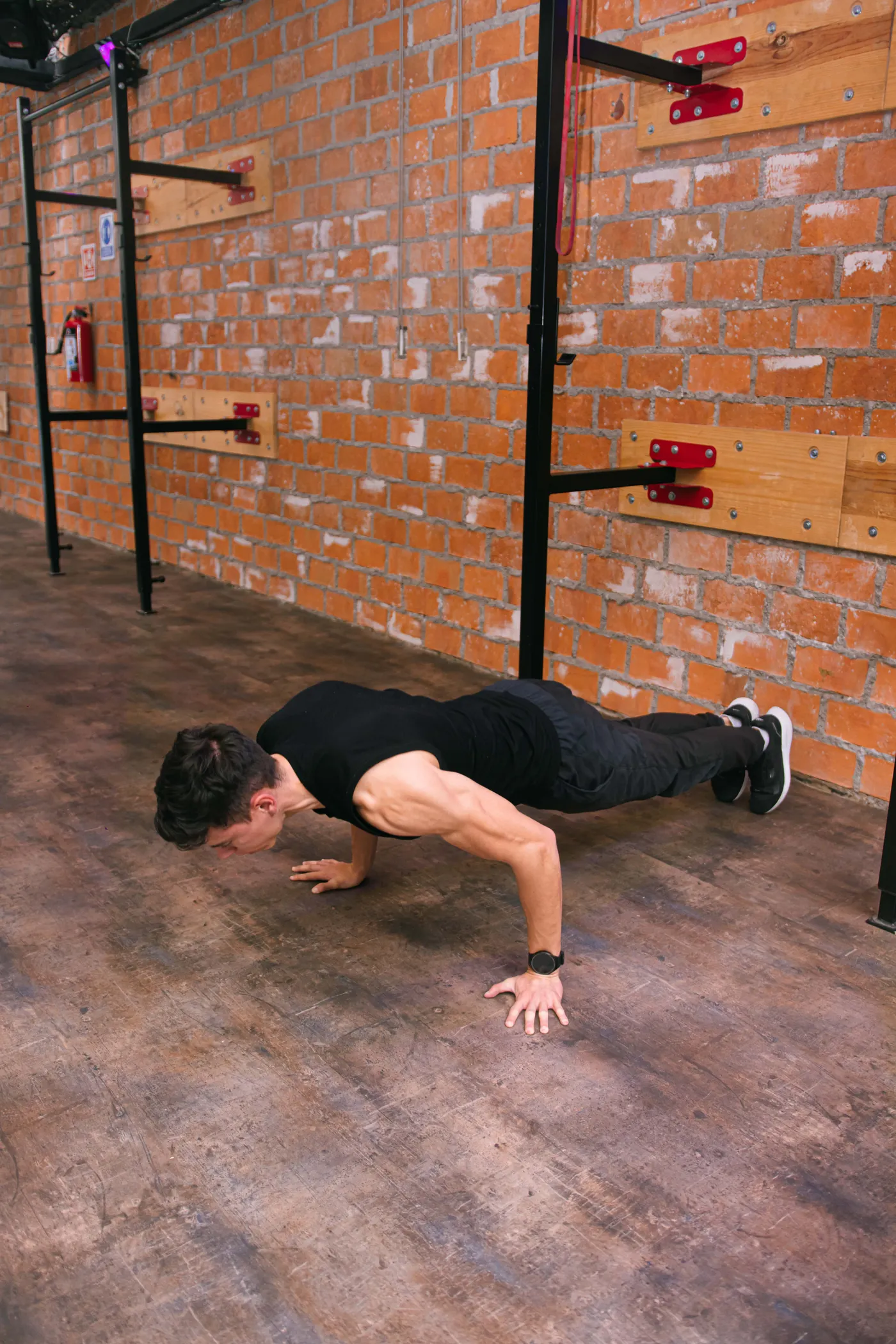
- Push-up: choose wall, elevated-hand or floor repetitions. A straight trunk and consistent depth matter more than counting difficult, collapsed reps.
- Glute bridge: extend through the hips while keeping the ribs controlled. Move to a single-leg version when the standard bridge becomes easy.
- Plank shoulder tap: shift weight without excessive hip rotation. Widen the feet or elevate the hands to make the movement manageable.
- Mountain climber: drive one knee forward while maintaining trunk position. Controlled steps are legitimate; frantic speed is optional.
Begin each session with three to five minutes of easy marching, shoulder circles, hip hinges and practice repetitions. Pick variations that allow at least five technically clean reps while fresh. If balance or joint discomfort dominates, regress the movement rather than using the timer as an excuse to rush.
Bodyweight resistance has limits, particularly for strong legs and experienced lifters. Progress by changing leverage, adding a pause, extending a controlled range or eventually adding load. Rings, parallettes, a weighted vest and adjustable weights can be useful later, but none is required for Week 1. Technique and an achievable starting difficulty come first.

Equipment Worth Exploring
Explore equipment, accessories and gear from our carefully selected range.


Power Tower
Freestanding pull-up and dip station with adjustable handles for bodyweight training.


Intervals, AMRAP and EMOM Are Not Interchangeable
Fixed intervals prescribe a work period and a rest period. Try 25 seconds of squats, then 35 seconds of recovery. Follow with an equally controlled push-up interval. This is beginner-friendly because the time cap is clear and rest is protected. If form slips after 18 seconds, stop there and use the remainder to recover.
AMRAP means as many rounds or repetitions as possible within a set time. An eight-minute circuit of six squats, four incline push-ups and six alternating lunges gives you a score of completed rounds plus extra clean reps. It can develop pacing and work capacity, but the word ‘possible’ must not mean abandoning depth, alignment or control. A lower score with better repetitions may be the more useful workout.
EMOM means every minute on the minute. At each minute boundary, complete the prescribed task, then rest for the remainder. An eight-minute alternating EMOM might use six push-ups in odd minutes and eight squats plus four shoulder taps in even minutes. If the task takes 30 seconds, you earn 30 seconds of rest. If it takes 58 seconds, the workout is probably too dense for your current capacity.
A small acute experiment with 12 trained people compared work-matched EMOM and faster rounds-for-time training. The EMOM produced lower average heart rate and perceived exertion in that specific test. It did not establish superior long-term muscle growth or universal safety. It shows why work-rest distribution matters even when exercise volume is similar.
EMOM+1 adds one repetition in successive rounds. This can be an interesting pacing drill, but eventually the growing workload consumes all recovery. Stop adding reps when work exceeds roughly 40 to 45 seconds or technique deteriorates. A well-designed session preserves the option to stop before failure. Choose the format that supports your goal, not the one that makes you look most exhausted.

Funny Gym Shirts & Workout Gear
Funny gym shirts, tanks, hoodies and workout gear for lifters who like training hard.

No Days Off Motivation Workout for Lifting, Bodybuildin T-Shirt
Show some powerlifting attitude with a playful “No Days Off” tee.


Lift Together Grow Stronger for Workout Partners and Li Hoodie
Show off your powerlifting humor in a laid-back “Lift Together Grow Stronger” hoodie.

One More Rep Shirt: Motivational & T-Shirt
Make gym days more fun with “One More Rep” style.

Progressive Overload Milo Tee
Bring “Progressive Overload Milo Bull” humor to your next gym day.


Grind Stoic Sigma Bodybuilder – Meme Shirt & T-Shirt
Bring “Grind Stoic Sigma Bodybuilder” humor to your next gym day.

Shirt – Train Hard Gains – Meme , & Workouts T-Shirt
Bring “Train Hard Gains” humor to your next gym day.

Stronger Than Excuses Tank
Show some personality between sets with “Be Stronger Than Your Excuses”.
A Four-Week Bodyweight Schedule That Allows Recovery
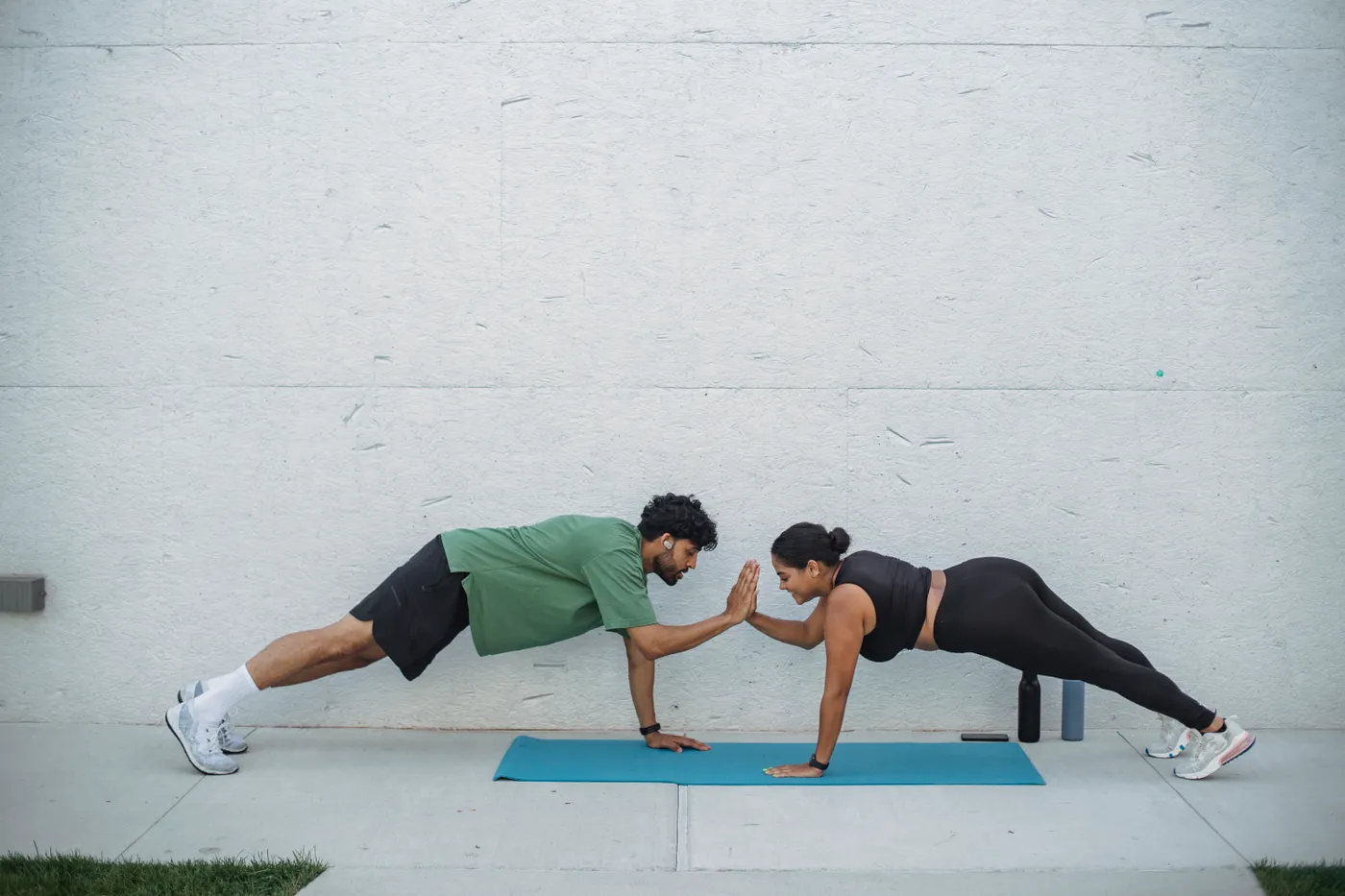
Build the month around three strength sessions, two easy movement days, one short conditioning day and one genuine rest day. Monday is Strength A, Tuesday easy mobility or walking, Wednesday Strength B, Thursday another easy movement session, Friday repeats the weaker strength pattern, Saturday uses a short conditioning circuit, and Sunday is rest. This is an original template rather than a copy of any existing challenge calendar.
Strength A: two rounds of eight controlled squats, six push-ups at your chosen level, ten glute bridges and six shoulder taps per side. Rest 60 to 90 seconds between rounds. Strength B: two rounds of six reverse lunges per side, six push-ups, eight bridges and 20 slow mountain climbers. Stop each set with roughly two or three clean reps in reserve. Beginners can start with one round; experienced trainees can add a third if recovery is good.
Week 1 – learn the movements. Use 25 seconds of work and 35 seconds of rest on the conditioning day. The other sessions remain ordinary controlled sets. Note your exercise variations, effort and any discomfort. Establish a sustainable start time rather than chasing a high score.
Week 2 – practice AMRAP pacing. Replace Saturday’s intervals with an eight-minute AMRAP of six squats, four push-ups and six alternating lunges. Record complete rounds and any extra clean reps. Leave the three strength days unchanged so the conditioning test does not dominate your week.
Week 3 – learn EMOM recovery. On Saturday, alternate six push-ups and eight squats for eight minutes. Scale reps to leave at least 15 to 20 seconds of recovery most minutes. If you cannot preserve that window, reduce reps. You are learning a repeatable density, not winning a race.
Week 4 – progress selectively. Add a rep to one EMOM task only when the previous round was clean and comfortable. On strength days, progress one exercise by a harder variation, a pause or an extra set, never every variable at once. Finish with an easier day before retesting your initial benchmarks.
If you already lift hard four days a week, treat this as a replacement or small supplement, not automatic extra volume. If sleep, joints or performance worsen, reduce the circuits. The schedule should adapt to your life rather than punish you for having one.
Progressive Overload Without Daily Failure
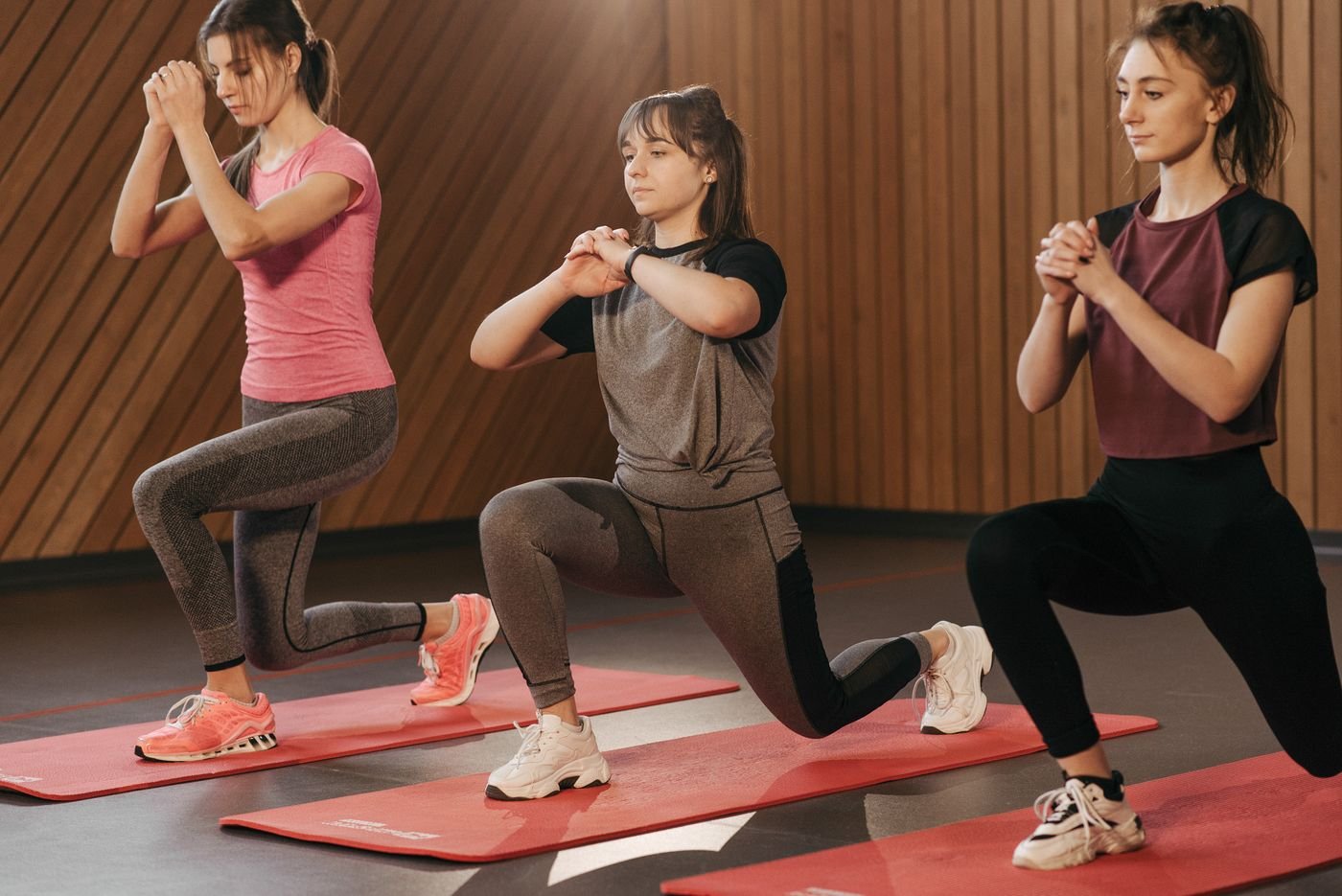
Bodyweight progression can come from more clean repetitions, a longer controlled range, a harder leverage position, less assistance, an extra set or better control at the same workload. Choose one variable at a time. For push-ups, move from wall to a stable elevated surface, then to the floor. For squats, use a consistent depth before introducing pauses or single-leg variations. For lunges, reduce balance support before adding speed.
Keep a log of the exact variation, repetitions, total rounds, time cap and effort from one to ten. Eight AMRAP minutes at the same movement difficulty are comparable from week to week. Eight minutes with a lower push-up surface are not the same test, even if the rep count is lower. Record the change rather than pretending the scores are identical.
Use a two-session rule: advance a variation only after two separate workouts with good technique and manageable soreness. If two consecutive sessions feel unusually hard or your reps collapse, take an easier week or reduce volume. Muscular burn and soreness are not dependable measures of hypertrophy. A controlled set that stops before failure can still provide an effective stimulus.
Strength, hypertrophy and local endurance overlap, but they are not the same outcome. A fast circuit may improve your ability to repeat modest-effort movements while offering too little resistance for advanced muscle growth. If gaining muscle is your main goal after this challenge, add load or harder exercise variations and track challenging weekly sets. A vest, dumbbells or cable machine may then provide more precise progression than simply extending a circuit from eight to twenty minutes.
Do not turn every Saturday into a personal-record attempt. Alternate demanding weeks with manageable ones, and judge progress across several exposures rather than one unusually energetic day. Training should make next week’s work possible.
Equipment Worth Exploring
Explore equipment, accessories and gear from our carefully selected range.


FID Bench MAX
Adjustable bench offering flat, incline, and decline positions + adjustable headrest.

VOLTRA
Compact digital cable trainer with smooth, adjustable resistance.

Go-Tone Pro
Portable digital cable trainer with up to 66 lb (30 kg) of adjustable resistance.

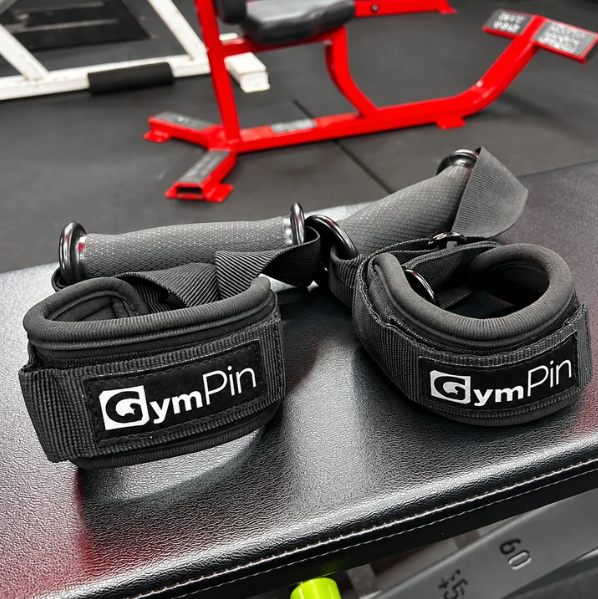
GymPin D Cuffs
Adjustable wrist cuffs with textured grips for supported cable-machine exercises.

Track Habit Strength and Recovery Alongside Reps
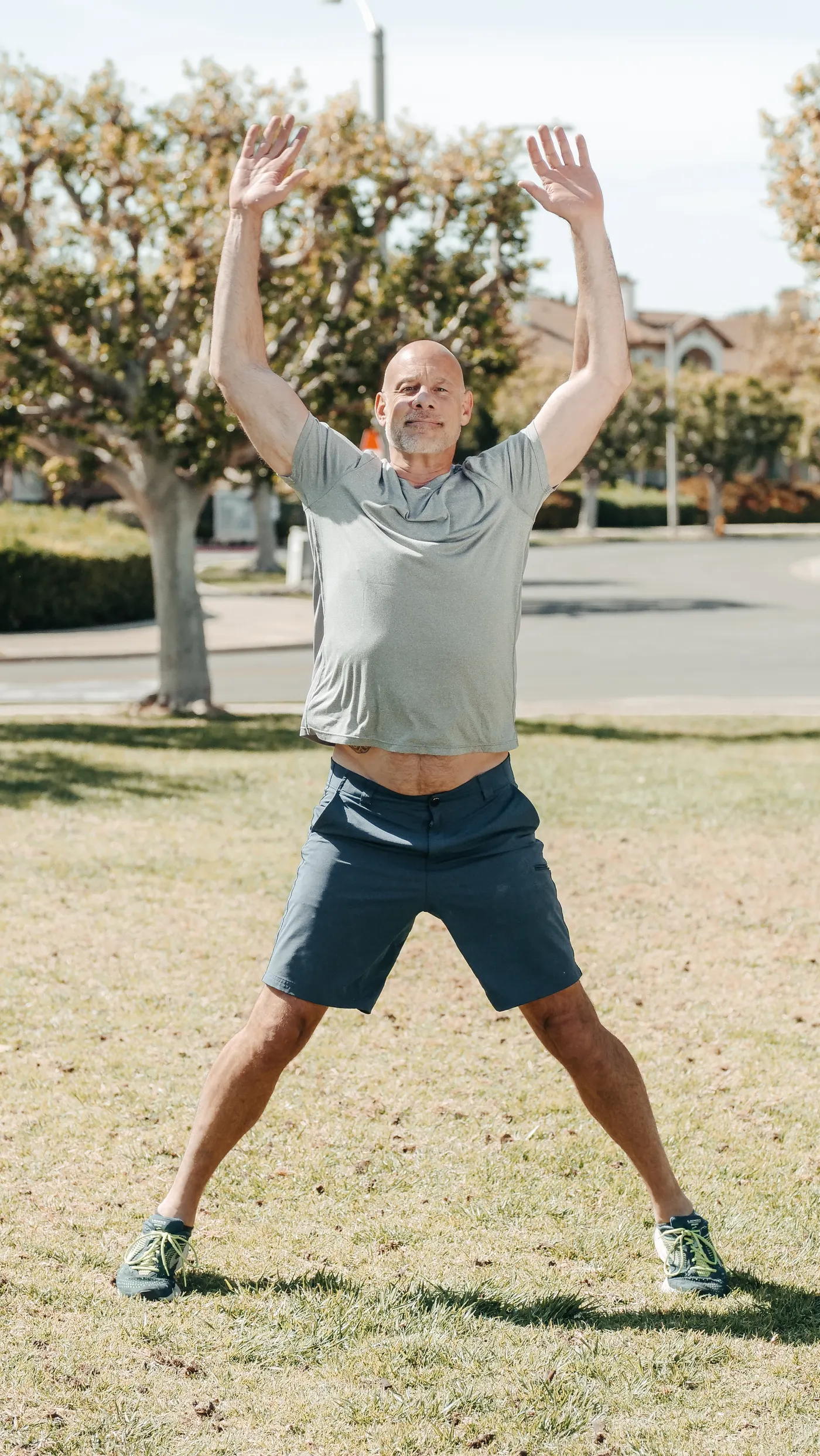
A streak is easy to count, but it cannot tell you whether training quality is improving. Track four signals: planned sessions completed, clean repetitions at a fixed variation, perceived effort and next-day recovery. Add a brief note about sleep or stress when either clearly changes. A lower score on a stressful day does not automatically mean lost fitness.
Make the starting cue specific. You might begin after closing your laptop, before the evening shower or immediately after arriving at the gym. Place your mat and shoes where they are easy to see. Research on habit-focused activity programs suggests that cues and consistent practice can support participation, although no single study establishes a universal number of days required to form a habit.
Conditioning should remain recoverable. Mountain climbers can raise breathing rate quickly, but you should regain control during the planned rest. Easy days should feel easy. Walking or gentle mobility may be more useful than another maximal circuit when your legs are sore and your next strength session is close.
Distinguish normal unfamiliar-muscle stiffness from warning signs. Sharp pain, swelling, dizziness, chest symptoms or persistent joint pain warrant stopping and seeking appropriate professional advice. Anyone returning from injury or managing a relevant medical condition may need individualized modifications. A public workout calendar cannot replace a clinical assessment.
At the end of the month, repeat the same tests after a comparable warm-up and at a similar time of day. Compare clean repetitions, not just total movement. Also ask which session format you would willingly repeat next month. If the plan only works while a countdown graphic is visible, the challenge has not yet solved the consistency problem.
After Day 30: Keep the Format That Fits Your Goal
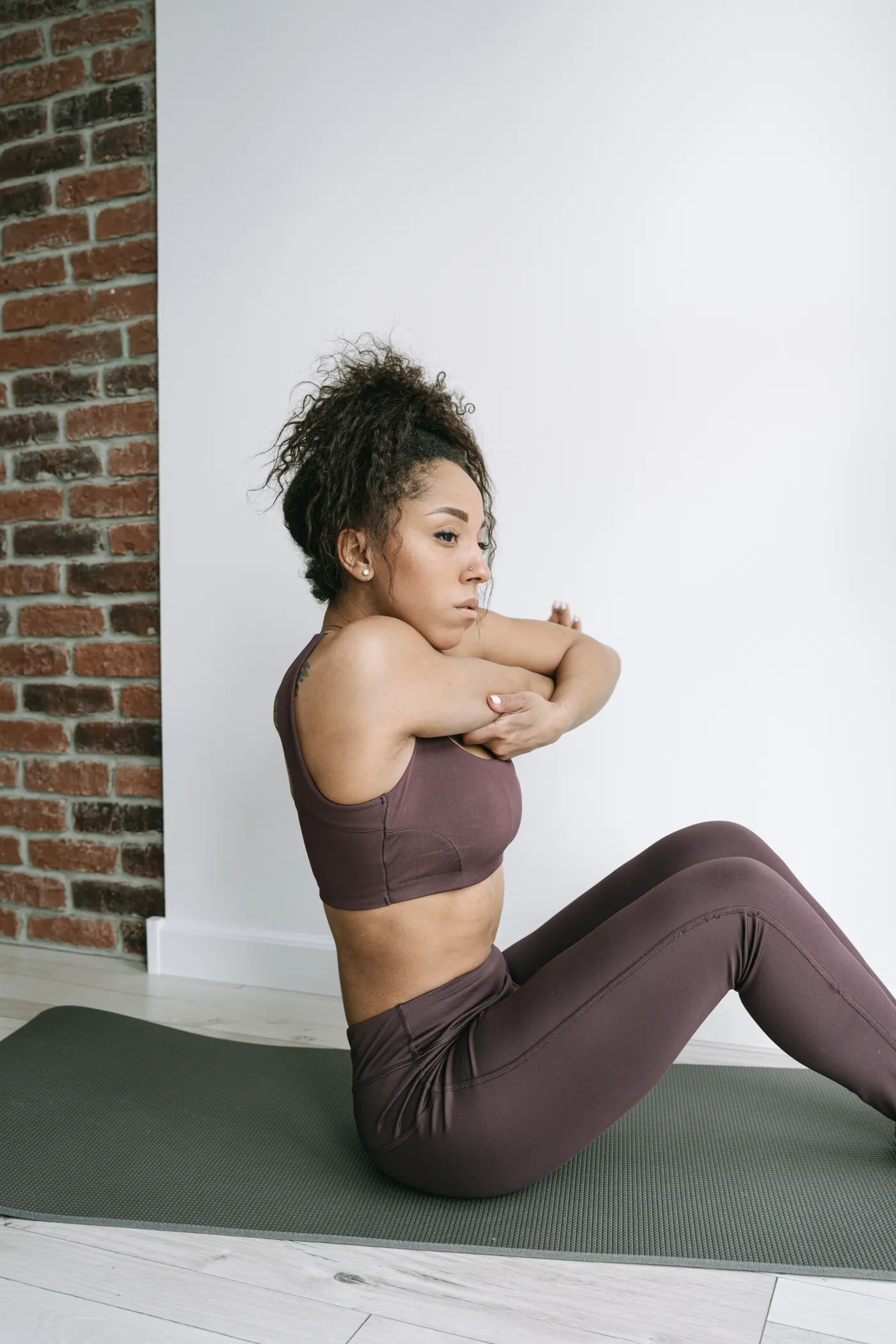
The best challenge leaves you with a routine, not a dependency on novelty. Keep two or three full-body strength days, add aerobic work you enjoy and use short circuits when they serve a clear purpose. EMOM is useful when you want predictable rest and a technical ceiling. AMRAP is useful when you want to practice pacing and compare repeatable work. Straight sets may be better when maximal strength or muscle gain is the priority.
Choose one primary target for the next four weeks. For general fitness, retain the six movement patterns and gradually lengthen one weekly conditioning session. For muscle growth, use more challenging resistance and track hard sets. For calisthenics skill, practice a particular movement while fresh before adding fatigue. You cannot maximize all three goals with the same eight-minute finisher.
Optional equipment should follow the goal. Parallettes can improve hand comfort, rings add stability demands, a weighted vest can make familiar bodyweight movements harder, and a jump rope adds a compact conditioning option. Adjustable dumbbells, a bench or a cable trainer become useful when precise loading matters. None is essential for starting or finishing a basic month.
Make your routine resilient. On a good day, complete the full 20- to 30-minute session. On a difficult day, use a five-minute minimum of easy squats, elevated push-ups and mobility, or take the planned rest day. Record the difference honestly. A minimum session is not a secret hard workout, but it can help maintain the appointment without sabotaging recovery.
The practical conclusion: intervals introduce structure, AMRAP tests repeatable work capacity, and EMOM makes rest explicit. Use each for what it does well. Thirty days can improve skill and consistency, but the most valuable result is a progression and recovery plan that still makes sense on Day 31.
Calisthenics Shirts & Street Workout Gear
Calisthenics and bodyweight-training gear for pull-ups, dips, handstands and street-workout athletes.


Pull Up Or Shut Up Crewneck Pullover Sweater for Calist T-Shirt
Keep things casual with a little “Pull Up Or Shut Up” attitude.

Always Pull Yourself Up Funny Gym T
Heavy lifts, good laughs, and a little “Always Pull Yourself Up” energy.

Calisthenics Heartbeat Decal for Water Bottles Laptops Sticker
Put “Calisthenics Heartbeat” gym humor on your laptop, bottle, or gym gear.


Calisthenics Evolution Decal for Water Bottles Laptops Sticker
Put “Calisthenics Evolution” gym humor on your laptop, bottle, or gym gear.

Human Flag Crewneck Calisthenics Pullover Sweater Worko T-Shirt
Bring “Human Flag” humor to your everyday gym style.

T-Rex Hates Push Ups Muscle Shirt Athletic Vest for Cal Tank Top
Add some lifting attitude to training with “T-Rex Hates Push Ups”.

Calisthenics Hanging Out Decal for Water Bottles Laptop Sticker
A fun “Calisthenics Hanging Out” touch for bottles, laptops, and lockers.

Calisthenics Muscle Shirt Athletic Vest for Bodyweight Tank Top
Your gym-day look, with a playful “Calisthenics” twist.