Power is not the same thing as strength
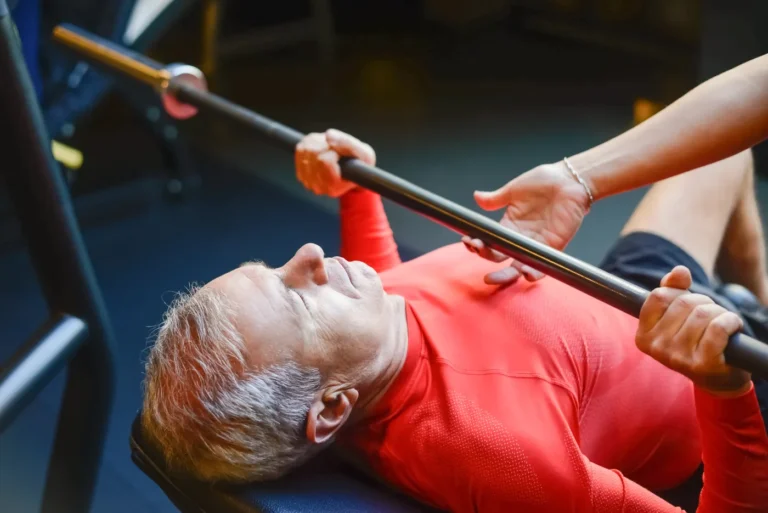
A heavy bench press tests how much force you can produce. A fast chest pass tests how quickly you can express force against a lighter object. Both use the upper body, but they ask the nervous system and muscles to solve different problems. A lifter who can grind out a slow repetition is not automatically skilled at accelerating a medicine ball, and a quick throw does not replace progressive heavy lifting.
Power combines force and velocity. In practice, that means moving an appropriate resistance deliberately fast while keeping the path controlled. The aim is not to rush through sloppy repetitions. It is to produce a crisp effort, recover, and repeat with similar speed. This matters for throwing sports, striking, rapid pushing, and general athletic training. It also gives strength-focused lifters a reason to train qualities that ordinary slow sets may not emphasize.
A synthesis covering 35 upper-body plyometric studies and 1,412 participants found improvements in medicine-ball throwing, sport-specific throwing and maximal strength relative to controls. But certainty was rated low or very low, so the results do not establish one universally best routine. Build a foundation of repeatable push-ups, stable shoulder motion and sufficient upper-back strength before adding speed. The useful goal is repeatable acceleration with technique, not a spectacular single repetition.
Medicine-ball throws teach you to accelerate and release
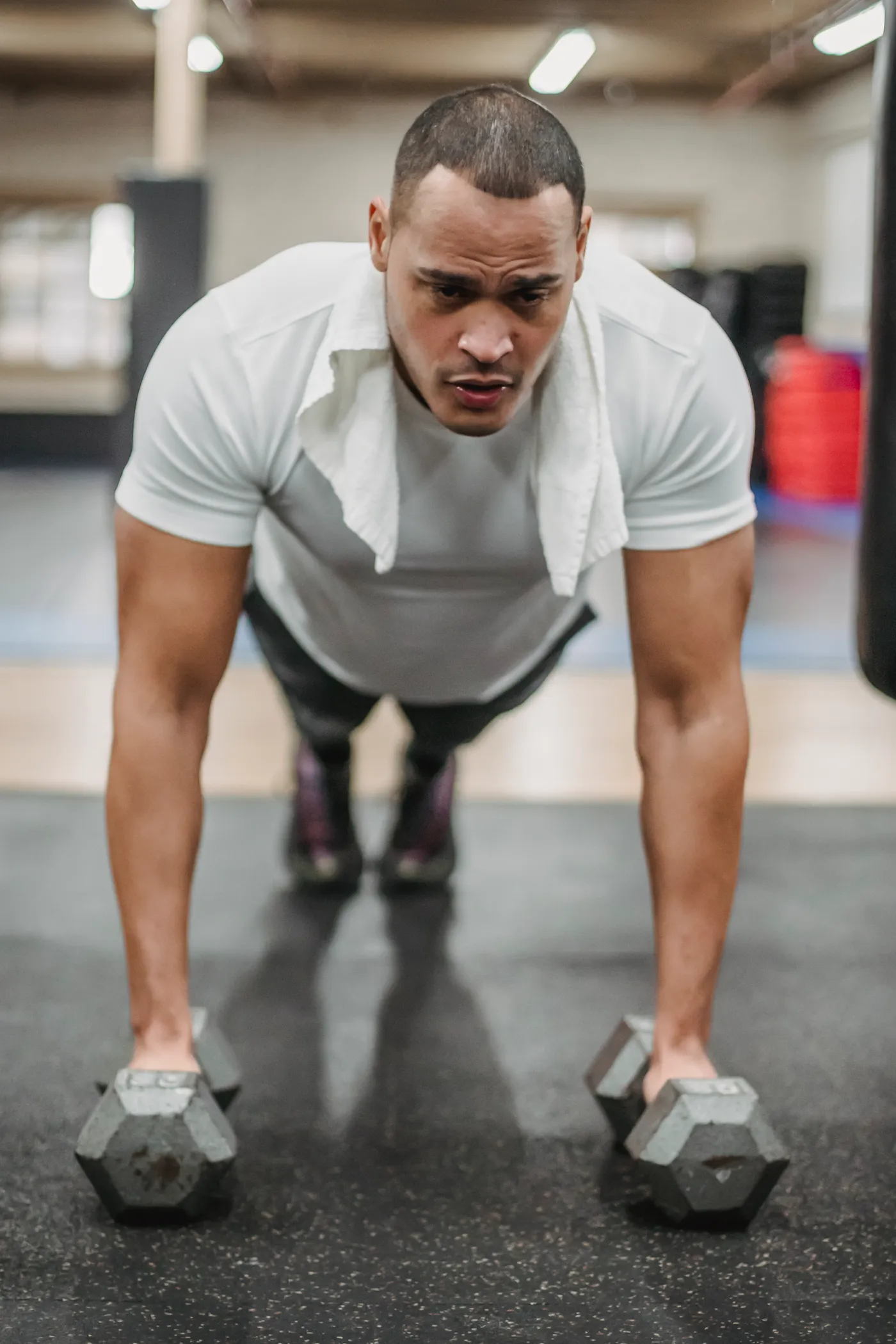
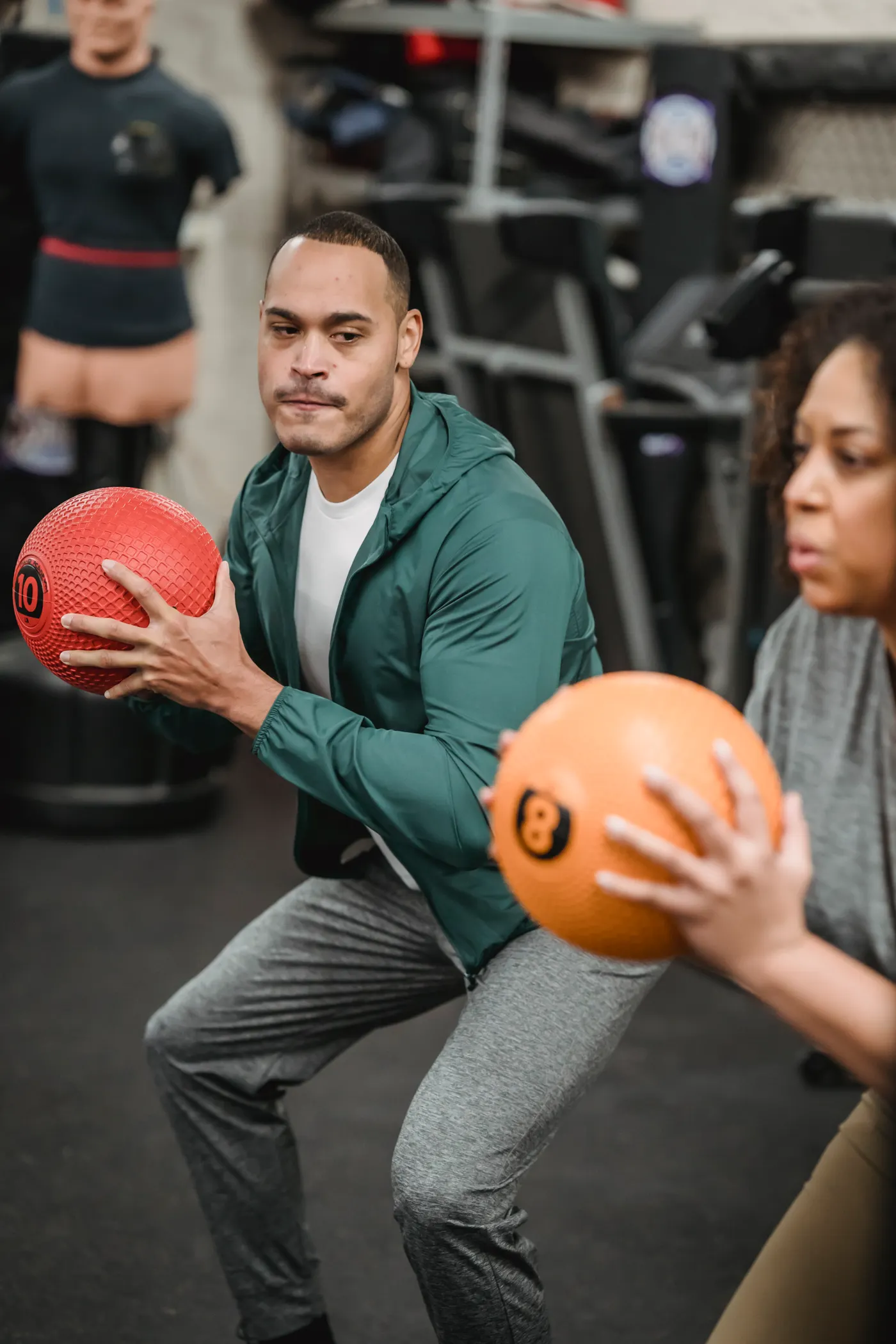
A medicine ball is useful because you can release it rather than having to brake a dumbbell at the end of every repetition. The arms and trunk accelerate through the intended movement while the ball travels away. Choose a non-bouncing ball for slams and an appropriate rebound ball for wall passes; they are not interchangeable. Check that the wall, floor and surrounding area can tolerate repeated impacts.
For a chest pass, face a sturdy wall with feet balanced and the ball close to the sternum. Drive it forward sharply, then catch the return only if your shoulders and wrists remain comfortable. For a rotational scoop throw, begin with the hips and trunk, pivot the feet and send the ball across the body. Avoid an arm-only twist. For an overhead slam, raise the ball with controlled rib position and drive it down without hyperextending the lower back.
Start with a ball light enough that the final repetition is nearly as fast as the first. Two to four sets of three to five throws per direction are a reasonable beginning. A heavy ball that barely moves may be a strength challenge but is not automatically a better power drill. Track distance to a safe target, marked wall height or consistency of the throw. Better speed and coordination can be progress even without a heavier ball. Keep throws early in a session before exhausting presses or rows.

Equipment Worth Exploring
Explore equipment, accessories and gear from our carefully selected range.


FID Bench MAX
Adjustable bench offering flat, incline, and decline positions + adjustable headrest.

GymPin Barbell Row Handle
Heavy-duty handle attachment for barbell, landmine and T-bar rows.
Explosive push-ups: earn the takeoff before the clap
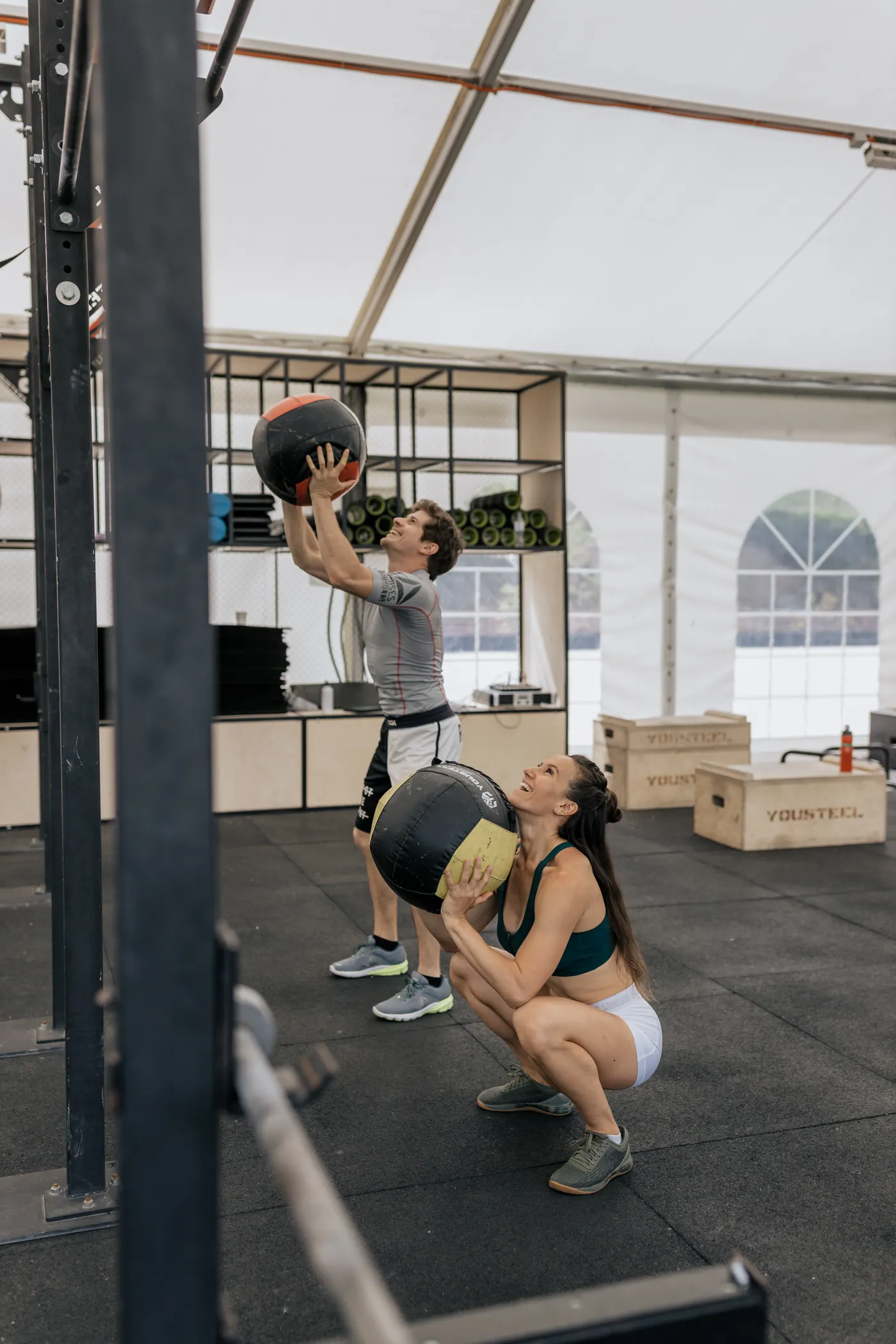
The plyometric push-up can develop rapid horizontal pressing, but the landing matters as much as the launch. First establish ordinary push-ups with a rigid trunk, comfortable hands and smooth descent. Practice pushing up quickly without leaving the floor. Next try a tiny hand release and land softly with elbows able to bend rather than lock. Clapping is an optional advanced skill, not the starting standard.
If the floor variation is too difficult, elevate the hands on a fixed stable platform. The incline reduces the amount of body weight accelerated and allows a quieter landing. Avoid unstable benches or sliding handles. Depth-drop variations substantially increase impact demands and belong later, if ever, in a progression. Try three sets of three clean repetitions with roughly two minutes between sets. Stop when the hands barely leave the surface, the torso sags or the shoulders feel uncomfortable.
A six-week controlled experiment in physically active college students found improvements in upper-body power after plyometric training, but its small sample and supervised setting do not establish an ideal dose for every adult. Keep conventional presses in the program: the explosive drill supplies a different stimulus and should not consume all pressing volume. If wrist or shoulder symptoms make impact uncomfortable, a light medicine-ball chest pass may be easier to control. Choose the variation you can repeat safely today.

Functional Fitness Shirts & Workout Gear
Functional-fitness shirts, tanks and workout gear for athletes who train strength, conditioning and everything in between.

Viva La Resistance Bands , Meme Shirt, Top T-Shirt
Make gym days more fun with “Viva La Resistance Bands” style.

Handstand Walk Tee
Bring “: The Handstand Walk Beatles Graphic” humor to your next gym day.


Crossfit Jesus Christ Bros, & Meme Lovers T-Shirt
Show some Easter attitude with a playful “Crossfit Jesus Christ” tee.

Kettlebell Skull Tee
Heavy lifts, good laughs, and a little “Kettlebell Skull Gym Meme” energy.


Vitruvian Kettlebell Tee
Heavy lifts, good laughs, and a little “Vitruvian Man With Kettlebells” energy.


OnlyGains Kettlebell Meme Hooded Jumper Hoodie
Bring “OnlyGains” gym humor to lazy days and post-workout plans.

Barbell power: high pulls, push presses and the skill factor
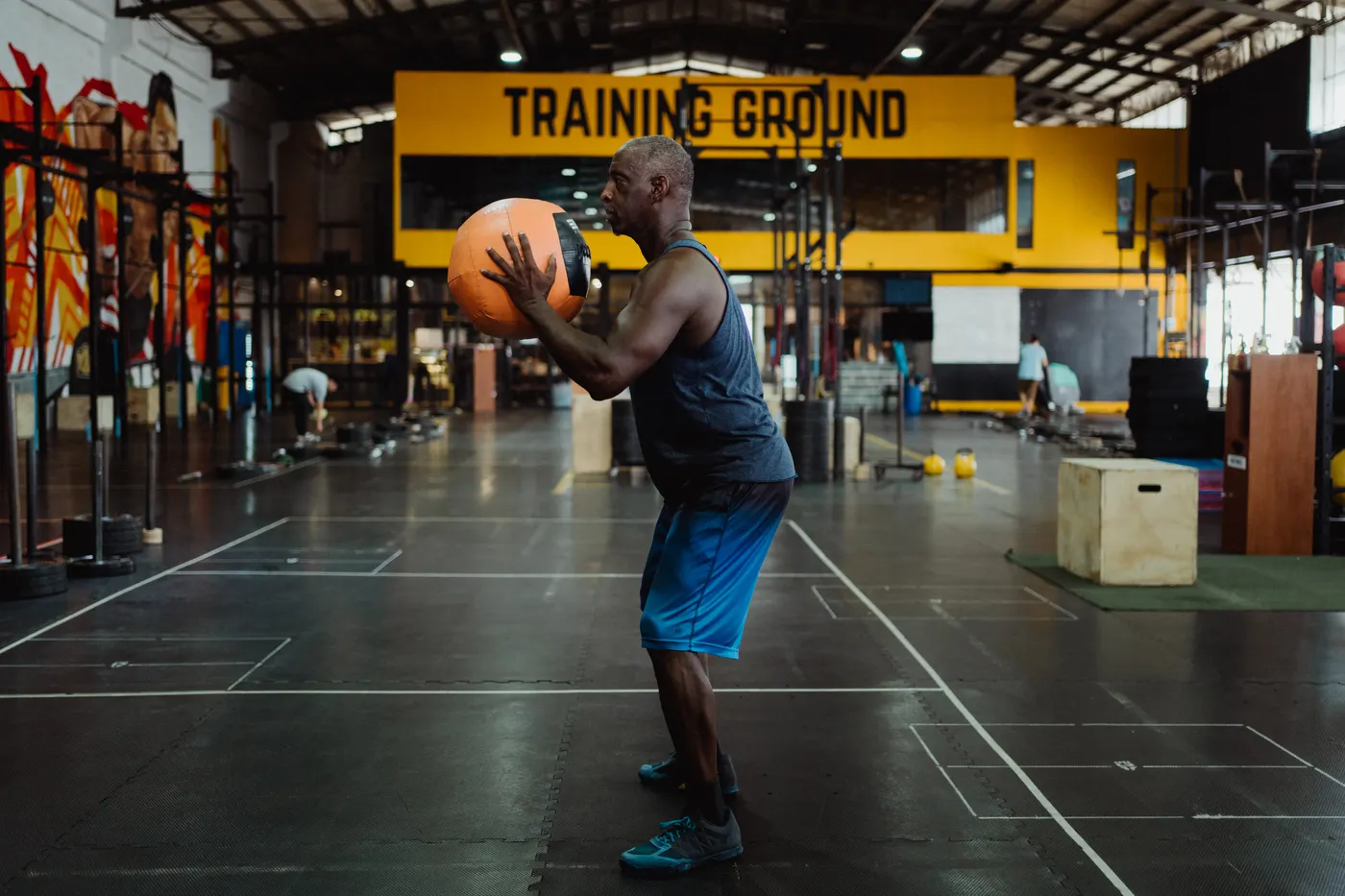
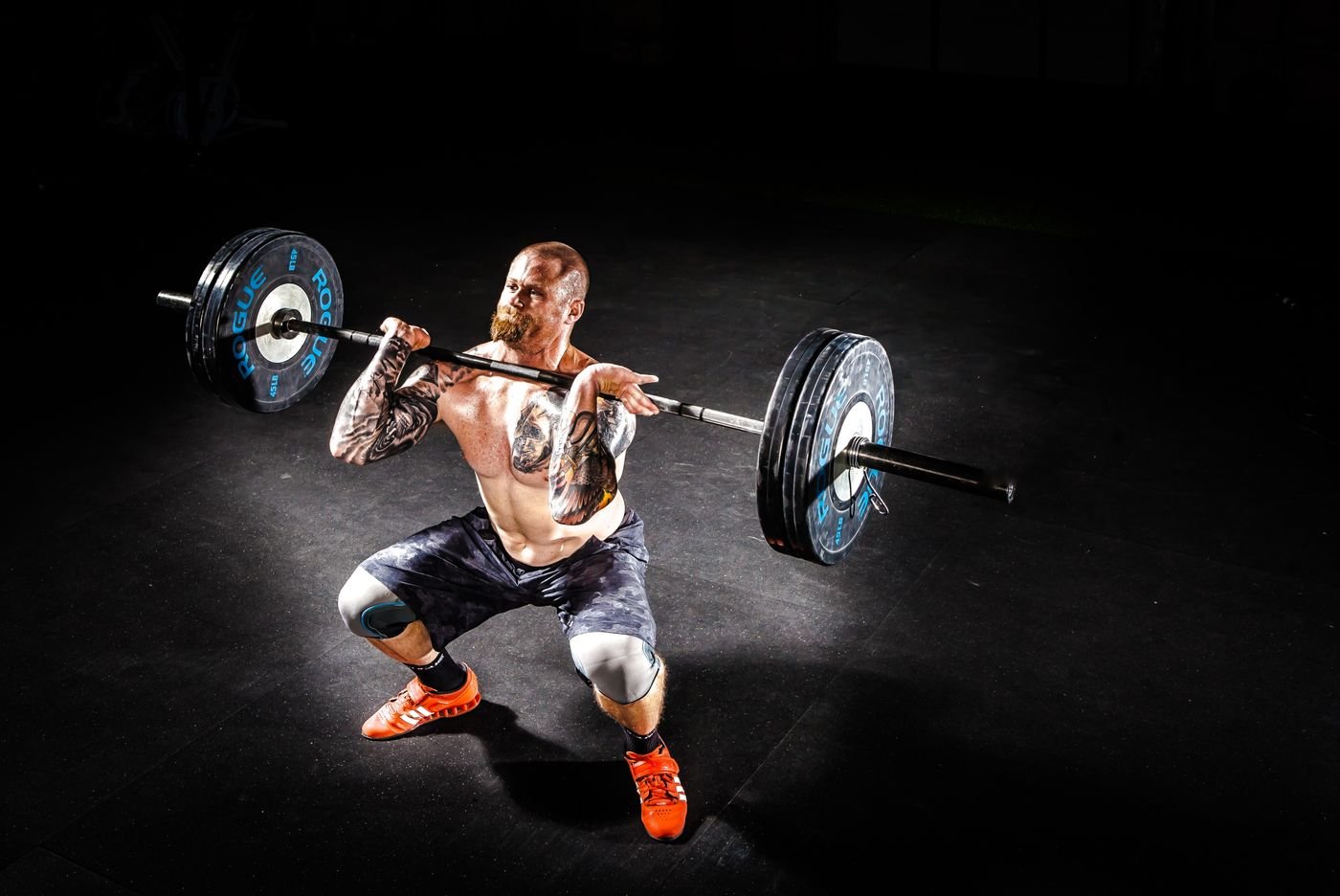
Barbell movements can train rapid force production, but not all fast lifts are equally accessible. A high pull starts with legs and hips extending powerfully while the upper body guides the bar. A push press uses a short knee dip and strong leg drive to accelerate a bar overhead. Both are coordinated whole-body movements, even though shoulders, arms and upper back contribute. They are not pure upper-body isolation exercises.
Learn the positions with an empty bar or very light load before attempting fast repetitions. In a high pull, keep the bar close and avoid turning the lift into a bent-back upright row. In a push press, dip vertically, drive through the floor and finish with the bar over a stable base. If the overhead finish is difficult to control, use a landmine press or a medicine-ball chest pass. A heavy Olympic-style catch demands more mobility, timing and coaching than a basic power session requires.
Bar speed generally falls as resistance rises. For general training, two to four sets of two or three technically clean repetitions with a manageable load may be enough. There is no universal percentage of maximum that optimizes every lift. Clear the area, set safeties and secure collars and plates. A landmine attachment offers a different angled pressing path, but it is not automatically comfortable for every shoulder. One simple throw or fast push-up followed by conventional strength work is often a better starting point than several complex barbell lifts.
Fast band pulls and rows have a different resistance curve
Resistance bands can help practice rapid pulling or pressing. As a band stretches, tension generally rises, so the last part of a row may be more demanding than the start. That differs from a cable or free-weight movement. The resistance curve may suit some acceleration drills, but the setup needs care. Bands are not a direct replacement for the release phase of a medicine-ball throw.
Anchor the band to a solid point that tolerates the pulling direction. Inspect it for cracks, abrasions or damaged seams, and keep your face out of the recoil path. With a stable stance, pull both hands toward the lower ribs quickly and return under control. Do not throw the torso backward to manufacture speed. A single-arm version adds a rotational challenge, but the trunk should remain coordinated rather than whipping around.
Use a lighter band for three to five tidy rapid repetitions instead of a long burn-out set. For a pressing version, stand facing away from a secure anchor and drive the hands forward while the trunk stays quiet. If the band jerks the shoulders or wrists into a poor position, reduce resistance or return to a slower exercise. Bands do not automatically outperform weights for muscle growth. Their value is convenience, a distinct resistance curve and the opportunity to practice intent to move quickly alongside ordinary rows, pull-ups and controlled shoulder training.
Equipment Worth Exploring
Explore equipment, accessories and gear from our carefully selected range.
VOLTRA
Compact digital cable trainer with smooth, adjustable resistance.

Go-Tone Pro
Portable digital cable trainer with up to 66 lb (30 kg) of adjustable resistance.


GymPin Ergo Handles
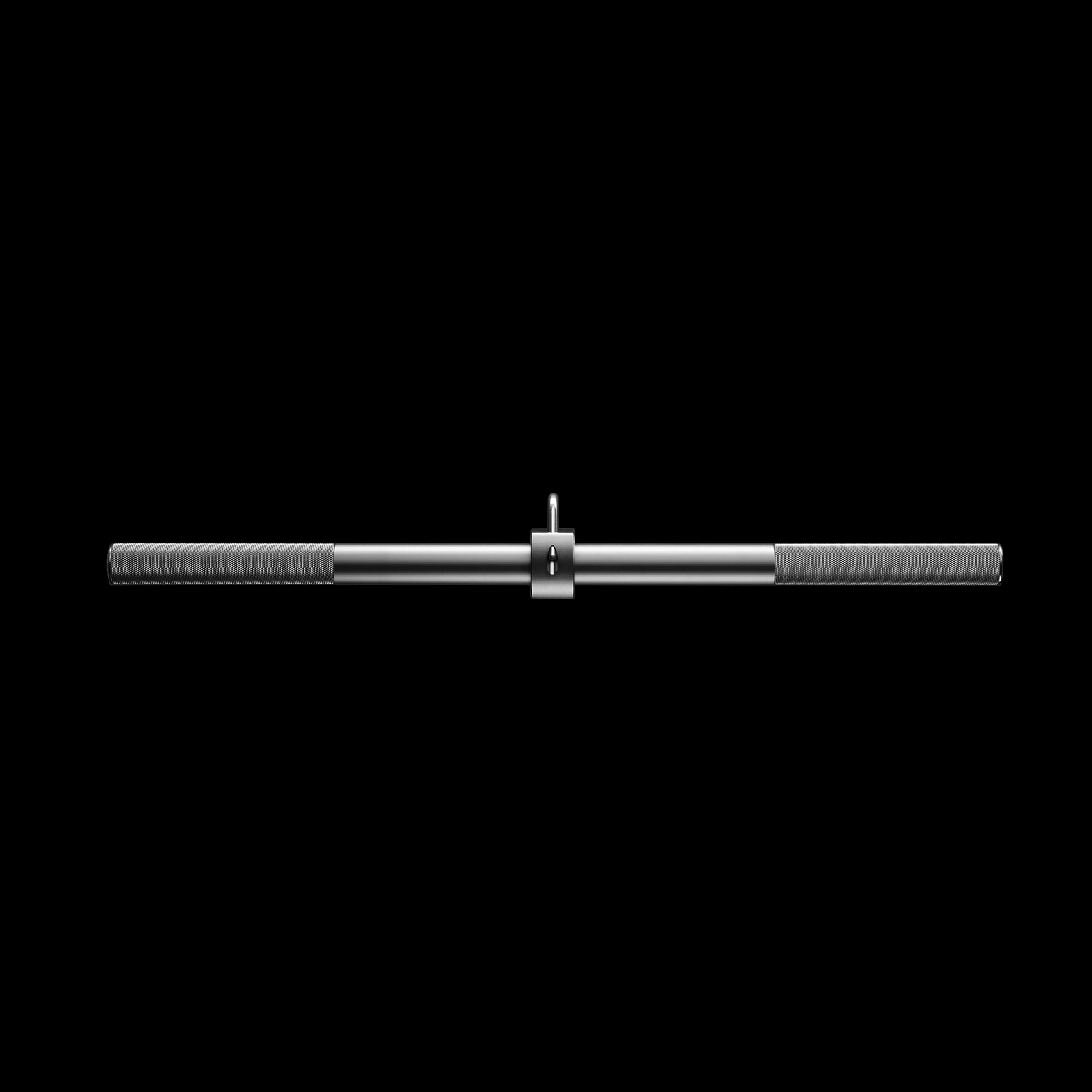
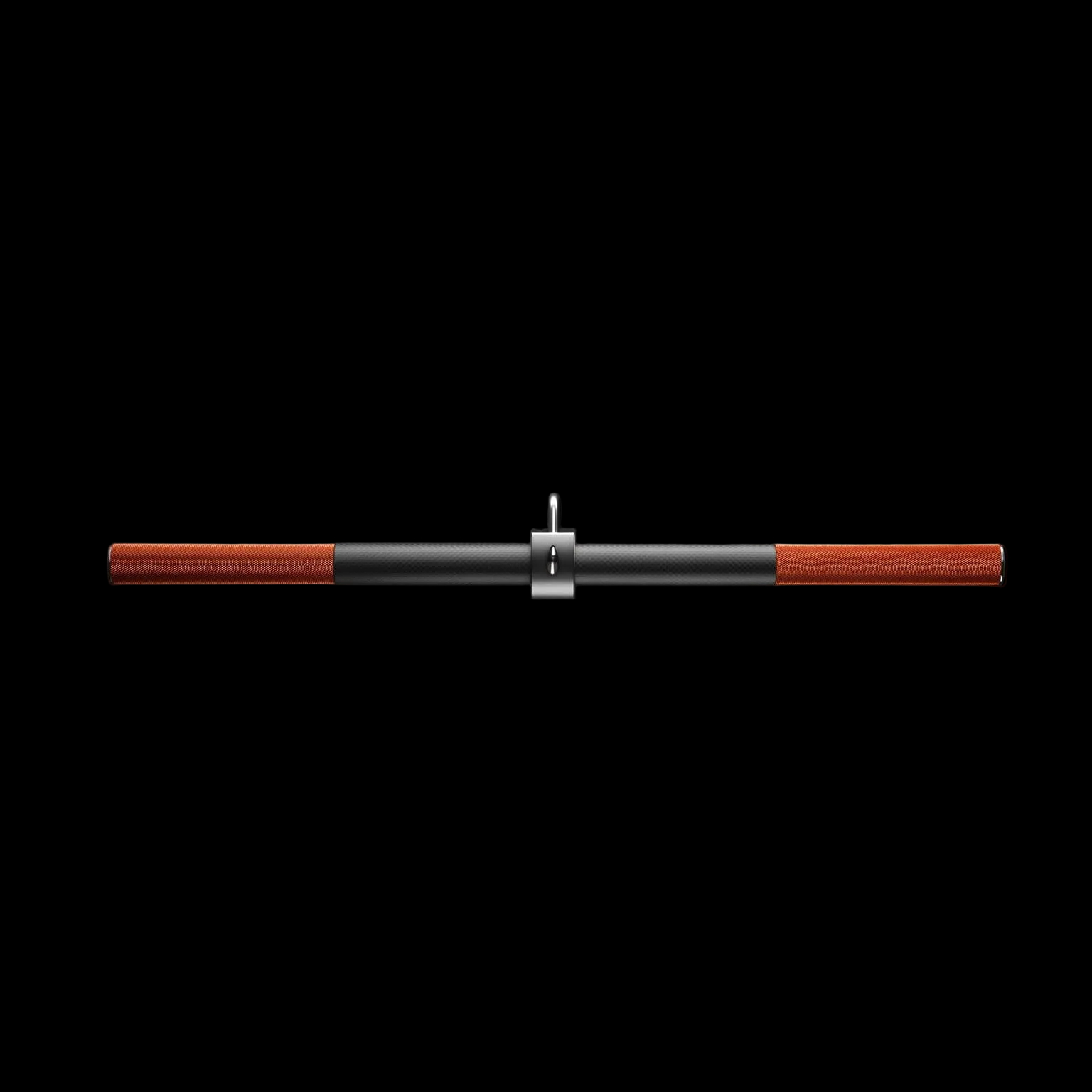
Pair of ergonomic cable handles shaped for comfortable triceps and pulling exercises.


GymPin D Handle Bar
Multi-use steel D-handle bar for cable rows, pulldowns and other cable exercises.

Leather Wrist Grips
Padded leather lifting grips help support the hands and wrists on heavy pulling exercises.
Program speed without turning power work into conditioning
Power repetitions lose their purpose when every set becomes a race to exhaustion. A set that starts with three fast efforts and ends with two slow grinders is not five equally good power repetitions. Use low repetition counts, generous rest and a clear stopping rule. A sensible starting point is two sessions per week, one or two drills per session and two to four sets of three to five quality efforts. Leave at least a day between demanding sessions.
Rest intervals around 90 seconds to three minutes are a reasonable starting point, with longer breaks for heavier or more technical movements. The right interval lets you reproduce speed and alignment. If you are too winded to brace, catching throws awkwardly or unable to land quietly, rest longer or stop. A power workout need not be a high-heart-rate workout.
Warm up with easy movement, then gradually increase the range and speed of relevant pushes, pulls and trunk actions. Before a high pull, rehearse hinges and unloaded pulls. Before a plyometric push-up, perform normal push-ups and small accelerations. Avoid placing explosive drills after a maximal press test or an exhausting shoulder session. If shoulders, elbows or wrists are irritated, reduce impact and speed until movement is comfortable. Many studies involved young athletes rather than older or clinical populations; better throwing scores are not proof of fewer injuries or gains in every sport.
Powerlifting Shirts & Lifting Gear
Powerlifting shirts and gym gear for squat, bench and deadlift lifters who live for heavy numbers.

Built The – Korn Metal Weightlifting & Gymbros Meme T-Shirt
Heavy lifts, good laughs, and a little “Built for the” energy.

Break Limits More Power Meme – Ultimate & Gymbros T-Shirt
Heavy lifts, good laughs, and a little “Break Limits More Power” energy.

Old School Weight Strongman – Meme Shirt & Top T-Shirt
Show some powerlifting attitude with a playful “Old School Weight Lifter Strongman Graphic” tee.

Heavy Barbell – Meme Shirt & Top T-Shirt
Make gym days more fun with “Heavy Barbell Powerlifting Graphic” style.

Ultimate Bench Press Tee
Heavy lifts, good laughs, and a little “Ultimate Bench Press” energy.

Stronger Than You Wonder Woman Inspired Bros & Heroes T-Shirt
Show some superhero attitude with a playful “Stronger Than You” tee.

Big Boy Barbell Club Shirt Meme & Essential Top T-Shirt
Make gym days more fun with “Big Boy Barbell Club” style.

Platehead Skull Powerlifters & Weightlifters Meme Top Tank Top
Show some personality between sets with “Platehead”.

Meme – "Shhh I'M Doing Plate Math" Sweater & Jumper T-Shirt
Keep things casual with a little “"Shhh I'm Doing Plate Math" Workout Sweater” attitude.

Barbie & Barbells Decal Water Bottles & Laptops Meme Sticker
Stick a little “Barbie & Barbells” humor on your favorite gear.
A practical six-week upper-body power progression
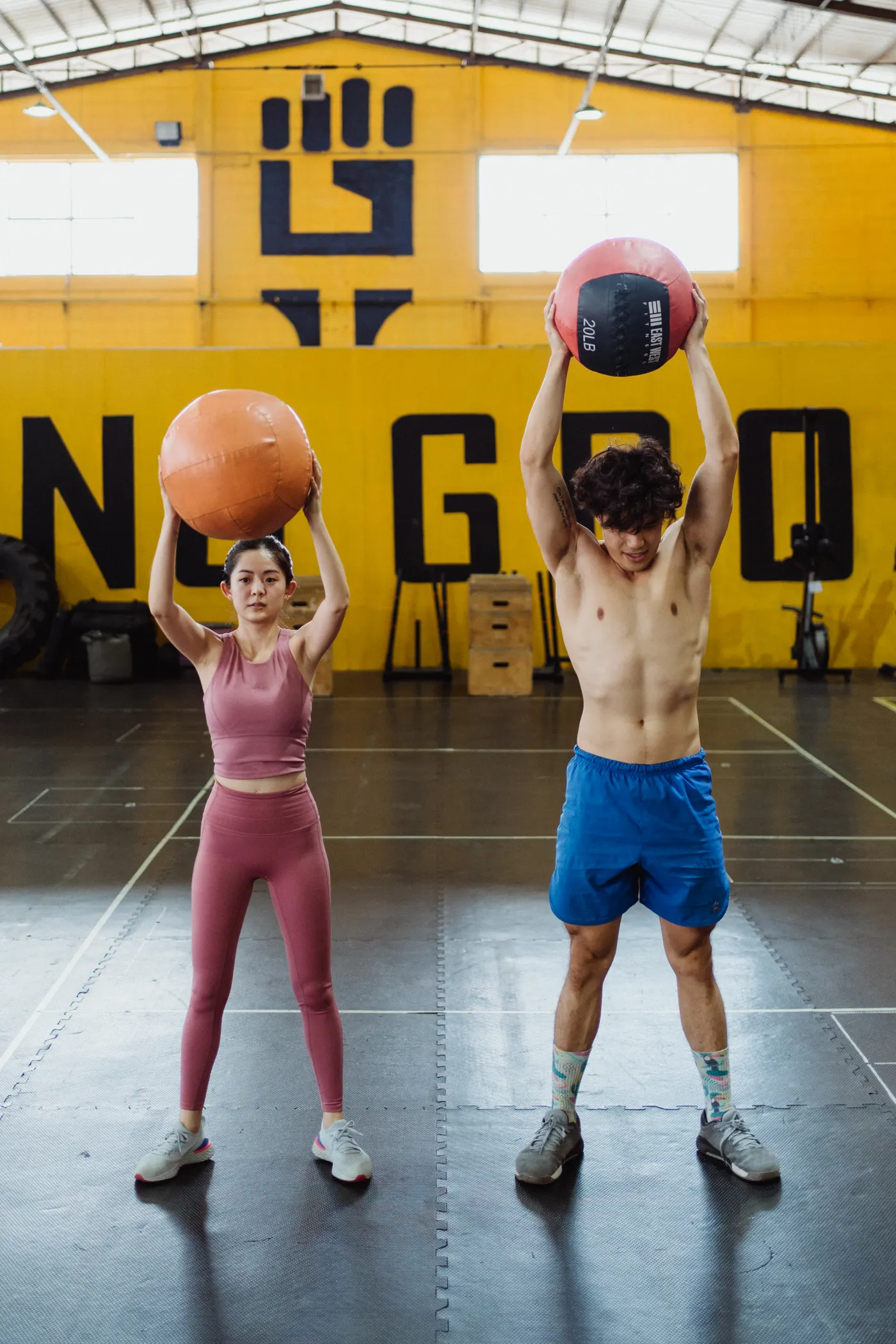
Use two short power blocks per week, ideally before regular strength work. Session A begins with medicine-ball chest passes and then a controlled press. Session B begins with fast push-up variations and then an upper-back pull. Keep your normal lifting, but trim accessory volume if the added drills leave you unusually sore or slow. This is a practical template, not a tested six-week clinical protocol.
Weeks 1–2: In Session A, perform three sets of three chest passes with about two minutes of rest, followed by two or three conventional pressing sets. In Session B, perform three sets of three fast incline push-ups and three sets of six to ten controlled rows. Use an incline that allows a crisp push and quiet landing. Record ball weight, target, setup and whether the last repetition looks like the first.
Weeks 3–4: If all repetitions remain fast and comfortable, add one set to the main drill or progress the incline push-up slightly toward the floor. Change only one variable at a time. An optional rotational throw can replace one chest-pass set, but train both directions. Keep strength work progressive without taking every set to failure immediately before the next power session.
Weeks 5–6: Maintain high-quality repetitions and consider a modest ball-weight increase only if the throw remains sharp. A lifter with a stable floor push-up may try a small hand-release repetition, not a forced clap. Repeat your original tests under the same conditions at the end of week six: same ball, target, incline and rest. Compare clean repetitions and consistency rather than just fatigue. If performance falls across two sessions, reduce explosive volume first. If joints hurt, stop that drill and choose a comfortable alternative. Small measurable improvements are more useful than exhausting demonstrations.
Some product links may be affiliate links, which can support Mind Muscle Perfection at no additional cost to you.