Hamstring training is more than adding another deadlift. A seated leg curl works knee flexion with the hip bent, and that change in position may matter for muscle growth. Here is what controlled research actually supports, how to set up the machine, and how to fit curls into a useful six-week lower-body plan without exaggerating the evidence.
Why the seated leg curl deserves a place in leg training
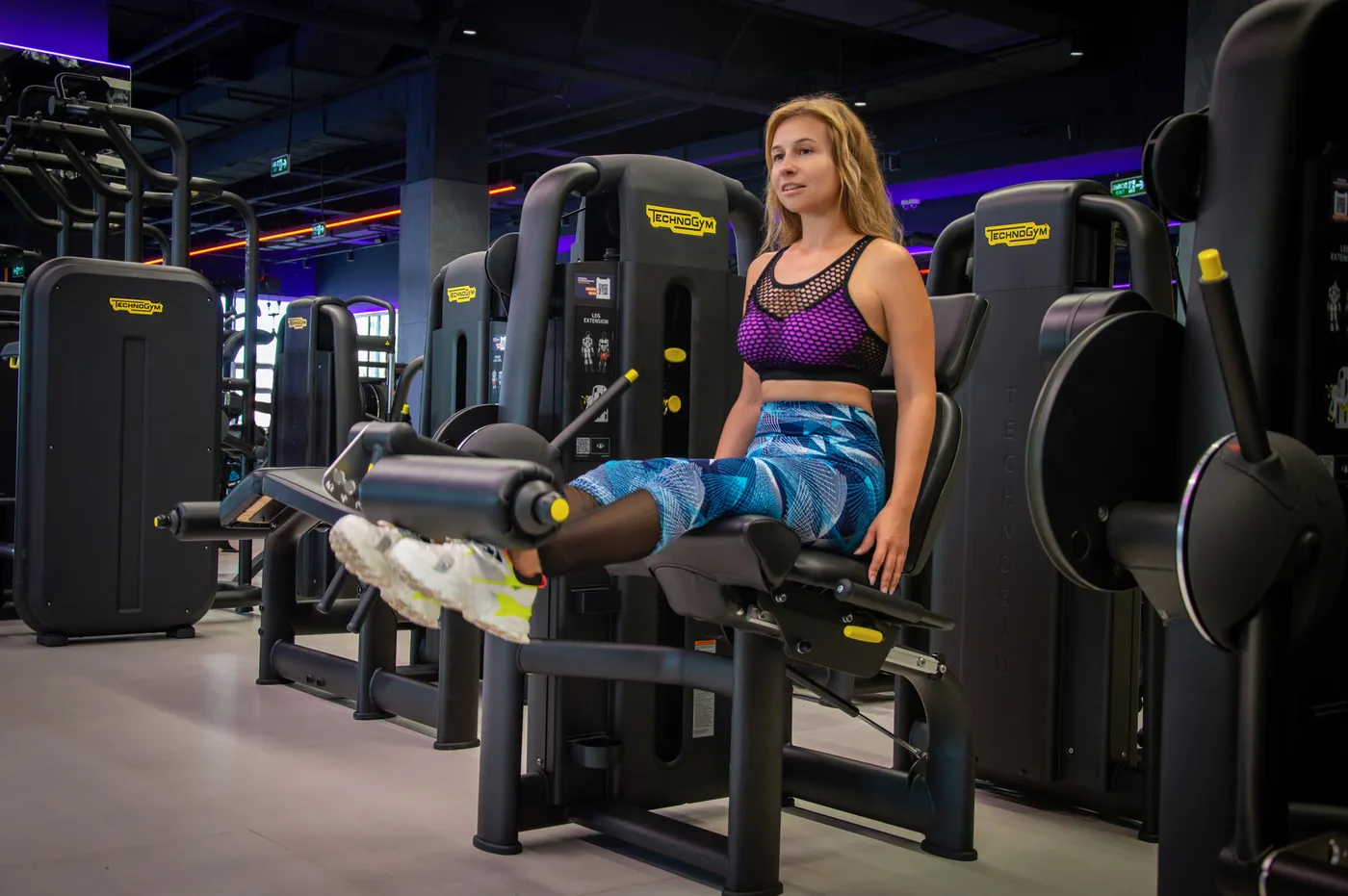
Leg day is often organized around squats, lunges and deadlifts. Those lifts can be excellent, but they do not all challenge the back of the thigh in the same way. A seated leg curl supplies a clear knee-flexion task: the hamstrings shorten to draw the lower leg backward against resistance while the pelvis and thigh remain supported. That makes it a useful companion to hip-dominant exercises rather than a replacement for them.
The hamstring group includes the semitendinosus, semimembranosus and biceps femoris. Most of these muscles cross both the hip and knee, so hip position changes their starting length. Sitting with the hip flexed places the two-joint hamstrings at a longer length than lying face down with the hip relatively extended. The short head of the biceps femoris crosses only the knee, which is one reason not every hamstring region responds identically to the same exercise.
Do not confuse isolation with irrelevance. A stable machine makes it easier to add knee-flexion work without asking the lower back or grip to become the limiting factor. The exercise is particularly useful when heavy hinges already fatigue the spinal erectors, when an athlete needs a simple measurable accessory lift, or when a lifter wants more complete posterior-thigh development. The practical question is not whether seated curls are mandatory. It is whether the program already provides enough direct knee-flexion work to meet its goal.
Set up the machine so your hamstrings, not the seat, limit the set
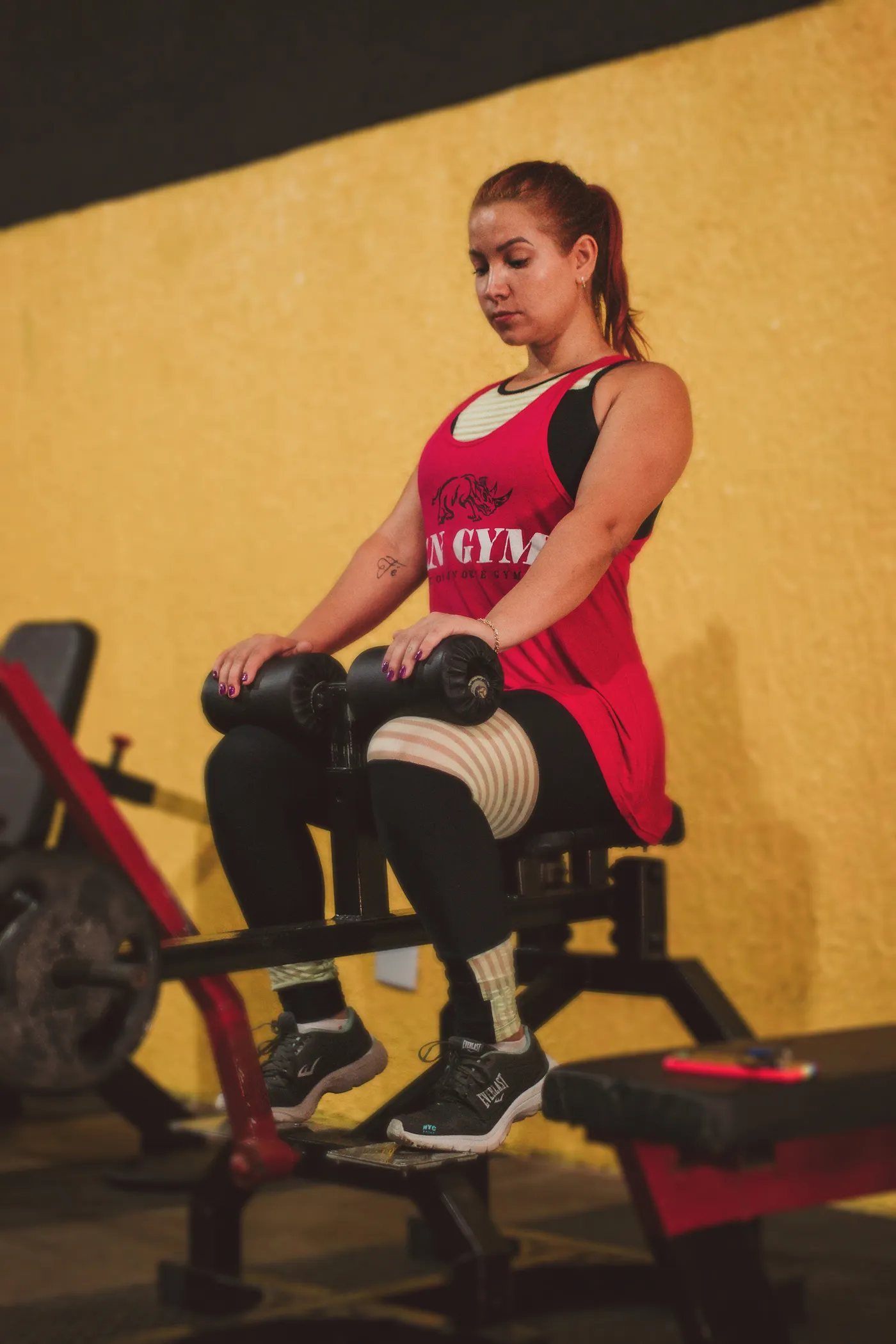
Start by aligning the machine’s knee pivot with the natural bend of your knee as closely as its adjustments allow. Sit back against the pad and position the working pad just above the heel or lower shin, rather than across the middle of the calf. Secure the thigh restraint without crushing the legs. If the backrest is adjustable, choose a hip angle you can maintain without rounding your lower back or sliding forward as the resistance rises.
Begin with a weight you can move for eight to fifteen controlled repetitions. Pull the lower legs down and back by bending the knees while keeping the thighs in contact with their support. Let the hamstrings do the work; do not throw the torso forward, bounce at the bottom or lift the hips off the seat to manufacture another repetition. Pause briefly near the contracted position if the machine permits, then return through the comfortable available range under control.
The return is not dead time. A deliberate two- to three-second lowering phase can make the load easier to track and reduces the temptation to let the stack slam. That is a coaching choice, not proof that one exact tempo produces superior growth. Stop short of painful joint positions, particularly if the machine forces an awkward ankle or knee angle. If the pads shift during the set, adjust the fit before adding weight.
One simple quality test is to film a light set from the side. Your hip position should stay consistent, the knee should rotate around the machine’s axis, and the stack should move smoothly. If your torso is rocking on every repetition, the apparent progression may be a technique change rather than stronger hamstrings.

Equipment Worth Exploring
Explore equipment, accessories and gear from our carefully selected range.

VOLTRA
Compact digital cable trainer with smooth, adjustable resistance.

Go-Tone Pro
Portable digital cable trainer with up to 66 lb (30 kg) of adjustable resistance.

HUSLA Leg Extension Pad
Pad attachment designed to increase usable range of motion on compatible leg-extension machines.

FID Bench MAX
Adjustable bench offering flat, incline, and decline positions + adjustable headrest.


What the seated-versus-lying research really found
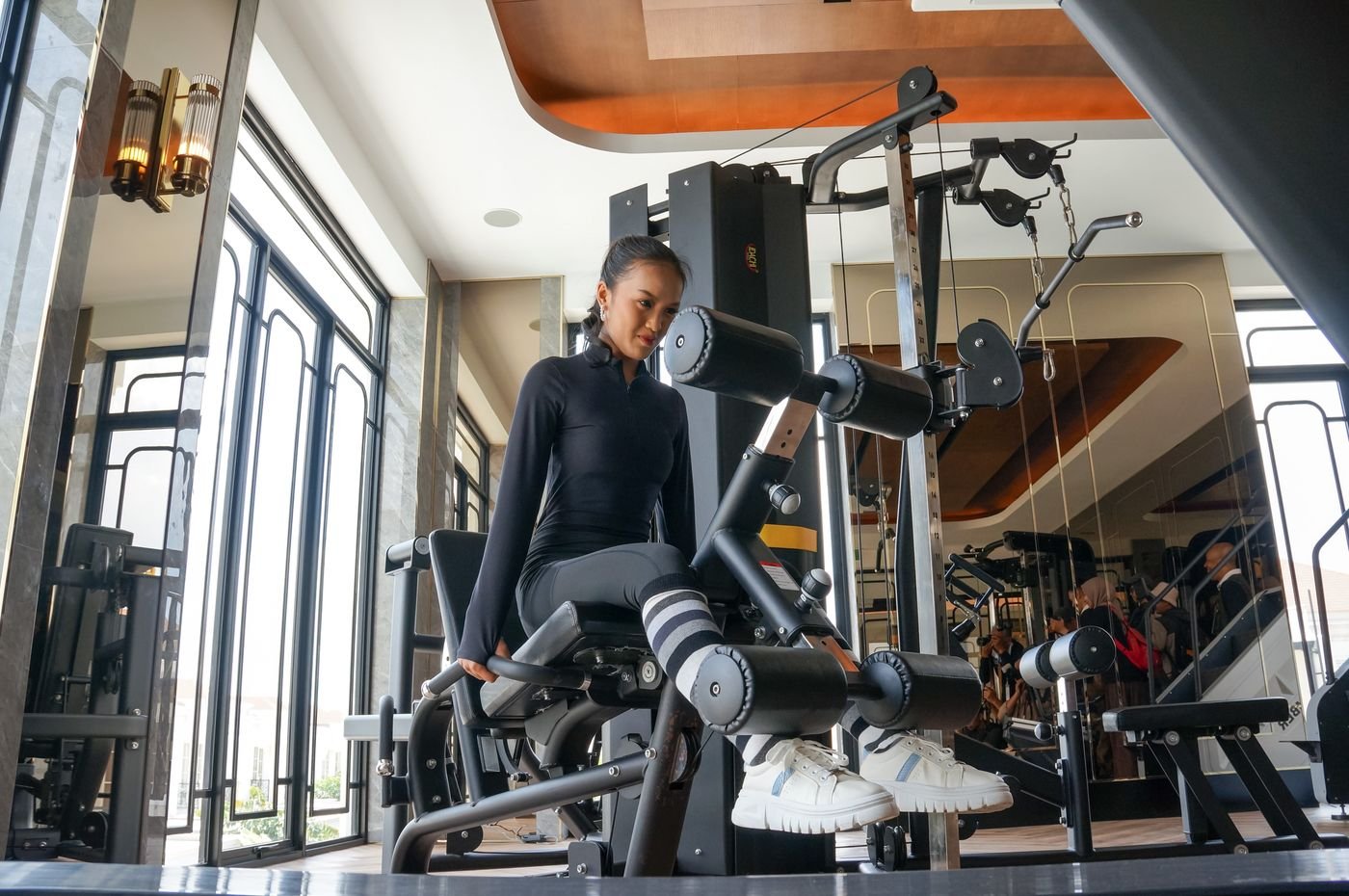
In a twelve-week controlled comparison involving twenty healthy adults, researchers trained one leg with seated curls and the other with prone curls. Both legs grew, but whole-hamstring muscle volume increased by about fourteen percent in the seated condition versus about nine percent in the prone condition. The advantage was concentrated in hamstring muscles crossing both the hip and knee, consistent with the longer starting muscle length in the seated position.
Those figures are relative changes in a particular group following a specific protocol, not a promise that every lifter will gain fourteen percent muscle in three months. The trial used five sets of ten repetitions at roughly seventy percent of one-repetition maximum twice weekly. That is a meaningful dose of training, and it is not necessary to copy it exactly to make progress. The study also tested responses to a challenging eccentric bout. Both trained conditions reduced signs of exercise-induced damage compared with untrained controls; the seated version was not clearly superior for that protection.
A separate twelve-week experiment compared a lengthened-state eccentric knee-flexion method with Nordic hamstring training in forty-two young men split among intervention and control groups. The lengthened approach produced greater overall hamstring growth in that experiment, while adaptations varied across individual muscles. These studies point toward muscle length and exercise specificity as important variables. They do not establish that seated curls are universally best for sprinting, rehabilitation, preventing injuries or every kind of strength.
The safest interpretation is practical: a hip-flexed leg curl is a strong option when hamstring hypertrophy is the priority. It can coexist with prone curls, Nordic work and hip hinges. Choose exercises by the adaptation you need, the equipment you can use well and the load you can progress consistently.

Leg Day Shirts & Workout Gear
Leg-day gym shirts and workout gear for lifters who never skip squats, lunges and lower-body punishment.


I Love Deadlifts Funny Gym T
Show some deadlift attitude with a playful “I Love Deadlifts” tee.

Deadlift Skull Tank Top Pink Heavy Metal
Bring “Deadlift Skull” humor to your next lifting session.


Dead Pull Funny Gym Sweatshirt Crewneck Pump
Bring “Dead Pull” humor to your everyday gym style.

Muscle Mommy Gym – Peach Booty Training for Gym Girls a Hoodie
Show off your gym-girl humor in a laid-back “Muscle Mommy” hoodie.

Thicc AF Booty Lovers & Glute Gains Meme Hoodie
Bring “Thicc AF” gym humor to lazy days and post-workout plans.

Thicc Booty Meme Sweater Glute Lovers T-Shirt
Add a playful “Thicc Booty Gym Meme” touch to your casual rotation.

I Love Squats Shirt | Valentine's Leg Day Meme with Red T-Shirt
Show some leg-day attitude with a playful “I Love Squats” tee.

I Can’t Get No Squat-isfaction Rolling Stones — Leg Day Sticker
Put “I Can’t Get No Squat-isfaction Rolling” gym humor on your laptop, bottle, or gym gear.
Seated, lying, standing and sliding curls are not interchangeable
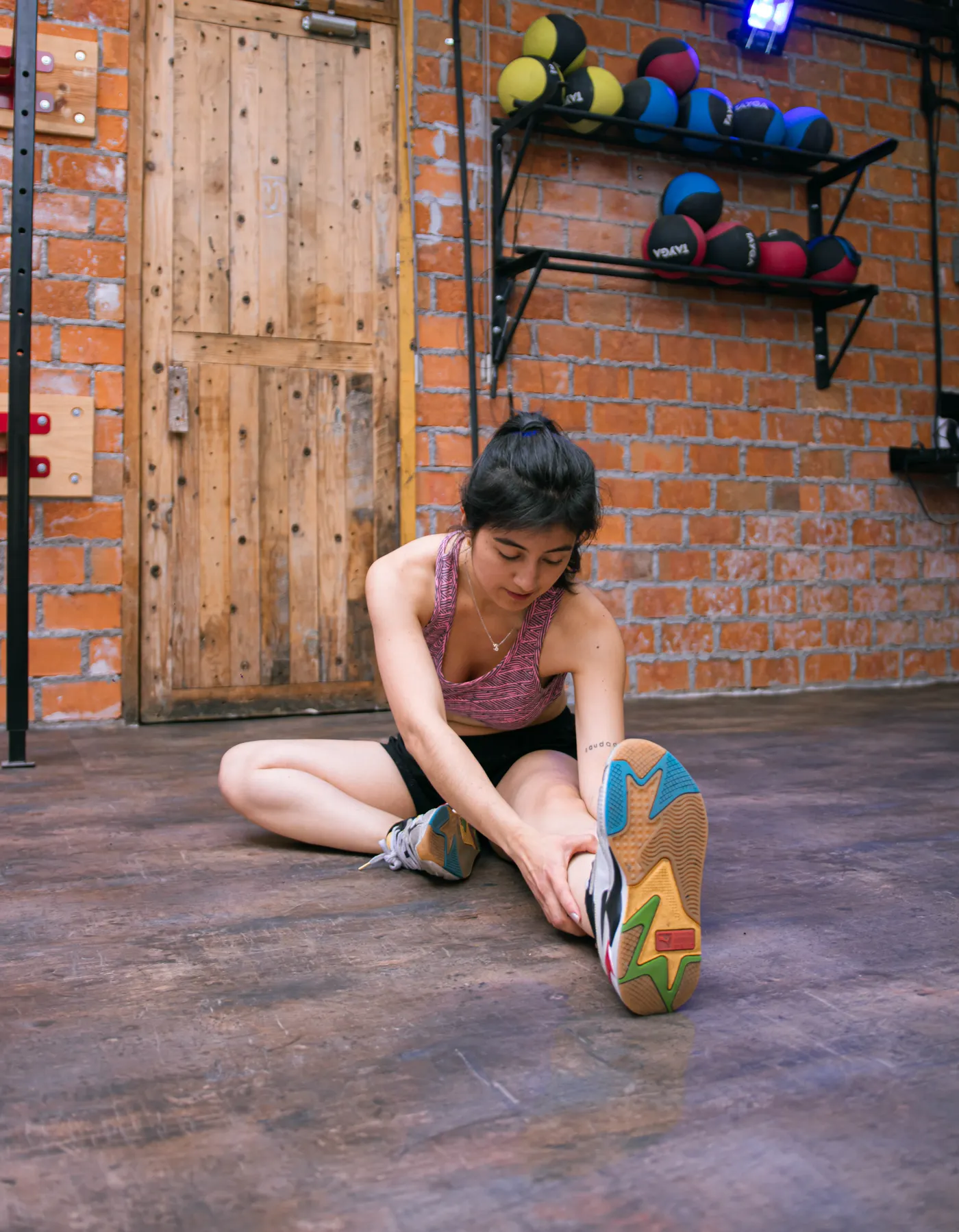
A prone leg curl also trains knee flexion, but the hips are more extended. That changes the length of the two-joint hamstrings, and for some lifters it changes comfort, pad contact and the ability to keep the pelvis stable. A standing single-leg curl can be useful when only one side needs focused work or when a machine fits one leg better than the other. Its limitation is that balance and body movement may interfere with the load you can apply.
Sliding leg curls on towels, sliders or a rolling platform are a good equipment-light option. Begin supine with the hips raised, then extend the knees slowly and draw the heels back in. They can become difficult quickly because you are moving a meaningful fraction of body weight and controlling the pelvis simultaneously. For a beginner, starting with two legs and a shorter extension is often more productive than immediately chasing the hardest variation.
Nordic hamstring lowers emphasize high-force eccentric knee flexion. They can be valuable, but they are not simply a heavier seated curl. A strong anchor, controlled descent and appropriate assistance matter. They may cause substantial soreness when introduced abruptly. The Romanian deadlift, meanwhile, emphasizes hip extension and a different loading pattern; it should not be described as an identical substitute for knee-flexion training.
If you have access to several choices, start with one knee-flexion exercise you can load repeatably and one hip hinge. Rotate the accessory variation only when there is a clear reason: comfort, equipment availability, sport demands or stalled progression. Constant novelty makes it harder to determine whether the hamstrings are actually getting stronger.
Combine leg curls with hip hinges for more complete posterior-chain work
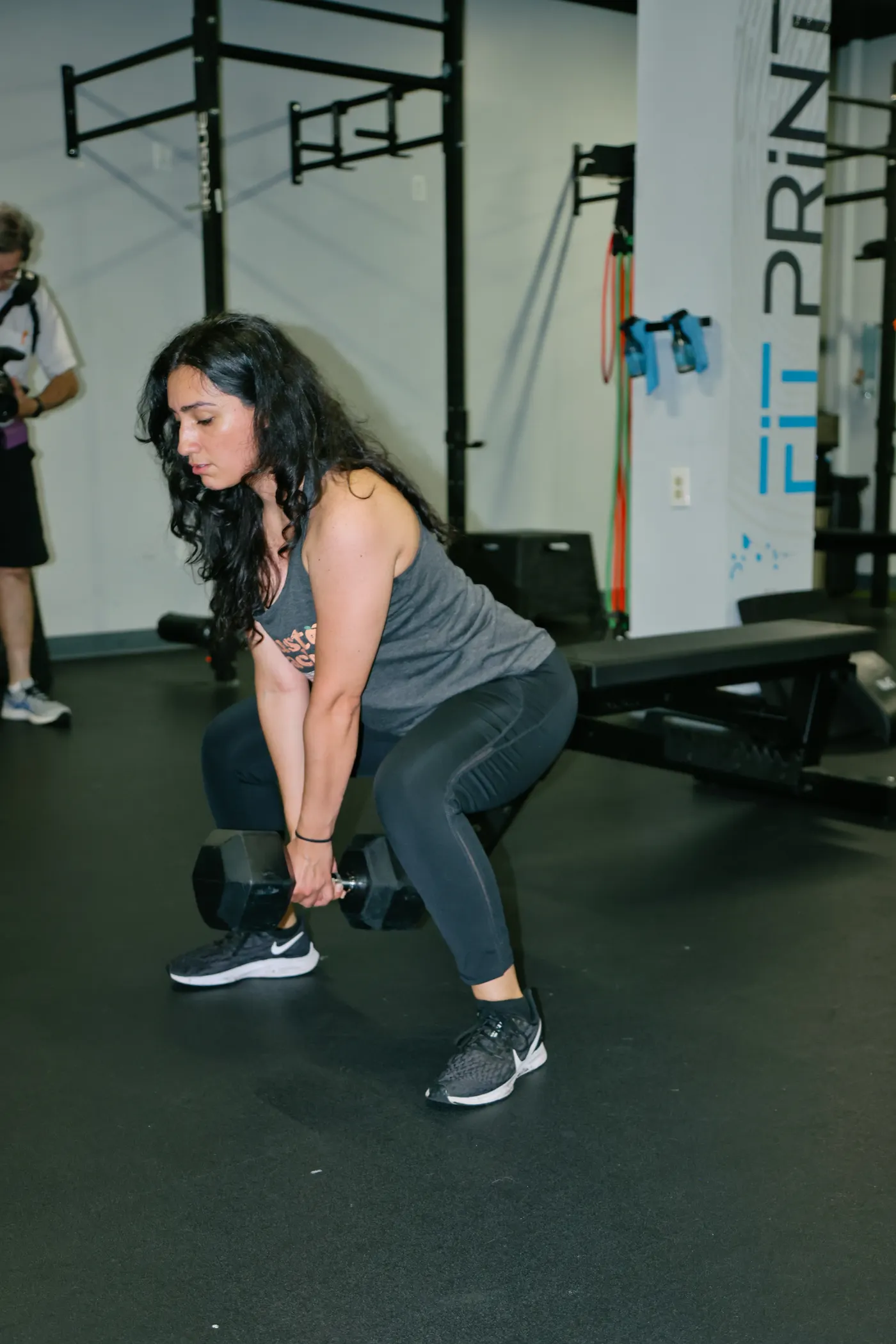
The hamstrings contribute to knee flexion and, for the two-joint muscles, hip extension. A well-rounded lower-body session can use a Romanian deadlift or another controlled hip hinge for the latter function and seated leg curls for the former. This is not a claim that every muscle head must be isolated with a separate exercise. It is a way to distribute useful loading across different joint actions while keeping the program simple.
For a typical hypertrophy session, place the technically demanding compound exercise first if maintaining hinge performance is the priority. After warm-up sets, perform two or three hard sets of Romanian deadlifts for six to ten repetitions, keeping the weight close and the knees softly bent. Then use two or three sets of seated leg curls for eight to fifteen repetitions. If hamstring isolation is the main goal and your hinge performance is not critical that day, reversing the order can be reasonable.
Use a load that leaves roughly one to three good repetitions in reserve on most working sets. You do not need to reach complete failure on every set to train hard. Rest long enough to maintain controlled repetitions: often two minutes or more for demanding hinges, and about one to two minutes for curls, adjusted to breathing and performance. The exact interval matters less than avoiding a sharp loss of quality caused by rushing.
Track the two exercises separately. A heavier deadlift does not automatically prove stronger knee flexors, and a better leg curl does not guarantee faster sprinting. Progress in the task you actually train is the clearest near-term signal.
Equipment Worth Exploring
Explore equipment, accessories and gear from our carefully selected range.



Squat Harness
Wearable harness for hands-free cable squats, sled work, and lower-body training.

GymPin Squat Wedges
Non-slip 15-degree squat wedges help elevate the heels for deeper quad-focused squats.
A practical six-week hamstring progression
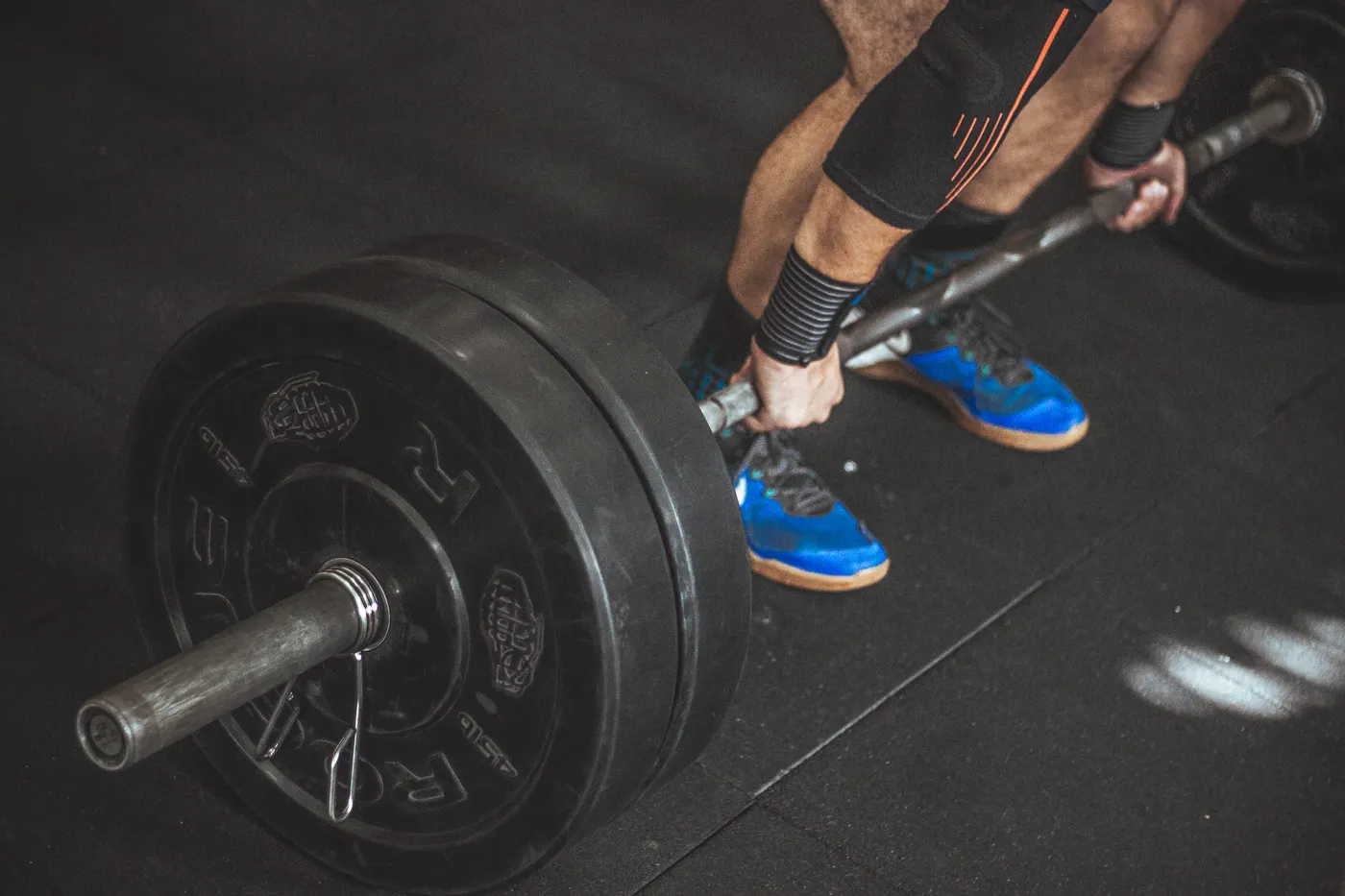
Train the hamstrings twice weekly with at least one recovery day between challenging lower-body sessions. In weeks one and two, begin with two sets of seated curls for ten to fifteen controlled repetitions on each day. Add two sets of Romanian deadlifts on the first day and a lighter hip-hinge or glute-bridge variation on the second. Keep the first week conservative enough that the next session is not compromised by soreness.
In weeks three and four, build to three curl sets on one or both days if recovery is good. Use a double-progression method: stay with the same load until all prescribed sets reach the top of the repetition range with consistent form and the planned effort level. Then increase resistance by the smallest practical increment and return to the lower end of the range. On a cable setup, check that changes in pulley ratio have not distorted your recorded load.
In weeks five and six, keep the exercise selection stable and aim for small improvements in total quality repetitions or load. A sample first session is Romanian deadlift three sets of six to ten, seated leg curl three sets of eight to twelve, and an optional calf raise. The second session can use a squat or split squat, seated leg curl two to three sets of twelve to fifteen, and a controlled hip bridge. These are example workloads, not an individual medical prescription.
Log the weight, repetitions, approximate repetitions in reserve and any discomfort. If performance drops for two sessions while soreness and fatigue rise, reduce sets or effort before adding more volume. Progress is not a straight line, and a good plan should make adjustment easy rather than treating every missed repetition as failure.
Bodybuilding Shirts & Workout Gear
Bodybuilding shirts, tanks and gym gear for lifters chasing muscle, size, symmetry and the pump.

Harley Quinn Booty Builder Sweatshirt
Keep things casual with a little “Booty Builder” attitude.

Squat Here | Edgy Workout Decal for Water Bottles & Gym Sticker
A fun “Squat Here” touch for bottles, laptops, and lockers.

Leg Day Squats Deadlifts Sweater Meme T-Shirt
Show some gym-day personality with “Leg Day”.

Negative Leg Day Review Not Recommended 1 Star T-Shirt
Keep things casual with a little “Negative Leg Day Review” attitude.

Quadzilla Massive Quads Decal Leg Day Squat Meme Sticker
Stick a little “Quadzilla” humor on your favorite gear.

Squats R Us Shirt – Leg Day Gains & T-Shirt
Heavy lifts, good laughs, and a little “Squats R Us” energy.

Get In Loser We'Re Gonna Squat Booty Leg Day Meme T-Shirt
Show some leg-day attitude with a playful “Get In Loser We're Gonna Squat” tee.

Coffee Shots & Heavy Squats for Caffeine Fueled Lifting T-Shirt
For laid-back days and leg-day humor: “Coffee Shots & Heavy Squats”.

Heavy Metal Skeleton Squat for Powerlifting, Bodybuildi T-Shirt
Show some gym-day personality with “Heavy Metal Skeleton Squat”.

Legendary Leg Day – Squat Meme Vest Muscle Shirt For At Tank Top
Add some leg-day attitude to training with “Legendary Leg Day”.
Troubleshooting, recovery and the limits of the evidence
If you feel mostly calf cramping, first check that your ankle position and lower-leg pad are comfortable. Avoid forcefully pointing the toes or pulling them back if either position provokes a cramp. If you feel pressure behind the knee, verify the pivot alignment and avoid forcing the last degrees of flexion. A sharp pain, swelling or persistent neurological symptoms call for professional assessment rather than a form hack.
If the hips lift or the torso folds, reduce the weight and tighten the thigh restraint. If the machine runs out of travel before your knees move through a useful range, the machine may be poorly matched to your body. A different machine, cable ankle attachment or slider variation can be more sensible than fighting the geometry. The best equipment is the equipment that lets you repeat the intended movement safely and consistently.
Recovery matters because direct knee-flexion work can add substantial local fatigue to a week that already includes squats, hinges, running or sport. Increase volume gradually, especially if you are new to Nordics or slow eccentric work. Adequate food, sleep and sensible spacing of demanding sessions support adaptation, but no supplement or special recovery ritual replaces a manageable training dose.
Finally, do not turn one favorable trial into a universal rule. The strongest seated-versus-prone comparison was relatively small and involved healthy adults, while broader reviews show that the benefits of long-muscle-length training can vary by muscle and exercise. Seated curls are a compelling hamstring-growth tool, not a requirement for every athlete. Choose a repeatable knee-flexion exercise, pair it with a hinge when appropriate, and let months of sound technique and measured progression do the work.