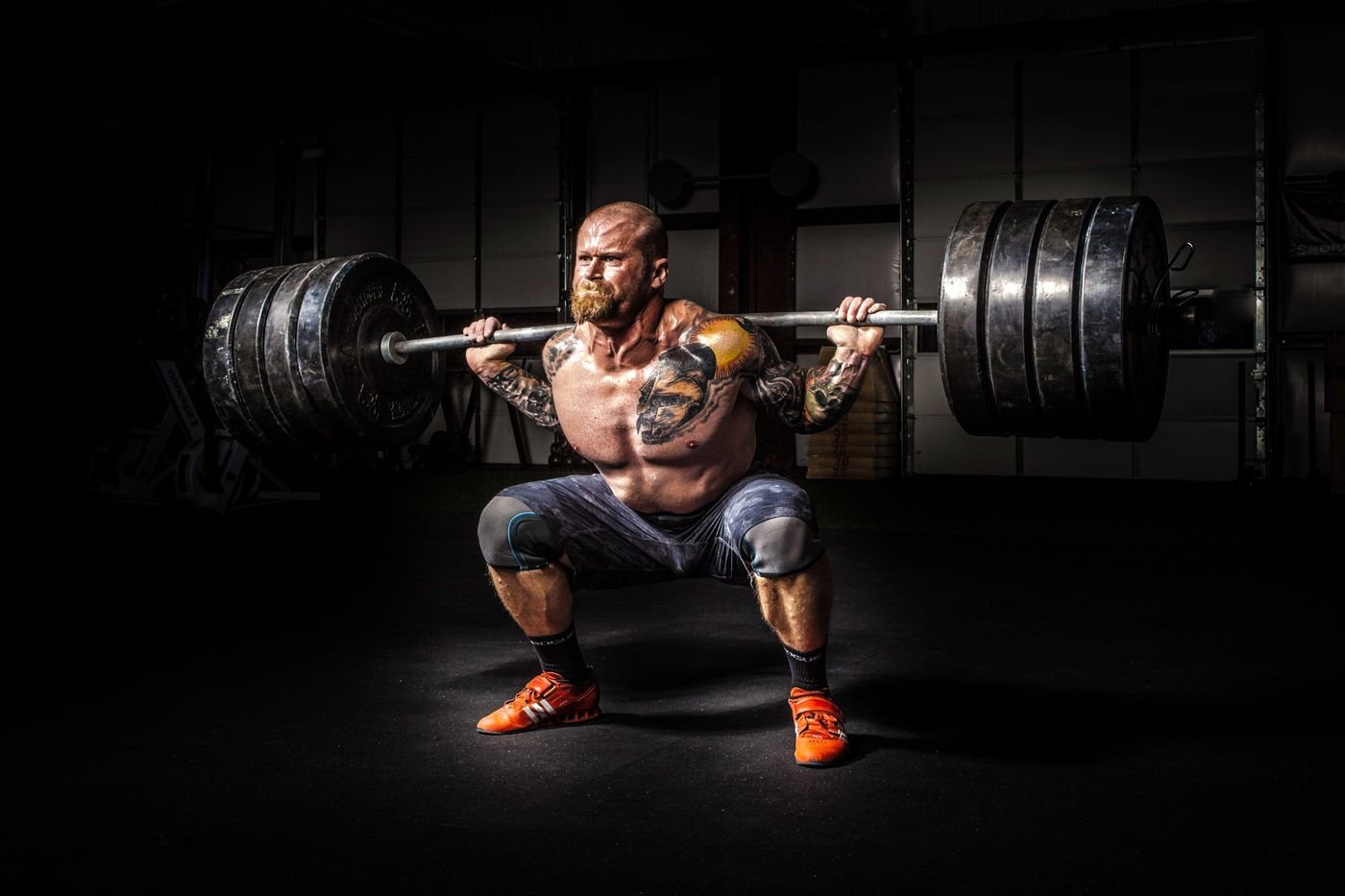
Elastic bands on a barbell can make the top of a squat harder than the bottom. That sounds useful for lifters who slow down around the sticking point, but does it actually produce more power than ordinary plates? A July 2026 experiment compared four versions of a heavy back squat and found an interesting distinction: several average movement measures improved with bands, while the headline peak measures did not.
The practical lesson is not that everyone should abandon straight-weight squats. It is that changing where resistance is applied can change how a repetition unfolds. Here is what the experiment tested, how to interpret the results, and how experienced lifters can use variable resistance without turning a promising training tool into an uncontrolled load.
What the 2026 squat experiment actually tested
The experiment recruited 20 resistance-trained men. Each participant performed back squats at a heavy load equivalent to 90% of his one-repetition maximum under four conditions: ordinary free-weight resistance and three variations that included elastic-band resistance. The band conditions were described as 15%, 25% and 35% variable resistance. Testing was counterbalanced, meaning the order of conditions was arranged to reduce simple order effects.
A crucial design detail is that average external resistance was normalized across conditions. Researchers did not merely add bands to the same loaded bar and call the heavier total a fair comparison. The aim was to examine the effect of changing the distribution of resistance through the lift, rather than rewarding a setup for having more weight overall. Force plates and linear position transducers recorded the concentric, or upward, phase of the squat.
That makes this a controlled acute biomechanics experiment. It measured what happened during a session, not whether a six-week program built more muscle, increased a one-rep max or reduced injuries. The subjects were already familiar with resistance training, and the load was very heavy. Results from trained men performing near-maximal back squats should not automatically be transferred to beginners, rehabilitation exercises, lighter high-repetition sets or other movements.
There is also a distinction between a measured sticking region and a lifter’s personal weakness. The former is a specific period in the bar’s velocity curve; the latter can reflect technique, strength at a joint angle, fatigue, confidence or several factors together. Bands may change the first without solving every possible cause of the second.
Why bands change the resistance curve
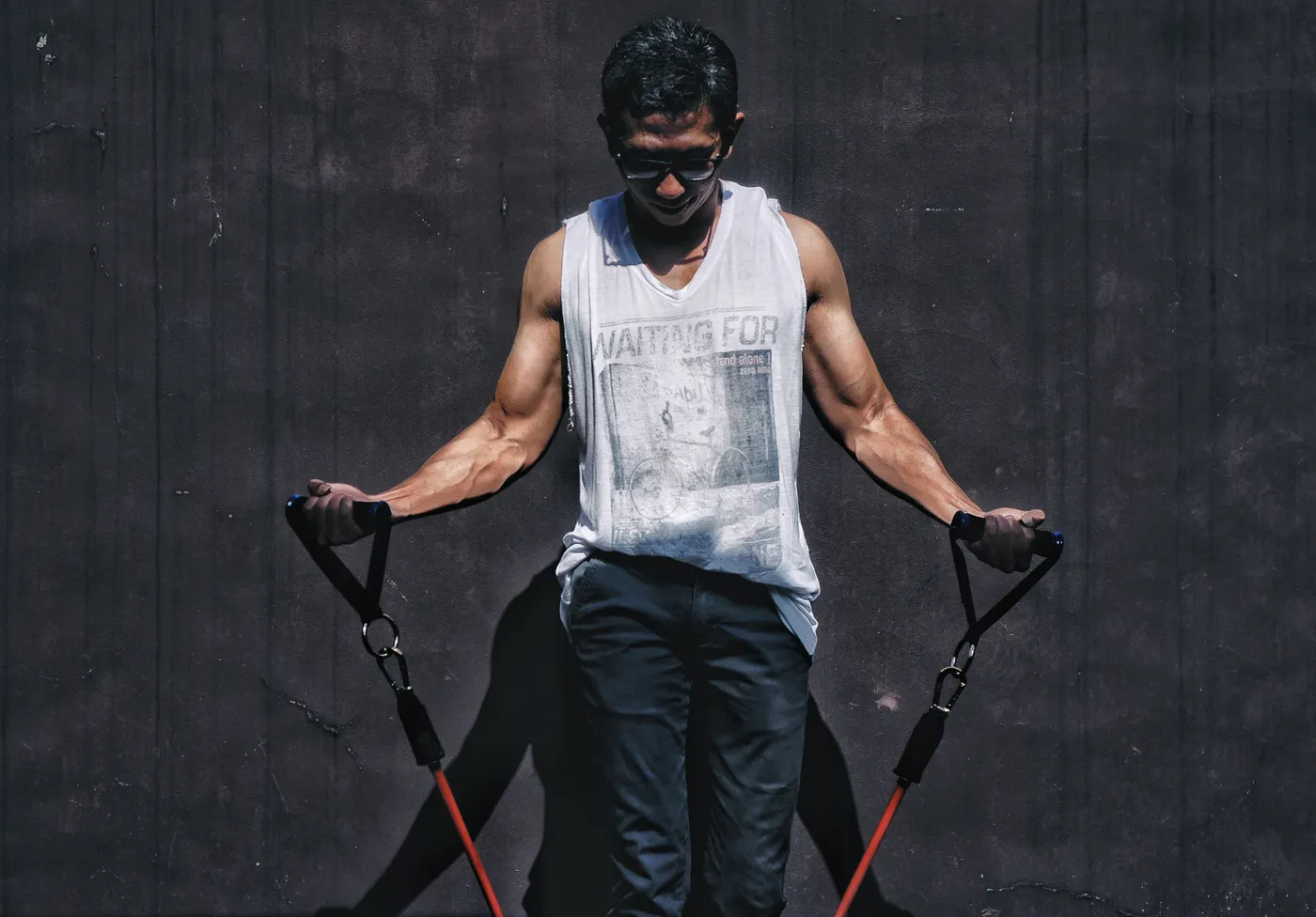
With a conventional barbell squat, the mass of the plates does not change as the bar travels. The muscular challenge still varies with joint angles, leverage and acceleration, but the external weight is constant. Properly anchored resistance bands behave differently: they stretch as the bar rises and generally contribute more tension near the top. Chains produce a related effect as additional links lift off the floor.
Consider a purely illustrative setup. A bar might have 70 kg in plates while a pair of bands adds roughly 10 kg of resistance near the bottom and 25 kg near standing. The exact numbers depend on band type, stretch length and anchor geometry. They are not universal band specifications, and the force from a band is not identical to a fixed hanging weight. A lifter must measure the setup rather than assume a manufacturer’s color corresponds to a particular load.
Why could this matter? During a heavy squat, the bar often slows in a mechanically difficult region after leaving the bottom. Farther up, the lifter may be in a more favorable position and might otherwise reduce acceleration approaching lockout. Extra resistance toward the top can alter that pattern, encouraging force production over a different portion of the ascent.
Do not confuse band-resisted squats with reverse-band squats. Bands anchored above the bar can assist more at the bottom, producing a different load profile. Neither configuration is inherently superior: each changes the task. The direction of pull, attachment height, symmetry and amount of stretch all determine what the athlete is actually training.
For a lifter already progressing with ordinary squats, this is an optional variation, not a missing ingredient. A predictable straight-weight squat remains the simplest way to measure strength and practice competition-style technique.

Equipment Worth Exploring
Explore equipment, accessories and gear from our carefully selected range.


GymPin Squat Wedges
Non-slip 15-degree squat wedges help elevate the heels for deeper quad-focused squats.

Safety Squat Handles
Barbell squat handles that reduce shoulder positioning demands during high-bar squats.
GymPin Starting Blocks
Portable high-density foam blocks for adjusting machine starting positions and range of motion.


FID Bench MAX
Adjustable bench offering flat, incline, and decline positions + adjustable headrest.
The key result: better average speed, not higher peaks
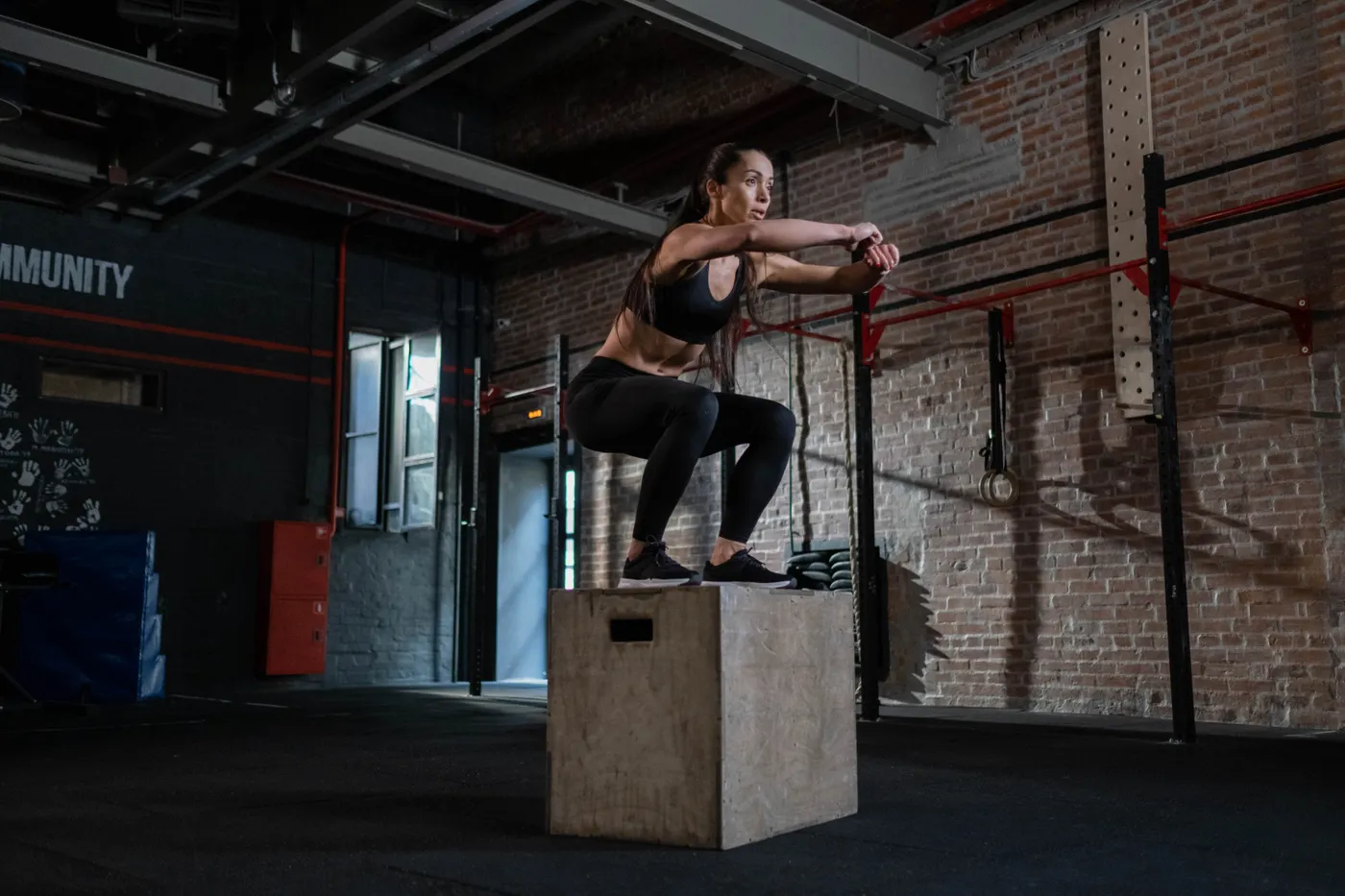
Compared with straight-weight squats, greater proportions of variable resistance were associated with increases in mean concentric velocity and mean concentric power. The velocity at the start of the sticking region also increased. At the 25% and 35% band conditions, the duration of the sticking region was notably shorter. Force at zero velocity decreased as band contribution increased.
Equally important is what did not significantly differ: peak velocity, peak power, peak force and mean concentric force. Those null results prevent a simple claim that bands made every aspect of the lift more explosive. A higher average across the upward phase can coexist with a similar single highest value. If a bar spends less time moving slowly, its average speed may rise even when its fastest instant is unchanged.
The study therefore supports a narrow but useful interpretation. When average resistance was matched, changing the loading profile altered the way trained men moved through a very heavy squat. It did not demonstrate that bands make someone stronger over months, improve vertical-jump height or produce a larger muscle-building stimulus. Those are separate outcomes requiring repeated training and appropriate follow-up tests.
It is also worth resisting a common mistake with laboratory findings: treating a statistically significant change as automatically meaningful for every athlete. The practical value depends on the size of the change, whether the lifter can repeat it, the cost in setup complexity and whether the adaptation carries over to the goal that matters. Faster bar movement during a particular test is interesting; improved performance in your chosen sport or lift is the outcome to evaluate.
What longer-term evidence adds to the picture
One acute study cannot answer the entire programming question. A 2025 synthesis of 20 squat-focused studies compared variable and constant resistance, including both immediate responses and longer training interventions. Its pooled results favored variable resistance for some strength and explosive-power outcomes, although effect sizes and subgroup findings varied by method, training status and the specific performance test.
That analysis suggested that elastic bands could be useful for maximal-strength outcomes and chains for certain power measures. Those are group-level patterns, not a rule that every person needs both. Differences in band tension, bar load, exercise depth, recovery intervals and training duration complicate direct comparisons. Studies grouped under the same label can impose quite different mechanical demands.
A separate 2026 network comparison ranked variable resistance favorably for back-squat one-repetition maximum, while other programming approaches ranked more strongly for countermovement-jump performance. Importantly, the reported jump advantage for variable resistance over conventional percentage-based loading was not statistically conclusive. Rankings express relative probabilities across the available studies; they do not turn every comparison into a proven win.
Another 2026 squat experiment examined how chains and bands affect joint-level loading. This broader evidence reinforces the main point: the external resistance curve can change what happens at the hip, knee and ankle, not just what the bar-speed display reports. Whether that is desirable depends on the exercise, the athlete and the intended training adaptation.
The sensible conclusion is moderate. Variable resistance is a credible training option for experienced lifters seeking a different strength or power stimulus. The evidence does not justify replacing ordinary progressive overload, or promising that a banded squat automatically improves muscle growth, sprint speed or joint safety.

Powerlifting Shirts & Lifting Gear
Powerlifting shirts and gym gear for squat, bench and deadlift lifters who live for heavy numbers.

Barbell Crossed Weights 45LB Plate Hardcore Workout Gra T-Shirt
Show some powerlifting attitude with a playful “Classic Barbell Crossed Weights 45LB Plate” tee.

I Love Iron Crewneck Pullover Sweater Iron Man Gym Appa T-Shirt
For laid-back days and superhero humor: “I Love Iron”.

Iron Is My Therapy – Lifting Bodybuilding Powerlifting Hoodie
Stay casual and show some powerlifting attitude with “Iron Is My Therapy”.

Barbell Buddies for Gym Buddies, Friendship, and Liftin Sticker
Put “Barbell Buddies” gym humor on your laptop, bottle, or gym gear.

More Plates More Dates | Weightlifting & Gains Meme Pul Hoodie
Make your off-duty look more fun with “More Plates More Dates”.

: Cherry Weight Plates & Gymbros Top T-Shirt
Heavy lifts, good laughs, and a little “: Cherry Weight Plates Graphic” energy.

The Powerlift Girls – Gym Girl Superhero Cartoon Vest M Tank Top
Add some superhero attitude to training with “The Powerlift Girls”.

Gym Sworn to the Iron Oath Medieval Knight Lifting Deca Sticker
Give your everyday gear a playful “Sworn to the Iron Oath Medieval Knight” twist.

Barbell Breaker Heavy Metal Workout Bar Breaker Lifting T-Shirt
For laid-back days and metalhead humor: “Barbell Breaker”.

No Plates No Dates For Gym Bros | Funny Lifting Meme Pu Hoodie
Make your off-duty look more fun with “No Plates No Dates”.
Set up band-resisted squats without creating a new hazard
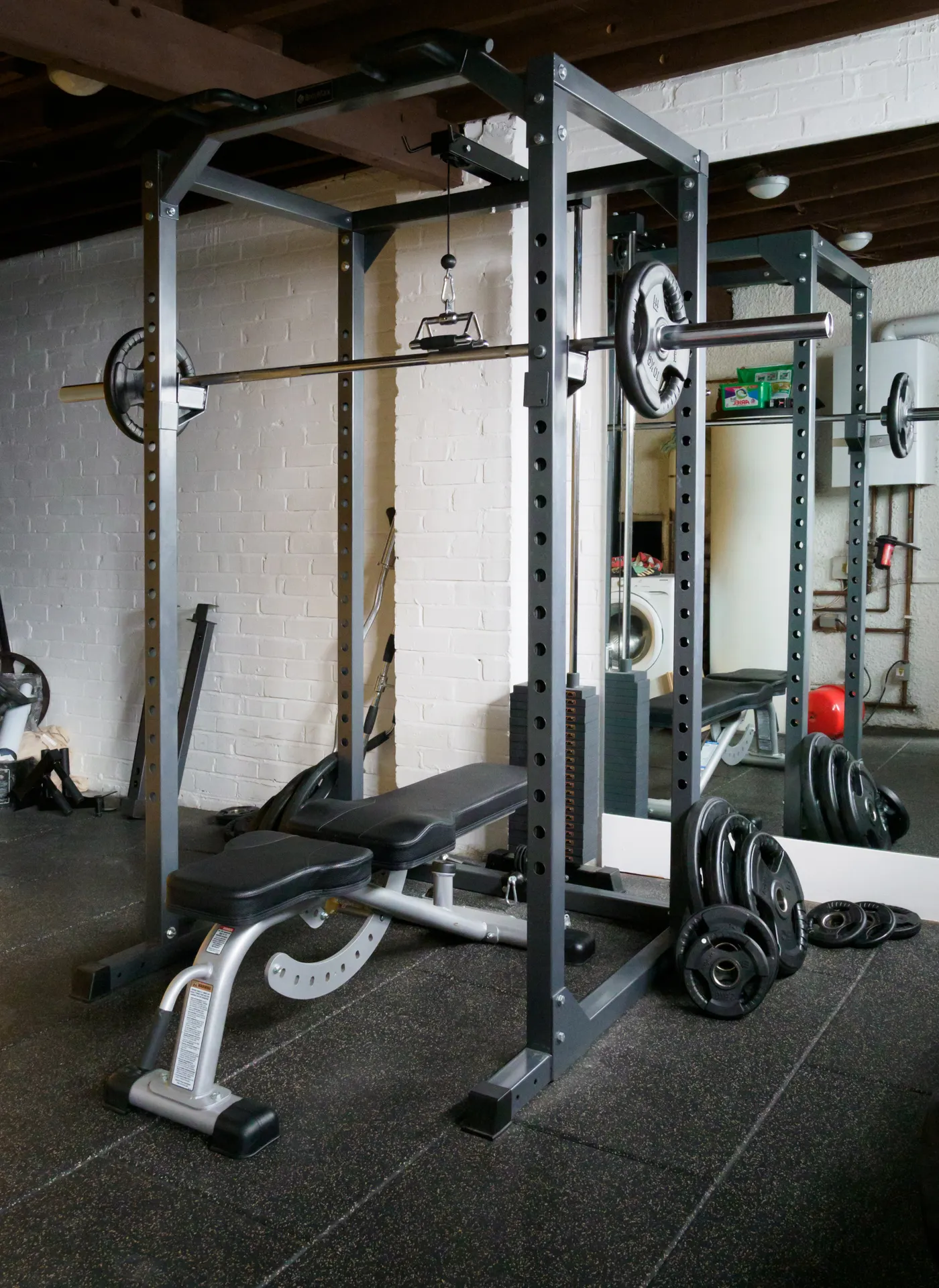
Equipment setup matters more here than it does with a simple plate change. Use a stable rack with appropriately positioned safety bars, a barbell and collars suited to the exercise, and two matched bands secured to dedicated lower anchors. The anchor points should be equally distant from the bar and unable to move when the bands stretch. Avoid makeshift attachments to loose dumbbells or furniture that can slide or tip.
Inspect bands for cracking, fraying and uneven stretch before every session. Attach them symmetrically, keep them clear of feet and sharp rack edges, and verify that neither band can slip off the sleeve or anchor. Stand the bar up carefully before the first working set to feel the top-position resistance. If the bar is pulled sideways, the bands are not balanced and the setup should be corrected before lifting.
Estimate band contribution at both the bottom and the top rather than relying on a single advertised resistance number. If possible, use a hanging scale or a documented tension chart measured at your actual stretch lengths. The same band can behave differently on two racks. Note the bar weight, band model, anchor position and approximate bottom/top tension in your log so a later session is genuinely comparable.
Start with light bands and reduce plate load enough to preserve stable technique. Keep the normal bracing sequence, controlled descent and consistent depth. Do not chase the heavy 90% testing load from the experiment as a beginner’s prescription. If the bands distort the bar path, make the lockout a grind or interfere with the safeties, use less tension or return to straight weight.
For many lifters, a pause squat, controlled eccentric or a small straight-weight progression will deliver the needed stimulus with less complexity. Bands are useful only when the training benefit outweighs the added variables and safety checks.
A practical four-week strength-and-speed block
The following is an illustrative template for an experienced, healthy lifter who already squats consistently and has a properly anchored rack. It is not the protocol used in the July experiment, and it deliberately uses more manageable effort than a near-maximal laboratory test. Keep at least 48 hours between the two main lower-body sessions and adjust volume around sport practice or other heavy leg work.
Session A: straight-weight strength. After warm-up sets, perform three sets of four to six back squats at roughly RPE 7-8, leaving about two or three good repetitions available. Rest two to four minutes between sets. Add two or three sets of Romanian deadlifts and a single-leg exercise such as split squats, using loads that do not compromise recovery.
Session B: band-resisted technique and acceleration. Warm up without bands, then introduce a light, symmetrical band setup. Use five sets of three controlled squats at approximately RPE 6-7, resting two to three minutes. Aim to stand up with intent while maintaining depth and a stable bar path. As a conservative starting point, the extra band tension near the top might be around 10-15% of the total working resistance, but that is a coaching example rather than a proven optimum. Reduce plates to accommodate the band contribution.
- Week 1: learn the setup, record bottom/top band tension and keep all repetitions crisp.
- Week 2: add a small amount of plate load only if depth, speed and symmetry remain consistent.
- Week 3: maintain load or add one modest banded set if recovery is excellent; avoid changing tension and volume together.
- Week 4: reduce total working sets by roughly one-third and compare technique and bar speed with week one.
Optional low-volume jumps can precede the strength work if the athlete already tolerates them, but they are not required. Stop a speed-oriented set when repetitions become slow or technically inconsistent. A lifter training for maximal squat strength should still retain enough straight-weight practice to make the adaptation specific to the actual lift.
Equipment Worth Exploring
Explore equipment, accessories and gear from our carefully selected range.


Belt Squat Collar
Heavy-duty collar adapter for compatible belt-squat and landmine bar setups.

VOLTRA
Compact digital cable trainer with smooth, adjustable resistance.

Go-Tone Pro
Portable digital cable trainer with up to 66 lb (30 kg) of adjustable resistance.

Squat Harness
Wearable harness for hands-free cable squats, sled work, and lower-body training.


Who benefits, and how to tell whether it is working

Variable resistance makes the most sense for someone who already understands squat mechanics, has safe equipment and wants to experiment with a specific strength or power quality. It may be particularly interesting when a coach is trying to change acceleration through the ascent or expose an athlete to heavier resistance near the top without simply adding the same amount at the bottom.
Beginners generally have more to gain from learning consistent depth, bracing, balance and ordinary progressive overload. Anyone dealing with pain, an unstable rack, poor band anchoring or limited supervision should choose the simpler variation. The existence of a positive group-average laboratory result is not a reason to tolerate a questionable setup.
Track three practical measures: the actual loading arrangement, the quality of the repetition and the performance outcome. A log might include plate weight, band type, anchor height, estimated bottom/top tension, sets, repetitions and effort. Film a consistent side view occasionally to compare depth and bar path. If you have a reliable velocity device, compare bar speed under genuinely comparable conditions; do not interpret a phone video estimate as a force-plate measurement.
After four weeks, ask whether the lifter can handle more straight-weight load at the same technique, move a familiar load more confidently, or perform relevant athletic tasks better. A small change in banded bar speed alone is not enough to declare the block a success. If the straight-weight squat is progressing and the extra complexity is not helping, there is no penalty for removing the bands.
Bottom line: the 2026 experiment found faster average upward movement and shorter sticking regions with more variable resistance, but not higher peak force, speed or power. Bands can be a useful tool for shaping a squat’s resistance curve. They are not a shortcut around sound programming, safe equipment and steady progress.
Leg Day Shirts & Workout Gear
Leg-day gym shirts and workout gear for lifters who never skip squats, lunges and lower-body punishment.

Let It Grow Booty Building Leg Day & Squat Tank Top
Bring “Let It Grow” humor to your next lifting session.

Invisible Booty To Visible Booty Squats & Leg Day Hoodie
Make your off-duty look more fun with “Invisible Booty To Visible Booty”.

Booty Building Mode Sweater Leg Day & Squats Meme T-Shirt
Show some gym-day personality with “Booty Building Mode”.

Anti Leg Day Leg Day Club Decal Water Bottles & Sticker
Give your everyday gear a playful “Anti Leg Day Leg Day Club” twist.

Skip Leg Day Meme Leg Day No Thanks Deadlifts Hoodie
Show off your leg-day humor in a laid-back “Skip Leg Day” hoodie.

Hilarious Leg Day Meme – Funny Workout & Gym Pullover T-Shirt
Add a playful “Hilarious Leg Day Meme” touch to your casual rotation.

Funny Squat Queen Gym | Burger King Parody Muscle Shirt Tank Top
Your gym-day look, with a playful “Squat Queen” twist.

Never Skip Leg Day – NSLD Fried Chicken Meme Vest Muscl Tank Top
Your gym-day look, with a playful “Never Skip Leg Day” twist.

Stars Stripes & Squats Patriotic Eagle – 4th of July Ho Hoodie
Keep it laid-back with a little “Stars Stripes & Squats Patriotic Eagle” attitude.

I Love Squats – Valentine's Day Leg Day Meme Decal for Sticker
Put “I Love Squats” gym humor on your laptop, bottle, or gym gear.