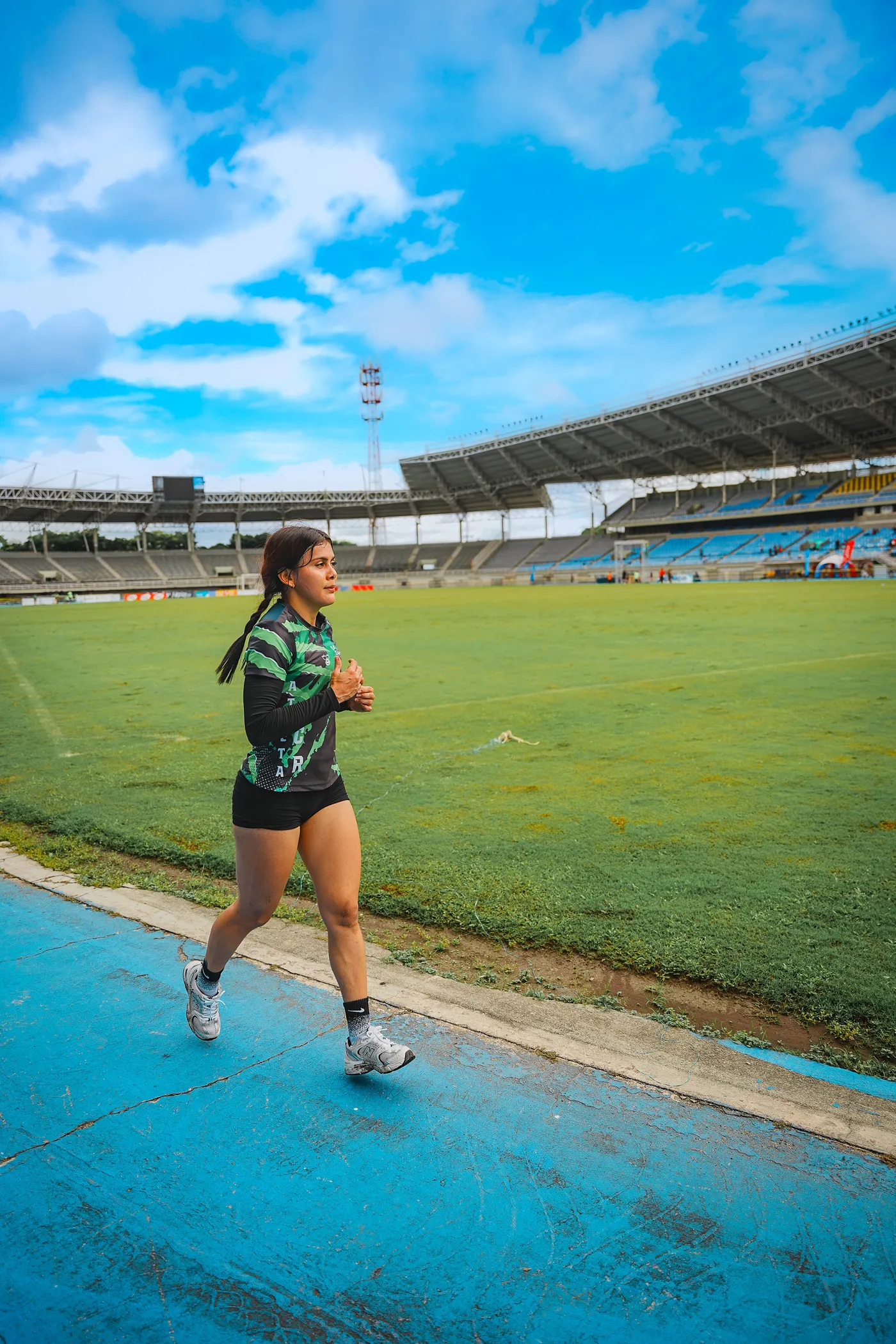
To run faster for longer, you do not have to race every workout. Lactate threshold training helps develop the ability to hold a demanding pace without drifting into an effort that quickly falls apart. The challenge is finding a useful intensity and repeating it consistently.
This guide explains what threshold means, how to estimate a workable pace, when to use intervals or continuous tempos, how to combine running with strength work, and how to progress over four weeks. It avoids pretending that a watch can identify an exact physiological threshold or that one workout guarantees faster race times.
Understand threshold before trying to run faster

There is a running speed that feels challenging but manageable, and another that rapidly becomes unsustainable. Lactate threshold helps describe part of that transition. Your muscles produce lactate at rest and during exercise; it is not simply a waste product. It can be used as fuel. As intensity rises, blood lactate eventually increases more quickly because production, transport and use no longer remain in the same balance.
There are multiple ways to define and measure thresholds. A first lactate threshold, second lactate threshold and ventilatory threshold are related concepts, but they are not identical. A laboratory test can provide individualized measurements, while a recreational runner usually needs a practical training range rather than a precise biochemical number. The distinction prevents an estimate from being mistaken for a diagnosis.
A controlled threshold session generally feels comfortably hard: breathing is deep, conversation is limited, and you can sustain the effort without sprinting or slowing dramatically. An effort of about seven to eight on a ten-point scale is a useful clue, not a universal formula. Some runners can hold an effort around this region for a substantial period, while others need shorter intervals to maintain technique.
Threshold training is one tool among several. Easy running builds volume with less fatigue, occasional faster intervals train different demands, and strength training can support running economy. Trying to turn every run into a threshold workout sacrifices the recovery that makes quality training possible. The purpose is to improve sustainable speed endurance while preserving the ability to train again.
Find a working pace using effort, not false precision

Laboratory blood testing or respiratory measurements can identify physiological thresholds, but they are not essential for beginning. You can start with a recent race, a controlled field effort and careful attention to breathing. For experienced runners, a 30-minute sustained effort on a familiar flat course can provide a rough estimate. After warming up, run at the hardest even pace you can maintain; the final 20-minute average is sometimes used as a practical approximation. It is a demanding test, not a substitute for medical or laboratory evaluation.
Newer runners should skip the hard time trial and learn from shorter blocks at a comfortably hard effort. A good target is a pace that lets you finish every planned repetition without a dramatic fade. Use your watch to record what happened, not to dictate what your body must do. Heart rate lags during intervals, rises in heat and dehydration, and varies with stress, sleep and medication. GPS pace can be unreliable around buildings or on winding trails.
Keep a small training log. Record the route, interval duration, perceived effort in the final repetition and how you feel the next day. If you finish with a sprint, your earlier repetitions were probably too conservative or the last effort was unnecessarily hard. If you cannot hold the second interval, start slower next time. A useful threshold estimate is repeatable under comparable conditions.
On hills or in strong wind, use breathing and effort rather than insisting on flat-ground pace. When conditions improve, reassess. Your training zone is a working tool that should evolve with fitness, not a number to defend at any cost.

Equipment Worth Exploring
Explore equipment, accessories and gear from our carefully selected range.


Apple Watch Ultra 3
Rugged 49 mm smartwatch with cellular connectivity, GPS and fitness tracking.

Powerbeats Fit
Secure-fit wireless workout earbuds with active noise cancellation and a charging case.

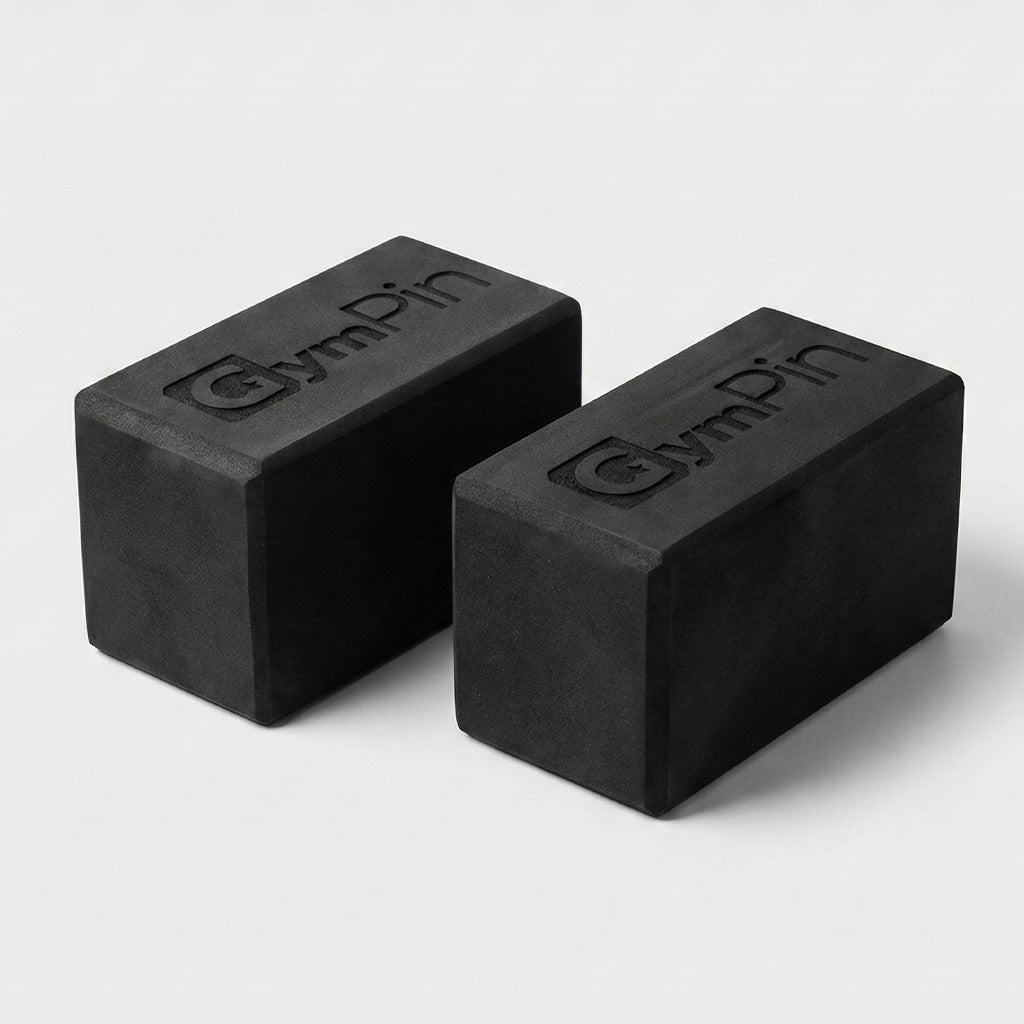
GymPin Starting Blocks
Portable high-density foam blocks for adjusting machine starting positions and range of motion.


Go-Tone Pro
Portable digital cable trainer with up to 66 lb (30 kg) of adjustable resistance.
A useful field estimate also needs context. A recent 5K race can be informative, but its average pace is often faster than a sustainable threshold workout. A half-marathon pace may be closer for some runners and very different for others. Rather than translating every race result through a generic chart, begin conservatively and check whether the effort remains stable. If your pace is consistent but breathing rises rapidly during the second half, adjust before adding more work.
Training zones are conventions built around measurements and models. Different watches can assign the same heart rate to different zones, and the same runner can experience different thresholds across a season. Avoid comparing one device’s zone label to another athlete’s laboratory result as though they were equivalent.
Use controlled intervals to accumulate quality minutes
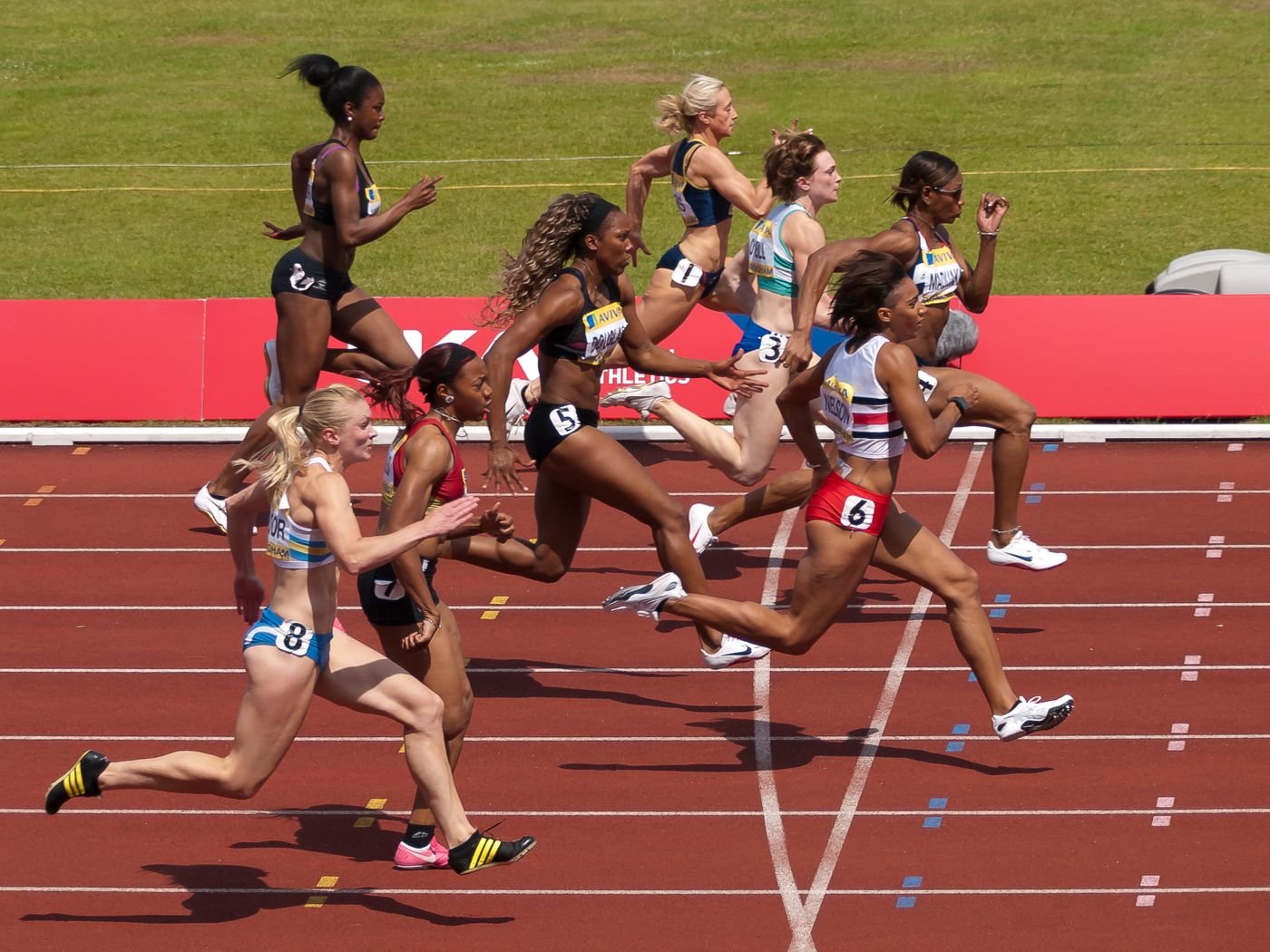
Intervals make a demanding pace manageable by dividing the total effort into repeatable pieces. After 12 to 15 minutes of easy jogging, try three repetitions of seven minutes at a controlled threshold-like effort with 90 seconds of easy jogging between them. Finish with ten minutes easy. This gives 21 minutes of focused work without requiring a long uninterrupted tempo run. Runners still building a base can start with four repetitions of three minutes at a slightly easier effort and longer recovery.
The recovery should be short enough that the session maintains an aerobic character, but not so short that your form falls apart. If you need to stop completely for several minutes after every interval, slow the working pace. Your splits should be reasonably consistent; a slightly slower first repetition is better than opening too fast and struggling through the rest.
Run on a track, flat road or treadmill according to your preferences. A track gives clear distances, a treadmill reduces wind and terrain variation, and a road can make the workout more enjoyable. None automatically produces a better adaptation. On a treadmill, choose a speed you can sustain instead of increasing it every minute. Outdoors, account for corners, traffic and terrain.
Resist making the final repetition a personal record. That converts a controlled workout into a race simulation and may add fatigue without improving the quality of the earlier work. Finish knowing you could have managed another brief block if required. That restraint is a skill worth practicing.

Cardio Shirts & Workout Gear
Cardio and conditioning gym gear for runners, endurance athletes and anyone who earns the sweat.


Track Panther – Shirt & Running & Fans – Black T-Shirt
Rep “Track Panther” humor in and out of the gym.

Cardio Speed Flash Superhero Running, Treadmill & – T-Shirt
Rep “Cardio Speed Flash Superhero” humor in and out of the gym.

Shirt Hybrid Cycle Gear Run Trains Swim In Pussy T-Shirt
Heavy lifts, good laughs, and a little “for Hybrid Athletes” energy.

Anti Jogging Jogging Club Shirt – & Meme Top T-Shirt
Bring “Anti Jogging Jogging Club” humor to your next gym day.

Shirt – I Want You To Do Cardio Uncle Sam Patriotic T-Shirt
Heavy lifts, good laughs, and a little “I Want You To Do Cardio Uncle Sam Patriotic” energy.

Jump Rope Cardio Tee
Rep “Jump Rope Cardio Van Halen Rock Music” humor in and out of the gym.

Cardio Is Hardio – Workout Meme Hooded Pullover Hoodie
Keep it laid-back with a little “Cardio Is Hardio” attitude.

Don't Quit Do It – Motivational Jumper Pullover For Wor T-Shirt
Show some gym-day personality with “Don't Quit Do It”.

Everything Hurts And I'M Tired Motivation Vest Tank Top
Your gym-day look, with a playful “Everything Hurts And I'm Tired” twist.
Choose continuous tempos, hills or progression runs

Once intervals are consistent, a continuous tempo run is the next logical option. Warm up easily, run 15 to 18 minutes at your established comfortably hard effort, then cool down. Extend toward 20 to 25 minutes only when the shorter duration feels controlled. A continuous session is not automatically superior to intervals; it simply trains sustained pacing without planned recovery breaks.
Hills can offer a useful alternative when you have no flat route. Speed naturally decreases uphill even as muscular effort rises. Choose a moderate, runnable incline and try four to six three-minute climbs at threshold-like effort with easy descents. Avoid sprinting steep hills if the goal is aerobic threshold work. A very steep climb changes mechanics and may create a different strength or high-intensity stimulus.
Experienced half-marathon or marathon runners may use progression runs that start easy, move toward race-specific effort and include a brief threshold block later. These can be much more demanding than short intervals because the harder work arrives after accumulated fatigue. They are not a beginner’s default workout and should not be added to every long run.
Pick one primary threshold session in a normal week. The best format depends on the race distance, current running volume, recovery and the athlete’s ability to control pace. A 5K runner may favor shorter repetitions, while a distance runner might gradually tolerate longer blocks. The surrounding easy mileage remains the foundation.
Threshold volume also needs to fit your weekly running volume. A runner completing three short runs should not immediately copy a workout containing 40 minutes of demanding work. Begin with a smaller total and preserve the rest of the week’s easy sessions. An experienced runner with several months of consistent training may tolerate more, but even then the fastest progression is rarely the best one. Raise either the total duration or the difficulty of a workout at a time, not both together.
When racing is close, prioritize freshness. A new, long threshold session introduced just before an event may create more fatigue than fitness. Repeating a familiar controlled workout is often the better choice.
Fit strength training and cross-training around the hard run
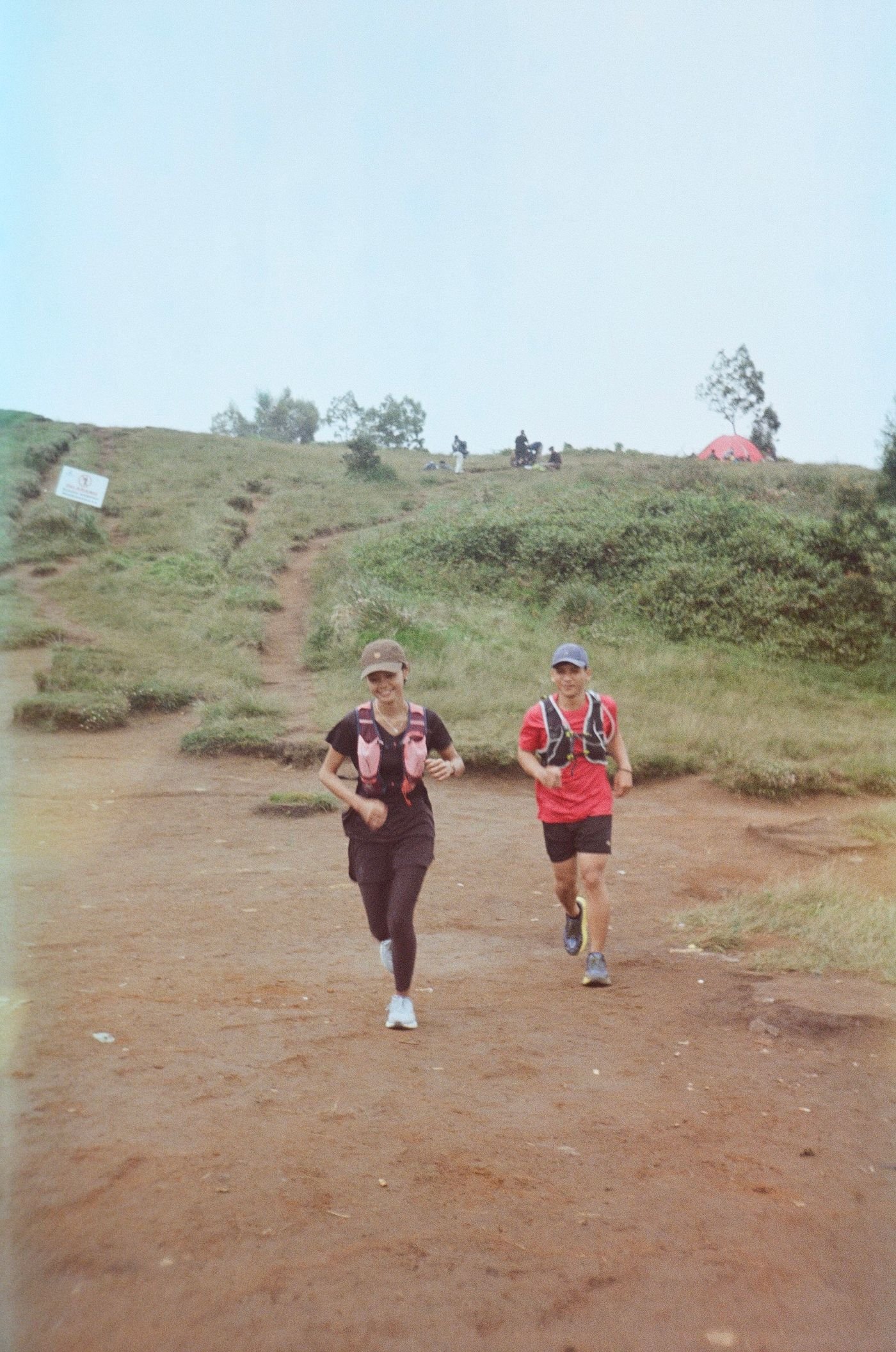
Threshold running develops endurance, but runners also benefit from strength work that supports force production and robust movement. One or two sensible sessions can include a squat or step-up, hip hinge, calf raise, single-leg balance exercise, a pull and a core movement. Begin with manageable loads, progress gradually and avoid introducing several unfamiliar eccentric exercises immediately before a key running session.
There is no need to make the strength workout exhausting to make it worthwhile. If you run threshold intervals on Tuesday, you might lift on Thursday after an easy run, or group hard training on the same day to preserve genuinely easy days afterward. The better schedule is the one that lets you complete both types of work with good technique and adequate recovery. When your legs are unusually sore, move the hard run instead of forcing the planned speed.
Cycling, rowing and elliptical training can add aerobic volume with different impact and muscle demands. However, running heart-rate thresholds should not be copied mechanically to another activity. Posture, recruitment and movement efficiency change the relationship between heart rate and workload. Use activity-specific effort and progression.
A running watch can track splits, a jump rope can warm up someone comfortable with skipping, and dumbbells or cable resistance can make strength sessions convenient. Equipment is optional. Consistency, sensible loading and recovery have greater value than chasing another device metric.
Equipment Worth Exploring
Explore equipment, accessories and gear from our carefully selected range.
VOLTRA
Compact digital cable trainer with smooth, adjustable resistance.


GymPin Squat Wedges
Non-slip 15-degree squat wedges help elevate the heels for deeper quad-focused squats.

Squat Harness
Wearable harness for hands-free cable squats, sled work, and lower-body training.


Power Tower
Freestanding pull-up and dip station with adjustable handles for bodyweight training.


FID Bench MAX
Adjustable bench offering flat, incline, and decline positions + adjustable headrest.

A four-week sample progression for regular runners

This progression suits a recreational runner who already runs comfortably several days per week and can complete an easy 30-minute run. It is an example, not a personalized prescription. Keep one threshold workout each week, maintain easy runs at a sustainable volume, and leave room for recovery. Do not add every session on top of an already demanding training plan.
Week 1: Warm up for 12 to 15 minutes, then run four blocks of four minutes at a controlled comfortably hard effort. Jog easily for two minutes between. Cool down for ten minutes. Focus on even pacing rather than speed.
Week 2: Run three blocks of six minutes at similar effort, separated by 90 seconds easy. The total quality time rises only slightly. The final block should resemble the first in pace and technique.
Week 3: Run two blocks of ten minutes with two minutes easy between. The longer efforts test concentration and breathing control. Keep the rest of the week comfortable if the workout feels like a meaningful increase.
Week 4: Try 18 to 20 continuous minutes at a controlled threshold-like effort, or repeat week three if that is the better fit. Finish with a cooldown, not a sprint. If heat, illness, unusual fatigue or heavy lifting disrupts the week, reduce the load or repeat a previous session.
Runners with less base fitness should first develop consistent easy running, possibly using run-walk intervals. Experienced runners can adapt the same principle with longer blocks, but more minutes are not automatically better. The purpose of the progression is to learn control and consistency.
How should the other days look? One possible week includes an easy run after the threshold session, one short strength workout later in the week, another easy aerobic day and a longer relaxed run if that is already part of your routine. Put rest or low-stress movement wherever your recovery needs it. Keep the longer run genuinely easy unless you have deliberately planned a race-specific workout and have the experience to recover from it.
Use a simple progression rule: advance only if you completed the previous session without pace collapse, unusual soreness or a significant change in your normal recovery. If one week feels too hard, repeat it. Four weeks is a convenient example for learning, not a biological deadline for improvement.
Avoid turning threshold training into another weekly race

The most common mistake is chasing a predetermined pace despite changing conditions. Heat, wind, hills and accumulated fatigue alter the cost of a given speed. Slowing down when effort rises sharply is often the right choice. Another mistake is confusing threshold work with maximal sprint intervals. Faster sessions can have a place, but they impose different demands and usually require different recovery.
Do not mistake one bad workout for a loss of fitness. Compare similar routes and conditions over several weeks. Improvement might appear as a slightly faster pace at the same perceived effort, smoother breathing in the final repetition, less drift in heart rate or better recovery the following day. Sometimes success simply means completing every interval without a dramatic fade.
Scientific comparisons of interval and continuous training depend heavily on participant fitness, program duration and how thresholds are defined. Results from elite runners cannot be turned directly into an ideal schedule for a novice. Likewise, the observation that intervals improve one physiological marker does not mean that easy running has become unnecessary. Training adaptations emerge from the entire week, not one impressive session.
Stop if pain changes your gait. Unusual chest discomfort, faintness or disproportionate breathlessness warrants medical assessment rather than another interval. Runners returning after illness or managing cardiovascular conditions should obtain individualized advice before hard field tests.
The takeaway: Find a conservative working effort, use intervals to practice it, progress toward sustained running when ready, and protect your easy days. The best threshold workout is one you can repeat and recover from, not the one that produces the most dramatic split.
Cardio Shirts & Workout Gear
Cardio and conditioning gym gear for runners, endurance athletes and anyone who earns the sweat.

Triathlon – Iron Man Medieval Knight Crewneck for Swim T-Shirt
Show some gym-day personality with “Triathlon”.


Hero Jump Rope – Cardio Speed Flash Superhero T-Shirt
Show some superhero attitude with a playful “Gym Hero Jump Rope” tee.

Dost Thou Even Pedal Medieval Air Bike CrossFit Parody Sticker
Give your everyday gear a playful “Dost Thou Even Pedal” twist.

Cardio Is Calling Decline Bros Meme Hooded Hoodie
Make your off-duty look more fun with “Cardio Is Calling”.

Anti Running Club Tee
Heavy lifts, good laughs, and a little “Anti Running Running Club” energy.

Cardio Sucks Negative Review 1 Star Hooded Hoodie
Show off your cardio humor in a laid-back “Cardio Sucks” hoodie.

Straight Outta Shape – Out Of Shape Meme Decal Water Sticker
Bring “Straight Outta Shape” attitude to your water bottle or laptop.

Cardio Speed Superhero Treadmill Running Decal Workout Sticker
A fun “Cardio Speed Superhero” touch for bottles, laptops, and lockers.

Don'T Tread On My Gains Shirt Snake Meme & Top T-Shirt
Show some lifting attitude with a playful “Don't Tread On My Gains” tee.
Finally, distinguish useful feedback from noisy data. A single high heart-rate reading can reflect a poor sensor contact, a hill, a hot day or a real increase in strain. Cross-check it against breathing, perceived effort and the pattern of the entire session. A one-off pace improvement is encouraging, but several controlled workouts provide stronger evidence that your training is working.
Fueling and hydration matter as well. An under-fueled runner may feel disproportionately strained at a pace that normally feels manageable. You do not need an elaborate supplement routine for threshold sessions, but arriving adequately rested, hydrated and nourished helps make the workout a fair test of fitness rather than of your willingness to suffer.