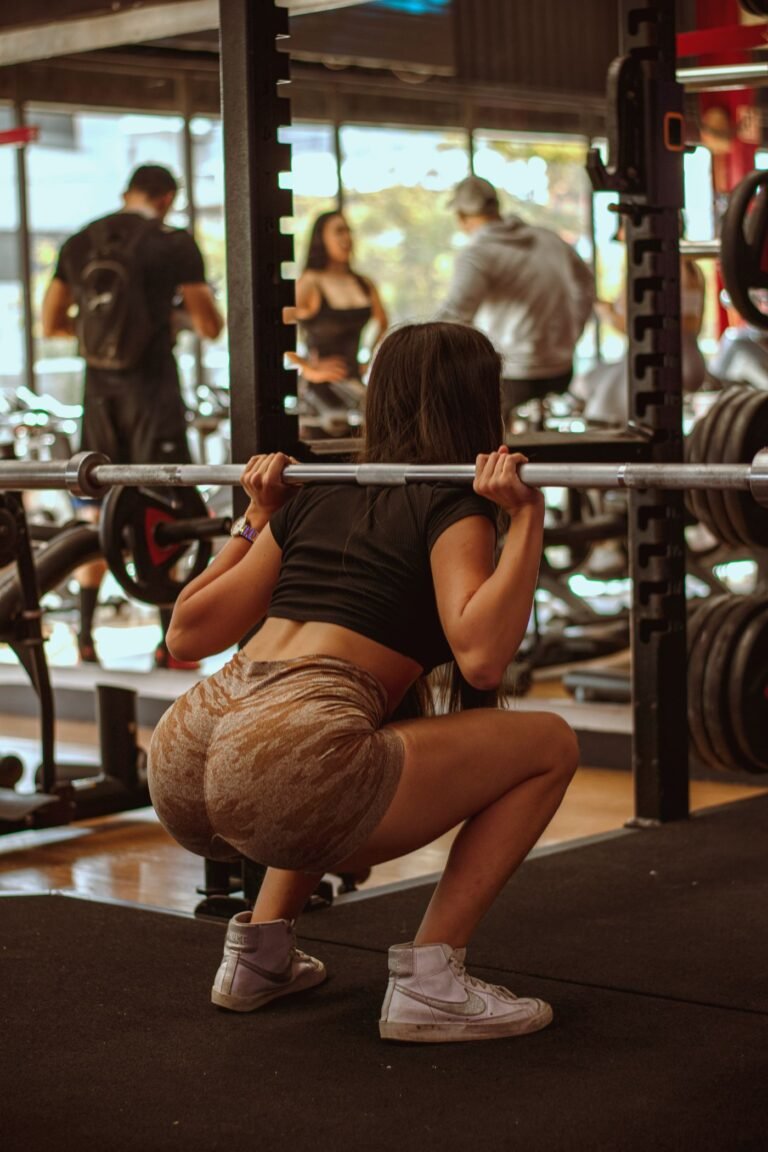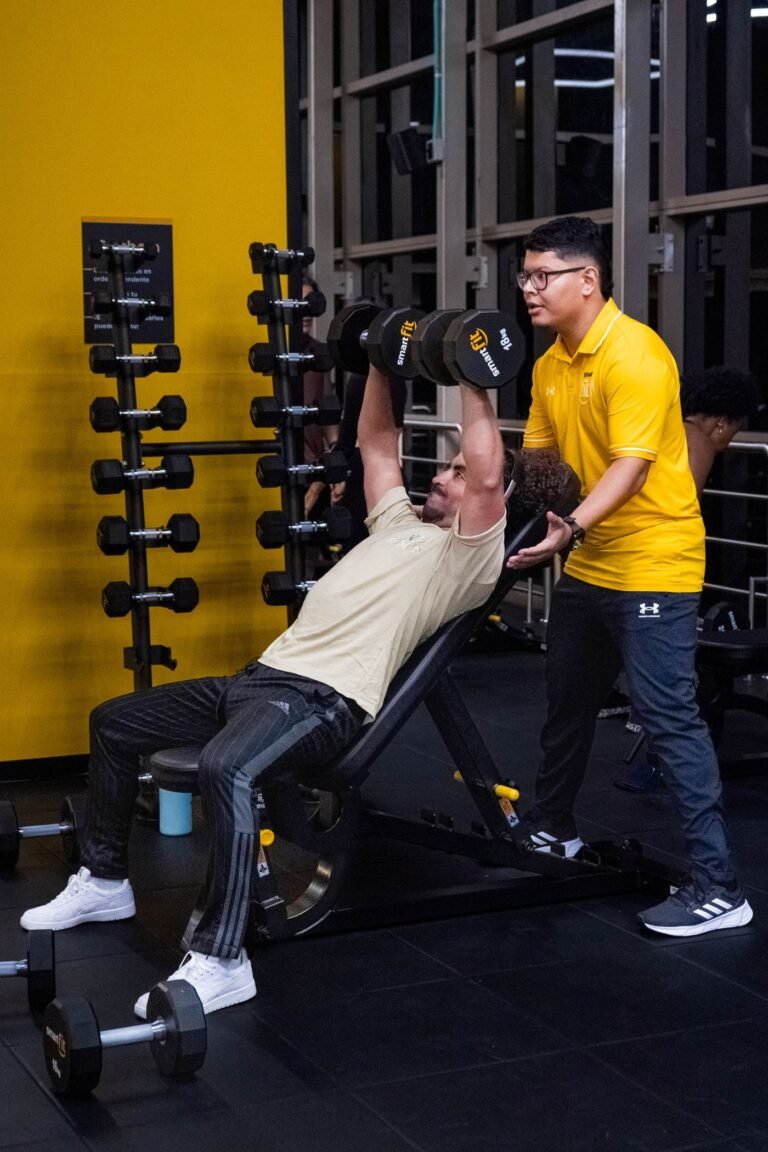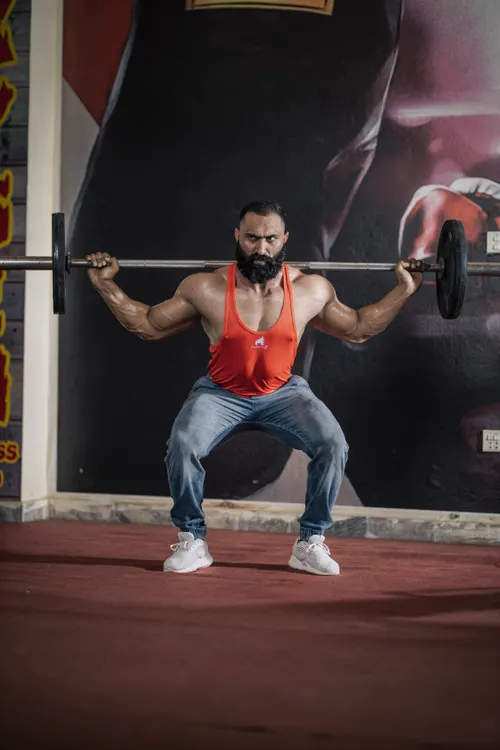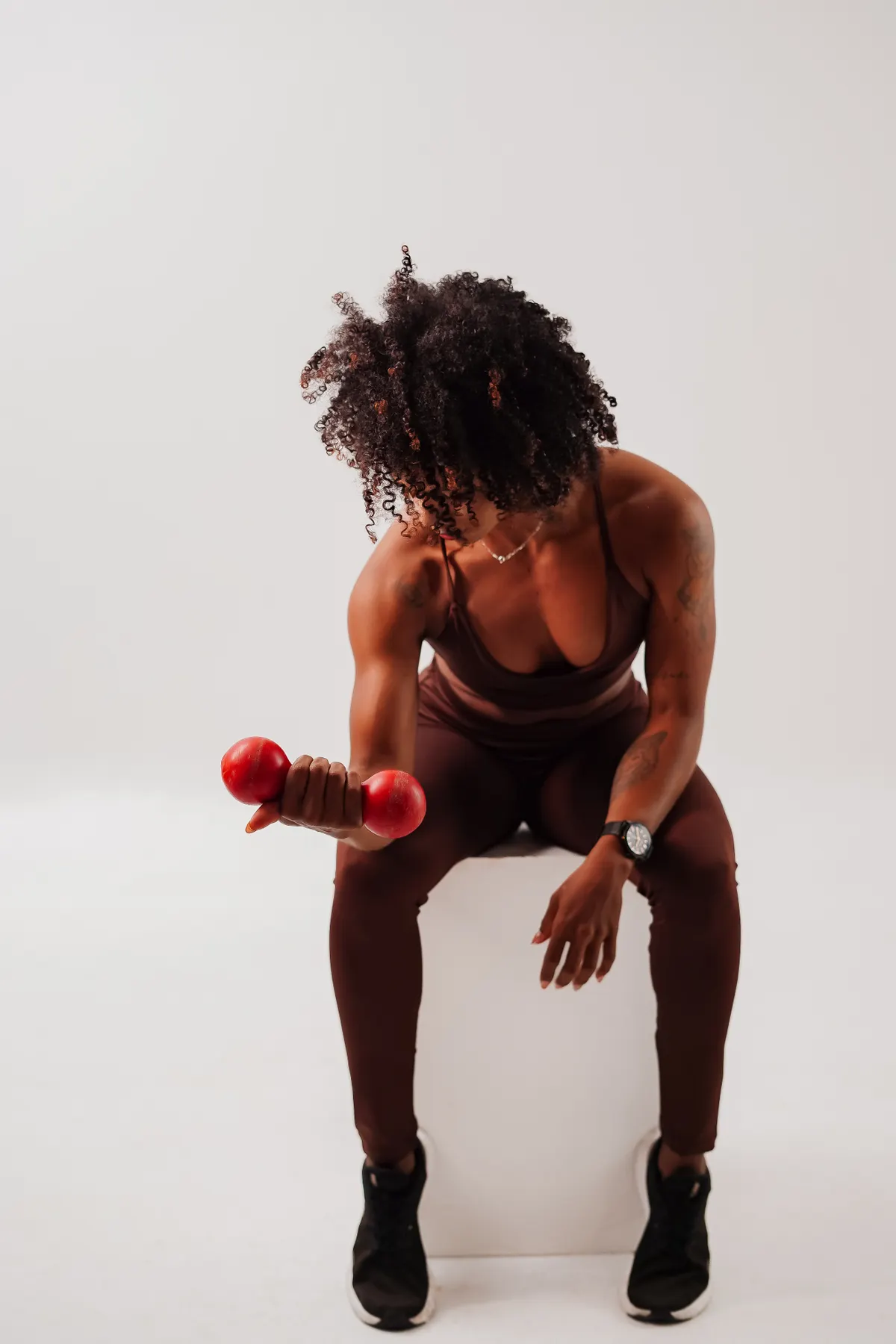
Should the last rep of every set be a grinding failure, or can you stop while you still have a little strength left? The distinction matters because a hard set can build muscle without turning every workout into an exhaustion test.
An eight-week experiment released in August 2026 compared two ways of training the same person’s arms: one arm reached momentary muscular failure, while the other stopped with one to three repetitions in reserve. Both approaches increased biceps size and strength, with no clear advantage for the failure condition. That is a useful result, but it is not permission to coast through easy sets.
1. What the Eight-Week Biceps Trial Actually Tested
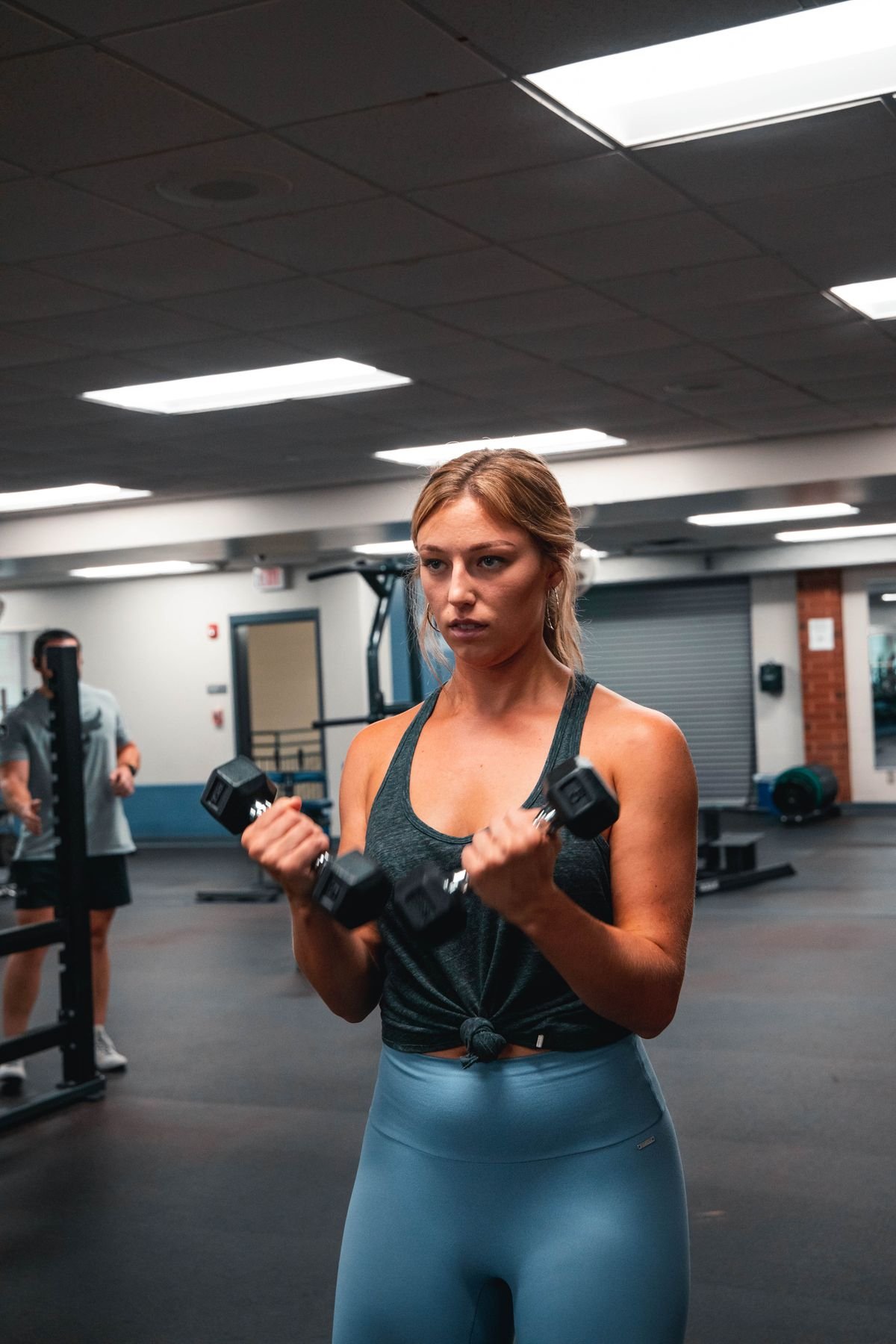
Nineteen resistance-trained adults completed a within-person experiment. Instead of assigning different people to entirely different workout plans, each participant trained one arm to momentary muscular failure and the other arm with an estimated one to three repetitions left. This design helps control for differences in diet, genetics and everyday activity because the two arms belong to the same individual.
The exercise was a unilateral preacher curl, performed twice a week for eight weeks. Loads were approximately 70–80% of each arm’s one-repetition maximum. The researchers assessed elbow-flexor muscle thickness and maximal strength before and after the training period. It was a controlled comparison of effort near the end of a set, not a test of every possible workout split or exercise.
Both arms grew. The estimated difference in muscle-thickness gain between protocols was only 0.032 cm, with a 95% uncertainty interval stretching from −0.044 to 0.113 cm. The estimated strength difference was 0.588 kg, and its reported uncertainty interval also crossed zero. In practical terms, the experiment did not establish that taking preacher curls to absolute failure grows more muscle than stopping a few reps short.
That finding is more informative than saying the approaches were “identical.” Nineteen people and eight weeks cannot rule out every small long-term difference. The result supports a narrower conclusion: for this exercise, loading range and training population, both effort strategies worked, and a meaningful superiority of failure was not demonstrated.
2. Failure, Technical Failure and Reps in Reserve Are Different Things
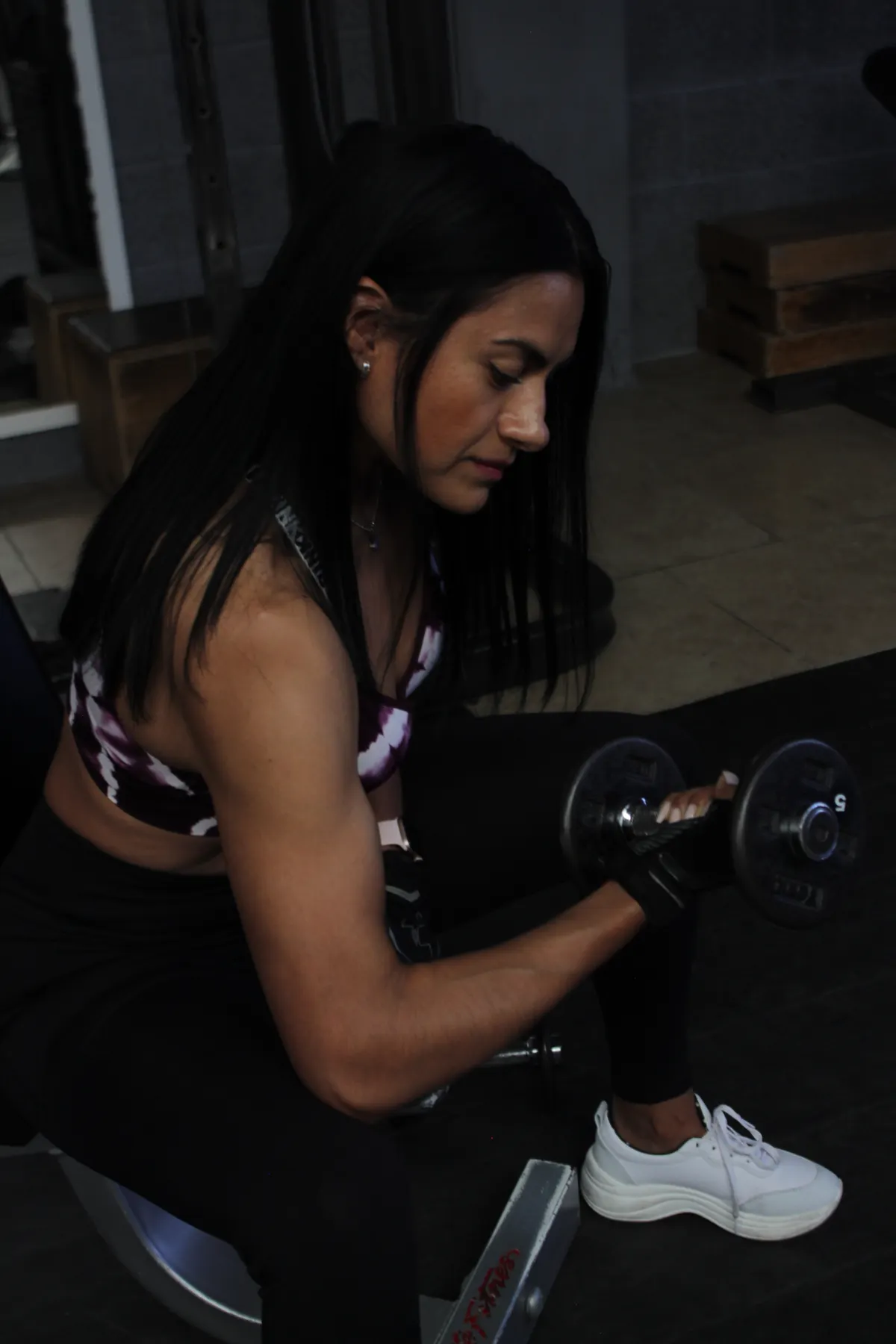
Momentary muscular failure means you cannot complete another full repetition with the prescribed technique despite a genuine effort. Technical failure arrives earlier, when you could perhaps move the weight again only by shortening the range, twisting your torso or using momentum. Repetitions in reserve, usually shortened to RIR, is an estimate of how many clean repetitions you could still complete before failure.
A set at three RIR should feel challenging but controlled; a set at one RIR feels close to the limit. A zero-RIR set ends when another full clean repetition is no longer possible. These numbers are not precise sensors. Lifters can underestimate or overestimate their remaining repetitions, especially with unfamiliar exercises, unusually high rep counts or rapidly changing fatigue.
Imagine doing curls with 12 kg dumbbells. You perform ten clean repetitions and believe you could manage two more. You stop at roughly two RIR. On another set you complete twelve repetitions, try for a thirteenth and cannot lift the weight through the required range. That is failure. Both sets are hard, but only the second requires an unsuccessful final effort.
One useful practice is occasionally testing your estimate on a relatively safe isolation exercise. If you stop at “two RIR” and then discover you could actually complete seven additional clean reps, your working sets may be too easy. If every estimated two-RIR set turns into a desperate last repetition, you may be training harder than intended. Calibration makes the label meaningful.

Equipment Worth Exploring
Explore equipment, accessories and gear from our carefully selected range.


FID Bench MAX
Adjustable bench offering flat, incline, and decline positions + adjustable headrest.
VOLTRA
Compact digital cable trainer with smooth, adjustable resistance.

Go-Tone Pro
Portable digital cable trainer with up to 66 lb (30 kg) of adjustable resistance.
3. Why Stopping Short Can Still Produce a Strong Growth Stimulus
Muscle growth depends on repeated exposure to sufficiently challenging contractions, appropriate total work and the ability to recover and train again. Reaching failure is one way to make a set demanding, but it is not the only way. A set stopped one or two repetitions short can still require substantial force from the target muscle, especially when the load and technique are appropriate.
The broader evidence fits this pattern without producing a universal one-number rule. A 2026 synthesis of 20 studies involving 556 participants found that non-failure training generally matched failure training for hypertrophy, endurance and power, with a small advantage for non-failure training in dynamic strength in its pooled analysis. Other analyses suggest that the relationship between proximity to failure and growth may not be linear: getting reasonably close matters more than extracting every final repetition.
That does not mean a set of effortless curls counts the same as a demanding set. Stopping with eight or ten repetitions in reserve usually produces less challenge per set than stopping with one or two, and the amount of work needed to compensate may be impractical. The practical target is an honest, repeatable hard set, not a ritual of deliberately failing.
Volume also changes the comparison. If one approach produces more repetitions, sets or total work than another, the result may reflect both effort and workload. When evaluating a claim about failure, ask whether the study matched training volume, what exercises were used and how closely the participants actually approached their limits. A single preacher-curl trial is useful evidence, not a universal prescription for squats, deadlifts and every muscle group.

Bodybuilding Shirts & Workout Gear
Bodybuilding shirts, tanks and gym gear for lifters chasing muscle, size, symmetry and the pump.

Gym Dost Thou Even Curl Medieval Knight Bicep Hoodie
Show off your medieval humor in a laid-back “Dost Thou Even Curl Medieval Knight Bicep” hoodie.

Muscle Mommy Pink Gym Girl Muscle Shirt for Women, Lift Tank Top
Add some gym-girl attitude to training with “Muscle Mommy”.

Mind Muscle Perfection Brain and Biceps Gym for Science Hoodie
Show off your lifting humor in a laid-back “Mind Muscle Perfection Brain and Biceps” hoodie.

OnlyGains Big Biceps Sweater & Meme Fans T-Shirt
Bring “OnlyGains Big Biceps” humor to your everyday gym style.

Muscle Mountain – Bicep Mountain Meme Pullover Jumper T-Shirt
For laid-back days and lifting humor: “Muscle Mountain”.

Meme Installing Muscles & Lifting Shirt Bros & T-Shirt
Bring “Installing Muscles” humor to your next gym day.

Meme – Shhh I'm Doing Math Plate Math Weightlifting T-Shirt
Heavy lifts, good laughs, and a little “Shhh I'm Doing Math Plate Math” energy.


Bicep Heart I Love Gym Funny Workout | Muscle Shirt For Tank Top
Train hard, laugh a little, and rep “Bicep Heart I Love Gym”.

Gym Skull Weightlifting Design for Powerlifters Bodybui T-Shirt
Bring “Skull Weightlifting Design for Powerlifters” humor to your next gym day.
4. The Recovery Cost of Chasing Every Last Rep

Failure training often brings an immediate cost: more uncomfortable repetitions, slower bar speed and greater short-term fatigue. The size of that cost depends on the load, exercise, set count and training history. A curl taken to failure is not the same systemic event as a heavy squat taken to failure, even if both earn a zero-RIR label.
In an experimental crossover comparison of squat and row sessions, performing more repetitions closer to failure increased several measures of neuromuscular and perceived fatigue. The effects varied with exercise and loading condition. This is a reason to manage failure deliberately, not evidence that failure is inherently dangerous or always impairs recovery.
For a stable isolation movement such as a preacher curl, the final set to failure can be a useful effort check. For a complex free-weight lift, form deterioration may arrive before the target muscle reaches its limit. Stopping when bar path, trunk position or control changes can preserve training quality and reduce the chance of a poor repetition.
Consider the next session, too. If pushing every set to failure turns three productive sets into one hard set followed by two badly degraded sets, you may gain less useful work than by stopping slightly earlier. Conversely, if an occasional failure set improves your sense of effort and does not compromise the rest of the week, it can have a place. The decision should reflect the entire training week rather than the drama of one set.
5. How to Progress Without Turning Every Session Into a Max Test
Training near failure and progressive overload are related but separate decisions. RIR describes how hard a particular set feels relative to your current capacity. Progression describes how the challenge changes as you adapt. You can maintain roughly two RIR while gradually adding repetitions or weight; you do not need to fail a rep to prove that the session was productive.
A simple double-progression example uses three sets of 8–12 curls. Start with a load that permits roughly 10, 9 and 8 clean repetitions at one to three RIR. Over several sessions, aim to improve those totals while keeping the same range of motion and tempo. When you can reach the top of the range consistently at the intended effort, add a small amount of weight and allow the repetitions to fall toward the lower end again.
The increase should fit the exercise. A two-kilogram jump on a light dumbbell curl can be a much larger percentage change than the same jump on a squat. Small plates, a cable stack with finer increments or adjustable resistance can make progress more manageable. If equipment forces a large jump, building repetitions first is a reasonable alternative.
Use performance trends rather than a single exceptional day. Sleep, food, stress, warm-up and exercise order all affect how many reps you can perform. A session with one fewer repetition does not automatically mean lost muscle or a failed plan. Look for steady progress across several exposures while technique remains comparable. If progress stalls, check recovery and workload before adding more sets or taking every set to failure.
Equipment Worth Exploring
Explore equipment, accessories and gear from our carefully selected range.


Original GymPin
Adds Olympic plates to compatible cable-machine weight stacks for extra resistance.

GymPin MiniPin
Compact Olympic-plate loading pin for compatible cable stacks with limited clearance.
6. A Practical Two-Day Arm Plan Using One to Three RIR

You can apply the study’s general idea without copying its exact laboratory protocol. Train elbow flexors twice weekly with at least a day between demanding sessions. Pair one stable curl variation with a second movement that feels comfortable on your elbows. The sample below is an illustrative plan, not a protocol proven superior by the trial.
Day A: after your main pulling work, perform three sets of preacher curls for 8–12 repetitions at approximately two RIR. Rest long enough to repeat clean technique, commonly around two minutes. Then perform two sets of hammer curls for 10–15 repetitions at roughly two or three RIR. Avoid swinging the shoulders or shortening the lowering phase just to preserve a number.
Day B: begin with three sets of incline or cable curls for 8–12 repetitions, stopping at one or two RIR. Add two sets of a neutral-grip curl for 10–15 repetitions at two RIR. If you want to test actual failure, use the last set of a stable curl occasionally rather than turning every set into a maximal struggle. Keep the other sets controlled.
That is ten direct curl sets per week, which may be too much for someone already performing extensive rows, pulldowns and chin-ups. Count those indirect demands when deciding how much additional arm work you need. A beginner might start with fewer direct sets, while an experienced lifter can adjust based on soreness, elbow comfort and progress. The point is not a magic set total: it is a clear effort target you can repeat and improve.
On weeks when recovery is poor, keep the exercises and reduce a set or leave another repetition in reserve. On good weeks, let clean repetitions rise naturally before adding load. Consistency beats a program that is heroic on Monday and impossible to repeat on Thursday.
Powerlifting Shirts & Lifting Gear
Powerlifting shirts and gym gear for squat, bench and deadlift lifters who live for heavy numbers.

Gym The Bar Does Not Lie Medieval Knight Barbell Decal Sticker
Give your everyday gear a playful “The Bar Does Not Lie Medieval Knight” twist.

Gym Iron Before Honor Medieval Knight Lifting Decal Sticker
Give your everyday gear a playful “Iron Before Honor Medieval Knight Lifting” twist.

Gym Sworn to the Iron Oath Medieval Knight for Heavy Li Hoodie
Show off your medieval humor in a laid-back “Sworn to the Iron Oath Medieval Knight” hoodie.

Gym Thou Art Not Yet Ripped Medieval Knight Deadlift Wo T-Shirt
Make gym days more fun with “Thou Art Not Yet Ripped Medieval Knight” style.

Leg Day Thou Shalt Not Skip Leg Day Medieval Knight Gym Sticker
Give your everyday gear a playful “Leg Day” twist.

Medieval Gym – Dost Thou Even Hoist Knight & Dragon Mus Tank Top
Bring “Medieval” humor to your next lifting session.

Deadlift Skull Graphic , Hardcore Bodybuilding Training Tank Top
Add some deadlift attitude to training with “Deadlift”.

I Love Deadlifts Gym | Valentine's Heart Weight Plate F Tank Top
Add some deadlift attitude to training with “I Love Deadlifts”.

45LB Metal Weight Plate Funny Gym T
Show some metalhead attitude with a playful “45LB Metal Weight Plate” tee.

Dost Thou Even Hoist Sir? – Do You Even Lift, Bro? T-Shirt
Make gym days more fun with “Dost Thou Even Hoist Sir?” style.
7. What the Findings Do—and Do Not—Mean for Your Training

The strongest practical conclusion is that trained lifters do not appear to need to reach momentary failure on every preacher-curl set to improve biceps size and strength over eight weeks. That does not establish that all RIR targets are interchangeable, that training very far from failure works equally well, or that an occasional failure set has no value.
The experiment was small, lasted eight weeks and examined one single-joint exercise with moderate-to-heavy loading. It cannot settle what happens after a year of training, with very light loads, in older populations or during demanding compound lifts. The reported uncertainty intervals leave room for modest differences in either direction. Those limitations matter when turning an interesting result into a training rule.
Use a simple training log. Record the exercise, load, clean repetitions, estimated RIR and anything that affected the session. Compare sets with similar technique and range of motion. If your estimated RIR changes wildly from week to week, practice calibration rather than chasing a false level of numerical precision. An occasional safely supervised effort test can help, but it need not dominate the program.
For most working sets, stopping around one to three clean repetitions before failure is a sensible starting approach. Take selected stable isolation sets closer to failure if you enjoy it and recover well; leave more room on complex lifts when technique or fatigue warrants it. Keep the load challenging, accumulate useful work, progress gradually and protect your ability to train productively again. The most valuable final repetition is not always the one you cannot finish.