Which curl builds bigger arms: an incline dumbbell curl or a preacher curl? The usual gym argument treats them as interchangeable ways to train the biceps. A 2026 experiment suggests the answer is more interesting. Both movements grew the elbow flexors substantially, but individual muscles responded differently.
The headline is not that one curl is universally superior. Incline curls produced somewhat greater growth of the biceps brachii, while preacher curls favored the brachialis and brachioradialis. Total elbow-flexor growth was not statistically different. That distinction matters when choosing exercises for a real training program rather than chasing a single viral winner.
What the 2026 experiment actually tested
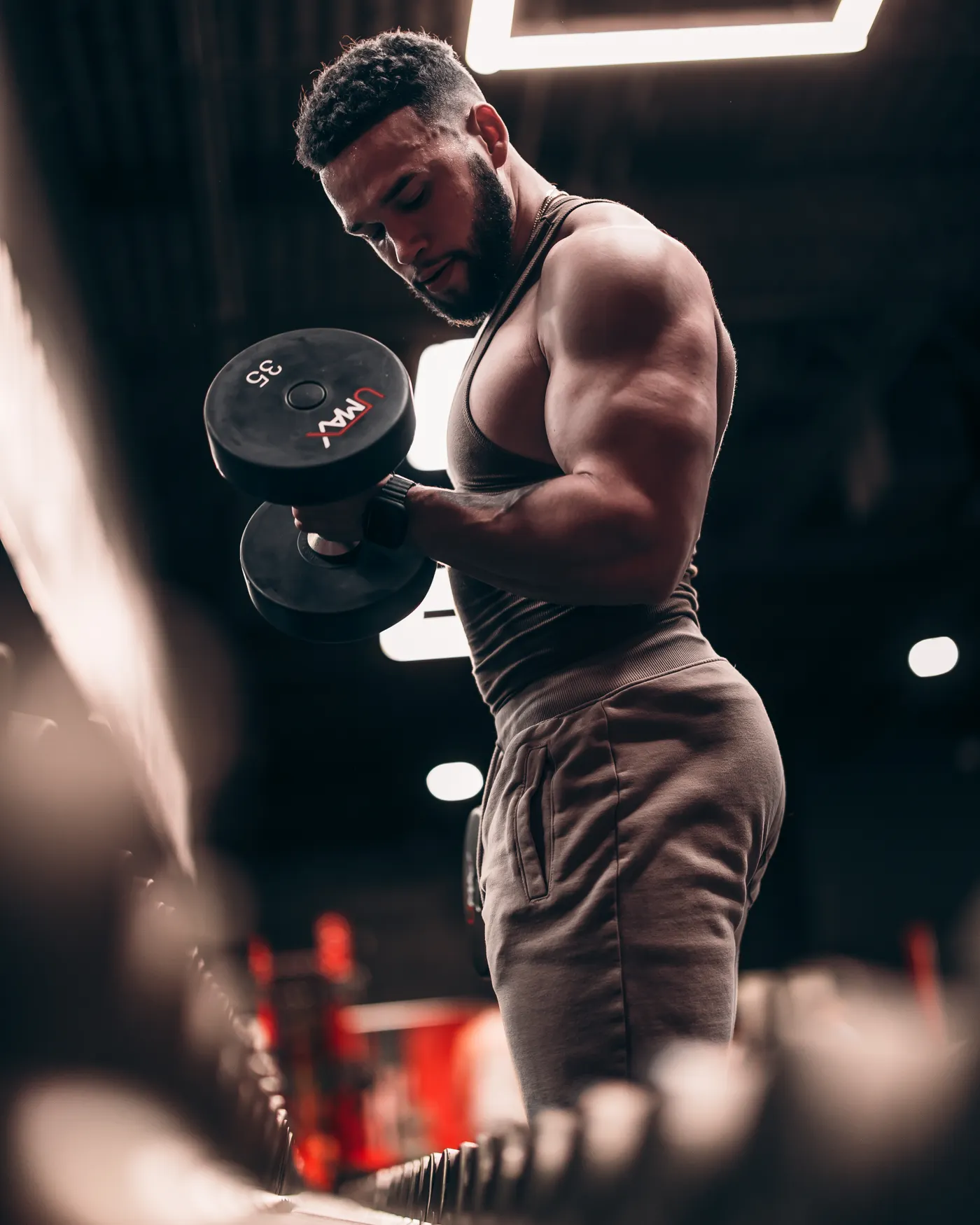
Researchers recruited 21 previously untrained adults and used a within-person comparison: each participant trained one arm with incline dumbbell curls and the other with preacher dumbbell curls. Training lasted 12 weeks, twice weekly. Each arm performed five sets of ten repetitions at roughly 70% of its one-repetition maximum. That is a meaningful dose of direct arm work, not a token finisher after a back workout.
Magnetic resonance imaging measured the volumes of the biceps brachii, brachialis and brachioradialis before and after training. This was more informative than merely measuring the circumference of the upper arm, which cannot tell us which muscle changed. Researchers also examined proximal, middle and distal regions along each muscle.
The incline-trained arms increased biceps brachii volume by about 22.1%, compared with 18.9% for preacher-trained arms. Preacher curls led to larger increases in brachialis volume, approximately 21.1% versus 17.1%, and brachioradialis volume, approximately 17.6% versus 13.5%. The total elbow-flexor increase was 17.6% for incline curls and 19.2% for preacher curls; that overall difference was not statistically significant.
These are averages from a small study of beginners, not guaranteed percentages for experienced lifters. The useful result is the direction of the muscle-specific differences and the absence of a clear total-size winner.
Why different elbow flexors might respond differently
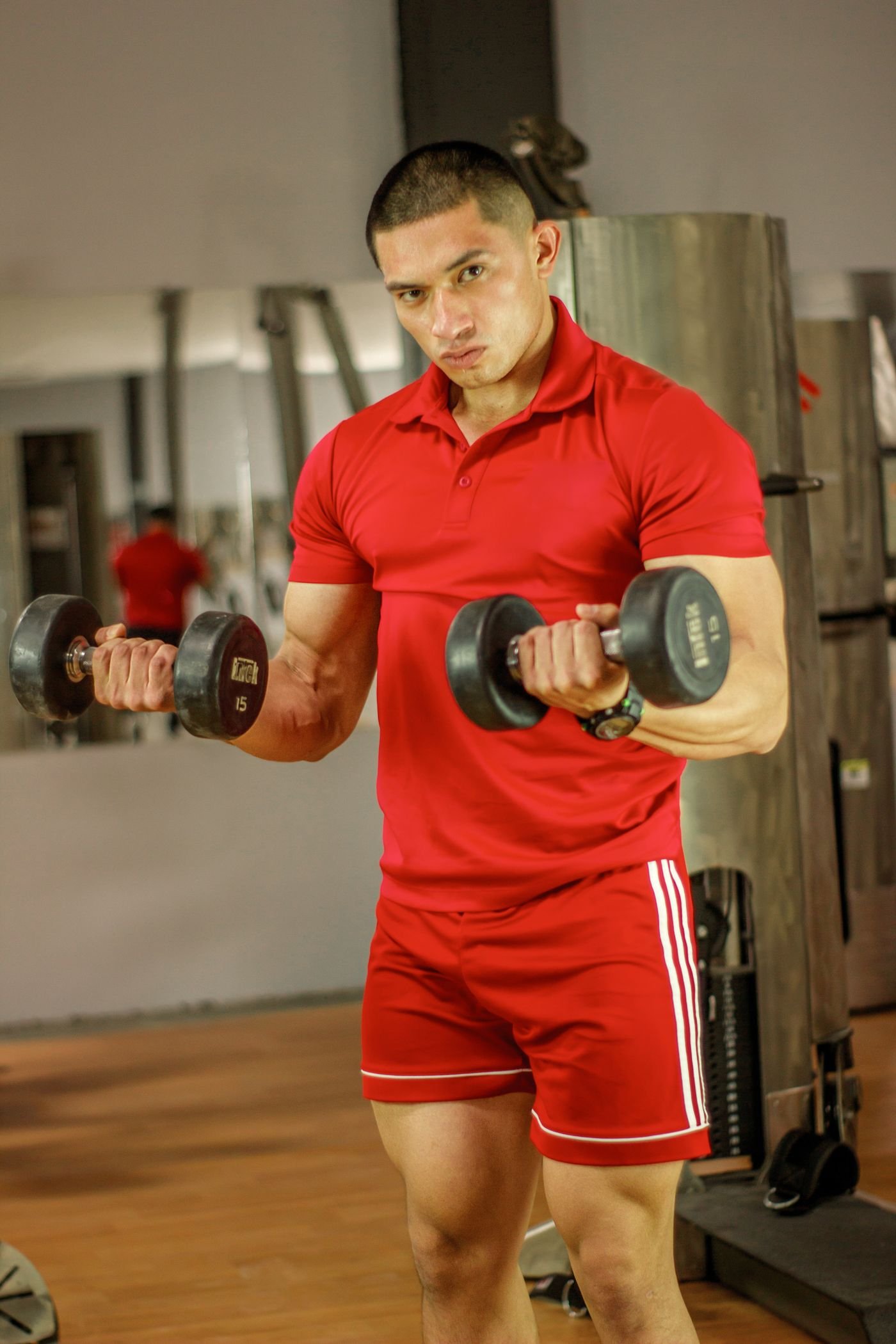
The elbow flexors are a team rather than one isolated biceps muscle. The biceps brachii crosses both the elbow and shoulder; the brachialis flexes the elbow without crossing the shoulder; and the brachioradialis contributes to elbow flexion, particularly as forearm position changes. A curl that feels like a pure biceps exercise is still shared work.
On an incline bench, the upper arm sits behind the torso, putting the shoulder into extension. Because the biceps crosses the shoulder, this changes its starting length. On a preacher bench, the upper arm rests in front of the body in shoulder flexion. That changes the biceps’ length and the external torque demands as the forearm moves.
It would be too simple to claim that every difference is caused solely by stretch. The shoulder position, the dumbbell’s changing moment arm, joint angles and how hard each muscle contributes all matter. The study did not isolate those variables one at a time. It compared complete exercises as lifters would actually perform them.
The regional findings were less dramatic than social-media explanations might suggest. Both conditions showed broadly similar growth patterns within the individual muscles. The result does not prove that a preacher curl uniquely builds the ‘lower biceps’ or that an incline curl creates a specific peak. Muscle shape is influenced by anatomy and genetics, and the study did not measure aesthetic outcomes.
The practical takeaway: exercise selection can redistribute some stimulus among neighboring muscles even when total arm growth is similar. If two curl variations feel different, that can reflect a real change in mechanical demands, but sensation alone cannot tell you which one is growing fastest.
How to perform incline curls without turning them into a swing
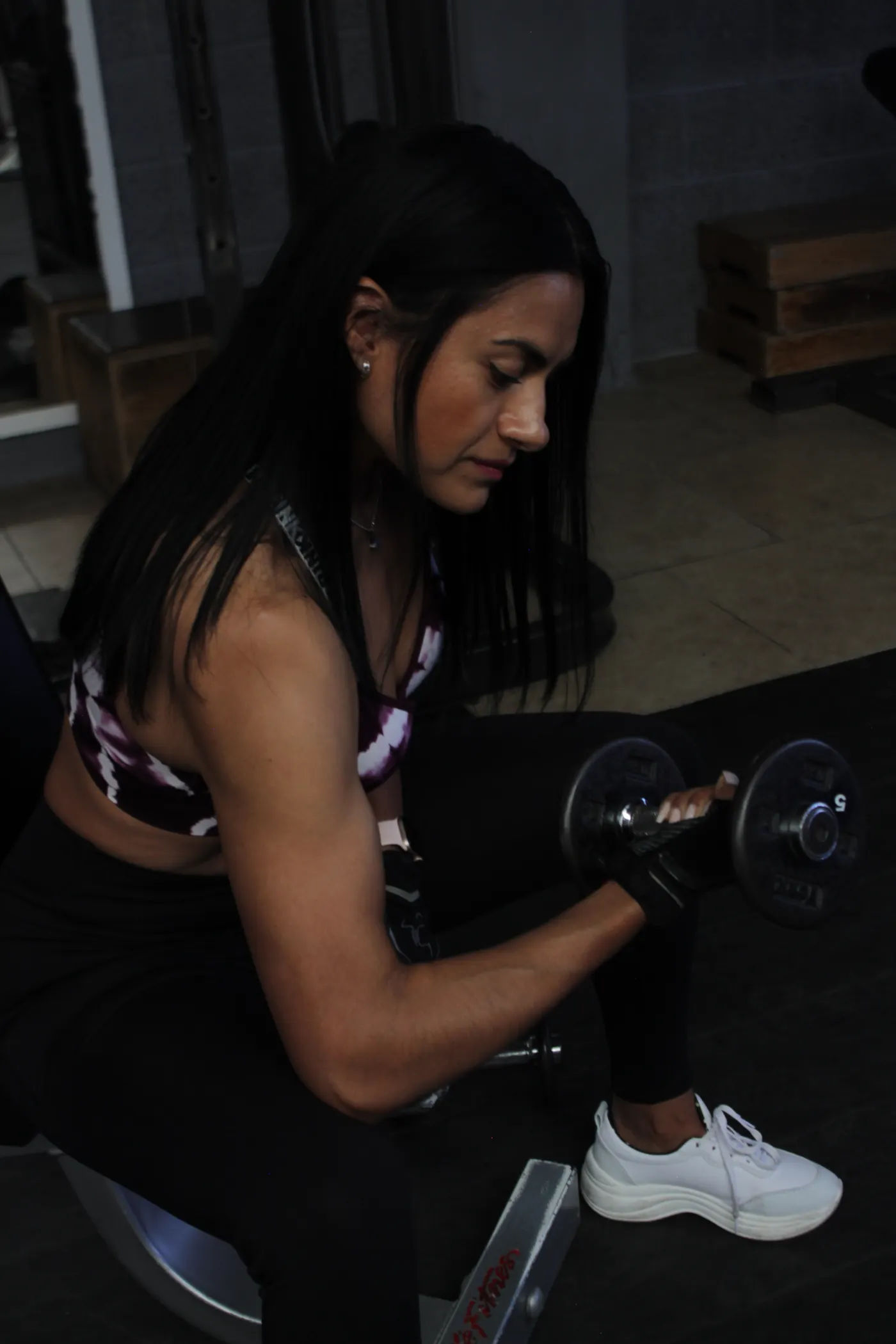
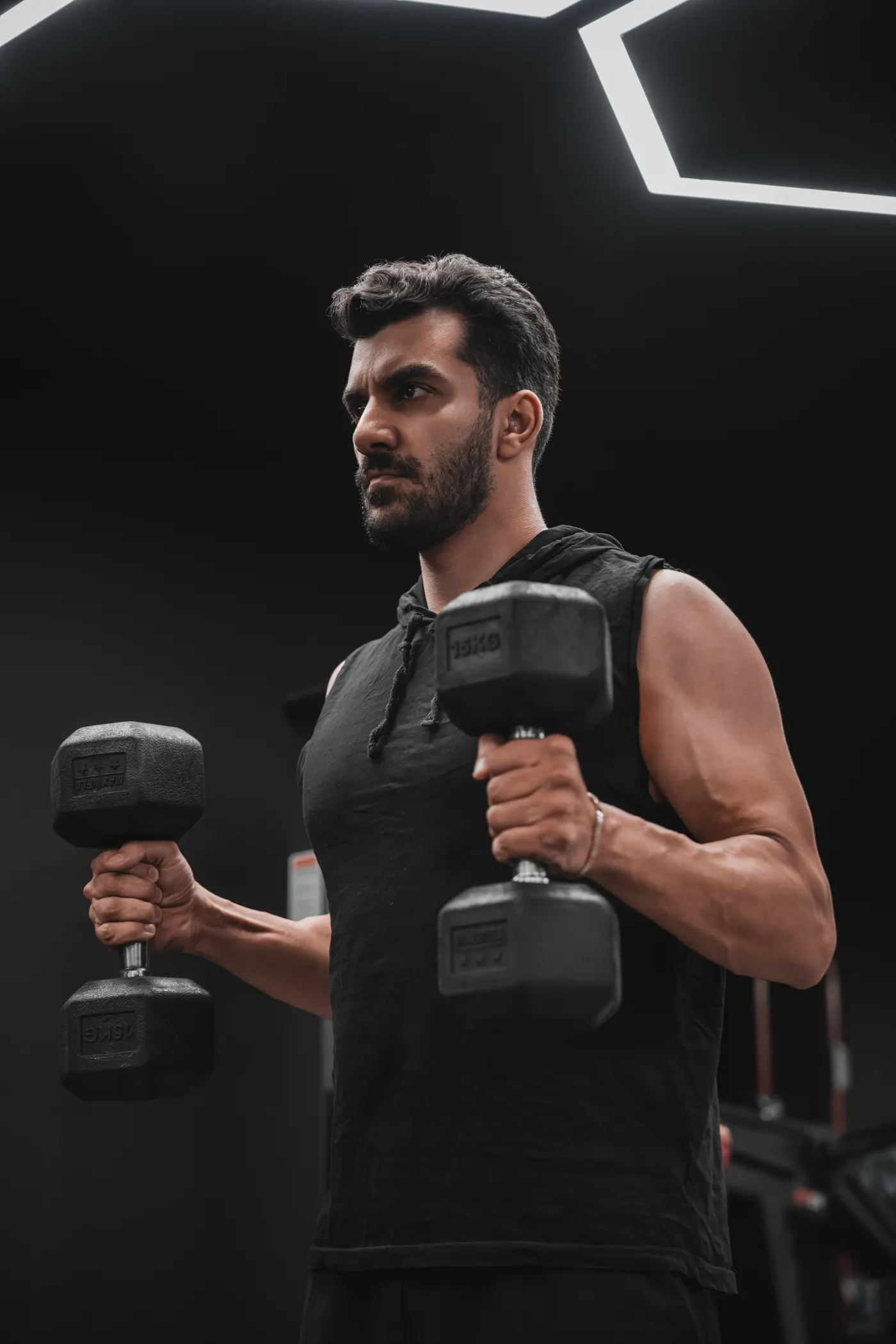
Set an adjustable bench to a moderate incline, often around 45–60 degrees. Sit with your back supported and let the dumbbells hang slightly behind the line of your torso. Keep your upper arms near that position while bending the elbows. The goal is to flex the elbows, not to bring the shoulders forward and convert the rep into a front raise.
Use a weight you can control through the bottom portion. You should feel a meaningful stretch without forcing your shoulder into a painful position. Start with a neutral or slightly turned-out hand position, then supinate comfortably as you curl if your wrists and elbows tolerate it. The exact hand path can vary with your anatomy.
Lower the dumbbells under control until the elbows are nearly straight, without aggressively locking or bouncing. A brief pause can prevent momentum from carrying you into the next repetition. If the dumbbells swing forward, the shoulders roll, or your torso leaves the bench, the load is probably too heavy for the intended variation.
For most lifters, two to four challenging sets of roughly 8–15 repetitions are a practical starting point. Finish with one or two repetitions still possible when learning the movement, then adjust effort as technique becomes repeatable. You do not need to reproduce the research protocol’s ten weekly sets of this single exercise to benefit.
Incline curls are particularly useful when you want a stable dumbbell movement that challenges the biceps in a shoulder-extended position. They are not mandatory for growth, and people with sensitive anterior shoulders may prefer a less extended position or a cable setup that permits a more comfortable arm path.

Equipment Worth Exploring
Explore equipment, accessories and gear from our carefully selected range.


FID Bench MAX
Adjustable bench offering flat, incline, and decline positions + adjustable headrest.


GymPin D Cuffs
Adjustable wrist cuffs with textured grips for supported cable-machine exercises.

GymPin Ergo Handles
Pair of ergonomic cable handles shaped for comfortable triceps and pulling exercises.
VOLTRA
Compact digital cable trainer with smooth, adjustable resistance.

Go-Tone Pro
Portable digital cable trainer with up to 66 lb (30 kg) of adjustable resistance.
How to use preacher curls without abusing the bottom position
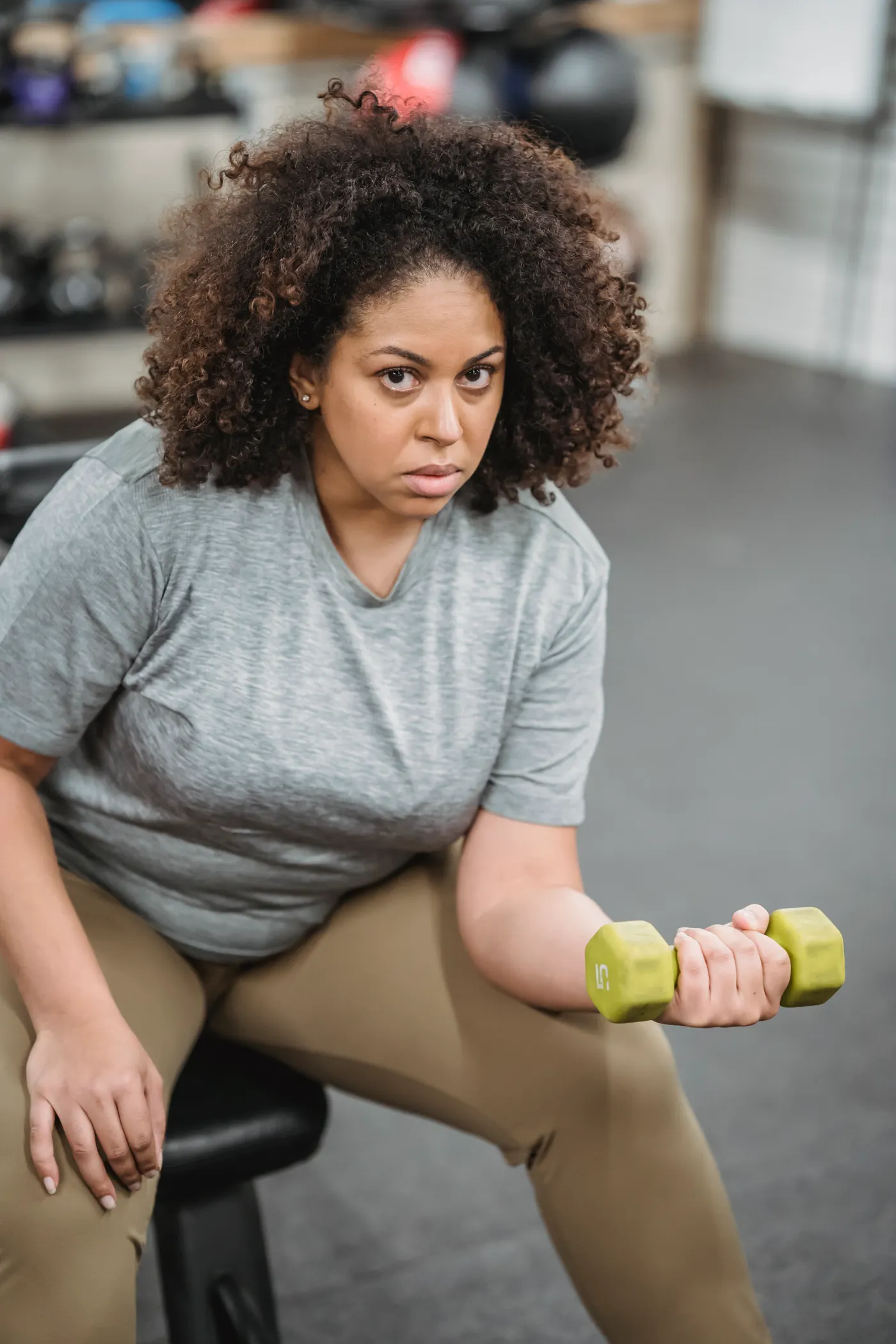
A preacher bench supports the upper arm in front of the torso, reducing the opportunity to swing. Adjust the seat so the armpit and upper arm rest naturally on the pad rather than reaching awkwardly for it. Keep the shoulder settled and avoid lifting the elbow away from the pad to finish a heavy repetition.
The hardest part of a free-weight preacher curl can occur near the more extended elbow position. That makes it tempting to drop quickly into the bottom and bounce back up. Resist the temptation. Lower smoothly, stop just short of any position that feels unstable or painful, and initiate the next rep deliberately. The aim is productive tension, not an elbow-tendon stress test.
One-arm dumbbell preacher curls are easy to standardize and let each arm find a comfortable path. An EZ bar or cable version may be more convenient, but they are not identical to the dumbbell protocol in the 2026 experiment. Cable direction can change the resistance profile, so do not assume every preacher setup reproduces the study’s exact results.
Start with a conservative load and approximately 8–15 controlled reps. If the elbow becomes irritated, reduce range or loading, change grip, or substitute another curl. A sharp localized tendon pain is not a sign that the muscle is being stimulated more effectively.
The study’s preacher advantage was specific to brachialis and brachioradialis growth, not a decisive win in total elbow-flexor volume. That is a good reason to consider preacher curls in a varied routine, not a reason to discard incline curls or all other arm training.

Bodybuilding Shirts & Workout Gear
Bodybuilding shirts, tanks and gym gear for lifters chasing muscle, size, symmetry and the pump.

Dost Thou Even Curl Tank
Bring “Dost Thou Even Curl Medieval Knight Bicep” humor to your next lifting session.

Twisted Barbell Biceps
Show some metalhead attitude with a playful “Twisted Barbell Biceps” tee.

Muscle Mountain – Bicep Mountain Meme Vest Muscle Shirt Tank Top
Add some lifting attitude to training with “Muscle Mountain”.

Micro Biceps Club President Gym | Funny Muscle Shirt | Tank Top
Train hard, laugh a little, and rep “Micro Biceps Club President”.

Welcome to the Gun Show Hoodie
Keep it laid-back with a little “Welcome to the Gun Show” attitude.

Beauty And The Biceps Meme Top Tank Top
Your gym-day look, with a playful “Beauty And The Biceps” twist.

Gymhead Meme Mind Muscle Connection Decal Water Sticker
A fun “Gymhead” touch for bottles, laptops, and lockers.

GymTok – TikTok Parody Bicep Graphic for Gymbros and Fi T-Shirt
Make gym days more fun with “GymTok” style.


Does either curl actually build more total arm size?
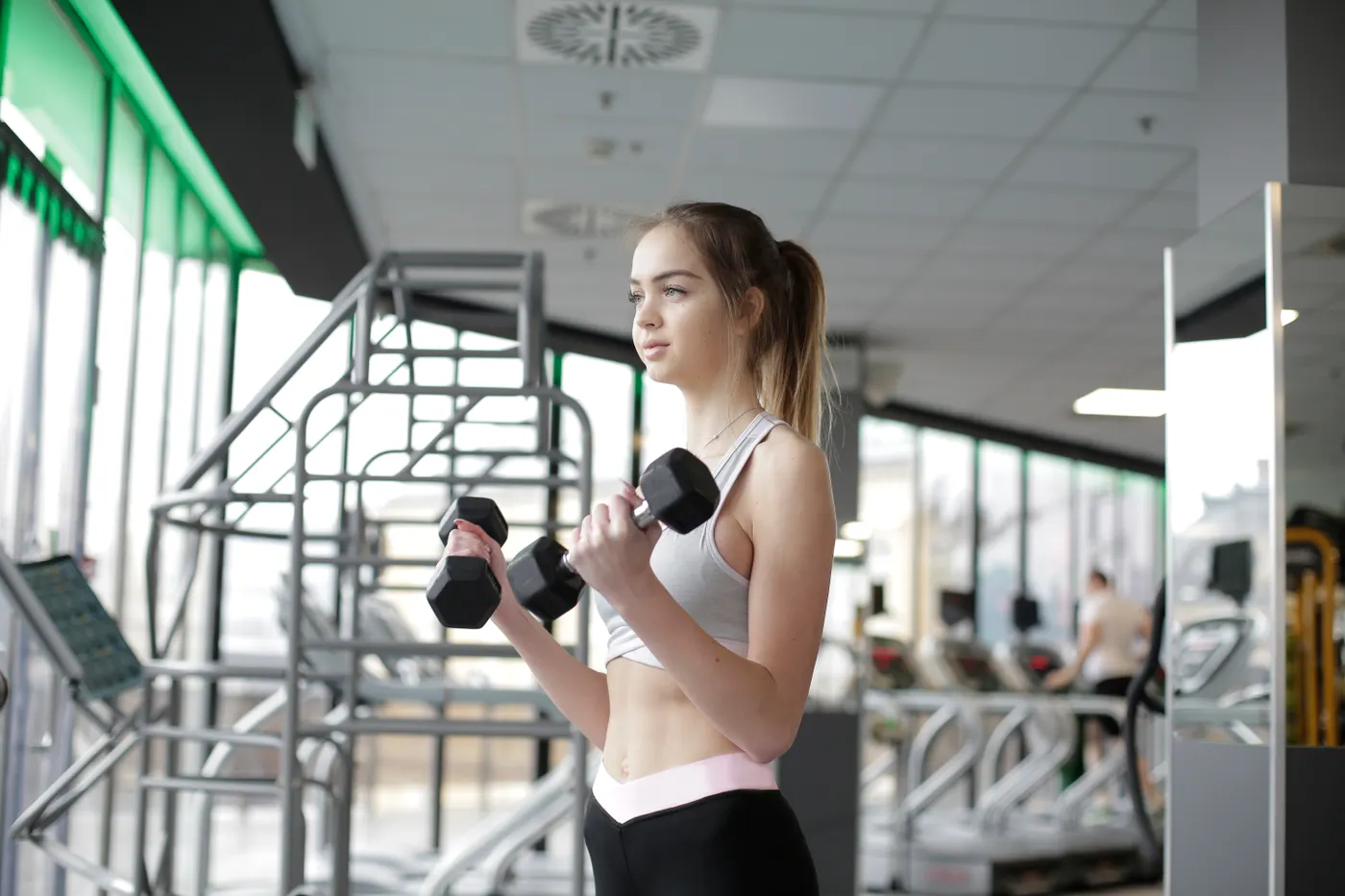
When the researchers added the elbow-flexor muscles together, the average total-volume increase was 17.6% with incline curls and 19.2% with preacher curls. The difference did not reach statistical significance. That does not prove the exercises are identical in every respect; it means this experiment did not establish a reliable overall growth advantage for either variation.
Earlier research also points toward exercise-specific effects rather than one permanent winner. A 2025 trial in young women reported different regional thickness changes and greater strength gains in the movement participants practiced. A 2023 study found a distal-arm thickness increase in its preacher-curl group, but its group comparisons did not establish a universal superiority across regions. Different participants, loading schemes, measurements and exercise execution can explain why results do not line up perfectly.
Broader range-of-motion reviews provide context, but they do not directly answer incline-versus-preacher questions. Working through a useful, controlled range and exposing muscles to challenging lengths can support hypertrophy. Those general findings should not be used to declare that one particular curl will always dominate another.
Also remember what an MRI volume measurement is not: it is not a photograph of a flexed arm, a prediction of how a shirt sleeve will fit, or a guarantee of performance in other lifts. Triceps contribute much of the upper arm’s overall size, and rows and pull-ups already train elbow flexors to varying degrees.
For someone building a balanced physique, the best exercise is often the one they can load progressively, recover from and perform consistently. If both movements are comfortable, their different mechanics make them sensible complements.
A simple two-day biceps plan using both variations
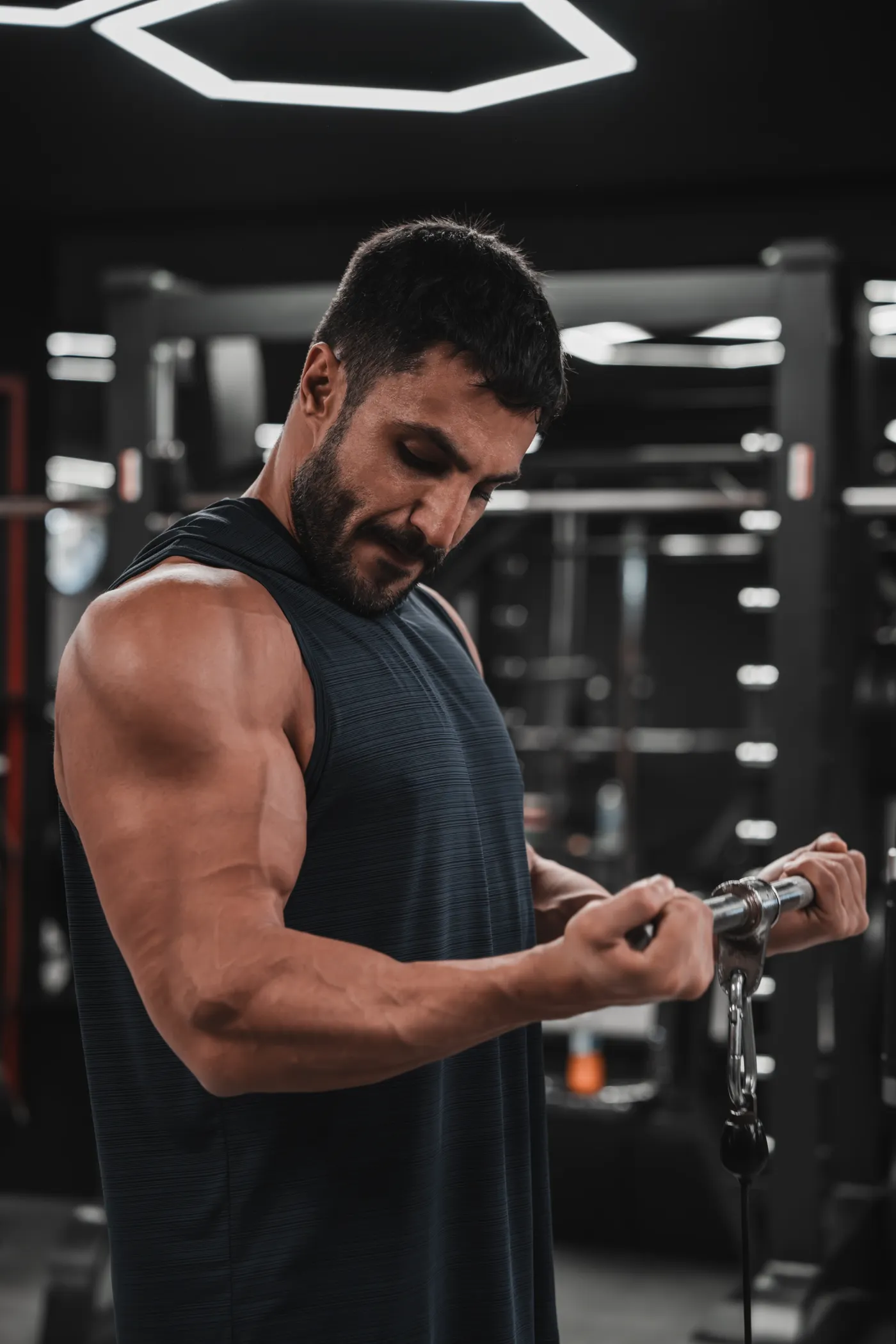
You can apply the study’s practical insight without copying its unusually concentrated curl workload. Start with a modest amount of direct elbow-flexor work, especially if your back sessions already include rows and pulldowns. The goal is enough hard, repeatable training to progress, not the largest possible collection of curls.
Day A — biceps emphasis: after your main pulling work, perform incline dumbbell curls for three sets of 8–12 controlled repetitions. Rest about 90–150 seconds between sets. Keep the upper arm from drifting forward, and stop each set when another clean rep would be doubtful. Add one or two sets of a comfortable neutral-grip curl if you want extra variety.
Day B — supported elbow-flexor emphasis: perform preacher curls for three sets of 10–15 repetitions. Choose a load that lets you lower smoothly near the bottom. Add two sets of cable or hammer curls if your elbows feel good and your total weekly pulling volume leaves room for more work.
Leave at least a day between hard direct-biceps sessions. Begin with roughly six direct sets per week from the two main variations, then add volume only if progress and recovery justify it. If you already perform many hard pulling sets, six may be plenty; a beginner may need even less.
Use a double-progression approach: keep the weight steady until you can complete all planned sets at the top of the rep range with consistent form, then increase the load slightly. Record reps and effort. A stronger curl is useful feedback, but do not mistake a sudden improvement in skill for proof of equal muscle growth.
For a compact home gym, adjustable dumbbells and an incline bench cover the first variation. A preacher attachment, stable pad or cable configuration can provide a supported alternative. The best setup is one that lets you repeat the same movement safely rather than improvising a precarious arm support.
Equipment Worth Exploring
Explore equipment, accessories and gear from our carefully selected range.

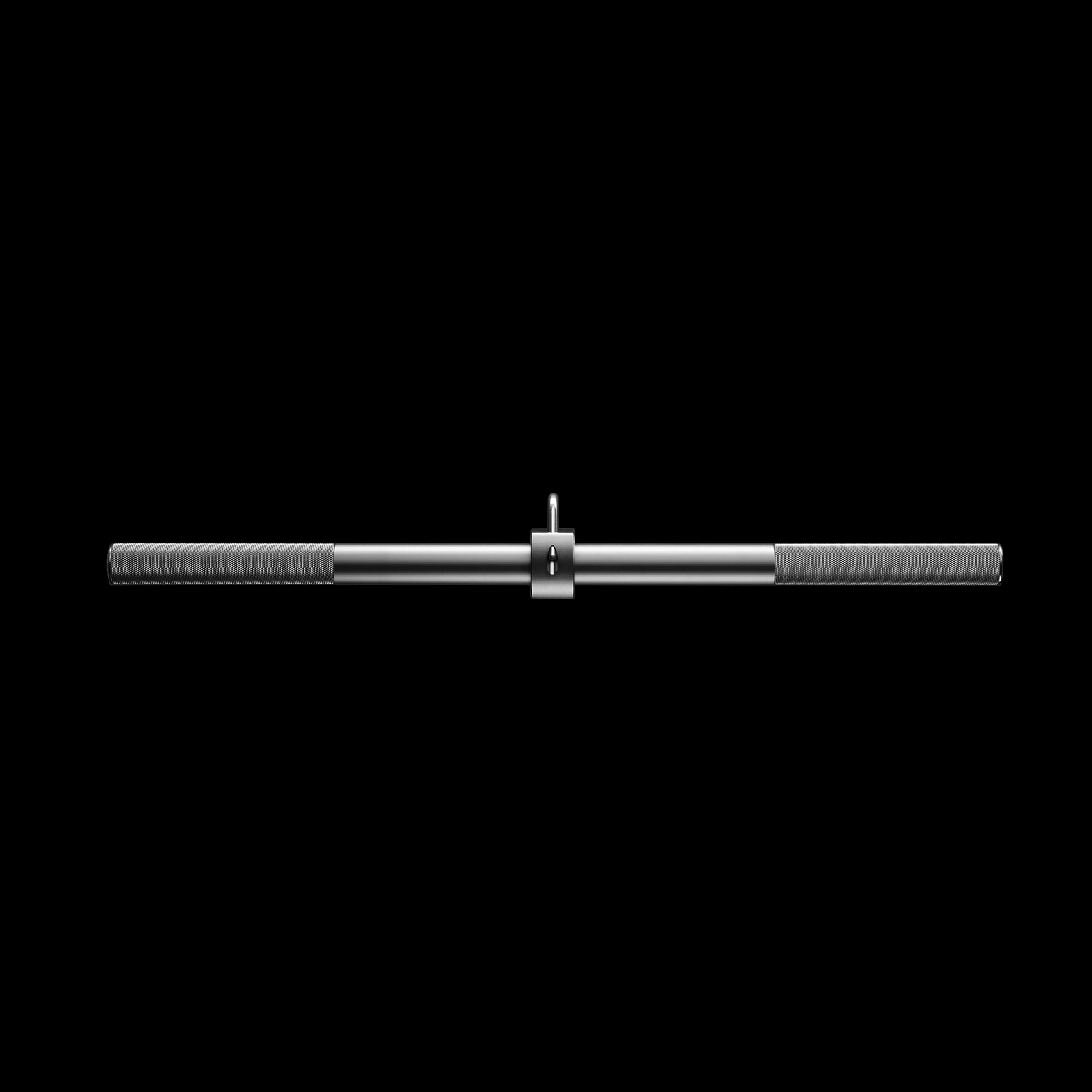
GymPin D Handle Bar
Multi-use steel D-handle bar for cable rows, pulldowns and other cable exercises.

Angles 90 Grips
Flexible grip attachments that allow natural wrist movement during pulling exercises.
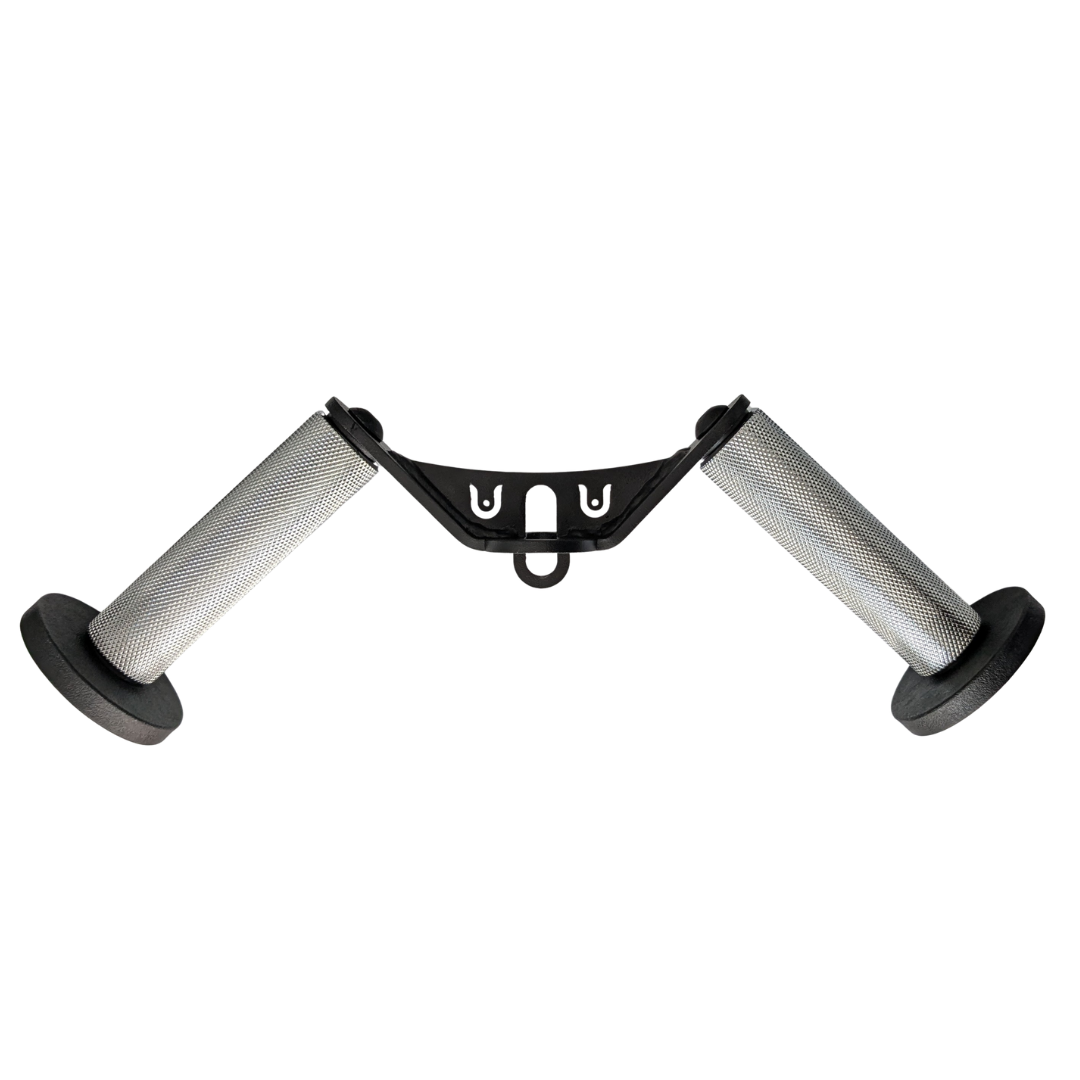
W Grip
Angled cable grip for comfortable rows, pushdowns, and curls.



Leather Wrist Grips
Padded leather lifting grips help support the hands and wrists on heavy pulling exercises.


Who should favor each curl—and what we still do not know
If your main priority is the biceps brachii, the 2026 results give incline curls a modest evidence-based argument. If you want to emphasize the brachialis and brachioradialis, preacher curls have a similarly modest argument. If your priority is total elbow-flexor growth, the study does not identify a clear winner, so comfort, equipment and progression become more important.
There are important limits. Only 21 untrained adults participated, the experiment lasted 12 weeks, and each arm followed one tightly defined dumbbell protocol. It cannot tell us whether the same muscle-specific differences persist in advanced bodybuilders, people with previous elbow injuries, or lifters using cables, EZ bars or markedly different repetition ranges.
Training one arm with each exercise helps control for many between-person differences, but it is not a complete simulation of a real training split. In ordinary programs, curls share recovery resources with rows, pulldowns and other arm work. Nutrition, sleep and total training load still matter more than a tiny difference in exercise ranking.
Do not use the percentages as a forecast for your next 12 weeks. Beginners often grow quickly when they start training consistently, and individual responses vary. The observed muscle-specific differences were small to moderate, not a license to promise a dramatic new arm shape.
The useful conclusion is straightforward: incline and preacher curls are not mechanically identical, and the 2026 imaging data suggest they may distribute growth differently across the elbow flexors. Both can work. Choose one if it suits your body and equipment; rotate or combine them if you enjoy both. Track your progress, keep reps controlled, and let months of consistent training—not one study headline—determine the program.
Funny Gym Shirts & Workout Gear
Funny gym shirts, tanks, hoodies and workout gear for lifters who like training hard.


Hustle For That Muscle Gym Sweatshirt
Keep things casual with a little “Hustle For That” attitude.

For Whom The Bell Curls Dumbbell Metallica Workout Heav T-Shirt
Rep “For Whom The Bell Curls” humor in and out of the gym.


Hallowed Be Thy Gains Tee
Show some metalhead attitude with a playful “Hallowed Be Thy Gains” tee.