Advertising disclosure: This page includes affiliate links that may earn us a commission at no additional cost to you.
The least exciting part of a barbell session can still be worth improving. Every plate change involves finding the collars, removing them, changing the load and securing everything again. If that sequence feels awkward, it gets repeated anyway—through warm-ups, work sets and the next person’s turn.
Eleiko’s Öppen collars approach the problem from the side. Their open design changes how a collar reaches the plates, while integrated magnets give it somewhere to wait between sets. The interesting question is whether those details remove a real annoyance in your gym. This is a design and specification analysis, not an MMP hands-on retention test.
An open collar changes the loading sequence
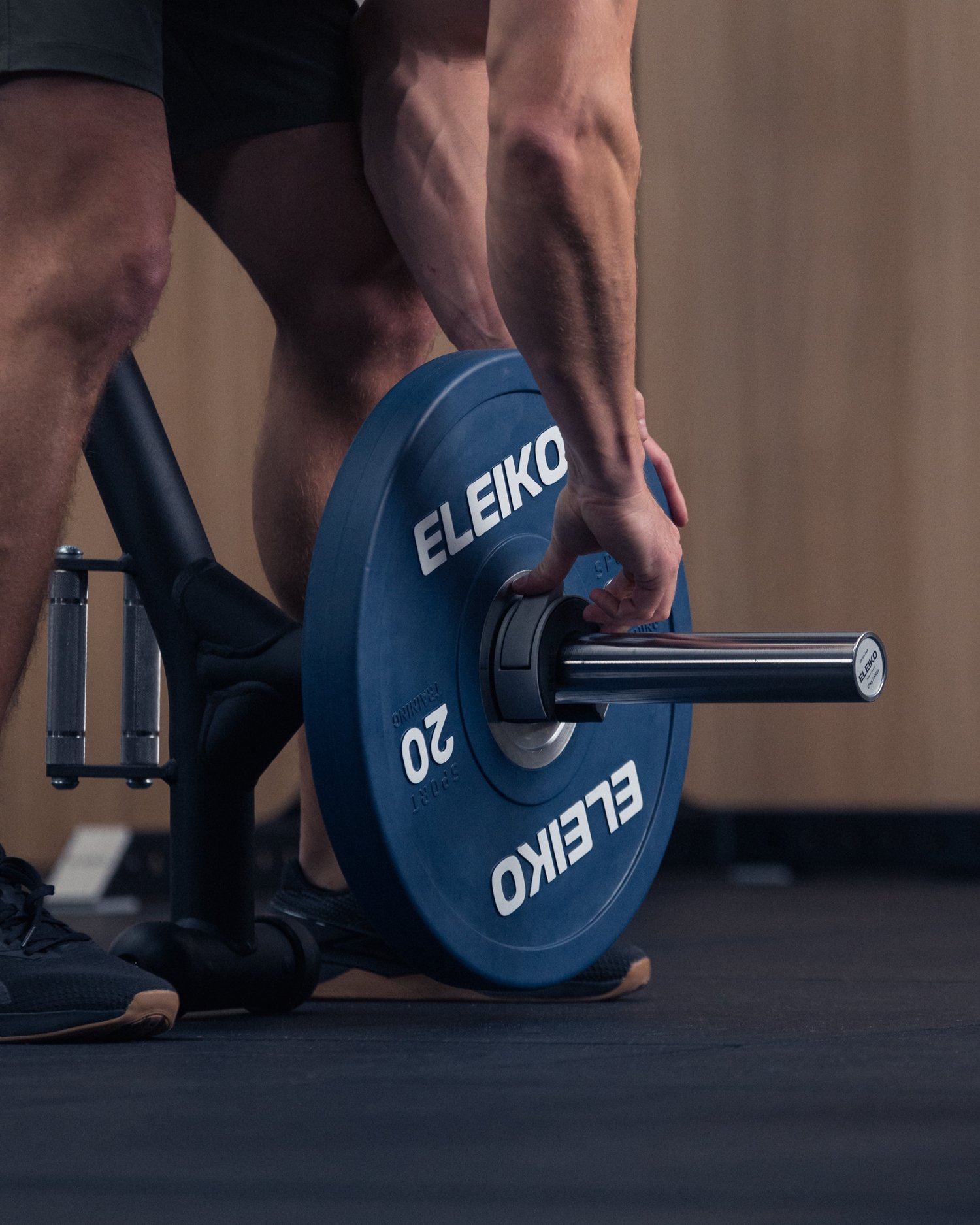
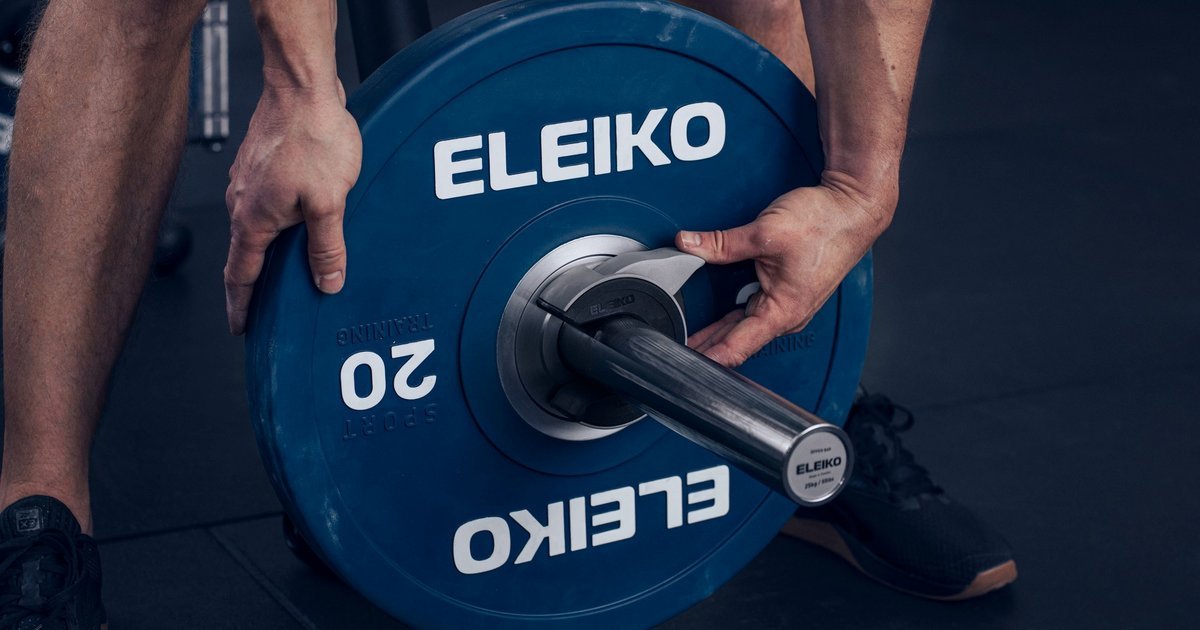
Instead of travelling along the entire sleeve from its outer end, the Öppen collar can be positioned beside the plates through its open side. A lever then locks it in place. The difference concerns access and handling, rather than adding a new exercise to your program.
Picture a session with several warm-up increments. You remove the collar, change a plate, replace the collar and repeat the process on the other side. Even a small improvement in that sequence may be welcome when you perform it often. That does not establish a measurable workout-time saving, and it certainly does not demonstrate faster strength gains.
The useful comparison is your current collar. Does it resist being moved, demand two hands at an awkward moment or get lost whenever you unload the bar? Those are concrete problems. If your existing equipment already works smoothly, the open design may be pleasant without being a necessary upgrade.
Access also depends on the surrounding equipment. Leave yourself room to position the collar and operate the lever rather than wedging your hands between nearby objects. An easy-to-use closure still needs enough space for you to use it properly. Check the complete loading arrangement, not just a close-up photograph of the accessory.
Magnetic storage is part of the workflow
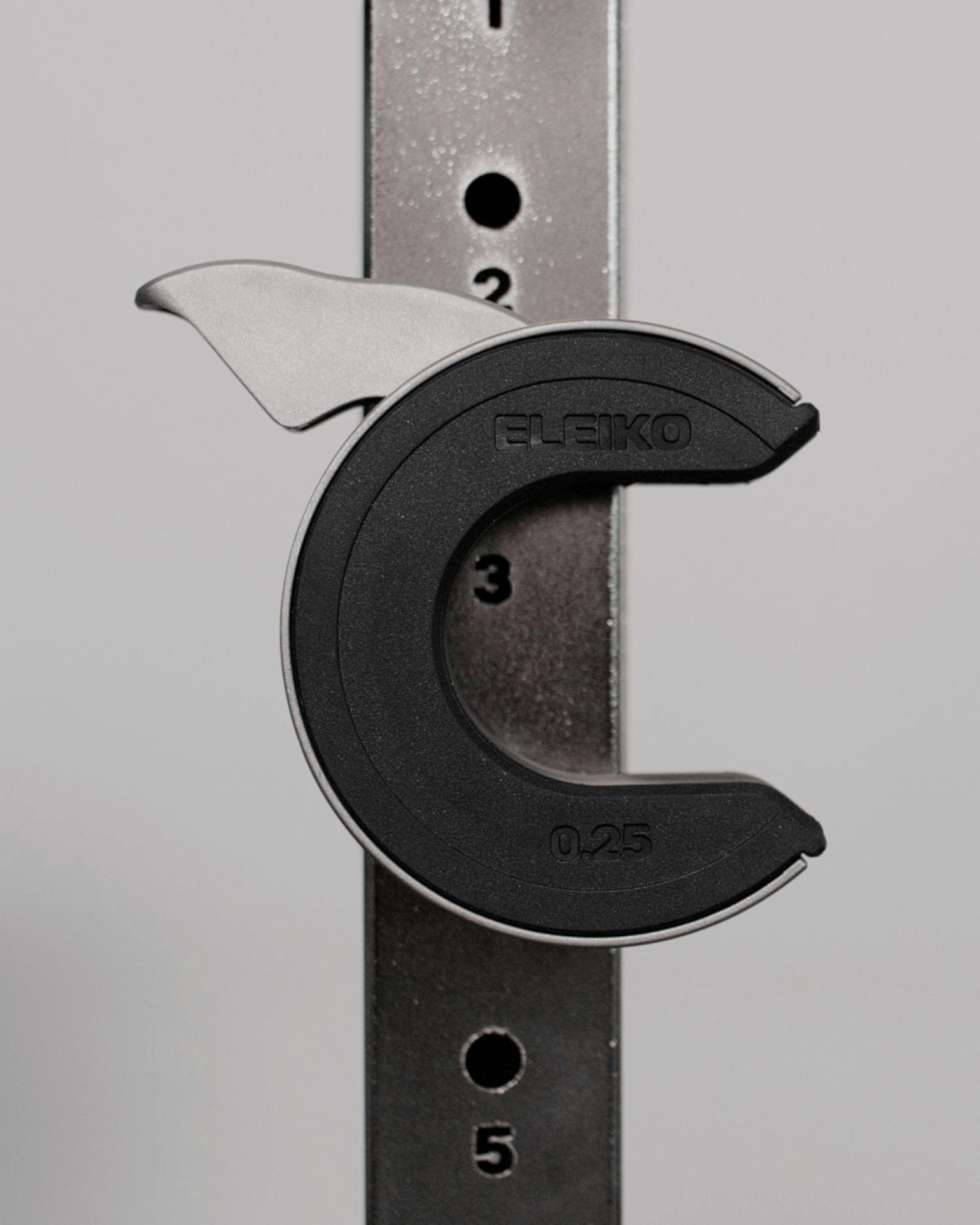
Built-in magnets let these collars attach to suitable metal surfaces on racks, stands or benches while you change weights. The point is simple: the collar can stay nearby instead of joining the loose equipment on the floor.
Choose a consistent parking place before the first working set. It should be easy to reach, visible and outside the bar’s travel and your walking route. A convenient surface is not necessarily a good location if another lifter will brush against it or if you have to reach across a loaded bar to retrieve the collar.
That habit can matter as much as the magnet. If you put an accessory in a different place after every change, a storage feature cannot guarantee you will find it quickly. In a shared gym, agree where the pair belongs and return both collars together at the end of the session.
Keep storage and locking separate in your mind. A collar sticking to an upright is a useful convenience; that observation is not a measurement of its clamping force on a barbell. Likewise, an impressive-looking lever does not remove the need to follow the product’s operating instructions. Use each feature for the job it is intended to perform.
Count the pair, especially when microloading
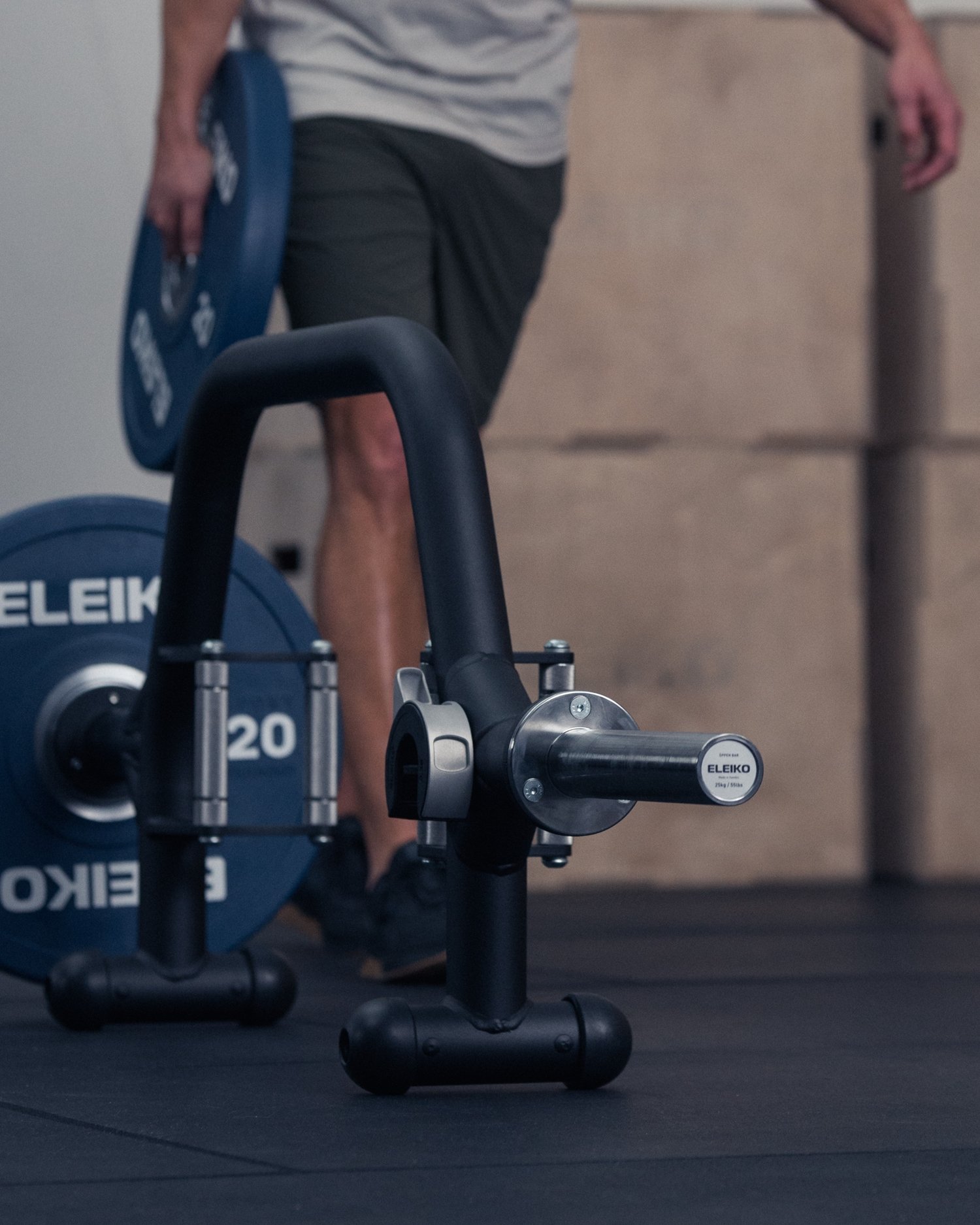
Each Öppen collar weighs 0.25 kg, so the pair adds 0.50 kg. That is a small amount next to a heavy loaded bar, but it becomes more noticeable when your planned progression itself is small.
For example, a 20 kg bar with 10 kg of plates on each side and this pair of collars has a nominal total of 40.5 kg. The arithmetic is 20 plus 20 plus 0.5. Calling that arrangement 40 kg can still function as a personal shorthand if you always use the same equipment and understand what your log includes.
Confusion starts when the convention changes silently. You might switch collars, remove them for one session or use another gym’s equipment and then interpret a tiny numerical difference as a meaningful change in performance. Note the setup whenever you need a precise comparison.
Our guide to fractional plates and microloading explains how to make small load increases deliberate. Collars are another part of that accounting. The goal is a repeatable method, not turning every ordinary workout into a laboratory measurement.
Distinguish nominal markings from measured precision, too. Adding printed numbers gives you the intended load; it does not independently verify the tolerance of every component. If exact mass matters for a specific test, establish how that test measures and records its equipment.

Powerlifting Shirts & Lifting Gear
Powerlifting shirts and gym gear for squat, bench and deadlift lifters who live for heavy numbers.

2500 Pound Club Shirt Stack Of Weight Plates & Top T-Shirt
Make gym days more fun with “2500 Pound Club” style.

No Plates No Dates Muscle | Vest For Weightlifting & Ga Tank Top
Show some personality between sets with “No Plates No Dates”.

Meme – "Shhh I'M Doing Plate Math" Sweater & Jumper T-Shirt
Keep things casual with a little “"Shhh I'm Doing Plate Math" Workout Sweater” attitude.


– Dost Thou Even Hoist Sir? Hooded & Top Hoodie
Keep it laid-back with a little “Dost Thou Even Hoist Sir? Workout Hooded” attitude.

Lifting Is My Therapy – Lifting Bodybuilding Powerlifti Sticker
Bring “Lifting Is My Therapy” attitude to your water bottle or laptop.

Be Happy Lift Heavy Happy Weights Smiley Face Weight Pl Tank Top
Bring “Be Happy Lift” humor to your next lifting session.

Barbell Heartbeat Decal for Water Bottles Laptops Power Sticker
Stick a little “Barbell Heartbeat” humor on your favorite gear.

Lift Eat Repeat Weightlifting & Hooded Hoodie
Keep it laid-back with a little “Lift Eat Repeat” attitude.

Training convenience is different from competition equipment
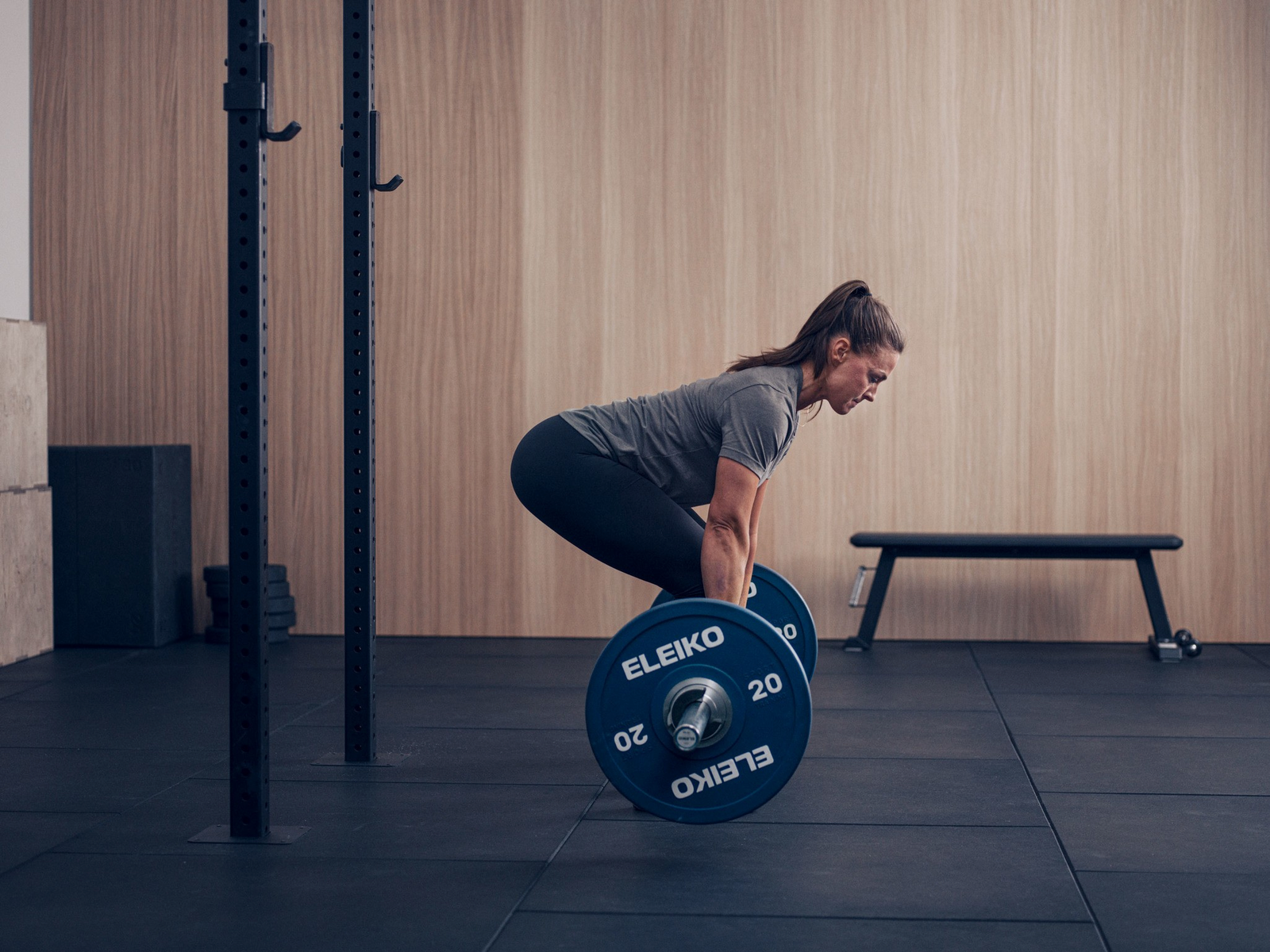
These collars are described for general strength training. Their light weight should not be confused with the substantial collars included in some competition setups. Olympic weightlifting and international powerlifting equipment rules specify collars weighing 2.5 kg each.
That makes a competition pair 5 kg, compared with 0.5 kg for the Öppen pair. It is a difference of 4.5 kg before changing any plates. The comparison explains why apparently similar barbell totals may use different arithmetic; it does not make either collar appropriate for every context.
If you compete, check the rules and approved equipment for your actual event. A manufacturer making competition equipment does not mean every product in its catalog is a competition model. Brand recognition, a similar finish and an award badge cannot substitute for the correct specification.
The same principle applies when you move between specialty bars. Our REP Open Trap Bar fit guide looks at another example of choosing the exact configuration. An open bar and an open collar are separate design ideas; confirm the instructions and fit of the combination you actually own.
For everyday training, keep the objective practical. You want suitable equipment that secures the plates as intended and lets you repeat your session. For competition preparation, you also need an accurate understanding of the equipment and loading convention that will be used on the platform.
Make the purchase solve an existing problem
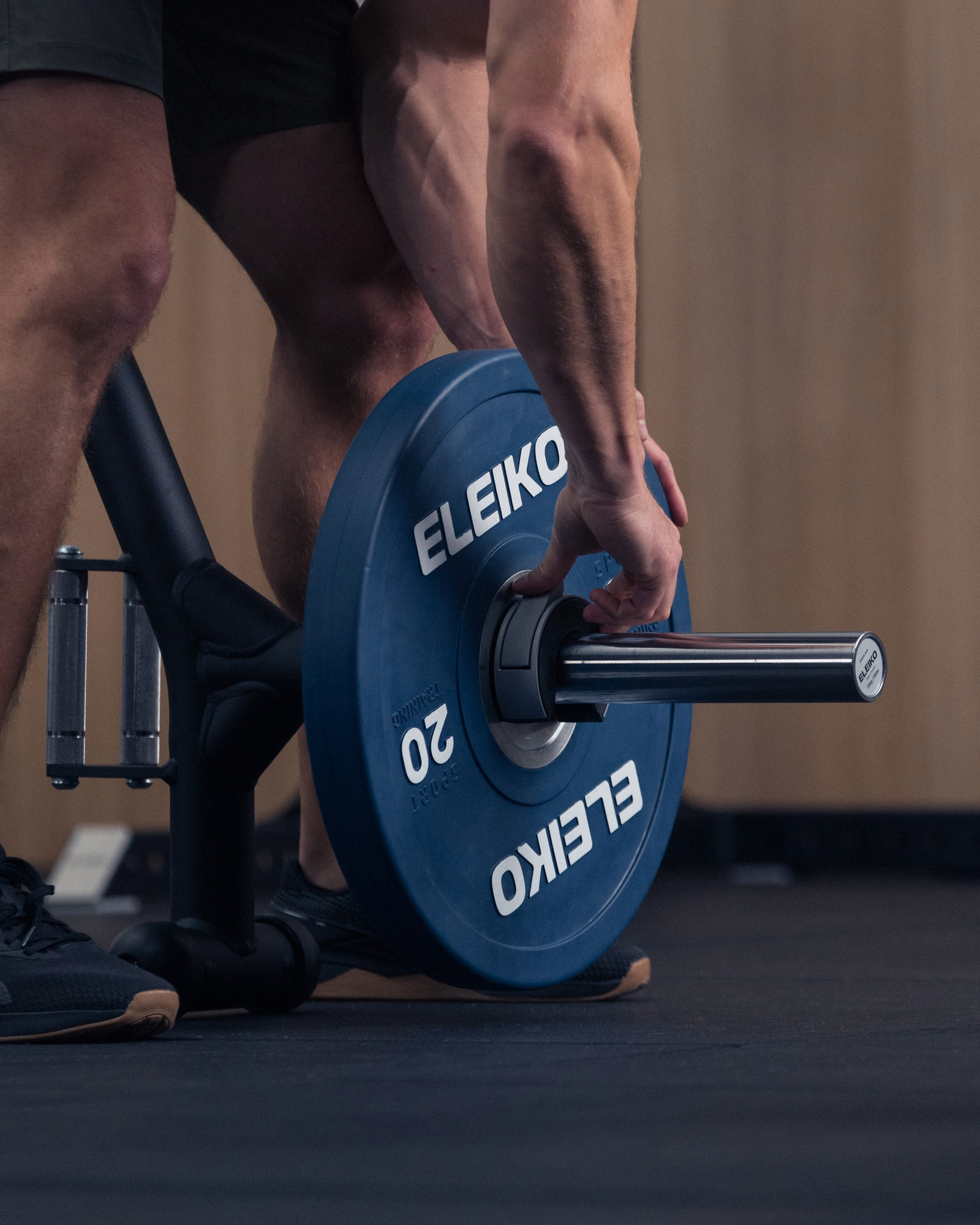
The Öppen design uses an aluminum casing and a rubber lining, with one-handed lever operation. Those features explain its approach, but product construction alone cannot tell you how it will feel after months in your particular gym.
Start with a short list of needs: the bar it must fit, the exercises you perform, how often you change weights and where you will store the pair. Compare that list with the current product instructions. Ask the manufacturer about uncertain compatibility instead of assuming that every sleeve or specialty implement is interchangeable.
Once in use, make a quick inspection part of setup. Look for damage or a closure that no longer operates normally, and keep equipment that is broken or nonfunctional out of use. General equipment checks remain worthwhile regardless of price or brand; a premium accessory still deserves ordinary attention.
Keep the surrounding floor clear when changing plates. A collar parked on a rack may remove one item from the ground, but it does not organize the plates, bags and other accessories around your feet. Think about the whole station rather than expecting one clever component to fix every inconvenience.
The strongest reason to choose these collars is that side access and nearby storage improve a sequence you repeat frequently. If those problems are already solved, spend the same attention on consistent loading and good sessions. The useful upgrade is the one that makes training easier to carry out correctly.

Equipment Worth Exploring
Explore equipment, accessories and gear from our carefully selected range.

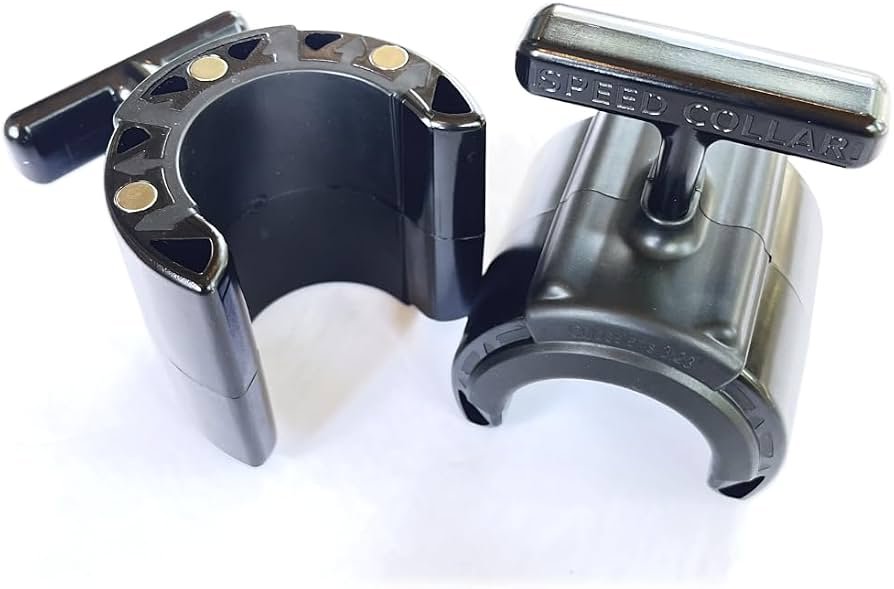
Speed Collar
Quick-release collars designed to secure weight plates on standard two-inch Olympic bars.
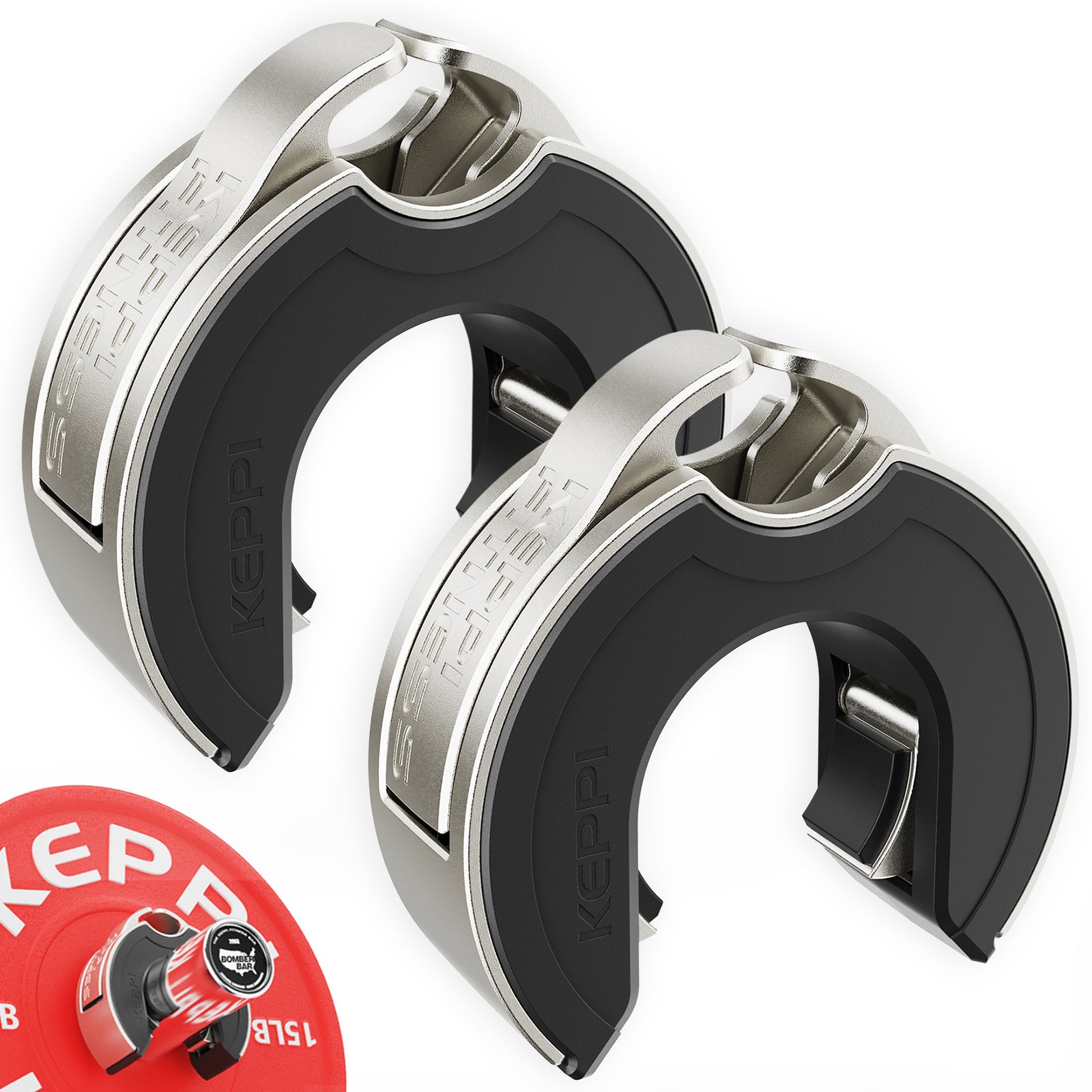
Keppi Open Collars
C-shaped magnetic Olympic barbell collars with a quick-lock mechanism and grippy lining.


Competition Plates
Competition-style bumper plates for Olympic lifts and loaded strength training.

Grip Plates
Rubber-coated weight plates with handholds for loading barbells and machines.