Advertising disclosure: This page includes affiliate links that may earn us a commission at no additional cost to you.
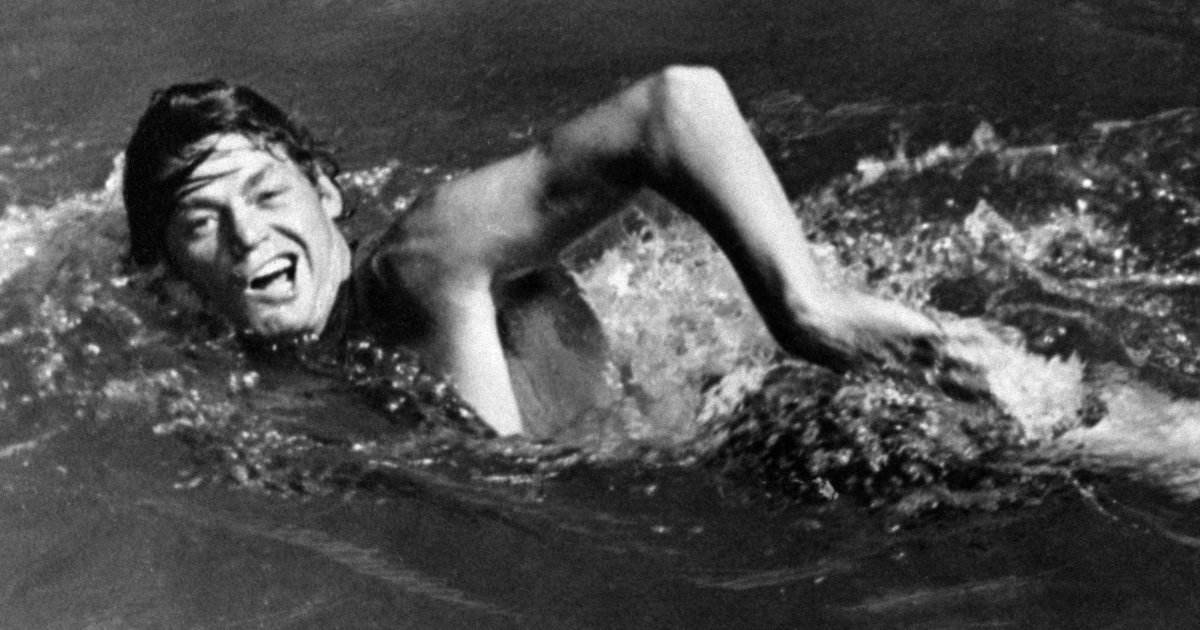
Before Johnny Weissmuller became Tarzan, he had already won five Olympic swimming gold medals. The famous screen physique belonged to an athlete whose results could be measured in lengths, times and finishes, years before audiences associated him with jungle adventures.
That sequence makes his story more interesting than another supposed celebrity workout secret. Swimming success and an athletic screen presence can belong to the same person without proving that a movie role reveals his training programme. Weissmuller offers a useful way to separate demonstrated performance, physical appearance and the fitness stories built around both.
The swimmer came before the screen hero
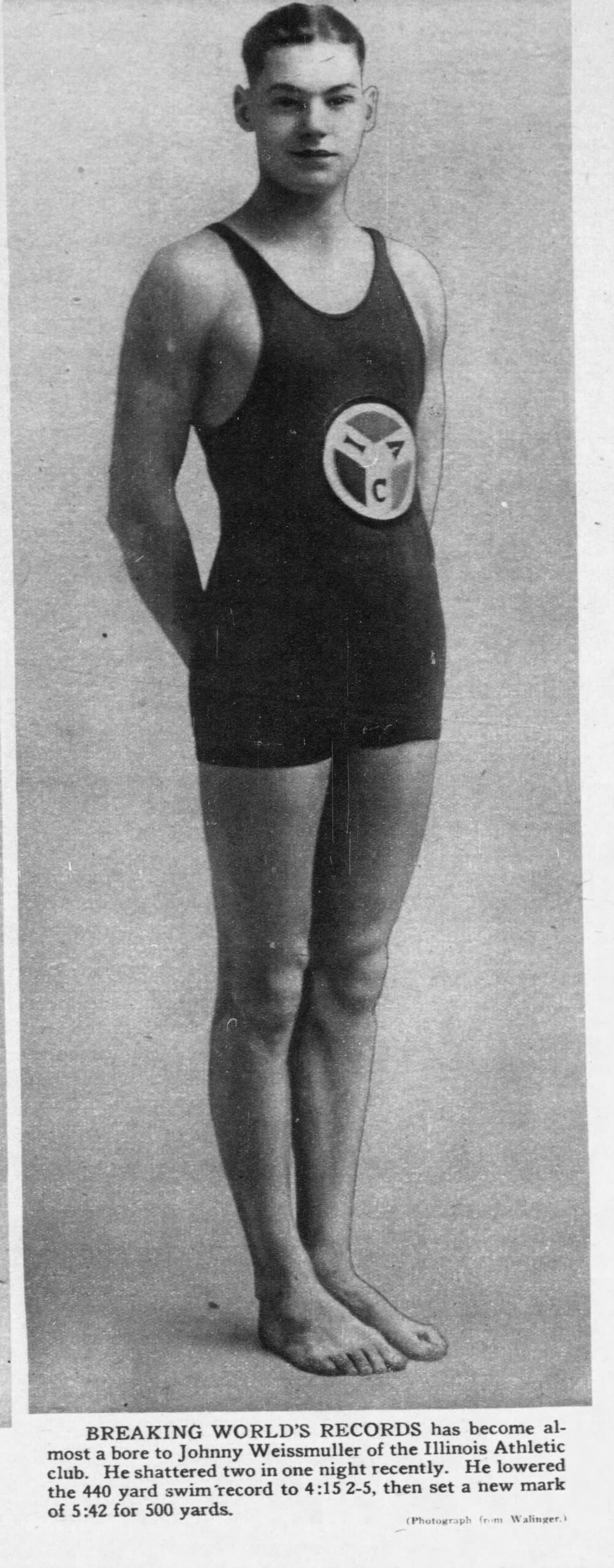
Weissmuller competed at the 1924 and 1928 Olympic Games. His swimming programme included individual freestyle races and the 4 × 200-metre freestyle relay. He also played Olympic water polo. These were competitive commitments with opponents and recorded outcomes, rather than a physique assembled solely for a camera.
His later move into entertainment changed how the public encountered him. A swimmer’s body could now communicate the strength and physical confidence expected of Tarzan. Viewers who knew him mainly through films might reasonably assume the character came first and the athletic preparation followed. In his case, the competitive record was already established.
Appearance and performance answer different questions. A photograph can show muscular development and proportions. A race result establishes who finished ahead under particular conditions. Neither supplies a complete account of weekly training, food intake or recovery. Even an exceptional athlete’s portrait cannot tell us how much of his preparation happened in the pool or elsewhere.
For readers drawn to celebrity fitness, that is a better starting point than reconstructing a programme from a publicity image. Ask what the person actually did, when they did it and which abilities the activity tested. Weissmuller’s swimming career provides unusually concrete answers to those questions.
Five gold medals covered more than one racing task
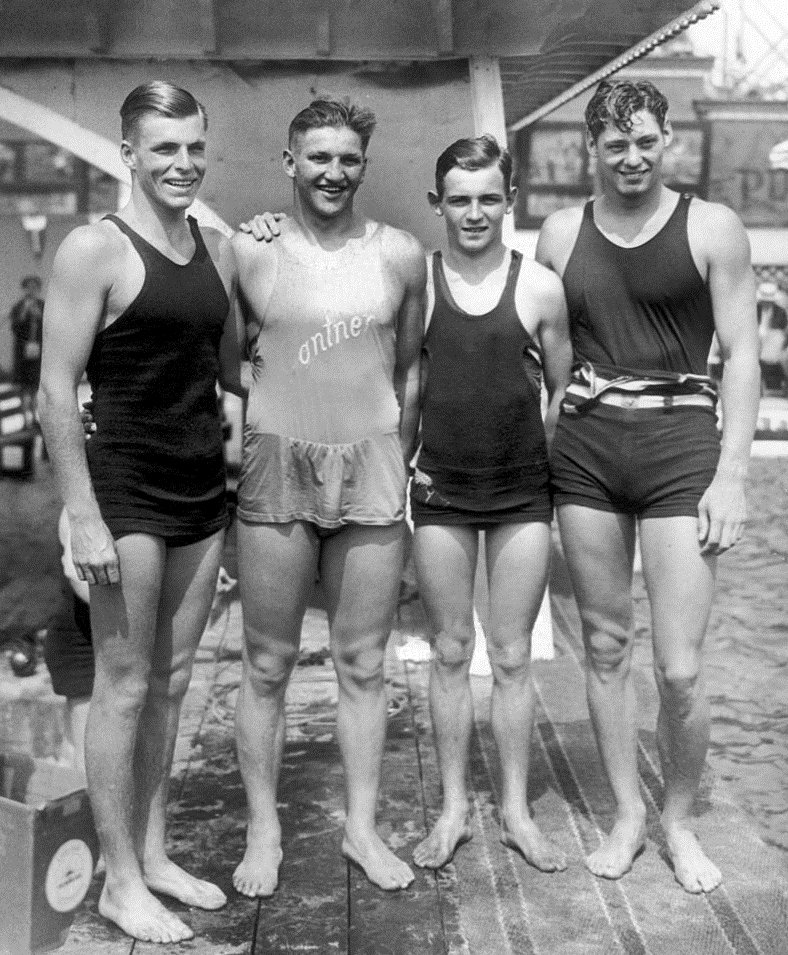
His Olympic swimming medals break down clearly: three golds in Paris in 1924, followed by two in Amsterdam in 1928. The shorter freestyle race, longer individual race and team relay share a stroke, but they are different competitive tasks.
| Games | Swimming gold medals | Separate water-polo result |
|---|---|---|
| Paris 1924 | 100 m freestyle; 400 m freestyle; 4 × 200 m freestyle relay | Bronze |
| Amsterdam 1928 | 100 m freestyle; 4 × 200 m freestyle relay | No medal |
A 100-metre race places a premium on producing speed over a short distance. The 400 requires that speed to be distributed across a longer effort. A relay adds a team outcome: an athlete’s contribution matters alongside those of the other swimmers. Calling all three simply “cardio” loses much of what makes the achievements distinctive.
For an ordinary trainee, this is a reminder to define the result you want. Completing a comfortable pool session, improving a short repeat and preparing for an open-water event are different aims. More effort is not a complete plan when you have not decided which task should improve.
There is no need to infer Weissmuller’s exact interval sessions to appreciate that distinction. His results establish range within swimming. They do not establish that every kind of endurance training is interchangeable, or that a recreational swimmer should reproduce an elite athlete’s workload.
A famous time needs its distance and its era
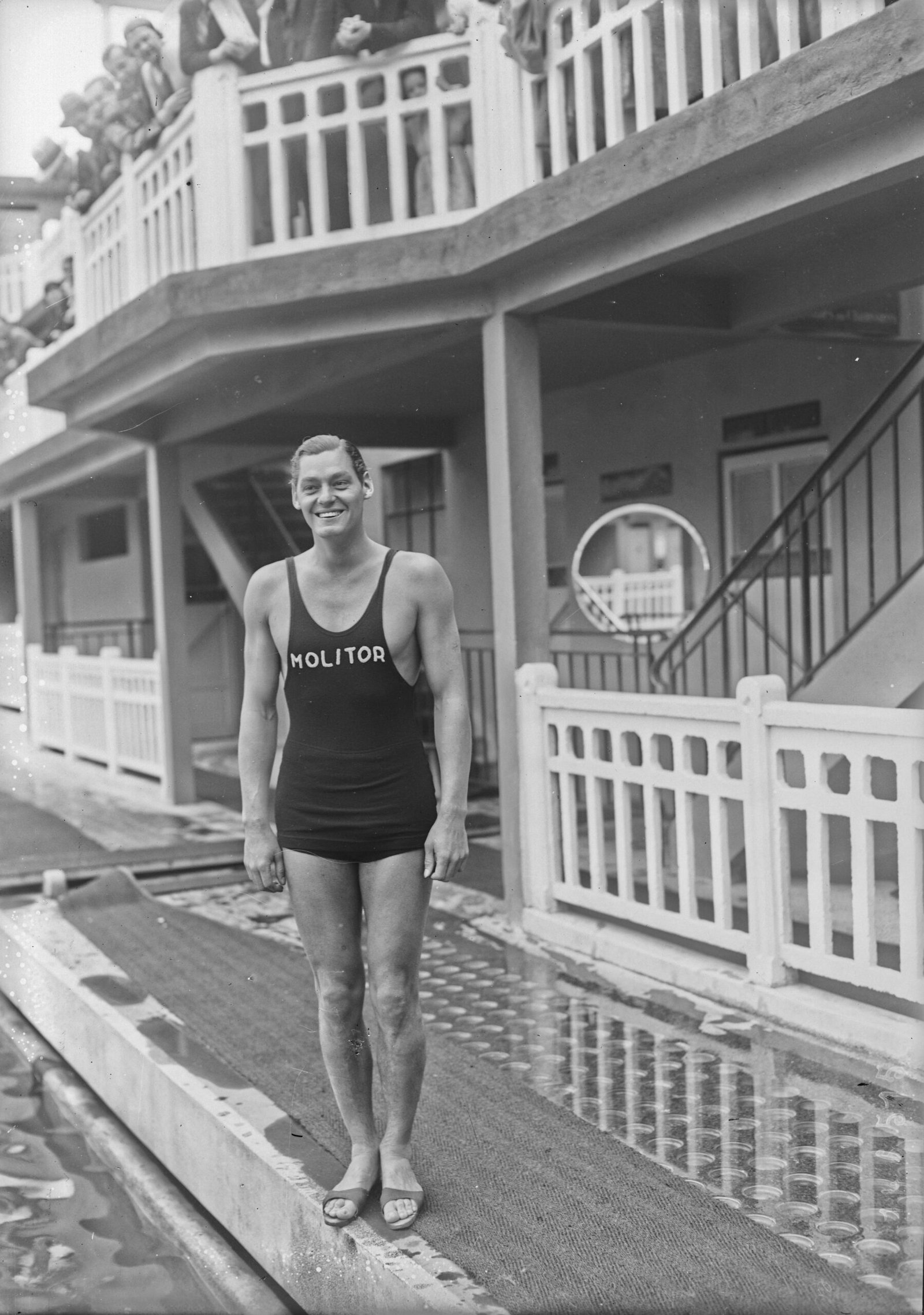
In 1922, Weissmuller became the first swimmer to break one minute for 100 metres freestyle, recording 58.6 seconds. Another celebrated mark came in 1927: 51.0 seconds for 100 yards. Those are different distances, and placing the two numbers side by side without their units creates a misleading impression of progress.
One hundred yards is shorter than 100 metres. A time for one cannot simply be labelled as a time for the other. That seems obvious when written out, yet historical sports claims often circulate as an isolated number with the event details removed.
The same care applies when comparing different eras. Pool configuration, starting procedures, timing, equipment and the surrounding competitive environment can complicate a direct comparison. A historic record demonstrates a breakthrough against the standards of its own event. It does not provide a controlled experiment comparing athletes separated by a century.
This habit is useful in contemporary fitness too. Before comparing a personal best with someone else’s result, check the distance, implement, movement standard and measurement method. A shorter course or different finish standard can change a number without representing the improvement you thought you were measuring.
Weissmuller’s achievements remain remarkable with their context intact. They become more informative when we preserve the event and units, rather than compressing everything into a claim that he was simply faster, fitter or more athletic than everyone who followed.
Water polo adds another kind of athletic demand
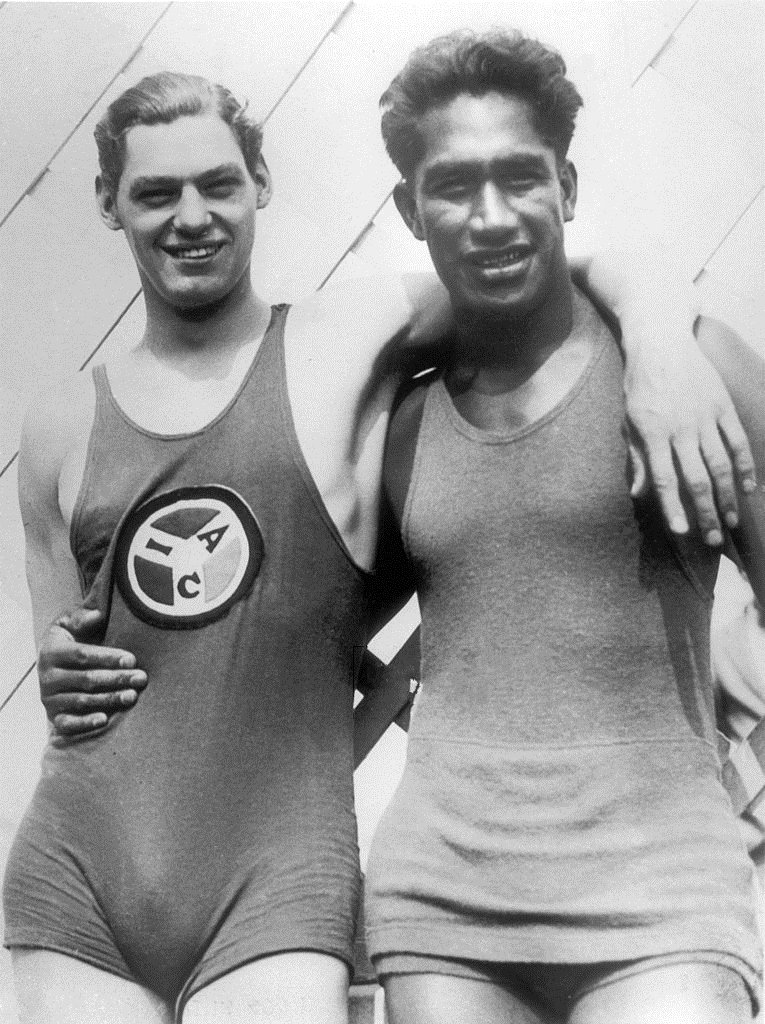
The bronze medal from 1924 came in water polo, a separate event from his swimming golds. It deserves its own line in the story. Racing along a lane and playing a team game in water involve overlapping abilities, but the competitive problems are different.
Swimming speed can help an athlete move into position. Water polo also asks players to respond to teammates, opponents and the ball. Straight-line speed alone cannot describe the whole performance. It would be equally reductive to treat a strong swimmer’s success in a game as proof that all sporting skills transfer automatically.
That question of transfer appears in Oliver Zeidler’s move from swimming to rowing. An existing fitness base can be valuable while the new activity still requires specific learning. The useful question is which abilities carry over and which must be developed for the new task.
For lifters trying the pool, this prevents two common mistakes: assuming strength makes swimming technique unnecessary, or interpreting an awkward first session as proof that years of training were wasted. You may bring useful physical qualities while still needing instruction and practice in unfamiliar water-based skills.
Weissmuller’s Olympic record illustrates athletic breadth within aquatic sport. It does not require a speculative modern label, or a claim that he followed today’s hybrid-training methods. The actual events are compelling enough.

Cardio Shirts & Workout Gear
Cardio and conditioning gym gear for runners, endurance athletes and anyone who earns the sweat.

Shirt – Sometimes Motivation Finds You – , Swimming T-Shirt
Bring “Sometimes Motivation Finds You” humor to your next gym day.

Anti Swimming Club Shirt Meme & Top T-Shirt
Make gym days more fun with “Anti Swimming Club” style.


Cardio Sucks Shirt Meme & Gymbros Top T-Shirt
Make gym days more fun with “Cardio Sucks” style.

Shirt – Don'T Quit Do It – Meme & Gains T-Shirt
Show some lifting attitude with a playful “Don't Quit Do It” tee.

Cardio Is Calling Decline Bros Meme Hooded Hoodie
Make your off-duty look more fun with “Cardio Is Calling”.

Negative Cardio Review Cardio Sucks 1 Star Vest Tank Top
Bring “Negative Cardio Review” humor to your next lifting session.

Straight Outta Shape – Out Of Shape Meme T-Shirt
Add a playful “Straight Outta Shape” touch to your casual rotation.

Cardio Is Hardio – Workout Meme Decal for Water Bottles Sticker
Put “Cardio Is Hardio” gym humor on your laptop, bottle, or gym gear.

Anti Cardio Cardio Club Shirt Meme & Top T-Shirt
Bring “Anti Cardio Cardio Club” humor to your next gym day.
Tarzan’s image is not a training diary
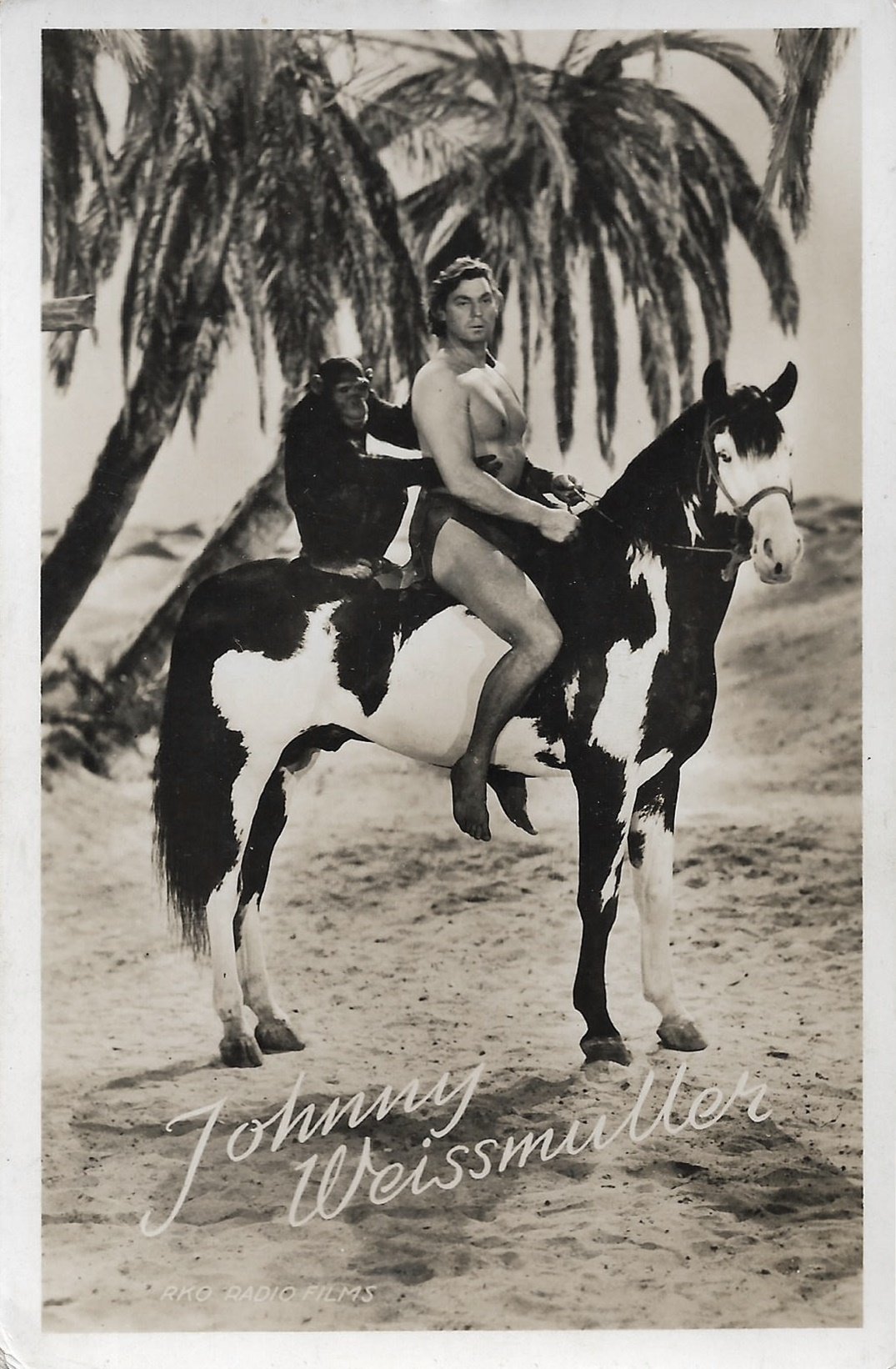
The Tarzan photographs helped turn a real athlete into a widely recognizable screen hero. They belong to the history of athletic appearance in entertainment: a capable body could communicate adventure before the character had done anything on screen.
But a character’s feats are fictional, and publicity photography is selective. It cannot reveal the actor’s complete preparation or justify an exact “Tarzan workout” presented as historical fact. Nor does a muscular appearance settle questions about training volume, diet or how another person would respond to the same routine.
A more useful response is to choose the part of the story that genuinely interests you. If it is swimming, start with your present ability and a realistic pool goal. Our pool-conditioning guide for lifters addresses that transition without pretending a beginner needs an Olympian’s programme. If it is the screen physique, recognize that appearance and sporting results are related but separate objectives.
There is room to enjoy an athletic movie image without treating it as a prescription. Weissmuller had a documented competitive career before Tarzan made him famous to a different audience. Remembering that order preserves both sides of the story: the swimmer earned real results, and the actor gave a fictional hero an unmistakably athletic presence.