Advertising disclosure: This page includes affiliate links that may earn us a commission at no additional cost to you.
Dolph Lundgren’s most useful recent training idea is less dramatic than an action-film montage: keep a session short enough that you want to return. In a September 2026 account, he described a preferred workout window of roughly 35–45 minutes. That is an interesting constraint for a busy lifter, but it becomes useful only when you ask what the session is meant to accomplish.
A clock can limit an appointment. It cannot tell you whether you trained the major muscle groups, accumulated enough aerobic activity or spent the whole visit changing equipment. Separate the reported habits from your own programme before borrowing the headline number.
A dated snapshot, not an action-star transformation plan
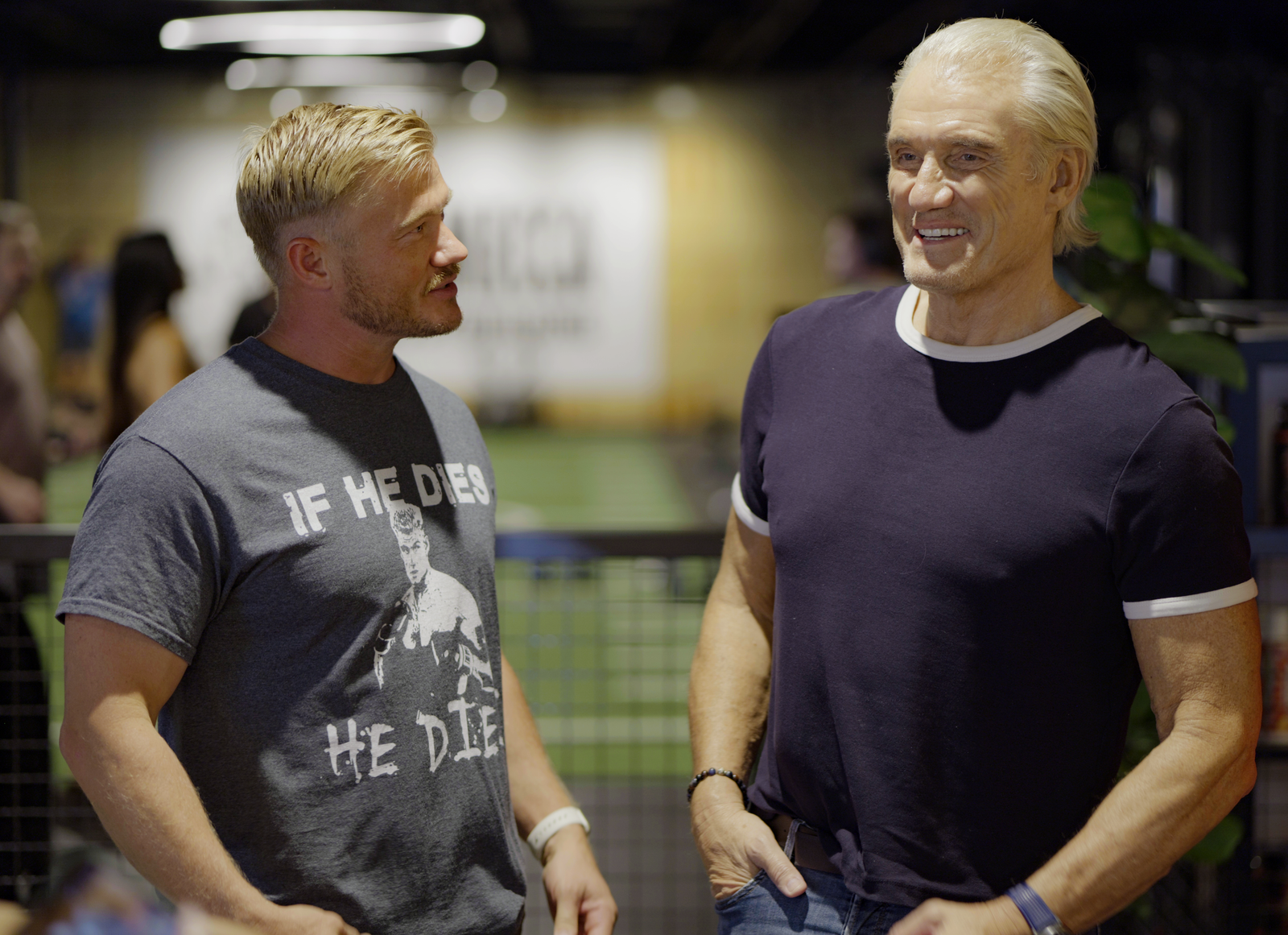
During a September 2026 appearance at a gym in Austin, Lundgren described training about three days weekly, combining strength and cardio. Martial arts were part of that picture, with partner pad work when time and energy allowed. He also expressed an interest in floor Pilates. At the time, he was 68.
His preferred session length sat between half an hour and an hour, with the narrower 35–45-minute range presented as a way to avoid feeling burnt out and preserve enthusiasm for the next workout. The account did not supply a complete exercise list, set prescription, weekly split or measured training outcome.
That distinction matters. A brief description can reveal someone’s priorities without providing enough information to reproduce their training. It would be misleading to fill the missing details with an invented celebrity routine, or to claim that a particular combination explains his physique.
The lesson for your own planning is to identify the constraint you actually face. Perhaps you have forty minutes between work and another commitment. Write that down, then choose a realistic purpose for the visit. You do not have to recreate a film preparation schedule to make the available time useful.
MMP’s account of Lou Ferrigno maintaining muscle around filming offers a related scheduling question. Read each person’s account in its own context rather than merging two famous physiques into one supposed formula.
Give the strength work a job beyond filling minutes
For general adult health, a useful baseline is strengthening work on at least two days each week, covering the major muscle groups. That is a weekly recommendation, not evidence that every forty-minute session must contain every possible exercise. Your training goal and existing programme still determine how work is distributed.
Consider an ordinary lifter with a limited slot. The first decision might be whether this visit is a planned lower-body session or one of several full-body sessions. Only then does it make sense to choose exercises. Randomly alternating between whatever is free can make a busy session feel productive while making progress difficult to compare.
Keep a record of the exercise, load and repetitions you actually completed. If your programme includes a progression rule, use it consistently rather than adding weight simply because you finished early. A time boundary is most useful when it helps you choose priorities; it becomes less useful when it turns controlled repetitions into a race.
Equipment can support that plan without defining it. Dumbbells, a suitable bench or other familiar resistance tools are options for loaded movements. A barbell or kettlebell might suit a different exercise selection. None is part of a verified Lundgren shopping list here, and buying more equipment does not solve an unclear programme.
The equipment selection below concerns general strength and conditioning options. Choose around the movements you already intend to train, available space and existing equipment. It is an invitation to compare tools, not an endorsement by the actor or a requirement to copy his training.

Equipment Worth Exploring
Explore equipment, accessories and gear from our carefully selected range.


Rubber Hex Dumbbells
Rubber-coated hex dumbbell pairs with a stable shape for home and commercial strength training.

FID Bench MAX
Adjustable bench offering flat, incline, and decline positions + adjustable headrest.

Multi Bench MBX-650 2.0
Adjustable multi-bench with roller adjustment, 15 backrest positions and accessory mounts.




Cast Iron Kettlebells
Textured cast-iron kettlebells for swings, squats, carries, and full-body training.
Count conditioning by the work, not its name
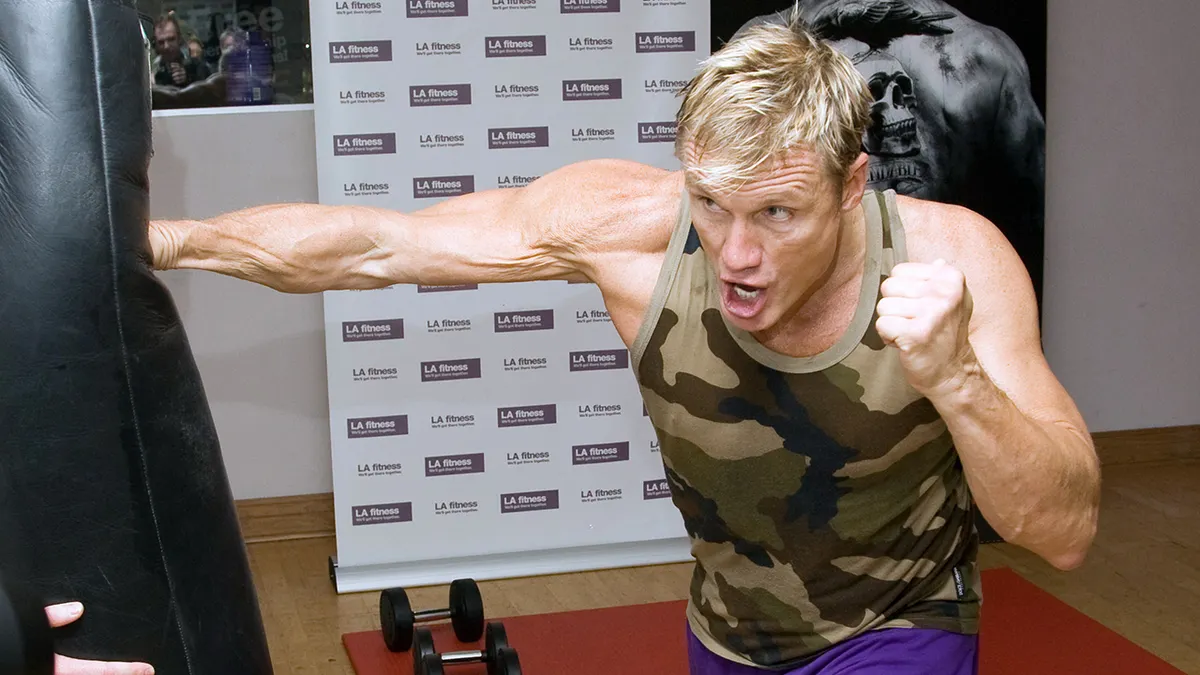
Boxing can mean very different sessions. Practising a movement slowly, working continuously on a bag and completing demanding rounds with a partner do not automatically create the same aerobic workload. The label alone does not tell you how hard you worked or how much active time you accumulated.
General adult guidance distinguishes moderate activity from vigorous activity. At a moderate effort, breathing is harder but conversation remains possible. Vigorous work makes talking much more difficult. These descriptions give practical context; an exercise’s reputation as “hardcore” does not assign the intensity for you.
If you want conditioning from a session, record enough detail to understand it: the activity, approximate active duration and how demanding it felt. Include the pauses honestly. A forty-minute appointment containing instruction, equipment adjustments and long rests is not necessarily forty minutes of vigorous exercise.
Partner work introduces another variable. You need a suitable partner, appropriate instruction and a shared plan. Do not improvise an exhausting pad session just because a famous martial artist enjoys one. Technique practice and conditioning can overlap, but neither benefits from pretending experience levels are identical.
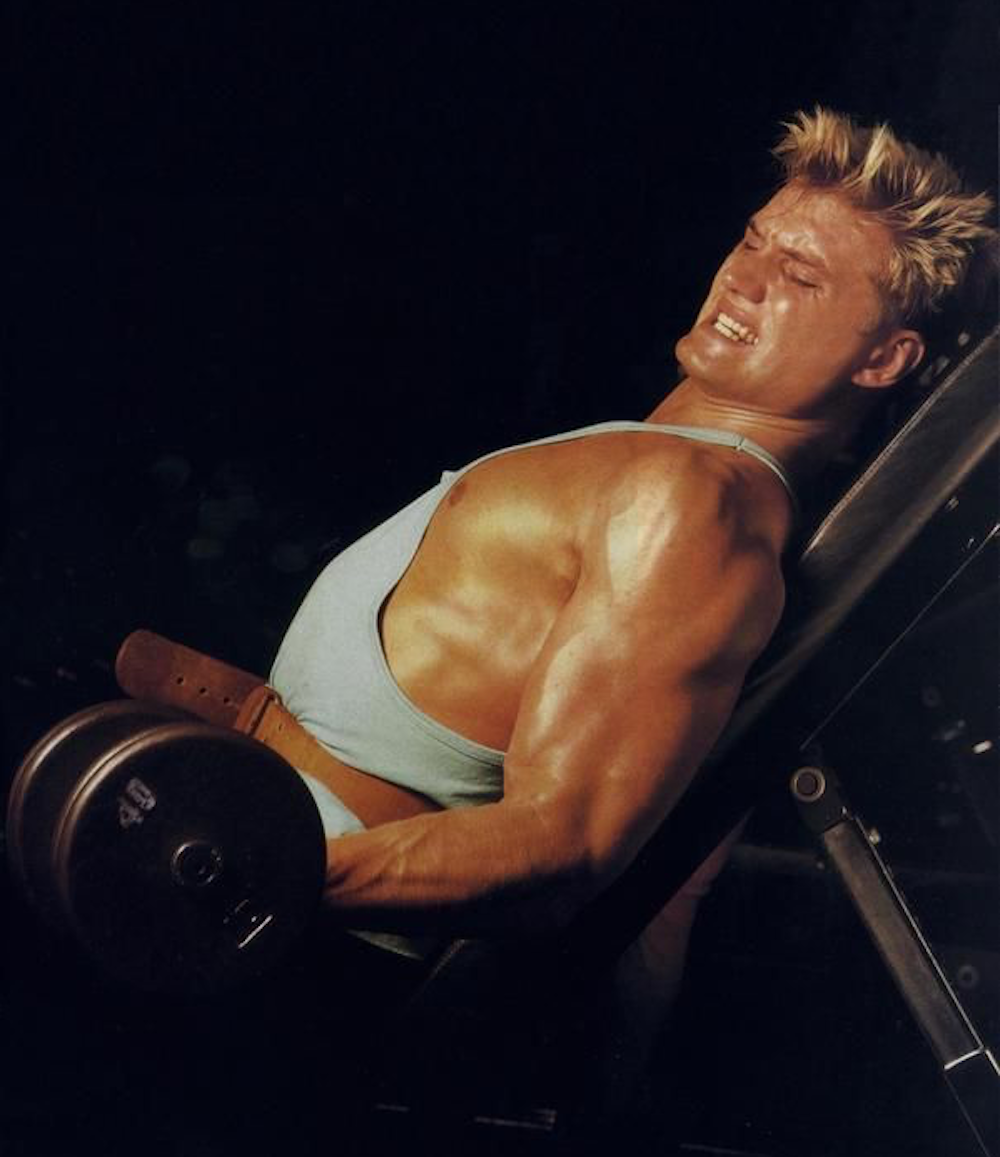
The training photographs are illustrations from different periods, not documentation of a complete September 2026 workout. The bag work shows a real part of Lundgren’s training imagery; it does not establish his current round lengths, intensity, frequency or preparation for a particular role.
Let Pilates contribute without making it everything
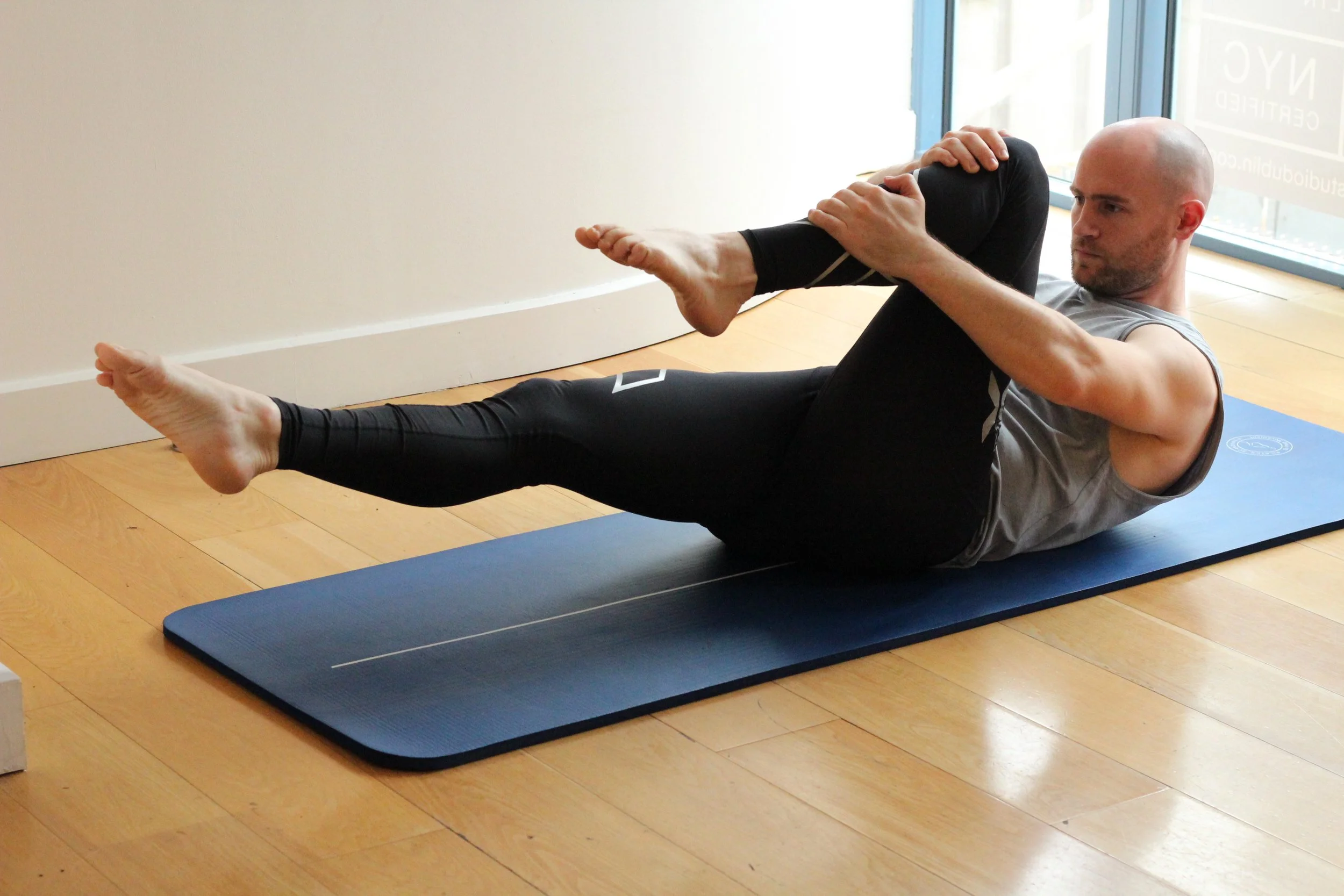
Floor Pilates can bring attention to balance, posture, strength and flexibility. It also asks you to practise controlled movements without needing a large collection of equipment. Those are useful reasons to consider a class or a structured introductory session, rather than treating it as a mysterious celebrity secret.
The photograph in this section shows another practitioner demonstrating mat work. It does not show Lundgren, and the movement pictured is not claimed to be part of his reported routine. Keeping that boundary clear helps distinguish an illustration of an activity from evidence about a specific person’s programme.
Choose a level you can follow with control. If a movement is unfamiliar, instruction is more useful than rushing through an advanced variation. A mat may make the floor more comfortable, but the important question is whether you understand the task and can perform the chosen version appropriately.
There is no need to declare Pilates a universal replacement for weights or cardio. Different activities can serve different purposes, and the name of a class does not establish its effect on every outcome. MMP’s look at Pilates, strength and body-composition research provides more detail about interpreting those comparisons and their limits.
If you have an injury, symptoms or uncertainty about an exercise’s suitability, seek appropriate individual guidance. A general class is not a treatment plan. That applies equally to a famous person’s preferences and to an attractive sequence of exercises found online.
Audit the week before praising the short session
Three forty-minute visits add up to two hours at the gym. They do not automatically add up to two hours of aerobic activity, because strength work, rest and preparation also take time. This simple arithmetic is a useful check on any claim that a short mixed session covers every training need.
For adult health, the usual aerobic baseline is at least 150 minutes of moderate activity weekly, or 75 minutes of vigorous activity, or an equivalent combination. Strengthening work is an additional part of the recommendation. Activity can be spread through the week and accumulated in smaller amounts; the gym visit is not the only place it can happen.
Look at what already exists in your week before adding another demanding appointment. Walking, cycling or another suitable activity may contribute to the aerobic total when performed at an appropriate intensity. Keep the accounting realistic and build from your present capacity rather than assuming every unplanned minute counts equally.
After several sessions, review the practical result. Did you complete the intended work? Could you fit it into your commitments? Are you returning consistently, and does the programme still match your goal? Those questions tell you more than whether you stopped at exactly forty-five minutes.
Borrow the scheduling idea while keeping ownership of the plan. A manageable session can make returning easier. Its value comes from the useful work it contains and how it fits the week, rather than from a celebrity name attached to the timer.