Advertising disclosure: This page includes affiliate product links that may earn us a commission, as well as products from our own store.
Pilates has earned a reputation for improving control, posture and flexibility. It is also increasingly advertised as a route to dramatic body recomposition, muscle definition and strength. Those claims are not interchangeable. Feeling a deep abdominal burn during a controlled movement is not the same as measuring new muscle tissue, and a smaller number on the scale does not automatically prove fat loss.
A September 2026 evidence review brought together 12 studies involving approximately 540 adult women. It found encouraging results for flexibility and some body-size measurements, but much less convincing evidence that Pilates alone changes lean mass, body-fat percentage or conventional strength tests. That combination makes the findings more useful than a simple claim that Pilates either works or does not.
Here is what the results actually measured, how to interpret the uncertainty, and how to combine Pilates with progressive resistance training when the goal is to move well and become stronger.
1. What the 12-study review actually tested
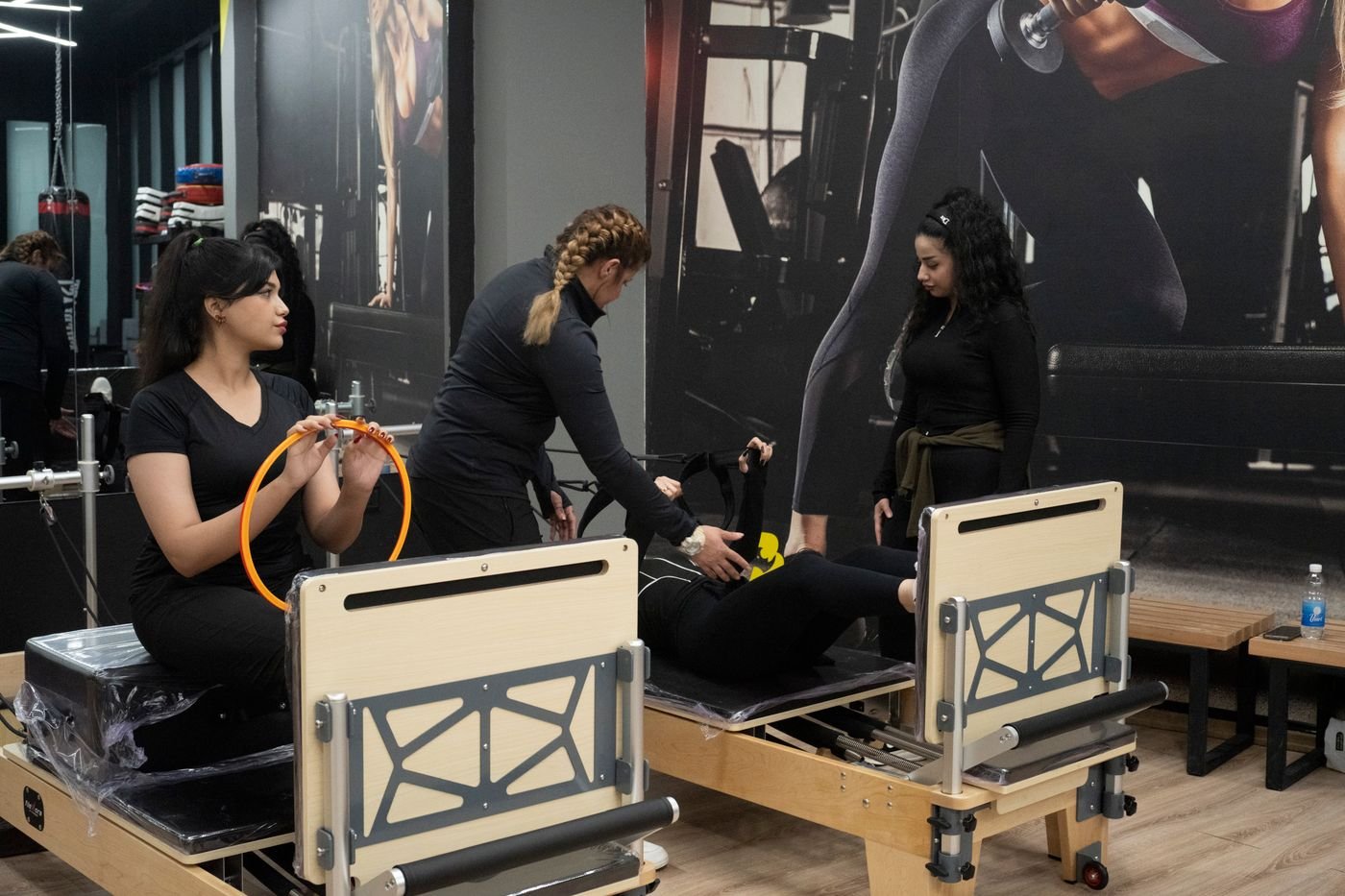
The researchers screened 751 records and included 12 eligible studies conducted between 2007 and 2025, representing roughly 540 adult women. The programs varied in exercise selection, frequency, duration, supervision and whether they used mat work or apparatus. Outcomes included body mass index, body weight, waist measurements, flexibility, muscle mass, handgrip strength, vertical-jump performance and several functional measures.
That range is important. A reformer session with spring resistance is not identical to a gentle introductory mat class. Likewise, an inactive beginner and an experienced lifter are unlikely to respond identically to the same program. Combining unlike protocols can identify a broad pattern, but it cannot tell us that one exact Pilates class produces the average effect reported across all trials.
The review pooled outcomes when the underlying measurements were sufficiently comparable and described other findings narratively. That distinction matters because a statistically significant pooled effect is not the same thing as a guaranteed individual result. Small samples, different control groups and imperfectly matched training doses can all widen uncertainty.
The clearest interpretation is that structured Pilates is a legitimate form of exercise with measurable benefits in selected domains. The next question is which domains showed consistent improvement and which popular claims outrun the data.
2. Flexibility was the clearest physical-fitness signal
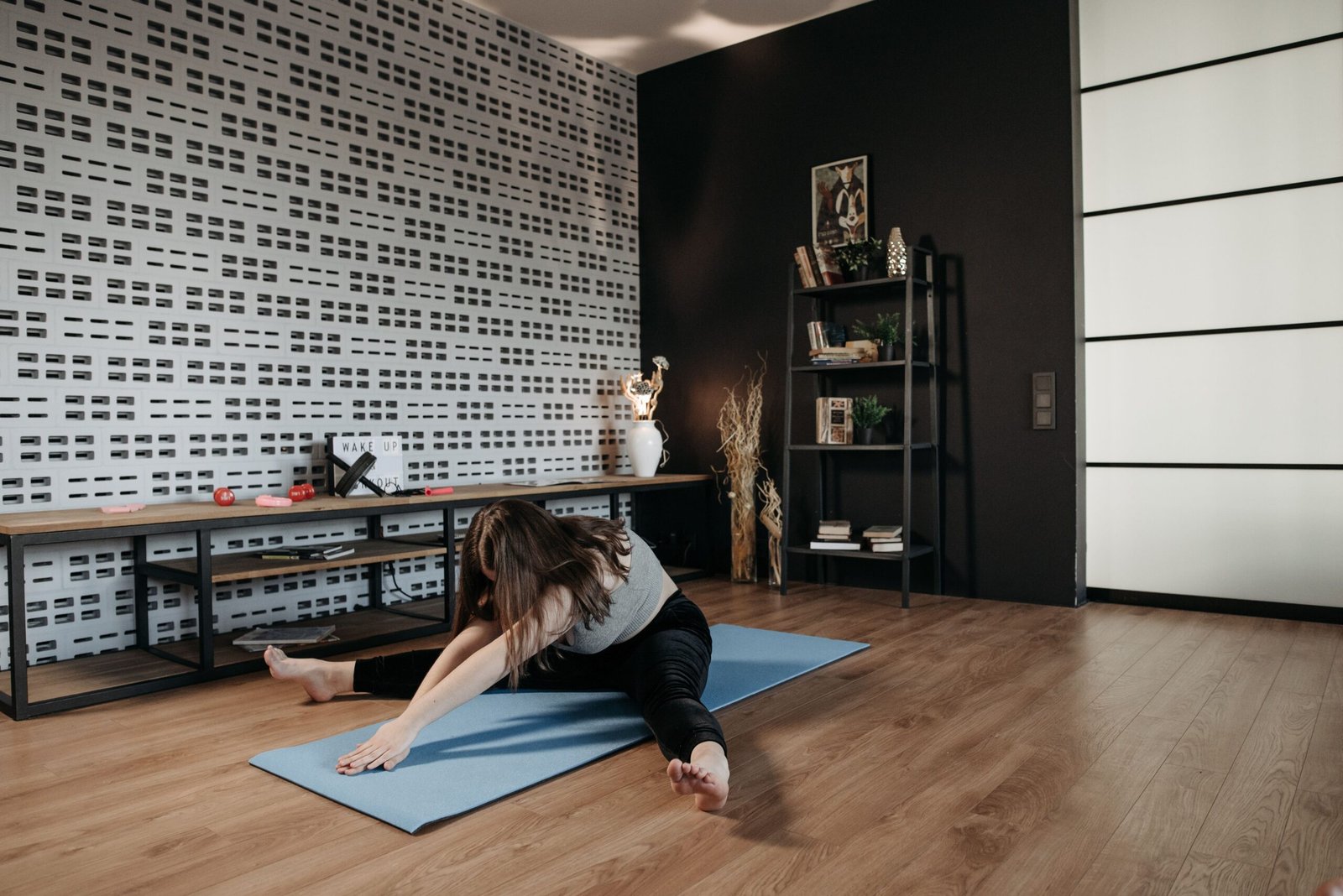
Across the eligible studies, sit-and-reach flexibility improved with a standardized mean difference of 0.69, with a 95% confidence interval from 0.43 to 0.94. That is a meaningful positive pooled signal for the flexibility test used, not proof that every joint becomes equally mobile or that all participants will gain the same number of centimeters.
Pilates often combines active control, repeated movement through comfortable ranges and sustained attention to position. A person who practices rolling through the spine, reaching through the hips and controlling the pelvis can become more familiar and capable in those patterns. Improvements may reflect mobility, coordination, confidence with the test and some changes in stretch tolerance rather than one isolated tissue adaptation.
For a practical example, a stiff lifter might use a short mat sequence before a session: pelvic tilts, controlled spinal articulation, a slow quadruped reach and a supported hip-mobility drill. None needs to be pushed into pain. Use a range you can control while breathing normally, and gradually expand it as comfort and skill improve.
Flexibility also has a specificity problem. Becoming better at a forward-reach test does not automatically fix shoulder range of motion or make a squat deeper. Match the exercise to the movement you want to improve, then retest that movement rather than assuming a general benefit.

Equipment Worth Exploring
Explore equipment, accessories and gear from our carefully selected range.
VOLTRA
Compact digital cable trainer with smooth, adjustable resistance.

Go-Tone Pro
Portable digital cable trainer with up to 66 lb (30 kg) of adjustable resistance.


FID Bench MAX
Adjustable bench offering flat, incline, and decline positions + adjustable headrest.


GymPin D Cuffs
Adjustable wrist cuffs with textured grips for supported cable-machine exercises.


3. Weight and BMI fell, but that is not the same as proven fat loss
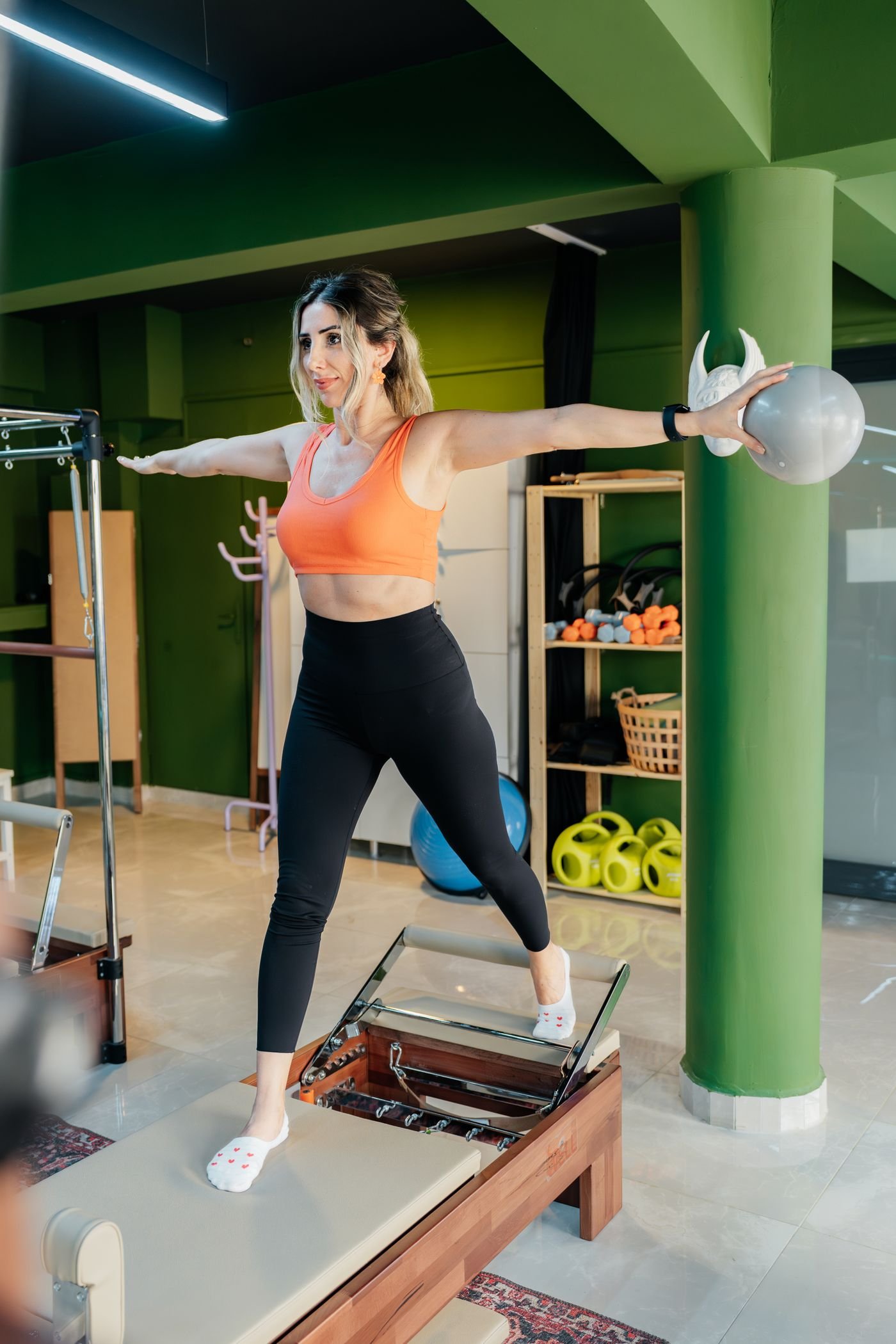
The pooled results included an average body-weight difference of approximately minus 3.99 kilograms and a body-mass-index difference of minus 1.22, both statistically significant in the analysis. Those figures sound striking, particularly for an exercise method that is often marketed as low impact. But the accompanying outcomes require a careful reading.
The review did not find a statistically significant pooled effect on body-fat percentage, waist circumference, waist-to-hip ratio or lean body mass. These null findings do not prove Pilates has no effect on fat or muscle. They mean the available studies did not establish a reliable pooled change on those particular measurements.
Body weight is affected by energy intake, water, glycogen, gastrointestinal contents and changes in activity outside the class. Participants in an exercise study may also change their eating or daily movement without those changes being fully controlled. Some included studies were small, and the methods and populations differed. It would be a mistake to promise that three Pilates classes per week cause a four-kilogram fat loss for the typical reader.
If body composition is the goal, monitor several signals together: a rolling average of morning body weight, waist measurement, training performance and, where practical, a consistently measured body-composition estimate. Maintain an appropriate nutrition plan rather than trying to turn a mobility-focused session into an extreme calorie-burning contest. Pilates can be part of an active week without needing to carry the entire fat-loss strategy.

Gym Girl Shirts & Workout Gear
Gym shirts, tanks and workout gear for women who lift, train hard and live the gym lifestyle.

Girl – Witch Redhead Bootybuilder – Squats Leg Day T-Shirt
Show some gym-girl attitude with a playful “Gym Girl” tee.

Mermaid Leg Day Female & Leg Day Lovers Hooded Hoodie
Keep it laid-back with a little “Mermaid Leg Day” attitude.

Girl Booty Builder Leg Day Catwoman Meme Hoodie
Bring “Gym Girl Booty Builder” gym humor to lazy days and post-workout plans.

Lifterbell Fairy Girl Meme Gains & T-Shirt
Heavy lifts, good laughs, and a little “Lifterbell Gym Fairy” energy.

Booty Building Mode Wonder Sweater Girls Meme T-Shirt
Add a playful “Booty Building Mode Wonder Lifter” touch to your casual rotation.

Lifterella Princess Female Meme Hooded Hoodie
Make your off-duty look more fun with “Lifterella”.

Muscle Mommy Princess – Princess Vest Tank Top
Your gym-day look, with a playful “Muscle Mommy Gym Princess” twist.

Muscle Mommy Muscle Club for Gym Girls, Lifters & Fitne Sticker
A fun “Muscle Mommy Muscle Club” touch for bottles, laptops, and lockers.

Let It Grow Booty Builder Hip Thrust Meme Athletic Tank Top
Your gym-day look, with a playful “Let It Grow” twist.

GymTok – TikTok Parody Peach Muscle Shirt for Booty Tra Tank Top
Bring “GymTok” humor to your next lifting session.
4. Muscle size and maximal strength need a separate conversation
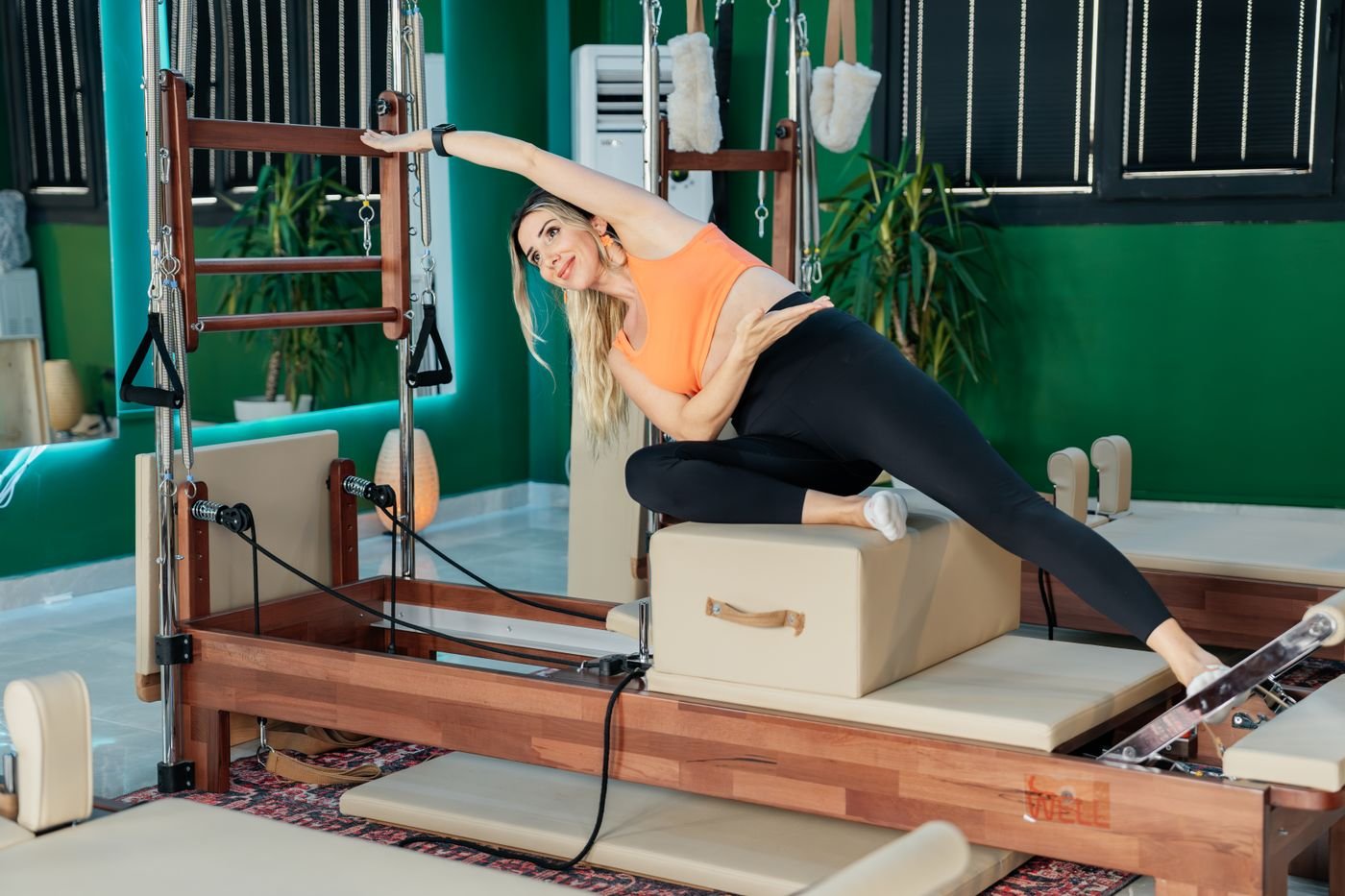
In the pooled results, lean body mass, handgrip strength and vertical-jump performance did not show significant overall improvements. Other included studies described gains in particular strength or endurance tasks, but those findings were not uniform enough to support the claim that Pilates reliably replaces progressive resistance training for hypertrophy or maximal force production.
There is no contradiction in saying Pilates can feel demanding while also saying that a conventional strength test may not improve much. A long lever, a small support surface or an unfamiliar balance challenge can make a low-load exercise feel extremely hard. That effort can improve local endurance and motor control without necessarily creating the progressive mechanical loading needed to maximize muscle growth.
For hypertrophy, the key programming questions are whether a target muscle receives challenging sets, whether load or difficulty progresses over time, and whether enough useful work is accumulated and recovered from. For maximal strength, practice with appropriately heavy resistance is especially valuable. Neither goal requires abandoning Pilates, but both benefit from tracking more than the subjective burn.
Someone new to training may gain strength from a demanding reformer program, especially if it is a large step up from their previous activity. An experienced lifter whose squat, row and press are already progressing should not expect a gentle mat session to provide an equivalent strength stimulus. The relevant comparison is the dose of resistance, not the name on the studio door.
5. Back comfort, balance and mood: useful but not miracle claims
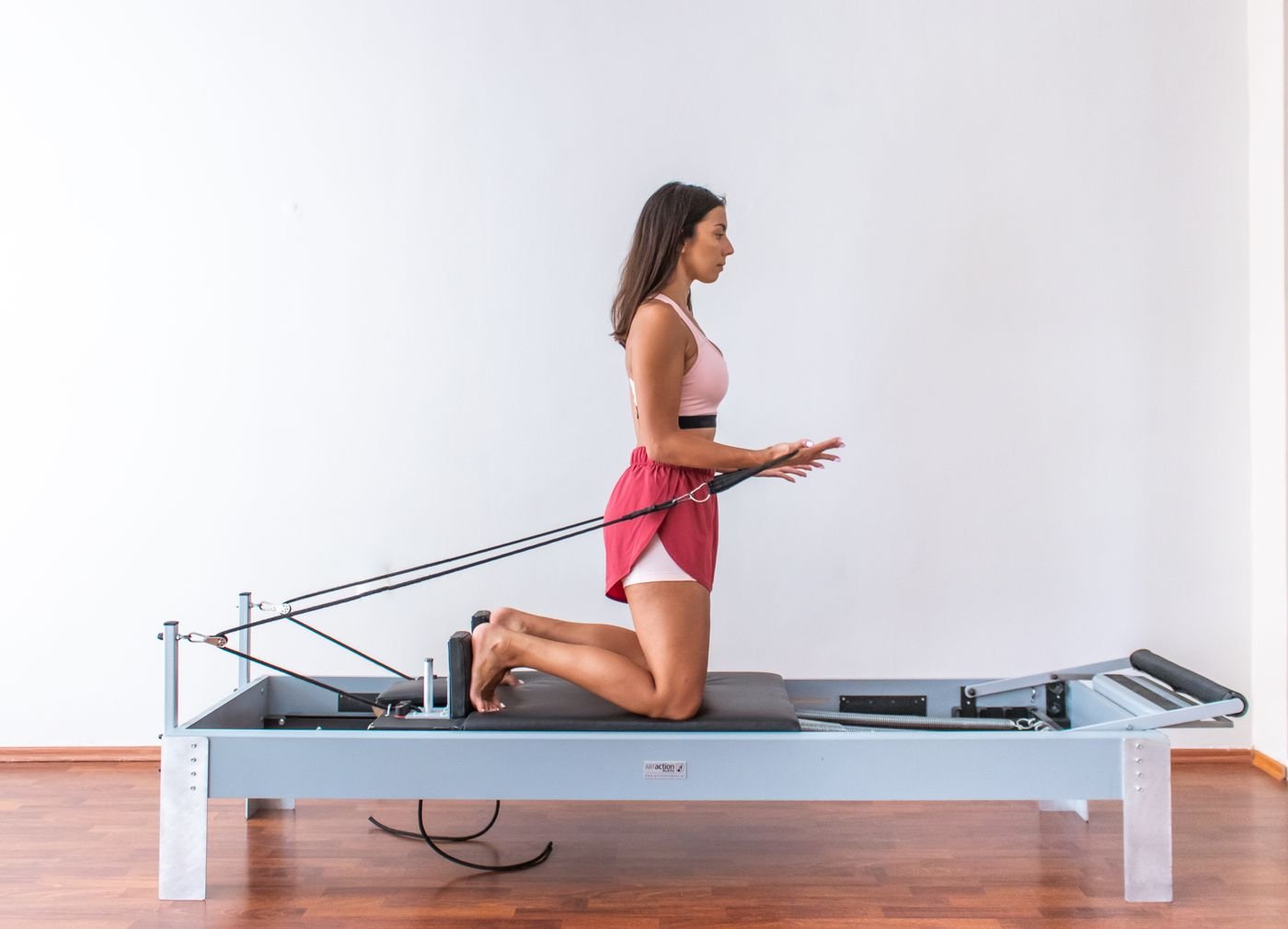
Pilates also attracts interest because of its emphasis on breathing, trunk control and deliberate movement. Separate research involving people with chronic nonspecific low-back pain has found that several exercise approaches, including Pilates, can improve pain and disability compared with little or no exercise. A large comparison of 118 trials and 9,710 participants ranked Pilates highly on certain pain and disability outcomes, but rankings do not establish that it is universally superior for every patient.
Other reviews have been more cautious when comparing Pilates directly with different active exercise programs. Differences in supervision, expectations and adherence can influence outcomes. Persistent or worsening back pain, neurological symptoms or pain associated with a serious injury require an individualized clinical assessment rather than a generic internet routine.
Balance and functional confidence may improve when people practice controlled transitions, single-leg support and trunk stabilization. That does not mean every Pilates session automatically reduces falls, and it certainly does not make an advanced unstable exercise the right starting point for someone with poor balance. Begin with a stable surface and support as needed.
A separate 2026 synthesis of 32 randomized or quasi-experimental studies involving 1,264 participants examined psychological well-being and quality of life. It supports investigating Pilates as a potentially useful activity for mental well-being, while differences among populations and study quality limit sweeping claims. Enjoyment, a predictable class routine and feeling capable can be valuable outcomes even when they are not dramatic transformations.
Equipment Worth Exploring
Explore equipment, accessories and gear from our carefully selected range.


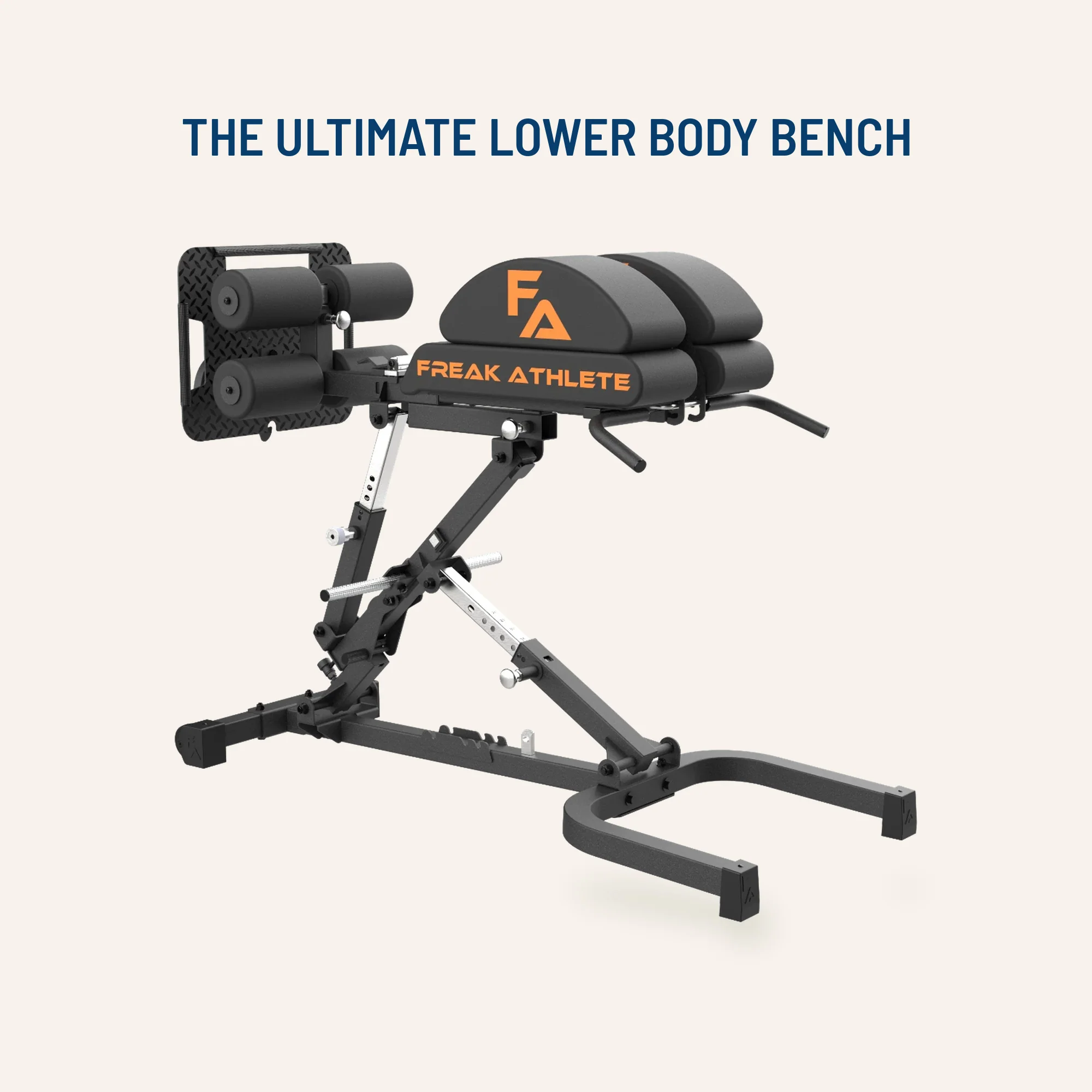


Power Tower
Freestanding pull-up and dip station with adjustable handles for bodyweight training.

GymPin Squat Wedges
Non-slip 15-degree squat wedges help elevate the heels for deeper quad-focused squats.

6. Pilates versus lifting is the wrong choice for many goals
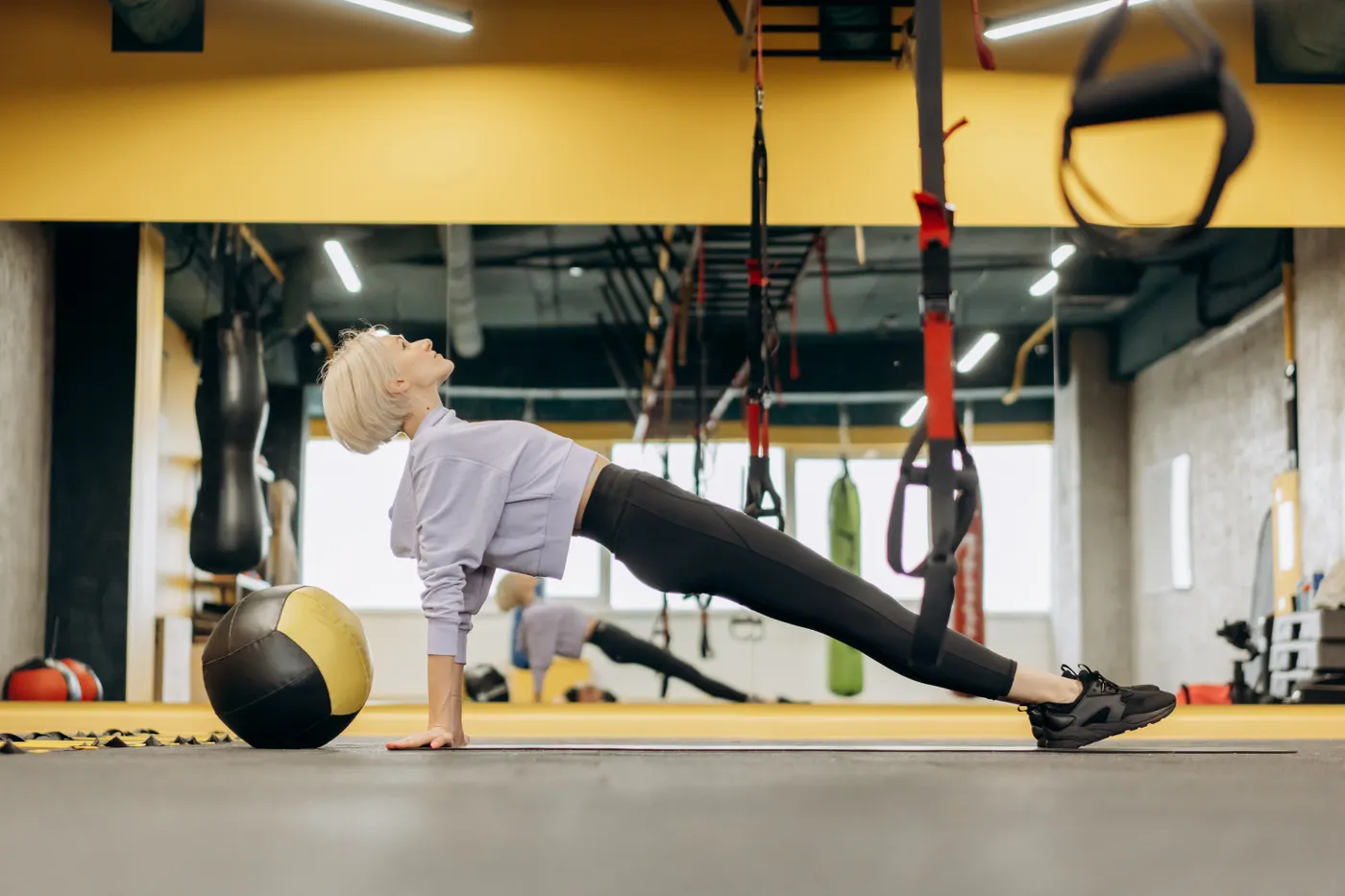
The better question is what each session contributes. Pilates can be a dedicated practice for coordination, controlled mobility, trunk endurance and body awareness. Progressive lifting is a direct way to develop force, muscle size and the capacity to handle heavier external loads. Walking, cycling or other aerobic exercise adds a different stimulus again.
For someone whose priority is muscle growth, start with two or three resistance-training sessions covering a squat or knee-dominant movement, a hip hinge, a push, a pull and appropriate accessory work. Choose a challenging but technically repeatable load and progress repetitions or resistance over time. Around ten weekly hard sets per muscle group is a useful hypertrophy reference point for people ready for that workload, not a mandatory starting dose for every beginner.
Add one or two Pilates sessions where they support the rest of the week rather than replacing every demanding lifting set. A 20- to 30-minute mat session on a lighter day might emphasize breathing, trunk control, spinal articulation and hip mobility. If a reformer class is already very hard on the legs, count its fatigue when planning squats or deadlifts the next day.
For a person who strongly prefers Pilates and would otherwise do no exercise, consistent Pilates is clearly preferable to an ideal strength plan that never happens. But when the stated goal is bigger muscles or a higher one-rep max, the most reliable approach is to include progressively challenging resistance instead of hoping that exercise variety alone will create the adaptation.
Funny Gym Shirts & Workout Gear
Funny gym shirts, tanks, hoodies and workout gear for lifters who like training hard.


Vive La Resistance Bands – Resistance Bands Warmup Mobi T-Shirt
Rep “Vive La Resistance Bands” humor in and out of the gym.

Shirt – Lord Of The Calisthenics Rings – Meme T-Shirt
Bring “Lord of the Calisthenics Rings” humor to your next gym day.

6Pac Shakur | Rap Parody Crewneck for Bodybuilding & Co T-Shirt
Keep things casual with a little “6Pac Shakur” attitude.

Handstand Walk Tee
Bring “: The Handstand Walk Beatles Graphic” humor to your next gym day.

Calisthenics Workout Sweatshirt
Add a playful “Calisthenics” touch to your casual rotation.

I Love Squats | Valentine's Leg Day Decal for Water Bot Sticker
Put “I Love Squats” gym humor on your laptop, bottle, or gym gear.

Is My Happy Place & Meme Top T-Shirt
Heavy lifts, good laughs, and a little “Gym Is My Happy Place” energy.

Pumping Love Strong Heart Stronger Soul Funny Valentine Sticker
Give your everyday gear a playful “Pumping Love Strong Heart Stronger Soul” twist.

My Therapist Says Lift More – Gym Therapy Meme Jumper P T-Shirt
Show some gym-day personality with “My Therapist Says Lift More”.
7. A four-week plan that respects both methods
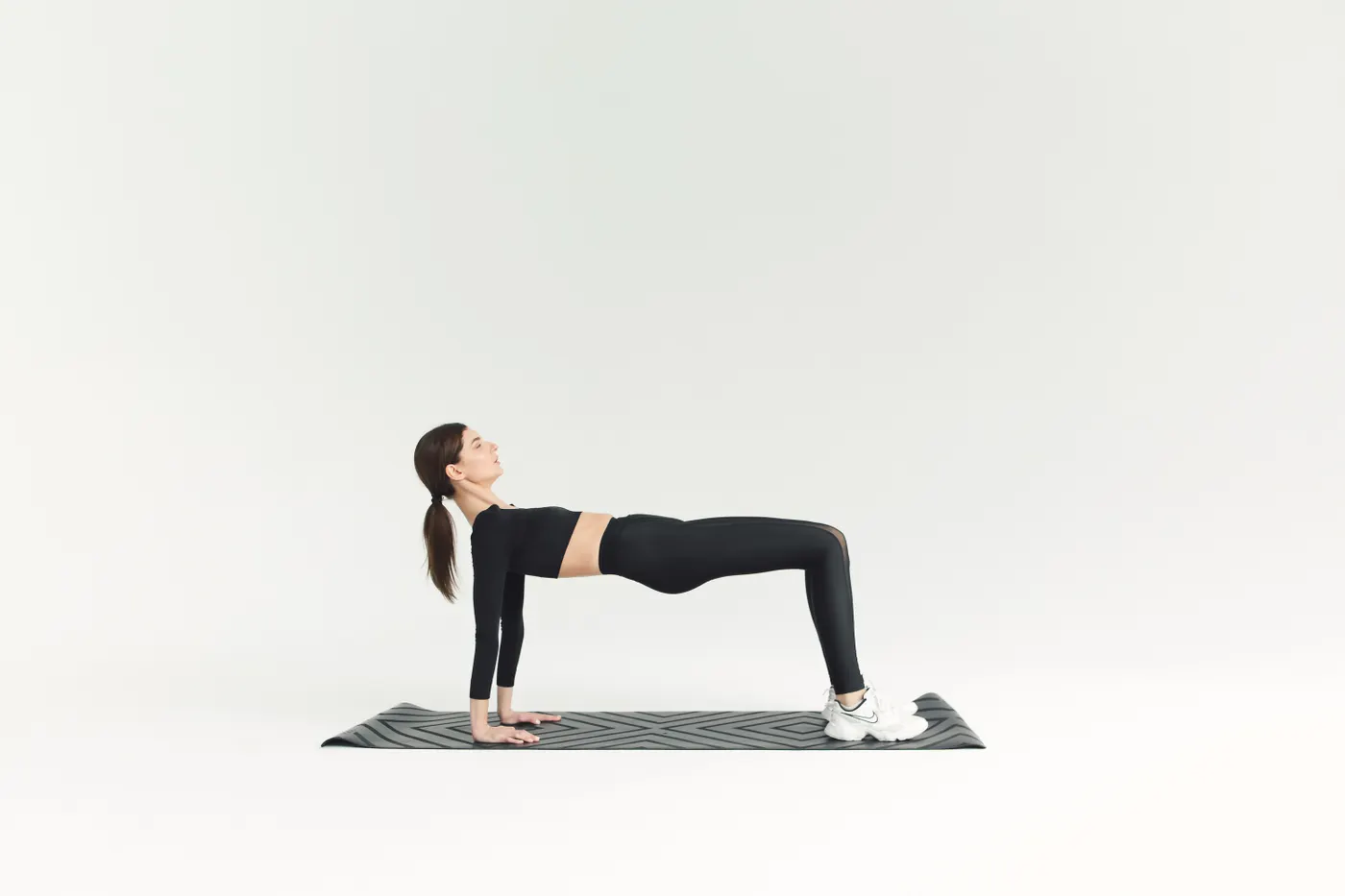
Use this example as a flexible starting framework, not as a medical prescription. Monday is a full-body strength day: two or three sets each of a squat variation, row, press and hip hinge, generally for six to twelve controlled repetitions. Finish with one simple trunk exercise if energy permits. Wednesday is a 25-minute Pilates-focused session, emphasizing a controlled bridge, dead-bug variation, quadruped reach, side-lying leg movement and gentle mobility. Friday repeats full-body strength with small exercise variations. Sunday is an optional shorter Pilates session or comfortable walk.
Week one: choose manageable exercises and record the loads, repetitions, movement ranges and how each session feels. Finish most strength sets with roughly two or three technically sound repetitions still available. In Pilates, prioritize smooth movement and breathing over reaching a dramatic position.
Week two: add one repetition to selected strength sets when form is stable, or slightly increase resistance if you already reach the top of the repetition range. In Pilates, improve control at the same difficulty before adding a harder lever or longer hold.
Week three: continue gradual progression, but avoid increasing lifting volume and Pilates intensity simultaneously if recovery is slipping. If a reformer class produces significant leg fatigue, move the next hard lower-body session or reduce its volume.
Week four: retest a few useful outcomes. Try the same comfortable forward-reach test, note whether a controlled bridge feels smoother, and compare a consistent squat or row load for the same repetitions. Track symptoms and energy rather than relying on mirror changes alone. A single four-week block is too short to prove a long-term body-composition effect, but it can reveal whether the routine is sustainable.
The central lesson from the 12-study review is neither that Pilates is ineffective nor that it is a substitute for every other form of training. Flexibility benefits look promising; body-weight changes require context; evidence for lean-mass and conventional strength improvements is less consistent. Keep the methods that you enjoy, then match the training stimulus to the result you actually want.