Advertising disclosure: This page includes affiliate links that may earn us a commission at no additional cost to you.
A short video can answer a useful training question: did your squat depth change, did the bar stay close, or did your setup look consistent? It can also turn a shared gym floor into somebody else’s unwanted film set. The difference often comes down to decisions made before pressing record.
You do not need to choose between documenting progress and being considerate. Start with your club’s rules, give the camera a small footprint and decide what information you actually want. A useful clip can remain private. A workout can also be productive without being recorded at all.
Check what this gym permits before setting up
Filming rules vary between clubs and between activities within the same building. Permission to record a personal training set does not automatically cover a sponsored shoot, a class or a camera crew. Check the current policy and ask the staff about anything unclear before arranging equipment.
Keep changing rooms and other designated private areas out of your filming plans. On the training floor, frame other members out wherever possible. If somebody would be identifiable in a clip you intend to share, check that they are comfortable appearing. Accept a request to adjust or stop without turning it into a debate.
Consider a simple example: you want to record a squat, but the only available angle points directly at an occupied bench. The recording is optional; the other person’s session is already happening. Wait for a suitable gap, use a different view if it answers your question, or leave that set unrecorded. There is no training benefit in winning an argument over a background.
Arrange commercial or promotional filming separately with management. A small phone can still be part of a commercial production; device size alone does not settle what permission you need. Describe the intended activity honestly rather than assuming that a portable setup makes every use equivalent.
These are practical boundaries for a shared training environment. They are not a universal statement of the law or a replacement for your own club’s policy. Make checking the rules part of preparation, alongside knowing which exercise and load you plan to use.
Give the camera a small, temporary footprint
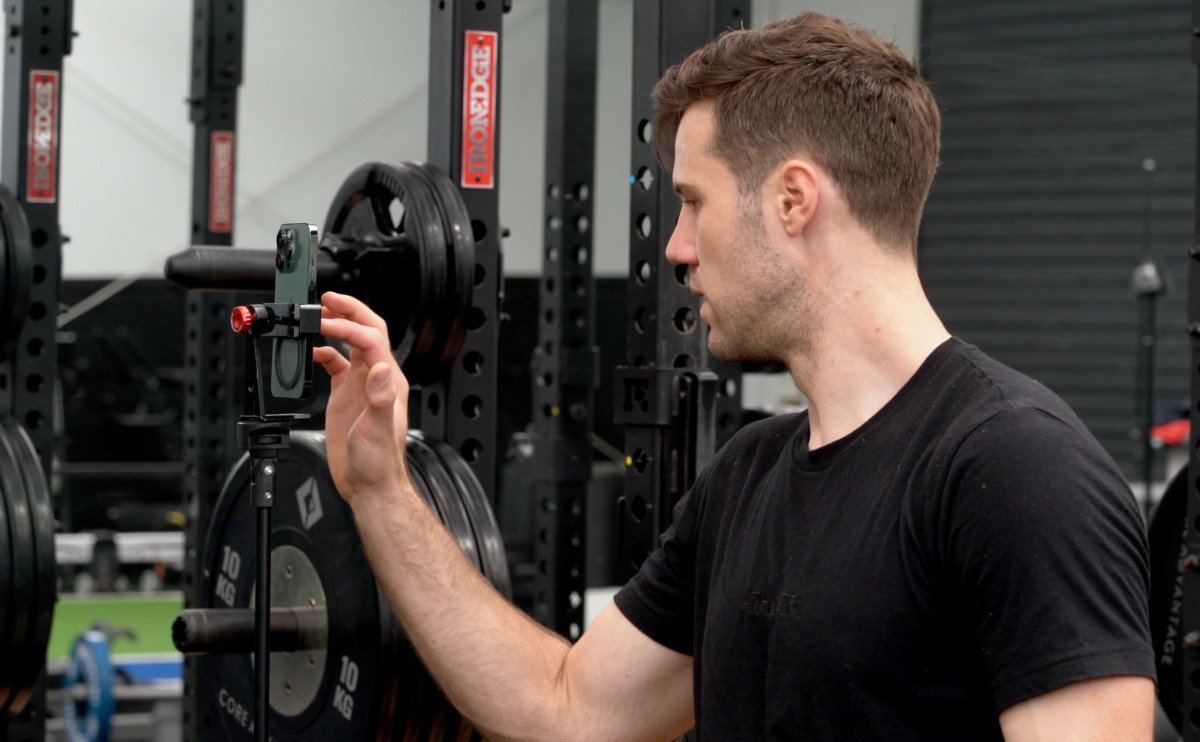
Choose a stable position that leaves access to the equipment and the surrounding route clear. A compact stand can make framing easier, but its legs still occupy floor space. Look at the whole setup from the direction another person would approach, rather than judging only the view on your screen.
Imagine a tripod beside a bench. It may look tucked away from where you are standing while extending into the route used to carry plates. Move it before loading the bar. The right location must work for the movement, the recording and the people passing through that area.
A phone does not reserve a station after you have left it. Pack the setup away when you move on, and avoid turning a second bench or a pile of shared equipment into a camera platform. The convenience of a particular angle does not justify taking equipment somebody else could use.
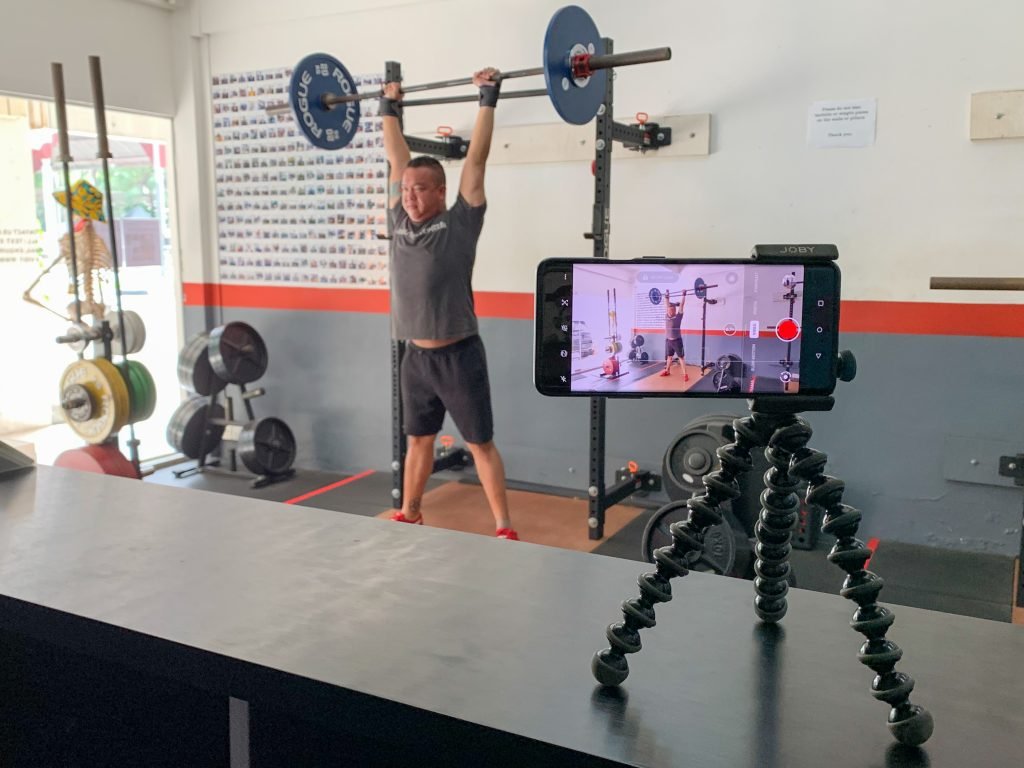
Stability and adjustability matter more than an elaborate production. For an overhead exercise, leave enough room in the frame for the top of the movement; for a floor-based lift, check that the starting position remains visible. A recording that loses the bar at the crucial moment is unlikely to answer the question you brought to the session.
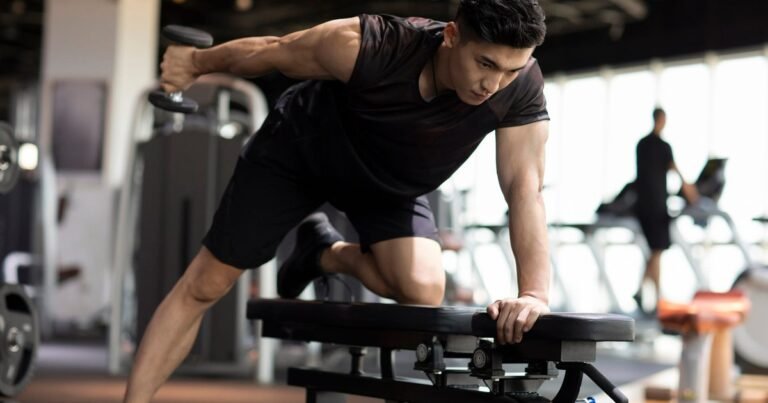
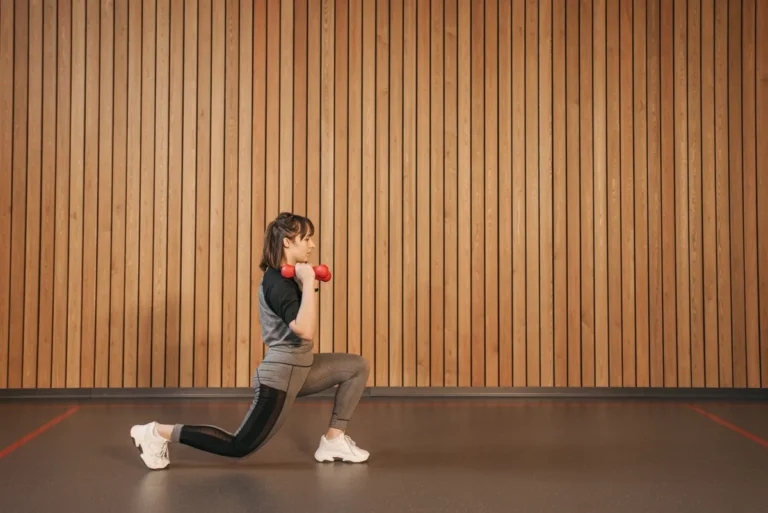
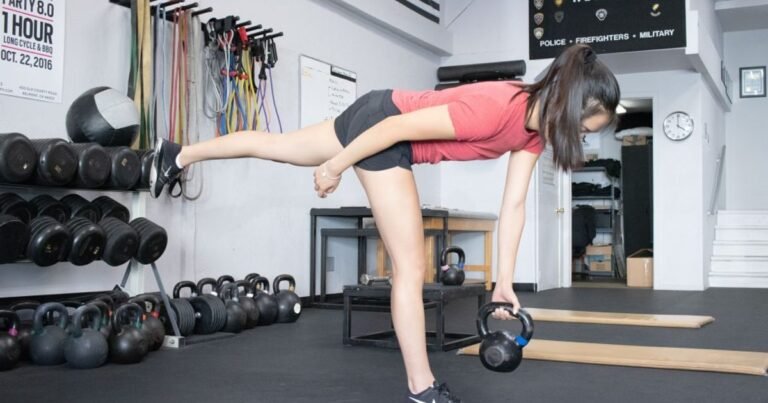
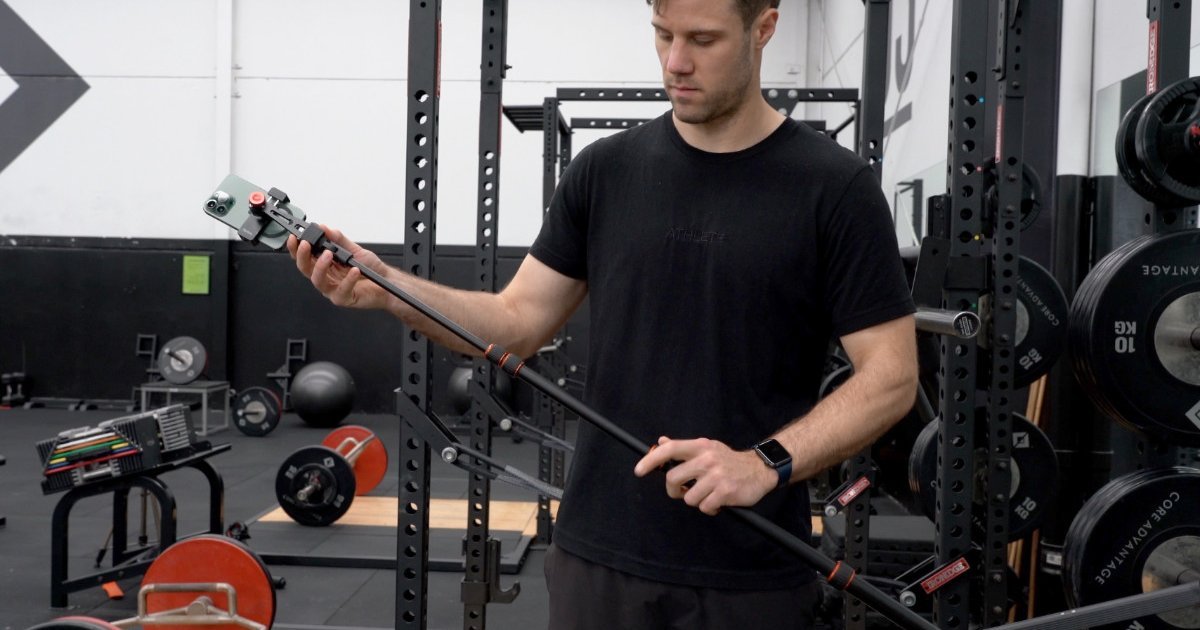
The photographs illustrate real training-camera arrangements, rather than examples of a particular club’s rules being followed or broken. Treat them as ideas about framing, then adapt to the space actually available. A home setup and a busy commercial gym can require different compromises even when you are recording the same lift.
Choose the question, then choose the angle
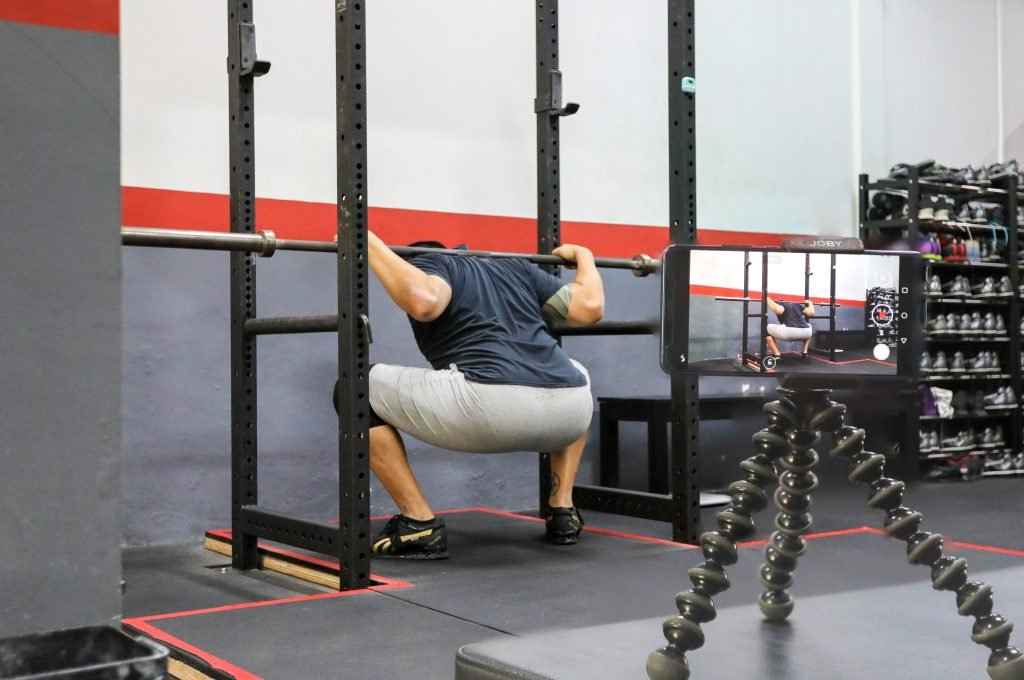
Before recording, finish this sentence: “I want to see whether…” A question about squat depth needs a different view from a question about hand placement. If you have a coach, ask which view will make their assessment useful rather than sending several dramatic angles that hide the relevant detail.
An oblique view is a useful starting point for many barbell recordings. A rear-quarter squat view can show more of the lifter than a close frontal crop. A front-quarter view may be useful for a press, bench press or deadlift. These are starting options, not one compulsory camera position for every person and every coaching question.
Check that your full body and the moving implement remain visible throughout the intended range. Do a brief setup check before the working set. Shoes, plates or the top of an overhead lift disappearing outside the frame can make later comparisons difficult.
A single view also has limits. Perspective changes how positions look, and a video cannot tell you everything about effort, discomfort or what happened outside the frame. Do not turn an uncertain visual impression into a confident diagnosis. Ask for a more suitable view or qualified feedback when the question requires it.
MMP’s guide to using visual feedback without chasing the reflection explores a related distinction: collecting information and performing the movement are separate tasks. Make the camera adjustment before lifting, then give the set your attention.
Keep the session more important than the recording
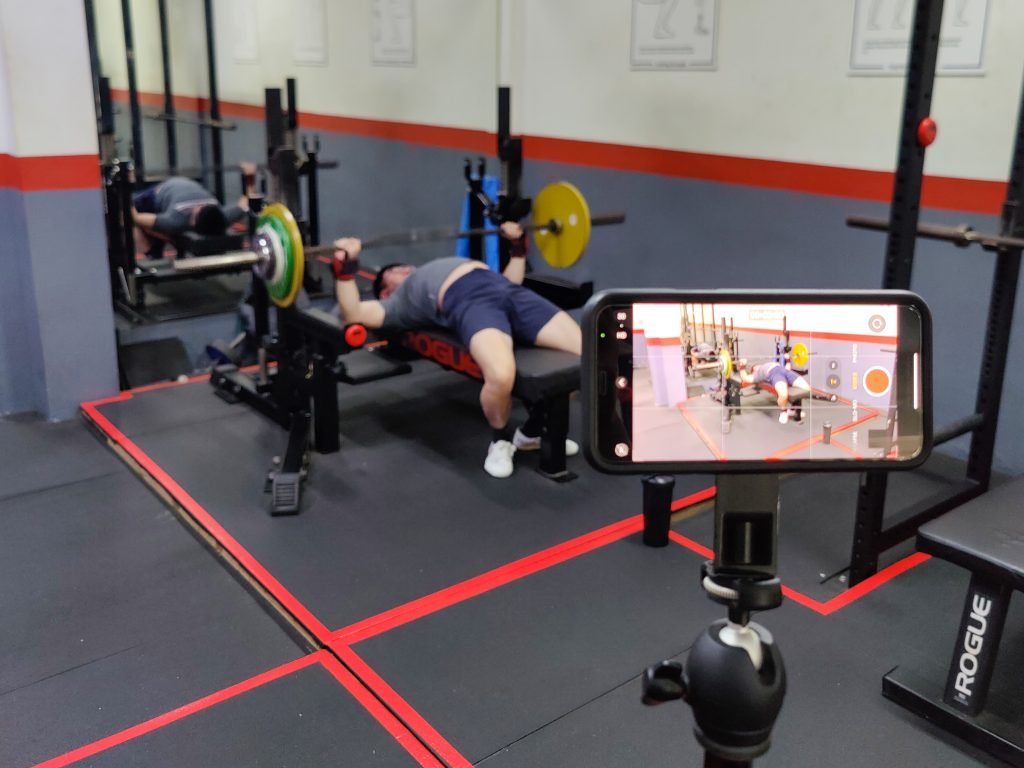
Decide in advance which set is worth capturing. For an ordinary training log, one representative working set may be more useful than a long collection of nearly identical clips. That is an editorial suggestion for keeping the task manageable, not a requirement to film a particular number of sets.
Suppose you are practising a consistent bench setup. Record a planned set, review the feature you chose and make one manageable adjustment if appropriate. Repeatedly restarting for lighting, music or a more impressive-looking effort can change the purpose of the session without improving the information you collect.
Keep camera tasks outside the lift itself. Set the device down before getting under a bar, and do not interrupt a repetition to check whether recording has started. If the clip fails, record another suitable planned set later or accept the missing footage. The phone should not decide when you attempt another demanding effort.
Shared-space etiquette also means allowing different reasons for being there. One person wants coaching feedback; another wants an uninterrupted hour away from work or social media. Neither needs to perform for the other’s camera. Quietly adjusting a frame is usually a much smaller task than asking someone else to rearrange their session.
Gym culture can be playful and personal, including the slogans people wear. Practical respect still comes from what we do: returning equipment, keeping routes open and accepting another member’s request for space.

Funny Gym Shirts & Workout Gear
Funny gym shirts, tanks, hoodies and workout gear for lifters who like training hard.

Anti Social Gymbro Club – , Meme Shirt, T-Shirt
Bring “Anti Social Gymbro Club” humor to your next gym day.

Anti Social Gymrat Club Decal Water Bottles & Sticker
A fun “Anti Social Gymrat Club” touch for bottles, laptops, and lockers.

Anti Social Lifting Club Sweater & Meme T-Shirt
Add a playful “Anti Social Lifting Club” touch to your casual rotation.

Anti Social Home Gym Club Hooded Pullover for Solo Home Hoodie
Bring “Anti Social Home Gym Club” gym humor to lazy days and post-workout plans.

Focus Stoic Bodybuilder Greek God Marble Sculpture T-Shirt
Heavy lifts, good laughs, and a little “Focus Stoic Bodybuilder Greek God Marble” energy.

Discipline Greek God Statue Stoic Sigma T-Shirt
Heavy lifts, good laughs, and a little “Discipline Greek God Statue Funny Stoic” energy.

Mind Muscle Perfection Embroidered Brain and Biceps Gym Hat
A playful “Mind Muscle Perfection Embroidered Dad” cap for workouts and weekends.

Anti Social Gymbro Club Serious Hooded Meme Hoodie
Bring “Anti Social Gymbro Club” gym humor to lazy days and post-workout plans.

Anti Social Gymrat Club Serious & Fans Vest Tank Top
Show some personality between sets with “Anti Social Gymrat Club”.

Mind Muscle Perfection Brain and Biceps Gym for Science Sticker
Give your everyday gear a playful “Mind Muscle Perfection Brain and Biceps” twist.
Review privately before deciding what to share
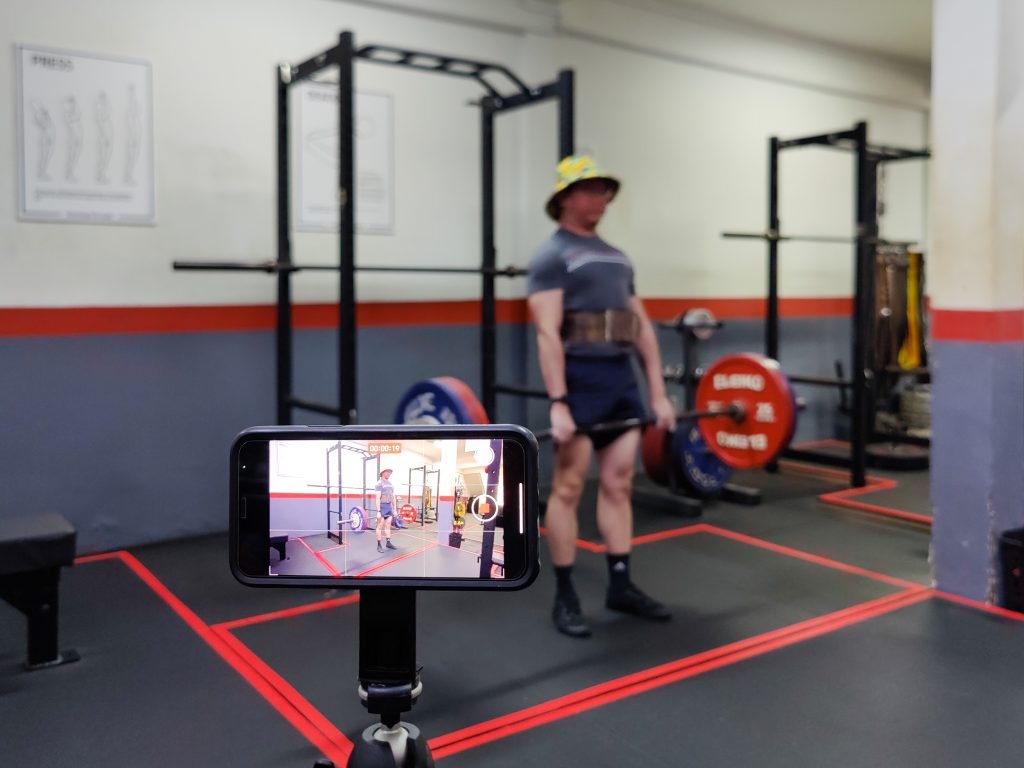
Keep the clip with enough context to understand it later: exercise, date, load, repetitions and the question you were checking. If you compare sessions, similar framing helps. A different camera height or crop can create an apparent change that is really a change in presentation.
Keep perceived effort in the record too. A set that looks smooth may still have felt demanding. Our explanation of RPE and fixed-percentage loading gives context for recording how hard work felt alongside the load. A visual clip adds information; it does not replace the rest of your training log.
Before sharing, watch the entire clip with the background in mind. Check more than the opening frame. Someone may enter halfway through, or appear in a mirror. If you cannot comfortably share the recording within the club’s rules and the agreement of those involved, keep it private or choose another clip.
If somebody later asks to be removed from content you posted, respond to the request directly and involve the club where appropriate. For content posted by a gym or trainer, contact the account that published it and explain which footage concerns you. A practical removal request is more useful than escalating the situation through another public post.
Your next session needs a training plan, not a filming obligation. Bring one clear question, use a suitable unobtrusive setup when permitted, and take away information you can use. The most valuable result may be a better decision about your next set, even when the video never leaves your phone.