Advertising disclosure: This page includes affiliate links that may earn us a commission at no additional cost to you.
Steve Redgrave’s five consecutive Olympic gold medals are usually presented as one extraordinary number. Look at the events behind them and the story becomes more interesting: the winning sequence moved from a coxed four to a coxless pair, then to a coxless four. Redgrave stayed in the crew, but the crew and the task around him changed.
That makes his career worth examining beyond a familiar message about working hard. Rowing requires an athlete to contribute to a shared performance. Physical preparation matters, but so do the event, the partnership and the ability to make a boat move together. A medal is the outcome of that whole task, rather than an individual fitness score.
Five golds across sixteen years
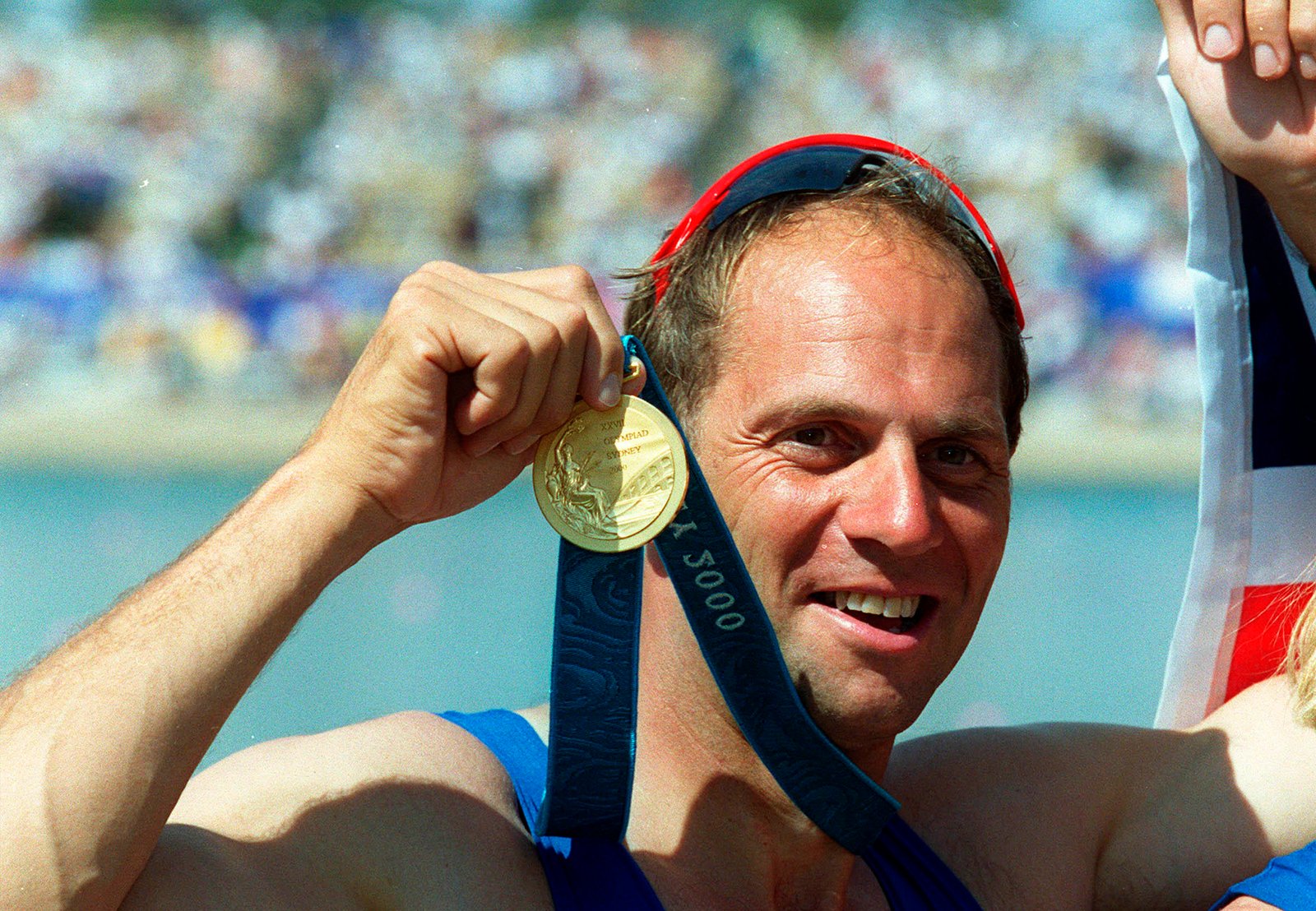
Redgrave won Olympic gold at Los Angeles in 1984, Seoul in 1988, Barcelona in 1992, Atlanta in 1996 and Sydney in 2000. Those five editions span sixteen years. Describing the sequence accurately gives it more weight than simply calling him a multiple champion.
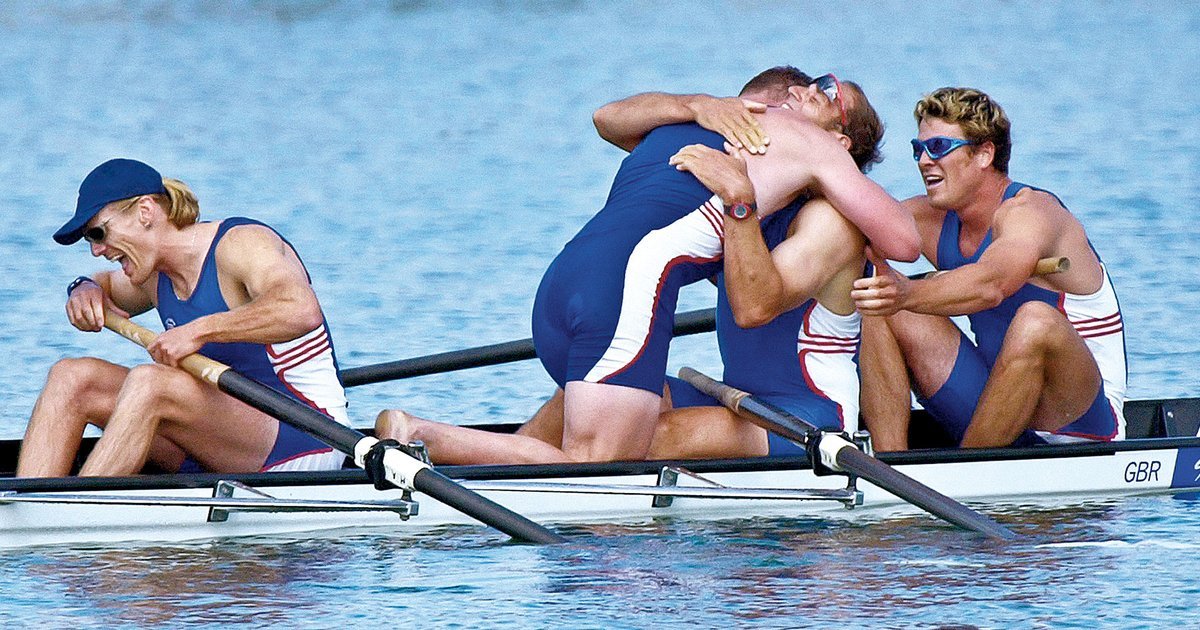
The first gold came in the men’s coxed four. The three middle victories were in the coxless pair. The final gold came in the coxless four, with Matthew Pinsent, James Cracknell and Tim Foster. The event names matter because they explain what changed within the apparently straightforward sequence.
A coxed boat includes a cox; a coxless boat does not. Pair and four describe the number of rowers in these sweep-rowing crews. They are not interchangeable labels for the same Olympic race, and the cox is not counted as one of the rowers in the event name.
The final victory arrived on 23 September 2000, when Redgrave was 38. That is useful historical context, rather than a promise that a particular training method produces the same longevity for everyone. The results establish what he achieved; they do not reveal every decision made during the years between the Games.
For a fitness reader, the striking part is the repeated return to a demanding task. An athlete can have a long career without maintaining exactly the same role throughout it. Redgrave’s sequence gives us a concrete example of both continuity and change.
The boat changed, and so did the partnership
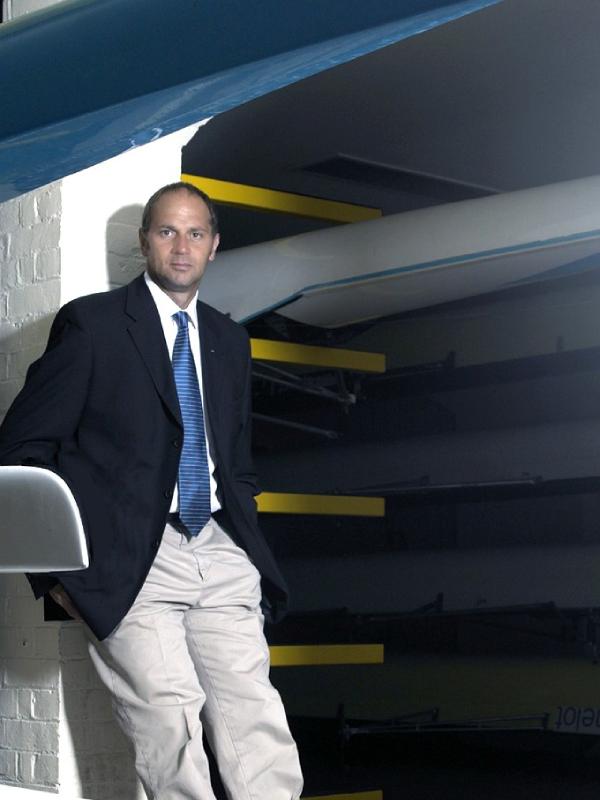
Andy Holmes was part of Redgrave’s gold-winning four in 1984 and his partner in the gold-winning pair in 1988. Matthew Pinsent then partnered Redgrave for the pair victories in 1992 and 1996, before joining him in the four at Sydney.
That is a reason to keep the other athletes in the story. Calling these Redgrave’s medals is accurate when describing his career, but the races were not solo efforts. In a pair, the result belongs to two rowers working together; a four adds more people to the shared task.
Good individual fitness is valuable, yet it is not a complete description of a crew’s performance. A person can be capable of producing force without automatically applying it in a way that works with teammates. The boat adds a coordination problem that an individual gym test does not reproduce.
This distinction is familiar in other sports. A strong athlete still needs to perform the relevant skill with the right timing. In rowing, discussing only the strongest person or the largest training number misses what the crew is trying to accomplish together.
If you train with a partner, there is a practical question here: what are you measuring individually, and what are you trying to do jointly? Those can both be useful measures. Keeping them separate helps you avoid assigning every shared improvement or difficulty to one person’s physical condition.
The bronze medal adds another part of the story
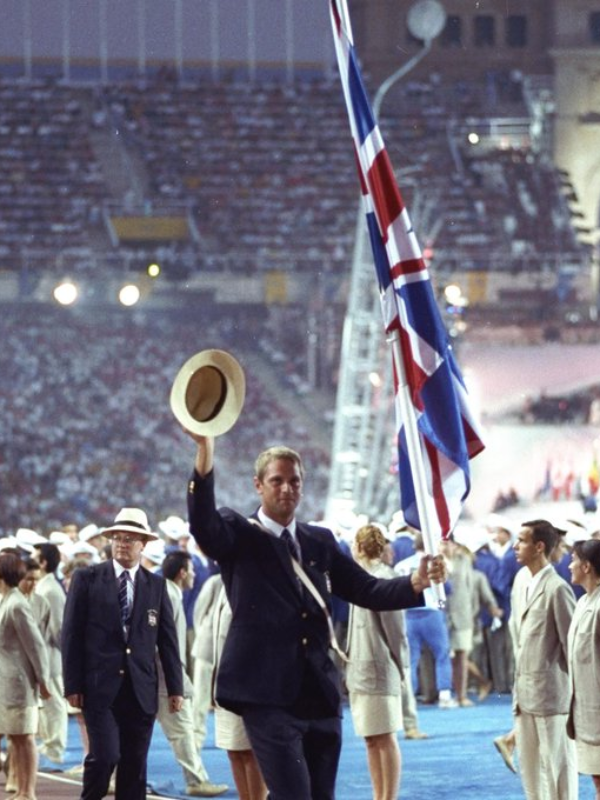
Redgrave’s Olympic total is six medals, rather than five. Alongside the five golds, he won bronze in the coxed pair at Seoul in 1988, with Holmes and cox Patrick Sweeney. That additional event brought a second medal from the same Games.
The gold-winning sequence therefore covers three boat classes, while the complete medal collection includes a fourth: the coxed pair. That is a small distinction which makes the career much easier to understand. Five golds and six medals are both correct, but they answer different questions.
It is also a reminder to define what a sporting statistic counts. Does a number refer to victories, all podium finishes, appearances or different events? A headline can sound impressive while leaving the category unclear. Here, the categories are worth preserving because each describes a real achievement.
You can apply the same care to your training history. A personal best, a competition placing and the number of sessions you completed should not be treated as one measurement. Choose the record that matches the question you are asking, rather than combining several measures into a vague claim of progress.
There is no need to diminish a bronze medal to make a gold-medal sequence sound larger. The fuller record is already compelling. It shows more of the athlete’s competitive experience than the most familiar summary alone.
An indoor rower measures a different task
An indoor rowing machine is a useful setting for a recreational athlete to practise a rowing movement and track a repeatable workout. It is still a different setting from moving a racing boat with a crew. An impressive machine result should not be described as though it automatically establishes on-water skill.
Start by knowing what you want from the session. If the aim is movement practice, pay attention to the sequence and control of the stroke. Our guide to the rowing drive and recovery explains those basic distinctions without requiring an Olympic training plan.
If you are tracking pace, use a measure that you understand and compare like with like. The explanation of 500-metre splits and finish-time maths can help you read the display. A pace figure and a stroke-rate figure describe different things; neither is a complete assessment of a person as a rower.
Strength assistance is another separate part of a recreational programme. Dumbbells and a bench, cable resistance, a supported row machine or suitable rowing handles provide different ways to organise resistance work. An indoor rower supplies a different kind of repeated exercise. Pick equipment around the task and your available space, rather than assuming every item needs to be used in one session.
The equipment options below belong to that general discussion of indoor rowing and resistance work. They are not a list of products Redgrave trained with, a claim of his endorsement or a reconstruction of his Olympic preparation. A cable row and an on-water rowing stroke should not be presented as identical exercises just because their names overlap.

Equipment Worth Exploring
Explore equipment, accessories and gear from our carefully selected range.


Linear Row LRX-750
Dual-sided rowing machine for supported rows, bent-over rows and varied pulling movements.

Lateral Row Machine LRM-720
Rowing machine with independent lever arms, an adjustable seat and chest support.

GymPin Barbell Row Handle
Heavy-duty handle attachment for barbell, landmine and T-bar rows.

T-Bar Row Attachment
Welded barbell attachment that connects a D-handle bar for landmine and T-bar rows.
VOLTRA
Compact digital cable trainer with smooth, adjustable resistance.

Rubber Hex Dumbbells
Rubber-coated hex dumbbell pairs with a stable shape for home and commercial strength training.

FID Bench MAX
Adjustable bench offering flat, incline, and decline positions + adjustable headrest.
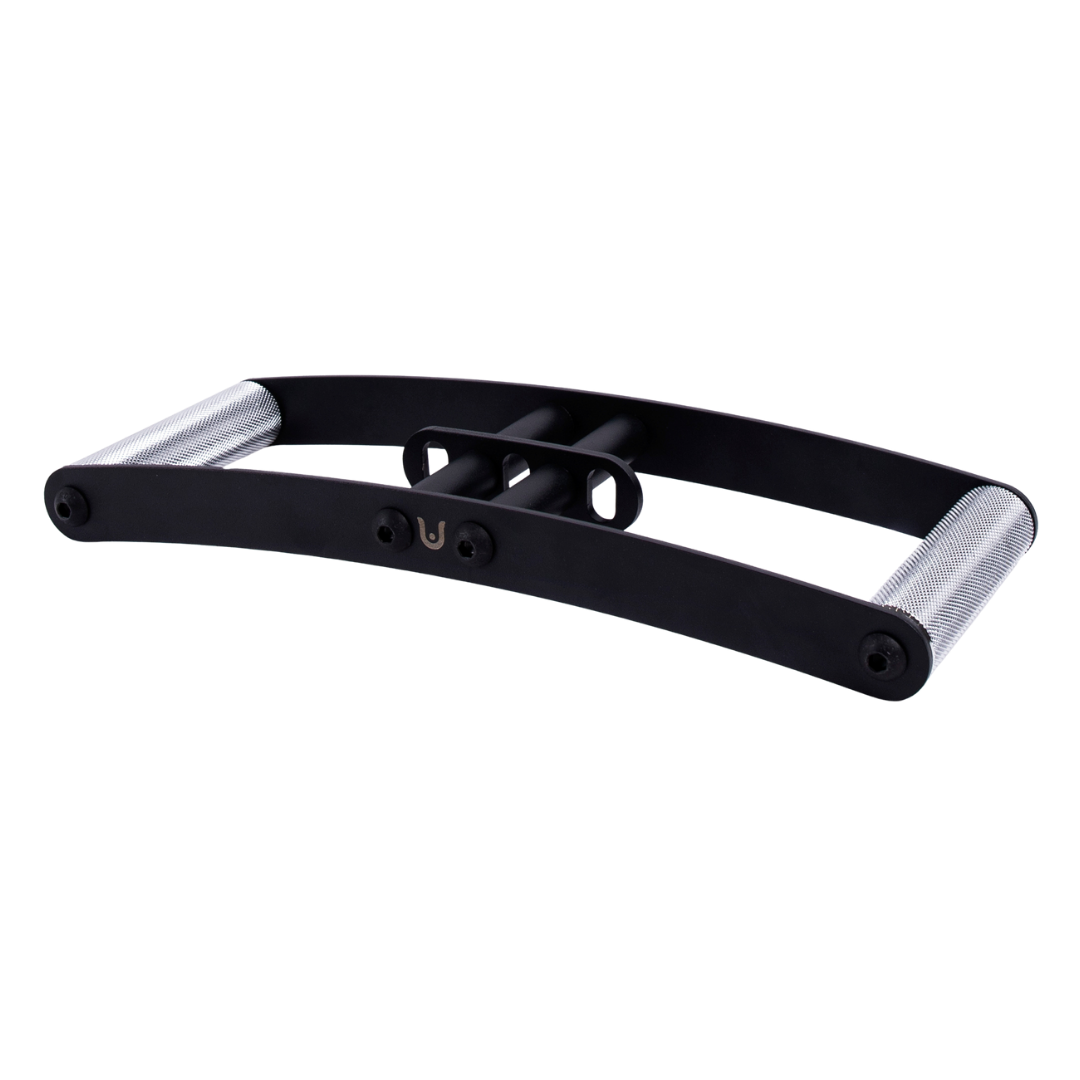
Horizon Grip
Ergonomic V-style cable grip for rows and back training.
Use the career as context, not a ready-made programme
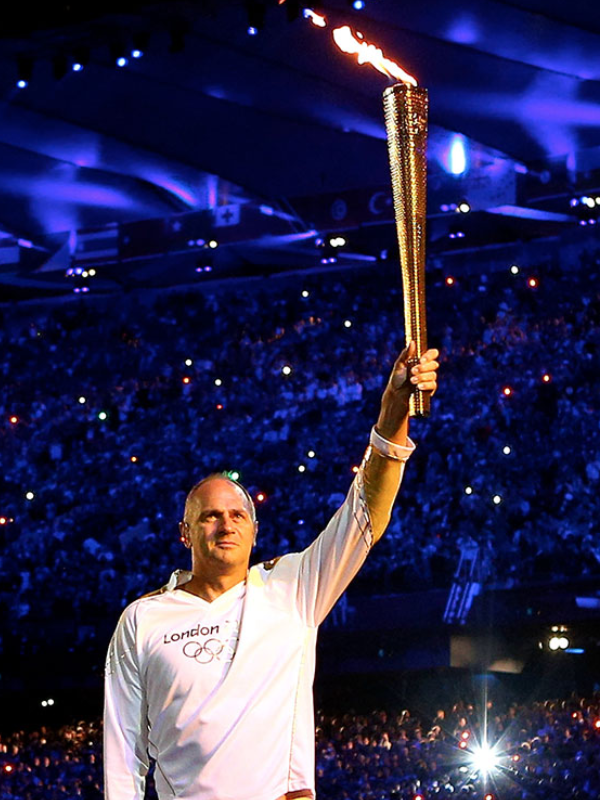
Redgrave’s achievements extended beyond the Olympics: he was also a nine-time world champion. Those results make the Olympic sequence part of a much broader competitive career. They still do not turn a medal list into a weekly programme that another athlete can safely or usefully copy.
A training plan needs information that a career summary cannot supply. Your experience, current workload, technical standard and actual goal affect which work makes sense. Admiring an elite rower’s endurance is different from knowing how much rowing or strength work fits your own week.
A more useful starting point is to name the task you want to improve. You might want to understand the stroke, finish a familiar distance more evenly or build a routine you can repeat. Choose one clear measure, keep the conditions reasonably consistent and review what you actually did.
Then make room for a longer view. One excellent session does not describe an entire season, just as one difficult session does not erase it. Redgrave’s career is remarkable partly because its famous number contains years of separate competitions, different crews and changing boat classes.
That is enough to make the story interesting without attaching a secret routine to it. Five consecutive Olympic golds, three winning boat classes and a sixth medal tell a specific sporting story. For the rest of us, the practical value is learning to describe our own goals and results with the same clarity.