Advertising disclosure: This page includes affiliate links that may earn us a commission at no additional cost to you.
Jan Železný’s career is a useful challenge to the idea that athletic power can be read straight from a weight-room number. He won three Olympic javelin titles, added a silver medal and produced a 98.48-metre throw that became the defining mark of his event. The distance is spectacular. The sustained ability to deliver in major competitions is just as interesting.
For lifters, the worthwhile question is how physical capacity becomes a skilled sporting performance. Železný’s results do not reveal a secret exercise or provide his complete training programme. They show why strength, technical practice and competition outcomes need to be understood together—and why copying a champion’s appearance is a poor substitute for knowing what you want to improve.
Four Olympic medals tell more than one highlight
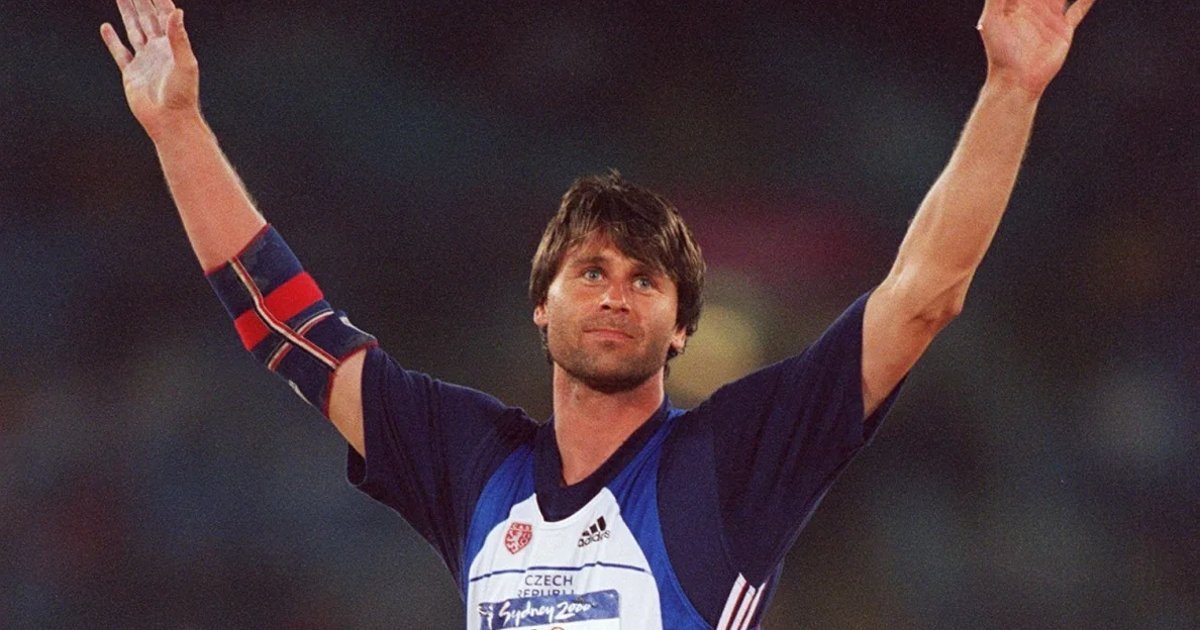
Železný took silver at Seoul in 1988, then gold at Barcelona in 1992, Atlanta in 1996 and Sydney in 2000. Those four medal-winning appearances span twelve years. He also won world titles in 1993, 1995 and 2001. His reputation rests on repeated success, rather than a single extraordinary throw surrounded by an otherwise anonymous career.
The sequence matters because a career can be flattened into its most shareable moment. A short video of the longest throw cannot show the different qualifying rounds, finals and seasons that surround it. He later finished ninth at the 2004 Olympics. The medal record answers a different question: could the athlete keep returning to the top of the event when the competition and circumstances changed?
There is a smaller version of that distinction in everyday training. A personal best shows what happened on a particular attempt. A run of repeatable sessions shows whether your normal performance has moved forward. Both are useful, but they should not be confused. An exceptional day and a stronger baseline are different kinds of progress.
Keep both in your log. Record your best valid result, then look at the work you can reproduce with the same technique and conditions. If your ordinary sessions improve while the headline best stays unchanged, the record alone is giving you an incomplete picture. That is a reason to examine the broader trend, not to invent a new personal best.
Put the 98.48-metre throw in its proper category
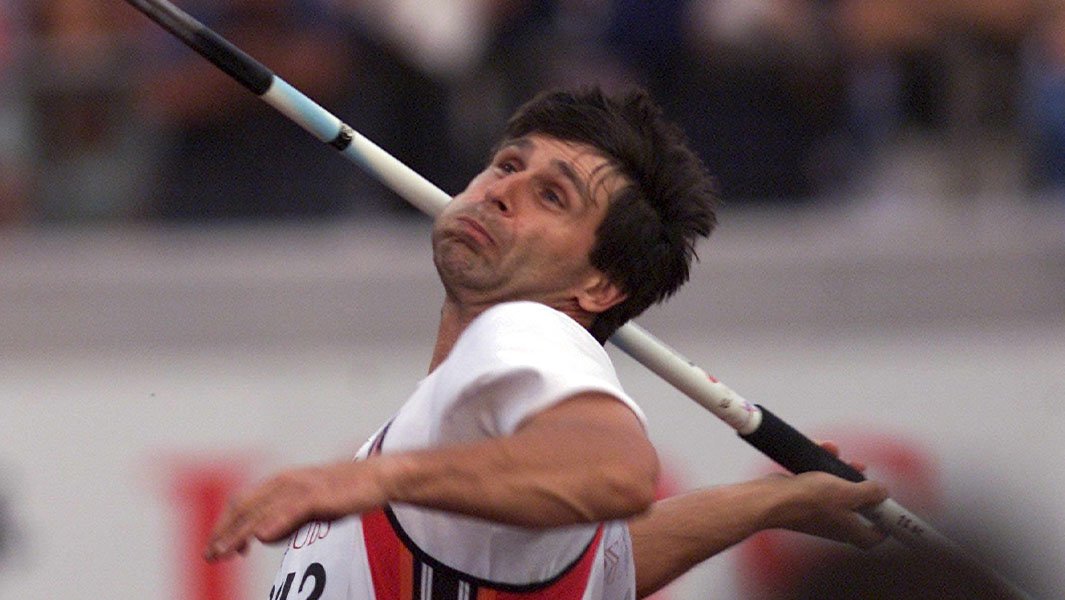
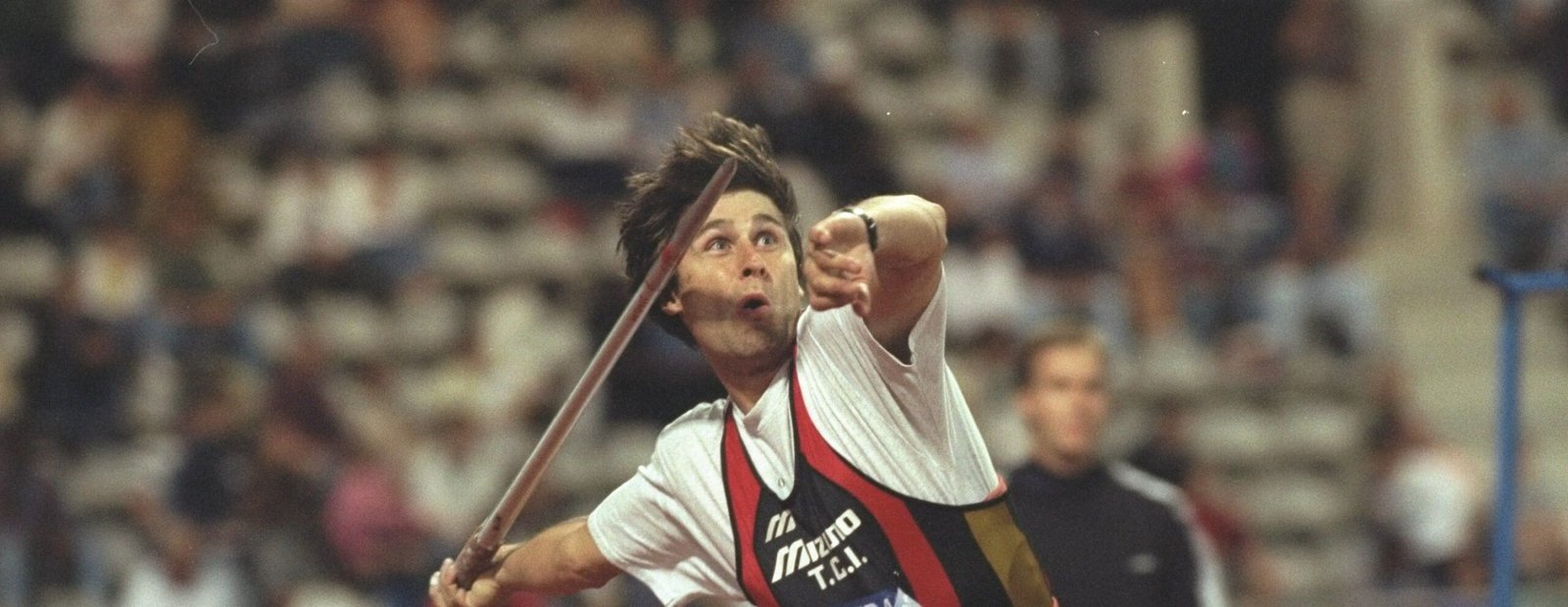
The landmark throw came in Jena, Germany, on May 25, 1996. It improved Železný’s previous world record of 95.66 metres by 2.82 metres. That is an unusually large step at the top of an elite event, where adding even a small amount to a best performance can be a major achievement.
Historical comparisons need another detail: the men’s javelin specifications changed in 1986. Uwe Hohn’s 104.80-metre throw in 1984 belongs to the earlier implement. Putting the two distances beside each other without that distinction makes the shorter number look like an inferior version of the same test. The equipment standard is part of the result.
This is not an invitation to explain the record with one convenient variable. Conditions, the implement and the athlete all belong in the story, but an account of a favourable competition does not tell us exactly how many metres each factor contributed. Avoid turning an observation about the day into a precise causal calculation.
The lesson transfers neatly to lifting records. A change of range of motion, assistance or equipment can change what the number means. Describe the attempt honestly before comparing it with another. You can appreciate a remarkable performance while remaining precise about the task that produced it; the precision makes the achievement easier to understand.
Strength has to arrive in the movement
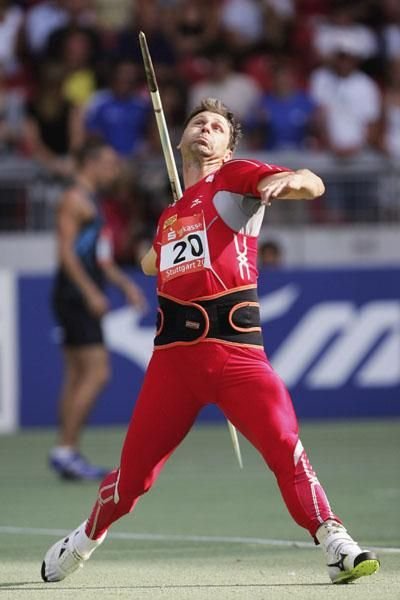
A javelin throw includes an approach, a transition into the delivery and the release itself. More general physical capacity is only useful to the sporting result when it can be expressed through that sequence. A gym exercise can train one part of an athlete’s preparation without reproducing the whole competitive task.
Železný’s career is therefore a reason to respect technical work, not an argument that strength training is unnecessary. Nor does his success prove that a particular lift, repetition scheme or bodyweight is optimal for every thrower. A biography and a results table cannot supply the missing details of an individual training plan.
For another field-event example, our article on how speed, strength and skill meet in Mondo Duplantis’s pole vault examines a related distinction. The activity has its own demands, and a general description such as “explosive” does not make different sports interchangeable.
In your own training, name the outcome before choosing the supporting exercise. Do you want to improve a lift, a sporting skill or a measured performance such as sprinting? Those aims may overlap, but they need their own checks. Our discussion of squats, step-ups and the limits of strength transfer develops that question without assuming that every stronger gym result produces the same sporting improvement.
For general physical preparation rather than imitation of the throw, a trap-bar hinge, dumbbell split squat or controlled landmine press can provide measurable resistance work. A cable station can support controlled pulling and pressing at adjustable heights. Choose loads and movements that suit your own capacity, and keep throwing practice separate from these gym exercises. None is presented as Železný’s verified routine or a guaranteed route to more distance.

Equipment Worth Exploring
Explore equipment, accessories and gear from our carefully selected range.


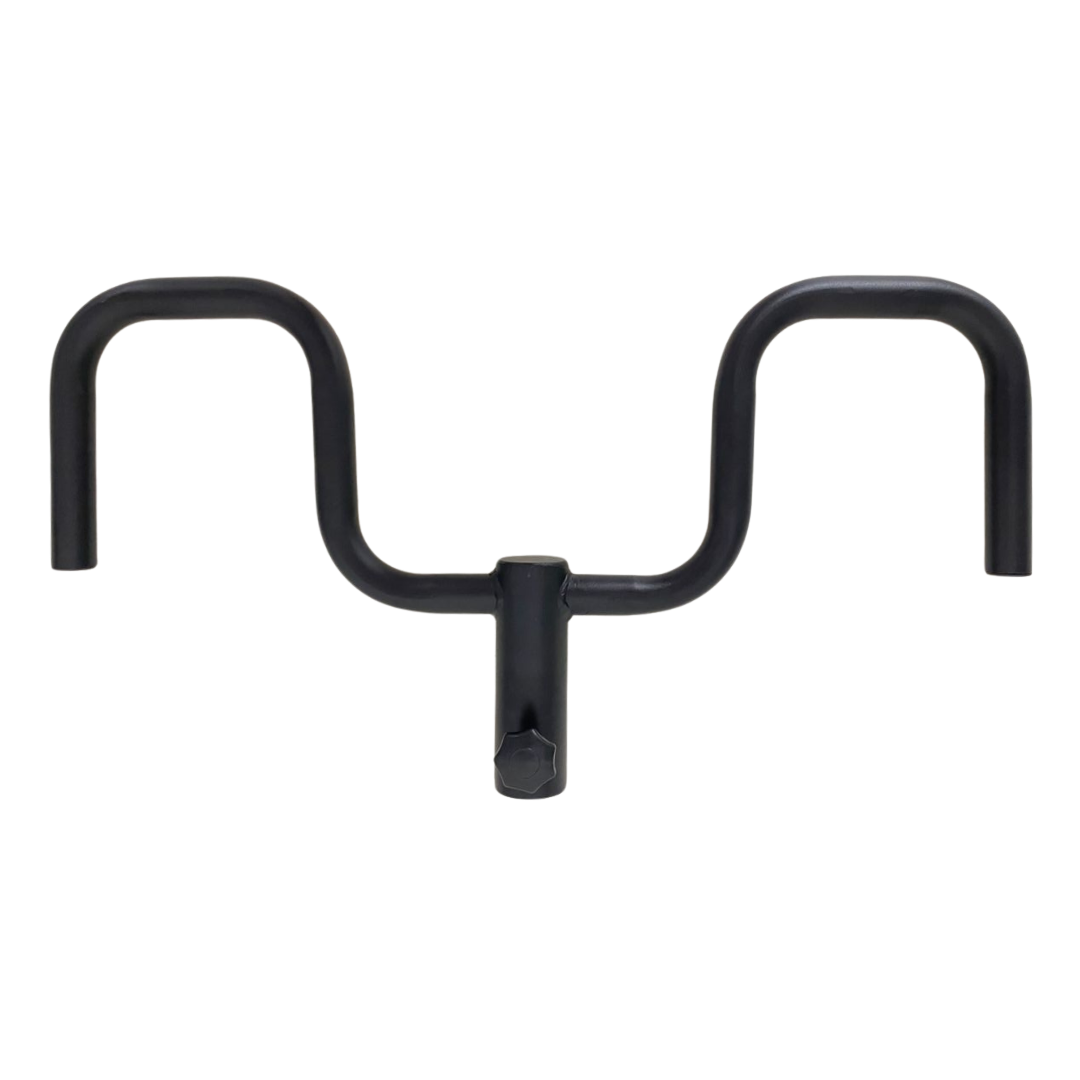
Open Hex Bar
Open-frame trap bar with multiple handles for deadlifts, carries, and lower-body training.


VForce Wall Trainer
Space-saving wall-mounted functional trainer with pivoting cable arms and variable resistance ratios.


A champion can become a reference point for another champion
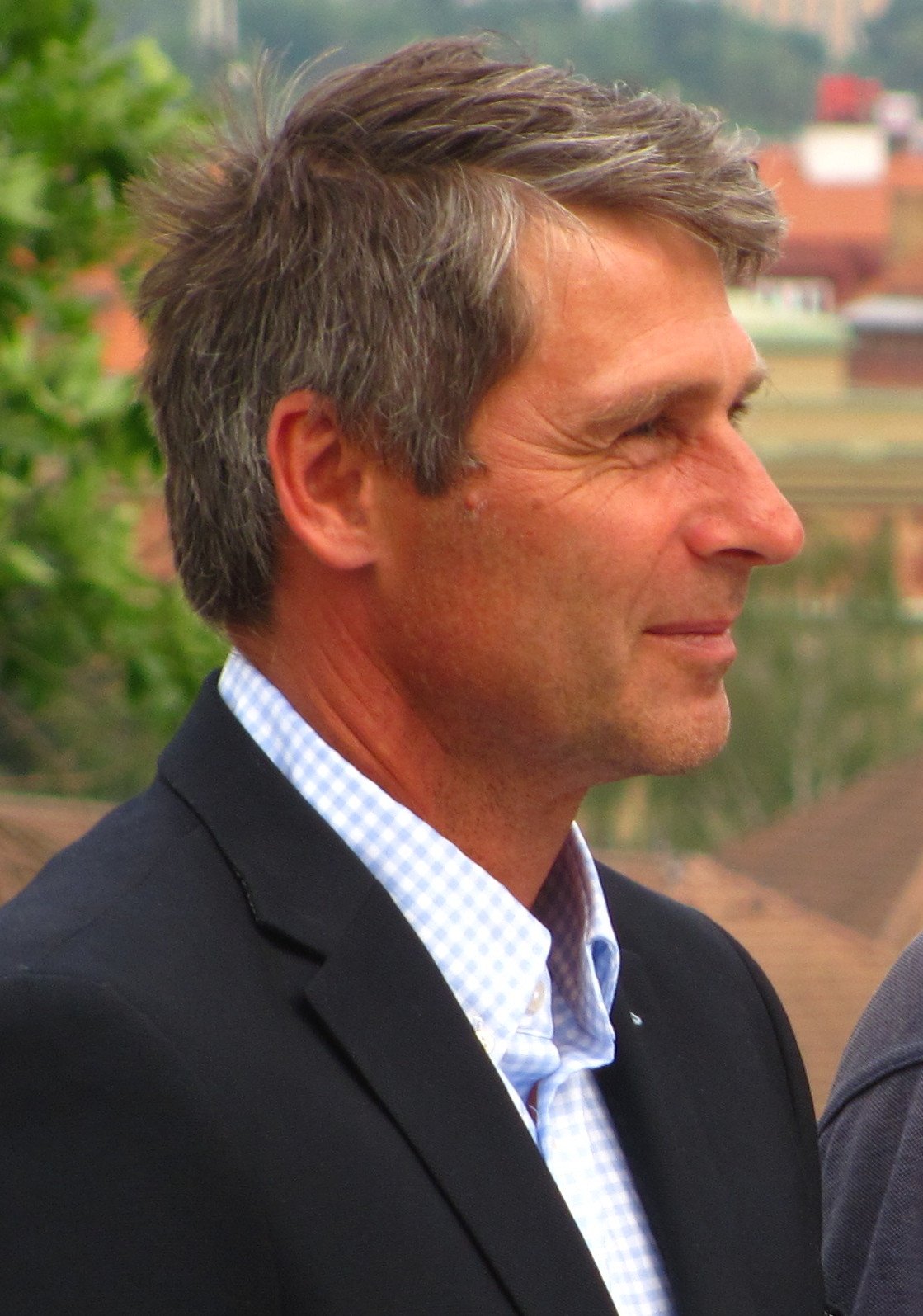
Železný’s influence also extended beyond his own competition results. In November 2024, Neeraj Chopra announced that he had appointed him as coach. The announcement came after Chopra’s Olympic silver in Paris, and after years in which the Indian thrower had studied the Czech champion’s technique on video.
Keep that relationship in its historical context: this was the appointment announced in 2024, not a claim about an unchanged coaching arrangement today. It also illustrates a distinction between admiring a performance and getting direct feedback. Watching a successful throw and asking its performer to help develop your own are different forms of learning.
For an ordinary athlete, the useful question is what a coach can see that a highlight cannot show. Which change matters now? Which feature is an individual solution rather than a universal instruction? A coach can address the person and the current task; a compilation of spectacular attempts cannot respond to either.
That does not make observation worthless. Use it to form better questions, then compare several of your own attempts under consistent conditions. One clear point of feedback is usually easier to evaluate than trying to rebuild every visible detail at once. Judge the next attempt against that point, rather than against a champion’s best-ever clip.
Build a useful season, not a borrowed champion’s routine
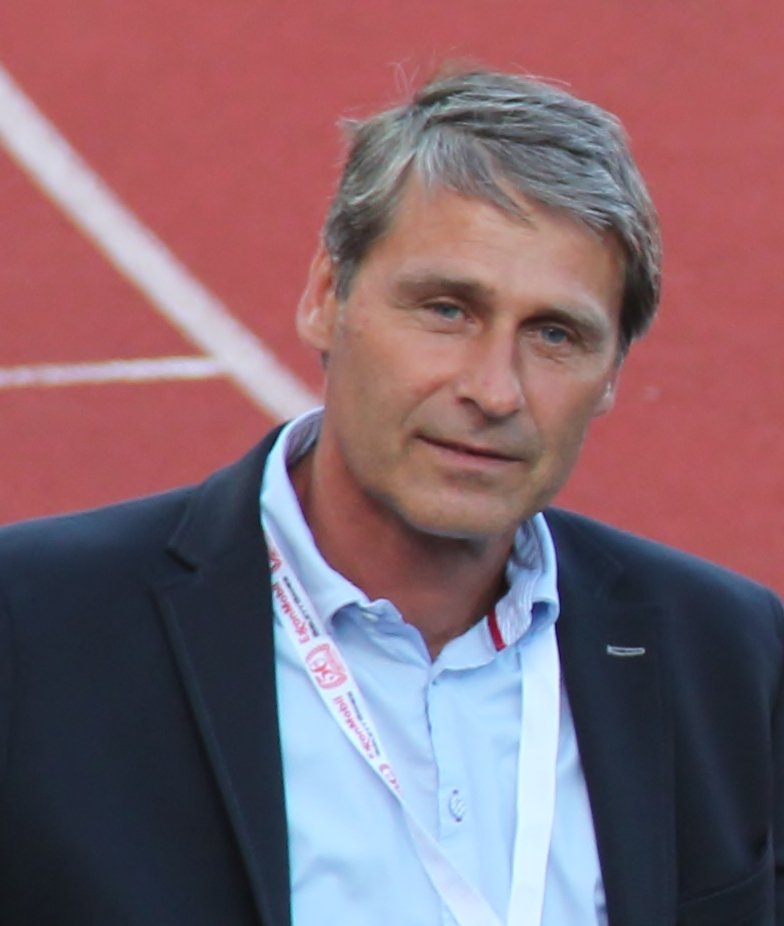
Železný was born in June 1966, making him 34 at the Sydney Games. His gold there came eight years after his first Olympic title. He also won European bronze in 2006, the year he turned 40. That timeline gives his career a dimension that a record-distance comparison misses: he remained successful across several stages of his competitive life.
It does not follow that every athlete should keep the same programme for eight years, or that persistence alone explains the results. The public achievements leave many details unreported. Treat them as evidence of what he achieved, while resisting the temptation to fill the gaps with a neat but unverified training formula.
For a practical review, divide your own season into three questions. What physical capacity are you developing? What movement or skill needs repeated practice? Which result will help you judge whether the work is useful? Write down an answer to each, so that progress in one area does not quietly stand in for progress everywhere.
For example, increasing a supporting exercise may be welcome without settling whether your main sporting skill has improved. Equally, more consistent execution may be valuable before it produces a new maximum. Keeping the questions separate lets you recognise those changes without overselling either one.
Železný’s legacy includes an enormous throw and a long sequence of championship results. The useful inspiration is the combination: exceptional capacity expressed through a demanding skill, repeatedly. You do not need a fictional version of his workout to learn from that. You need a clear goal, an honest comparison and practice that serves the performance you actually care about.