Advertising disclosure: This page includes affiliate links that may earn us a commission at no additional cost to you.
At 41, Mijaín López returned to Olympic wrestling after three years without an official match and walked away with a fifth consecutive gold medal. His 6–0 victory in Paris was the final result of a remarkably long competitive career, not proof of a secret exercise or a shortcut to strength. What can lifters learn from the difference between maintaining physical qualities and proving them on the biggest stage?
Five Olympic golds began with a loss
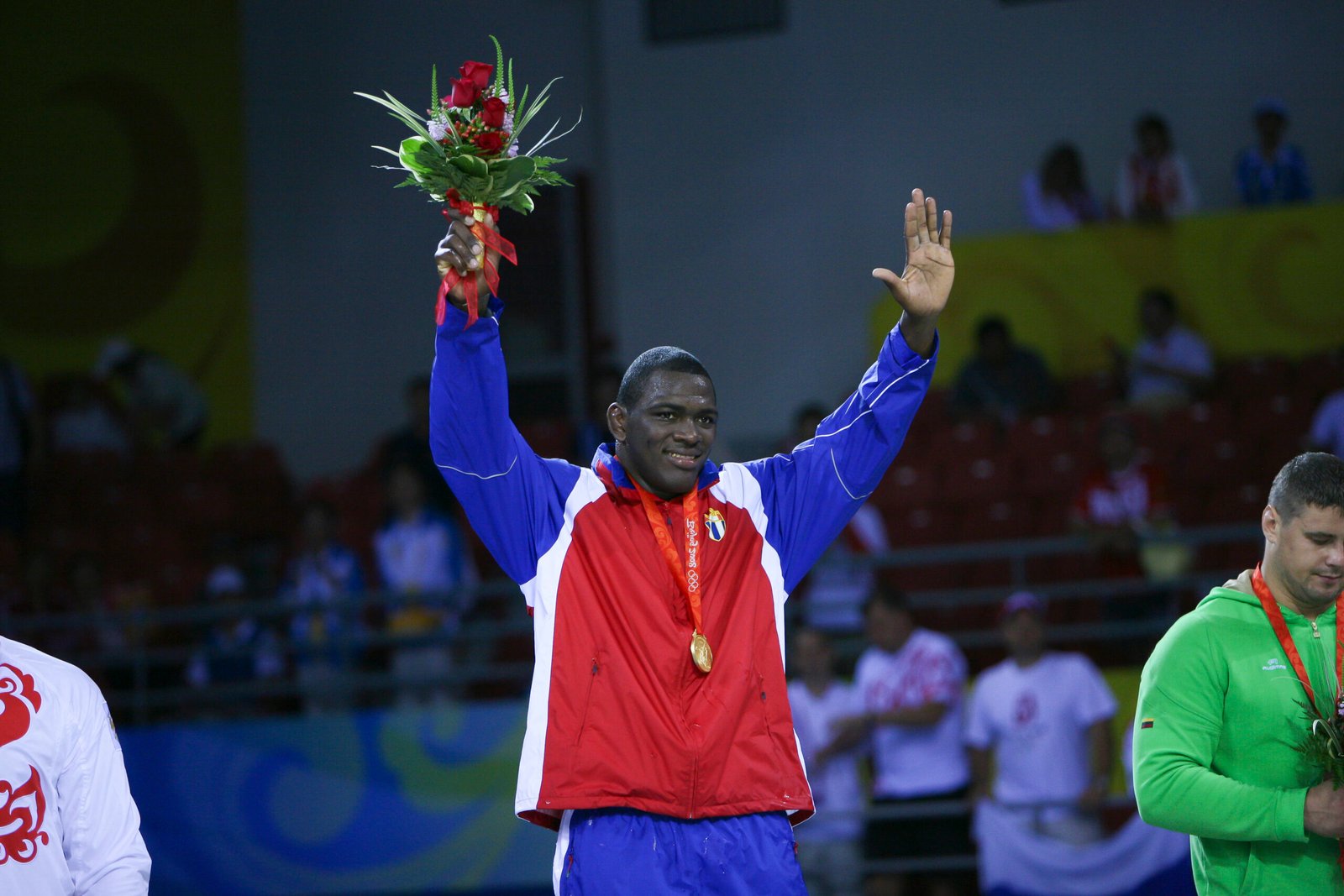
At the 2004 Athens Olympics, a young Cuban heavyweight finished fifth. Mijaín López did not need another sport or a different body to become a champion; he needed to improve at the one he had chosen. Four years later, he won his first Olympic gold in Beijing. London brought a second, Rio a third, Tokyo a fourth and Paris a fifth. He went from missing the podium to achieving something no other athlete had achieved in the same individual Olympic event: five consecutive victories.
That record spans sixteen years between his first and final titles, and twenty years from his Olympic debut. It also crossed a change in the heavyweight limit. His first two titles were in the 120 kg division; the final three were at 130 kg. Tokyo’s competition took place in 2021 despite retaining the 2020 Games name. Those details matter because longevity is not the same as winning the same tournament five times in five consecutive seasons. Each Olympic campaign required a new preparation period, a changing competitive field and a fresh result.
For strength athletes, the important part of his early career is that the first Olympic attempt was not the finished product. A fifth-place finish could have been interpreted as a ceiling. Instead, it was a competitive benchmark. López had also experienced a disappointing first senior World Championships in 2002. The career that followed demonstrates why a single measurement, even at a major event, cannot determine the limits of a developing athlete.
Strength has to survive contact
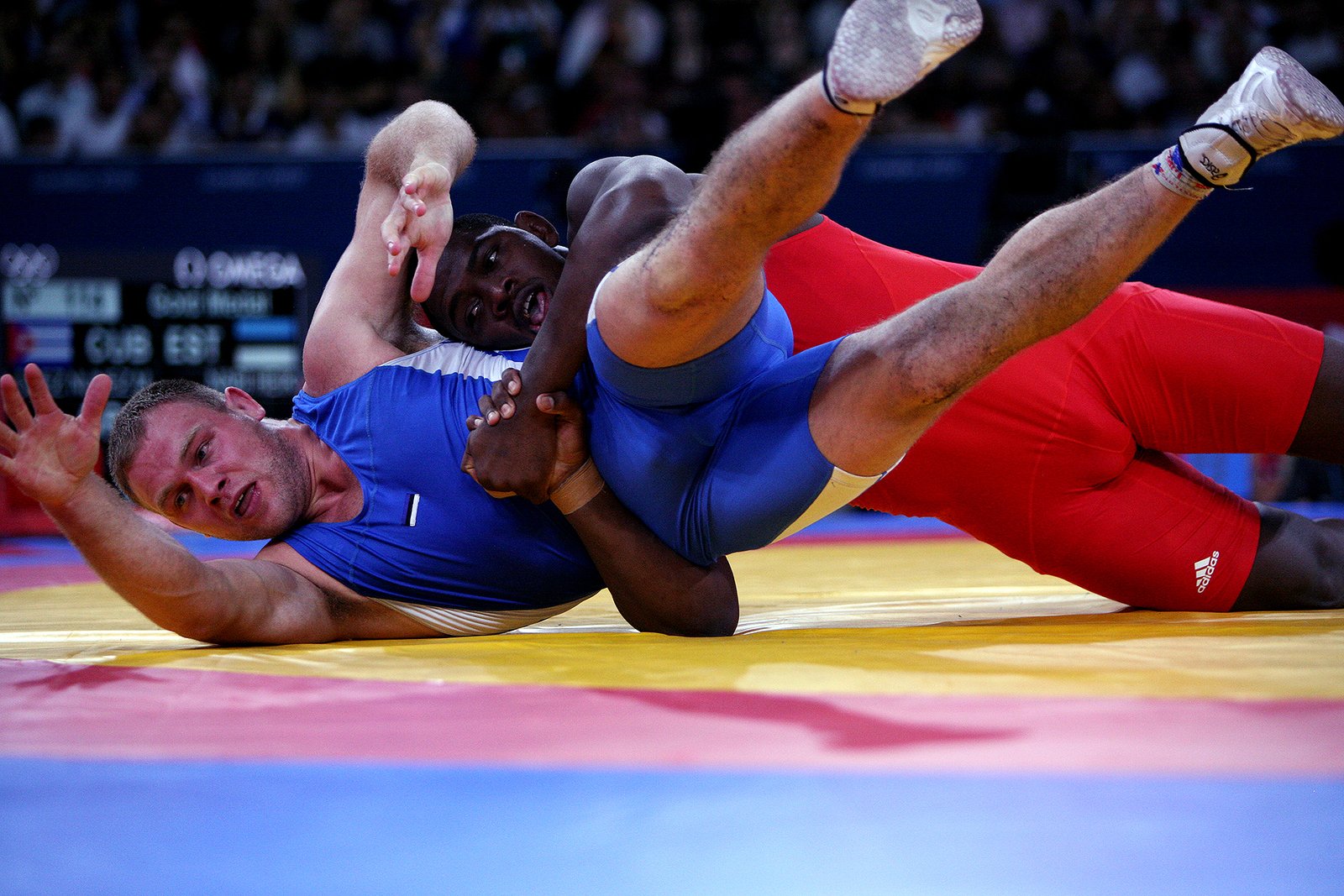
Greco-Roman wrestling prohibits attacking the opponent below the waist and using the legs to execute holds. That makes control through the upper body particularly important. However, the legs still generate force through the floor, the hips transmit it, and the trunk has to resist being displaced while an opponent actively fights for position. A wrestler who is strong only in a comfortable, rehearsed gym position has not yet solved the competitive problem.
The photographs from López’s London and Rio campaigns illustrate the distinction between possessing muscle and applying it. His matches involved pulling, maintaining contact and producing force while both athletes’ positions changed. An opponent is not a dumbbell: the load responds, shifts its weight and tries to prevent the movement. That is why a lift performed in a gym can develop a useful physical quality without becoming a complete substitute for sport practice.
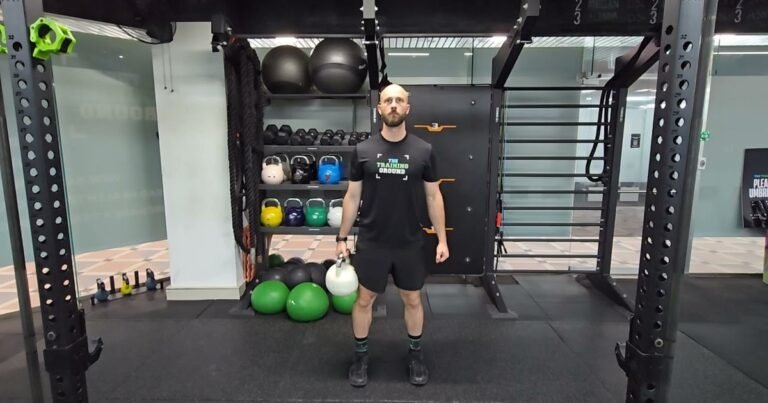
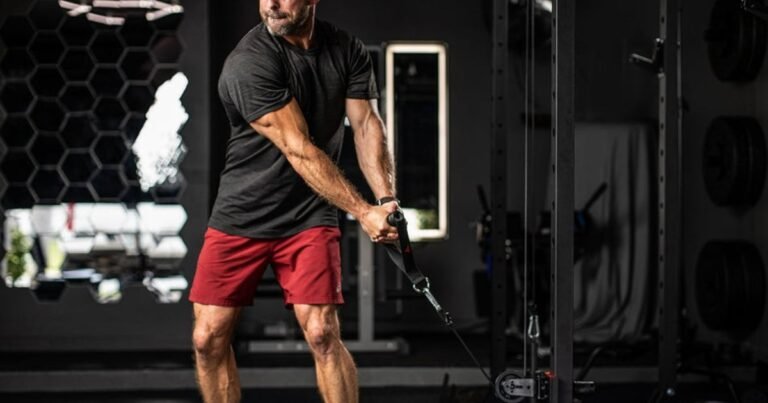
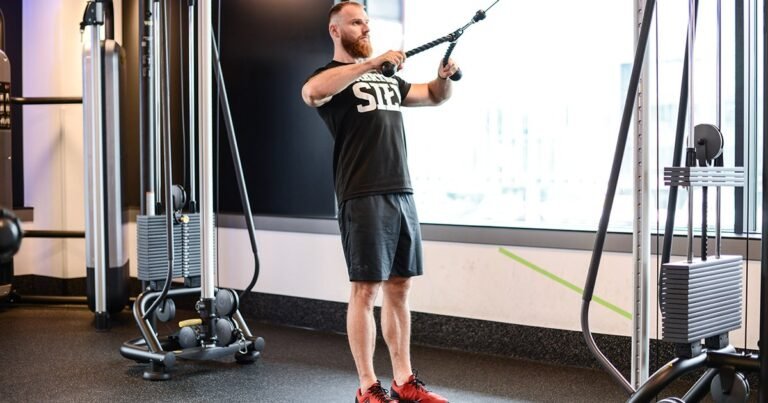
A strength program for a grappler can build a base with rows, squats, hinges, loaded carries and controlled pressing. These patterns cover several of the qualities needed to maintain posture and produce force. A coach can then use supervised wrestling drills to connect those qualities to specific positions. It is a mistake to assume that an exercise becomes more effective merely because it looks like a wrestling move. The gym task should have a clear training purpose, whether that is improving force production, increasing work capacity or making the athlete more robust.
The three-year gap was not three years off
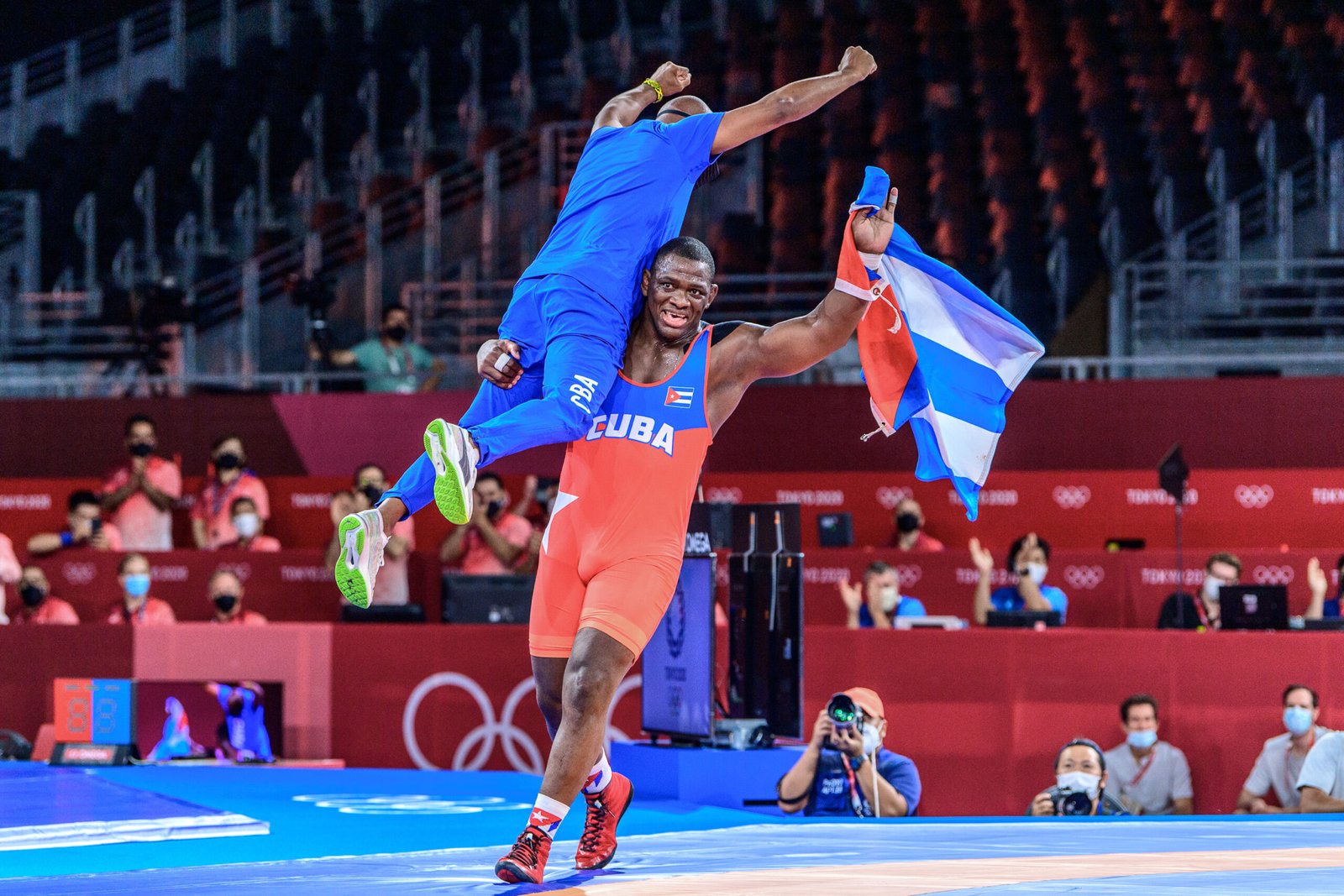
López won the Tokyo final 5–0 against Georgia’s Iakobi Kajaia at age 38. He did not enter another official competition before returning in Paris roughly three years later. That absence made his fifth campaign unusual, but the distinction between an absence from tournaments and an absence from training is essential. Before Paris he was preparing in Cuba, including time in Varadero and Havana. He was not returning from three years of inactivity.
Competitive calendars and training calendars serve different purposes. A tournament tests a collection of qualities at once: technical execution, decision-making, physical output and the ability to cope with the circumstances of competition. A training block can target one or several of those qualities without needing to reproduce the entire competition environment every week. For an experienced athlete, there may be benefits to reducing the number of competitive exposures while retaining purposeful training. López’s experience cannot establish that skipping tournaments is a superior approach for everyone, especially for less experienced competitors who still need match practice.
The ordinary lifter can take a narrower lesson from the distinction. Missing a personal record attempt is not the same as losing progress. There can be weeks in which the aim is to improve execution, reduce fatigue or rebuild a stable work capacity rather than prove maximum strength. A training log that records consistent performance at submaximal loads can show development even when no new lifetime best appears.
What the Paris tournament revealed about usable strength
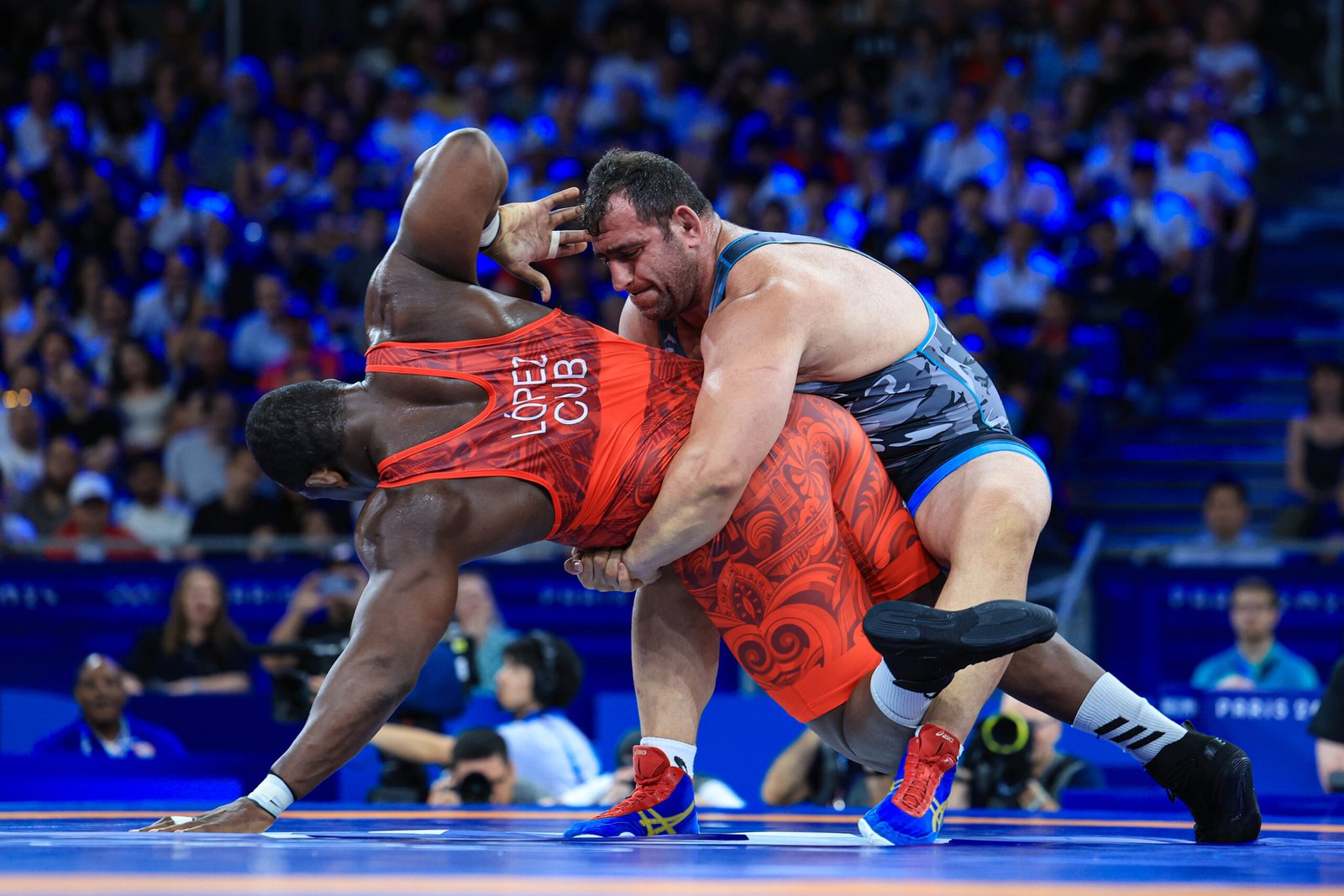
The Paris tournament required four victories. López reached the final after facing South Korea’s Lee Seung-chan, Iran’s Amin Mirzazadeh and Azerbaijan’s Sabah Saleh Shariati. In the semifinal, Shariati managed to lift López from the mat, but the Cuban resisted the attempted scoring action and recovered control. The episode is useful precisely because it was not a demonstration of effortless dominance. Even a wrestler of López’s caliber could be put in a difficult position. His ability to respond was part of the performance.
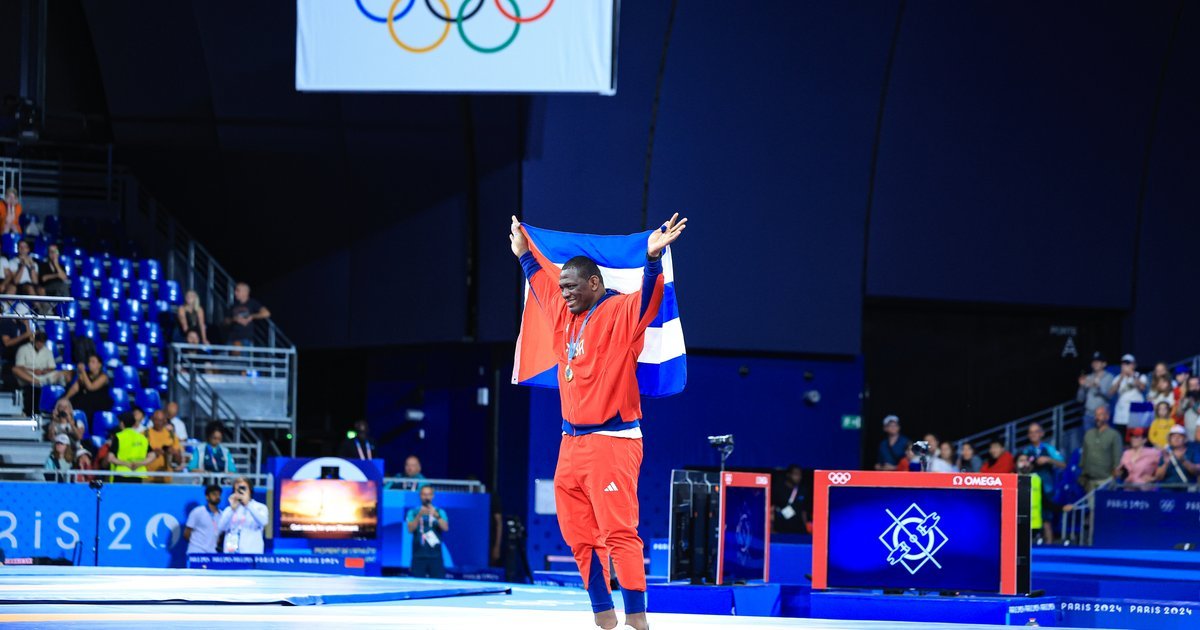
On August 6, 2024, López beat Yasmani Acosta of Chile 6–0 in the 130 kg final. Acosta had previously trained with López in Cuba and knew the demands of facing him. Winning against another elite heavyweight with that background required far more than a size advantage. It also required technical consistency under pressure.
For a gym athlete, usable strength includes the ability to repeat a quality effort when tired, control the lowering phase and maintain a sensible position under load. For example, a loaded carry is more informative when you record distance, weight and posture together than when you record weight alone. For a row, the load is only one part of the comparison; range of motion, control and consistency between repetitions matter too. Increases in load should not come at the cost of losing the intended stimulus. These are general training principles, not a reconstruction of López’s private strength sessions.

Equipment Worth Exploring
Explore equipment, accessories and gear from our carefully selected range.


Cast Iron Kettlebells
Textured cast-iron kettlebells for swings, squats, carries, and full-body training.

Rubber Hex Dumbbells
Rubber-coated hex dumbbell pairs with a stable shape for home and commercial strength training.

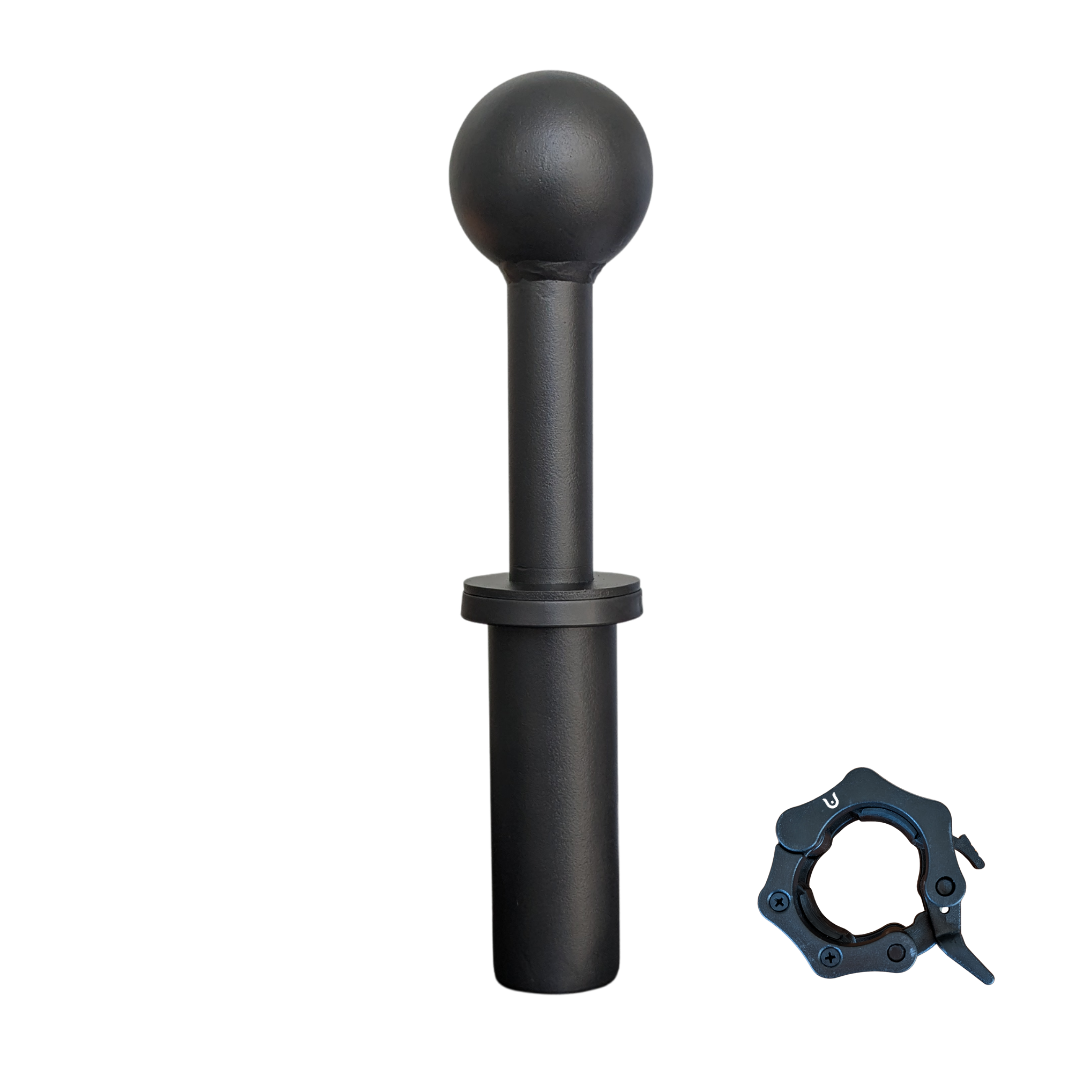
T-Bar Row Attachment
Welded barbell attachment that connects a D-handle bar for landmine and T-bar rows.


Power Tower
Freestanding pull-up and dip station with adjustable handles for bodyweight training.


How to train for a career rather than a single peak
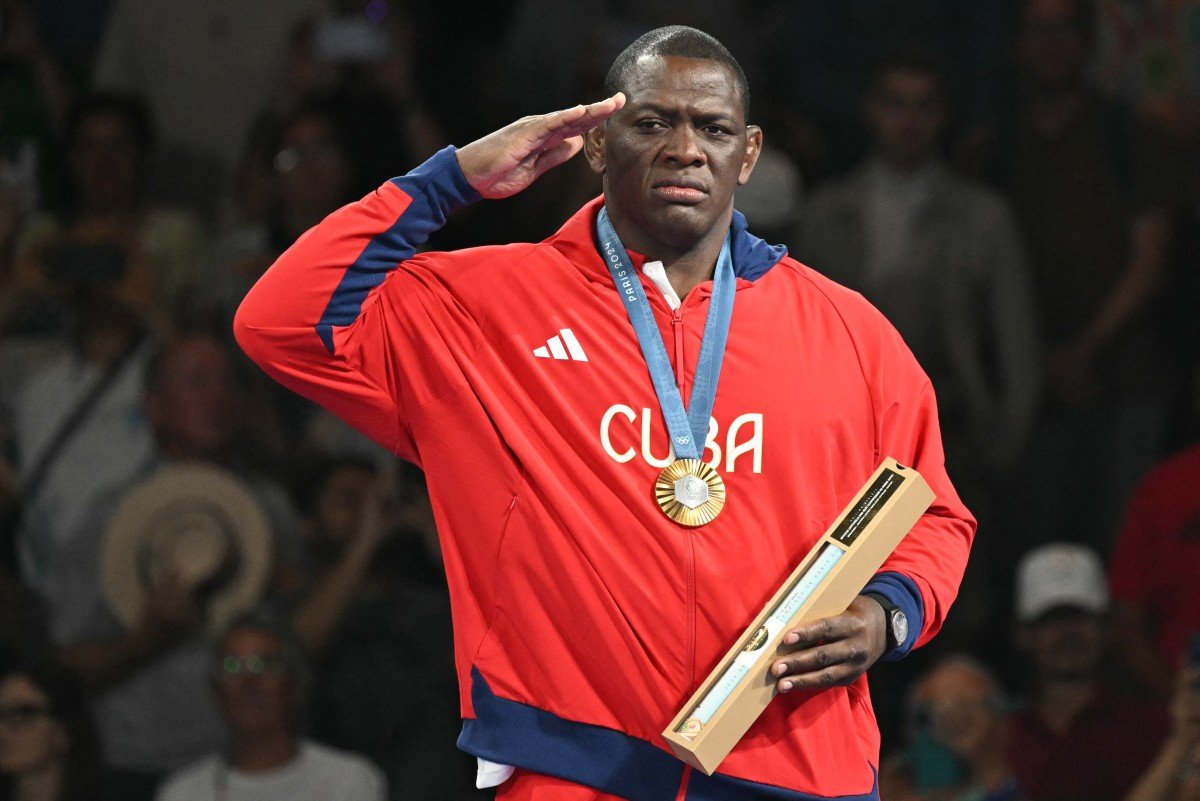
After winning in Paris, López took off his wrestling shoes and left them on the mat, marking the end of his competitive career at age 41. The moment put an unusual full stop on a record that had taken decades to build. It is tempting to turn that achievement into a simplistic rule about training harder than everyone else, but his results do not reveal his precise daily workload, medical history, nutrition plan or recovery schedule. There is no credible reason to invent those details.
A practical approach to long-term strength starts with a few repeatable measurements. Choose a pulling exercise, a lower-body strength movement and a carry or other appropriate conditioning task. Keep the exercises stable long enough to compare them meaningfully. Record loads, repetitions, distance where relevant and a rough estimate of effort. If technique deteriorates or fatigue accumulates, adjust the program rather than treating every session as a test of character.
For someone who also wrestles, two or three manageable strength sessions can be a starting point, adjusted with a coach around mat practice and individual recovery. Someone who only lifts can use the same idea of repeatable training without attempting to copy a heavyweight wrestler’s preparation. Conditioning should support the main goal; it should not leave the athlete so exhausted that the next important session suffers. Recovery days are a planned part of the process, not a failure to commit.
López’s fifth title is extraordinary because it came after so many opportunities for the competitive environment, the athlete’s circumstances and the demands of preparation to change. The transferable lesson is not that every lifter should chase Olympic longevity. It is to develop strength that remains useful beyond the day it was measured, and to judge progress across enough time to see whether a training approach is truly sustainable.