Advertising disclosure: This page includes affiliate links that may earn us a commission at no additional cost to you.
Javier Sotomayor’s 2.45-metre high jump is one of the clearest examples of the difference between being strong and knowing exactly when to use that strength. The Cuban athlete raised the outdoor world record three times between 1988 and 1993. But his own assessment of his technique is perhaps more interesting than the final number: he believed that explosive power, running speed and mental preparation helped him make up for imperfections in the way he cleared the bar. For a lifter who wants to become more athletic, that distinction is worth exploring.
Three world records, not one lucky jump
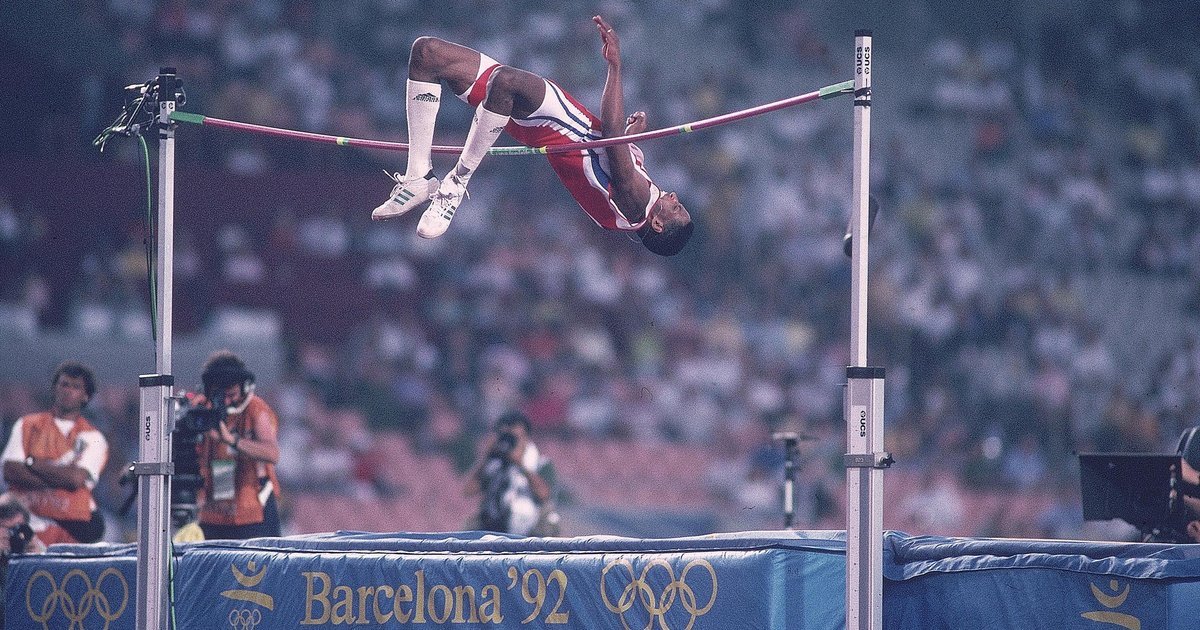
Sotomayor first moved the outdoor record to 2.43 metres in Salamanca on September 8, 1988. On July 29, 1989, he added a centimetre in San Juan, Puerto Rico, becoming the first high jumper to clear eight feet. Returning to Salamanca on July 27, 1993, he took the record to 2.45 metres. Each improvement was tiny in absolute terms, but the margins mattered because he was already operating at an extraordinary level.
A centimetre is easy to dismiss when talking about ordinary exercise. In high jump, however, the athlete has to lift his body over an obstacle without knocking it down. The measurement reflects successful clearance, not simply the height reached by his hips or his head. That means a record can depend on the timing of a limb as well as on how much upward velocity the athlete creates at take-off.
His earlier progress also makes it clear that the 1993 jump was not a sudden breakthrough from an unknown athlete. It extended a mark he already owned. The lesson for an ordinary trainee is not that progress must always be linear. It is that small improvements become more valuable as performance gets closer to an individual’s ceiling. Instead of expecting another dramatic increase in a jump test after every training block, look for a higher average of good attempts, fewer obvious mistakes and the occasional genuine personal best.
Why strength and speed mattered more than a perfect silhouette
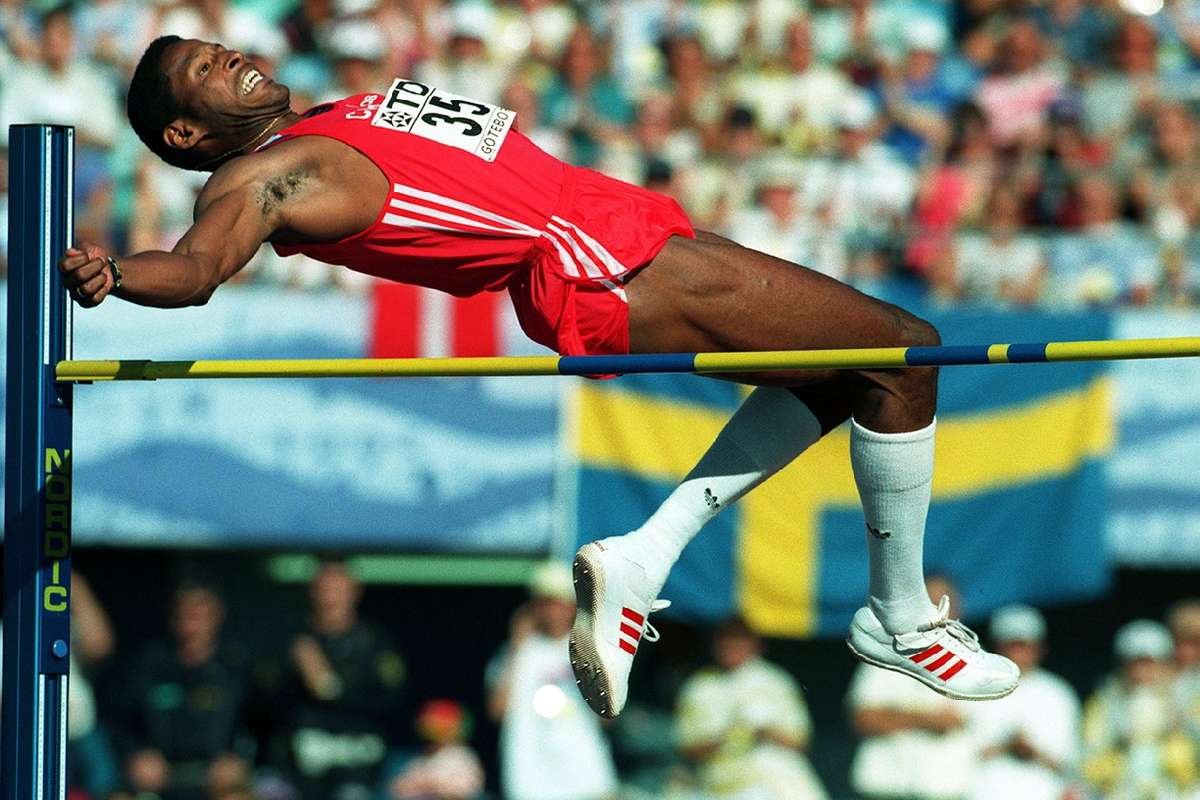
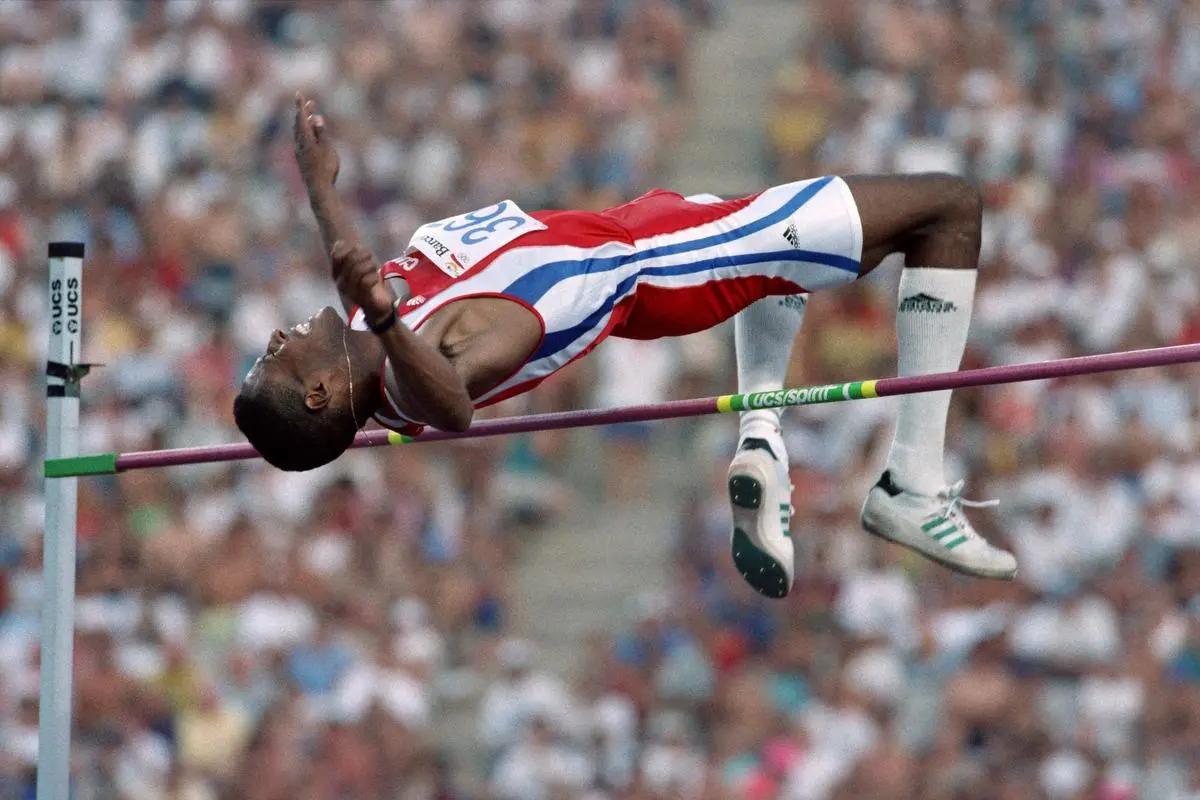
In a 2024 career retrospective, Sotomayor explained that he considered speed, explosive force and psychological readiness to be among his strongest qualities. He also described aspects of his bar clearance as imperfect. That is a revealing distinction from someone whose name is synonymous with the high jump: even the best result ever achieved in an event does not mean every component of the performance was individually optimal.
The common high-jump technique requires the athlete to leave the ground from one foot and rotate so that the back faces the bar. The body then moves through a sequence in which the head, shoulders, hips and legs clear in turn. Once the foot leaves the ground, the athlete cannot generate another push against it. Positioning the body can help avoid the bar, but it does not magically add upward impulse.
That puts considerable importance on what happens before flight. A stronger athlete may be better able to tolerate and produce force during the brief contact with the track, but strength measured in a slow lift does not guarantee that the force will be delivered at the right time. The athlete must also redirect the momentum of the run-up rather than simply continue travelling horizontally.
This is why it makes sense to develop strength and athletic technique in parallel. Squats, split squats and hip hinges are ways to build force capacity; controlled jumping teaches a different skill. For someone already strong, the best use of another hour in the gym may not be another heavy set. It may be a carefully coached session devoted to transferring existing strength into faster movements.
The run-up is a skill in its own right
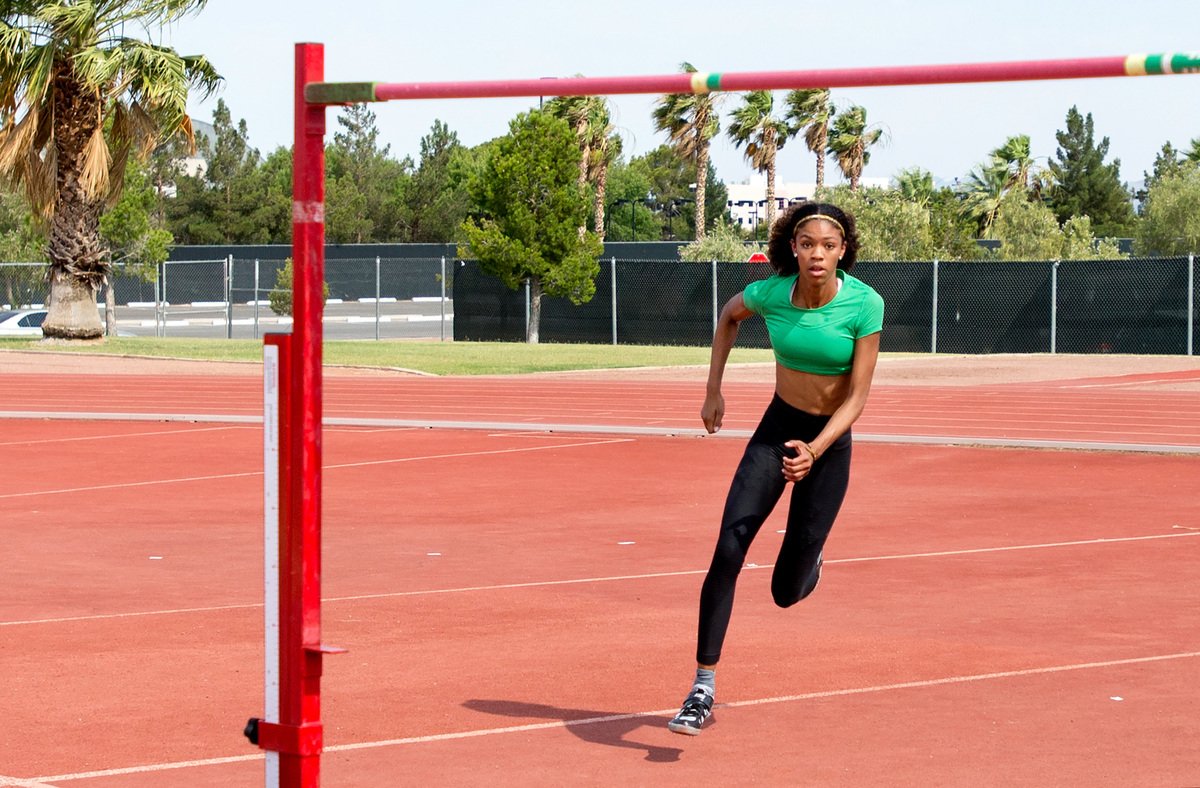
A high jumper usually approaches the bar along a path that starts relatively straight and finishes on a curve. The curve helps set up the body orientation needed for the jump. The objective is not simply to reach the highest possible running speed. It is to reach a speed that the jumper can control and convert into a repeatable take-off position.
Imagine two attempts with exactly the same athlete. In one, the jumper arrives too close to the bar, with a hurried last step and an awkward angle. In the other, the final foot lands where intended and the body is prepared to rise and turn. A stronger pair of legs would be useful in either case, but a consistent run-up makes those legs much easier to use productively. More aggressive acceleration does not solve an approach that repeatedly puts the jumper in the wrong place.
Biomechanical analysis of high jumping has also highlighted how the free leg, arms and trunk contribute to the mechanics of the supporting leg. These are coordinated actions, not isolated muscle contractions. A coach can use simple video to compare final steps, foot placement and body alignment across attempts, rather than trying to assign every miss to a particular weak muscle.
General fitness trainees can take a modest version of this idea into their own practice. Mark a starting point for a short approach jump, use the same surface and footwear, and compare several good attempts rather than changing the run-up every time. Train for control before speed. Anyone actually learning to clear a high-jump bar should work with a qualified coach and a properly equipped landing area.
A record and a medal are different tests
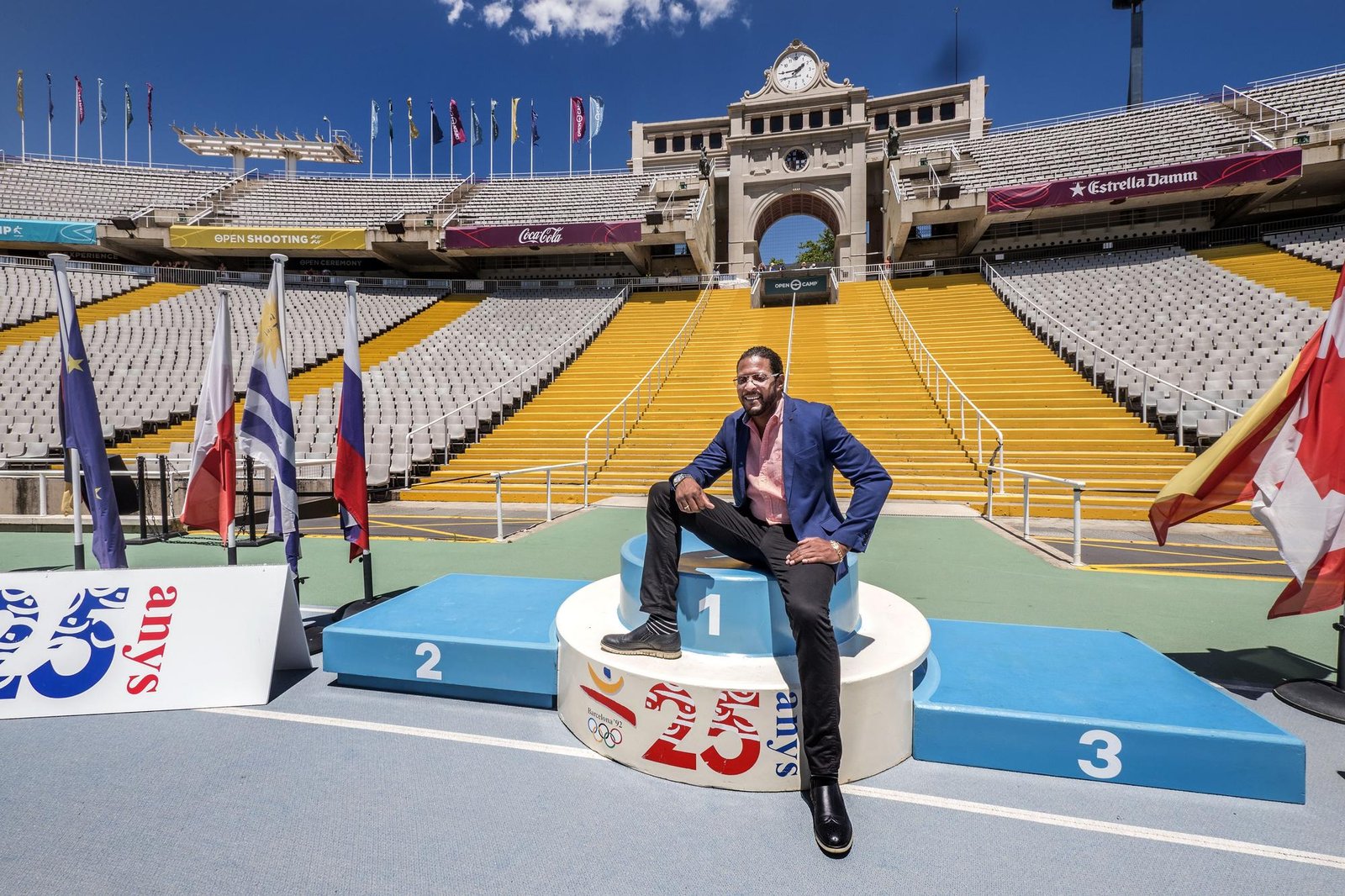
At Barcelona in 1992, Sotomayor won Olympic gold with a clearance of 2.34 metres. The exact winning height is important: the Olympic champion is the athlete who performs best under the competition rules on that day, not necessarily the athlete who produces the greatest personal best. Countback determines rankings when athletes finish at the same height. A record-level performance is not required to win every championship.
He remembered the 1993 season as one in which he felt especially well prepared. He had already cleared 2.40 metres in London shortly before the record in Salamanca. Weather disrupted the London competition, a reminder that high-level jumping depends partly on the conditions in which an athlete has to perform. That does not diminish the record. It highlights the value of creating several opportunities to perform rather than assuming the perfect attempt can be scheduled on demand.
For a lifter, a comparable distinction exists between a reliable working weight and a personal best on a particularly good day. The number you can reproduce after a normal warm-up may tell you more about the success of your routine than one maximal effort under ideal conditions. Plan testing when reasonably rested, but do not turn every ordinary training session into a test.
Sotomayor’s competitive history also included a silver medal in Sydney in 2000. His career should not be reduced to a single clip from Salamanca, or treated as evidence that a particular gym routine produces a champion. The recorded competitive achievements are facts; explanations of how to apply general strength principles to other athletes are separate editorial lessons.
Building a stronger spring without copying an elite program
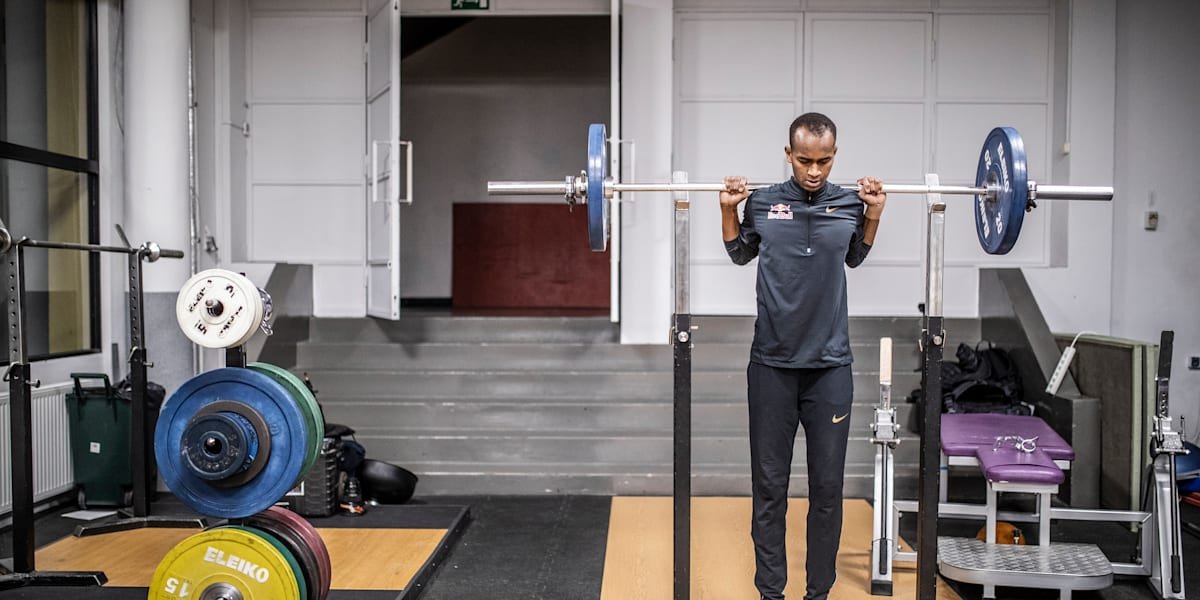
The practical takeaway for a recreational athlete is to identify what currently limits a movement rather than assuming that all athletic problems are strength problems. Someone who struggles to produce force against moderate resistance may benefit from building a base with squats and hip hinges. Someone who is already strong but moves slowly may benefit from a carefully programmed dose of faster, unloaded work.
One conservative starting structure is a pair of lower-body sessions per week, spaced apart. Begin the first with three sets of three controlled vertical jumps, resting enough to keep each effort sharp. Follow with a squat variation for three sets of five to eight and a hip hinge for two or three sets of six to ten. A second session could include low-volume skipping or controlled hops, split squats and calf raises. This is a general example for healthy, appropriately prepared adults, not Sotomayor’s verified training plan.
Use a comfortable landing surface and start with low jump volumes. Stop the explosive work when the quality of landings or jump height deteriorates markedly. An athlete with Achilles, knee or other lower-limb symptoms should obtain individualized guidance rather than adding impact because a training plan looks appealing on paper. Heavy strength sets do not need to reach failure to be useful, particularly when jumping performance is also a priority.
Track the two qualities separately: note the load and repetitions in the gym and the repeatable height or distance of a simple jump test. If gym strength rises while jump performance falls, investigate fatigue, technique, body mass and the organization of the week before adding even more training. If jump quality improves without a dramatic change in squat strength, that is still meaningful progress. Sotomayor’s greatest achievement illustrates the point beautifully: the scoreboard rewards the movement that actually happens, not the impressive physical qualities that never make it onto the track.

Equipment Worth Exploring
Explore equipment, accessories and gear from our carefully selected range.
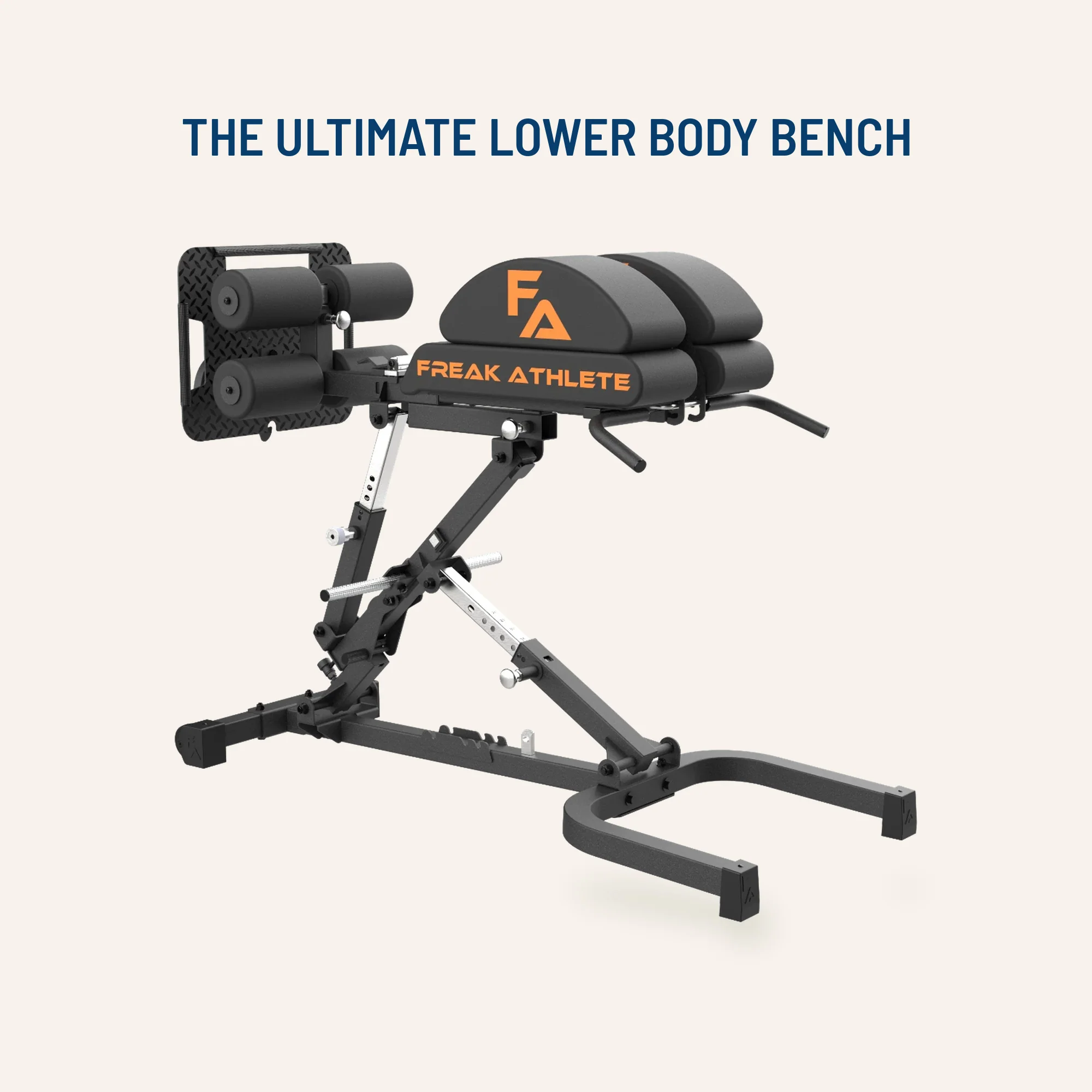

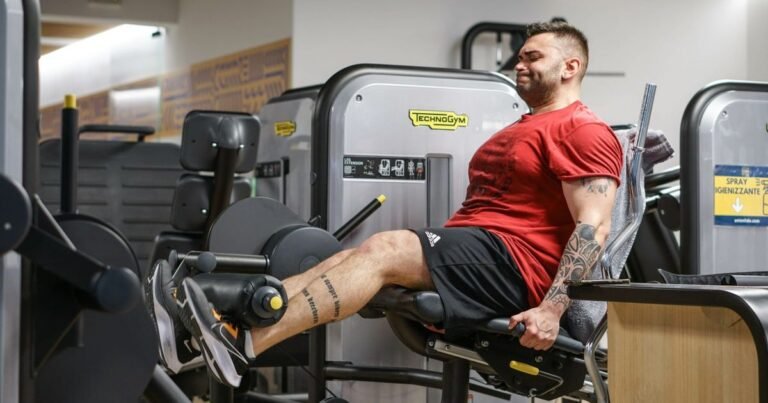
45° Hyperextension HPX-650
Angled back-extension trainer with split padding, a ribbed footplate and resistance-band pegs.


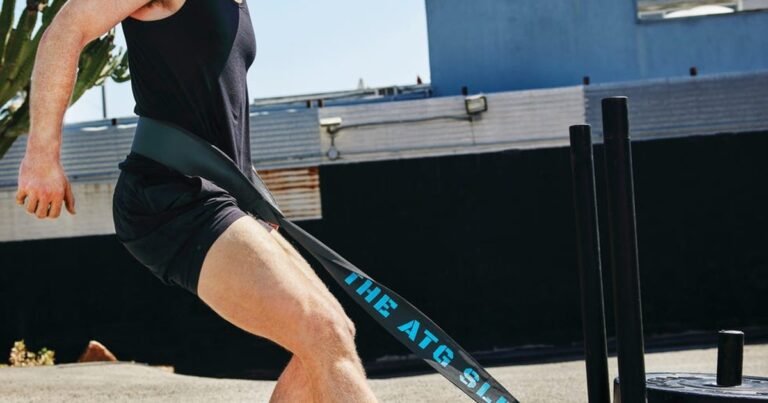
Pro Sled System
Heavy-duty push-pull training sled for loaded conditioning, speed, and strength work.