Advertising disclosure: This page includes affiliate links that may earn us a commission at no additional cost to you.
A chest-supported row can take an awkward turn when the bench presses into your ribs or leaves your face crowded against the pad. The AbMat Chest Up Pad is a small wedge intended to change that contact point. It is worth considering if your existing bench works well otherwise, but the purchase decision starts with fit. A comfortable-looking photo cannot tell you whether the straps will close around your bench or whether the new position will suit your reach.
Understand what the wedge changes
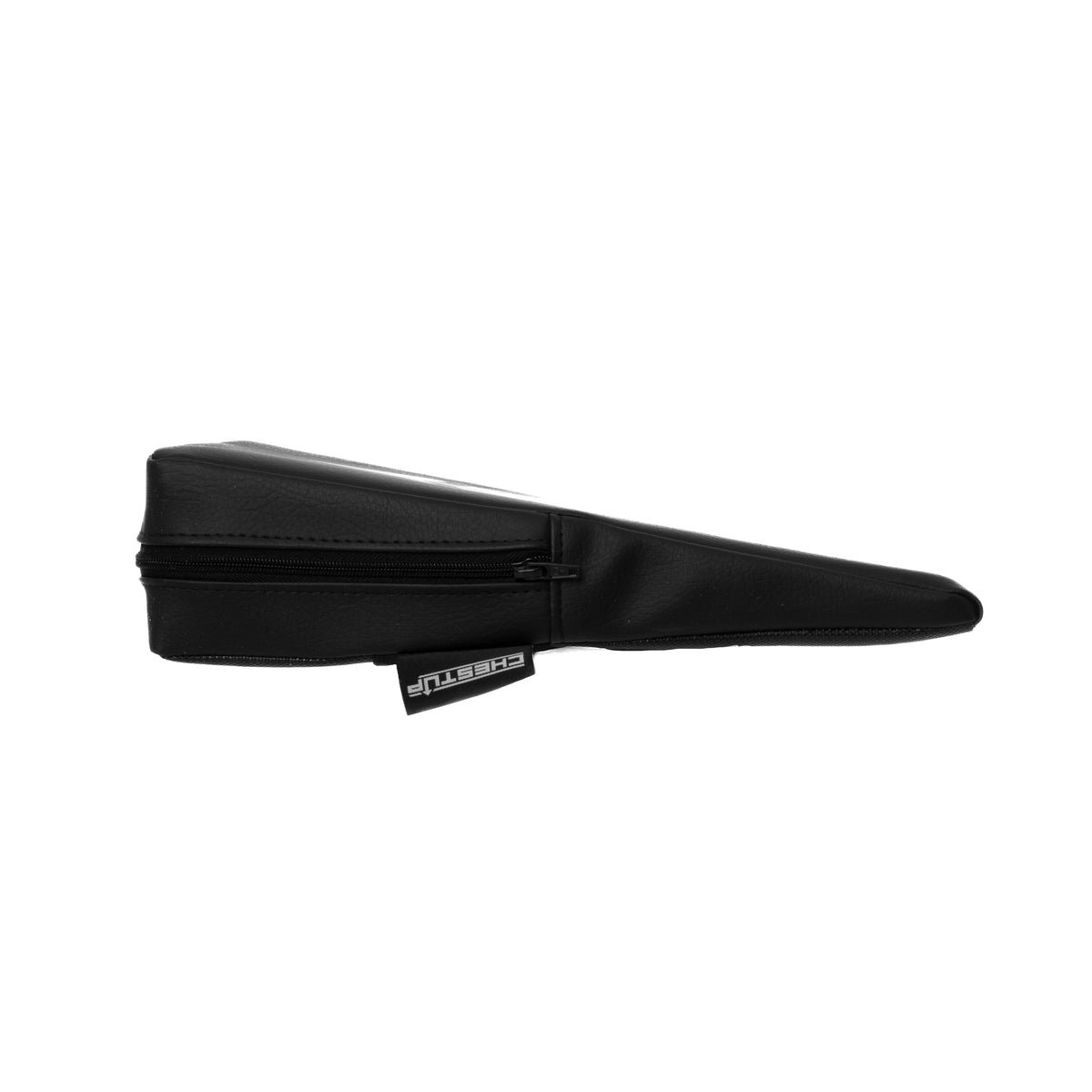
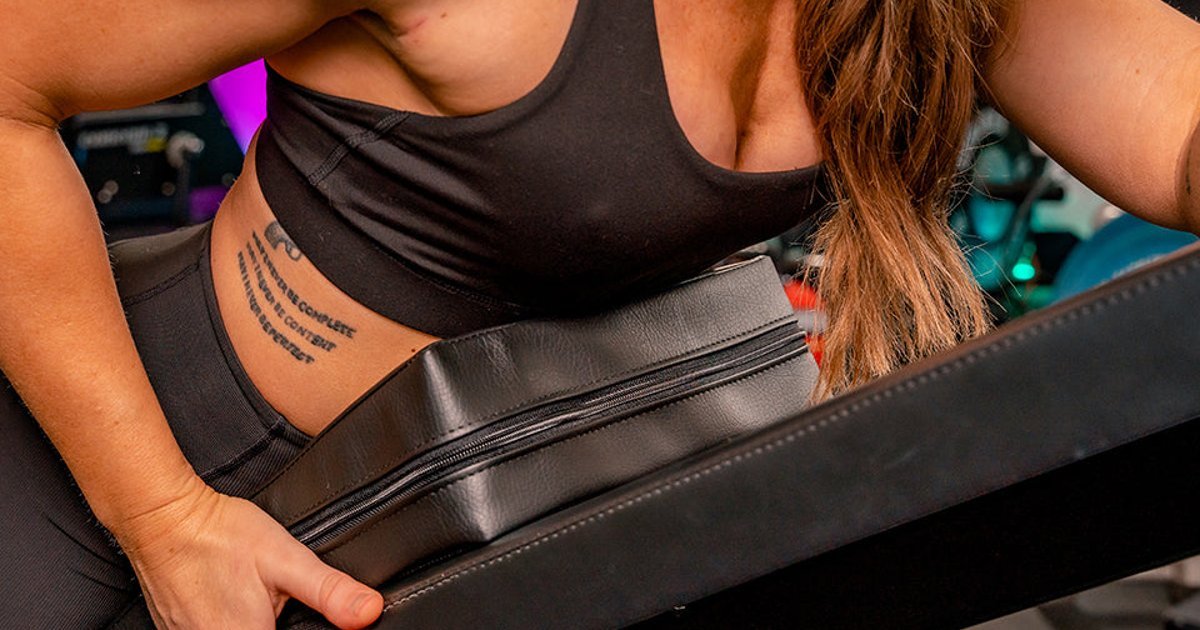
The Chest Up Pad uses layered foam inside a black vinyl cover, with a grippy underside and hook-and-loop attachment straps. Its listed dimensions are 14.25 by 11 by 3.75 inches, and its stated weight is 0.8 lb. Those measurements describe the accessory, not a promise that it fits every bench.
Its purpose is to raise the torso away from the original bench surface during supported movements. That gives you a different support shape rather than a new resistance mechanism. You still need a suitable bench, weights and an exercise position you can control. It does not turn an unstable bench into a stable one or remove the need to set up your feet.
Think of the problem you want to solve in precise terms. Is the bench pressing into one area? Is your chin too close to the upper edge? Are you abandoning otherwise useful rows because the contact feels awkward? A wedge is more relevant to those questions than to a vague wish for a harder back workout. If your present setup already feels comfortable, an extra layer may offer little.
Keep expectations specific. A change in contact can make a position easier to tolerate, but it does not establish greater muscle growth or a stronger row. Those outcomes depend on the training you can actually perform over time. Judge the accessory first by whether it improves the setup you use, rather than by how dramatically it changes the appearance of your bench.
Check the strap route before ordering
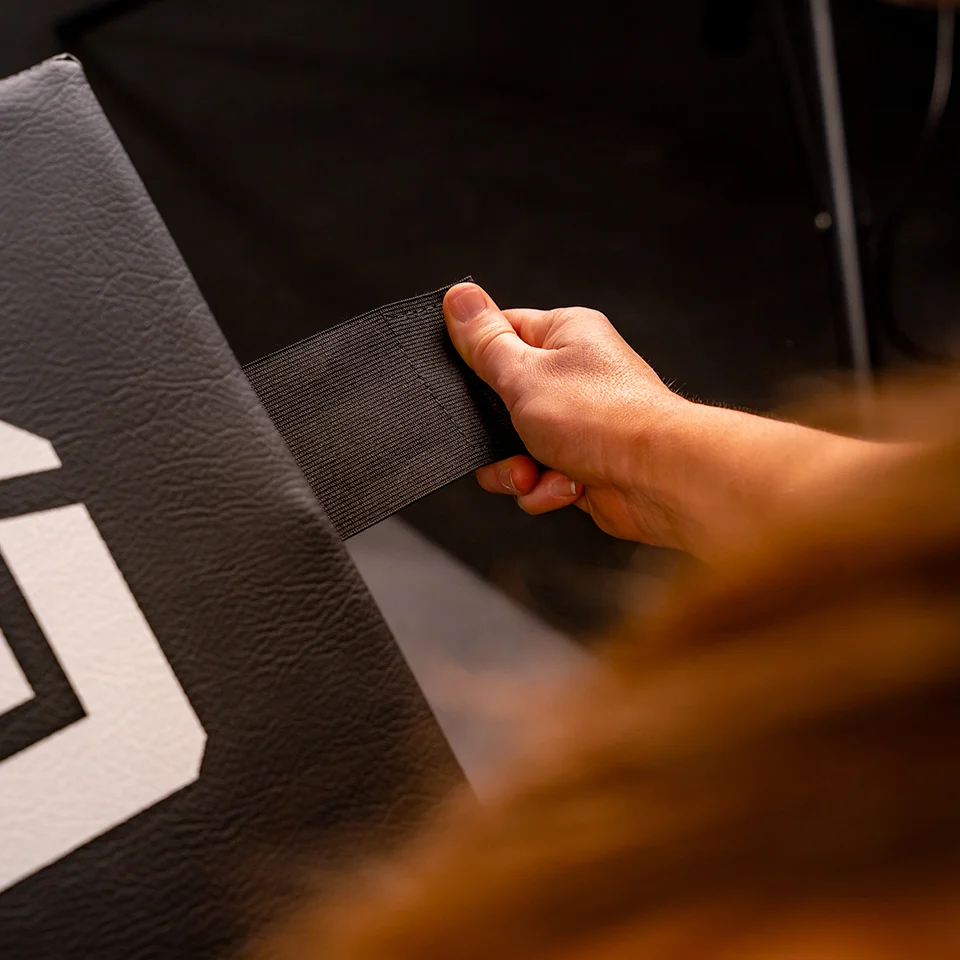
Compatibility is not universal. Bench width, pad thickness and the shape of the underside can all affect attachment. A broad back pad is only part of the picture: the straps also need a usable route around it. Brackets, adjustment hardware and the frame can occupy space that a top-down product photograph does not reveal.
Measure your own bench where you intend to place the wedge. Note its width and thickness, then look underneath that exact location. Take clear photographs of the top, side and underside. If the fit is uncertain, send those details and the bench model to the seller before buying. Do not substitute a guessed strap length for a measurement the product listing does not supply.
Consider adjustment as well as the initial position. A route that seems clear at one incline setting may sit differently after the backrest moves. Keep straps away from hinges and locking mechanisms. The bench must still adjust and lock as intended; the accessory should not become part of the bench’s structural support.
For a shared gym, a removable pad also needs to be practical between exercises. Can you attach it without dismantling anything, inspect the fastening, and remove it when another person needs the bench? If every change becomes a lengthy workaround, the accessory may be a poor match even when it can technically be attached.
Our chest-supported dumbbell row setup guide covers the underlying bench and elbow-position decisions. Establish that usable starting position before asking an accessory to improve it.
Place it for support, then test without heavy weights
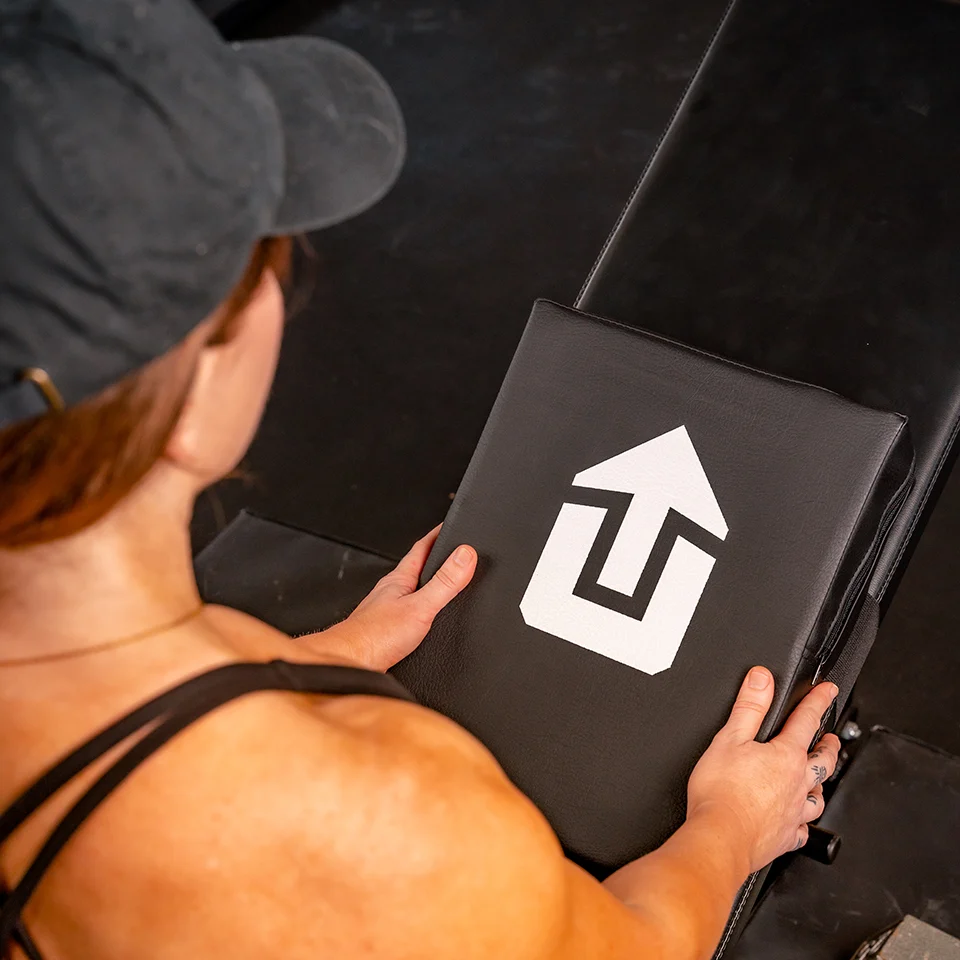
Follow the product’s fitting instructions on a compatible bench. Begin without dumbbells so you can concentrate on the contact points and fastening. The useful result is a supported torso with enough room for your head and arms, rather than a position you must hold together by tensing your neck or continually shuffling down the bench.
Check that the pad remains in place as you settle onto it and move your arms through the intended path. A grippy surface and straps are features to assess, not reasons to skip that check. If the accessory shifts, the fastening cannot be secured properly, or the bench itself moves, stop and resolve the setup before adding load.
Expect the raised contact point to change your reach. The dumbbells may now sit farther away at the start, and your feet may meet the floor differently. Test getting into position, performing a few light repetitions and putting the weights down. Completing only the middle of the exercise is not enough; the start and finish also need to work.
Make one change at a time. Keep the bench setting the same while finding a useful pad position, then reassess the whole arrangement if you alter the incline. This makes it easier to identify what helped. Changing the angle, pad placement, dumbbells and stance together leaves you with little useful information if the result feels worse.
A short setup note can save repeated trial and error: bench setting, approximate pad position, foot placement and the weights used. That is a practical reference for your next session, rather than a universal prescription for someone with different proportions.

Equipment Worth Exploring
Explore equipment, accessories and gear from our carefully selected range.


FID Bench MAX
Adjustable bench offering flat, incline, and decline positions + adjustable headrest.


Multi Bench MBX-650 2.0
Adjustable multi-bench with roller adjustment, 15 backrest positions and accessory mounts.


Rubber Hex Dumbbells
Rubber-coated hex dumbbell pairs with a stable shape for home and commercial strength training.

Leather Lifting Straps
Padded leather straps support grip during heavy rows, deadlifts and pulling exercises.

Linear Row LRX-750
Dual-sided rowing machine for supported rows, bent-over rows and varied pulling movements.
Keep the row controlled after changing the contact point
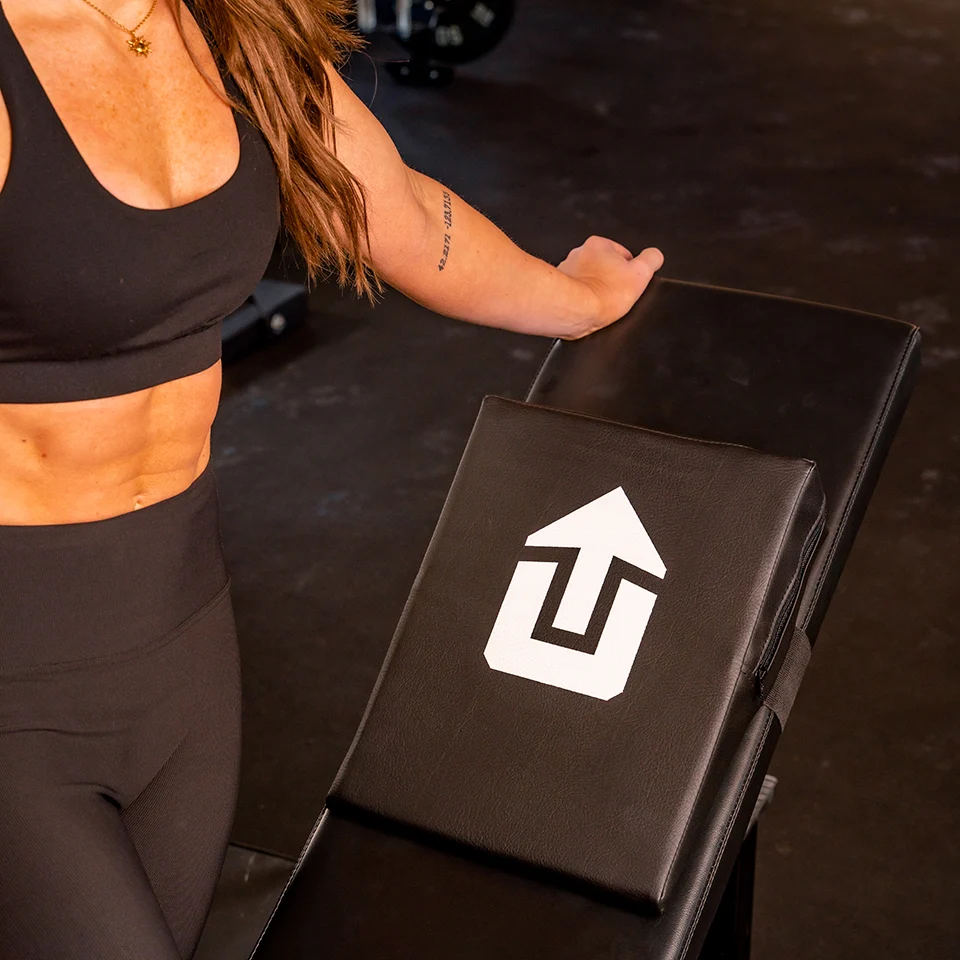
Start with a load that lets you establish a steady supported position. Let the arms reach down under control, row without throwing the dumbbells upward, and lower them deliberately. The pad is there to support the exercise; bouncing the torso against it to finish a repetition changes the task.
Use a bench angle and arm path suited to the movement you are training. Exercise demonstrations commonly use an incline bench, but a single numbered angle cannot account for every bench, arm length and body shape. Keep your head clear of the edge and your feet in a dependable position. Recheck those details after adding the wedge rather than copying your previous setup automatically.
Separate a row from an exercise intended mainly to move the shoulder blades. Our guide to Kelso shrugs and shoulder-blade movement explains that distinction. A support pad does not make those exercises interchangeable, and more visible movement is not necessarily better execution of the movement you chose.
For an initial comparison, use familiar light weights and a small number of controlled sets. Record whether the contact is more comfortable, whether the pad stays secure and whether you can repeat the same range. Add load only after those basics are dependable. This is a practical testing approach, not a claim that the product comes with a particular training program.
If the position remains uncomfortable, choose another row arrangement rather than forcing a longer set. A supported machine, cable row or another suitable variation may fit you better. Equipment options in this article are alternatives for back training; their inclusion does not certify that this pad fits any particular bench or machine.

Bodybuilding Shirts & Workout Gear
Bodybuilding shirts, tanks and gym gear for lifters chasing muscle, size, symmetry and the pump.

Gym Dost Thou Even Pull Medieval Knight Back Day Crewne T-Shirt
Show some gym-day personality with “Dost Thou Even Pull Medieval Knight Back”.

Back Sabbath Back Day Funny Gym Hoodie
Bring “Back Sabbath Back Day” gym humor to lazy days and post-workout plans.

Shirt Pull Day – Back & Biceps Meme Top T-Shirt
Heavy lifts, good laughs, and a little “Pull Day Graphic” energy.


Demon Back Big Back & Lat Workouts Vest Tank Top
Your gym-day look, with a playful “Demon Back” twist.

Lat Man Big Back – Decal With Huge Lats – Meme Back Sticker
Bring “Lat Man Big Back” attitude to your water bottle or laptop.

Big Back SpongeBob Sweater Back Day & T-Shirt
Bring “Big Back” humor to your everyday gym style.


Back Panther – Big Back & Gymbros – Meme Shirt T-Shirt
Show some superhero attitude with a playful “Back Panther” tee.

Buy it for a recurring problem you can clearly identify
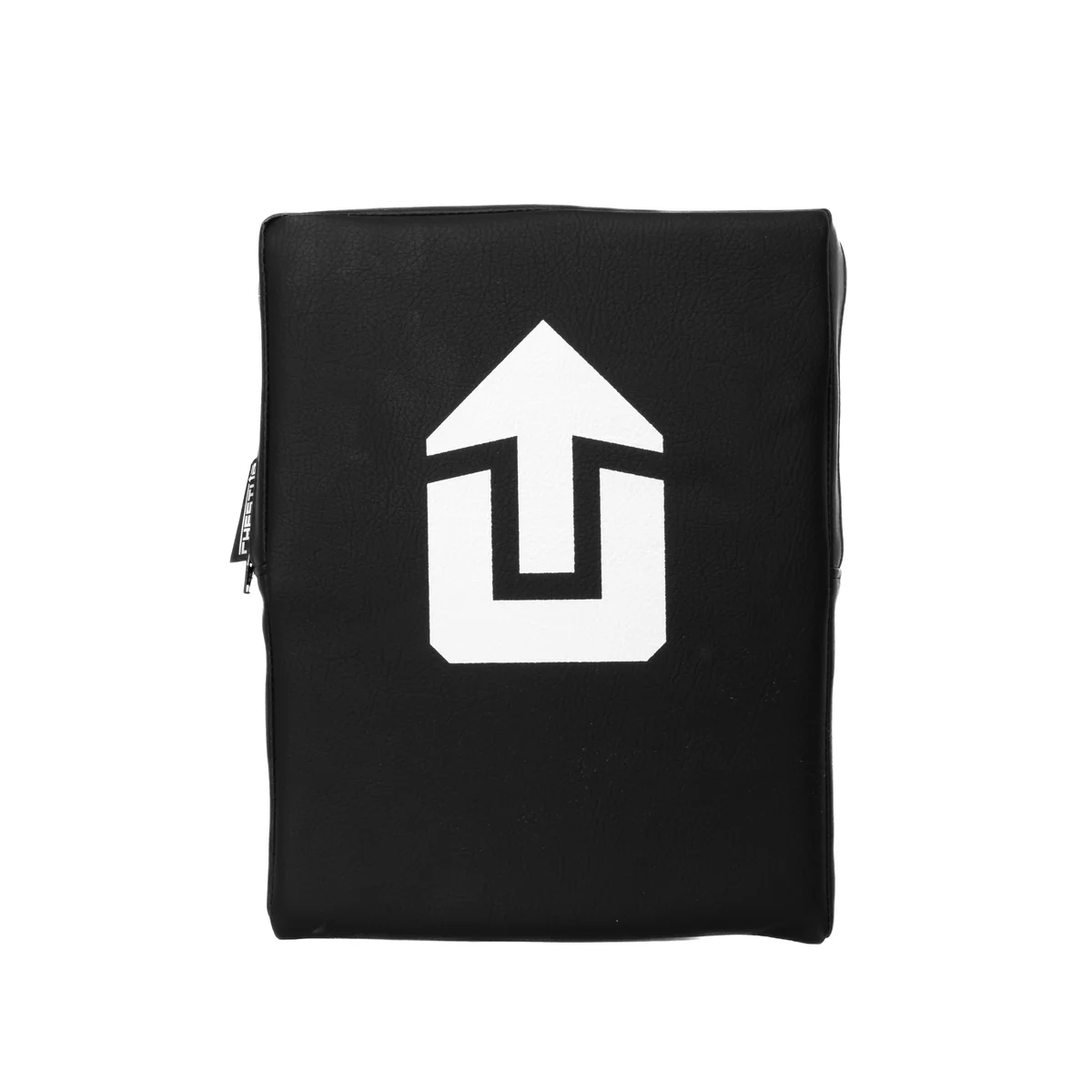
The strongest case for the Chest Up Pad is a recurring contact problem on a bench you otherwise want to keep using. It is a compact accessory that can travel between suitable setups, rather than a replacement for the bench itself. That makes fit confirmation more useful than a long list of possible exercises.
Before ordering, check the current delivered cost, return conditions and compatibility information for your location. A small item can still be an inconvenient purchase if it cannot be attached securely or must be shipped back internationally. Keep the packaging until you have checked the setup within the seller’s stated return conditions.
After use, follow the supplied care instructions and inspect the cover, seams and straps. Store it where it will not be crushed beneath heavy equipment. Reassess fastening when you move it to another bench; a successful fit on one does not answer the question for the next.
You do not need to collect every bench accessory to build a useful back session. Buy this one if you can explain the problem, confirm a sensible attachment and test whether the changed support helps. If you cannot identify that benefit, continuing with a comfortable existing setup is a reasonable decision.