Preparing for a trail race can feel impossible when your regular route is a city bridge, pavement loop or treadmill. Yet endurance, climbing capacity, strength and race-day decision-making can all be developed without living beside mountains. The distinction is between fitness you can simulate and technical skills that require time on uneven ground.
Whether your goal is a first trail 10K or a longer event, start with the course rather than a random weekly mileage target. Build enough aerobic capacity, climbing tolerance, leg durability and fueling practice to arrive healthy and prepared.
1. Read the race course before choosing workouts
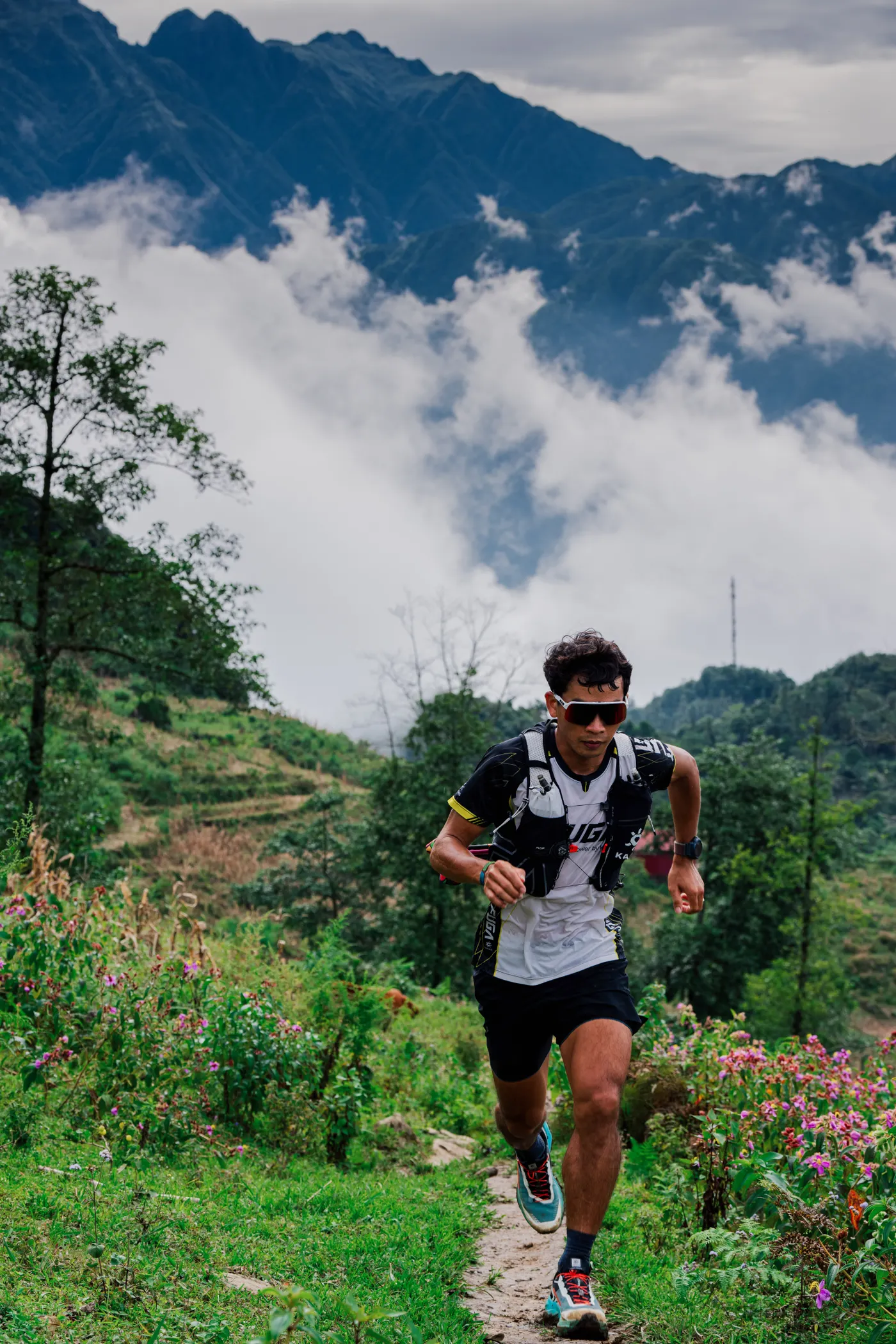
Two races of the same distance can be radically different. A smooth 20-kilometer route with modest hills is not the same challenge as a rocky course with repeated steep climbs. Study total elevation gain and loss, the steepest sustained climbs, terrain descriptions, expected weather, aid-station spacing and cut-off times. A sawtooth elevation profile means frequent changes in effort, not one steady climb.
For a first event, a relatively nontechnical course is a sensible way to learn pacing, navigation and hydration before adding difficult descents. For mountainous races, estimate total time moving instead of projecting road-race pace. Hiking uphill is normal and often more efficient than running every step. Technical trails can make a familiar distance take much longer, so prepare for duration as well as kilometers.
Make a simple course profile with three demands: endurance for total duration, climbing for accumulated vertical gain, and control for descents. This gives each session a purpose and prevents treating flat speed as the only sign of readiness. If the course includes very steep descents, prioritize controlled downhill practice, not simply another interval workout.
2. Build the aerobic engine on ordinary city routes
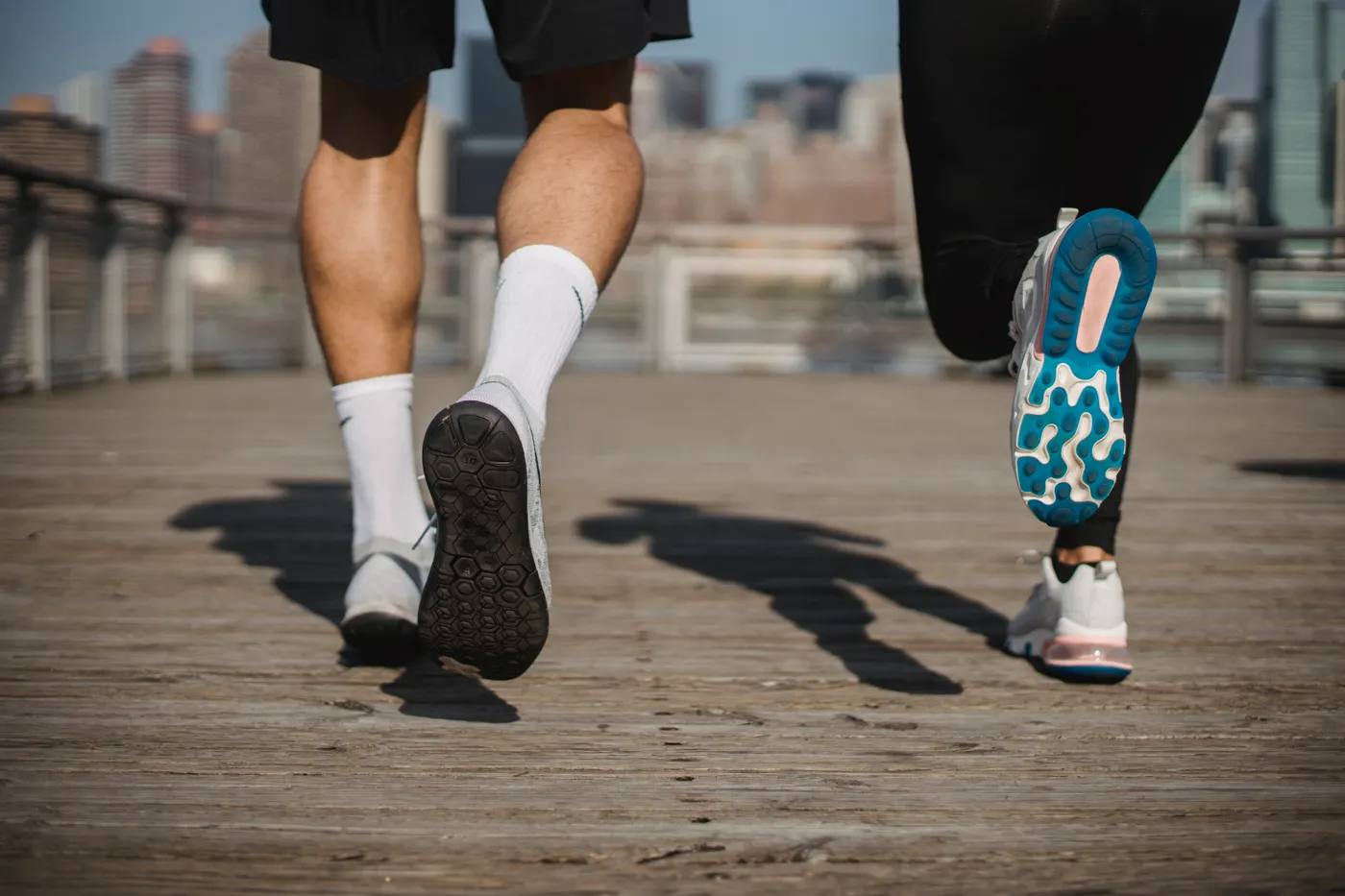
Most of your running can happen on roads, sidewalks, parks and safe shared paths. Easy running develops the aerobic foundation that lets you keep moving for hours; it does not become useless because the surface is smooth. Choose an effort at which you can speak in sentences, then gradually extend one weekly outing while keeping other sessions manageable. An easy 60-minute run that grows into a comfortable 90-minute outing can be more valuable than constantly testing your fastest 5K.
Think about consistency over several weeks rather than obeying a fixed mileage-growth rule. Increase training when sleep, soreness, motivation and recent workload suggest you are adapting. New runners may need walk-run intervals and shorter sessions. Experienced runners can handle more volume but still benefit from occasional easier weeks. A workable structure might include two or three easy runs, one terrain-specific workout and one longer outing, scaled to the athlete’s current baseline.
Urban routes can add variety. A bridge offers a steady incline, a park path introduces corners and changing surfaces, and traffic-free stairs can provide short climbing intervals. Avoid turning intersections into speed drills or dodging pedestrians at race effort. Route creativity should make sessions safer and more specific, not reckless.
Judge the long run by how evenly you manage effort, how comfortably you drink and eat while moving, and how you feel the next day. These signals matter more than a single pace statistic. If long runs leave you exhausted for several days, reduce workload before adding intensity.

Equipment Worth Exploring
Explore equipment, accessories and gear from our carefully selected range.


Powerbeats Fit
Secure-fit wireless workout earbuds with active noise cancellation and a charging case.

Apple Watch Ultra 3
Rugged 49 mm smartwatch with cellular connectivity, GPS and fitness tracking.

GymPin Starting Blocks
Portable high-density foam blocks for adjusting machine starting positions and range of motion.


3. Simulate climbing with bridges, stairs and treadmill incline
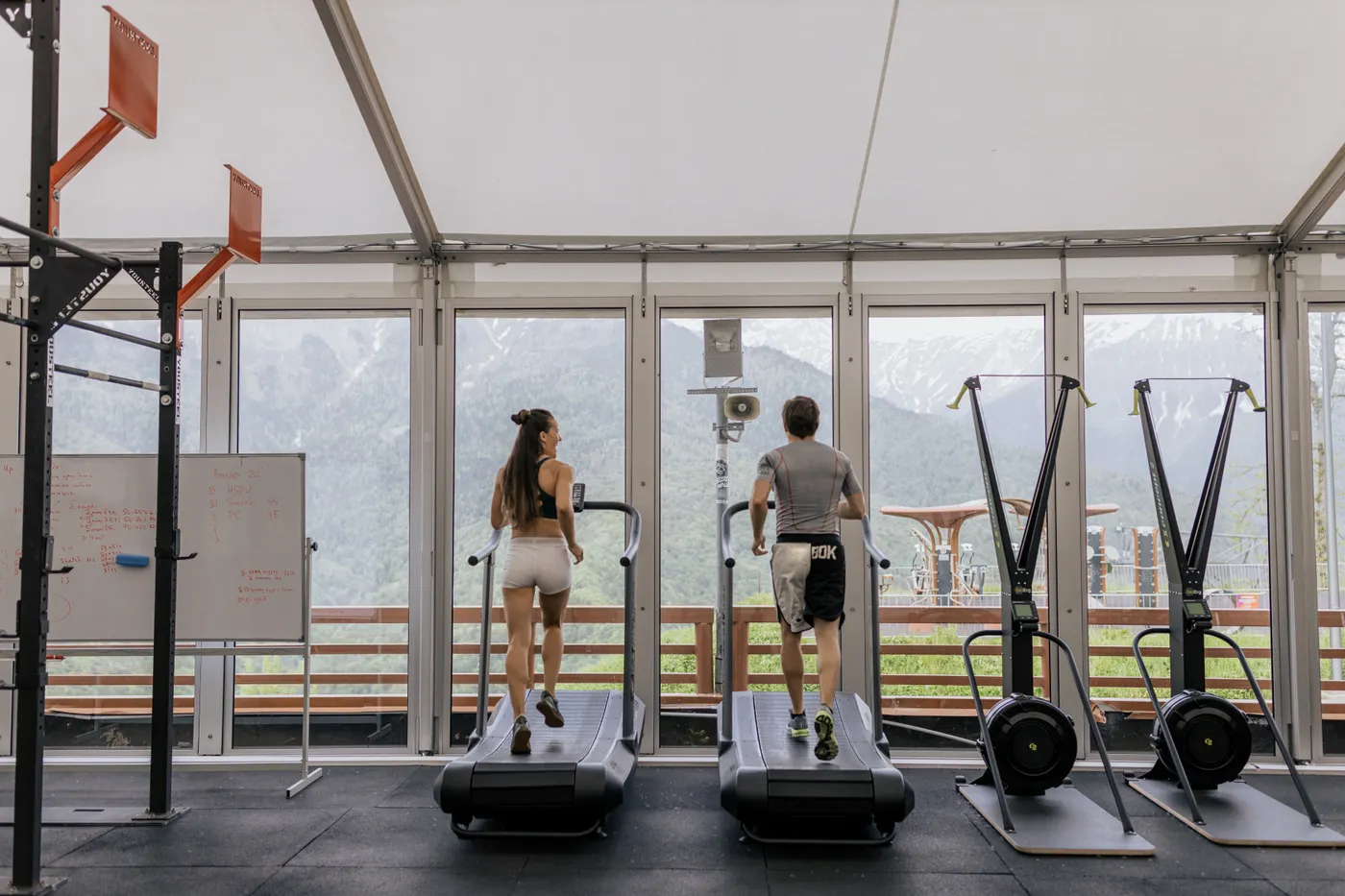
Climbing changes both breathing demand and muscle work. When natural hills are scarce, use a bridge, safe public stairs or a treadmill incline. Each serves a different purpose: bridges offer repeatable grades, stairs build climbing rhythm, and treadmills let you control duration and incline. None perfectly substitutes for a rocky mountain path, but together they cover much of the uphill fitness challenge.
Begin with one climbing workout per week. After an easy warm-up, try four to six repeats of two minutes at a controlled uphill effort, with walking or easy jogging between repeats. Progress by adding a little time or another repetition, not by increasing grade, speed and duration simultaneously. For longer trail events, a steady 15- to 30-minute incline walk may be more relevant than maximal sprints. Set treadmill speed low enough to move naturally without gripping handrails.
Uphill work is not the same as downhill work. Treadmill incline can improve climbing fitness but does not reproduce the braking demands of a rocky descent. If you can access a real hill occasionally, practice controlled descents. If not, use step-downs and other gradual eccentric leg exercises to develop tolerance while recognizing that foot-placement skill still needs practice.
Steep grades also change the best gait. Power hiking with short, purposeful steps can conserve energy compared with trying to run every incline. Practice switching between running and hiking so the transition feels deliberate on race day. A repeatable incline session is useful; it does not have to look dramatic to work.

Cardio Shirts & Workout Gear
Cardio and conditioning gym gear for runners, endurance athletes and anyone who earns the sweat.

Running Dost Thou Even Trot Medieval Treadmill Pullover Hoodie
Show off your medieval humor in a laid-back “Running” hoodie.

Cardio Heartbeat for Runners, Cyclists and Endurance Fa Tank Top
Bring “Cardio Heartbeat” humor to your next lifting session.

Cardio Speed Flash Pullover Hooded for Treadmill Runnin Hoodie
Stay casual and show some cardio attitude with “Cardio Speed Flash”.

Track Panther – Shirt & Running & Fans – Black T-Shirt
Rep “Track Panther” humor in and out of the gym.

Triathlon – Iron Man Medieval Knight Swim Bike Run Pull Hoodie
Show off your medieval humor in a laid-back “Triathlon” hoodie.

Shirt: Does Running Out Of F*Cks Count As Cardio? & T-Shirt
Heavy lifts, good laughs, and a little “: Does Running Out Of F*cks Count As” energy.

Cardio Is Calling Decline Vest Meme Tank Top
Show some personality between sets with “Cardio Is Calling”.

Negative Cardio Review 1 Star Sweater Cardio Sucks T-Shirt
Show some gym-day personality with “Negative Cardio Review”.


Dost Thou Even Pedal Tee
Make gym days more fun with “Dost Thou Even Pedal Medieval Air Bike” style.
4. Strength-train for climbs, descents and uneven landings
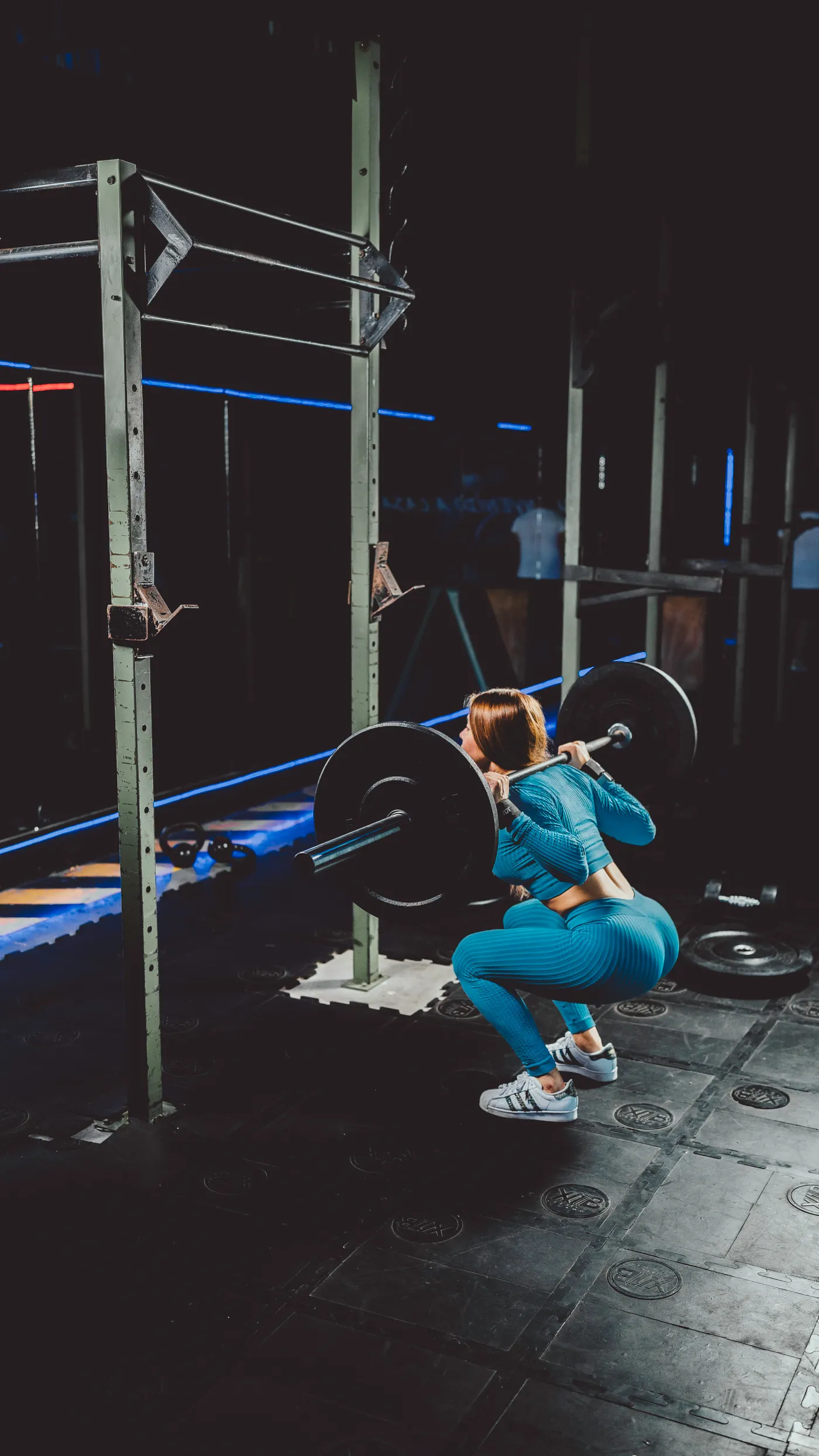
Running endurance does not automatically guarantee strength to control a tired leg on an uneven descent. Two modest resistance sessions a week can complement running, especially when emphasizing single-leg control, hip extension, calf capacity and trunk stability. Useful movements include step-ups, split squats, Romanian deadlifts, calf raises and controlled step-downs. These are tools for developing capacity, not guarantees against ankle sprains or knee pain.
A practical session could include two or three sets of six to ten controlled step-ups per leg, two or three sets of a squat or split-squat variation, and a few sets of calf raises. Add a hip-hinge movement on the second day and finish with single-leg balance or lateral stepping. Start with loads that leave a couple of clean repetitions in reserve. Trail preparation is not the time to introduce a crushing leg-day routine that ruins your next long run.
Descending creates eccentric demands on the quadriceps as they help absorb each landing. Slow step-downs from a low platform are one way to practice controlled lowering. Progress step height only after you can maintain hip and knee alignment without rushing. Low-level hops may help trained runners prepare for varied ground contact, but they are optional and should be introduced cautiously if impact work is unfamiliar.
Place harder leg training near easier running days or sufficiently far from key hill and long-run sessions. A little consistent strength work is more useful than occasional all-out workouts followed by heavy soreness. If strength training reduces the quality of your most important runs, reduce its volume before removing it entirely.
5. Practice foot placement and choose shoes for the terrain
There is a limit to how much a treadmill teaches about rocks, roots, mud and uneven footing. Technical trail running is a skill: looking ahead, choosing a line, adapting stride length and staying relaxed when ground changes. If possible, schedule occasional visits to a safe trail, wooded park or uneven path. Even short sessions can reveal whether you need more confidence on gravel, wet roots or narrow turns.
On unfamiliar ground, shorten your stride slightly and scan several steps ahead instead of staring directly at your shoes. Slow down before an obstacle rather than making a desperate last-second jump. On descents, aim for quick, controlled contacts and avoid leaning far backward, which can make braking harsher. When the surface is genuinely slippery or exposed, walking is sensible. There is no bonus for taking unnecessary risks in training.
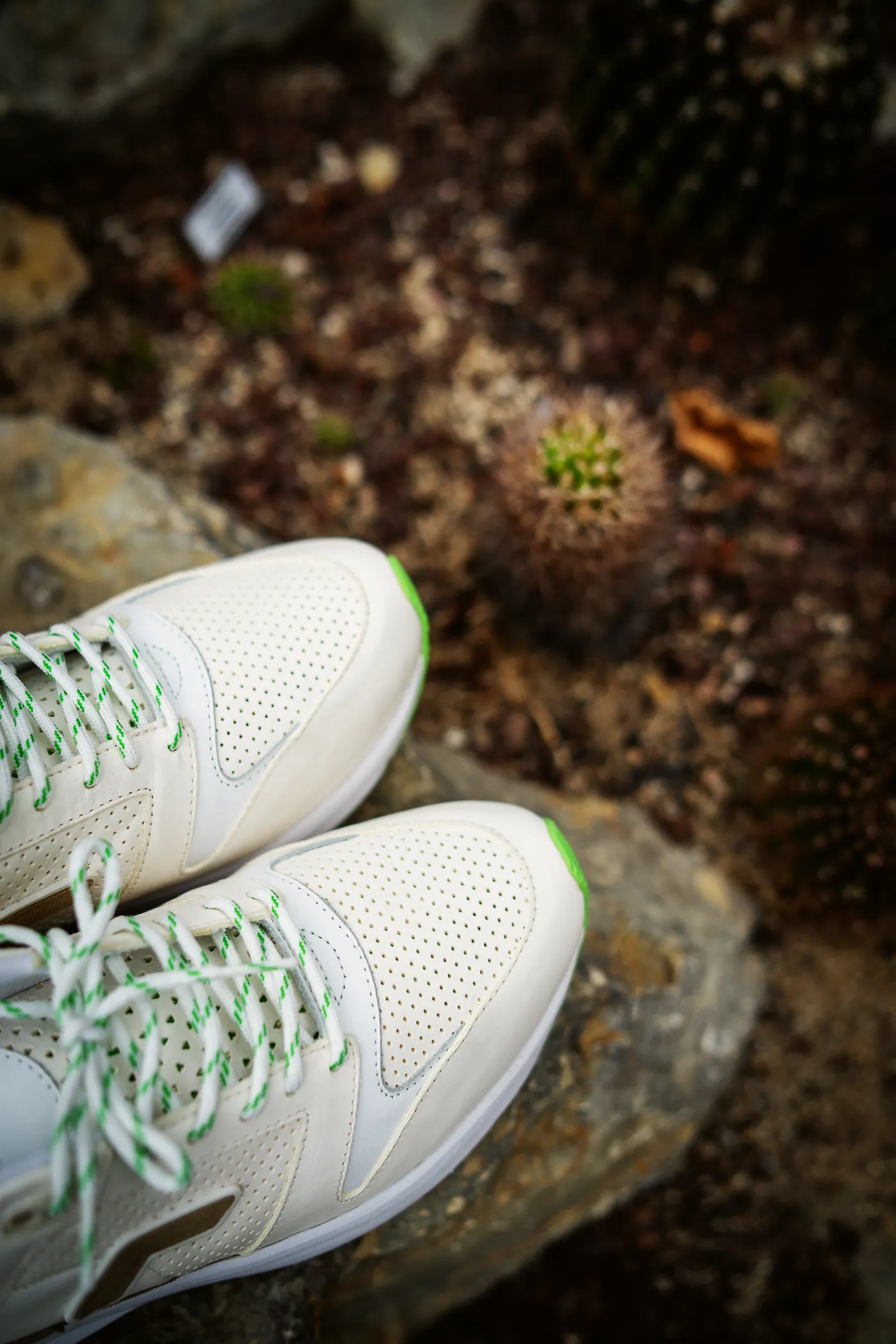
Footwear matters most when the surface demands grip. A road shoe may be fine on dry, hard-packed paths, while mud and loose terrain can justify trail-specific traction. Try intended race shoes during training and make sure toes have room on descents. Do not assume the most rugged shoe is best for a smooth course, and avoid debuting unfamiliar footwear on race morning.
Technical practice also includes awareness: sharing paths with walkers, staying on marked routes and recognizing when conditions are unsafe. City runners do not need to become mountain experts overnight, but should avoid arriving at a highly technical event with zero off-road experience. Choose the race and pace that match your skills.
Equipment Worth Exploring
Explore equipment, accessories and gear from our carefully selected range.


GymPin Squat Wedges
Non-slip 15-degree squat wedges help elevate the heels for deeper quad-focused squats.
VOLTRA
Compact digital cable trainer with smooth, adjustable resistance.

Go-Tone Pro
Portable digital cable trainer with up to 66 lb (30 kg) of adjustable resistance.

Power Tower
Freestanding pull-up and dip station with adjustable handles for bodyweight training.


6. Rehearse food, water and long time on feet
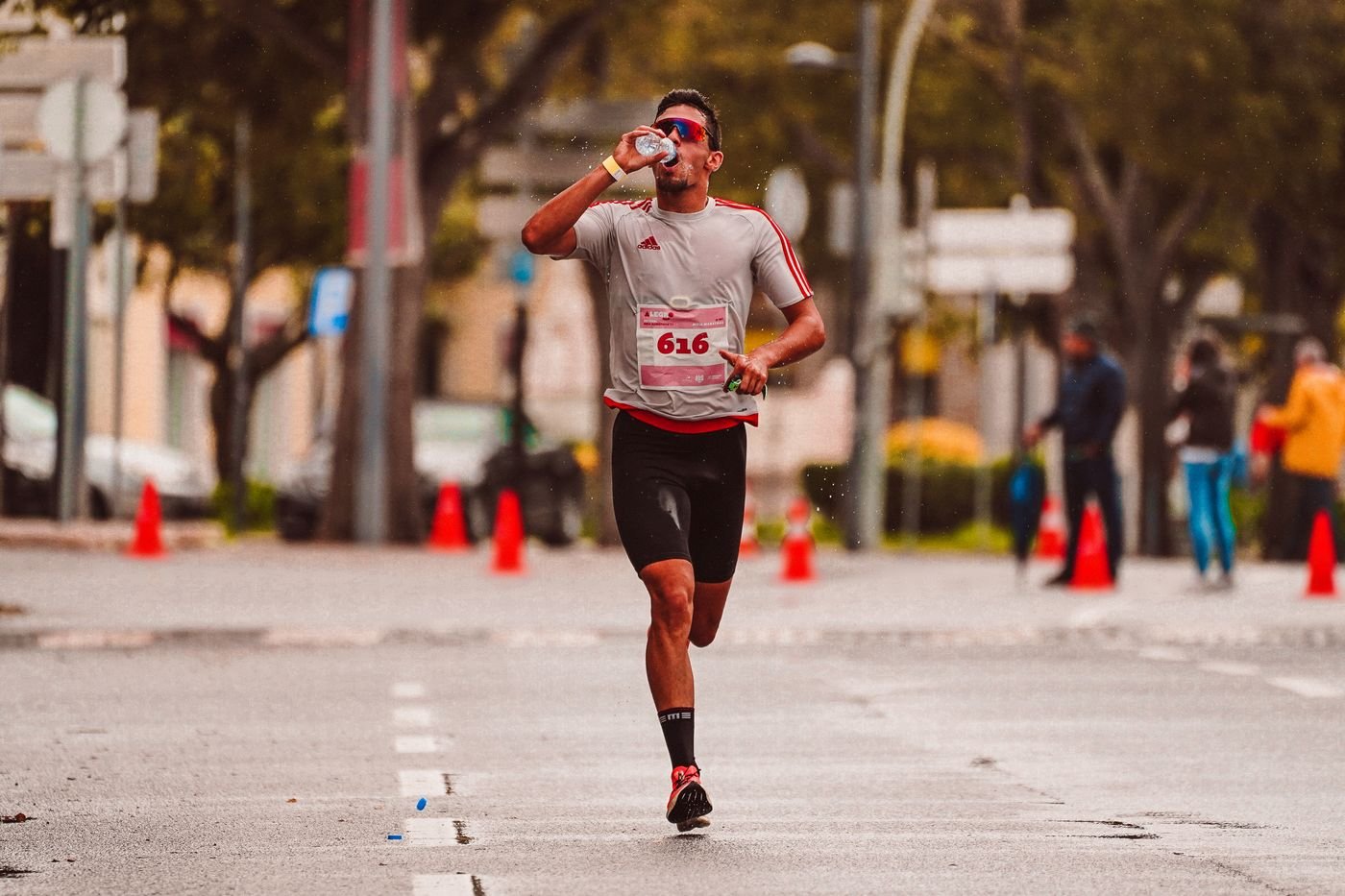
Trail races may have longer gaps between aid stations than urban road events. Carrying fluids, food and weather-appropriate layers is therefore part of the skill set. Practice with the belt, vest or pack you intend to use, preferably during longer outings. Check whether straps rub, bottles bounce or snacks are difficult to reach. A pack that feels fine for ten minutes can become irritating after two hours.
Fueling needs depend on duration, intensity, conditions and individual tolerance. For outings extending well beyond an hour, experiment with easily digested carbohydrate foods or sports drinks before you are exhausted. Start with modest amounts and build toward a strategy you tolerate rather than copying another runner’s maximum intake. Hydration is equally personal: heat, sweat rate and water availability matter more than a universal hourly volume.
Practice eating while moving at an easy effort. A short power-hiking section may be the ideal moment to drink or unwrap food. Long sessions are also the place to test socks, sunscreen, anti-chafe measures, spare layers and navigation. A race can unravel because of a blister or an empty bottle even when your legs feel strong.
Use duration, not distance alone, to plan these rehearsals. If the event may take five hours, a particular kilometer count on smooth roads might not reproduce the same time on feet. Build endurance sensibly without feeling compelled to cover the full race duration in training. A steady long outing with reliable fueling practice is better than an unplanned exhaustion test.
7. Build a realistic city-to-trail training week
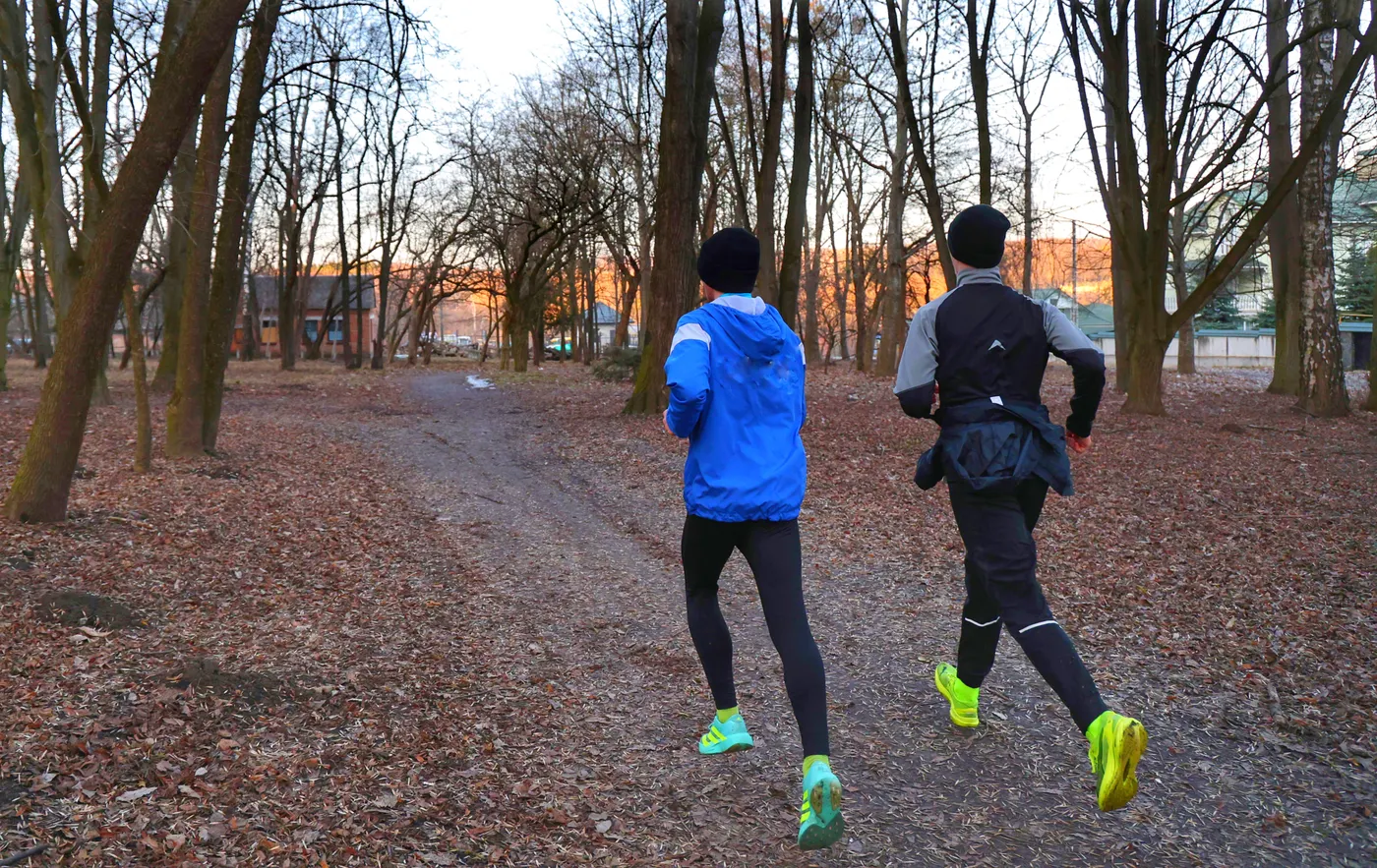
A useful plan is repeatable, not heroic. For an intermediate runner preparing for a moderate-distance trail event, an illustrative week might include Monday rest or gentle mobility; Tuesday an easy run and short strength session; Wednesday controlled hill or incline repeats; Thursday an easy run; Friday a second short strength session or recovery; Saturday a progressively longer run with fueling practice; and Sunday an easy walk, short recovery jog or rest. This is an example, not a universal prescription: reduce days and duration if your current base is lower.
During the first several weeks, prioritize comfortable volume and technique. Next, add course-specific climbing and downhill control. As race day approaches, keep familiar movements but reduce overall fatigue instead of cramming in missed mileage. Whenever possible, use a weekend trail outing to rehearse shoes, terrain and equipment. If that is impossible, choose an appropriate course and start conservatively.
Track progress with a few useful measures: total time on feet, training consistency, vertical gain where available, perceived effort on a repeatable incline, and whether fueling works. Road pace can be useful background information but should not dictate your effort on a steep technical climb. An uphill hike may be the fastest way to reach the finish in good condition.
Cities can provide almost everything needed to build the engine for a trail race. Bridges, stairs, treadmill grades, strength work and consistent easy miles all contribute. What they cannot fully replace is judgment developed on uneven ground. Build fitness where you live, practice terrain when you can, and treat smart pacing as part of the sport.
Leg Day Shirts & Workout Gear
Leg-day gym shirts and workout gear for lifters who never skip squats, lunges and lower-body punishment.


Superman Squats Funny Gym Sweatshirt Crewneck Pump
Add a playful “Superman Squats” touch to your casual rotation.

Dont Skip Leg Day Funny Gym Sweatshirt
Add a playful “Dont Skip Leg Day” touch to your casual rotation.

Gym Girl Booty Builder Tank
Show some personality between sets with “Gym Girl Booty Builder”.


Drake Leg Day Hoodie
Bring “If You're Reading This Its Leg Day” gym humor to lazy days and post-workout plans.

Leg Day Squats Deadlifts Meme Hooded Hoodie
Show off your leg-day humor in a laid-back “Leg Day” hoodie.

I Look Better Bent Over Sweater Squats Deadlifts & T-Shirt
For laid-back days and leg-day humor: “I Look Better Bent Over”.