Advertising disclosure: This page includes affiliate links that may earn us a commission at no additional cost to you.
Amaranth can give a familiar training meal a different texture without turning breakfast into a supplement project. Its tiny seeds cook into a soft, spoonable base, and its nutty flavour works with fruit or savoury ingredients. The useful question is where it fits in a meal you will actually eat, rather than whether an unfamiliar grain must be better than your usual oats or rice.
Start with the form you are buying, the portion you intend to cook and the other foods on the plate. Whole seeds, flour and popped amaranth serve different purposes. A bowl of porridge also includes whatever you add to it; the seed’s nutrition figures cannot describe the finished breakfast on their own.
1. Count a cooked portion as a mixed food
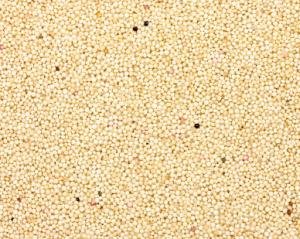
Amaranth is commonly treated as a grain in the kitchen, although it is a pseudocereal rather than a cereal grass. This guide concerns the edible seeds, not amaranth leaves or ornamental plants. The pale, very small grains sold for cooking are the relevant ingredient when comparing breakfast bases and meal portions.
A reference cup of cooked amaranth weighing about 246 g provides approximately 251 calories, 9.4 g protein, 46 g carbohydrate and 5.2 g fibre. Treat that as a reference preparation, not an exact prediction for every saucepan. Your product label and the water remaining in your batch may produce different values per spoonful.
The practical implication is simple: amaranth contributes protein, but it is also a substantial carbohydrate-containing food. A larger bowl increases both. If you want more protein without much more breakfast volume, consider another protein-containing component instead of repeatedly enlarging the grain portion. Milk, yogurt, eggs or a suitable plant-based option can play that role, depending on the meal and your preferences.
Keep comparisons consistent. Weighing cooked amaranth and comparing it with a dry oat label produces a misleading result because water changes weight. MMP’s guide to serving sizes and food-label calculations explains how to keep the units aligned. Neither ingredient needs to win a nutrition contest for both to be useful.
2. Cook for the texture you want to eat
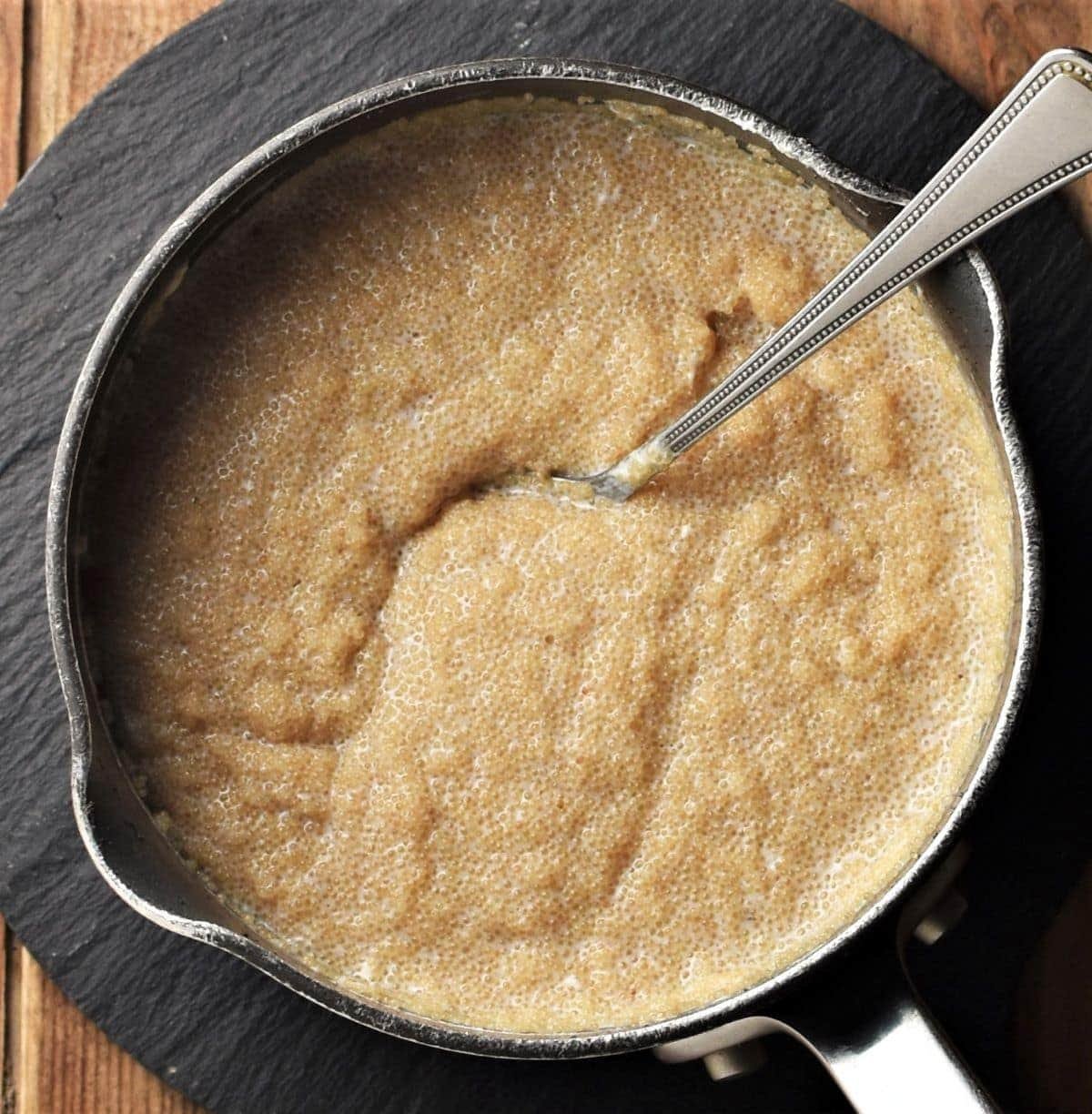
Choose a reliable packet method for your first batch and keep a note of the amount of grain and liquid used. Amaranth can become a soft porridge rather than a pile of separate rice-like grains. More liquid and a longer cooking time generally take the preparation further towards a spoonable consistency. That may be exactly what you want at breakfast.
As a starting reference, a cup of seeds can be simmered with roughly two and a half cups of water for about 20 minutes, with extra liquid and cooking time for a softer result. Check the actual food rather than treating the timer as proof it is finished. Follow your packet if its instructions differ, and adjust carefully for your pan and preferred texture.
Keep an eye on the saucepan as the mixture thickens. Stir as needed and reduce the heat rather than letting a dense mixture catch on the bottom. If the finished texture is too thick for your preference, add a little suitable liquid and mix it through. A modest adjustment is easier to judge than turning a whole pot into an experiment with several changes at once.
Begin with a small batch. If the texture is new to you, a single breakfast is a useful test of whether it belongs in your routine. Buying a large bag and preparing several days of a food you have never tried creates work without establishing whether you enjoy it.
3. Build a meal around the base
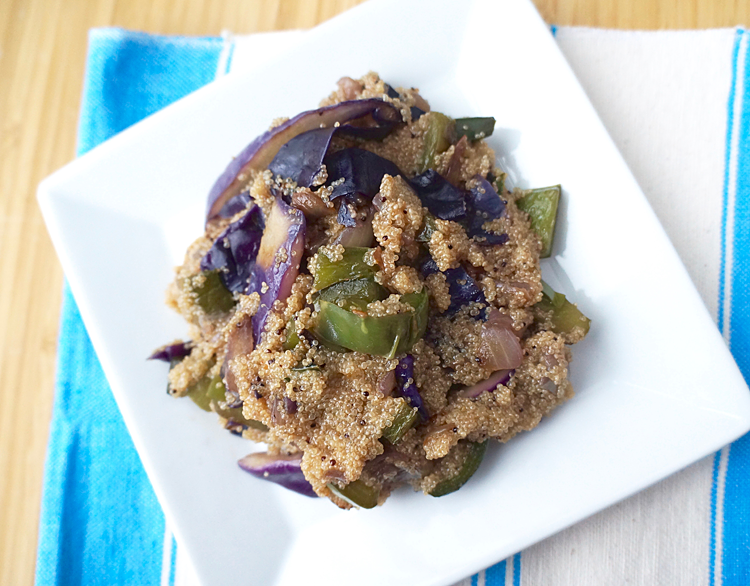
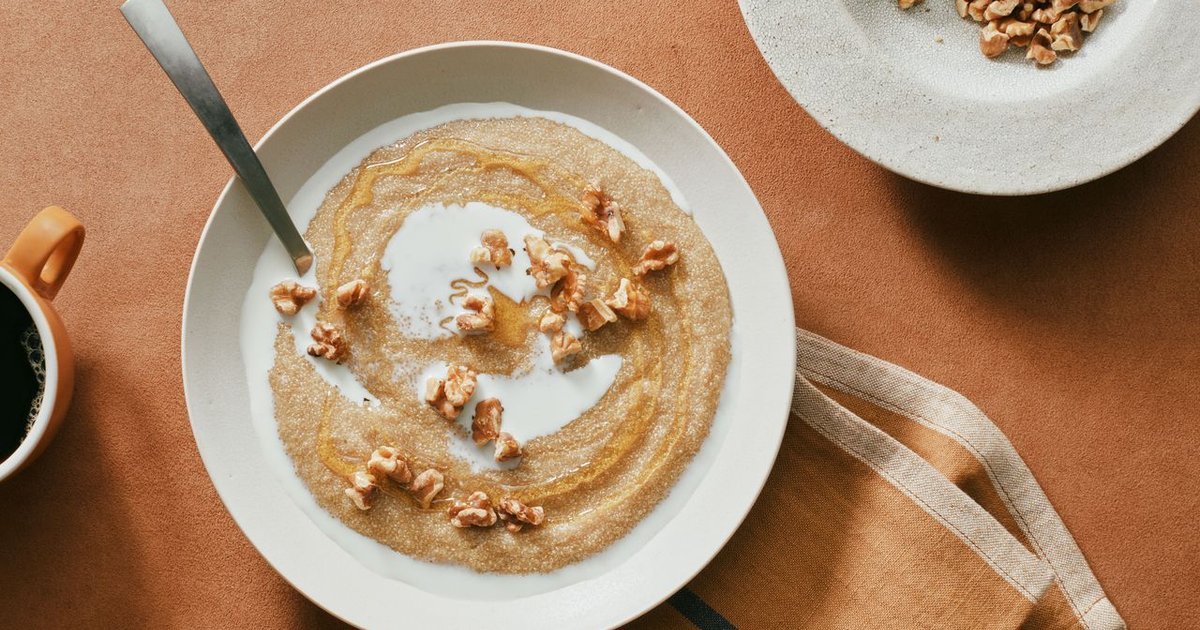
For breakfast, try a cooked portion with fruit and a protein-containing accompaniment you already use. Cinnamon or another familiar spice can change the flavour without requiring a complicated recipe. Nuts, nut butter, sweeteners and cream can all have a place, but their quantities change the meal total. An attractive bowl is not automatically the same portion as the plain-food reference.
For a savoury meal, use amaranth with vegetables and a separate protein component such as beans, tofu, fish or chicken. A softer preparation can sit beneath roasted or sautéed vegetables instead of trying to imitate a dry grain salad. Think about the finished texture and the foods you like together, rather than replacing rice in every recipe simply because both ingredients are grain-like.
These are meal-building suggestions, not measured recipes with guaranteed macros. If you track intake, enter the ingredients you actually use. The difference between water and milk in the cooking pot matters, just as the difference between a small spoonful and a generous pour of oil matters in a savoury bowl.
There is also no need to make every meal more elaborate. MMP’s buckwheat meal guide offers another way to vary a grain-style base. Keeping two or three preparations you enjoy can be more practical than collecting a long list of supposedly essential foods.

Bodybuilding Shirts & Workout Gear
Bodybuilding shirts, tanks and gym gear for lifters chasing muscle, size, symmetry and the pump.

Pancake Weight Plate 45LB Plate Pancakes & Weights Brea T-Shirt
For laid-back days and powerlifting humor: “Pancake Weight Plate”.

Waffles Weight Plate 45LB Plate Waffles & Weights Break Tank Top
Add some powerlifting attitude to training with “Waffles Weight Plate”.

I'M Just Here Because I Like To Eat & Food Motivated Hoodie
Show off your bulking humor in a laid-back “I'm Just Here Because I Like To Eat” hoodie.

Bear Protein : Hilarious Meme Hooded Hoodie
Stay casual and show some bodybuilding attitude with “Gym Bear Protein”.

Weights Breakfast Pancake Plates Morning Workouts T-Shirt
Keep things casual with a little “Weights For Breakfast” attitude.

Lift Eat Repeat – Weightlifting & – Meme Bros & T-Shirt
Make gym days more fun with “Lift Eat Repeat” style.

Lift Eat Sleep Repeat Hoodie
Make your off-duty look more fun with “Lift Eat Sleep Repeat”.

Protein Shake Hooded & Meme Fans Hoodie
Show off your lifting humor in a laid-back “Protein Shake” hoodie.


Protein Gym Cosmic Graphic , Bodybuilding Workout T-Shirt
Make gym days more fun with “Protein” style.
4. Whole seeds, flour and popped amaranth are different purchases
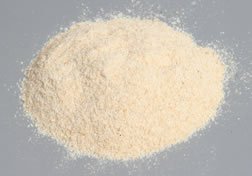
Check the bag before bringing it home. Whole seeds are the starting point for the cooked dishes discussed here. Amaranth flour belongs in recipes designed for flour, while popped amaranth provides a much lighter, airy texture. Their names share an ingredient, but their kitchen roles and the weight held by a cup are different.
Do not use a cup measure to assume equal food amounts across those forms. A cup of airy popped seeds is not the same quantity as a cup of dry grain, and neither is equivalent to a cup of cooked porridge. Use the label for the actual product and the same dry or prepared basis throughout your calculation.
For baking, begin with an amaranth-flour recipe instead of replacing all the wheat flour in a familiar loaf and expecting the same result. Amaranth is naturally gluten-free, but that does not make every mixed flour, cereal or finished snack gluten-free. If avoiding gluten is medically necessary, check the finished product’s appropriate gluten-free labeling and handling information rather than relying on the ingredient name.
Popped amaranth can add texture to a breakfast bowl, but it does not remove the need to consider the rest of that breakfast. Treat it as another ingredient you can portion. Choose the form that solves a specific cooking need, not whichever package carries the most ambitious health language.
5. Make portions and storage easy to repeat
A repeatable batch starts with a recorded dry quantity and a clear list of additions. If you divide a complete recipe equally, each portion receives the same fraction of its ingredients. For example, splitting a batch into four equal portions gives each one a quarter of the batch total. Water changes the final weight, but does not add protein or calories.
Keep dry seeds, flour and popped products protected from moisture, following the packet’s storage and best-before guidance. Popped amaranth loses its appealing texture when it becomes damp. Buying a quantity you can use is often more helpful than finding the largest package, especially when this is an occasional breakfast rather than a daily staple.
Plan cooked meals for prompt use, refrigerate them promptly in suitable containers and freeze extra portions rather than leaving a large pot for an indefinite series of breakfasts. For an amaranth soup containing vegetables or meat, the general refrigerated soup guideline is three to four days at 4°C or below. A mixed meal must also respect the handling requirements of its other ingredients.
Amaranth earns a place through ordinary usefulness: a texture you enjoy, a portion that fits the meal and a preparation you can repeat. Start small, keep the weight basis consistent and add other foods deliberately. It can broaden your options without becoming a compulsory food or a shortcut to better training results.