Advertising disclosure: This page includes affiliate product links that may earn us a commission, as well as products from our own store.
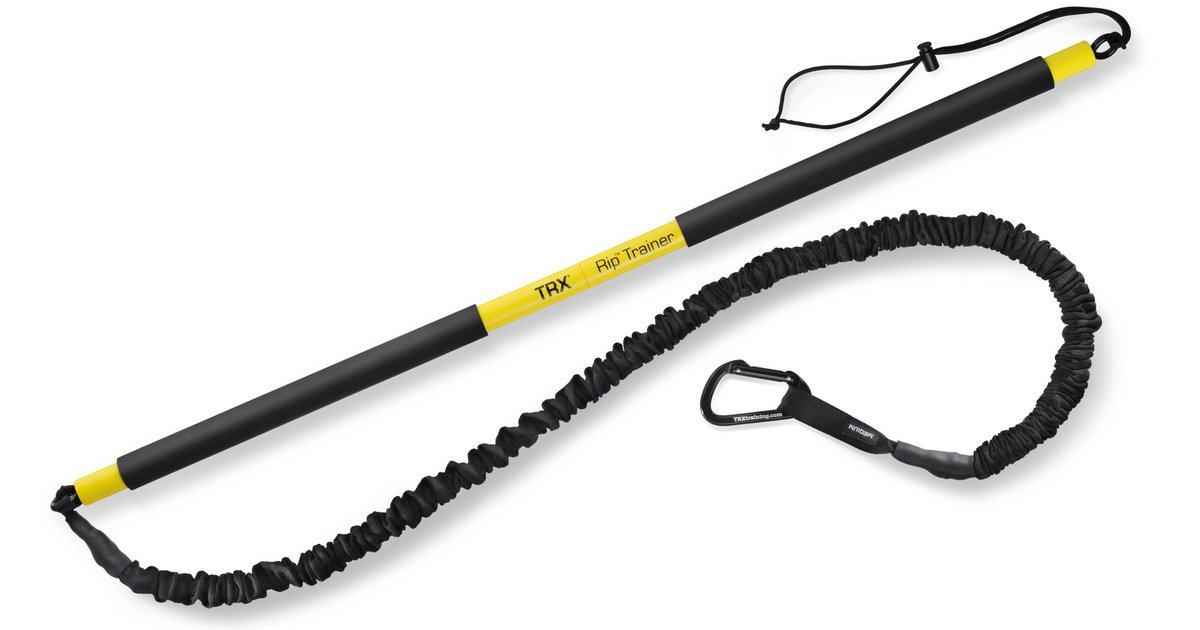
A bar with a cord attached at one end can ask a surprisingly different question from a barbell: can you guide the movement while managing a pull that is stronger on one side? The TRX Rip Trainer combines a handheld bar with elastic resistance, giving you a portable way to explore that demand.
Its usefulness depends on the exercise, anchor and resistance you choose. This is a guide to understanding the equipment and building a repeatable setup, without claiming hands-on MMP testing or promising that a particular drill will improve your golf swing.
Understand the pull before choosing the exercise
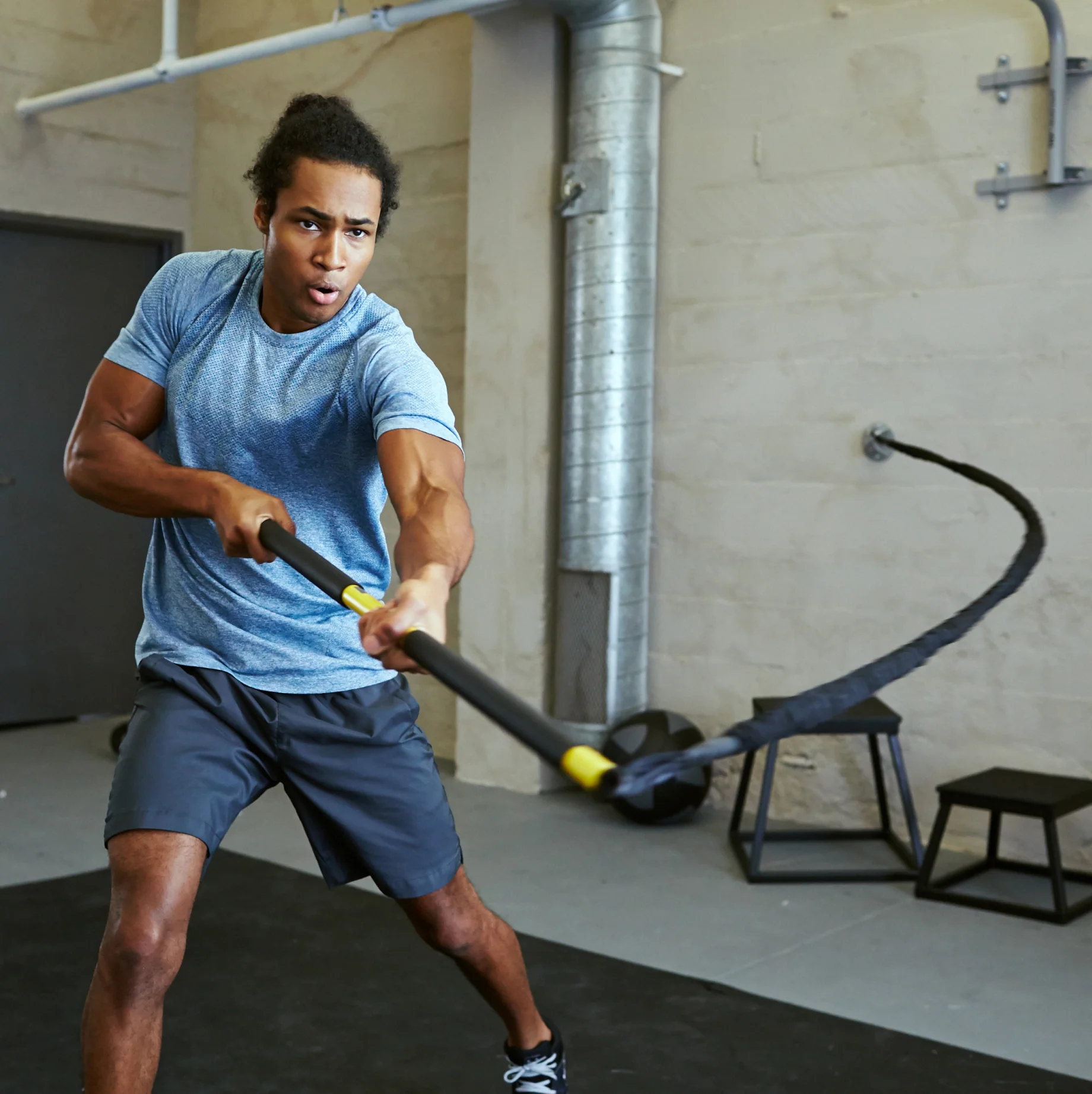
The cord connects to one end of the Rip Trainer bar. Your hands therefore have to guide a bar experiencing an uneven external pull. Depending on where you stand and how you move, you can allow a controlled turn or work to resist turning. Those are different training tasks, even when the same equipment is involved.
Begin by deciding which task you want. In an anti-rotation exercise, your trunk position is part of the target: you try to maintain it while the arms guide the resistance. In a rotational exercise, an intentional turn is included. Unplanned twisting because the cord pulls you off balance belongs to neither goal.
A familiar reference is the Pallof press with a cable or band. It helps explain the distinction between moving your arms and allowing your torso to rotate. The Rip Trainer adds a different grip and loading arrangement; it is worth learning that arrangement rather than immediately copying the load or repetitions of another exercise.
Core training also belongs within a broader program. Your trunk muscles contribute to coordinated movement and stability, and many ordinary strength exercises already involve them. Buying a dedicated tool does not establish that you need more core volume. Identify the movement you want to practice and the reason it earns a place in your week.
Build the station around a suitable anchor
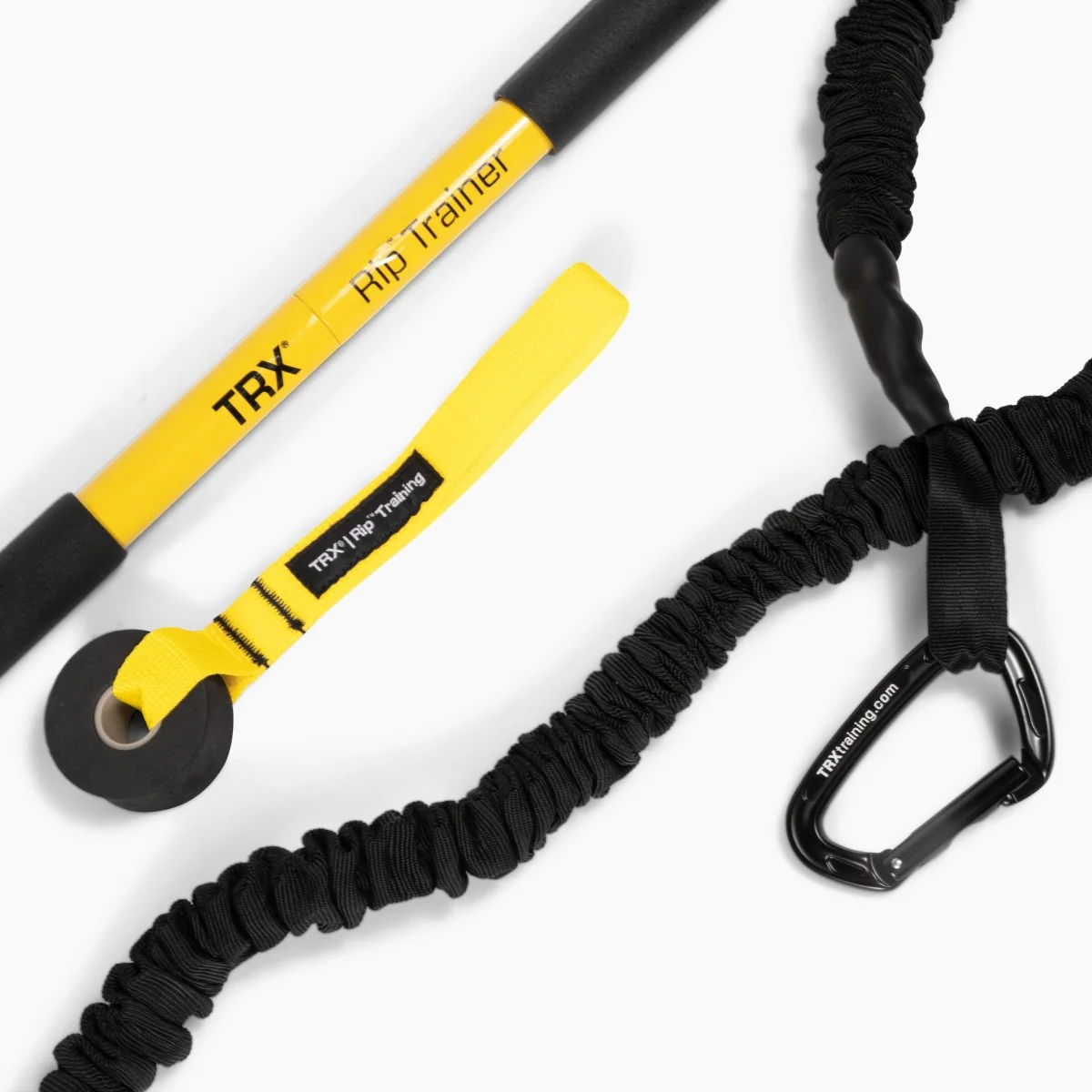
The current kit lists a door anchor, medium resistance cord and safety strap alongside the bar. Check the instructions supplied with the actual kit before installing anything. A convenient place to attach equipment is not automatically a suitable anchor for the direction and force you intend to apply.
Inspect the whole working area. You need room for the bar, your arms and any planned step or pivot, with clear space around the cord. A doorway that works for one stationary drill may open onto furniture or a passing route when you turn sideways. Rehearse the intended movement without resistance before committing to that location.
The safety strap has a purpose. Follow the manufacturer’s instructions for wearing it, securing the bar sections and checking the cord and connections. Retain control of the bar while the cord is under tension. An impressive exercise demonstration cannot show whether your own door, mounting point or surrounding floor is appropriate.
Use a position where you can start and finish deliberately. Think through how you will release the tension and put the equipment down before you begin a challenging set. If someone else shares the room, keep their route outside the exercise space rather than relying on them to notice a stretched cord.
Portability is useful when it makes training practical, but it brings a setup decision with every new location. Treat each different anchor and floor surface as a fresh installation to assess. The fact that the bar fits into your bag does not guarantee that the next room provides a workable station.
Keep the grip, stance and cord stretch comparable
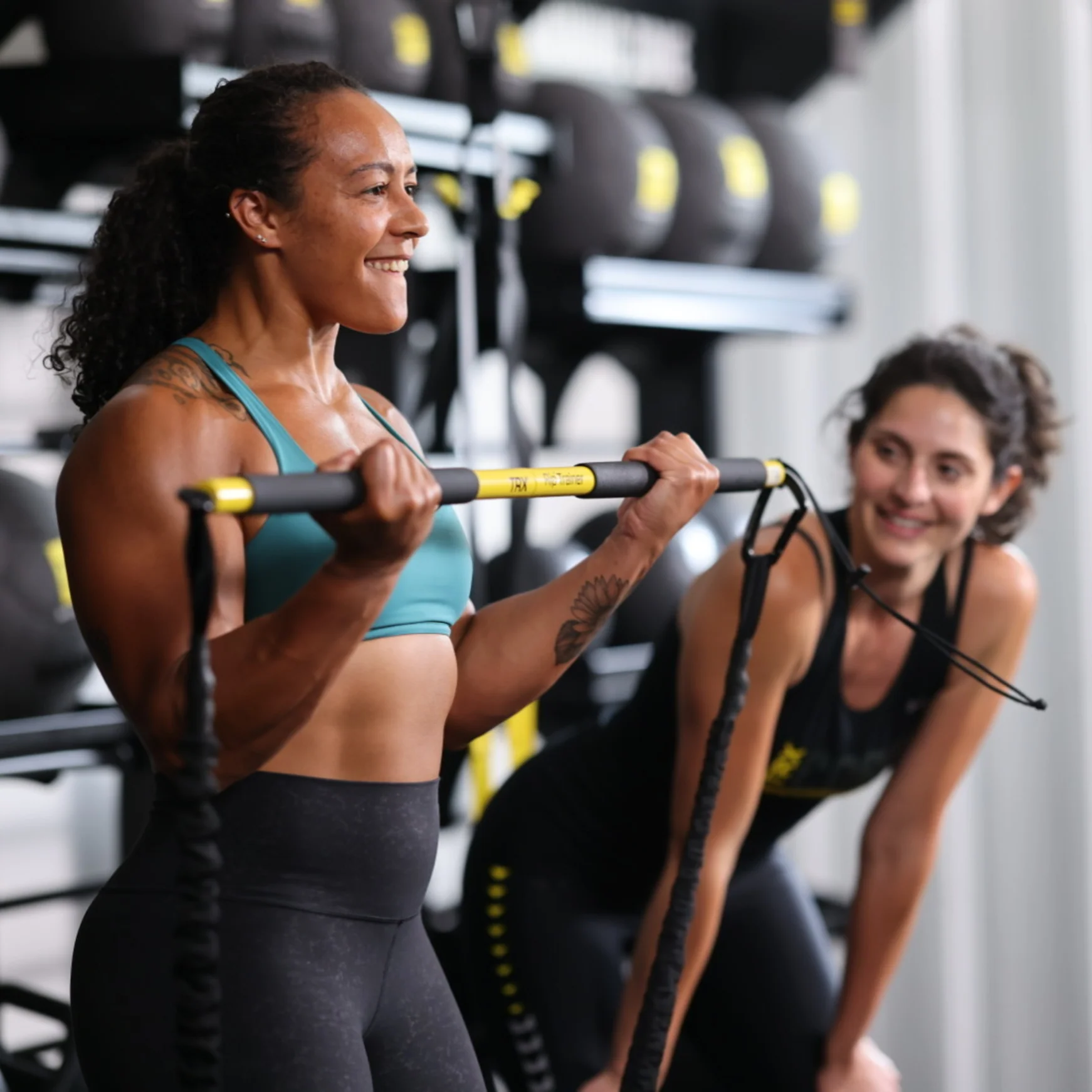
Elastic resistance changes as the cord stretches. Distance from the anchor is therefore a meaningful part of the exercise, not merely a preference about where you stand. Changing distance between sessions can change the challenge even when the cord and repetition count remain the same.
Record a simple reference position. That might be your foot placement relative to a floor seam, the direction your body faces and the exercise’s starting position. Avoid writing only the cord’s color or nominal resistance: those details cannot describe the whole task by themselves.
Your grip also affects how you control the bar. Use the prescribed grip for the exercise, then keep hand placement consistent while learning it. If you slide your hands into a different position as a set becomes difficult, you have changed the leverage and the movement you are trying to repeat.
A small training note can capture five useful details: anchor position, cord, stance, grip and movement range. Add the repetitions or duration after those details. When progress stalls, you can then examine what actually changed instead of assuming that a harder-feeling set must mean greater strength.
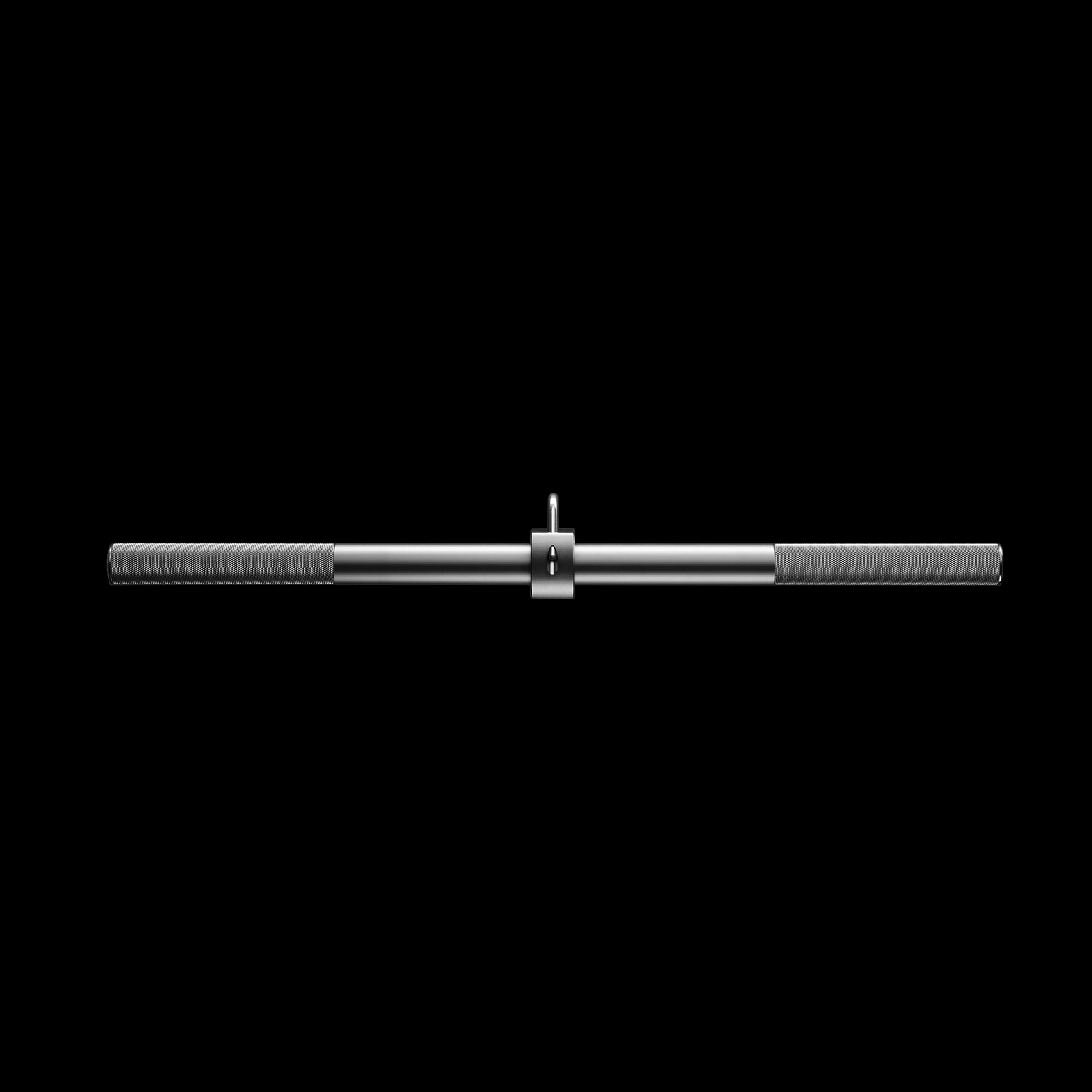
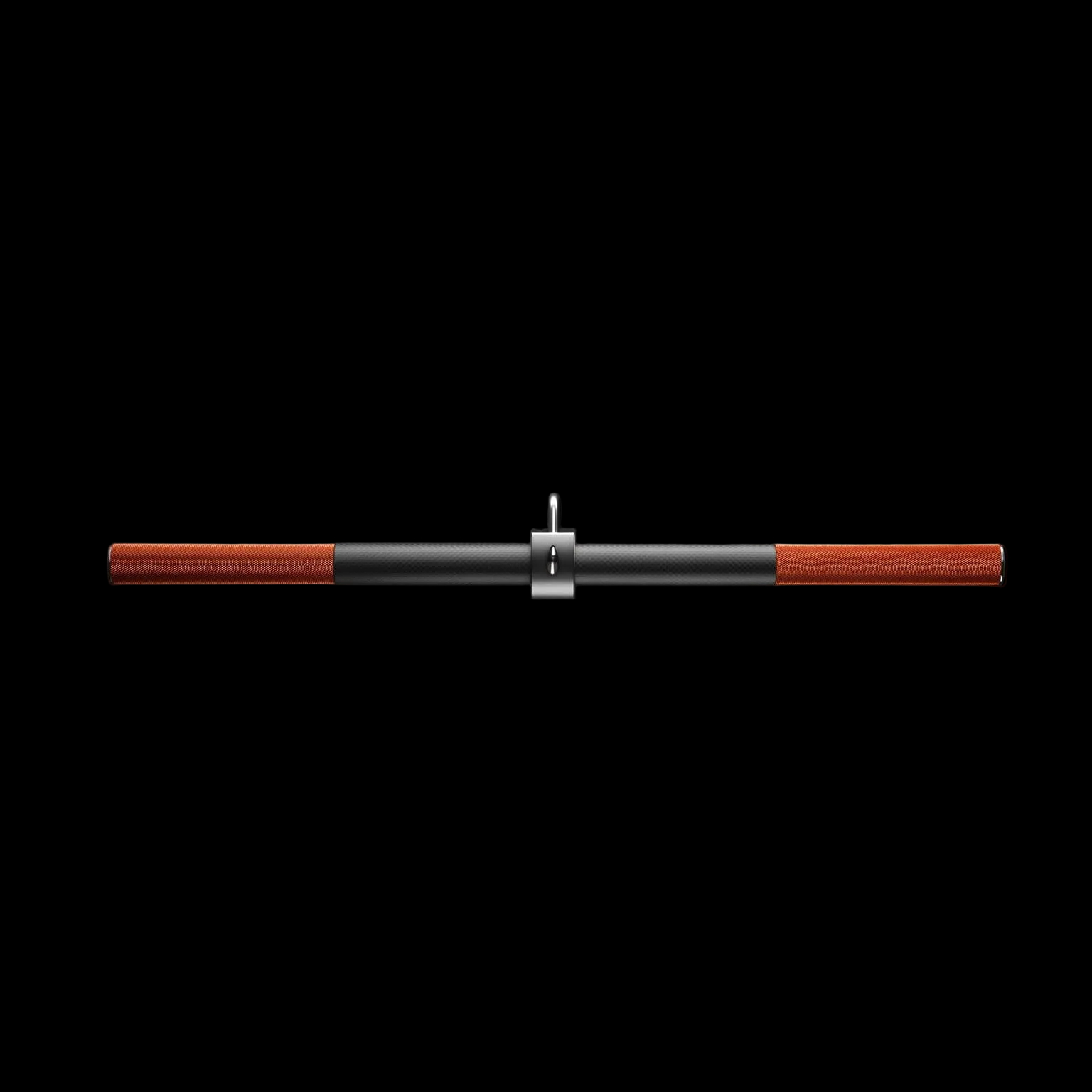
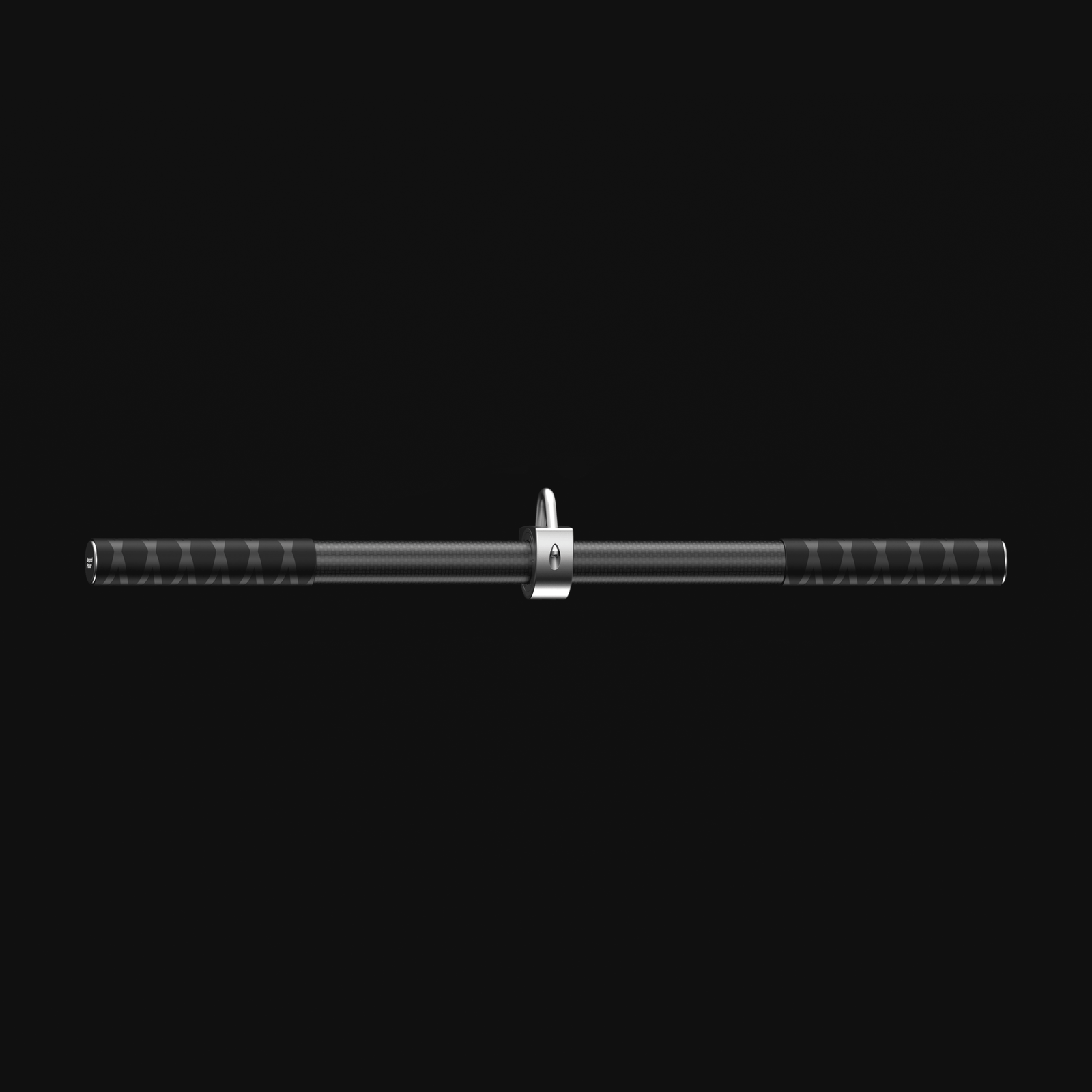
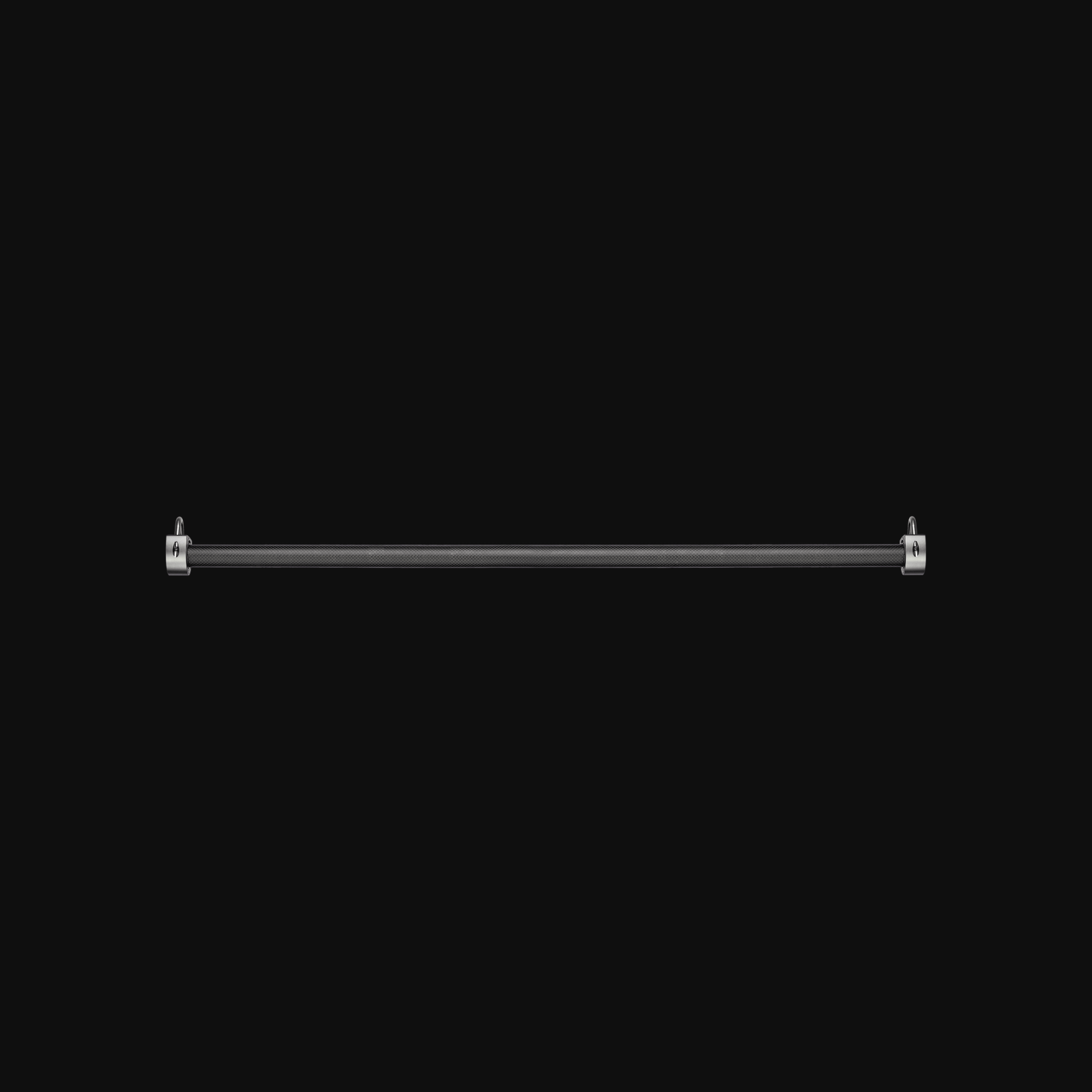
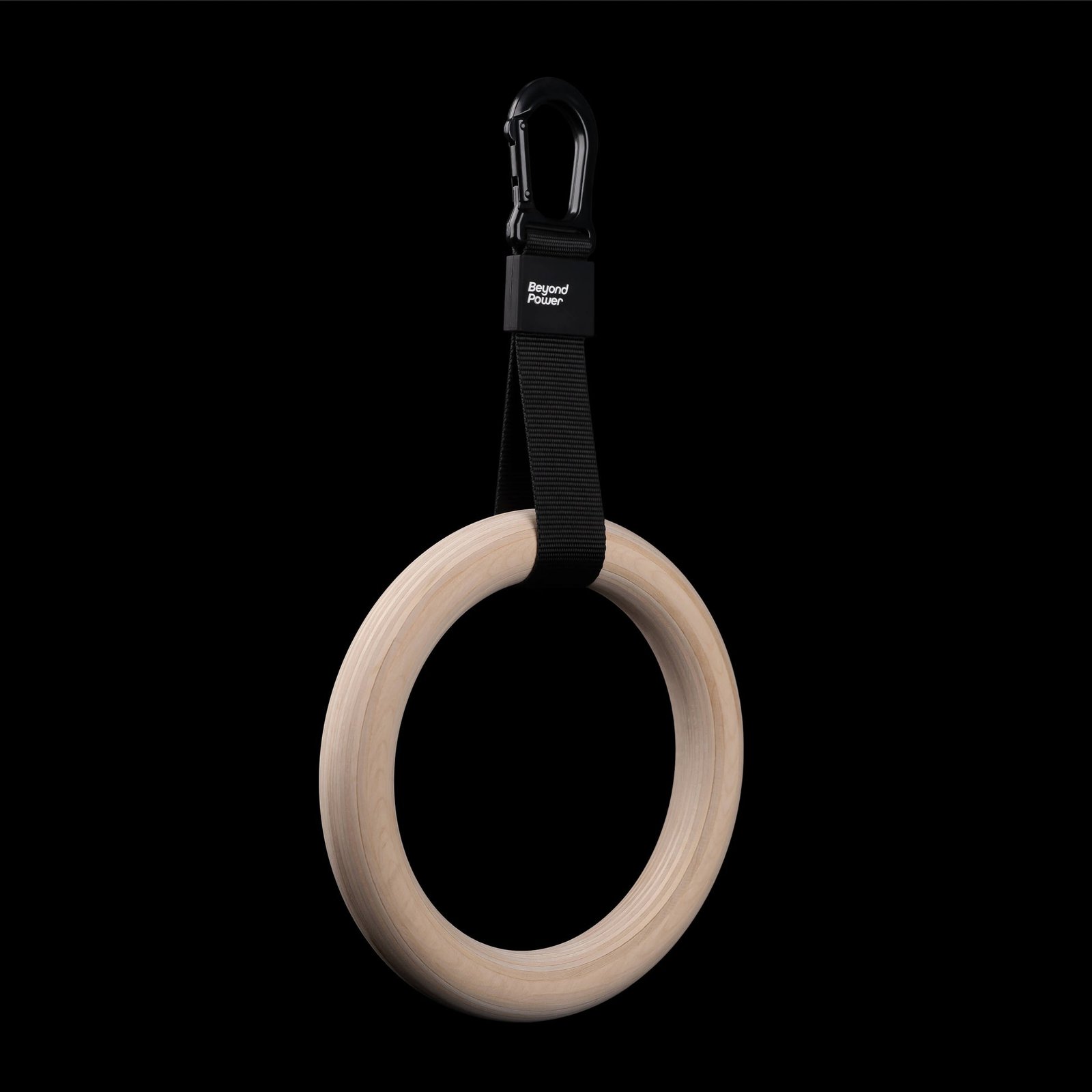
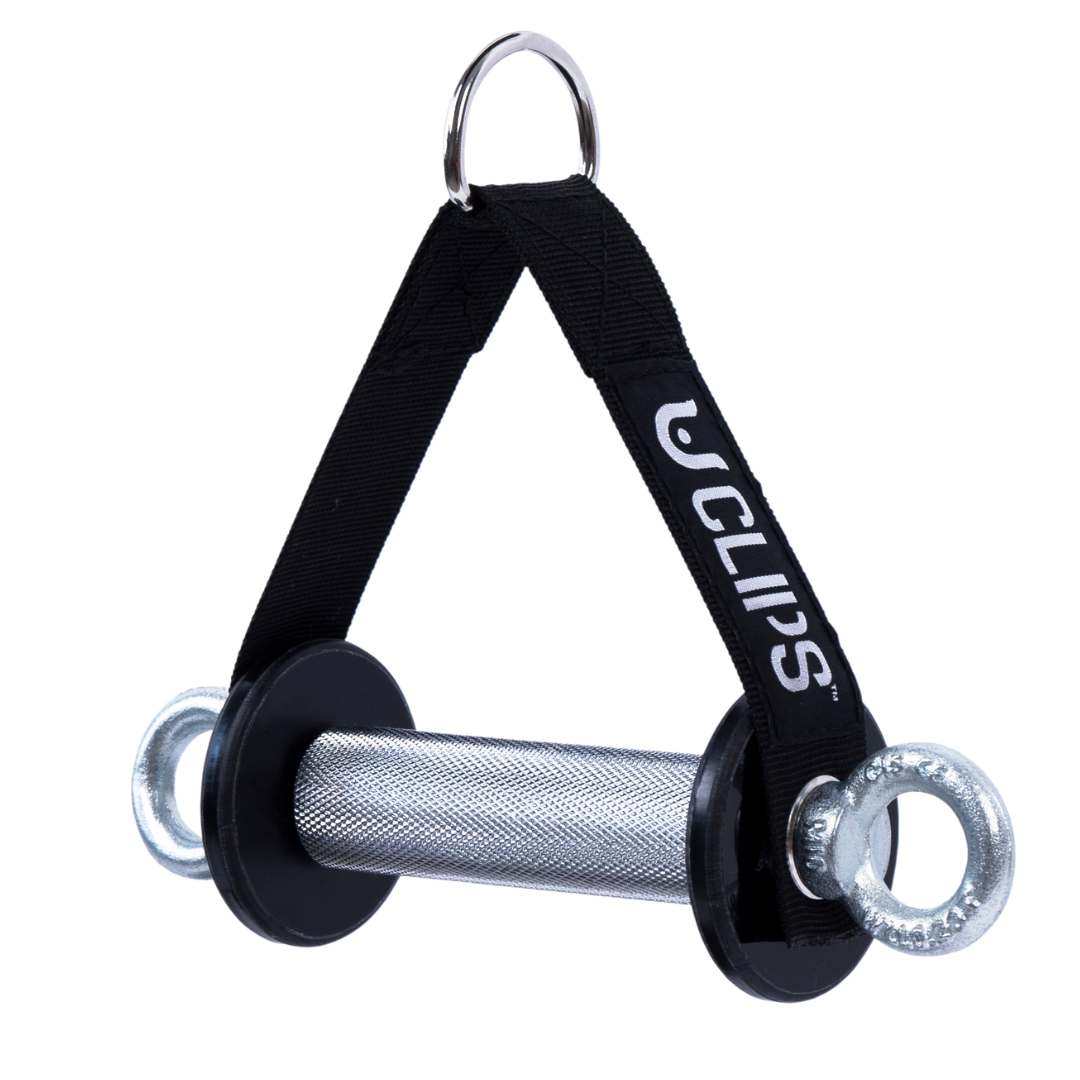
If you are comparing equipment, a cable station, resistance band and landmine each create their own loading arrangement. Bars and handles also change the grip. The equipment selections below offer alternative training setups and attachments to investigate, rather than interchangeable Rip Trainer parts or an assertion that every item fits the same anchor.

Equipment Worth Exploring
Explore equipment, accessories and gear from our carefully selected range.
VOLTRA
Compact digital cable trainer with smooth, adjustable resistance.

Go-Tone Pro
Portable digital cable trainer with up to 66 lb (30 kg) of adjustable resistance.

VForce Wall Trainer
Space-saving wall-mounted functional trainer with pivoting cable arms and variable resistance ratios.

VForce Lat Tower
Wall-mounted cable tower with pivot arms and adjustable 1:1 or 2:1 pulley ratios.
Practice control before chasing a faster turn
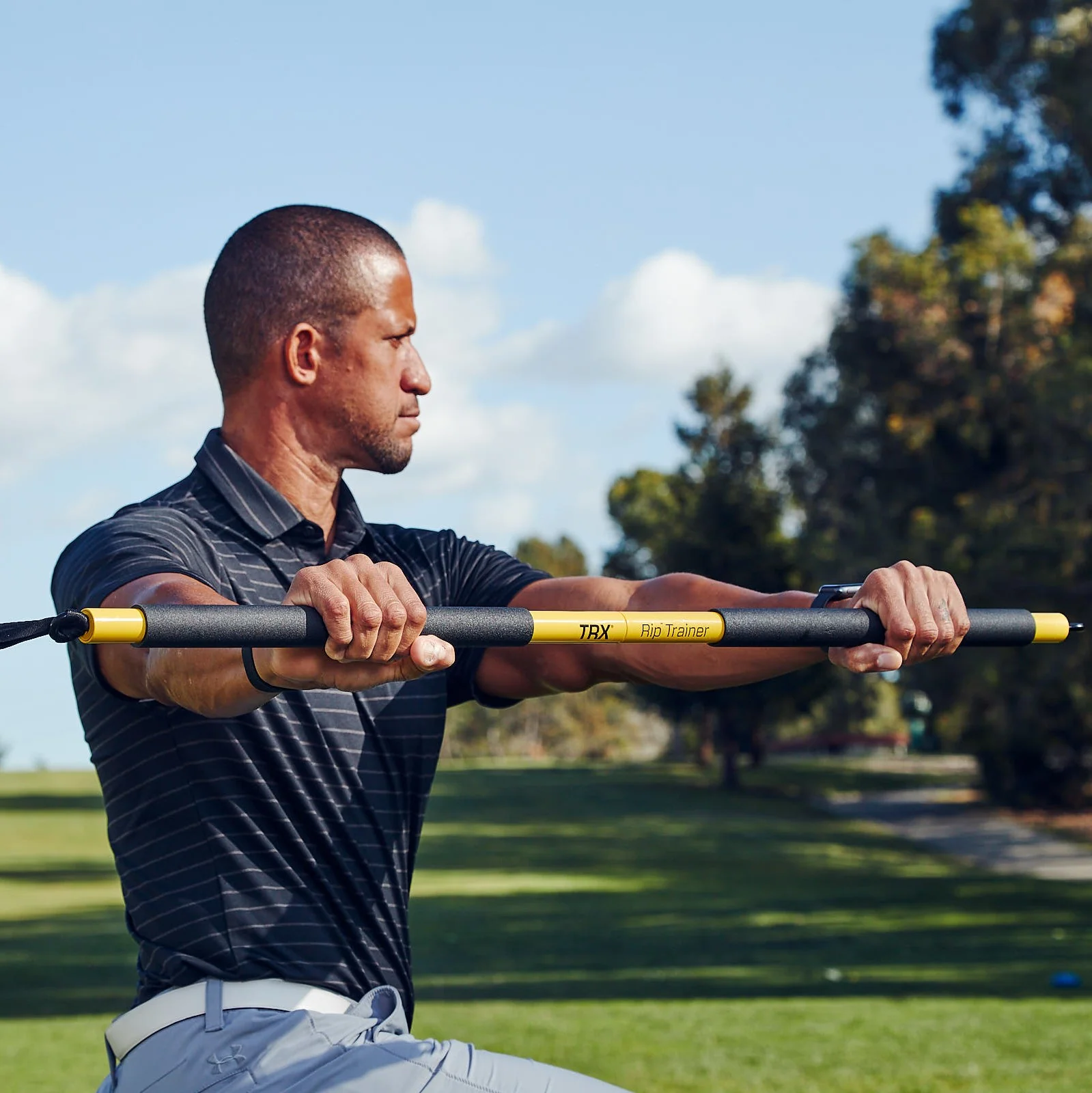
Once the setup is established, keep the first task simple. Choose a movement you can perform smoothly through a comfortable range, then return under control. Observe whether your position stays intentional throughout the repetition. The return deserves attention because the cord continues pulling as you come back.
For an anti-rotation drill, uncontrolled shoulder turning or sideways leaning is feedback that the current combination of resistance and leverage is too demanding. Reduce the challenge and recover the intended position. Holding still is a valid training task; it does not become better merely because the bar moves farther or faster.
For a rotational drill, establish how the feet, hips and torso are meant to contribute. Our low-to-high cable woodchop guide gives useful context for coordinating a turn and controlling its return. It is a different exercise, so use the comparison to understand movement rather than transferring its setup unchanged.
Sports-related demonstrations can be engaging, but resemblance to a swing or throw is not proof of improved performance. Strength practice and sport-skill practice address related but distinct questions. A golfer still needs golf practice, and a tool marketed toward rotational athletes does not establish a guaranteed gain in distance or accuracy.
Progress deliberately: keep the task recognizable while changing one important variable. More cord stretch, a different stance and a faster repetition all at once make it difficult to identify what you have improved. Consistency gives the experiment value.
Give the tool a defined job in your training week
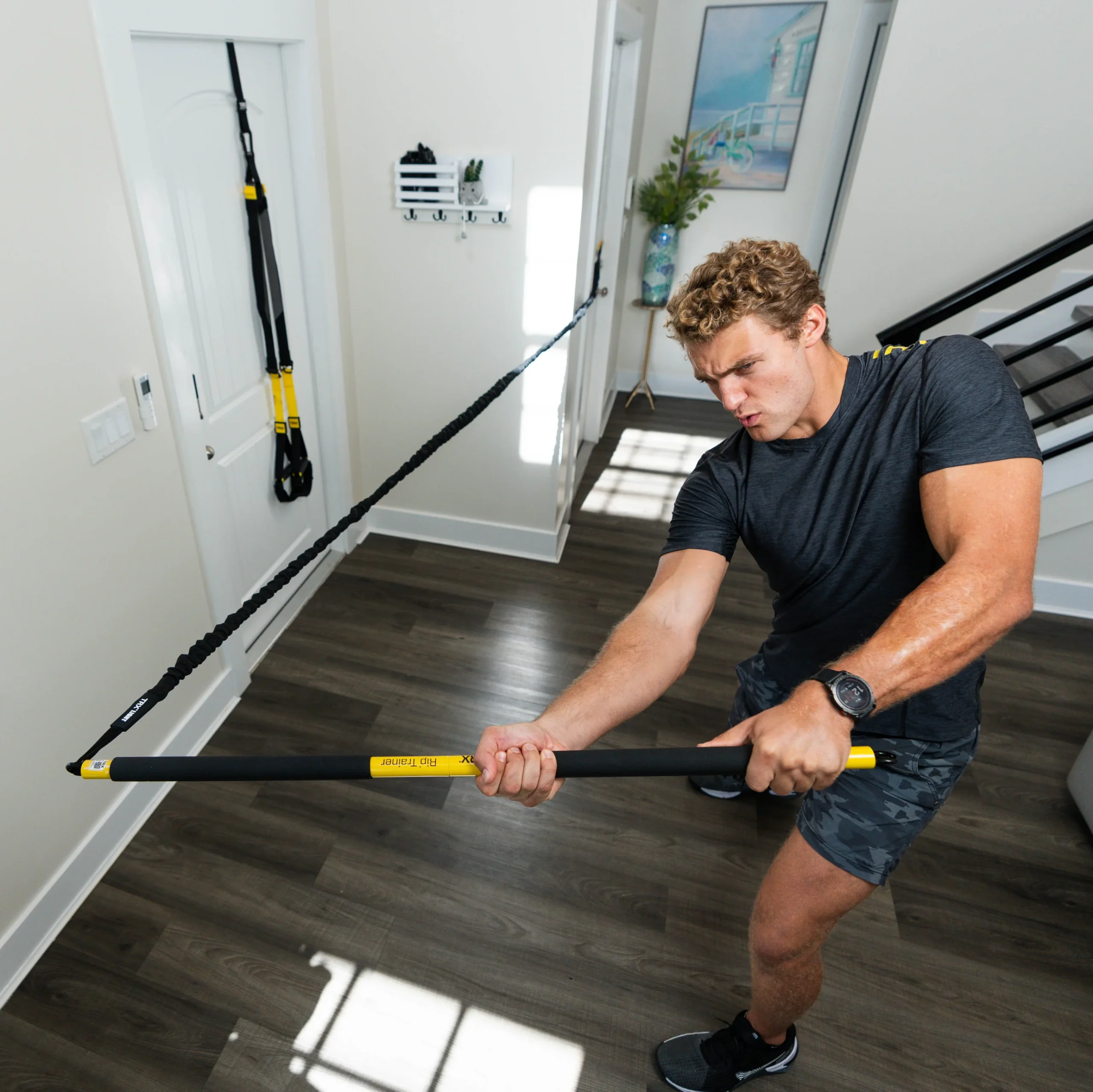
A short, repeatable practice block is easier to assess than an improvised collection of difficult-looking exercises. Decide whether the Rip Trainer will be used for controlled trunk work, a particular coordinated movement or a conditioning element. Select the exercise and effort around that goal.
Keep both directions in view when an exercise has a left and right version. Record the setup for each rather than assuming that facing the opposite way automatically produces the same grip and line of pull. Start with a manageable challenge and compare the quality of the movement, not simply which side completes more rushed repetitions.
Use a stopping point you can recognize. End the set when you can no longer maintain the planned position and return, rather than extending it with uncontrolled movements. You can then adjust resistance or duration at the next session without disguising the change as more of the same exercise.
Before buying, compare the complete routine with what you already have. If a band or cable setup supplies the exact task you need, explain to yourself what the Rip Trainer’s bar and offset connection would add. If its portability or grip arrangement makes regular practice easier, that may be a useful reason to choose it.
The decision comes back to a clear purpose: a suitable anchor, a defined movement and a setup you can reproduce. Those details make a compact training tool useful long after the novelty of the first session has passed.

Funny Gym Shirts & Workout Gear
Funny gym shirts, tanks, hoodies and workout gear for lifters who like training hard.

Viva La Resistance Bands , Meme Shirt, Top T-Shirt
Make gym days more fun with “Viva La Resistance Bands” style.

Meme I Have Abs-Olutely No Idea What I'M Doing T-Shirt
For laid-back days and bodybuilding humor: “I Have Abs-olutely No Idea What I'm Doing”.

Stability Stoic Sigma : Meme Bodybuilders & Seeking T-Shirt
Rep “Stability Stoic Sigma” humor in and out of the gym.

Resistance Is Gainz: Stoic Greek God Bodybuilder T-Shirt
Rep “Resistance is Gainz: Funny Stoic Greek God” humor in and out of the gym.

Consistency King Tee
Make gym days more fun with “Consistency King Stoic Greek God Marble” style.

One More Rep Shirt: Motivational & T-Shirt
Make gym days more fun with “One More Rep” style.

Live Love Lift Decal for Water Bottles Laptops Gym Gear Sticker
Bring “Live Love Lift” attitude to your water bottle or laptop.

Discipline Stoic Tee
Show some lifting attitude with a playful “Discipline Stoic Sigma Bodybuilder” tee.