Can a consistent strength routine help someone sleep better when obstructive sleep apnea is already disrupting their nights? A new 2026 analysis of a small randomized trial offers an encouraging but carefully limited answer. Participants reported better sleep quality after eight weeks of lifting, yet daytime sleepiness did not improve significantly.
That distinction matters. Feeling that sleep has improved is valuable, but it is not the same as eliminating interrupted breathing or replacing prescribed treatment. Here is what the research actually found, how it fits into the broader evidence, and how to build a realistic exercise routine around recovery.
Why Sleep Apnea Is More Than an Uncomfortable Night

Obstructive sleep apnea, or OSA, involves repeated narrowing or closure of the upper airway during sleep. Breathing can slow or stop, oxygen levels may fall, and the brain can repeatedly interrupt sleep to restore airflow. Someone may spend enough hours in bed yet still wake unrefreshed. Snoring, gasping, morning headaches and excessive daytime sleepiness can be warning signs, although symptoms vary widely.
Clinicians often describe severity using the apnea-hypopnea index, or AHI: the average number of breathing interruptions per hour of sleep. AHI measures breathing events, not whether a person enjoyed their night or feels alert the following afternoon. The distinction is central to interpreting a training study that measured both breathing and self-reported sleep quality.
OSA is associated with cardiovascular and metabolic risks, and suspected cases deserve proper assessment. A smartwatch, an exercise tracker or a good night’s sleep after a workout cannot rule it out. People already prescribed positive airway pressure treatment should continue following their clinical plan rather than treating gym sessions as a substitute.
Resistance training has established benefits for muscle strength, physical function and metabolic health. Its possible contribution to better sleep is an additional reason to investigate it, not a reason to claim that lifting cures a breathing disorder.
Some product links may be affiliate links that support Mind Muscle Perfection at no additional cost to you.
Inside the Eight-Week Randomized Trial
The October 20, 2026 report was a secondary analysis of a randomized clinical trial involving 25 adults with moderate to severe, previously untreated OSA. Their average age was approximately 55, their average body mass index was about 36, and their baseline AHI was around 52 breathing events per hour. This was not a general-population study of healthy recreational lifters.
Twelve participants completed the resistance-training program and 13 completed the comparison program. The lifting group trained three times per week for eight weeks, completing a full-body selection of eight upper- and lower-body exercises. The comparison group performed 30-minute stretching sessions twice weekly. Both groups were assessed before and after the intervention.
Researchers used three established questionnaires: the Pittsburgh Sleep Quality Index for perceived sleep quality, the Epworth Sleepiness Scale for daytime sleepiness, and the SF-36 for quality of life. These tools measure experiences that a breathing-event count alone cannot capture. They are also self-reported, so they can be influenced by expectations, mood and daily circumstances.
The original trial examined breathing-event severity and nocturnal arousals; the new report revisited the same participants to examine how they felt. It is therefore one cohort with two analyses, not two independent randomized trials confirming the same result. The study was small, short and restricted to people who met its clinical eligibility criteria. Its findings should not be casually generalized to all people who snore or to athletes without OSA.
Even with those limitations, the randomized comparison makes the findings worth examining. The useful question is not whether lifting magically fixes sleep, but whether a structured resistance program can add measurable benefits alongside appropriate clinical care.

Equipment Worth Exploring
Explore equipment, accessories and gear from our carefully selected range.


FID Bench MAX
Adjustable bench offering flat, incline, and decline positions + adjustable headrest.

VOLTRA
Compact digital cable trainer with smooth, adjustable resistance.

Go-Tone Pro
Portable digital cable trainer with up to 66 lb (30 kg) of adjustable resistance.


What Improved: Sleep Quality and Quality of Life

The most striking result was the overall sleep-quality score. On the Pittsburgh Sleep Quality Index, lower scores indicate better perceived sleep. The resistance-training group’s average score moved from about 7.9 to 4.8 over eight weeks, while the stretching group’s score changed only from about 6.9 to 6.6. The between-group change was statistically significant.
Several questionnaire components also differed between groups, including perceived time needed to fall asleep and the sleep-duration domain. The sleep-medication component needs special care: the between-group difference was driven partly by increased medication reporting in the stretching group, not a demonstrated reduction in medication use among lifters. That is not evidence that strength training lets people discontinue sleeping pills.
Quality-of-life scores moved in a favorable direction as well. The lifting group’s overall SF-36 score increased from approximately 56 to 67, while the comparison group’s average declined slightly. Emotional role-function scores also improved relative to the comparison group. Those are meaningful patient-reported outcomes, but the trial was not large enough to settle how reliably they would reproduce in other populations.
Crucially, excessive daytime sleepiness measured by the Epworth scale did not show a significant between-group improvement. A person may perceive better nights while still struggling with daytime fatigue, and a small trial may lack the precision to detect a modest change. Both possibilities deserve attention rather than turning a mixed result into an all-purpose sleep promise.
The practical lesson is to track more than one outcome. Sleep satisfaction, alertness, workout recovery and objective medical measures describe different parts of the picture. Improvement in one does not automatically establish improvement in all the others.

Funny Gym Shirts & Workout Gear
Funny gym shirts, tanks, hoodies and workout gear for lifters who like training hard.

Lift Eat Sleep Repeat Meme Sweater & T-Shirt
Bring “Lift Eat Sleep Repeat” humor to your everyday gym style.

Off-Season Rest Day Decal Water Bottles & Gear Meme Sticker
Put “Off-Season Rest Day” gym humor on your laptop, bottle, or gym gear.

Rest Day Sloth – Essential T-Shirt
Show some bodybuilding attitude with a playful “Rest Day Sloth” tee.

Slim Shady Recovery Album Parody | & Workout Pullover T-Shirt
Keep things casual with a little “Slim Shady Recovery Album Parody” attitude.

Consistency King Tee
Make gym days more fun with “Consistency King Stoic Greek God Marble” style.

Purpose-Driven Stoic Bodybuilder : Meme Shirt T-Shirt
Bring “Purpose-Driven Stoic Bodybuilder Graphic” humor to your next gym day.

Tenacity : Stoic Greek God Marble Sculpture Shirt T-Shirt
Show some bodybuilding attitude with a playful “Tenacity” tee.

Willpower Stoic Lifting Sigma – Greek God Marble T-Shirt
Rep “Willpower Stoic Lifting Sigma Graphic” humor in and out of the gym.

Brain and Biceps Tee
Make gym days more fun with “Mind Muscle Perfection Brain and Biceps” style.

Lift Smart Brain Plate Tee
Show some lifting attitude with a playful “Lift Smart Brain Weight Plate” tee.
The Breathing Results Are Promising, but Not a Cure
The earlier analysis of this same randomized cohort reported a notable change in apnea severity. After eight weeks, average AHI in the lifting group fell from roughly 51 to 30 events per hour; the stretching group changed from about 52 to 48.5. The between-group difference was statistically significant. Nocturnal arousals also moved in a favorable direction.
That sounds dramatic, and it is an encouraging signal. But an AHI around 30 can still indicate severe OSA. A reduction in breathing events is not equivalent to normal breathing during sleep, symptom resolution or permission to stop positive airway pressure treatment. The study followed only 25 completers for eight weeks and did not establish long-term durability.
The broader literature is less decisive than one striking result. A 2024 review pooling 12 exercise studies and 526 patients found an average reduction of about seven breathing events per hour across exercise approaches. A 2026 review that separated exercise modalities did not find a statistically significant AHI improvement for conventional resistance training alone, although other targeted muscle-training methods showed different results. Differences in participants, protocols and small sample sizes complicate comparisons.
These findings can coexist: one small resistance-training trial may show a large benefit while pooled evidence remains uncertain. Neither result should be hidden. For people with diagnosed OSA, established medical treatment remains the foundation. Exercise is best viewed as a potentially useful adjunct for fitness, function and perhaps sleep-related outcomes.
Anyone experiencing gasping, witnessed breathing pauses or marked daytime sleepiness should seek a qualified sleep assessment. Training can complement care, but it cannot determine whether a CPAP pressure setting, oral appliance or other treatment is appropriate.
Why Lifting Might Help, and What Is Still Speculation
There are several plausible explanations for better sleep after regular resistance training, but plausible is not proven. Structured exercise can influence mood, daytime activity, cardiovascular health and the perception of physical fatigue. Completing a repeatable routine may also improve daily rhythm and confidence. Any of those changes could affect questionnaire responses without being the direct mechanism behind fewer airway obstructions.
The original trial found an association between changes in waist circumference and changes in AHI. That does not prove that losing abdominal fat caused the breathing improvement, especially in a small sample. The study did not establish a definitive pathway through respiratory muscle strength or overnight fluid movement. It is more accurate to say the mechanism remains unresolved.
Sleep also supports training adaptation in the opposite direction. Poor nights can make a normal weight feel unusually heavy, reduce willingness to train and make recovery harder to judge. This creates a practical feedback loop: a manageable exercise schedule may support general wellbeing, while protecting sleep makes it easier to train consistently.
That is why harder is not automatically better. Exhausting late-night sessions, rapid load increases and training through illness can undermine the very recovery a person is trying to improve. Moderate effort, gradual progression and a schedule compatible with medical treatment are more sensible starting points than chasing fatigue as proof of effectiveness.
It is also important not to confuse ordinary strength work with specialized oropharyngeal or inspiratory muscle exercises. These are different interventions, and evidence for one cannot simply be transferred to another. The research question here is whether a normal full-body resistance program can be a helpful addition, not whether dumbbells directly strengthen the upper airway.
Equipment Worth Exploring
Explore equipment, accessories and gear from our carefully selected range.


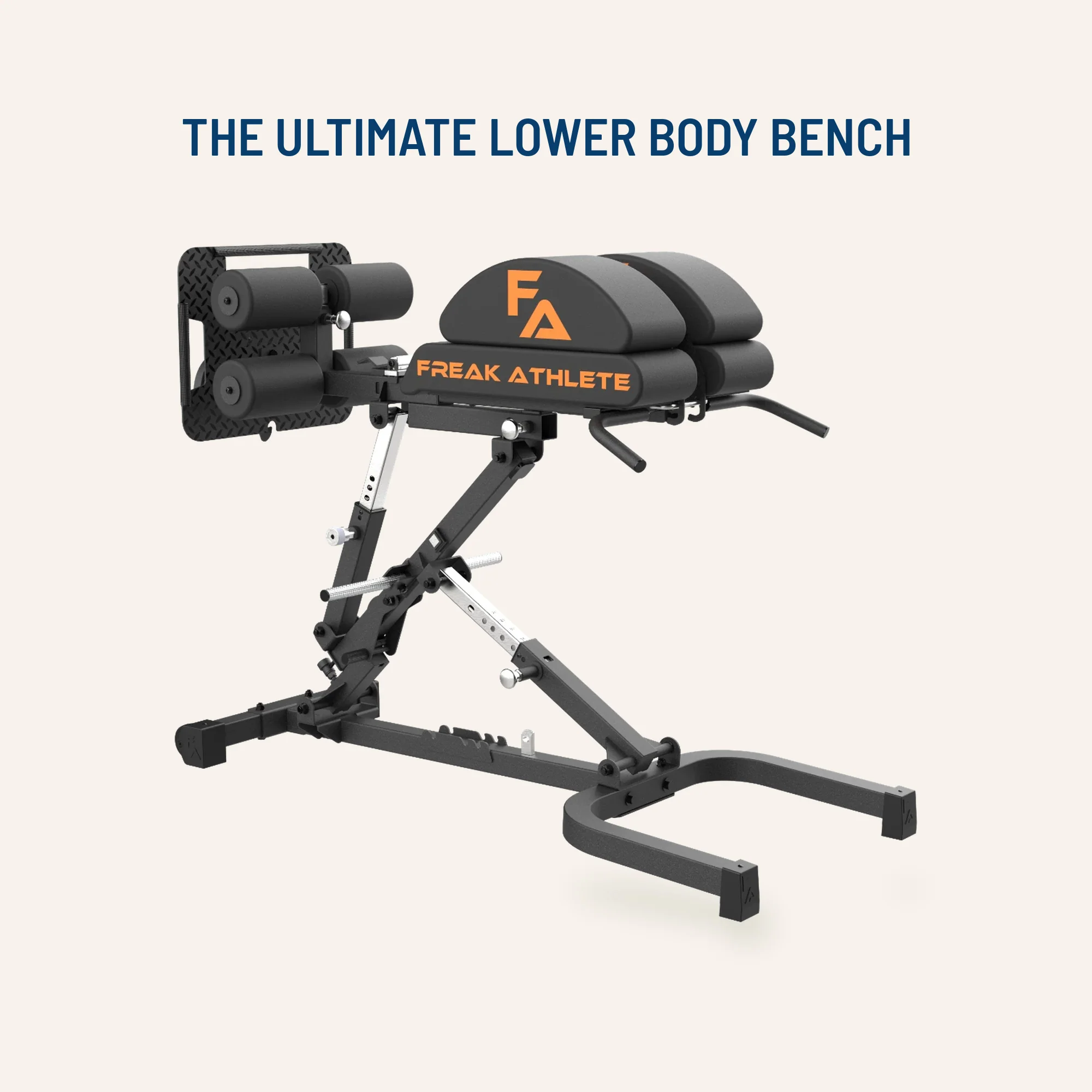


Power Tower
Freestanding pull-up and dip station with adjustable handles for bodyweight training.

A Simple Strength Plan Built Around Recovery
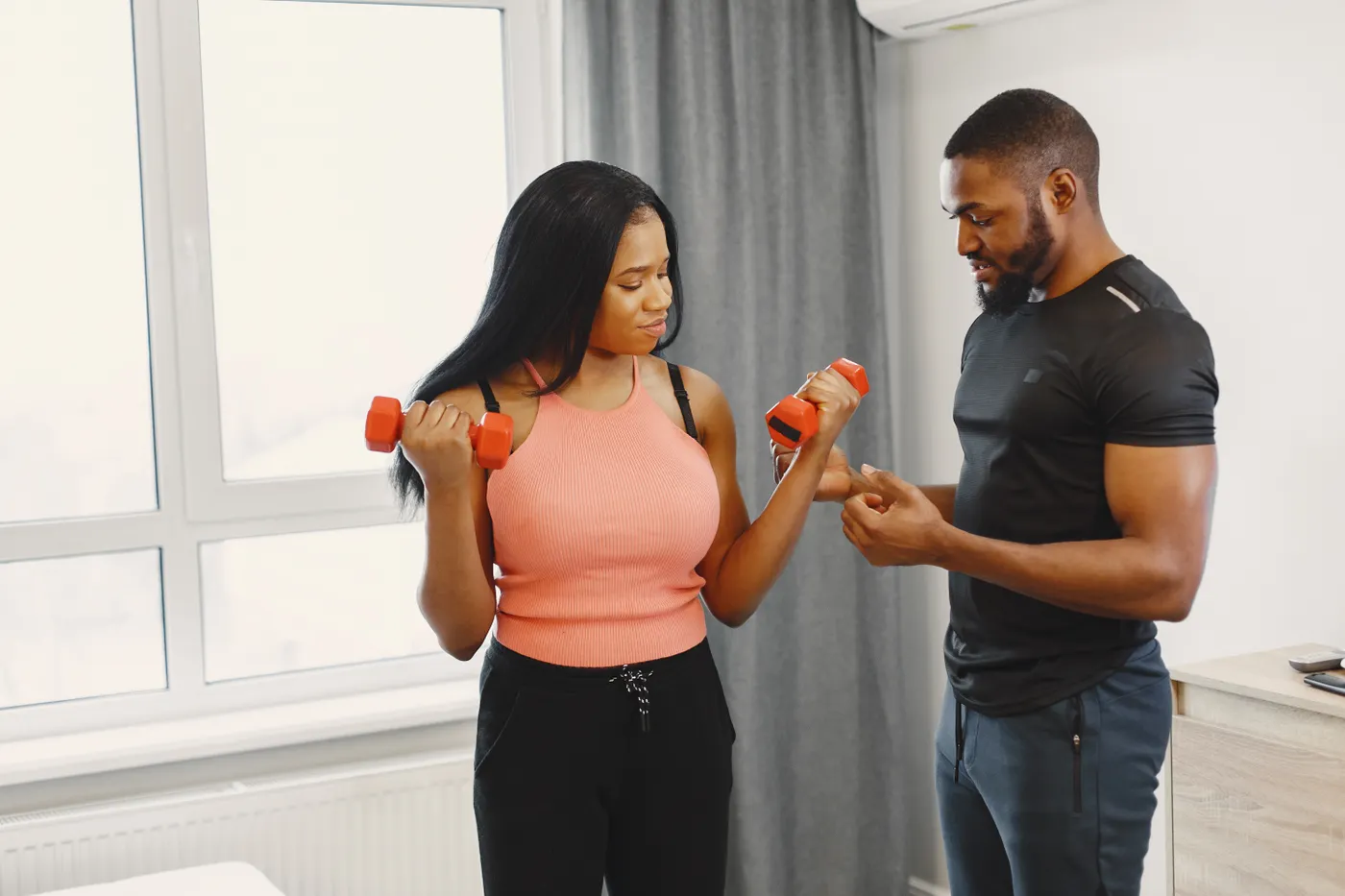
For someone cleared to exercise by their healthcare professional, a practical starting point is two nonconsecutive full-body sessions per week. The research program used three sessions, but a beginner can first establish a routine that is comfortable and repeatable. People with untreated moderate or severe OSA, cardiovascular symptoms or other significant conditions should obtain individualized advice before increasing exercise intensity.
Session A: five minutes of easy movement, then a supported squat or sit-to-stand, dumbbell or cable row, incline push-up or chest press, light hip hinge and a short carry. Start with one or two controlled sets of eight to twelve repetitions per exercise. For carries, use a comfortable distance rather than holding your breath under a maximal load.
Session B: repeat the warm-up, then use a step-up or split squat with support, lat pulldown or assisted pull, dumbbell floor press, glute bridge and a gentle core exercise such as a dead bug. Again, begin with one or two sets and stop while two or three good repetitions remain possible. Use stable equipment and a range of motion that feels controlled.
Rest long enough between sets to breathe normally and maintain technique. Avoid prolonged breath-holding or maximal-effort lifting unless a clinician has confirmed that it is appropriate for your circumstances. A short walk on most days can complement the resistance work without turning every day into a hard training day.
Week 1: learn movements and log effort. Week 2: repeat the same sessions with steadier technique. Week 3: add a set to one or two exercises if recovery is good. Week 4: add a small amount of resistance only where all repetitions remain smooth. Progress is optional when sleep, symptoms or energy are poor.
Keep prescribed OSA treatment unchanged unless the treating clinician advises otherwise. The plan is a general fitness template, not a clinical treatment protocol, and there is no evidence that following it reproduces the exact improvements observed in the trial.
Bodybuilding Shirts & Workout Gear
Bodybuilding shirts, tanks and gym gear for lifters chasing muscle, size, symmetry and the pump.

Commitment To Gains Stoic Greek God Marble Sculpture T-Shirt
Make gym days more fun with “Commitment to Gains Stoic Greek God Marble” style.

Determination Stoic Gymbro : Sigma Bodybuilder T-Shirt
Heavy lifts, good laughs, and a little “Determination Stoic Gymbro Graphic” energy.

Discipline Greek God Statue Stoic Sigma T-Shirt
Heavy lifts, good laughs, and a little “Discipline Greek God Statue Funny Stoic” energy.

Live Love Lift Hooded Pullover Workout Gymbro Apparel Hoodie
Keep it laid-back with a little “Live Love Lift” attitude.

Progressive Overload Milo Tee
Bring “Progressive Overload Milo Bull” humor to your next gym day.

Hypertrophy Stoic Sigma Greek God Marble Sculpture T-Shirt
Bring “Hypertrophy Stoic Sigma Greek God Marble” humor to your next gym day.

OnlyGains Only Gains Meme – , Top & T-Shirt
Bring “OnlyGains Only Gains Gym Meme” humor to your next gym day.


Lifting Is In My DNA Shirt – & Gains T-Shirt
Make gym days more fun with “Lifting Is In My DNA” style.

Track Sleep Honestly, Not Just Your Best Workout
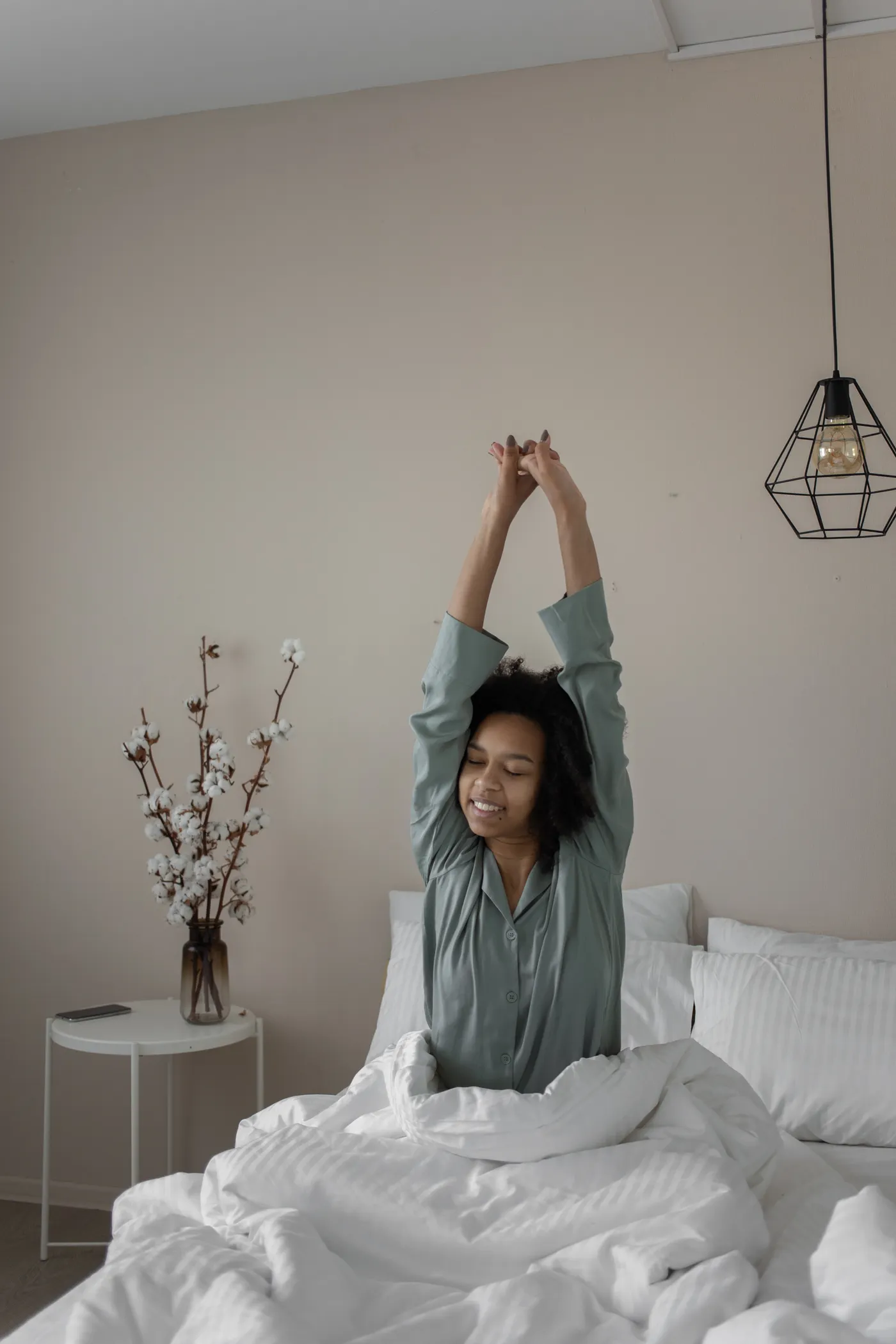
A useful four-week audit starts with a simple baseline. Record when you go to bed, roughly when you fall asleep, how often you wake, how refreshed you feel in the morning and whether daytime sleepiness interferes with driving or work. Note training days, session effort and whether late workouts seem to disturb your normal bedtime.
Keep the same basic sleep and exercise observations through the month. Look for trends across several weeks rather than celebrating one unusually good night. Training consistency, energy and strength progression are worthwhile outcomes even if sleep does not noticeably change. If a routine worsens symptoms or creates persistent exhaustion, reduce the load and seek appropriate advice.
Consumer watches and phone apps can help document patterns, but they do not diagnose or rule out OSA. Likewise, questionnaire improvements cannot establish that breathing interruptions have normalized. Only appropriate clinical testing and follow-up can answer that question. Do not adjust CPAP or other prescribed treatment based solely on how a workout made you feel.
The study’s best message is narrower and more useful than a cure headline: eight weeks of regular lifting improved reported sleep quality and quality of life in a small group of adults with significant sleep apnea, while daytime sleepiness did not clearly improve. A related analysis found fewer breathing interruptions, but broader evidence remains mixed.
Strength training is worth pursuing for the many benefits it already delivers. If it also helps sleep, that is welcome. The safest goal is a sustainable routine alongside proper assessment and treatment, with progress measured by real function, recovery and medical guidance rather than hype.