Advertising disclosure: This page includes affiliate links that may earn us a commission at no additional cost to you.
A row can train your back while asking your trunk to do very different work. Pull a barbell with both hands from a hip hinge and you must maintain that torso position throughout the set. Pull a cable with one hand and the resistance may also try to turn your body. Neither challenge automatically makes an exercise better for building muscle. The useful question is what you want to train and which structure is currently limiting your repetitions.
A comparison involving 15 resistance-trained men provides a useful starting point. It measured electrical activity in several trunk muscles during three rowing exercises performed with one or both arms. The results suggest that a row chosen for its back-muscle stimulus need not be the same row you would choose for trunk endurance or resistance to rotation. Here is how to use that distinction in a real program.
Why two hands and one hand load the trunk differently
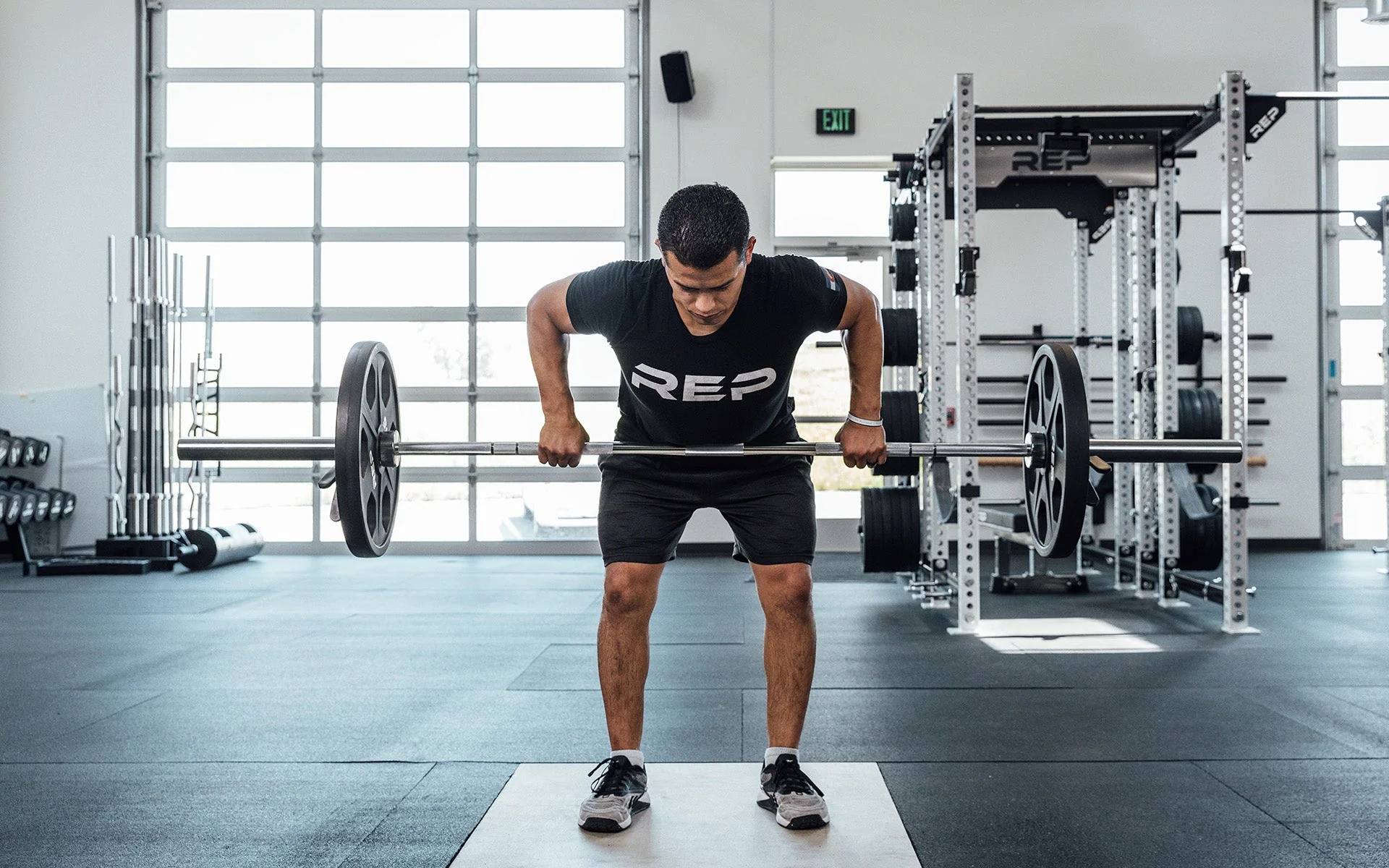
Imagine a barbell hanging below your shoulders while your hips remain behind your feet. Gravity pulls the bar downward. As the horizontal distance between the load and your hips increases, the muscles that maintain your hinged position must resist a larger turning effect. The hips and legs contribute to keeping the position, too. Your upper back and arms are responsible for moving the bar toward your torso, but they cannot work independently of that base.
A seated cable row changes the problem. With your feet against a platform and your torso more upright, the line of resistance is generally more horizontal. You still need to hold a stable position, but you need not maintain the same unsupported hinge. A machine with a chest pad adds another point of contact and can further reduce the effort required simply to keep your torso in place.
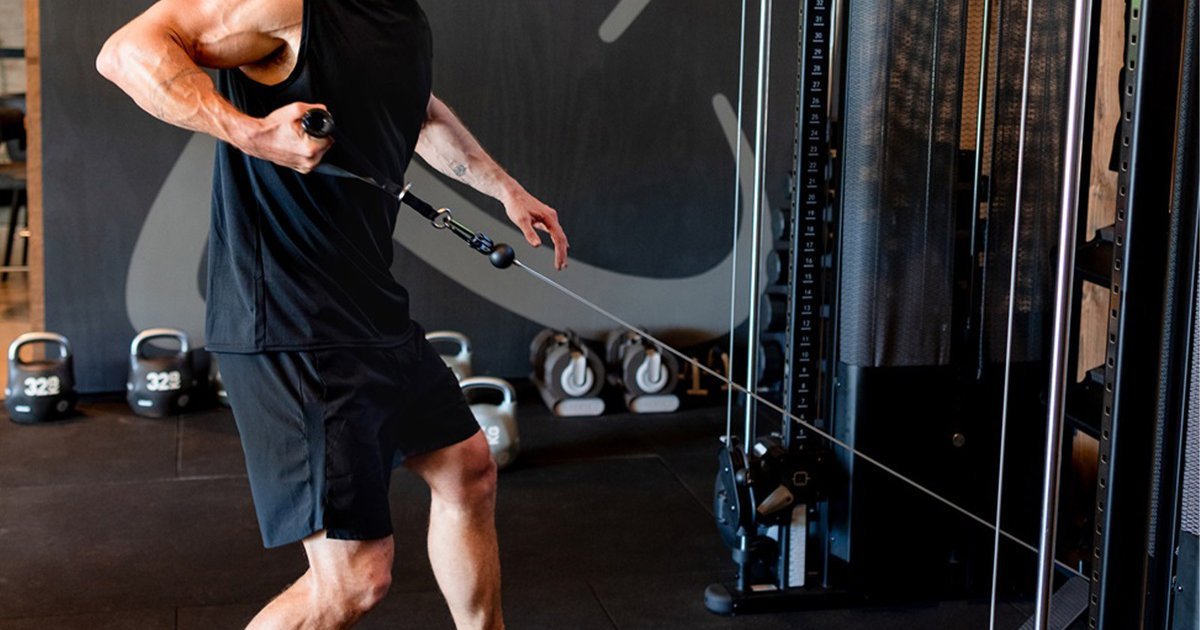
Switch to one arm and an additional challenge appears: the force is applied to one side of your body. Depending on where you sit or stand, the direction of the cable, and whether you have external support, the load can pull your shoulder forward and create a rotational demand around your trunk. The other side of your body must help resist that demand if your intention is to keep your chest facing forward.
This is not a contest between stable and unstable training. Stability is a useful resource. Sometimes you want to spend it on the muscles moving your shoulder and elbow; sometimes maintaining your position is part of the exercise’s purpose. Decide which outcome matters before choosing the row.
What the 15-lifter comparison actually measured
In a 2015 experiment, 15 men with resistance-training experience performed free-weight bent-over rows, seated cable rows and machine rows in randomized order. Each type was compared in one-arm and two-arm versions at matched effort. Electromyography, or EMG, was used to examine electrical activity in the erector spinae, multifidus, external oblique and rectus abdominis.
The findings did not point to a single universal winner. The two-arm free-weight row produced an erector spinae signal 34% greater than the two-arm machine row and 12% greater than its one-arm free-weight counterpart. In the external oblique, the two-arm conditions generated only 37–41% of the corresponding one-arm signal. In contrast, no statistically significant differences were detected for the rectus abdominis.
In practical terms, using one arm was associated with a stronger signal in a muscle involved in controlling rotation, while using both arms often increased the demand on muscles supporting the spine. That is consistent with the different mechanical challenges described above. It does not mean every lifter will reproduce those exact percentages or that the numerical differences represent extra muscle growth.
EMG is an acute measurement, not a direct measure of muscle size, spinal compression, training safety or long-term strength. The group was small and included trained men, not a representative sample of every gym user. Matched effort also does not mean identical external weight. Treat these results as evidence about the demands of those specific exercise conditions, rather than as a ranking of all rowing exercises for hypertrophy.

Bodybuilding Shirts & Workout Gear
Bodybuilding shirts, tanks and gym gear for lifters chasing muscle, size, symmetry and the pump.

The Empire Lifts Back – Star Wars Back Day Meme Vest Mu Tank Top
Your gym-day look, with a playful “The Empire Lifts Back” twist.

Lat Man Big Back – Hooded With Huge Lats – Jumper Hoodie
Stay casual and show some superhero attitude with “Lat Man Big Back”.

Big Back SpongeBob Bodybuilders Back Day Vest Tank Top
Show some personality between sets with “Big Back”.

Hardcore Gains Gym | Funny No Pain No Gain Workout Swea T-Shirt
For laid-back days and lifting humor: “Hardcore Gains”.

Demon Back Big Back Sweater & Lat Gains Meme T-Shirt
Add a playful “Demon Back” touch to your casual rotation.


Wide Privilege – Wide Back Meme Jumper Crewneck Pullove T-Shirt
Bring “Wide Privilege” humor to your everyday gym style.

Nice Traps Big Back Tee
Heavy lifts, good laughs, and a little “Nice Traps Big Back” energy.

Back Sabbath Back Day Heavy Metal Back Training Workout T-Shirt
Bring “Back Sabbath Back Day” humor to your next gym day.

Lat Spread Mickey Mouse Decal Meme Water Bottles Sticker
A fun “Lat Spread” touch for bottles, laptops, and lockers.
When to favor a one-arm cable row
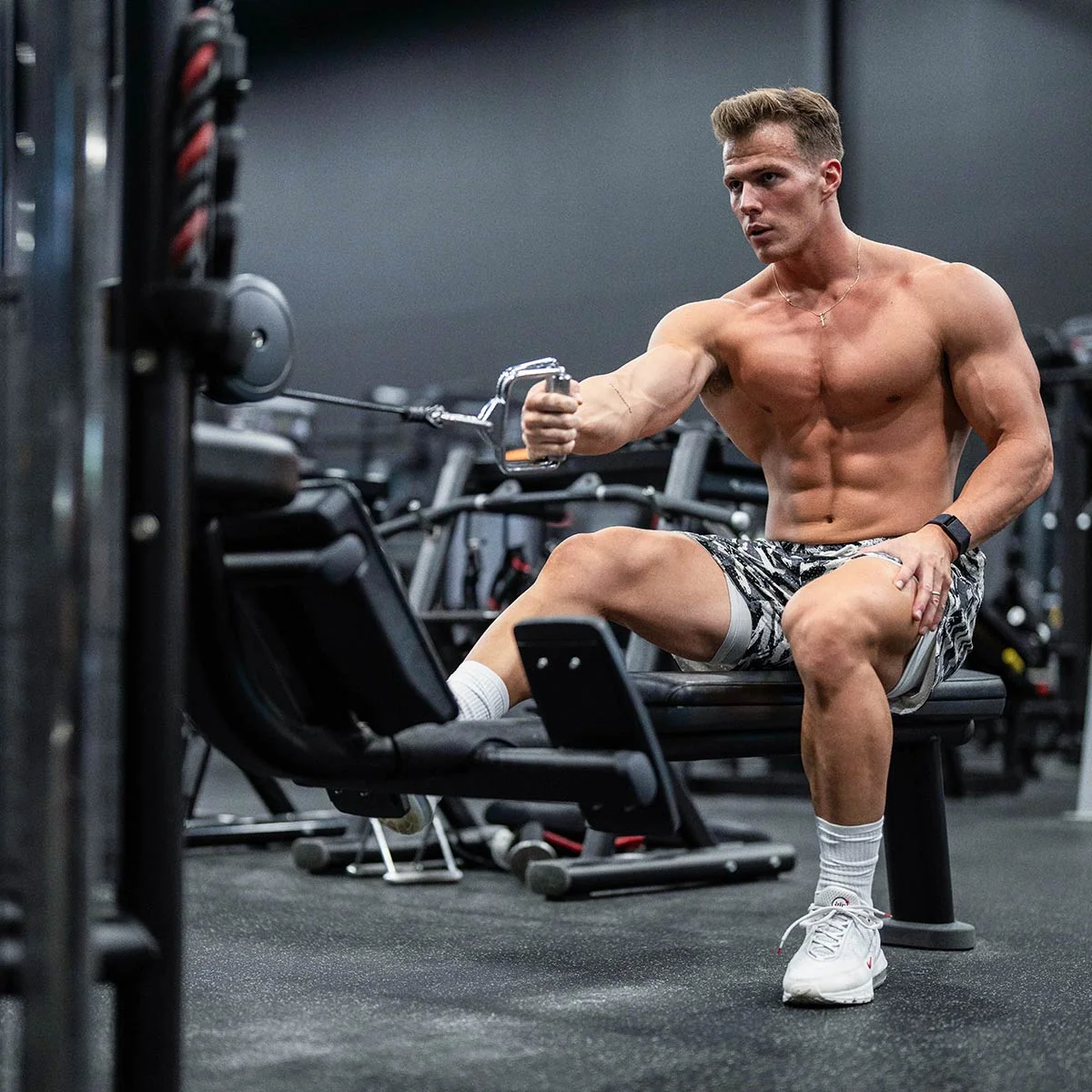
A one-arm cable row is particularly useful when you want to combine upper-back training with a deliberate anti-rotation challenge. Start by positioning the pulley at a comfortable height, establishing a secure base and choosing a load you can move without turning the movement into a whole-body twist. A seated position with stable feet or a standing staggered stance can both work; they are different exercises in terms of balance and support.
Let your working shoulder reach forward within a comfortable range, then pull your elbow back without using a large rotation of your pelvis to finish. The shoulder blade can move naturally as your arm travels. Do not confuse keeping your trunk controlled with forcing the shoulder blade to remain pinned throughout the repetition. Your goal is to distinguish the movement at the shoulder from movement you are borrowing elsewhere.
Film one set from the front or at an angle where both shoulders and hips are visible. If the handle moves farther only because your body rotates, your current load is too high for a strict anti-rotation version. Reduce it until the intended motion is repeatable. Deliberately rotational rows can also have a place in training, but they should not be logged as though they were the same strict variation.
Start with the side that is harder to control, and use its clean repetition count to guide the other side. Do not assume an apparent imbalance is a diagnosis. Differences can reflect skill, setup or fatigue. Keep the same seat position, attachment and pulley height for several weeks so your log measures progress rather than equipment changes.
Choose support that matches your training goal
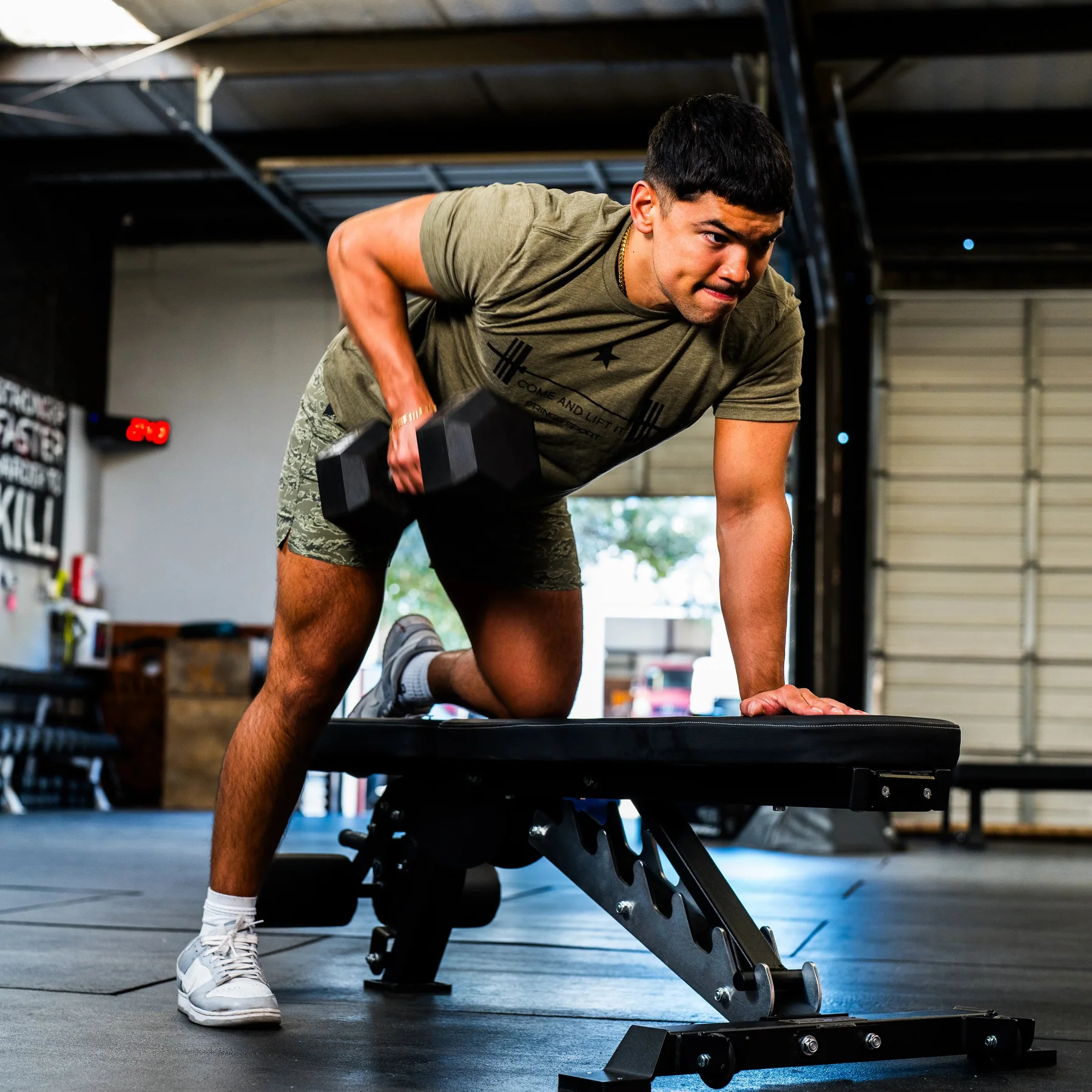
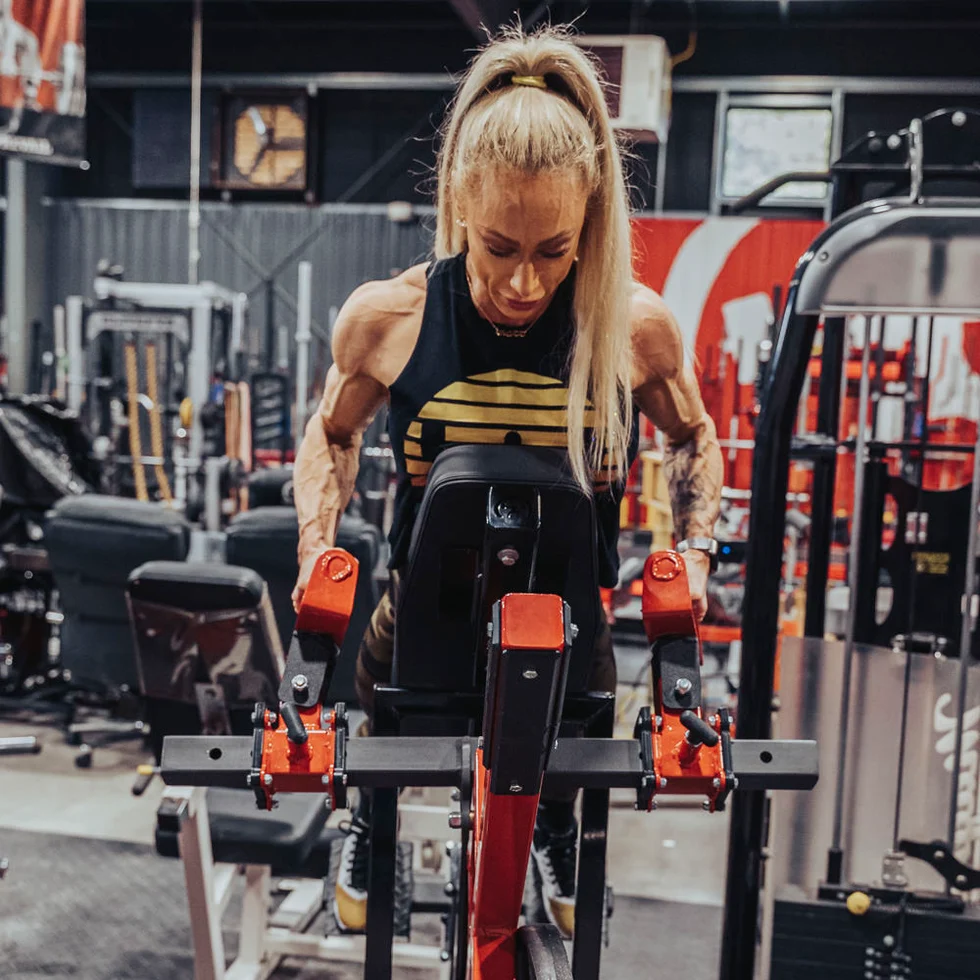
If your primary goal is more high-quality work for the lats and upper back, a chest-supported machine or a bench-supported dumbbell row can be an excellent choice. Adding support is not cheating. It changes what has to stabilize your body so the muscles you intend to train can often remain the limiting factor for more of the set.
Another small experiment, published in 2009, compared inverted rows, standing one-arm cable rows and bent-over rows in seven men. Its biomechanical estimates placed the greatest lumbar spine load on the bent-over row, whereas the inverted row combined relatively low lumbar loading with substantial back-muscle activity. The standing cable row imposed a rotational challenge. These results are specific to the tested techniques, but they reinforce the value of separating trunk demands from pulling demands.
Think about the rest of your week. If heavy Romanian deadlifts already leave your spinal erectors tired, an unsupported row may finish prematurely because you cannot comfortably maintain your hinge. In that situation a supported row can preserve useful pulling work. If maintaining a loaded hinge is an important part of your strength goals, keep some unsupported rowing when you are fresh enough to perform it consistently.
For a bench-supported dumbbell row, use a solid bench that will not tip or slide, plant your supporting hand and establish a stable stance. With a chest-supported machine, adjust the seat and pad so the handles allow comfortable shoulder motion. In either case, avoid chasing extra range by lifting away from your support at the end of each rep. The right setup is the one you can reproduce without discomfort or unnecessary compensation.

Equipment Worth Exploring
Explore equipment, accessories and gear from our carefully selected range.

Linear Row LRX-750
Dual-sided rowing machine for supported rows, bent-over rows and varied pulling movements.

Lateral Row Machine LRM-720
Rowing machine with independent lever arms, an adjustable seat and chest support.

GymPin Barbell Row Handle
Heavy-duty handle attachment for barbell, landmine and T-bar rows.

T-Bar Row Attachment
Welded barbell attachment that connects a D-handle bar for landmine and T-bar rows.


GymPin Ergo Handles
Pair of ergonomic cable handles shaped for comfortable triceps and pulling exercises.

Angles 90 Grips
Flexible grip attachments that allow natural wrist movement during pulling exercises.

44in Dual Hook Bar
44-inch aluminum dual-hook straight bar for cable rows, pulldowns, and curls.

Build a back-training week you can repeat
A useful program can combine rather than choose between these movements. For example, on your first back session of the week, perform three sets of six to ten controlled two-arm rows, using a barbell if your hinge is fresh or a chest-supported machine if you want to prioritize your upper back. On the second session, perform two or three sets of eight to twelve one-arm cable rows per side, keeping the pelvis and shoulders controlled. These are example starting ranges, not a protocol tested in the 2015 experiment.
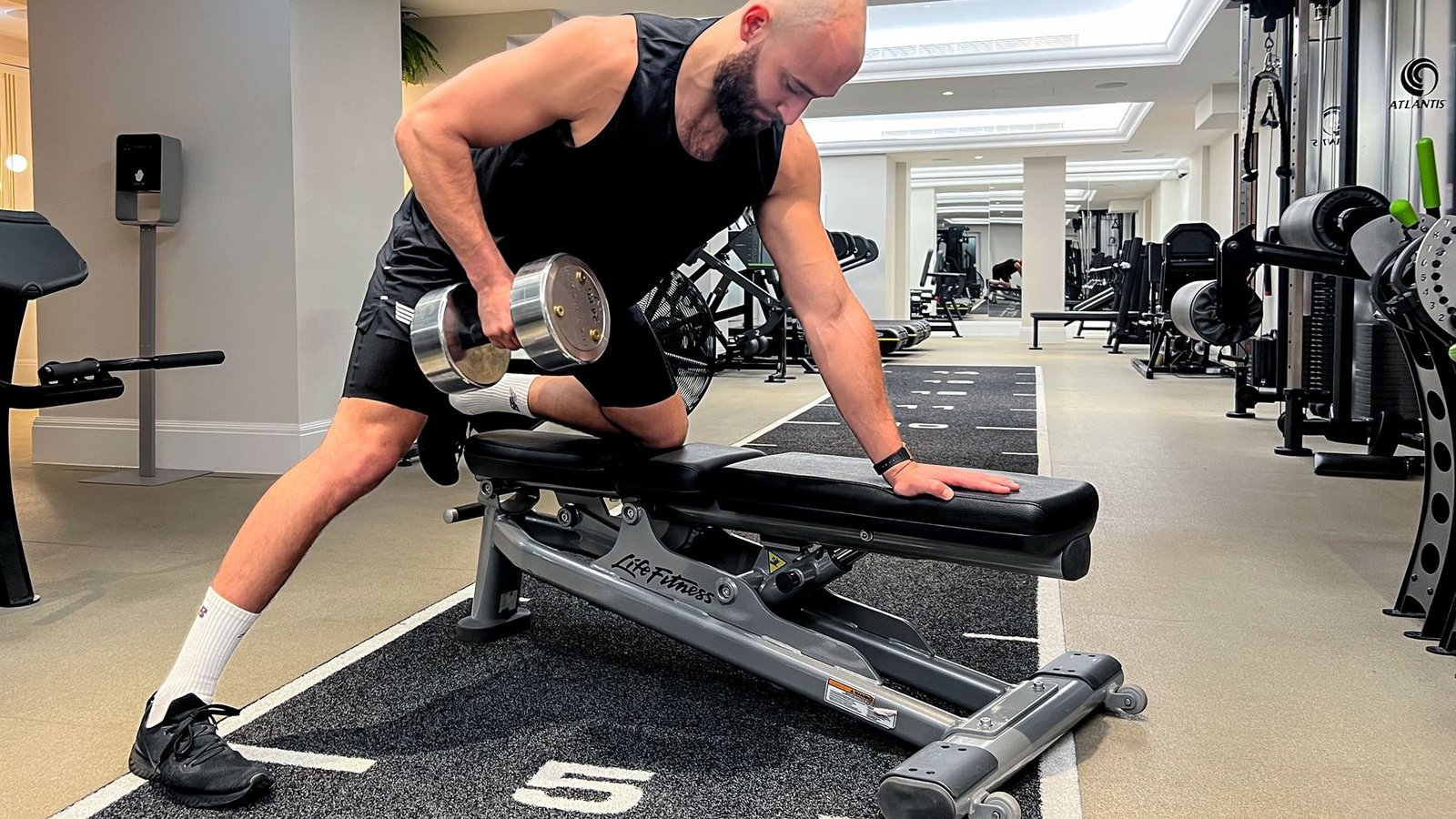
If you only have a rack, an inverted row under a securely fixed bar is another practical option. Begin with a more upright body position and gradually move toward horizontal as your strength improves. If you only have dumbbells, alternate unsupported two-dumbbell rows with bench-supported single-arm work, or use a single dumbbell with a stable stance for a more demanding trunk variation.
Leave roughly one to three clean repetitions in reserve for most working sets initially. Add repetitions within the selected range before increasing weight. Once you can complete the upper end of the range with your intended torso position, increase the resistance modestly and build your repetitions again. Rest sufficiently between sets that your next set measures pulling ability rather than simply how breathless you are.
Keep separate records for each exercise. A 35 kg single-arm cable row, a 70 kg barbell row and a machine row with 70 kg on the stack do not provide interchangeable resistance. Pulley ratios, lever arms, support and movement paths all matter. Compare each movement against its own previous performance, and note whether changes in support or technique altered the difficulty.
Finally, do not use the trunk-muscle signal as an excuse to push through persistent back pain. Change the setup or choose a tolerable alternative; seek qualified assessment if symptoms persist or worsen. You do not need to make every pull a maximal bracing exercise. For most lifters, a sustainable combination of supported and unsupported work, with one-arm and two-arm variations chosen for a purpose, is more useful than declaring one row the best.