Advertising disclosure: This page includes affiliate product links that may earn us a commission, as well as products from our own store.
Mark Felix’s grip reputation makes more sense when you separate the feats instead of treating every heavy object as the same test. A one-handed rotating-handle lift, a timed Hercules Hold, a barbell deadlift and an Atlas stone all ask something different of the athlete. Felix’s appeal is that his career gives strength fans several ways to see those differences.
One particularly revealing example is his 2012 Rolling Thunder performance. Its verified number was lower than the first number circulated, yet the corrected lift was still extraordinary. That is a useful story for anyone who enjoys strongman records: accuracy can make a feat easier to appreciate without making it less impressive. This is a historical analysis, not a claim about today’s record or a reconstruction of Felix’s personal training plan.
The 2012 lift was 146.75 kg, not 150.7 kg
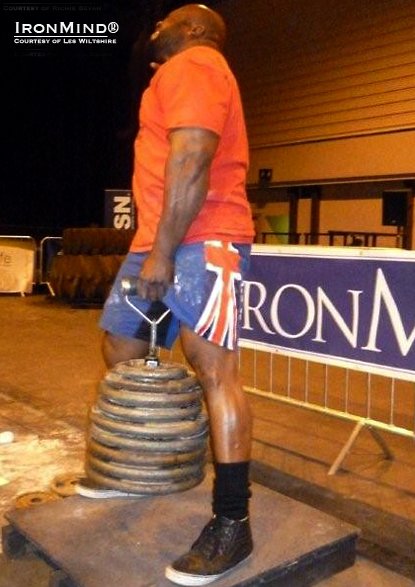
At the 2012 Bodypower Expo in Birmingham, Felix lifted 146.75 kg, or 323.5 lb, on the Rolling Thunder. The contemporary announcement was dated May 22, 2012. A larger figure, 150.7 kg, had initially circulated, but checking the scoresheet arithmetic produced the corrected total. The lift was reviewed and accepted as a record at the time.
That correction is the central detail to remember. It was not simply a rounded conversion from kilograms to pounds, and repeating the larger number does not strengthen the story. A claim can change because somebody checks the load calculation. Keep the result attached to its event and date rather than turning an old headline into a claim about the current record.
For your own lifting log, the parallel is straightforward: record what you actually lifted. If a loading pin, handle and connector are part of the measured system, make clear whether your total includes them. Do not compare a plate-only number from one session with a complete-system total from another. The arithmetic should let another person understand the performance without guessing what was on the scale.
This is also a useful way to watch record clips. Ask what the stated number measures before debating whether the athlete could have lifted more. Felix’s corrected result provides a complete, interesting historical achievement on its own. It does not require an exaggerated total or a fictional account of the preparation behind it.
A record needs an implement, a standard and a date
The Rolling Thunder is a revolving-handle test, so a fixed thick handle is not an equivalent substitute. Current competition rules require an authentic current-model handle that rotates freely, a controlled completed lift and an official decision. Those details explain why a heavy pickup in a gym and an accepted contest attempt are different kinds of evidence.
Do not use today’s rule page as proof that every historical result belongs in one directly comparable ranking. Hardware versions, certification categories and record tables need their own context. The careful description here is Felix’s accepted 2012 performance as documented at that time. It would take a separate review to establish a current record under a particular version and standard.
The same discipline helps when comparing your own attempts with a friend’s. Use the same implement, loading arrangement and completion rule, then film from an angle that shows the relevant movement. A clip that hides the hand or the finish may still show impressive effort, but it answers fewer questions. Better documentation makes friendly competition more satisfying because everyone knows what counts.
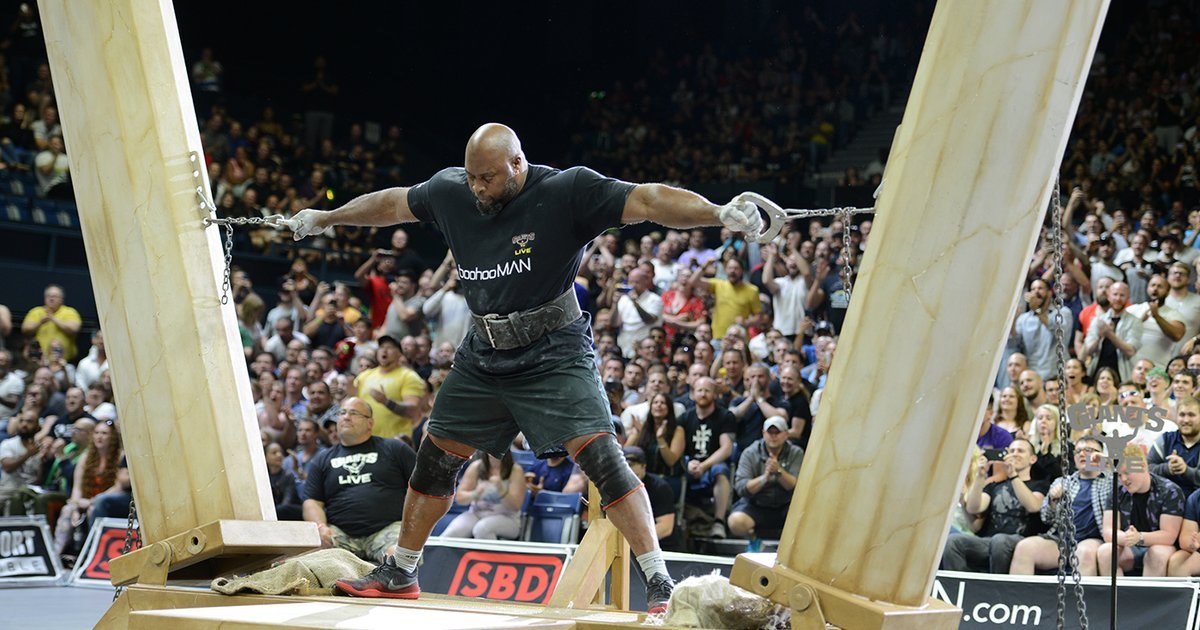
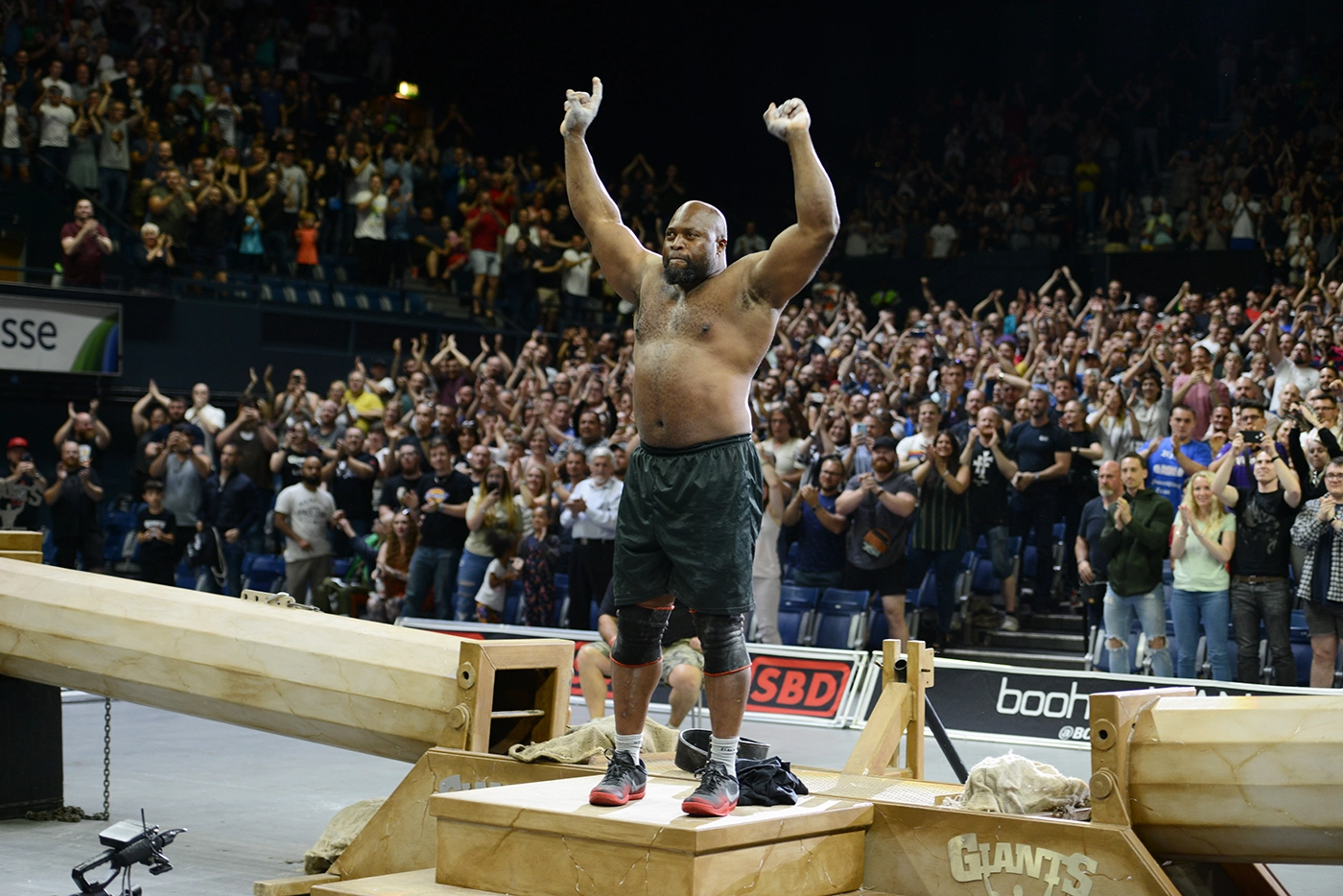
Our Rolling Thunder rotation and lift-standard guide examines that equipment question in more detail. Keep it separate from the athlete’s history: understanding the handle helps explain the challenge, while the historical result tells you what Felix achieved. The career photographs throughout this article show different events, not one continuous account of the 2012 competition.
Why a great deadlift does not settle every grip question
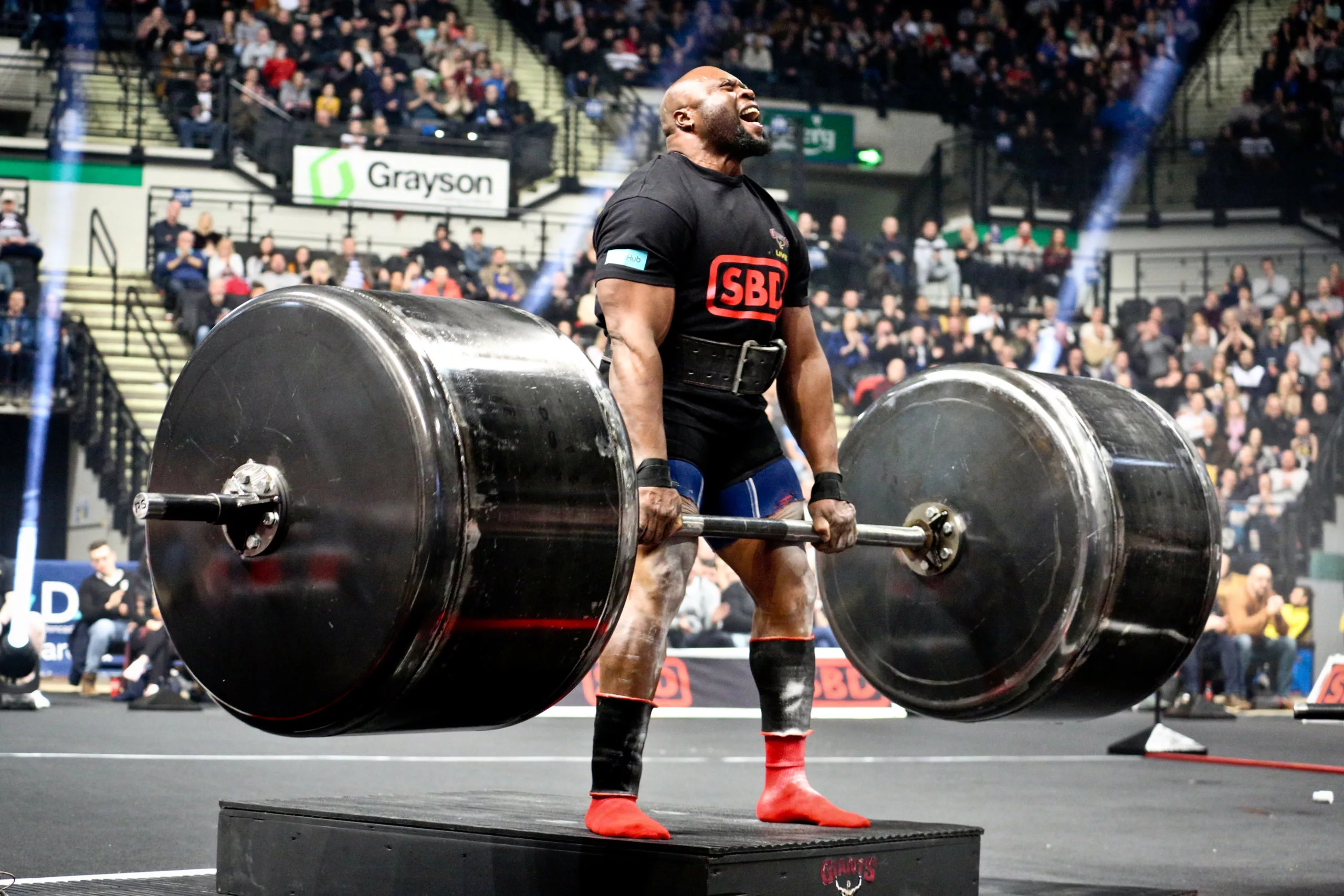
Felix is also known for barbell deadlifting, including repeated heavy pulls. That wider strength background makes his grip feats interesting, but it does not create a simple conversion between a two-handed barbell lift and a one-handed revolving handle. The hands, object, body position and completion standard are different.
For training purposes, distinguish producing a large force briefly from maintaining a hold. A timed hold can end because the hands open, while a heavy pull may be limited somewhere else in the movement. If your deadlift ends because you lose the bar, that gives you a specific problem to investigate. It does not automatically tell you which accessory exercise will solve it.
Think of crushing, pinching and supporting as useful ways to organize grip work rather than interchangeable scores. Closing the fingers toward the palm differs from pressing the fingers against the thumb, and both differ from carrying a hanging load. Choose a task that resembles the limitation you actually notice. An impressive result in one category remains impressive even when it does not predict the others.
This is why powerlifting-style barbell work and specialized strongman tests can coexist without competing for one universal title of strongest hands. Their appeal lies partly in the different demands. Watch how Felix holds the object and completes the event, then ask what was being tested. That question is more informative than assuming the heaviest-looking implement must be the hardest grip challenge.

Powerlifting Shirts & Lifting Gear
Powerlifting shirts and gym gear for squat, bench and deadlift lifters who live for heavy numbers.

Bending Bars Meme – Barbell Squat Bench Deadlift, & T-Shirt
Heavy lifts, good laughs, and a little “Bending Bars Gym Meme” energy.

Zombie Deadlift Lifting Dead Halloween Hooded Hoodie
Stay casual and show some Halloween attitude with “Zombie Deadlift”.

Skeleton Deadlift Sweater & Fans Meme T-Shirt
Show some gym-day personality with “Skeleton Deadlift”.

Nice Try Gravity Astronaut Muscle | Funny Space Workout Tank Top
Show some personality between sets with “Nice Try Gravity Astronaut”.

Praise The Deadlift Holy Lifting Meme Decal Water Sticker
Put “Praise The Deadlift” gym humor on your laptop, bottle, or gym gear.

2 Plates Deadlift Club Motivational Meme & Ultimate T-Shirt
Rep “2 Plates Deadlift Club” humor in and out of the gym.

Heavy Metal Deadlift – Skeleton Gym for Powerlifters an Hoodie
Stay casual and show some metalhead attitude with “Heavy Metal Deadlift”.

Deadlifter Life Shirt – Halloween Ghost T-Shirt
Rep “Deadlifter For Life” humor in and out of the gym.

Deadlift And Chill Shirt Netflix & Gains Meme Top T-Shirt
Bring “Deadlift and Chill” humor to your next gym day.

Defy Gravity Isaac Newton Deadlift Meme Science T-Shirt
Heavy lifts, good laughs, and a little “Defy Gravity” energy.
Stones and carries add the problem of controlling the object
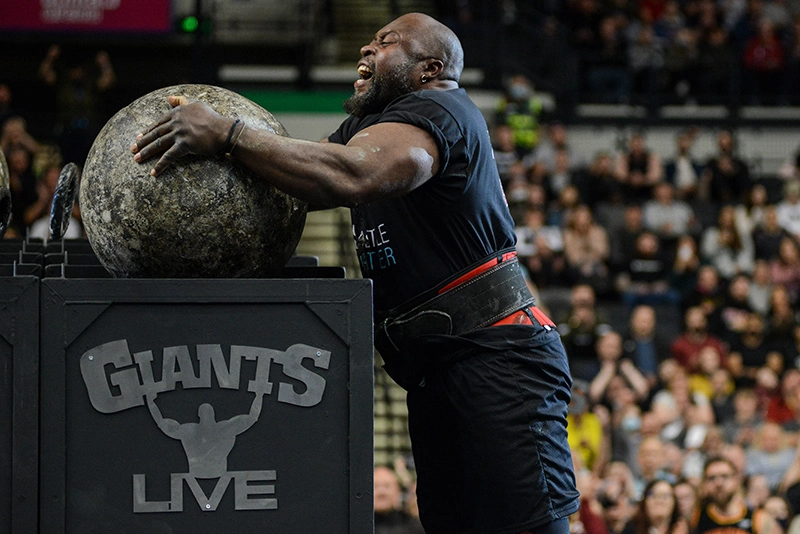
An Atlas stone brings the object against the body and requires a different method of controlling it from a hanging handle. The photograph of Felix loading a stone illustrates that distinction: contact, positioning and the route onto the platform all matter. It should not be read as another Rolling Thunder attempt or evidence of the same grip score.
Carries introduce another comparison. Moving with dumbbells or a trap bar involves holding the load while taking steps, whereas standing still removes that part of the task. Distance, duration, pace and turning space can each change what you are trying to achieve. Pick one primary measure so that improvement is easy to interpret rather than changing the whole test whenever it becomes difficult.
Our guide to open and closed trap-bar carries covers equipment and route choices for that approach. It is a separate training option, not an imitation of Felix’s contest preparation. You can borrow the idea of holding a load securely while moving without copying the scale or risk of an elite event.
For a practical equipment comparison, dumbbells, kettlebells, compatible thick-grip attachments and a suitable trap bar offer different shapes and handle arrangements. Plates can support carefully controlled pinch work. None is a replica of every strongman implement. Check attachment compatibility and a secure fit before loading, and choose a clear area where putting the equipment down is part of the plan.

Equipment Worth Exploring
Explore equipment, accessories and gear from our carefully selected range.


Rubber Hex Dumbbells
Rubber-coated hex dumbbell pairs with a stable shape for home and commercial strength training.


Cast Iron Kettlebells
Textured cast-iron kettlebells for swings, squats, carries, and full-body training.

Grip Plates
Rubber-coated weight plates with handholds for loading barbells and machines.

Take the lesson without inventing the athlete’s routine
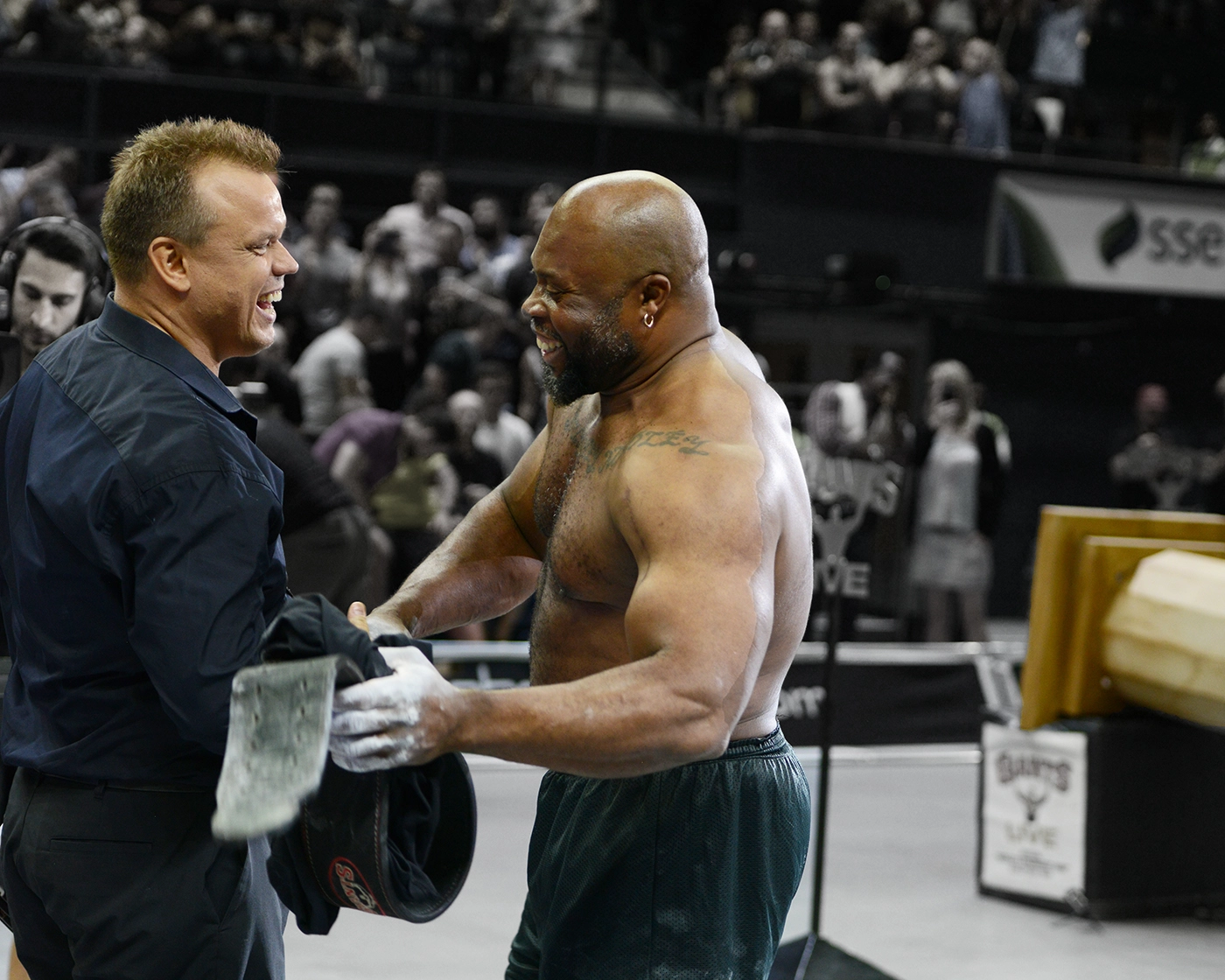
Felix began competing in strongman in his late thirties and built a long career across demanding events. That history is encouraging, but it does not establish his weekly grip volume, recovery schedule or exact exercise selection. A highlight reel is evidence of performances, not a complete training diary. Avoid turning an athlete’s unusual strengths into a promised result from one accessory.
A sensible adaptation begins with your existing program. Identify one limitation, choose one controllable task and record the conditions. For example, you might track a manageable supporting hold after your priority lifting. Keep the implement and loading method consistent. This is an editorial example of organizing practice, not Felix’s routine and not a prediction of how quickly your grip will improve.
Place extra grip work where it will not undermine the session’s main purpose. Arriving at important pulling sets with exhausted hands can turn an accessory into an obstacle. Start with a modest amount, observe how the next session feels, and adjust one variable at a time. Persistent discomfort is a reason to reconsider the exercise rather than chase a longer hold.
The lasting appeal of Felix’s 2012 lift is not that everybody should train toward the same number. It is a clear example of a remarkable athlete meeting a specific challenge, with a corrected load that deserves to be repeated accurately. Enjoy the feat, respect the standard and let your own training answer a smaller, measurable question.