Advertising disclosure: This page includes affiliate product links that may earn us a commission, as well as products from our own store.
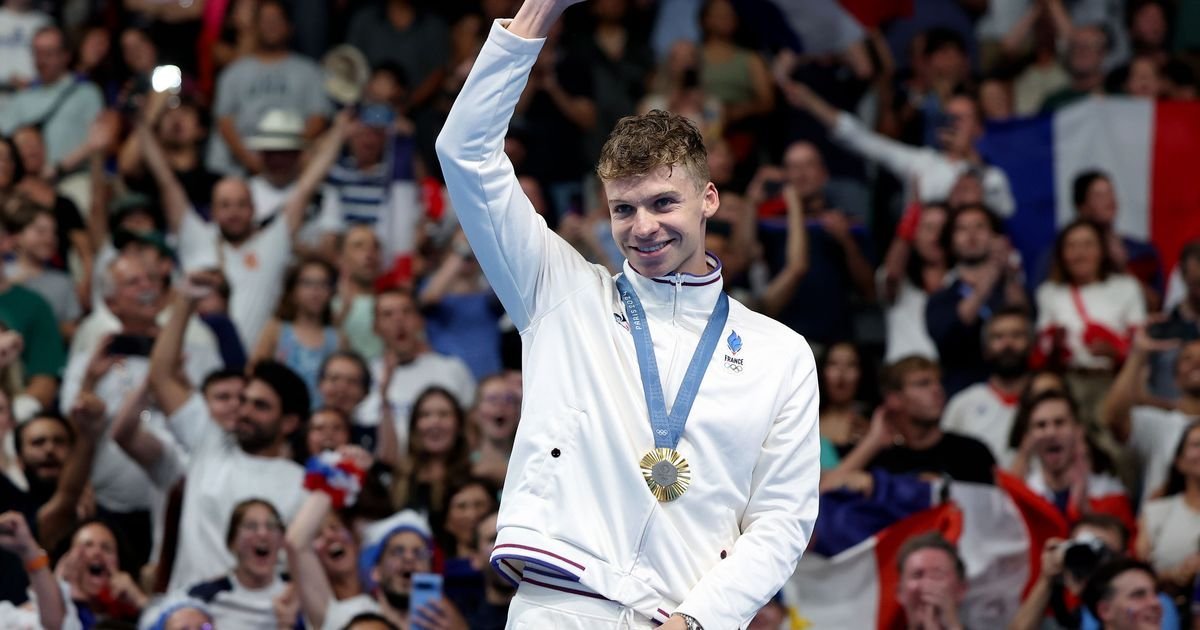
On 31 July 2024, Léon Marchand won the Olympic 200m butterfly and returned roughly two hours later to win the 200m breaststroke. Both victories came in Olympic-record times. The appeal goes beyond collecting two medals: he had to deliver two different racing performances, against different specialists, while one evening kept moving. For fitness readers, the interesting part is how preparation, pacing and managing the next task can matter alongside raw ability.
Two gold medals, two distinct races
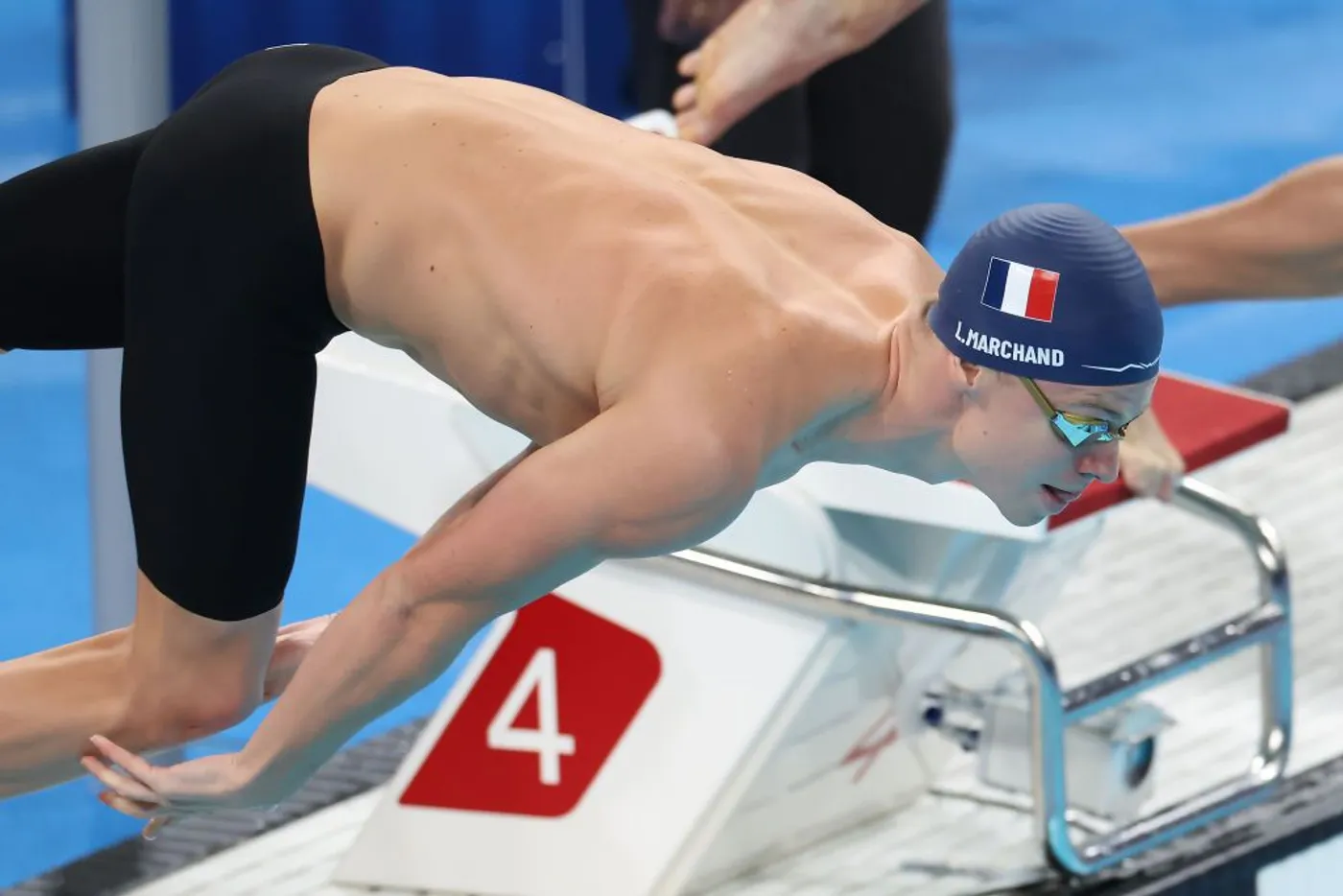
Marchand’s first winning time was 1:51.21 in the butterfly. His second was 2:05.85 in the breaststroke. Those are results from the Paris 2024 finals, rather than claims about the current record book. In both races he beat the defending Olympic champion, but the route to the wall looked different.
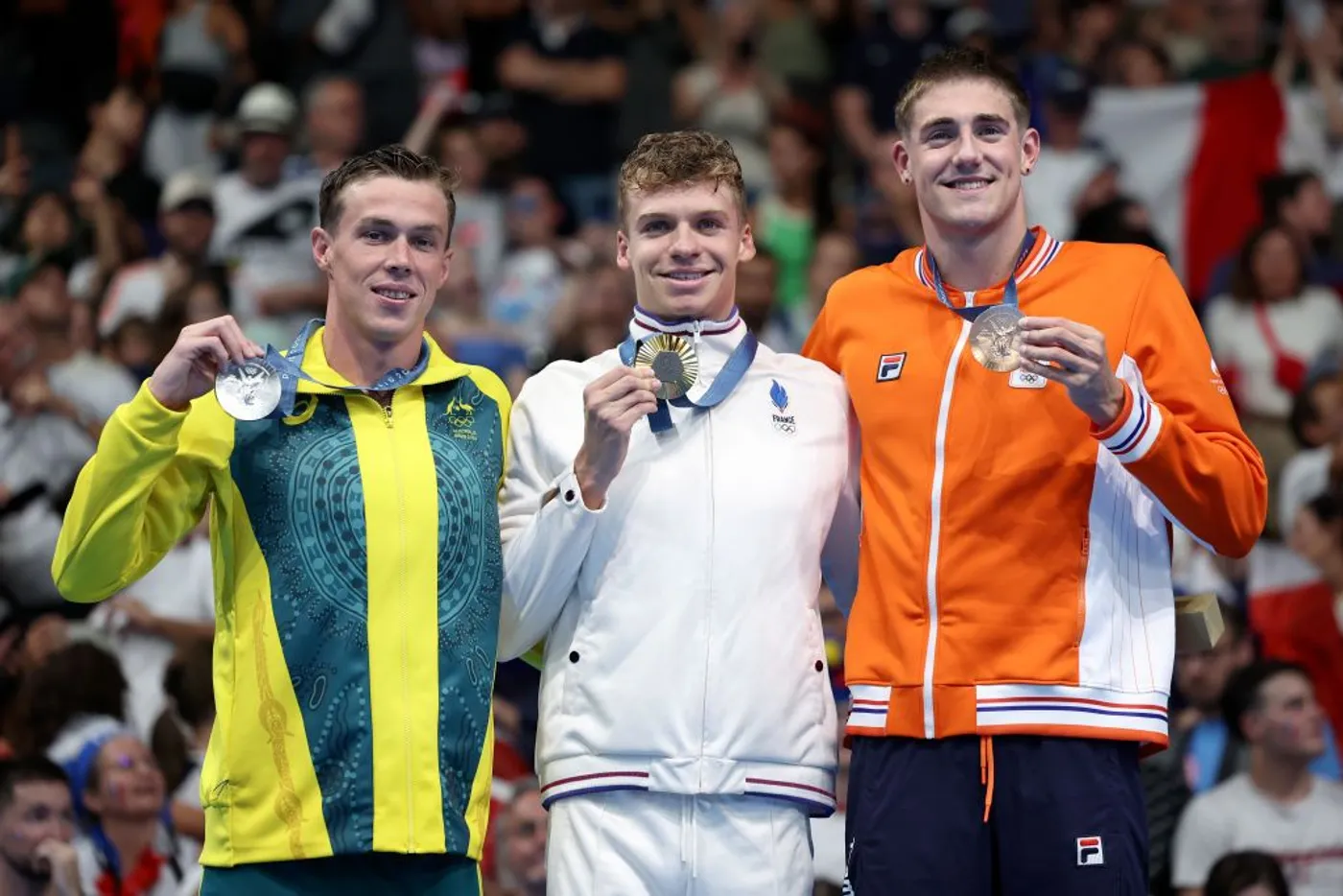
Butterfly silver went to Hungary’s Kristóf Milák in 1:51.75, with Canada’s Ilya Kharun taking bronze in 1:52.80. In breaststroke, Australia’s Zac Stubblety-Cook finished second in 2:06.79 and the Netherlands’ Caspar Corbeau third in 2:07.90. The winning margins were therefore 0.54 and 0.94 seconds respectively. Small numbers on a clock can separate very different finishing orders.
It is tempting to turn a double like this into a generic claim about superior fitness. The actual result is more specific: Marchand was exceptionally prepared for two particular events. Both cover 200 metres, yet their stroke demands and race execution are different. Sharing a distance does not make them interchangeable tests.
Keep the units clear when comparing times. The butterfly win took 111.21 seconds and the breaststroke win 125.85 seconds. Subtracting them gives 14.64 seconds, but that does not describe how much harder one event was for Marchand. It compares two different strokes. The meaningful racing comparisons are with the other competitors in each final and with the relevant event’s previous performances, not simply with the smaller number.
That distinction is useful outside the pool too. A strong performance in one task can support confidence for another, but the second task still needs its own preparation. A lifter’s successful squat session does not automatically establish readiness for a technical sprint workout. Appreciate the common physical foundation while keeping the actual skills and goals separate.
The butterfly finish changed the first result
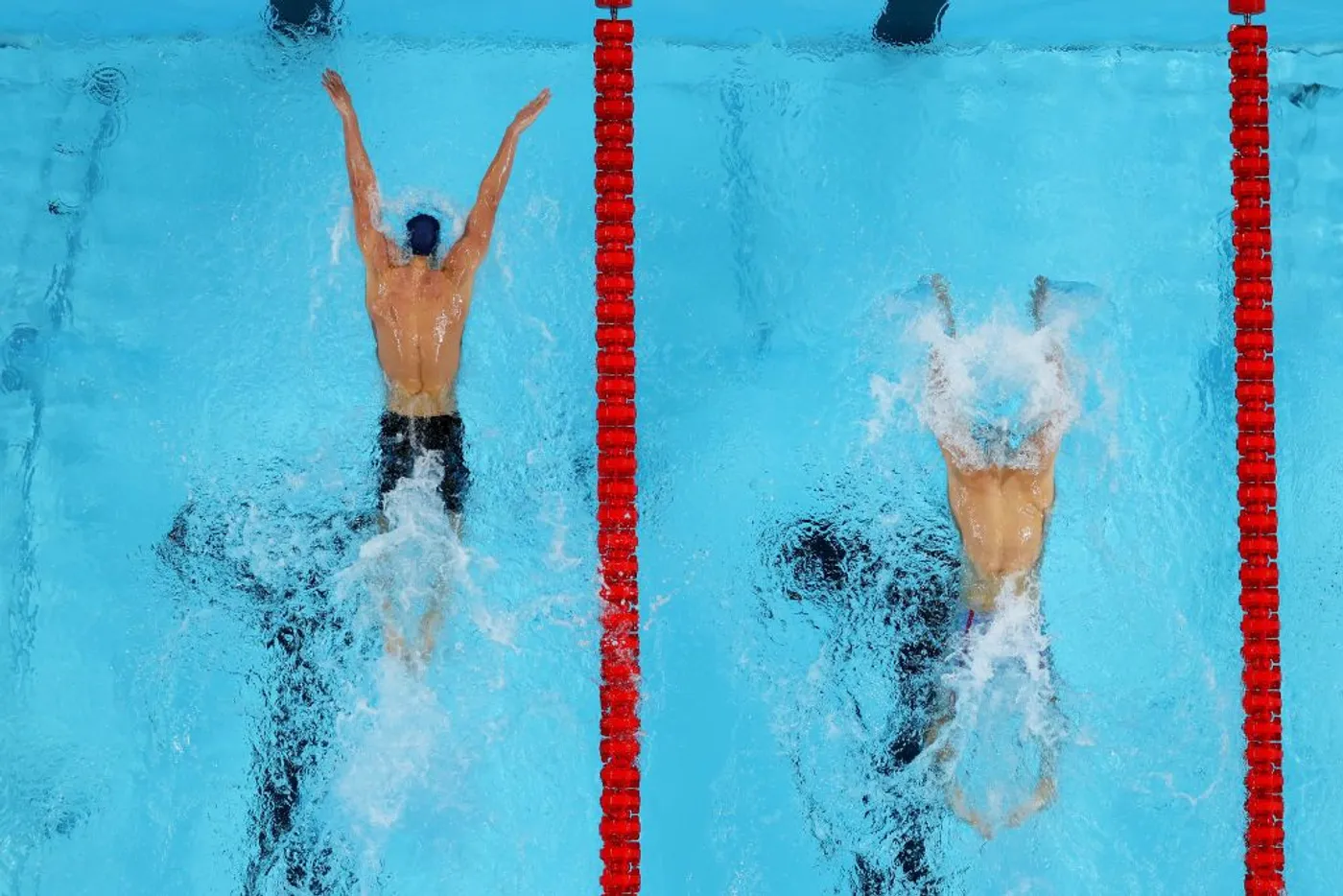
In the butterfly final, Marchand was behind Milák at the 150m turn. Their recorded splits were 1:22.24 and 1:21.52, a gap of 0.72 seconds. Marchand then covered the last 50 metres in 28.97 and reached the finish first. The closing length turned a deficit into an Olympic title.
The arithmetic helps show the scale of the finish. From Milák’s final time and 150m split, his final length was 30.23 seconds. Marchand gained 1.26 seconds across that length, enough to erase the earlier gap and finish 0.54 ahead. That calculation describes what happened; it does not explain every technical or physiological reason behind it.
It also does not mean everyone should begin a race slowly and wait for a dramatic comeback. A finishing strategy depends on the event, the athlete and the pace they can sustain. Copying the shape of somebody else’s race without their preparation can simply produce a slow start followed by a slow finish.
For your own training, distinguish a planned finish from merely surviving the beginning. If you practice repeatable efforts, record how the later repetitions compare with the earlier ones. A session that starts impressively and collapses may reveal a pacing problem. A consistent session gives you clearer information about whether the chosen workload was appropriate.
Breaststroke required a fresh performance
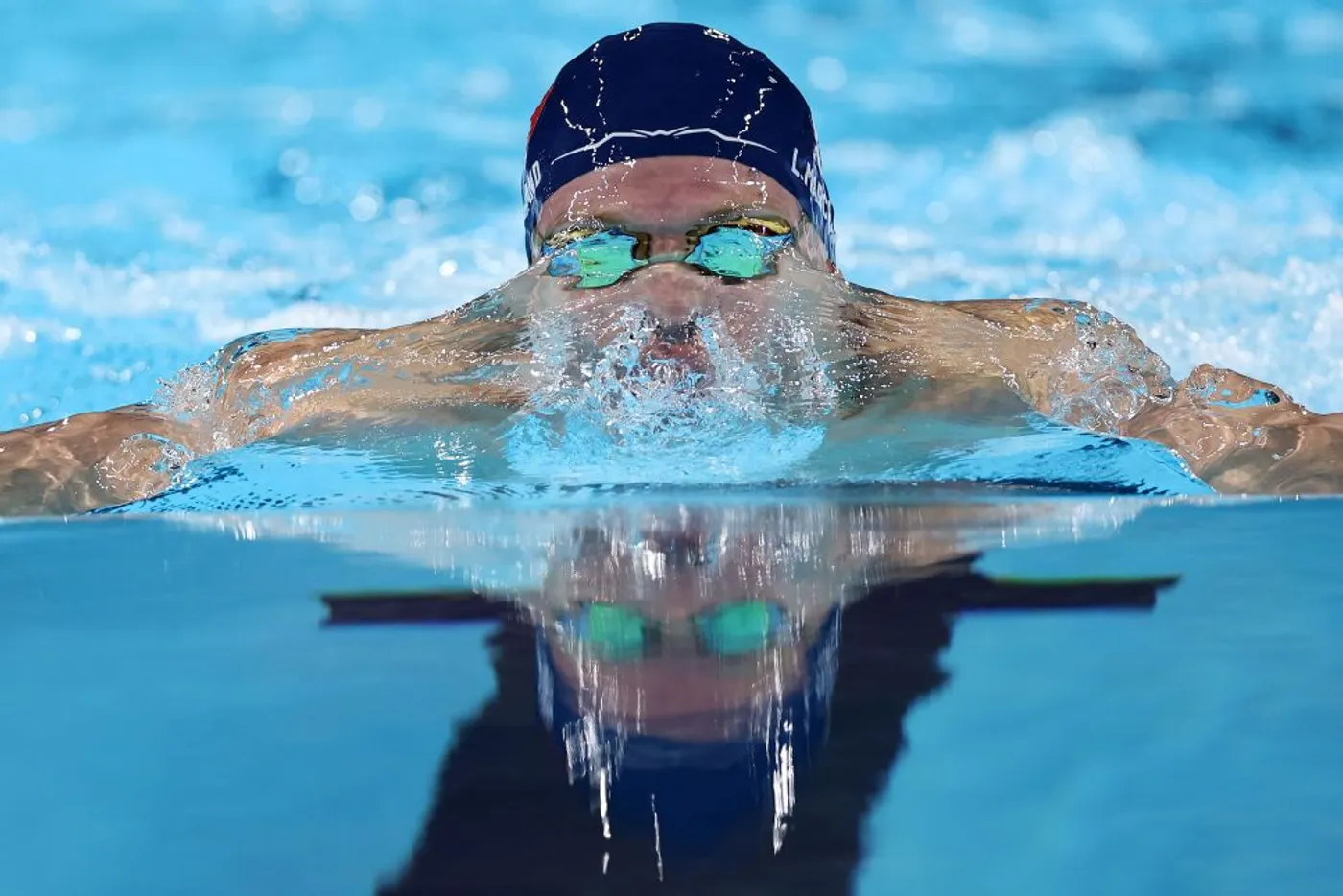
Marchand’s second final was not another attempt at the butterfly. In breaststroke he led the race and finished in 2:05.85, with Stubblety-Cook and Corbeau completing the podium. Coming back to race well meant switching to a different stroke and responding to a different field, rather than trying to replay the first victory.
This is one reason a two-event evening is more interesting than adding the distances together. Four hundred metres of race distance does not capture everything involved. There are separate starts, different movement patterns and another occasion on which the athlete has to execute. The time between finals is part of the challenge, even though it never appears in the combined swimming distance.
For someone who lifts and swims, that is a useful reminder to give each activity a clear purpose. A swim can be a technique session, a conditioning session or a relaxed opportunity to move. Trying to make every pool visit all three at maximum effort can make the plan difficult to interpret.
Our guide to pool conditioning for lifters offers a more accessible starting point. It is a general training framework, not Marchand’s routine. Choose a level that fits your swimming ability and existing week, and get appropriate instruction if the strokes or pool environment are unfamiliar.
The double had a history before Olympic night
Marchand had already won the 200m butterfly and 200m breaststroke at the French championships in Chartres before Paris. His winning times there were 1:54.08 and 2:08.95. Those performances qualified him for the two Olympic events and gave him experience of handling both in one competition session.
His comments after Chartres described the difficulty of getting ready again between races. That matters because the Olympic achievement did not begin with a spontaneous decision after winning the butterfly. The combination had already been attempted, discussed and experienced. Earlier competition provided information that a normal training session could not reproduce exactly.
The lesson is preparation for the sequence, rather than just preparation for each component. If your event includes repeated attempts, transitions or multiple disciplines, practice enough of that structure to understand its practical demands. Equipment changes, check-in times and finding your next starting position can all compete for attention.
A useful rehearsal can also reveal what needs a decision in advance. You might discover that moving between stations takes longer than expected, or that you have no consistent way to record the first result before starting again. Resolve those practical details without assuming the rehearsal needs to reproduce the full competitive workload. The objective is information that makes the next attempt better organized.
Keep the scale appropriate. An ordinary gym session does not need to become a rehearsal for two Olympic finals. You can still reduce unnecessary friction: know which exercise comes next, have the equipment ready where possible and allow time to make a sensible transition. Organization will not manufacture elite ability, but it can prevent a workable plan from becoming an improvised rush.
Take a useful principle into your own week
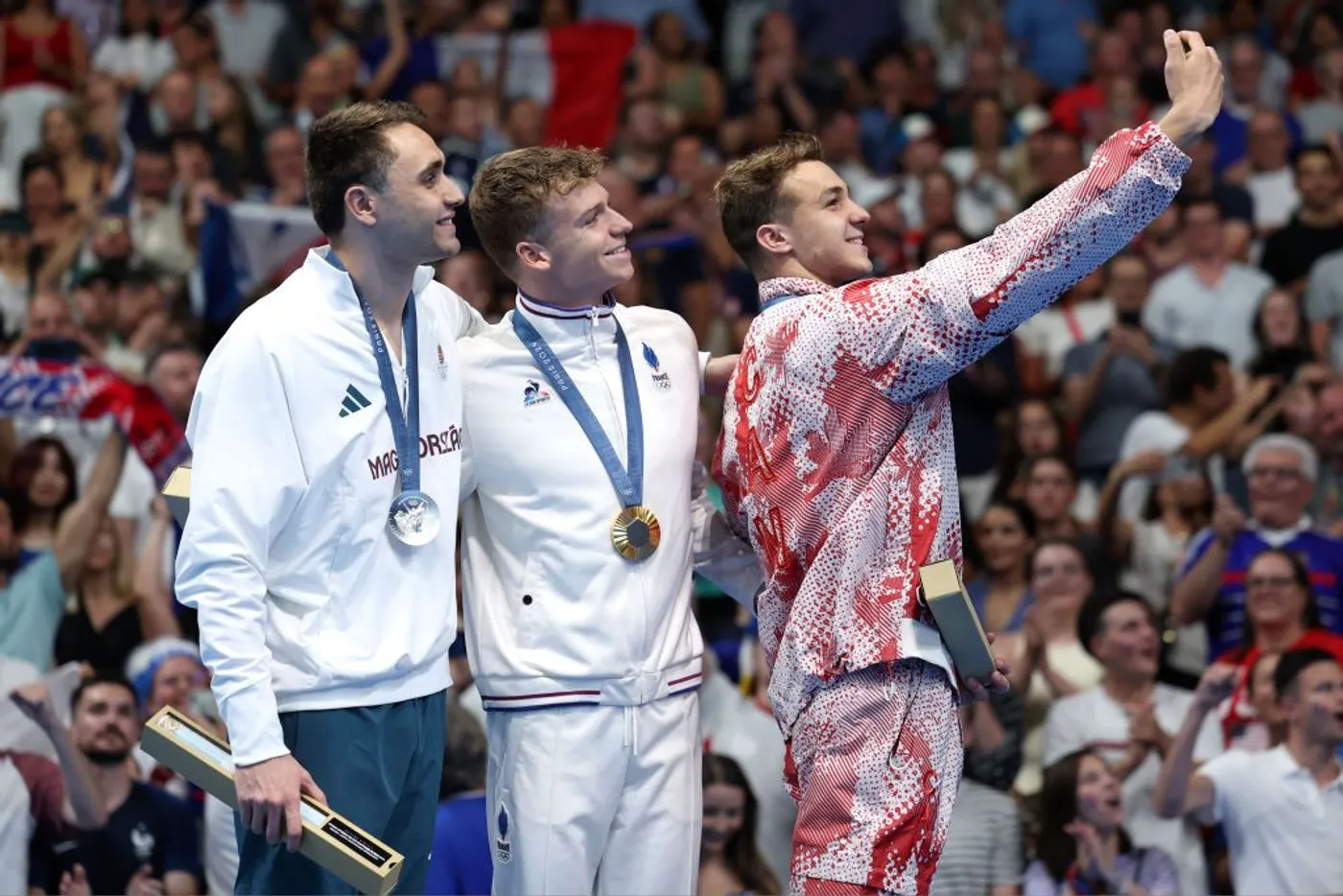
Marchand’s double demonstrates what one highly trained swimmer achieved in a specific competitive setting. It is not evidence that squeezing two demanding workouts into an evening will improve everybody’s results. Nor does the result reveal his full weekly workload, meals, recovery routine or strength program.
The two-race story also belongs inside a longer Olympic week. Marchand had won the 400m individual medley on 28 July, and he would win the 200m individual medley on 2 August. The butterfly-breaststroke evening was therefore part of a four-gold individual campaign. Keeping those dates visible makes the achievement easier to understand without compressing every race into the same day.
Start with your own priority. If swimming is supporting your lifting, keep that relationship clear when deciding how demanding the pool work should be. If a swim event is your main goal, skill practice and race preparation deserve the attention that goal requires. Our comparison of swimming and cycling as cross-training options explores why the activity and its purpose both matter.
A simple log can record the task, distance, effort and what happened later in the session. For pool work, note the stroke and pool length so unlike sessions do not become misleading comparisons. For a mixed training day, record the order as well. You are looking for a pattern you can understand, not a complicated score that makes every workout sound impressive.
Marchand’s evening was memorable because two exceptional performances arrived together. The practical takeaway can be much quieter: prepare for the actual task, pace it deliberately and leave yourself able to approach the next one with a clear purpose. A repeatable week that suits your goals is more useful than copying the busiest-looking day from an elite athlete’s highlight reel.

Cardio Shirts & Workout Gear
Cardio and conditioning gym gear for runners, endurance athletes and anyone who earns the sweat.

with Shark Design – Motivation Finds You Hooded for Wor Hoodie
Show off your cardio humor in a laid-back “with Shark Design” hoodie.

Anti Swimming Club Shirt Meme & Top T-Shirt
Make gym days more fun with “Anti Swimming Club” style.

Cardio Is Hardio – Workout Meme Pullover Jumper T-Shirt
For laid-back days and cardio humor: “Cardio Is Hardio”.

Cardio Is Calling Decline Decal Water Bottles Meme Sticker
A fun “Cardio Is Calling” touch for bottles, laptops, and lockers.

Skip Cardio Exit Cardio Meme Vest Tank Top
Add some cardio attitude to training with “Skip Cardio”.

Shirt – Don'T Quit Do It – Meme & Gains T-Shirt
Show some lifting attitude with a playful “Don't Quit Do It” tee.

Straight Outta Shape – Out Of Shape Meme T-Shirt
Add a playful “Straight Outta Shape” touch to your casual rotation.

Cardio Sucks Negative Review 1 Star Hooded Hoodie
Show off your cardio humor in a laid-back “Cardio Sucks” hoodie.

Death By Cardio Shirt Meme & Top T-Shirt
Bring “Death By Cardio” humor to your next gym day.

Anti Cardio Cardio Club Shirt Meme & Top T-Shirt
Bring “Anti Cardio Cardio Club” humor to your next gym day.