Advertising disclosure: This page includes affiliate links that may earn us a commission at no additional cost to you.
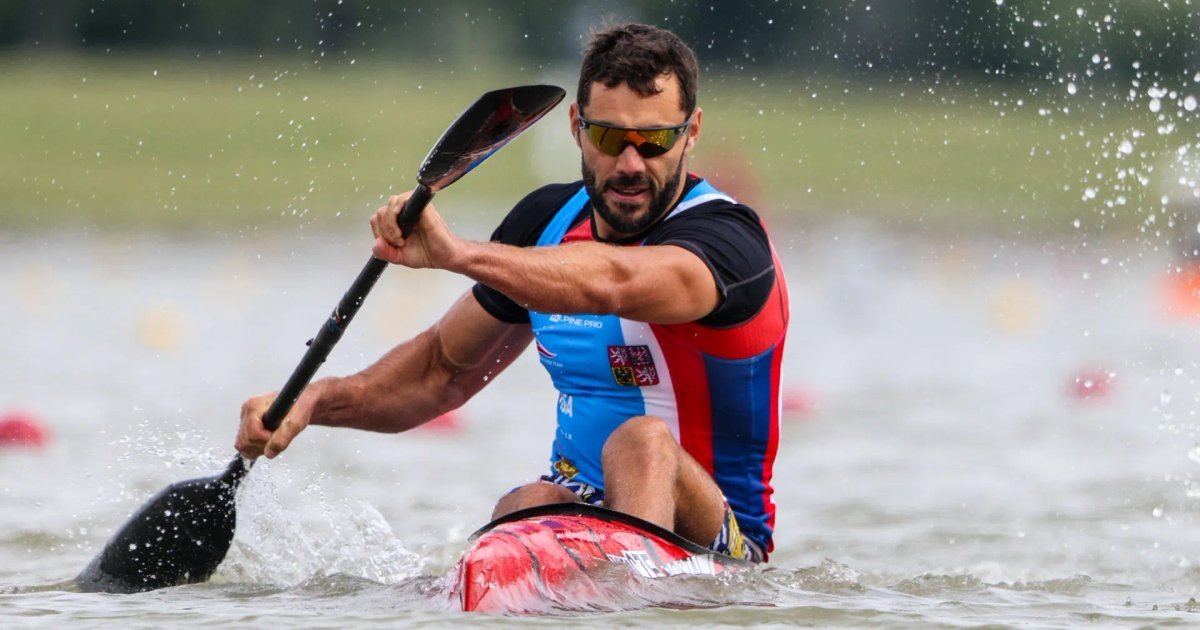
Josef Dostál spent more than a decade collecting Olympic medals before he stood on the highest step of the podium. In Paris on August 10, 2024, the Czech kayak sprinter won the men’s individual 1,000-metre race. Later that month he also became world champion over 500 metres. For a strength-training audience, the interesting part is not simply how powerful a large athlete can become. It is how he makes that power useful over hundreds of repeated paddle strokes.
Kayak racing illustrates a challenge familiar to anyone who lifts and does endurance work: strength, movement efficiency and the ability to repeat hard efforts must coexist. The athlete cannot afford to be strong only for the first few seconds or aerobically fit but unable to apply sufficient force to the water. Dostál’s career offers a useful way to think about combining these qualities without pretending that a recreational gym routine is an Olympic programme.
Four Olympic Games and five medals
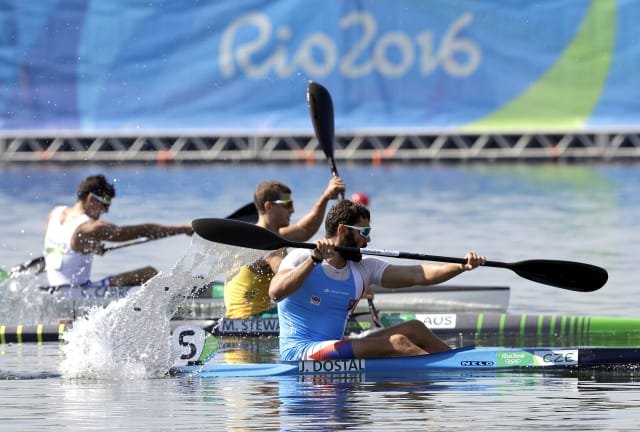
Dostál was already an Olympic medallist at London 2012, when his Czech four-person kayak crew won bronze. He collected individual silver and another crew bronze in Rio in 2016, then won bronze in a two-person boat at Tokyo. His fifth Olympic medal was his first gold. That chronology matters because it separates a decade of accumulated practice from the results of any one training block.
A crew boat introduces a constraint that an individual gym exercise does not: athletes need to match their timing. A powerful stroke that falls out of sequence can be less useful than a slightly less forceful one that fits the crew. In a single kayak, the paddler controls timing alone, but balance and repeatability remain essential.
There is a lesson for people progressing through several sporting interests. The basic qualities you build in the gym can help across different events, but the skills and performance tests need to change with the event. Increasing a row or deadlift does not automatically improve boat speed. It gives you another resource to draw on while practising the task that matters.
Start with three separate categories in your training log: general physical preparation, technical practice and competition results. An improvement in one category is valuable even if the others have not moved yet. But do not treat a gym personal best as proof of a faster race. Separating these categories makes it easier to identify what is actually limiting performance.
Why a kayak sprinter needs more than powerful arms
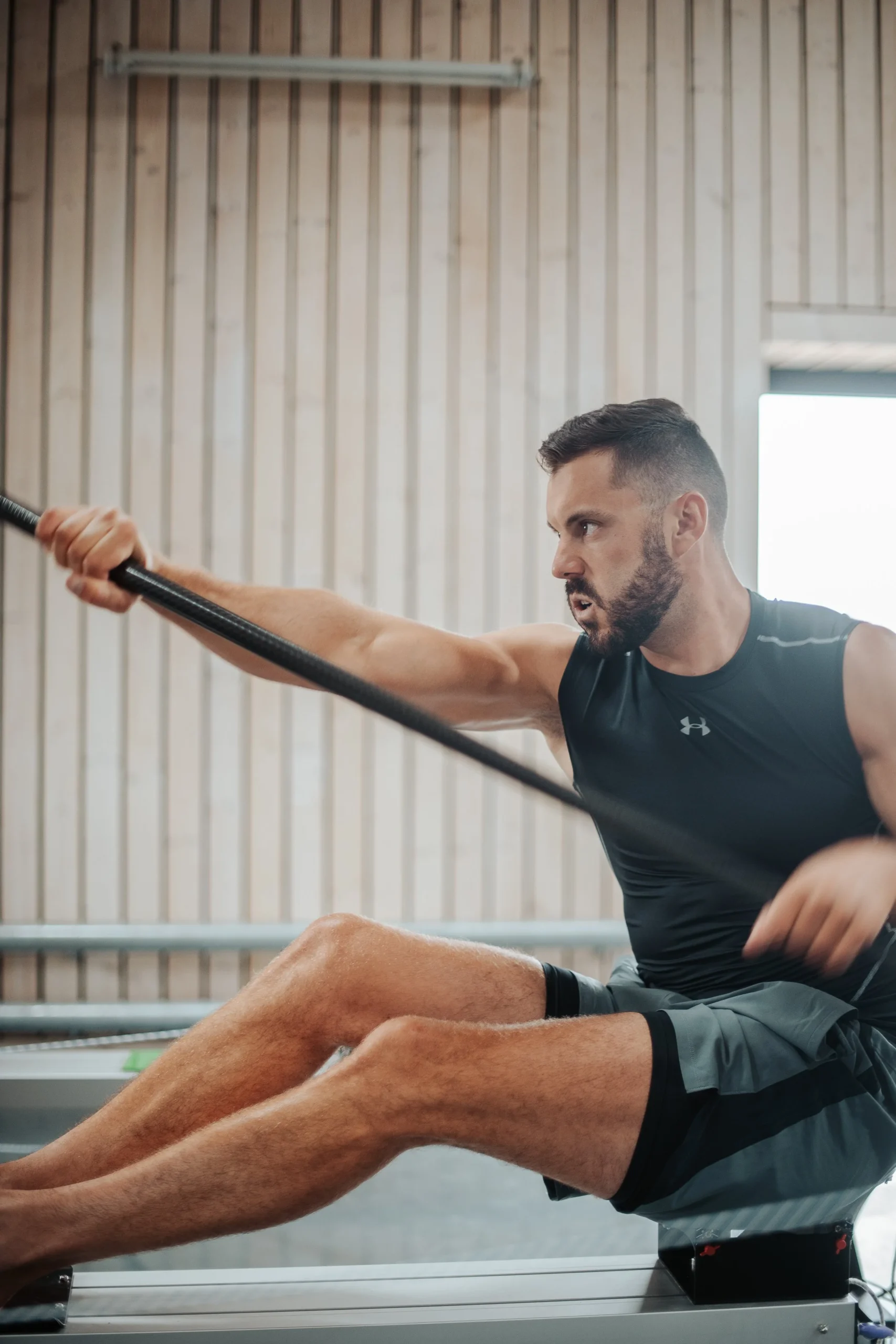
In a 2014 interview, Dostál described winter preparation that included long sessions on a paddling ergometer, running and gym training. He was already a senior world champion at the time. This is historical information about his preparation, not a confirmed schedule for the Paris cycle. It nevertheless demonstrates that the work away from the water was not confined to building bigger arms.
During a kayak stroke, the paddle connects the athlete to the water. The arms transmit force, but trunk rotation, shoulder control and pressure through the feet also matter. The athlete has to remain stable in a narrow boat while producing alternating strokes. A heavier dumbbell does not reproduce those demands by itself.
For a recreational paddler or hybrid athlete, a modest dryland session might include these exercises. They are illustrative options, not Dostál’s personal routine:
- Single-arm cable or dumbbell row: two or three sets of 8–12 controlled repetitions per side.
- Lat pulldown or assisted pull-up: two or three sets of 6–12 repetitions with a comfortable shoulder range.
- Split squat or controlled hip hinge: two or three sets of 6–10 repetitions for lower-body strength.
- Anti-rotation cable hold or press: two sets per side with sufficient resistance to challenge trunk control without losing posture.
Choose weights that leave a couple of good repetitions in reserve, especially when you have a demanding water session the next day. The goal is repeatable training, not a back-day pump that ruins the next practice. Cable towers, adjustable dumbbells, pull-up grips and supported row machines are useful ways to organise general strength work; none is a substitute for a kayak or a specific paddling ergometer.

Equipment Worth Exploring
Explore equipment, accessories and gear from our carefully selected range.


Lateral Row Machine LRM-720
Rowing machine with independent lever arms, an adjustable seat and chest support.


VOLTRA
Compact digital cable trainer with smooth, adjustable resistance.


Angles 90 Grips
Flexible grip attachments that allow natural wrist movement during pulling exercises.

Linear Row LRX-750
Dual-sided rowing machine for supported rows, bent-over rows and varied pulling movements.

Lat Pulldown Set
Multi-grip cable attachment set for pulldowns, rows, and varied upper-body training.
What a three-minute race demands from conditioning
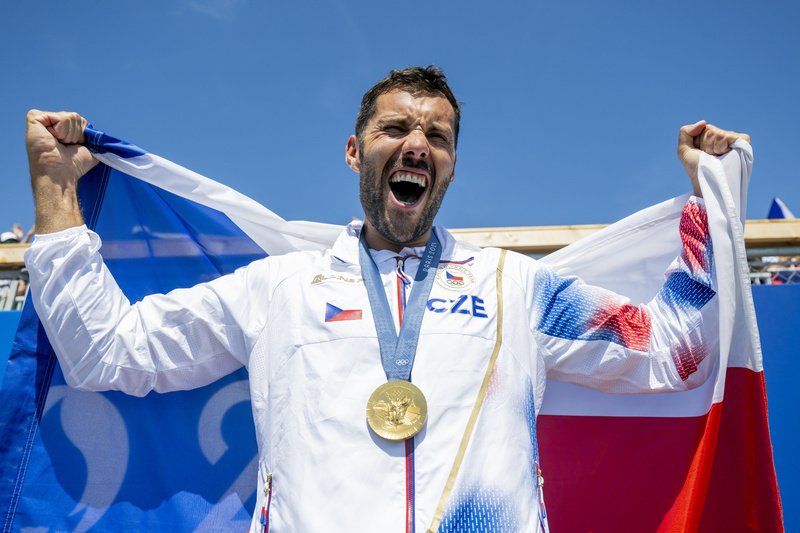
At Paris, Dostál covered the 1,000 metres in 3 minutes 24.07 seconds. Hungary’s Ádám Varga finished 0.69 seconds behind him, with Bálint Kopasz third. The race lasted far longer than a maximal gym set but was short enough to demand substantial power. It was not a slow endurance event, nor was it a prolonged version of a one-repetition maximum.
A race of this duration draws on both aerobic and anaerobic energy supply. Relative contributions depend on the athlete, race strategy and actual intensity. What matters practically is the ability to generate a fast stroke, sustain useful power as fatigue rises and preserve movement quality rather than wasting energy.
Suppose you lift three times a week and want to add conditioning. Instead of doing every new session at maximum intensity, start with one easy session of roughly 20–35 minutes and one brief interval session. A rowing machine or stationary bike can be useful for general fitness, although rowing with a handle and sliding seat is mechanically different from paddling a kayak.
One interval option for someone with an established aerobic base is four 2-minute efforts at a challenging but controlled pace, with 2–3 minutes of easy recovery. Track average pace or power rather than trying to set a record on the first interval. If the final effort falls apart, reduce the target next time. If the session is repeatable and recovery is good, add a repetition before increasing intensity. Beginners can start with shorter, easier bouts.
Use one repeatable measure: distance, average power or pace over a fixed duration. The gym habit of recording loads and repetitions transfers nicely to conditioning. Comparisons are most meaningful on the same device using consistent settings, rather than between two machines whose power estimates may differ.
Two race distances, two ways to express fitness
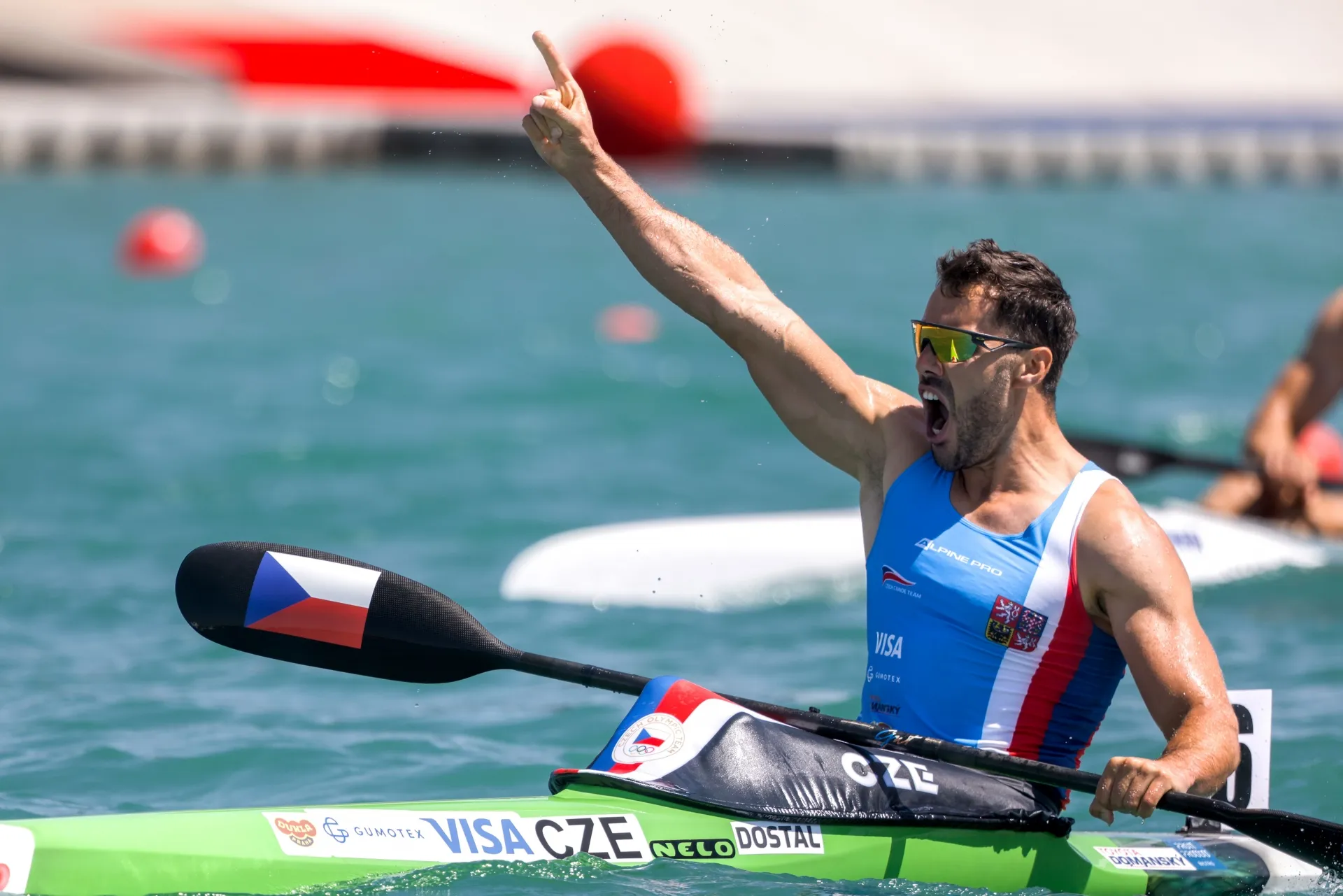
Dostál added the men’s 500-metre world title in Samarkand in August 2024. Winning a shorter race shortly after taking Olympic gold over twice that distance demonstrates versatility, not that the two events are interchangeable. A shorter event generally allows a higher average speed, while the longer event requires that speed to be managed across more strokes. In both, acceleration, efficiency and fatigue management influence the result.
In the gym, the equivalent mistake would be training only the quality you enjoy most. Someone who loves heavy sets might have ample force but struggle with repeated efforts. A dedicated endurance athlete might tolerate a lot of volume yet find that basic pulling strength or trunk stability limits technique. Training decisions should address the limiting quality instead of simply adding more work to an already successful one.
Keep hard and easy days distinguishable. For example, if Monday is a challenging strength day, Tuesday can be a comfortable aerobic session, Wednesday a technical or lighter day, Thursday a second strength day and Saturday a controlled interval session. This is only a starting arrangement. Move hard sessions when paddling practice, work or recovery makes the week impractical.
Rather than judging every workout by how exhausted you feel afterward, judge it by whether you achieved its particular objective. An easy session should leave you capable of doing the next day’s work. A strength session should provide a measurable stimulus. A technical session should make the intended movement easier to reproduce. Those are different successes, and they do not all require a dramatic finish.

Funny Gym Shirts & Workout Gear
Funny gym shirts, tanks, hoodies and workout gear for lifters who like training hard.


Cardio Heartbeat Hoodie
Show off your cardio humor in a laid-back “Cardio Heartbeat” hoodie.

Endurance Stoic : Sigma Bodybuilder & T-Shirt
Heavy lifts, good laughs, and a little “Endurance Stoic” energy.

Discipline Stoic Tee
Show some lifting attitude with a playful “Discipline Stoic Sigma Bodybuilder” tee.

Shirt Pull Day – Back & Biceps Meme Top T-Shirt
Heavy lifts, good laughs, and a little “Pull Day Graphic” energy.

Pullups Heartbeat Tank
Train hard, laugh a little, and rep “Calisthenics Pullups Heartbeat”.

Pull Up Or Shut Up Decal for Water Bottles Laptops Cali Sticker
Stick a little “Pull Up Or Shut Up” humor on your favorite gear.


Shirt – Cardio Is Hardio – & Gymbros T-Shirt
Show some cardio attitude with a playful “Cardio is Hardio” tee.

Build a training year instead of chasing peak fitness
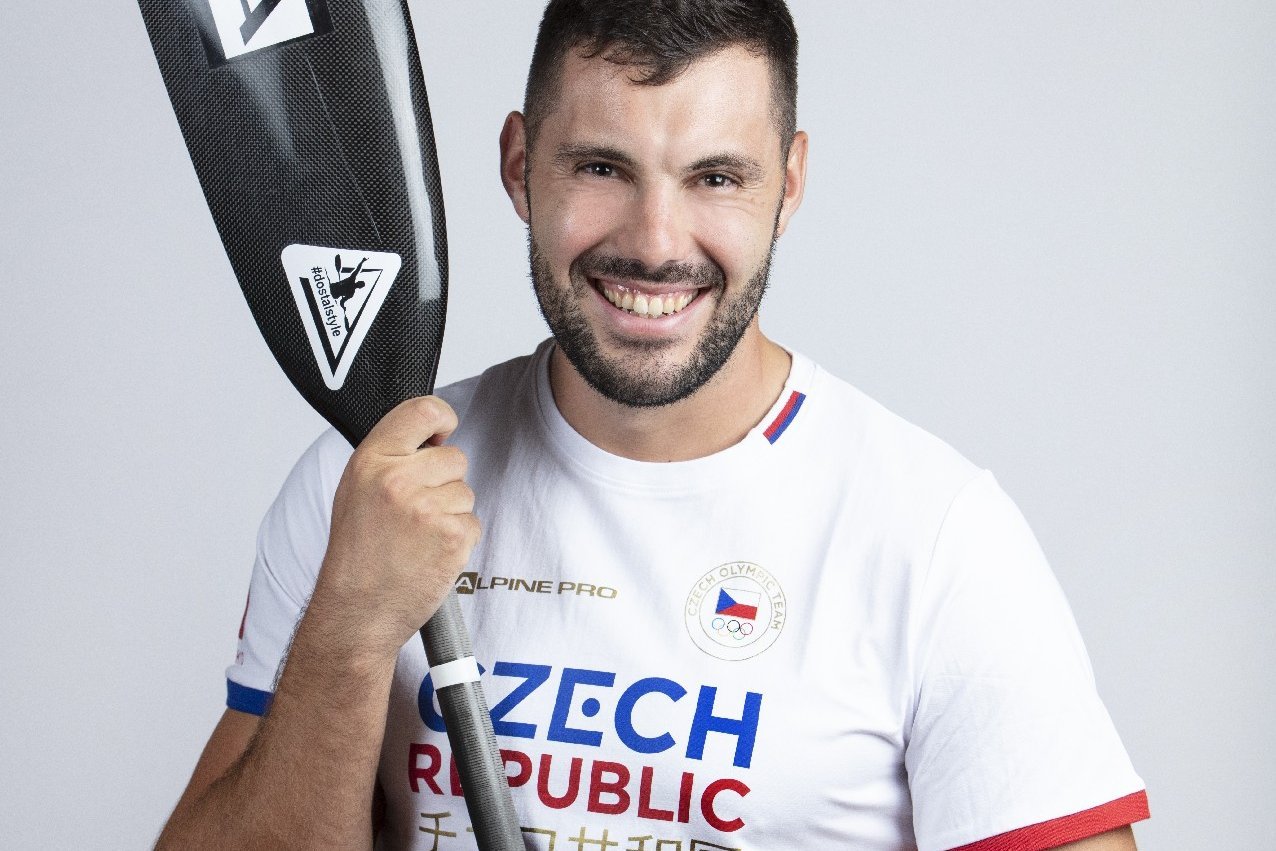
After Paris, Dostál described taking a lighter autumn and returning to paddling toward the end of November. In February 2025 he discussed pursuing a fifth Olympics in Los Angeles in 2028. This was a statement of his plans at that time, not a guarantee of qualification or a description of his current training. What stands out is that even an Olympic champion has reasons to back away from peak-season workloads.
He also discussed being lighter going into the Paris Games than before. After winning, he described changing eating habits and doing additional training. This is a personal account, not evidence that a particular weight loss caused his victory. For an athlete trying to improve performance, indiscriminately cutting body weight can compromise recovery, strength or energy availability. The relevant outcome is how well the athlete trains and competes, not whether the scale moves down.
A sensible approach for the rest of us is to organise training into blocks. Spend several weeks accumulating a tolerable amount of strength and easy conditioning work. When that feels stable, introduce a small amount of more demanding event-specific work. Reduce fatigue before a test rather than adding extra hard sessions at the last minute. After the test, take time to recover and decide what the next block should develop.
Keep adequate food and sleep in the plan. If your pulling strength, interval pace, mood and willingness to train all deteriorate at once, reassess workload instead of doubling it. A sustainable programme makes room for easier days and adjustments. A simple weekly review of training performance, soreness and sleep can reveal whether the plan is fitting your life or merely adding stress.
Dostál’s example is ultimately about converting general fitness into a specific result. Build the strength that helps your activity, practise the skill that distinguishes it, and develop enough conditioning to express both under fatigue. Measure progress over months instead of demanding that every workout proves something. The gold medal came at the end of a long career arc, not at the end of a single heroic session.