Advertising disclosure: This page includes affiliate links that may earn us a commission at no additional cost to you.
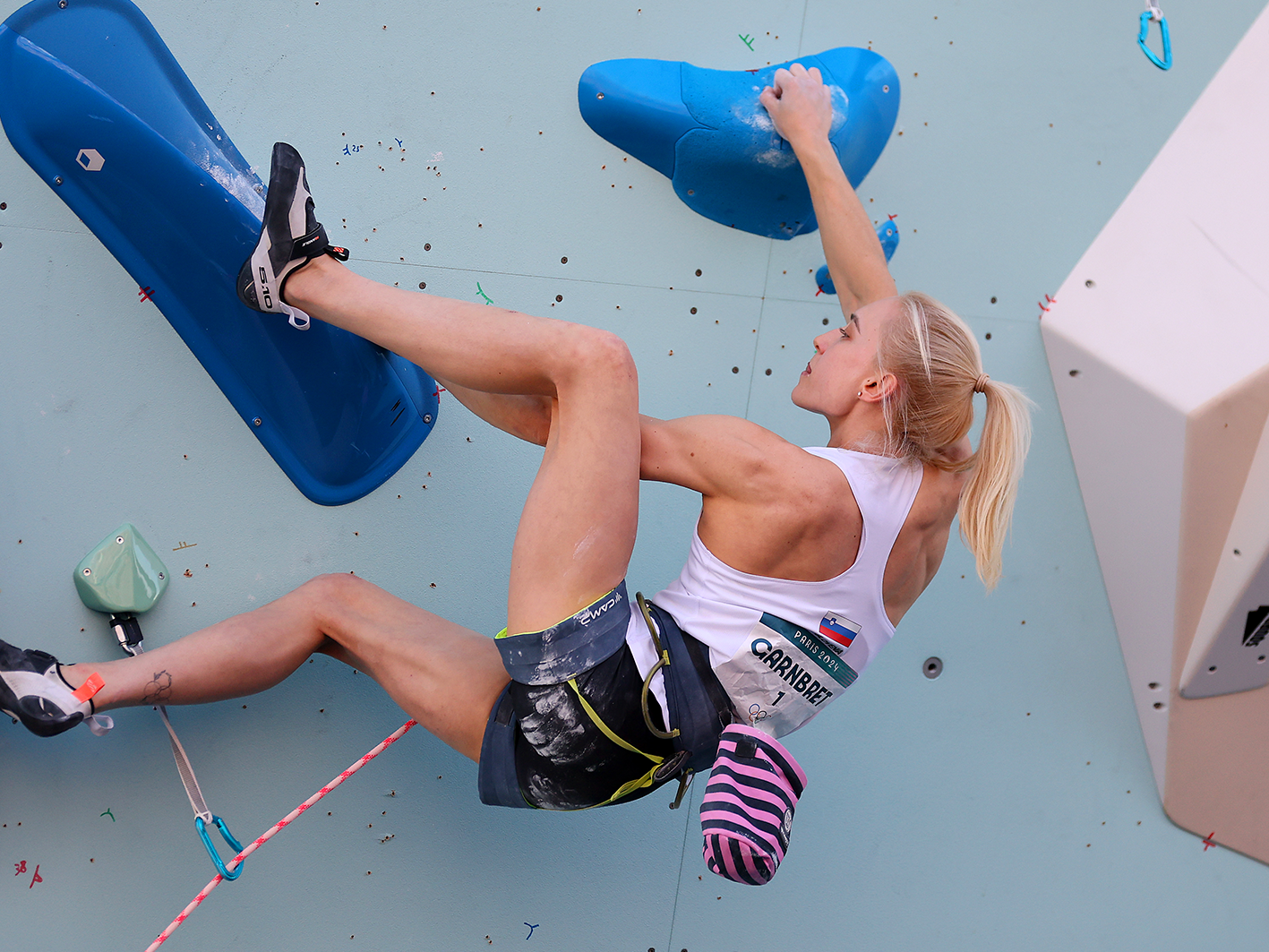
Janja Garnbret won Olympic climbing gold in Tokyo and Paris, but the two victories came under different competitive rules. In Tokyo she had to combine speed climbing, bouldering and lead climbing. In Paris, speed had its own medal and her event combined boulder and lead. Her results are a useful illustration of why climbing performance cannot be reduced to a single grip-strength number, a pull-up personal record or the ability to tolerate a forearm pump.
For a recreational climber who also lifts weights, the practical question is not how to replicate the schedule of an Olympic champion. It is how to build strength that supports movement, practise technical skills while fresh, and develop enough endurance to repeat those skills on longer routes. The examples below are a framework for ordinary training, not a reconstruction of Garnbret’s private workouts.
Two Olympic golds under two different scoring systems
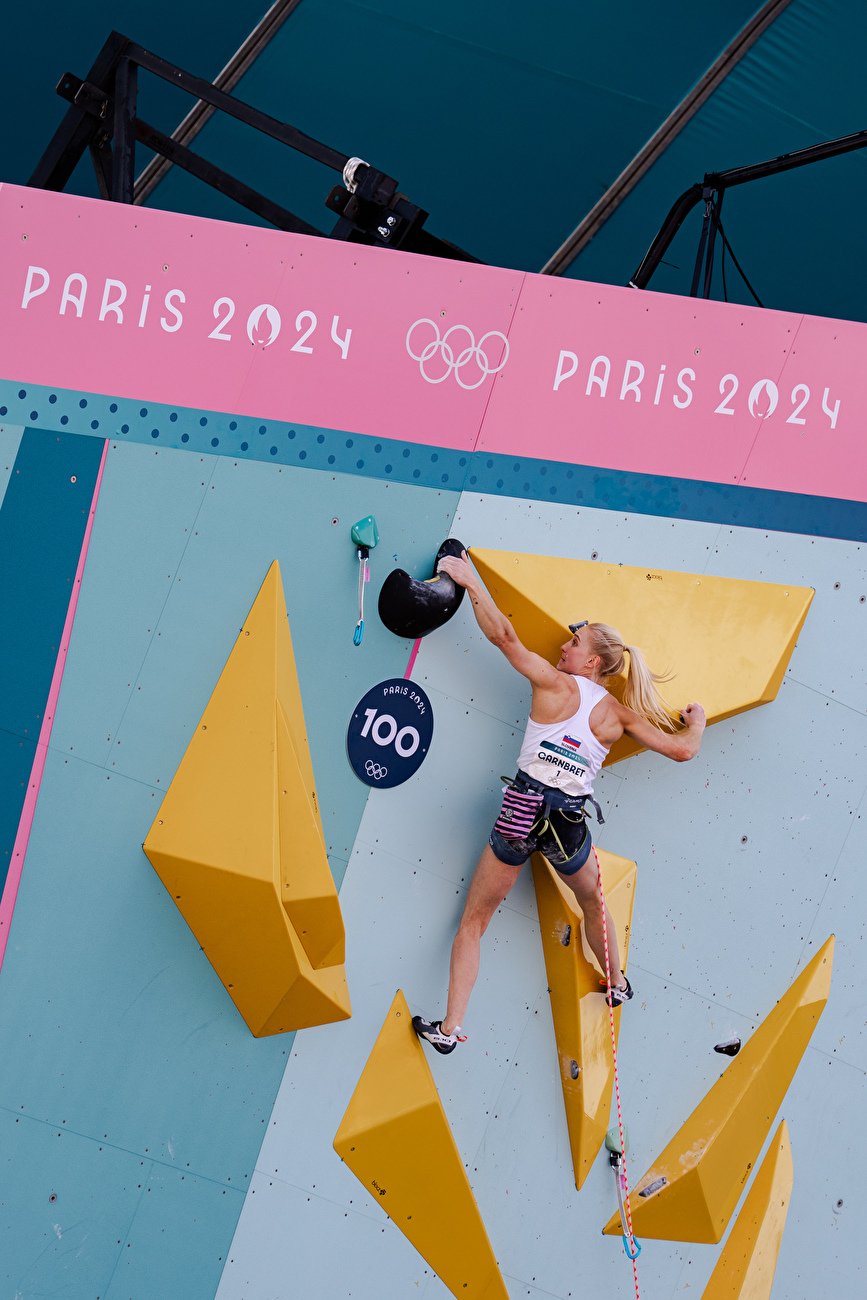
At the Tokyo Games, held in August 2021, Garnbret finished fifth in speed, first in boulder and first in lead in the women’s combined final. The three rankings were multiplied to determine the overall result, so her score was five. A lower product was better. In other words, a climber had to manage a broad set of demands even if one discipline was not a personal speciality.
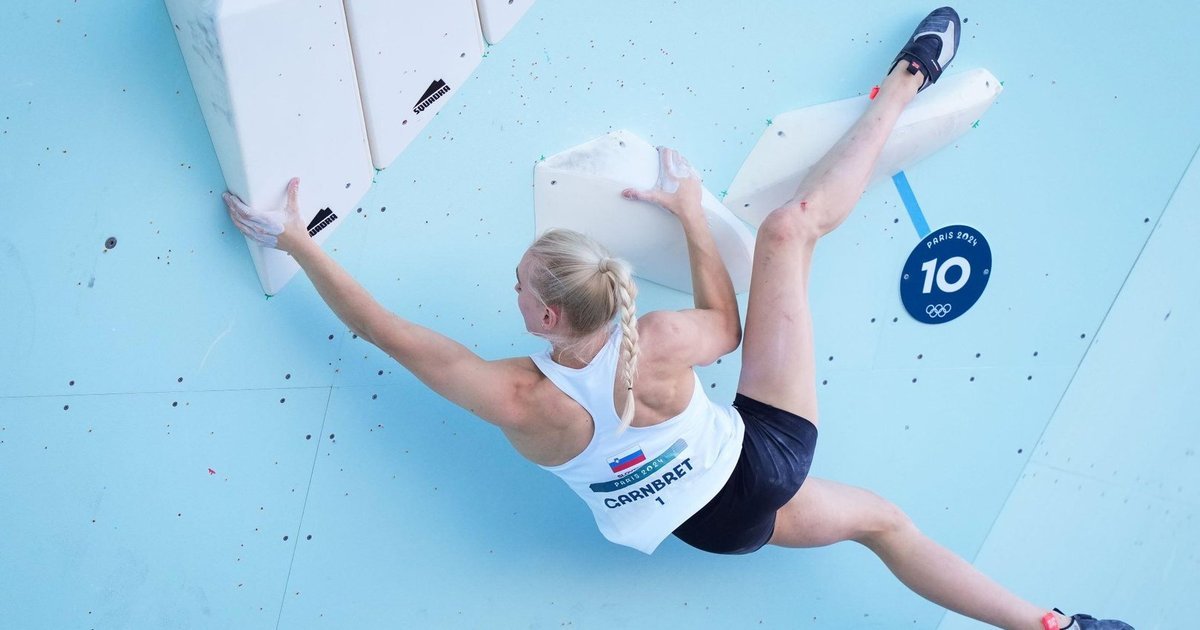
Paris used a different system. In the final on August 10, 2024, Garnbret scored 84.4 in boulder and 84.1 in lead, for a combined 168.5 points. Brooke Raboutou finished second with 156.0 and Jessica Pilz third with 147.4. The striking detail is not simply the victory: the almost equal boulder and lead scores show how she could earn points across two distinct tasks. They do not mean her physiological abilities were identical in both disciplines.
For your own training, establish what success means before you pick exercises. A boulder problem might require a hard move followed by an awkward balance position. A longer lead route may require many submaximal moves without accumulating more fatigue than you can manage. A gym set of pull-ups tests something useful, but it does not test either task in its entirety.
A good training log can capture multiple measures: a grade or route completed, how many attempts it took, how well you controlled foot placement, and whether your technique deteriorated toward the end. Avoid turning these into a single score. The point is to see where progress is happening and where another quality is holding you back.
Bouldering rewards decisions as much as pulling power
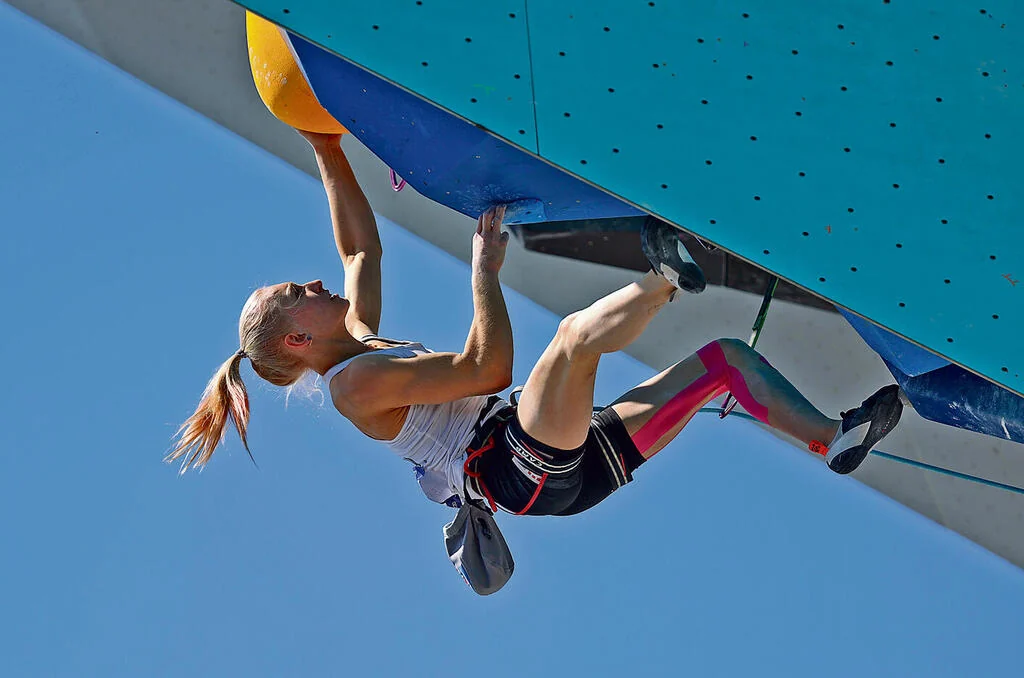
Bouldering is climbing relatively short sequences without a rope above suitable landing protection. Competition problems can combine steep walls, dynamic moves and large volumes with small holds and delicate body positions. A person with strong arms still needs to work out which position makes the next move possible. A person with good balance still needs enough force to hold an appropriate position.
Garnbret topped the first three boulders of the Paris final. She did not finish the fourth, a reminder that elite climbers do not solve every problem on every attempt. Recreational climbers can take something constructive from that: a failed attempt can tell you about movement choices rather than simply telling you to train harder.
Choose an appropriately easy wall problem and repeat it with a specific goal. On the first pass, concentrate on placing each foot precisely. On a second pass, see whether a small shift of the hips makes a reach easier. On a third, try to use the least hand tension that still feels secure. You do not need to force these experiments on an unfamiliar high problem; work at a safe height with good landing conditions and plenty of rest.
When the problem gets harder, stop repeating attempts automatically. Ask whether you are failing at the same transition, losing contact with a foothold, or arriving already fatigued. A change of approach might help more than another maximal effort. Film a low-risk attempt if the facility allows it, compare two versions of the same sequence, and select one thing to improve next time.
That is also why a training partner can be useful. Garnbret has described learning from Raboutou when the two trained together in Slovenia. You do not have to be at the same level to exchange observations. Ask a partner what they noticed about your foot position rather than only whether you made it to the top.
Lead climbing tests how long good movement survives
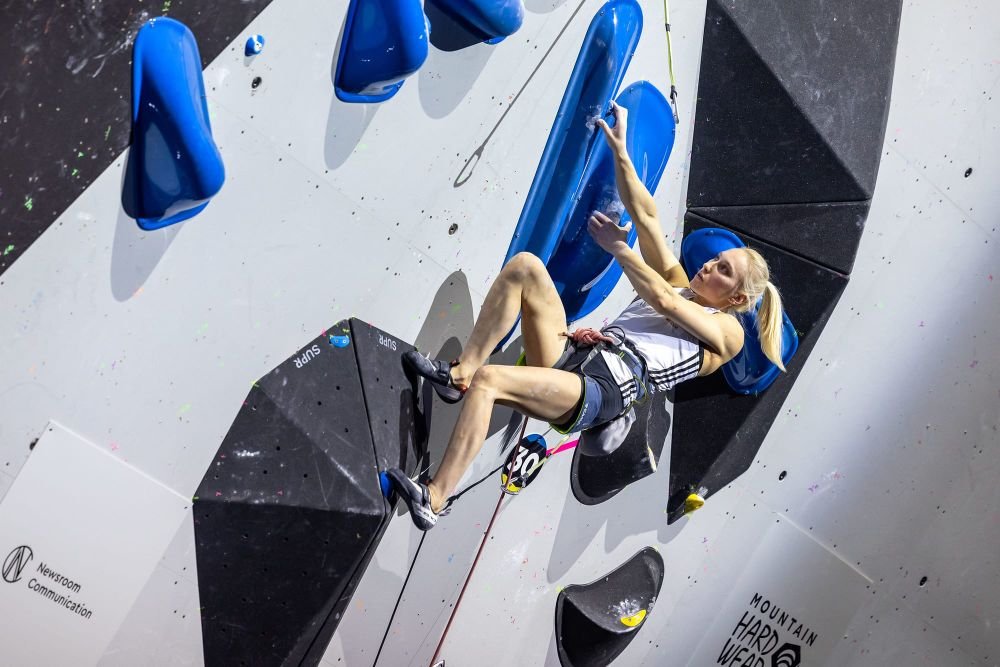
Lead climbing involves a longer roped route and a different problem to solve: keep moving effectively across many holds while managing the accumulating demand on the forearms, shoulders and trunk. Strength still matters because a move that uses nearly all your available force is expensive to repeat. But the ability to recover briefly, choose a position and avoid unnecessary muscular effort matters too.
In Paris, Garnbret’s 84.1 lead score was enough, combined with her boulder result, to secure gold. Other finalists scored higher on the lead route alone. That distinction is valuable. A combined champion does not have to win every component of the combined event, and a lead specialist can be excellent without matching the champion’s boulder performance.
For training, start with a route or circuit below your limit. Keep the difficulty low enough that you can make deliberate decisions instead of simply scrambling from hold to hold. If your goal is endurance, measure the time or number of moves you can maintain with reasonably consistent technique, not just the worst pump you can produce. Allow recovery between circuits so you know whether the next round reflects the planned training or merely the fatigue left over from the previous one.
As you gain experience, alternate shorter technical efforts with a longer easier circuit. Do not increase the grade, number of moves and number of rounds all at the same time. A modest progression that you can repeat next week is more useful than an ambitious session that forces you to miss the next two. For actual roped climbing, learn the necessary safety skills from qualified instruction and follow the facility’s procedures; gym strength cannot substitute for competent belaying.
Build useful strength without exhausting your fingers
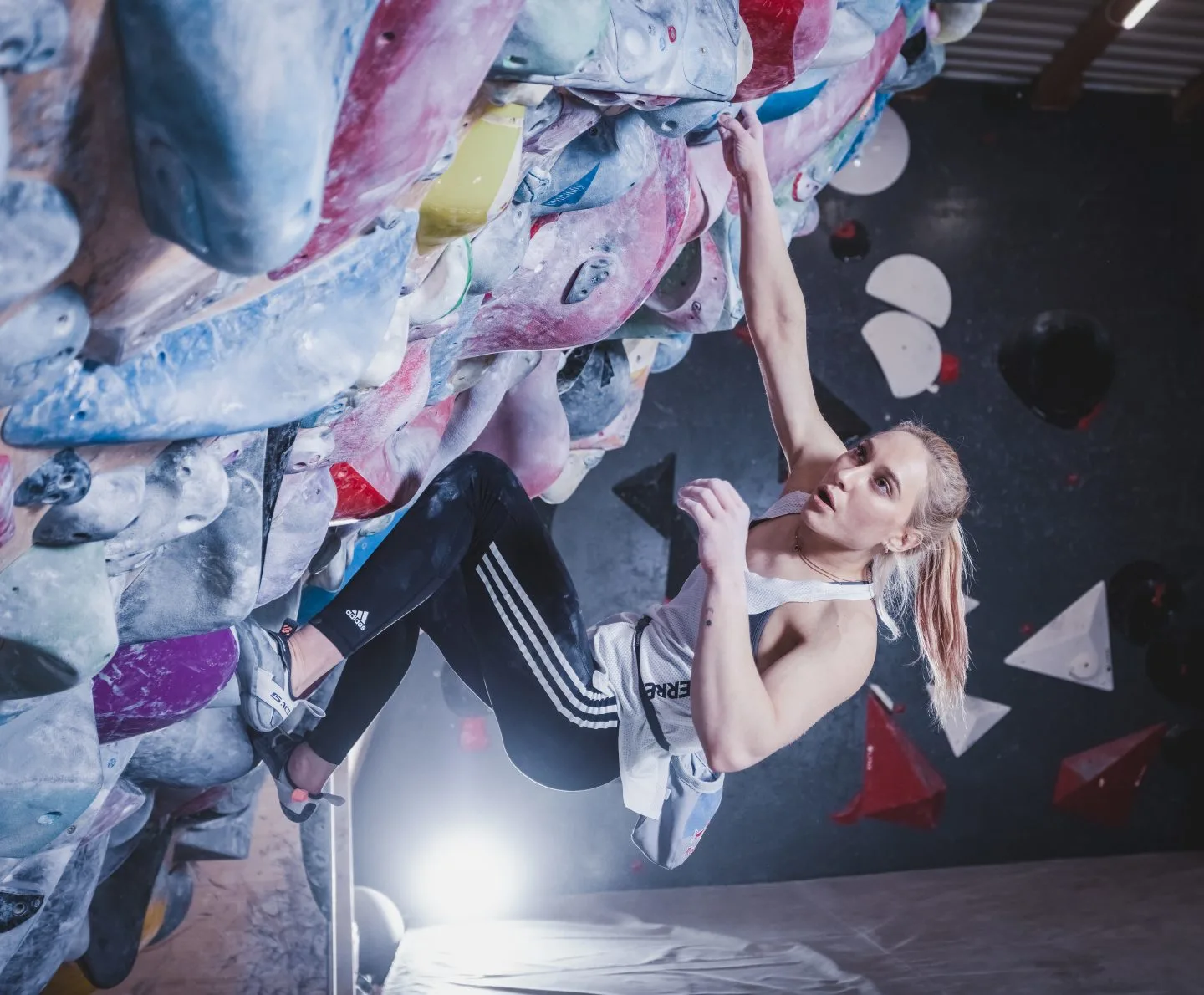
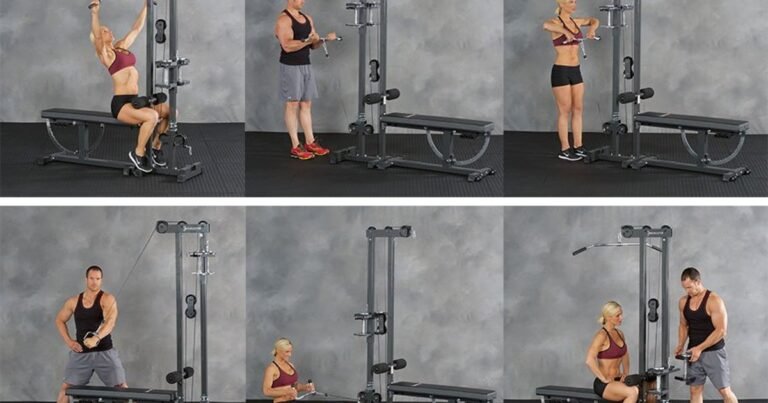
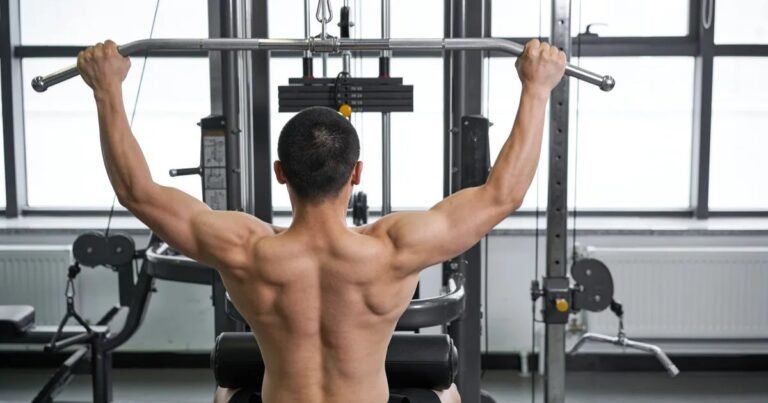
Supplementary lifting should solve a problem rather than compete with the climbing session. Pull-ups can build general pulling strength; a cable pulldown or assisted variation can make that strength work accessible when bodyweight pull-ups are too demanding. Rows can develop controlled shoulder movement, while moderate pressing and lower-body work round out the programme. Ring rows, a suitable pull-up station and adjustable cable resistance can be useful options depending on your equipment.
Keep the volume manageable. For example, an experienced trainee who tolerates climbing and strength work might choose two or three sets of six to ten controlled repetitions for a pulling movement, leaving two or three repetitions in reserve. Pair this with an easy lower-body exercise and a controlled pressing movement. These are illustrative choices, not an exact prescription for every climber or an account of Garnbret’s lifting routine.
Grip work deserves special care. Large comfortable holds and general forearm exercises are not equivalent to maximal hangs from a narrow edge. Even strong lifters can be new to the specific demands of climbing. Start with climbing practice at a manageable level and do not suddenly add heavy fingerboard work, weighted hangs or high-volume crimping just because a pull-up bar feels easy. A general grip tool, thick bar grip or forearm trainer can supplement a gym routine, but none is a replacement for progressive practice on the wall.
Garnbret hurt a finger on the last Paris boulder and continued after assessment by her physiotherapist. That is a report of a particular competition, not advice to climb through pain. A recreational athlete has little reason to take the same risk. New sharp pain, swelling, sudden weakness or an inability to grip normally is a reason to stop the painful activity and seek appropriate assessment.

Equipment Worth Exploring
Explore equipment, accessories and gear from our carefully selected range.

Power Tower
Freestanding pull-up and dip station with adjustable handles for bodyweight training.


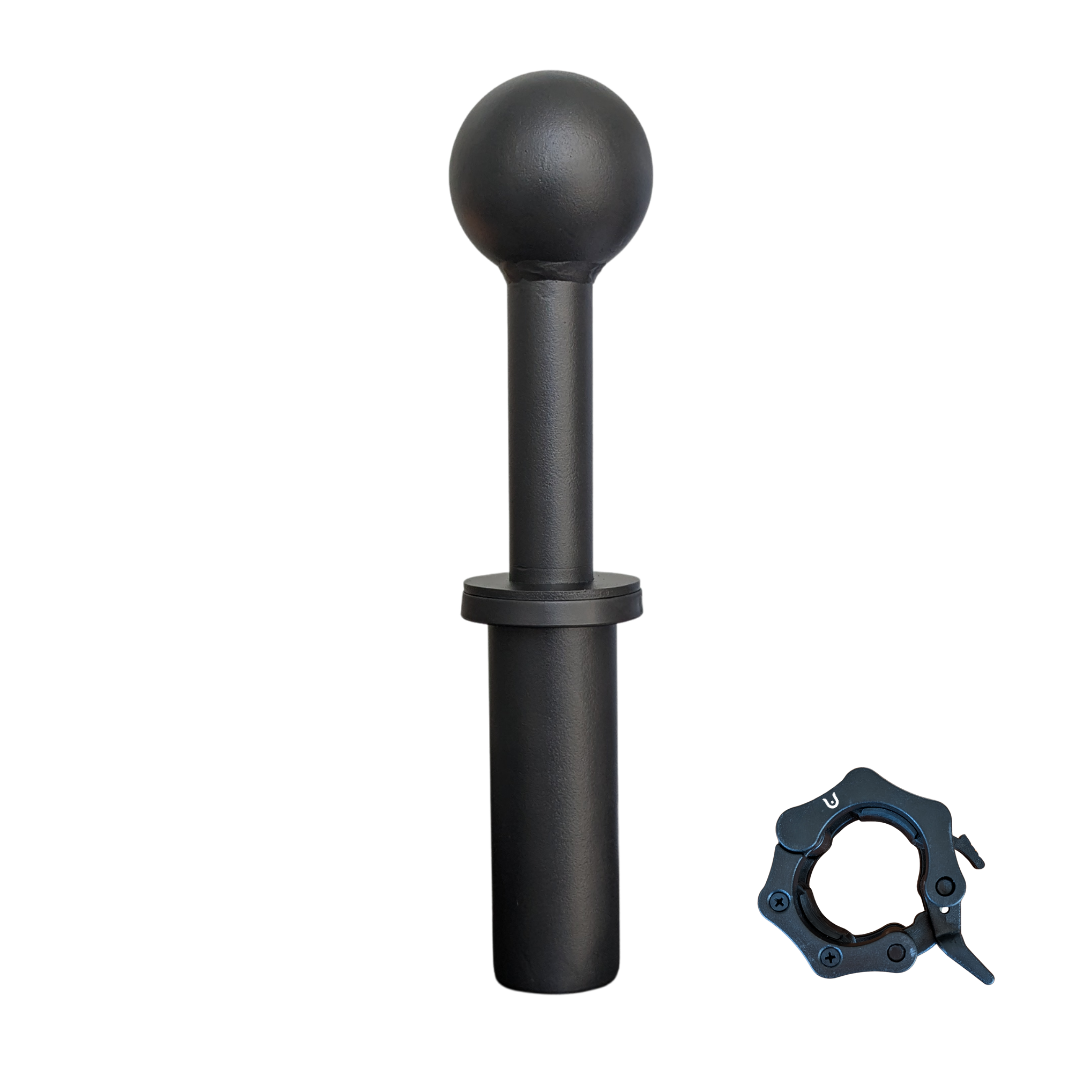


Angles 90 Grips
Flexible grip attachments that allow natural wrist movement during pulling exercises.

VForce Lat Tower
Wall-mounted cable tower with pivot arms and adjustable 1:1 or 2:1 pulley ratios.
VOLTRA
Compact digital cable trainer with smooth, adjustable resistance.

A four-week plan for climbers who also lift
Here is a simple way to organise four weeks if you already climb regularly and want to include gym work. Start below your maximum sustainable workload, and adjust the days to fit your schedule. If you are new to climbing, fewer sessions and qualified instruction are a better starting point.
- Monday: Practise bouldering technique with long rests, prioritising good movement over total attempts.
- Wednesday: Perform a short strength session with controlled pulling, pressing and lower-body work; finish before form deteriorates.
- Friday: Climb easier longer routes or circuits, using consistent pacing and resting between rounds.
- Weekend: Recover, take an easy walk or practise gentle mobility. Add a further climbing session only if your existing schedule and recovery support it.
In week one, establish a baseline. In week two, add a small amount of practice to one session, keeping the other sessions unchanged. In week three, increase difficulty slightly only if technique and recovery remain sound. In week four, reduce the demanding volume and repeat a familiar problem and circuit under similar conditions. Compare movement quality and repeatability rather than testing every maximum at once.
The aim is to finish the block knowing more about your climbing. Did you become more comfortable on unfamiliar footholds? Can you complete a longer circuit with less unnecessary gripping? Are your gym sets progressing without interfering with your next wall session? If the answers move in different directions, change the plan accordingly.

Funny Gym Shirts & Workout Gear
Funny gym shirts, tanks, hoodies and workout gear for lifters who like training hard.

Get A Grip Grip Strength Vest Tank Top
Bring “Get a Grip” humor to your next lifting session.

Slip Not Grip Training – Heavy Metal Workout Jumper Pul T-Shirt
Bring “Slip Not Grip Training” humor to your everyday gym style.

Grip Day Legacy Gymbro & Decal Sticker
Give your everyday gear a playful “Grip Day Legacy” twist.


Pumpeye Forearm Gains & Grip Training Decal Popeye Sticker
Put “Pumpeye” gym humor on your laptop, bottle, or gym gear.

Grip Day Legend Essential Gymbro & T-Shirt
Rep “Grip Day Legend” humor in and out of the gym.

Pull Up Or Shut Up Crewneck Pullover Sweater for Calist T-Shirt
Keep things casual with a little “Pull Up Or Shut Up” attitude.

Grip Strength Fanatic Meme Hoodie
Show off your lifting humor in a laid-back “Grip Strength Fanatic” hoodie.

Progress Stoic Sigma Greek God Marble Sculpture – T-Shirt
Rep “Progress Stoic Sigma Greek God Marble” humor in and out of the gym.

Doctor Discipline Hoodie
Bring “Doctor Discipline Gym Villain” gym humor to lazy days and post-workout plans.
Garnbret’s two Olympic titles demonstrate versatility within a demanding sport. For the rest of us, that is a reason to train more thoughtfully, not to imitate elite workloads. Build the strength you need, practise using it effectively and give yourself enough recovery to return to the wall ready to learn.