Advertising disclosure: This page includes affiliate product links that may earn us a commission, as well as products from our own store.
A flywheel training device looks almost comically simple next to a large cable machine: a rotating disc, a drive strap and somewhere to stand or anchor the unit. Yet the sensation is different from picking up a barbell. You supply the energy on the way up and then have to deal with that energy on the way back. That single difference changes how a lifter should choose resistance, judge a hard repetition and programme a set.
Exxentric’s kBox platform and kPulley wall-mounted devices are examples of this approach. Both use rotational inertia, but their layouts make different movements convenient. Neither should be bought simply because a brochure promises unlimited resistance or eccentric overload. The more useful question is whether you need a different stimulus, and whether you will learn to reproduce it. This is a specification-based training and buying guide, not a hands-on review.
Why a flywheel has no fixed kilogram setting
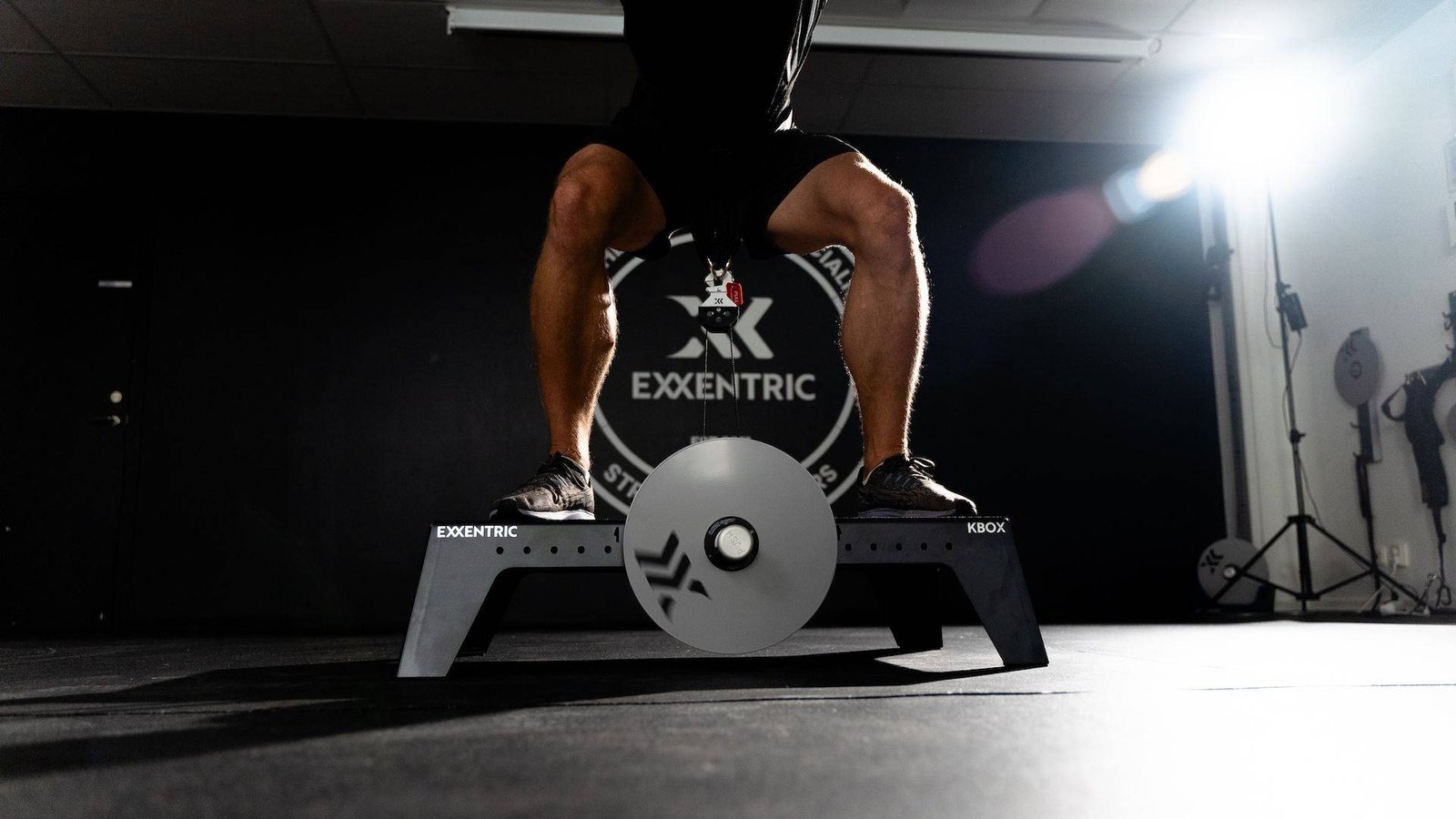
Imagine pulling the cord of a spinning toy. You accelerate a wheel, the cord runs out, and the wheel’s momentum winds the cord back in the opposite direction. A flywheel trainer uses the same broad principle. On a squat, the drive belt unwinds as you stand. When it reaches the end of that travel, the rotating wheel begins pulling the belt back. Your legs must resist the descent. If you apply little force on the way up, there is less energy to absorb on the way down. If you accelerate aggressively, there is much more work to do.
This is why a flywheel is not a plate-loaded barbell in disguise. The relevant mechanical property is rotational inertia, expressed in kilogram-metres squared, rather than the mass of plates placed on a sleeve. Exxentric offers discs ranging from 0.005 to 0.070 kg·m². Its medium disc is rated at 0.025 kg·m² and its large one at 0.050 kg·m². The extra-large option is not compatible with every platform, so check the exact machine model and mounting hardware before ordering a larger disc or stacking multiple discs.
Doubling the inertia of the rotating assembly doubles the rotational energy stored at the same angular velocity. It does not mean the resistance at your hands or hips will double during a real repetition. Your speed will probably change, and the force you produce depends on the motion of the strap, the effective shaft radius and how quickly you accelerate or brake. Two people using the same disc can therefore experience entirely different demands.
Lower inertia generally favours quicker changes in speed; higher inertia can make a repetition slower at a comparable level of effort. Think of inertia as a way to shape the movement, not a score to chase. If a fast athlete wants a crisp acceleration drill, fitting the largest available wheel may be the opposite of what the session requires.
Eccentric loading is a skill, not an automatic bonus
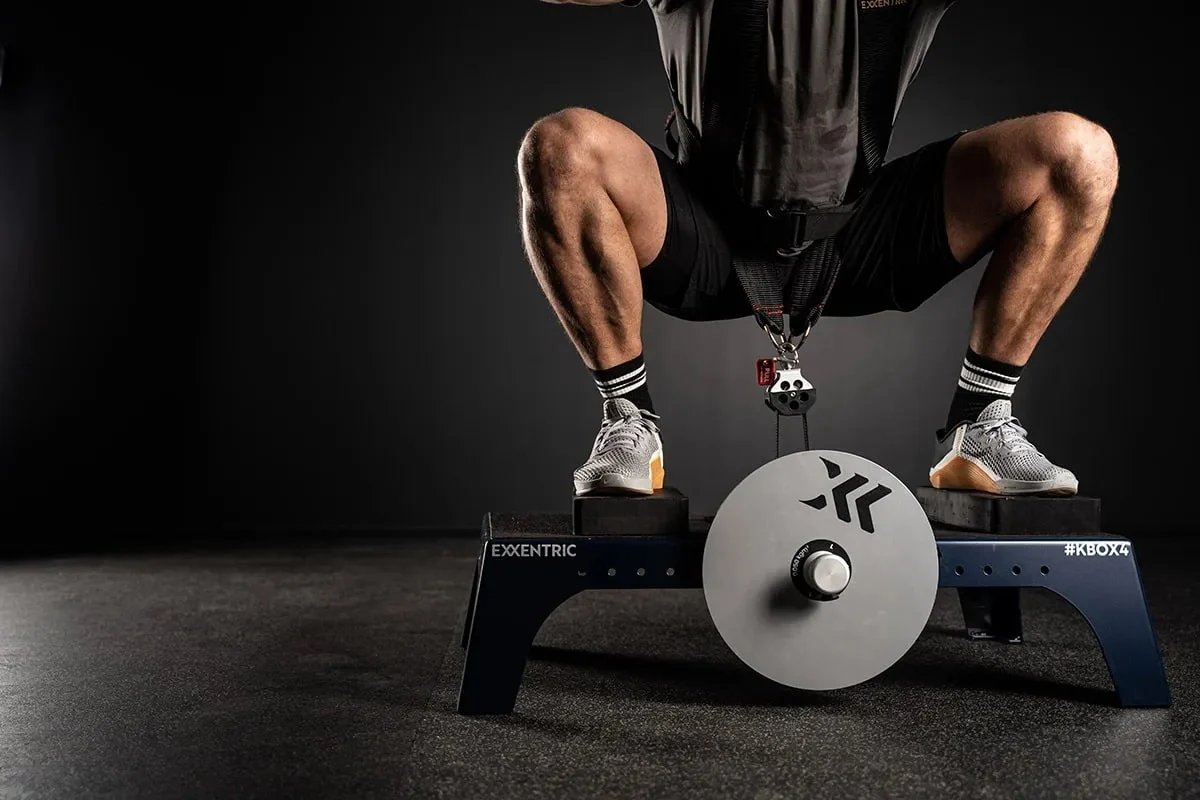
People sometimes use the terms flywheel training and eccentric overload as if they were interchangeable. They are not. Every controlled flywheel repetition has a braking phase, but the presence of braking does not establish that the eccentric force exceeds the concentric force. A machine without a motor cannot add energy of its own. You have to earn the return through the work you put into the outward stroke, and the manner in which you distribute the braking changes the force profile.
One way to concentrate eccentric demand is to let the return begin under control, then absorb more of the wheel’s energy over the latter part of the movement. Braking over less distance can increase peak demand. This is not a recommendation to dive into the bottom of a squat, deliberately lose position or slam against the end of your range. For someone learning the device, the priority is to slow the entire return predictably and finish with a comfortable, repeatable transition.
The research is encouraging but not unanimous. A 2017 pooled analysis of nine studies and 276 participants reported better outcomes with eccentric-overload flywheel programmes than conventional resistance training across several measures of muscle function and size. Another synthesis of seven controlled studies found no clear superiority for muscle strength. A 2023 review included 21 randomized trials across nine sports and examined performance measures such as sprinting, jumping and changing direction. Together these findings support flywheel work as a legitimate option, not as proof that everyone should abandon gravity-based training.
Protocols vary in inertia, coaching, exercise choice, familiarity and effort. Improvements in a jump test do not automatically predict greater muscle growth, and a high eccentric peak in one set is not a long-term outcome. An experienced barbell lifter might still need several sessions before they can accelerate and decelerate the flywheel efficiently. Compare your results only after technique and range have become consistent. A dramatic first-session burn is not a reliable measure of programme quality.
The kBox platform: start with squats and hinges
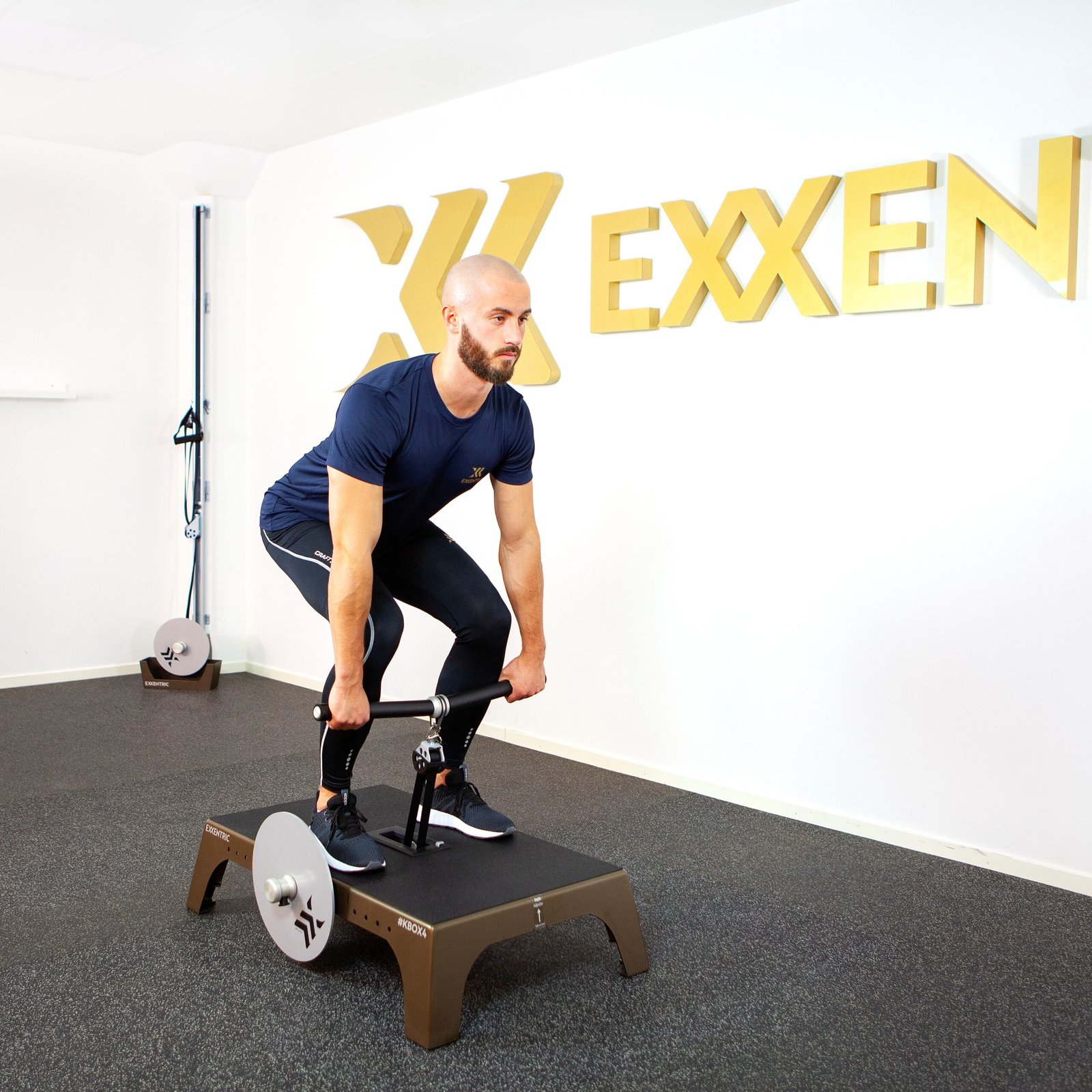
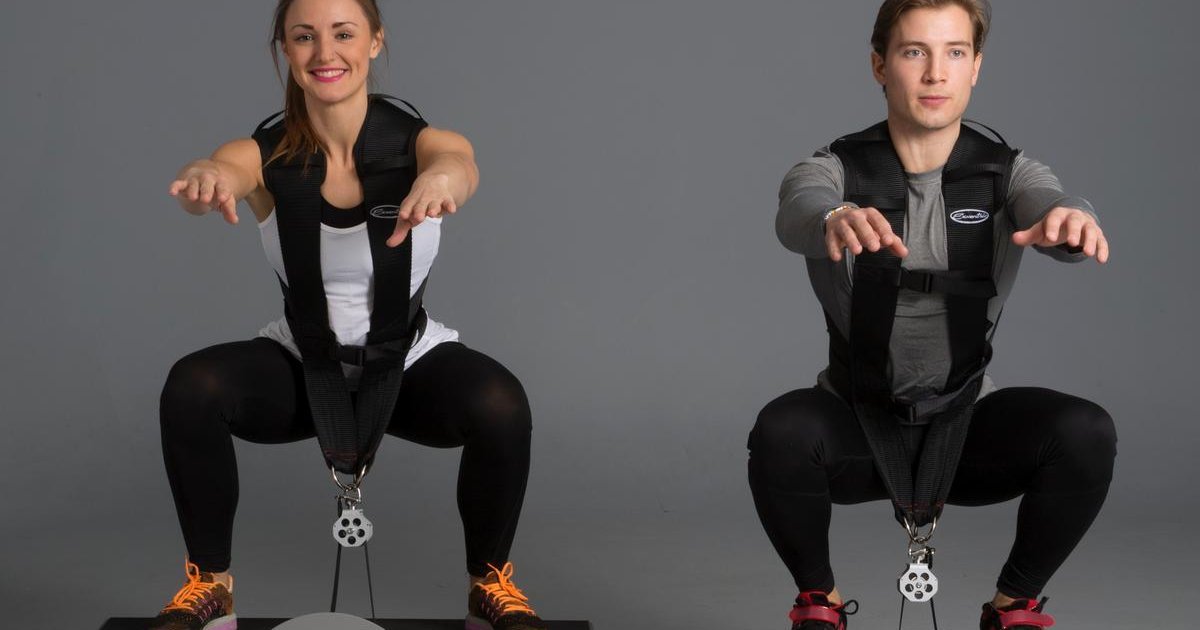
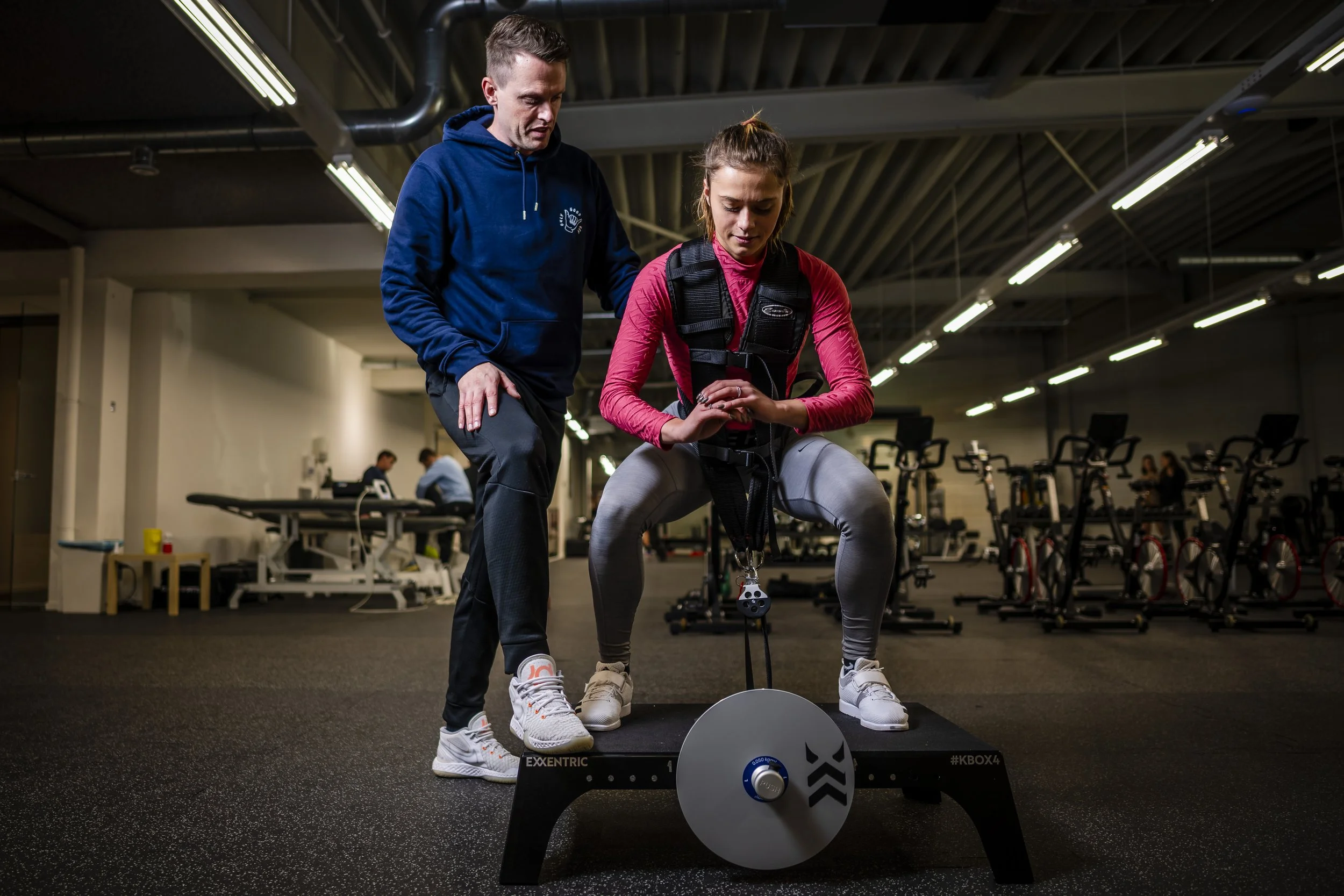
The floor-mounted kBox is a straightforward starting point for lower-body work because the drive belt exits the platform beneath the athlete. A hip belt or harness can take the pulling force through the pelvis or torso while leaving the hands free. A bar or grip attachment allows deadlift-style movements, curls and rows. The set-up is modular, so the exercise selection depends on the attachments supplied with the package rather than the platform alone.
Begin with a squat. Stand securely on the training surface and adjust the approved attachment so the strap can travel through your intended range without running out prematurely. Use the initial repetitions to bring the wheel up to speed gradually. Establish the bottom position before increasing effort: stable feet, a knee path that follows the stance and a trunk position you can maintain when the return becomes challenging. If the pull is dragging you onto your toes, solve the balance problem before making the wheel spin faster.
On the hinge, maintain a slight knee bend and move the hips backwards rather than turning the return into a squat. Stop at a repeatable depth that allows you to keep control of your trunk and the strap. A lighter drive effort is often enough to expose a weak position. A bent-over row adds another option, but it asks the spinal erectors to maintain posture while the shoulders and elbows move. Do not choose it merely because it is available if your lower back is already exhausted after deadlifts.
Buyers should also compare the physical platforms. The manufacturer lists Active, Lite and Pro variants. The Lite is approximately 10 kg and designed for portability; the Pro has a larger training surface. The Active uses a steel chassis and optional performance tracking, while higher configurations offer other accessory and tracking options. Check the actual platform dimensions for your stance and the foot positions of split squats. Measure room to step onto the platform and perform the movement, not just the space required to store it against a wall.
A harness squat is not the same thing as a fixed-load belt squat. If you are deciding whether to add an anchored cable or plate-loaded option instead, our Rhino rack trainer and belt-squat guide illustrates the installation, loading and clearance questions that accompany a different resistance mechanism. Both designs deserve comparison on the actual movements you plan to perform.
The kPulley and the alternatives: choose a direction of pull
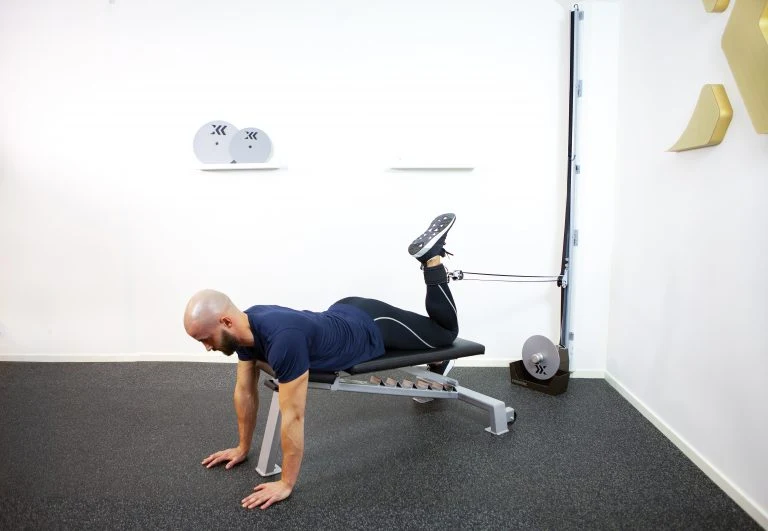
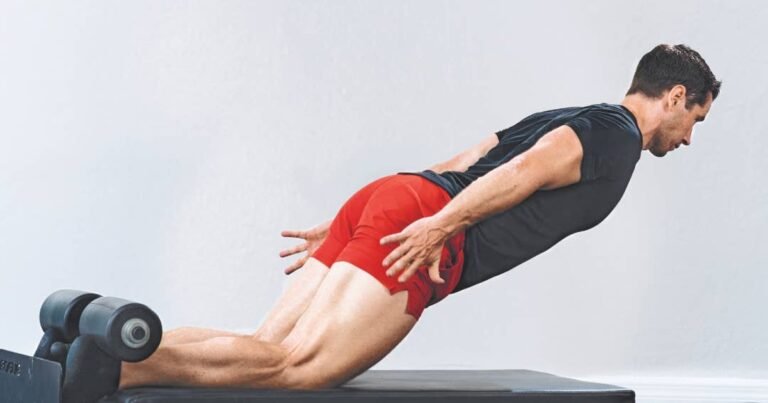
A kPulley shifts the anchor away from the floor platform. The photographed kneeling hamstring curl illustrates a different attachment and working position; it is not a standing high pull. The adjustable mounting system lets you pull along different directions for standing rows, single-arm movements and rotational exercises. A row involves pulling the handle towards you and resisting the return without letting the strap jerk the shoulder forward. A rotational drill asks you to absorb the returning force through the legs and trunk. Set the angle, stance and range first; adding inertia is a secondary decision.
Mounting is part of the equipment, not an afterthought. Verify that your chosen wall or structural support can accommodate the exact approved anchoring method, and do not attach the device to an unverified wall or movable object. Leave space for the full movement and return of the handle. Use the manufacturer’s specified attachment and flywheel retention system. Keep fingers, clothing and loose straps away from the moving wheel. These precautions matter even on a modest effort because a rotating disc retains energy after your muscles stop driving it.
A conventional cable machine is still appealing if you value an obvious load setting and repeatable increments. A motorized cable resistance device can offer independently configured lowering resistance where that function is supported. Flywheels are different: they rely on the energy you put in rather than a selected motor force or raised weight stack. Consider a digital cable unit, a dedicated belt squat or compatible conventional cable handles as alternatives, not interchangeable attachments for the Exxentric system. Always confirm hardware compatibility before connecting any accessory.
The practical decision is simple. Choose the platform if you chiefly need squats and hinges from below. Consider a pulley unit if horizontal and diagonal work is the missing piece. If your existing rack and cable machines already serve those movements, the flywheel’s main value is the different return and acceleration demand. You are buying a training method rather than merely another way to perform a familiar exercise.

Equipment Worth Exploring
Explore equipment, accessories and gear from our carefully selected range.
VOLTRA
Compact digital cable trainer with smooth, adjustable resistance.

Go-Tone Pro
Portable digital cable trainer with up to 66 lb (30 kg) of adjustable resistance.
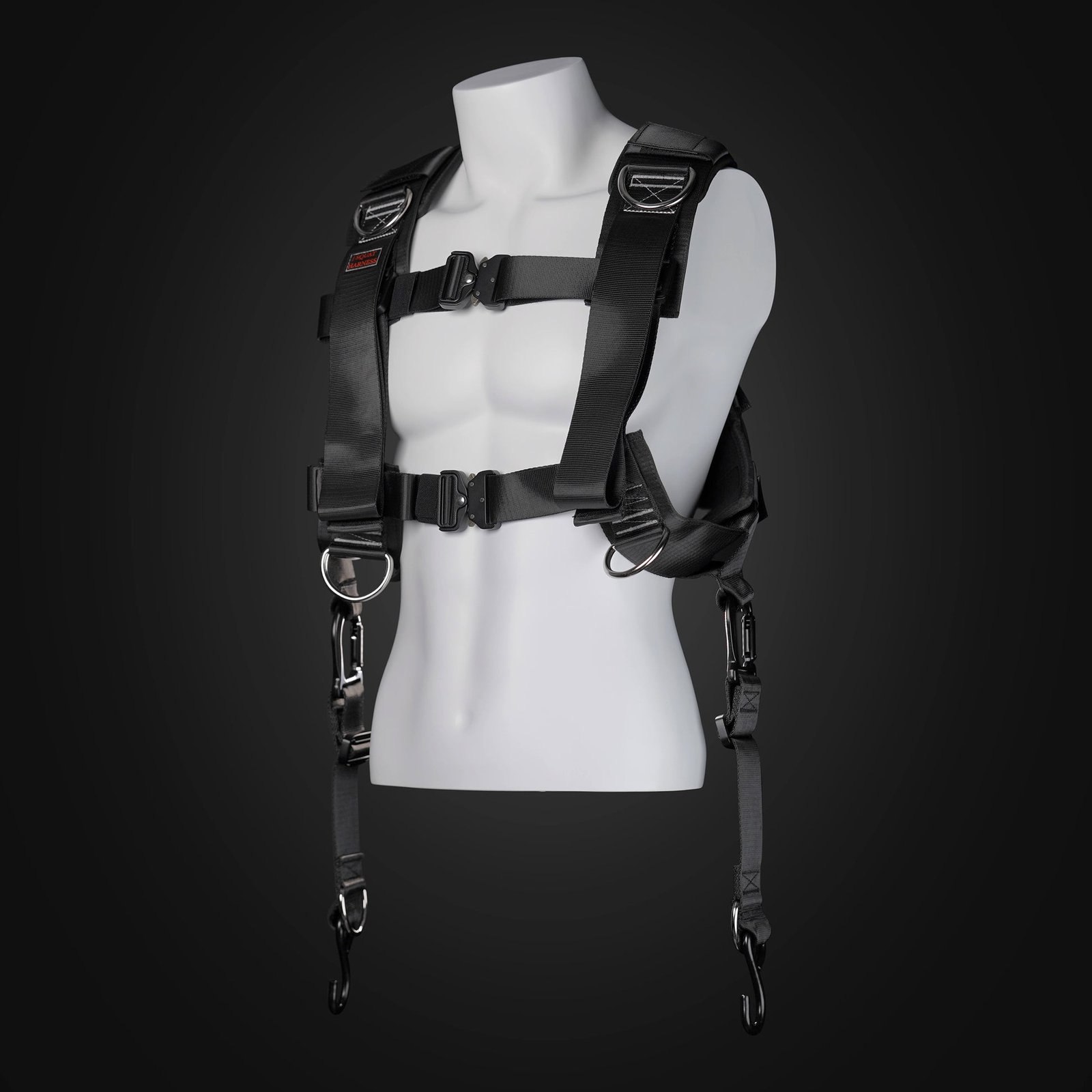
Squat Harness
Wearable harness for hands-free cable squats, sled work, and lower-body training.


GymPin Squat Wedges
Non-slip 15-degree squat wedges help elevate the heels for deeper quad-focused squats.

Angles 90 Grips
Flexible grip attachments that allow natural wrist movement during pulling exercises.

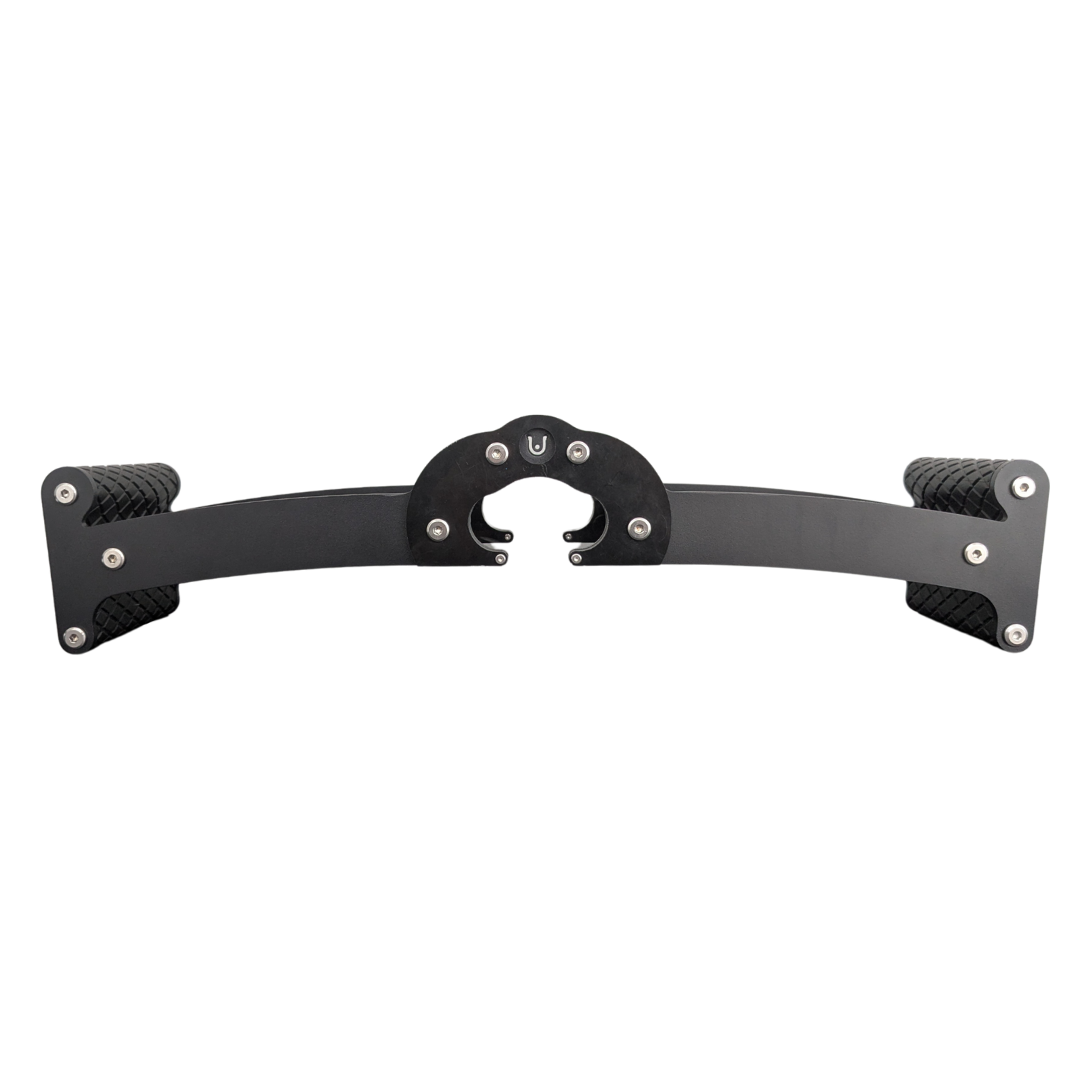
Back Bar
Multi-grip cable and landmine bar with a built-in deadlift jack.
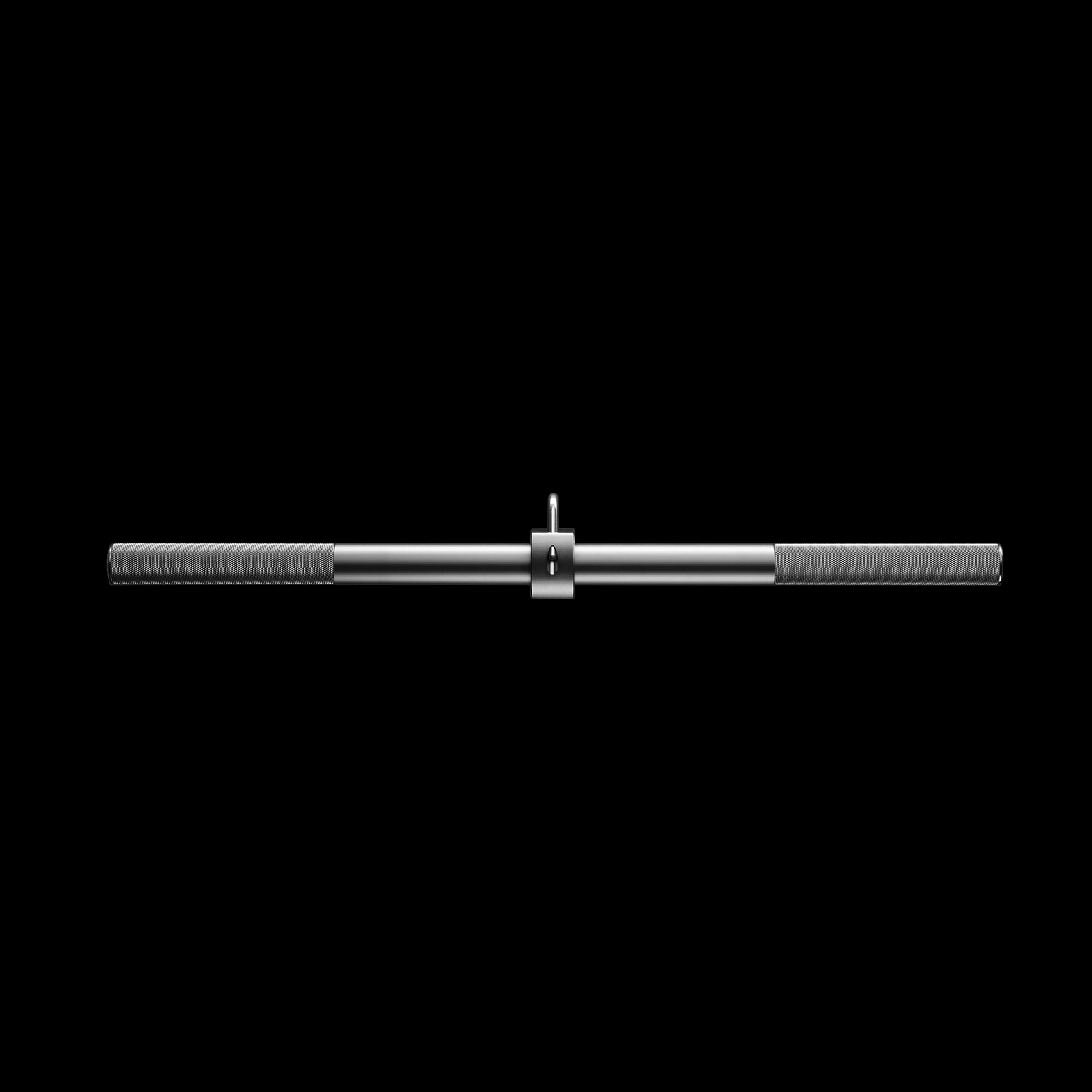
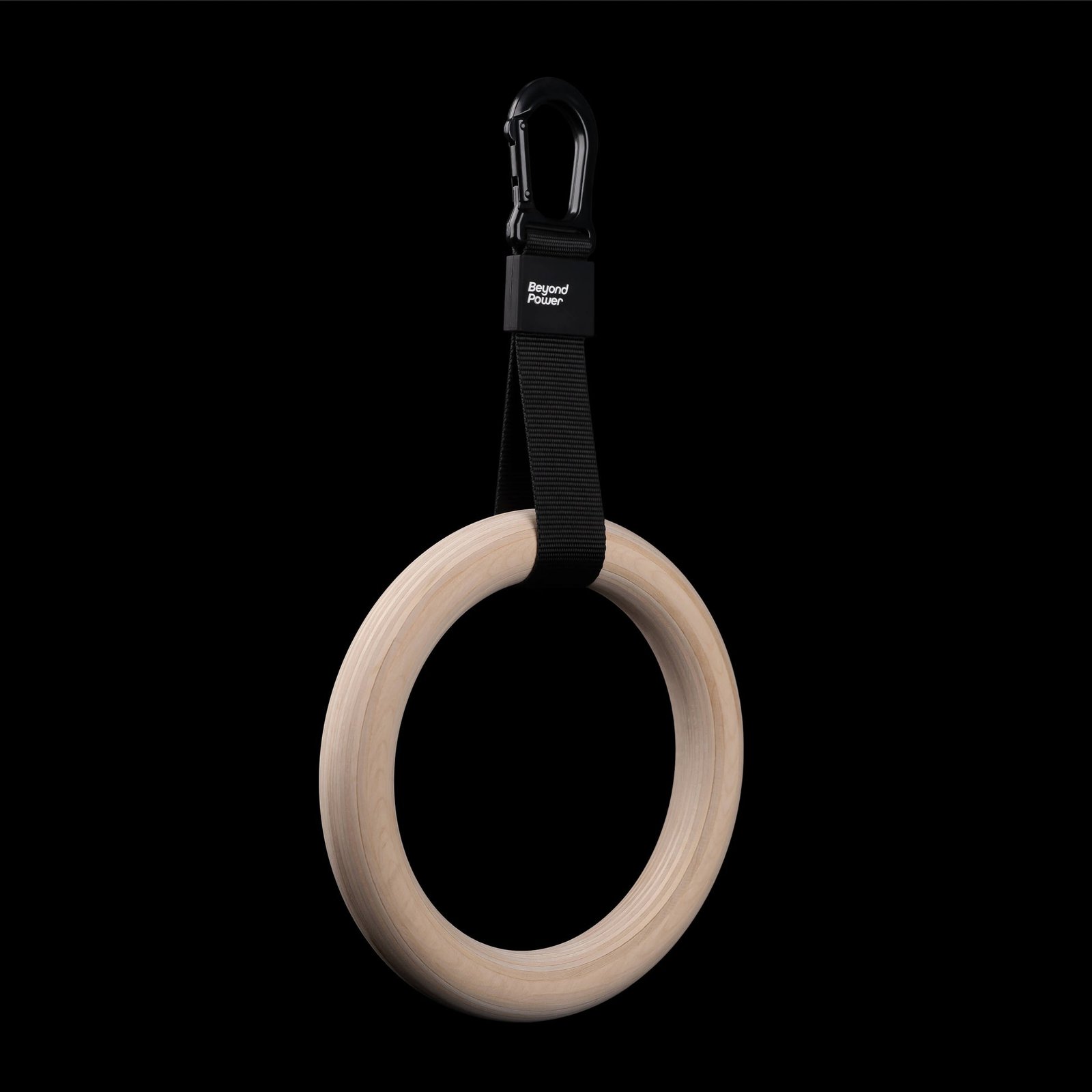
A four-week introduction without sacrificing your existing programme
There is no need to rebuild your entire programme. Keep the main exercises you already track and replace one accessory on two nonconsecutive training days. For example, after a moderate squat session, use a flywheel harness squat. Later in the week, place a flywheel hinge or row after a conventional primary lift. Allow enough rest that your next set is limited by the intended movement, not breathing or a failing grip.
- Week 1: Two sets of six controlled work repetitions per chosen exercise, after easy acceleration repetitions. Use modest effort and practice slowing the return throughout the range. Rest two to three minutes.
- Week 2: Move to three sets of six if recovery and technique are good. Keep the same disc, attachment and range. Increase your drive effort only when you can control every descent.
- Week 3: Try three sets of six to eight. If you want a different movement speed, test one change in inertia at a conservative effort. Do not change the inertia and braking strategy simultaneously.
- Week 4: Repeat your best-quality setup. Aim for consistent output across sets rather than an isolated peak. Reduce a set if soreness or fatigue is interfering with your primary lifting sessions.
This is an introductory editorial example, not a protocol tested in a specific trial. A performance-tracking system can help if it measures power consistently, but you can also record the disc combination, attachment, belt length, range, repetitions and perceived effort. Use the same setup when comparing sessions. An apparent improvement after shortening the range or changing your starting position may not indicate improved strength.
As you gain experience, choose a goal for each session. For a muscle-building accessory, keep controlled full-range repetitions challenging enough that the target muscles do the work. For a power-oriented set, prioritize clean, quick acceleration and a controlled return, stopping before output visibly falls. Reserve aggressive eccentric emphasis for a stage at which you have already learned to manage the return safely. A partner or qualified coach can help with initial familiarization.
The strongest reason to keep a flywheel is that it offers a stimulus you can use consistently, without disrupting the training you already enjoy. The strongest reason to skip one is that you would rarely use its distinctive features. If a barbell or ordinary cable setup gives you productive, measurable work at a fraction of the cost, that is a perfectly good outcome. If you want acceleration-dependent resistance and an active braking challenge, a flywheel earns its place by how you programme it, not how many discs you can fit on the axle.

Leg Day Shirts & Workout Gear
Leg-day gym shirts and workout gear for lifters who never skip squats, lunges and lower-body punishment.

Thicc Butt Energy Sweater Leg Day & Squat Lovers Meme T-Shirt
Keep things casual with a little “Thicc Butt Energy” attitude.

Deadlift Frozen Skull Gym Crewneck for Powerlifters, Co T-Shirt
Keep things casual with a little “Deadlift” attitude.

Gym Thou Art Not Yet Ripped Medieval Knight Deadlift Li T-Shirt
Show some gym-day personality with “Thou Art Not Yet Ripped Medieval Knight”.

Leg Day Squats Deadlifts Meme Hooded Hoodie
Show off your leg-day humor in a laid-back “Leg Day” hoodie.

Not Recommended Leg Day 1 Star Review Squats Hoodie
Bring “Not Recommended Leg Day” gym humor to lazy days and post-workout plans.

Leg Day No Thanks Skip Leg Day Meme Squats Deadlifts Tank Top
Bring “Leg Day No Thanks” humor to your next lifting session.

Leg Day Is Calling You Sweater Squats & Deadlifts T-Shirt
Add a playful “Leg Day Is Calling You” touch to your casual rotation.

Quadzilla Massive Quads Decal Leg Day Squat Meme Sticker
Stick a little “Quadzilla” humor on your favorite gear.

Never Skip Leg Day Squats & Deadlifts Meme , Top T-Shirt
Show some leg-day attitude with a playful “Never Skip Leg Day” tee.