Advertising disclosure: This page includes affiliate links that may earn us a commission at no additional cost to you.
Dan Gable won Olympic freestyle wrestling gold in 1972 without surrendering a single point. His career offers a useful lens on developing strength, repeatable conditioning and technical control, even for athletes who will never compete internationally.
Six matches and no points conceded
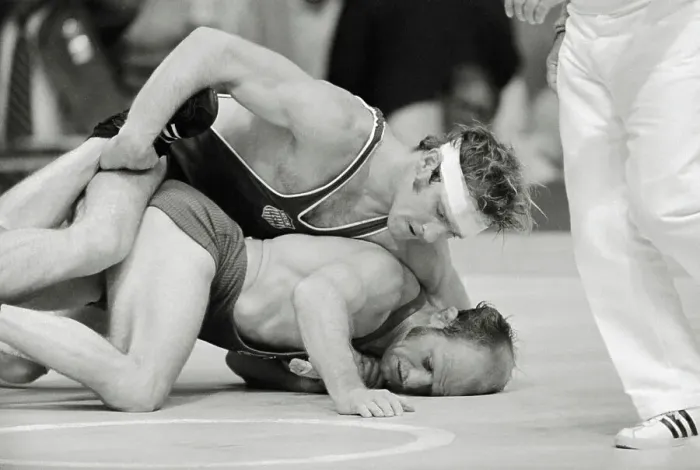
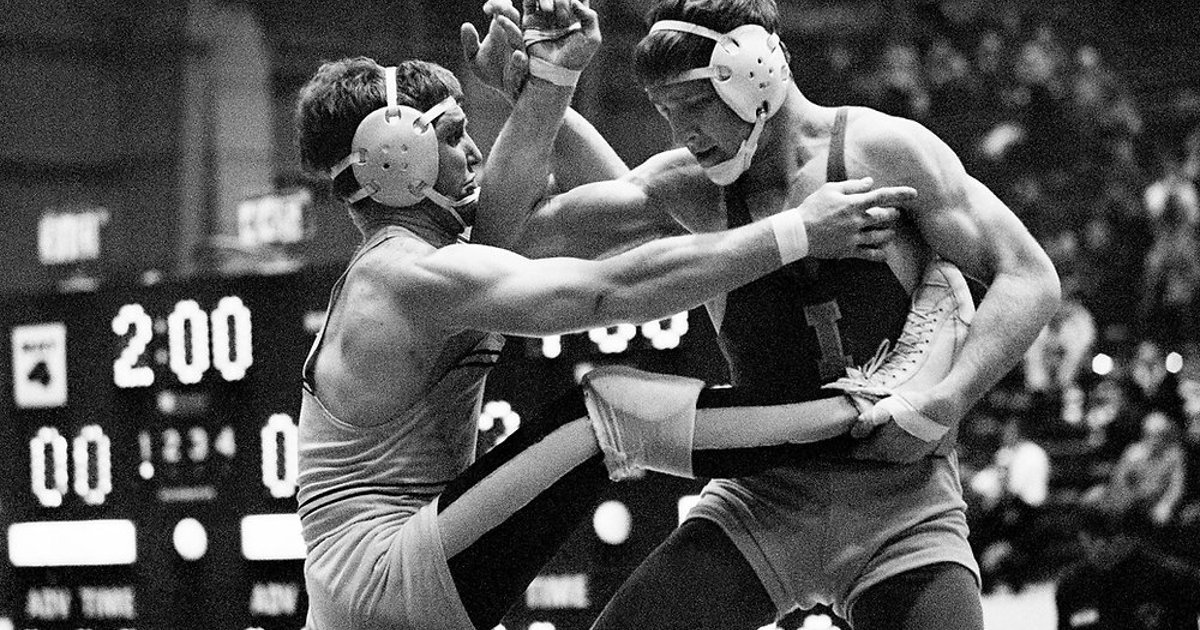
Dan Gable’s 1972 Olympic gold was a rare demonstration of control under pressure. At 68 kg in men’s freestyle wrestling, he faced a field of 25 competitors from 25 nations. Six victories brought him the title without a single opponent scoring a wrestling point against him. The achievement is all the more interesting when viewed as a performance problem: he needed to attack, defend, recover and make good decisions repeatedly against opponents who had also spent years preparing for this event.
The format was not identical to modern wrestling. In Munich, results determined elimination through a system of negative classification points. A fall was worth zero penalty points, while some other winning results carried a penalty. Gable’s shutout refers to points conceded during the bouts, not a claim that every classification number was zero. Three of his first five matches ended by fall and two were won by decisions without conceding a point. His final victory over Ruslan Ashuraliyev secured gold. Japan’s Kikuo Wada took silver.
The gym lesson is not that every session should feel like an Olympic final. Instead, consider what must remain available when the opponent gets a second opportunity to attack. A technically sound first effort matters, but a wrestler who cannot reproduce his stance, footwork or hand position after a scramble is leaving openings. Fitness has to preserve the useful movement, not merely make a person feel worked.
For a recreational grappler, a useful practice measure is the number of technically clean repetitions or exchanges maintained across a set of rounds. A round in which posture falls apart may be a sign to change the intensity or rest period, even when the athlete is willing to keep going. The goal is repeatability rather than punishment.
The defeat that preceded the gold
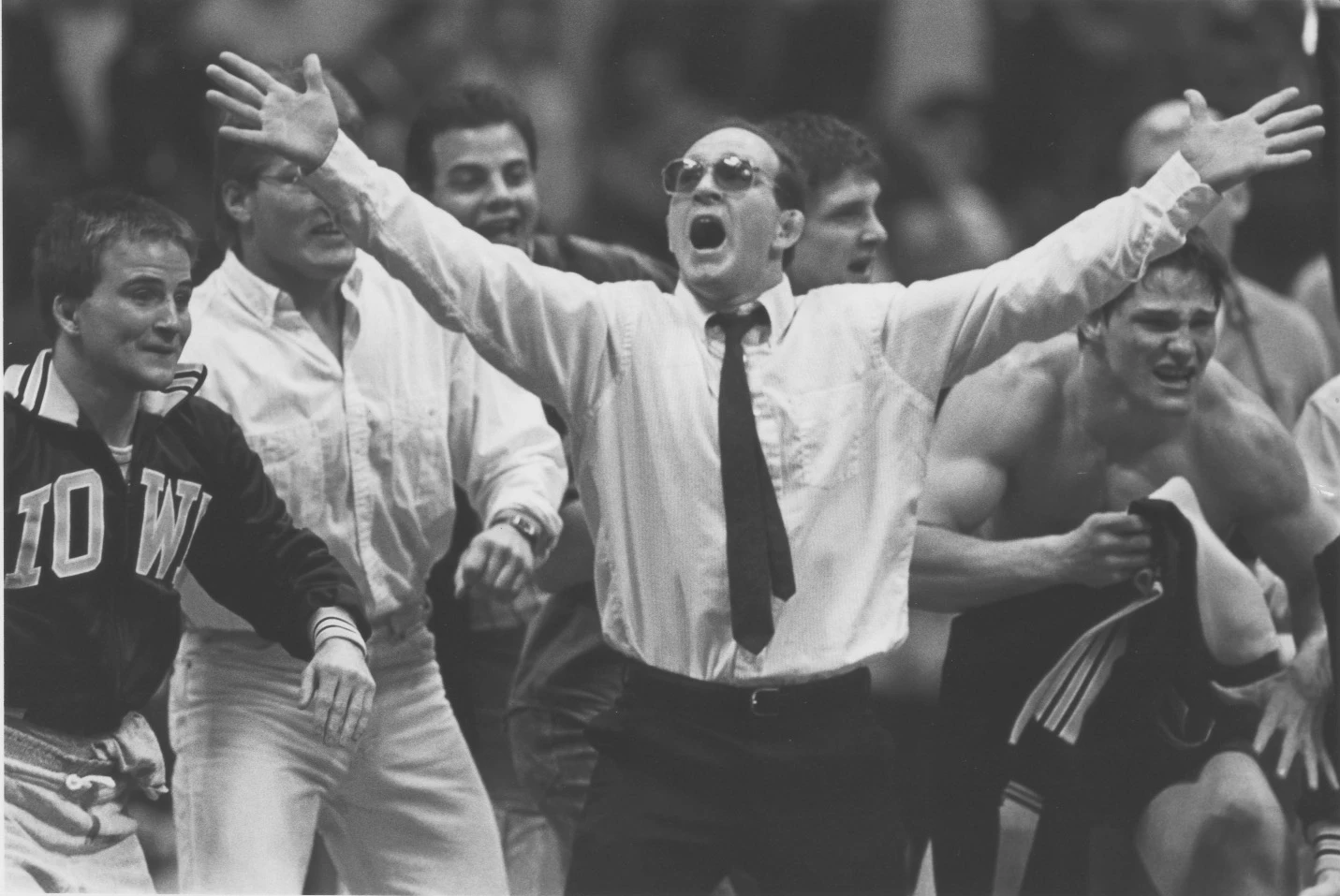
Gable had already established his reputation at Iowa State. He won two NCAA individual championships and recorded 118 college wins against a single defeat. That loss came in the NCAA final of his senior year, against Larry Owings. It makes his later Olympic record more instructive than a simplified story of a man who never lost. The skills that earned previous victories were not a guarantee of the next one.
He went on to become a world champion in 1971 before the Olympic campaign. His subsequent coaching career at the University of Iowa provides another perspective on sustained performance. Iowa won 15 NCAA team championships under his leadership, nine in succession. An individual champion had become responsible for developing athletes with different bodies, experience and competitive strengths.
A useful response to a disappointing competition is to separate the result from the cause. Was the athlete unable to establish a position, too slow to react, poorly conditioned for the pace, or simply outperformed by a better decision? Those questions point to different training interventions. Adding more running to a week will not automatically fix a technical error in a takedown. Likewise, more drilling may not solve a genuine strength deficit.
Keep a short training log: one technical observation, one physical observation and one change to test during the next week. Video reviewed with a qualified coach can be more informative than a memory of how hard a round felt. Make the change specific enough that it can be evaluated. If a wrestler repeatedly loses balance during a particular exchange, for example, practice the appropriate position with controlled partner resistance before testing it under more pressure.
Conditioning that survives contact
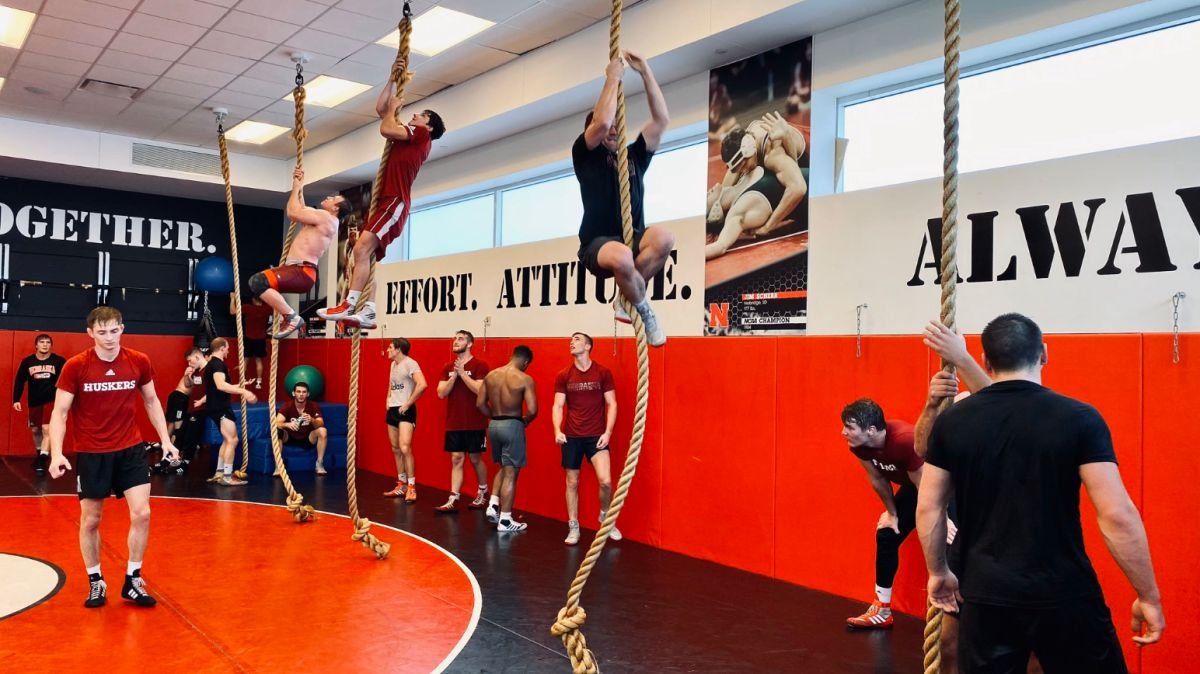
Wrestling combines repeated explosive actions with periods of intense muscular tension and less explosive movement. The energy required for an aggressive exchange is not identical to the energy needed to recover between exchanges. Strong aerobic fitness can support the latter, while strength and anaerobic power contribute to high-intensity work. A single long endurance session or a single heavy lifting session cannot represent all these demands.
A study of 21 elite Colombian male wrestlers preparing for Olympic competition measured aerobic capacity, jumping performance and anaerobic power. The group averaged 45.9 mL/kg/min in the aerobic test, with substantial variation between athletes. This is a descriptive sample, not an admission standard for wrestling or a measurement of Gable. It illustrates why conditioning assessments should consider multiple qualities rather than treating one number as a complete athlete profile.
An accessible approach starts with a low-impact aerobic session of 20 to 35 minutes at a pace that permits short conversations. A bike, rower or brisk walk can work, depending on the athlete’s joints and other sessions. This is intentionally different from hard intervals. It should leave the person capable of practicing later rather than create a second wrestling competition in the gym.
For the faster session, begin with six efforts of 15 seconds at a strong but controlled pace, separated by about 75 seconds of easy movement. Track output where possible. A bike provides an easily repeated workload, while a rowing machine requires competent technique to make comparisons useful. End the session if the movement becomes unsafe or output collapses. This example is a modern training option, not a reconstruction of Gable’s preparation.
The mat itself already supplies difficult conditioning. An athlete doing multiple hard live rounds each week may need fewer extra intervals than a lifter who has no combat practice. Count the hard practices first before adding another demanding workout.
Strength training for the wrestling mat
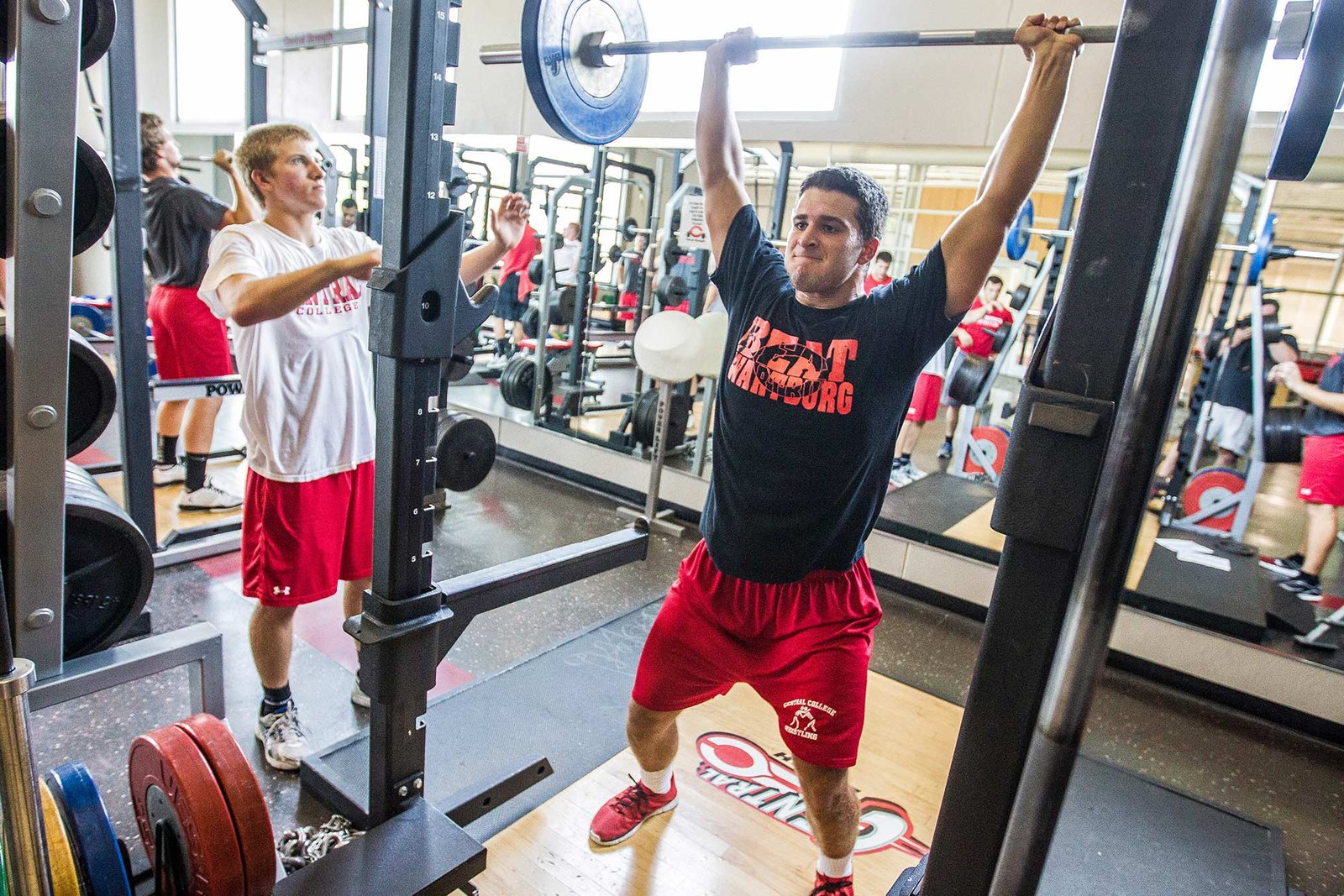
Strength in wrestling is expressed through positions and changing leverage, not just the number of plates on a bar. A strong back and legs can help create and resist force, but a wrestler still has to apply that force in the right direction and at the right time. A technically proficient opponent can exploit a strong athlete who is off balance.
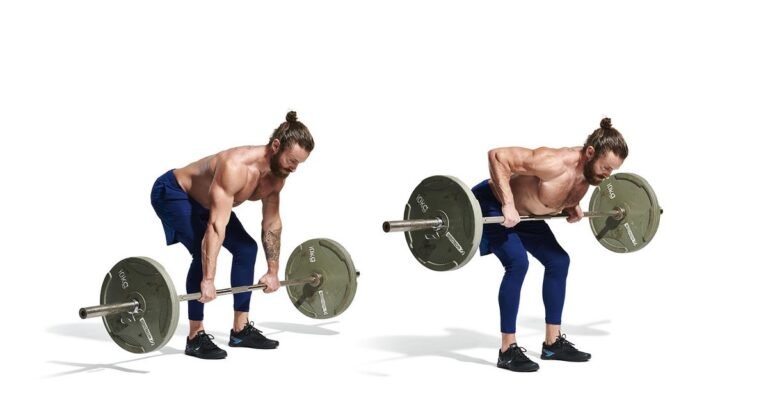
Two short full-body strength sessions per week are a reasonable starting structure for an adult who also practices wrestling. In the first, perform a squat variation for three sets of five, a controlled row for three sets of eight, a dumbbell press for two sets of eight and loaded carries for three short walks. Choose loads that leave about two or three good repetitions in reserve. Rest long enough to repeat the movement with control.
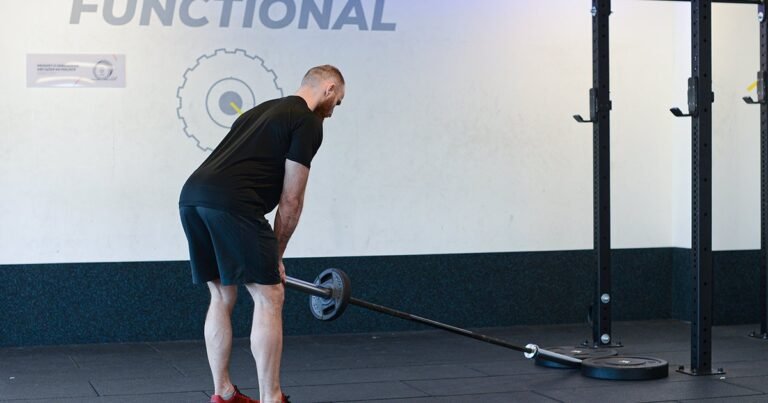
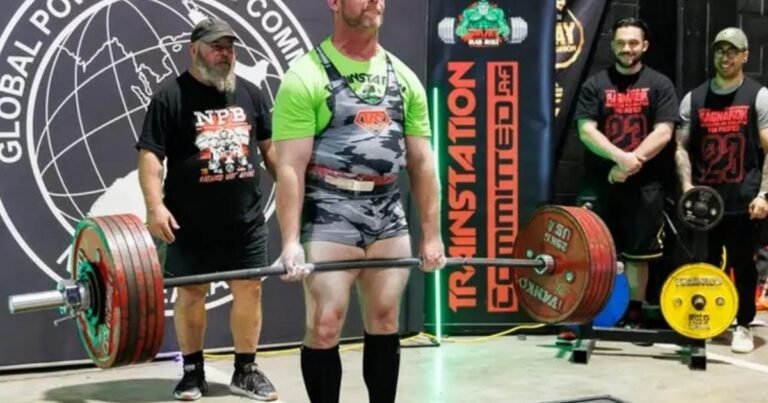
In the second session, use a hip hinge for three sets of six, pull-ups or an assisted variation for three sets of five to eight, a split squat for two sets of eight on each side and a brief grip exercise. The grip exercise might be a controlled hang or a thick-handle hold. Do not take every hang to failure if the next day’s practice needs fresh fingers and forearms. If pull-ups are not yet practical, a suitable cable pulldown can train a related pulling action.
Dumbbells and kettlebells make unilateral work and carries easy to arrange. A pull-up station or rings can provide a versatile pulling setup, while a sled offers a way to practice repeated whole-body effort without requiring the technical complexity of an Olympic lift. These are tools, not substitutes for wrestling instruction. Progressive overload should come from a modest increase in repetitions or load only when the current effort is repeatable.
Avoid using unsupervised neck bridges or aggressive neck loading as an entry-level exercise. Wrestlers have sport-specific needs, and neck training should be introduced with appropriate guidance. A stronger athlete is not automatically a safer athlete if the training ignores current pain, skill or recovery.

Equipment Worth Exploring
Explore equipment, accessories and gear from our carefully selected range.


Power Tower
Freestanding pull-up and dip station with adjustable handles for bodyweight training.

Cast Iron Kettlebells
Textured cast-iron kettlebells for swings, squats, carries, and full-body training.


Rubber Hex Dumbbells
Rubber-coated hex dumbbell pairs with a stable shape for home and commercial strength training.

Build a repeatable week instead of chasing exhaustion
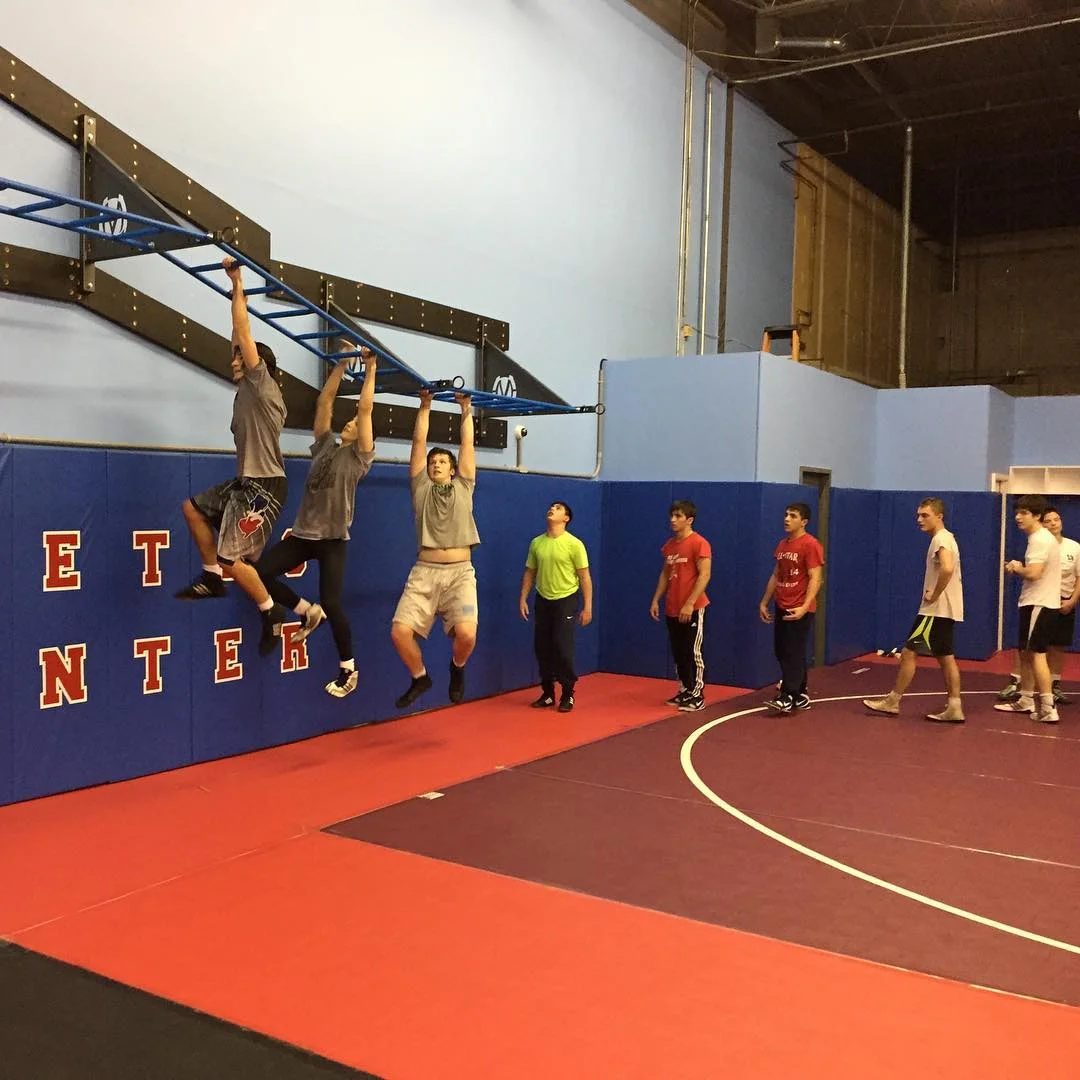
A realistic week for an adult grappler could include technical practice on Monday, strength on Tuesday, easy aerobic work on Wednesday, mat practice on Thursday, and strength on Saturday. Friday can be a rest day or a light technical session, with Sunday left for recovery. If Thursday becomes a particularly demanding live session, Saturday’s strength work can be reduced. Scheduling must reflect the actual quality of the practices, not just their names.
During the first two weeks, hold the exercise selection and number of hard practices steady. Record the loads and completed repetitions, how the athlete feels the following day and whether the coach observes a loss of movement quality. In week three, progress one variable: add a small amount of weight to the main lift, add a repetition within the target range or add one interval. Do not progress all three at once.
In week four, reassess. If lifting performance and practice quality have improved together, keep the new workload. If sleep, appetite or enthusiasm are deteriorating and the same warm-up feels unusually difficult, reduce the total work for several days. Persistent pain, unusual breathlessness or recurrent illness deserves professional evaluation rather than another conditioning session.
For people who lift but do not wrestle, the same principle can improve ordinary gym programming. Choose a movement that measures strength, a conditioning task that can be reproduced and one technical target for each session. For example, a consistent pull-up range of motion and controlled loaded carries are more meaningful progress measures than a random exhausting finisher every workout. The objective is to build capacity that carries over to the next session.
Gable’s six Olympic victories remain a historical achievement, not a prescription for daily training volume. The enduring lesson is to develop the combination of technique, strength and conditioning that stays available under pressure. Measure the qualities you need, make changes in manageable steps and protect the practice that matters most.

Funny Gym Shirts & Workout Gear
Funny gym shirts, tanks, hoodies and workout gear for lifters who like training hard.

Endurance Stoic Tee
Bring “Endurance Stoic Sigma Greek God Marble” humor to your next gym day.

Doctor Discipline Tank
Train hard, laugh a little, and rep “Doctor Discipline Gym Villain”.

Grip Train Get A Grip Jumper Grip Training T-Shirt
Show some gym-day personality with “Grip Train”.


Slip Not Grip Training – Heavy Metal Workout Hooded Pul Hoodie
Make your off-duty look more fun with “Slip Not Grip Training”.

Consistency King Tee
Make gym days more fun with “Consistency King Stoic Greek God Marble” style.

Grip Training Essential Gymbro Jumper & T-Shirt
For laid-back days and lifting humor: “Grip Training Essential”.

Consistency Is Key Stoic Greek God Marble Sculpture T-Shirt
Make gym days more fun with “Consistency is Key Stoic Greek God Marble” style.

Discipline Greek God Statue Stoic Sigma T-Shirt
Heavy lifts, good laughs, and a little “Discipline Greek God Statue Funny Stoic” energy.