Advertising disclosure: This page includes affiliate links that may earn us a commission at no additional cost to you.
A swimmer can spend thousands of metres refining their stroke, but the opening seconds of a sprint demand a different physical quality. The start requires a coordinated push against the block, rapid acceleration and an entry that sets up the underwater phase. Caeleb Dressel’s approach to strength training offers a useful example of how an elite swimmer can train those qualities away from the pool, without treating every gym exercise as a substitute for swimming.
During the Tokyo Olympics, held in 2021, Dressel won five gold medals, including the men’s 100-metre freestyle in 47.02 seconds. His gym training discussed that September included Olympic-lift derivatives, jumps, medicine-ball work and resisted sprints. The common theme was producing force quickly. That does not mean those exercises alone explain his results. The sporting technique, years of pool training, coaching and competition preparation remain essential.
For a recreational lifter or athlete, the interesting lesson is how to organise a session around speed, rather than how to imitate a champion’s workload. Here is how the different methods fit together and how to adapt them to your own experience.
The start is a power problem, not an endurance contest
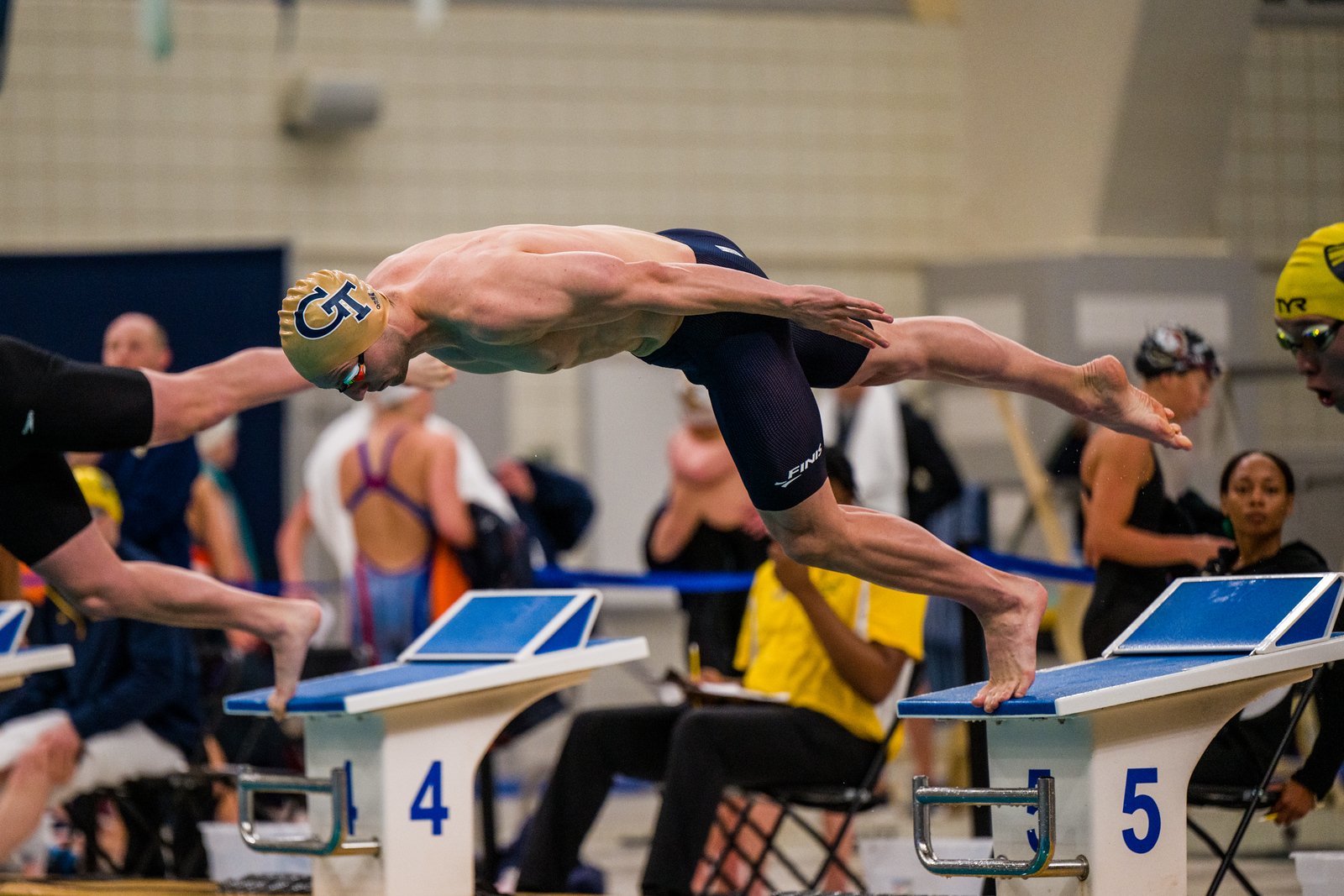
Imagine two people who can both perform a heavy squat. One takes a long time to reach peak force, while the other can generate useful force within a much shorter movement. Both possess strength, but the second may be better positioned for a brief explosive task if the movement mechanics are appropriate. A swimming start is constrained by the time the swimmer spends on the block. The objective is not simply to push as hard as possible regardless of the direction or timing; it is to leave the block in a useful position at speed.
A review of 16 studies on dry-land training and swimming starts found that jump performance was often associated with start performance. That relationship makes sense mechanically, but it is not a guarantee that improving a vertical jump will improve every part of a swim race. Much of the older evidence also involves starting techniques that differ from the modern block setup. A good coach looks at the actual start, including take-off, entry and underwater travel, rather than relying on one gym number.
The same distinction applies outside swimming. Basketball players need to jump while responding to play, runners must apply force in a particular direction and combat athletes have their own timing requirements. A stronger squat can increase the physical resources available for those skills, but it does not teach the skills themselves.
For training, separate three outcomes: your maximum force capacity, your ability to express it rapidly and the technical ability to apply it in your sport. The gym can address the first two. The third needs appropriate practice. Track each with a measure that reflects what you actually want to improve, such as a consistent standing jump test, a timed short sprint or a start recorded under repeatable pool conditions.
Why Olympic-lift variations feature in the gym
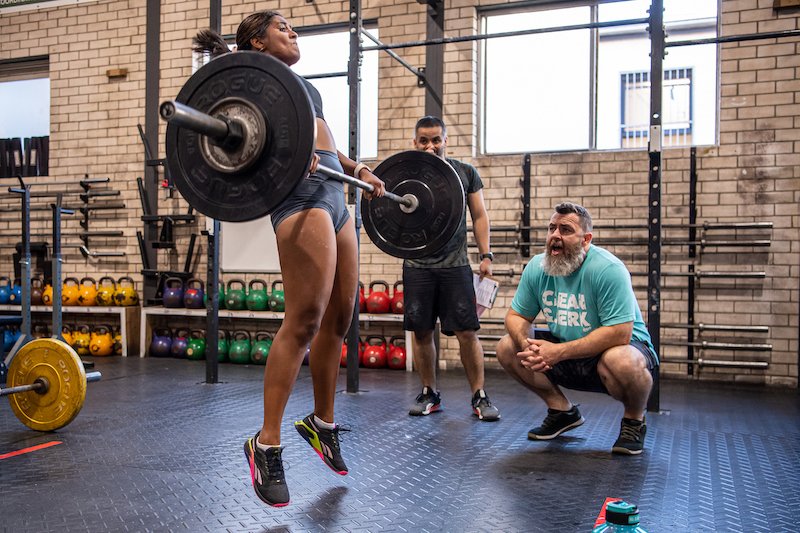
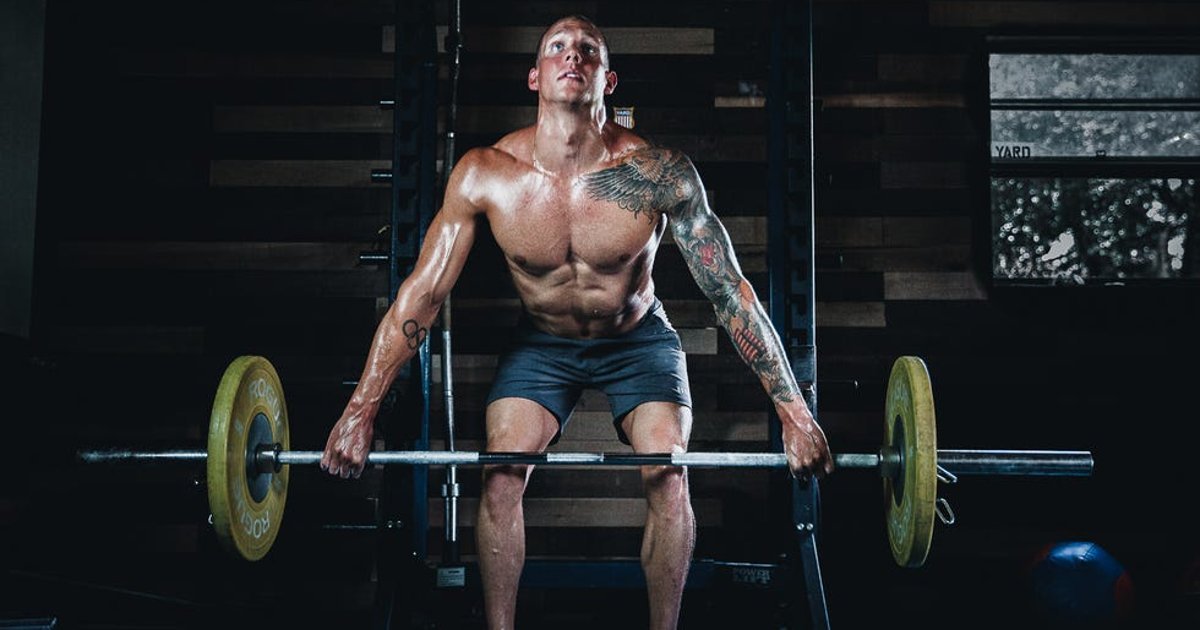
Dressel’s demonstrated strength session included hang clean pulls, hang cleans and hang snatches. These movements involve rapidly extending the hips and knees to accelerate a barbell. Starting from a hang position can make the movement easier to organise around the explosive phase than lifting from the floor, although the exact technique depends on the variation.
The clean and snatch are not mandatory exercises. They are technically demanding, particularly when receiving a barbell in the front rack or overhead. An inexperienced lifter who is struggling to catch a bar may spend more time solving a coordination problem than developing the intended power quality. That is why a clean pull without the catch, a light jump shrug, or another coached ballistic movement can be an appropriate starting point.
Choose a load that allows deliberate acceleration. A heavy grind may still be valuable strength training, but it is a different stimulus from repeated crisp explosive efforts. With a hang clean pull, for example, set up with a stable grip, brace the trunk, keep the bar close and drive through the legs. Return to a controlled starting position before each repetition. If technique or speed deteriorates, stop the set rather than adding more repetitions just to feel worked.
Keep the strength work in the programme as well. Squats, split squats and hip hinges can build the force capacity on which power work depends. A practical setup might consist of an Olympic barbell, bumper plates and secure collars for the pulling movements, with dumbbells for unilateral assistance work. You do not need to purchase specialist equipment if your existing gym has safe equivalents. A multi-grip bar can be useful for assistance pressing or pulling, but it is not a replacement for a straight bar when practising an Olympic lift.
A coach can help determine whether a movement is fast enough and whether the chosen load suits the athlete. For a general trainee, consistency of technique is a better initial objective than seeking a personal record on an unfamiliar explosive exercise.

Equipment Worth Exploring
Explore equipment, accessories and gear from our carefully selected range.


Competition Plates
Competition-style bumper plates for Olympic lifts and loaded strength training.


Rubber Hex Dumbbells
Rubber-coated hex dumbbell pairs with a stable shape for home and commercial strength training.


Pro Sled System
Heavy-duty push-pull training sled for loaded conditioning, speed, and strength work.


Jump training: high intent, few high-quality contacts
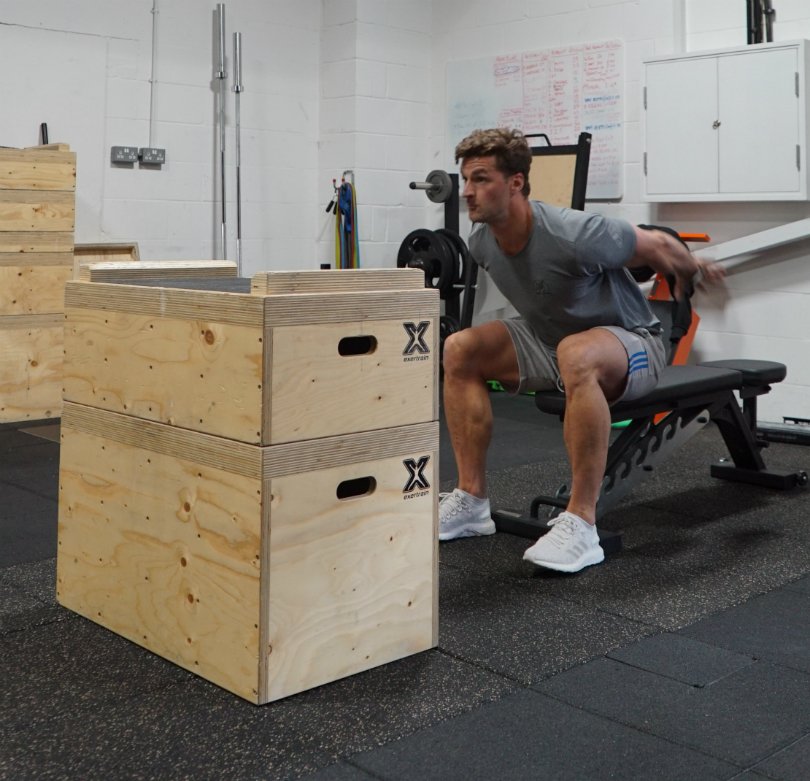
A seated box jump removes much of the preparatory countermovement available in a standing jump. Dressel used seated box jumps as one part of his gym work. The exercise starts from a stable seated position before the athlete drives upward and lands on a raised platform. The point is rapid force production, not demonstrating how high a person can tuck their knees.
Start with an ordinary low box or a familiar standing jump if you have not trained jumps before. The landing should be controlled, with sufficient room for both feet. A jump to a taller box is not automatically a more powerful jump: it can simply reflect deeper hip and knee flexion in the air. Measuring jump height from a consistent test is more informative than recording the tallest surface you can land on.
A broader review covering 33 studies of plyometric training and swimming found promising effects on starts, but outcomes across swimming performance were less consistent. The useful inference is that jumps may help develop one component of a start, while technical practice and the rest of the swimming programme still determine how much that transfers to the pool.
Apply the same reasoning to programming. Three sets of three controlled jumps can give a beginner a sensible exposure without accumulating unnecessary impact. Rest sufficiently between sets to repeat the same quality. You can progress by improving consistency, changing the exercise only when appropriate or modestly increasing the challenge. The number of contacts should rise gradually, especially if the athlete already runs, jumps or performs sport practice elsewhere in the week.
Separate high-quality power work from exhausting circuits. If the aim is to jump explosively, repeatedly jumping while increasingly fatigued can shift the training emphasis. There may be a place for conditioning under fatigue, but it should not inadvertently displace the power work. Landing skill, joint tolerance and the athlete’s existing workload determine the appropriate starting dose.
Medicine-ball throws and the difference between power and conditioning
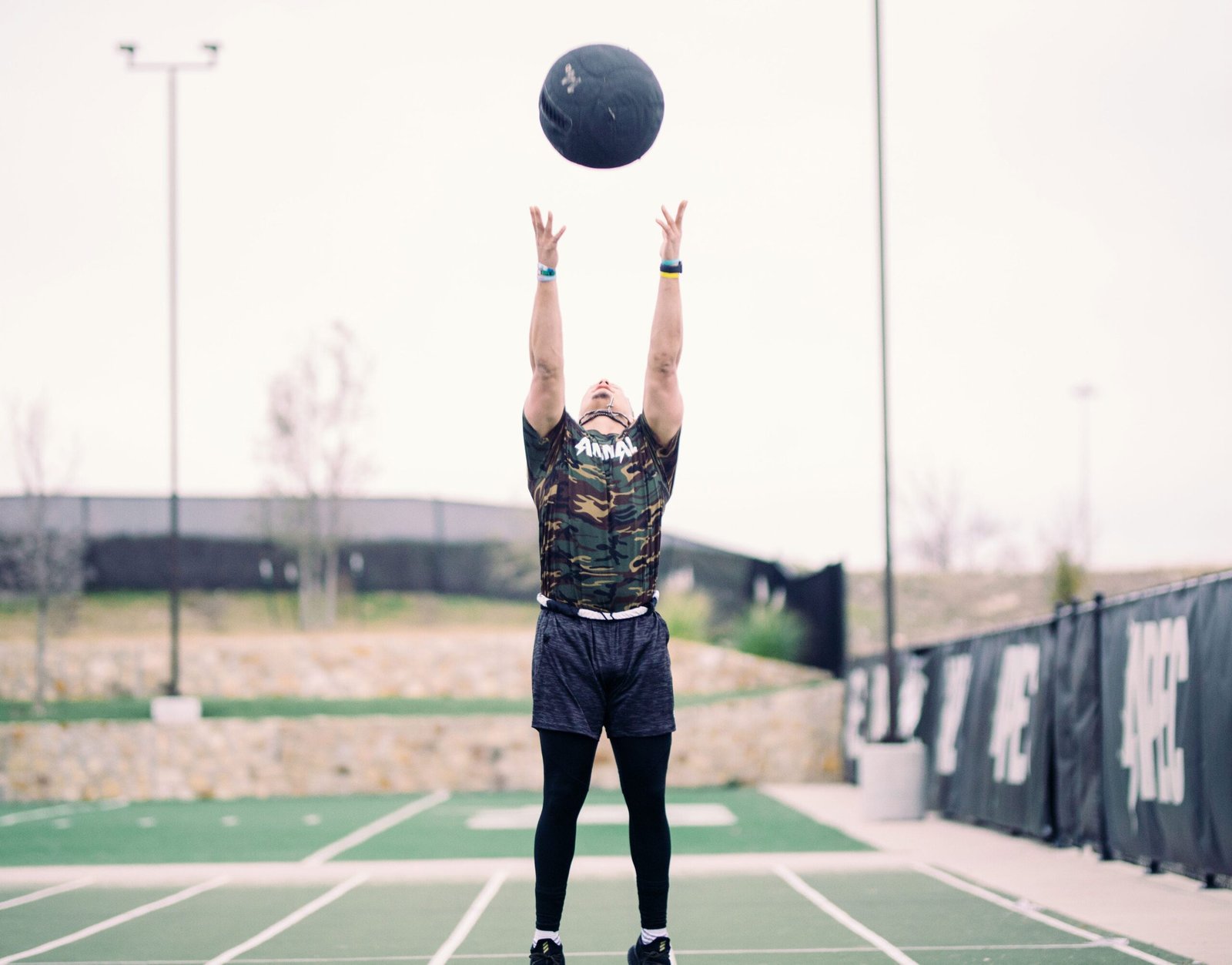
Medicine-ball work was another component of Dressel’s demonstrated routine, including overhead throws and slams. Throws can allow an athlete to accelerate an implement through much of the movement without having to decelerate it in the same way as a conventional resistance exercise. The aim is to coordinate the legs, trunk and upper body, transferring force into the ball.
A backward overhead throw can be useful when a safe outdoor area or dedicated throwing space is available. A forward chest throw or a slam may be easier to organise in a suitable gym. The ball needs to be light enough to move rapidly and designed for the intended use. Always consider the clearance behind you, the floor, the walls and whether other people are nearby. Never throw a hard ball in a crowded gym or towards someone who is not prepared to catch it.
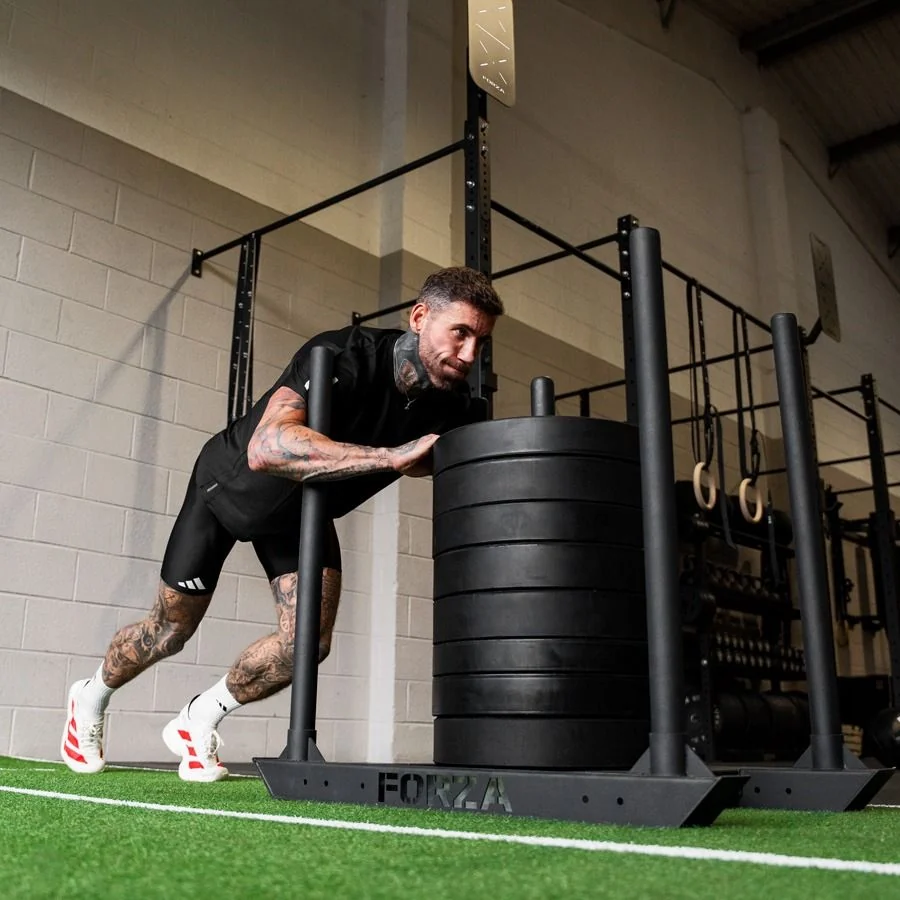
Resisted sprinting adds a different element. Dressel also performed weighted sled sprints. The resistance encourages force production against the ground and can change the athlete’s acceleration mechanics depending on the load and equipment. A sled on artificial turf behaves differently from a wheeled sled or a sled dragged across grass. Prescribing the same plate weight across these setups does not ensure an equivalent challenge.
Use a resistance that preserves the intended movement pattern. If your goal is fast acceleration, the load should not turn the exercise into a slow maximal push. If the purpose is conditioning or general strength, a heavier sustained effort may be more appropriate. That difference is important when selecting the programme rather than just copying the equipment.
For a general trainee, start with a few quality throws and short sled efforts separated by recovery. A simple medicine-ball throw, kettlebell swing or dumbbell exercise may suit the available space better than an elaborate combination drill. A ballistic swing is itself a skill; learn the hip hinge and use a safe weight first. Select the option that fits your training objective rather than collecting as many explosive exercises as possible.

Funny Gym Shirts & Workout Gear
Funny gym shirts, tanks, hoodies and workout gear for lifters who like training hard.

Wonder Snatch Wonder Woman Olympic Weightlifting Superl Tank Top
Train hard, laugh a little, and rep “Wonder Snatch Wonder Woman Olympic”.

Heavy Metal Lift Heavy – Hardcore Powerlifting Gym Vest Tank Top
Bring “Heavy Metal Lift” humor to your next lifting session.

Icy 45LB Weight Plate Frozen Barbell Lifting Workout Co Hoodie
Keep it laid-back with a little “Icy 45LB Weight Plate” attitude.

Pizza Weight Plate Shirt – Meme & Top T-Shirt
Heavy lifts, good laughs, and a little “Pizza Weight Plate” energy.

USA Barbell Flag Patriotic Gym | Funny Muscle Shirt & B Tank Top
Add some lifting attitude to training with “USA Barbell Flag Patriotic”.

Christmas & Weights 45LB Plate Festive Barbell Graphic T-Shirt
Show some Christmas attitude with a playful “Christmas & Weights 45LB Plate” tee.

Barbells and Suffering – Satanic Gym Cult for Heavy Met Hoodie
Show off your metalhead humor in a laid-back “Barbells and Suffering” hoodie.

Skull & Weights 45LB Plate Skull Weight Plate Graphic H T-Shirt
Show some Halloween attitude with a playful “Skull & Weights 45LB Plate” tee.

I Want You To Deadlift – Patriotic Uncle Sam 4th of Jul Sticker
Put “I Want You To Deadlift” gym humor on your laptop, bottle, or gym gear.

Mutant Strength Wolverine X-Men Superhero Workout Bodyb T-Shirt
Add a playful “Mutant Strength Wolverine X-Men” touch to your casual rotation.
Build a two-day power programme around your sport
A review of 27 studies investigating resistance training and swimming found that combinations of land-based and in-water methods could be useful, without establishing a universally superior strength-training approach. That is a helpful reminder that programme design should be individual. Dressel reported that his workout choices were organised with his coach and were not simply a fixed daily template. Recreational athletes should take that flexibility seriously.
An adaptable two-day plan can provide regular exposure to power while preserving recovery for other training. The following is an example for an adult with basic strength-training experience and no relevant injury, not Dressel’s personal programme.
Day one prioritises lower-body acceleration. After a progressive warm-up, perform three sets of three standing or seated jumps, three sets of three coached hang clean pulls, three sets of five moderately heavy squats and two sets of six split squats per leg. Finish with easy trunk work if time and energy allow. Rest two to three minutes between demanding power sets, or longer if necessary to maintain quality.
Day two emphasises whole-body power and assistance work. Start with four sets of three medicine-ball throws, then four short sled accelerations of roughly 10 to 15 metres with enough recovery to repeat the effort. Continue with three sets of six hip hinges and three sets of eight controlled dumbbell rows. Finish with suitable shoulder and trunk assistance rather than another exhausting circuit.
For the first two weeks, keep the loads conservative and practise the movements. In weeks three and four, increase a load slightly only if speed, control and recovery remain satisfactory. If you already have substantial pool sessions or other sport practices, two demanding gym days may be too much; begin with one and discuss the placement with your coach. Avoid putting the hardest strength session immediately before important speed or technique practice.
Record the weights, number of quality efforts and a repeatable jump or sprint measure. For a swimmer, the actual start and early race performance are the outcomes to revisit periodically. If the gym numbers rise but sport performance deteriorates or fatigue accumulates, adjust the programme rather than assuming that more work must eventually fix the problem.
The wider lesson from Dressel’s training is not that Olympic lifts, box jumps and sleds are essential for everyone. It is that exercises should serve a clear purpose, and explosive work is most useful when the athlete can actually perform it explosively. Keep the movements appropriate to your experience, the repetitions purposeful and the gym work subordinate to the skill you want to improve.