Advertising disclosure: This page includes affiliate product links that may earn us a commission, as well as products from our own store.
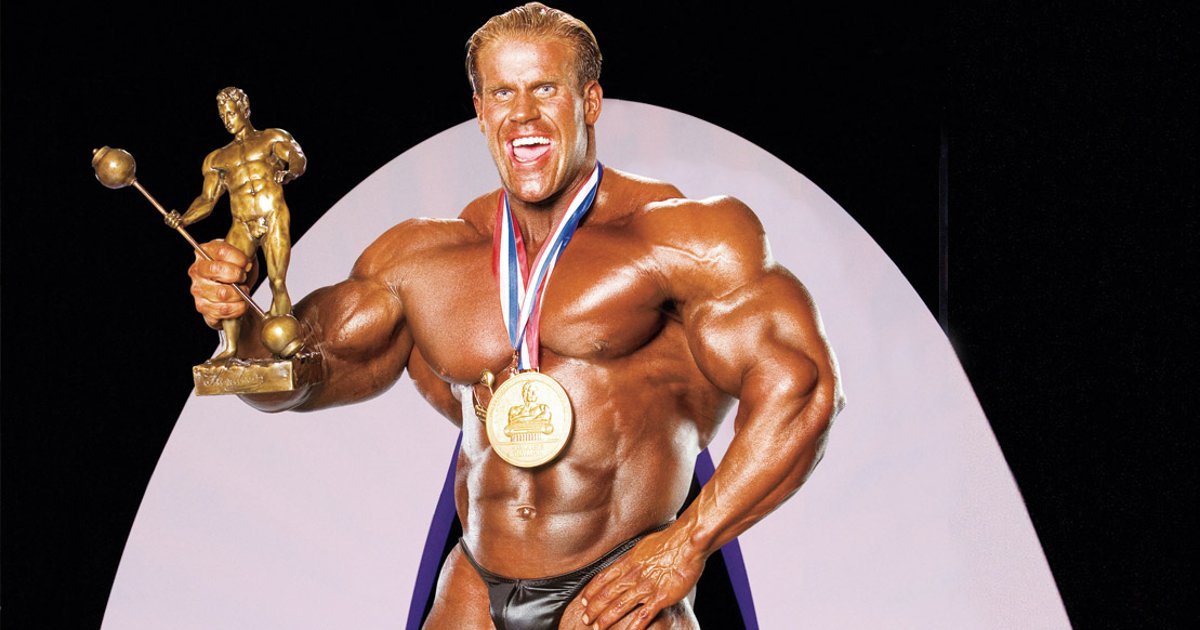
Jay Cutler’s 2009 Mr. Olympia victory is often remembered through one image: a huge, sharply defined thigh driven into the stage in the famous quad stomp. The photograph deserves its place in bodybuilding history. The comeback behind it is more interesting than a pose alone. Cutler had lost the title, returned against a dangerous field and left Las Vegas with his third Sandow trophy. Looking at the sequence explains both the achievement and the limits of borrowing a champion’s example for your own training.
The 2008 defeat made the return different
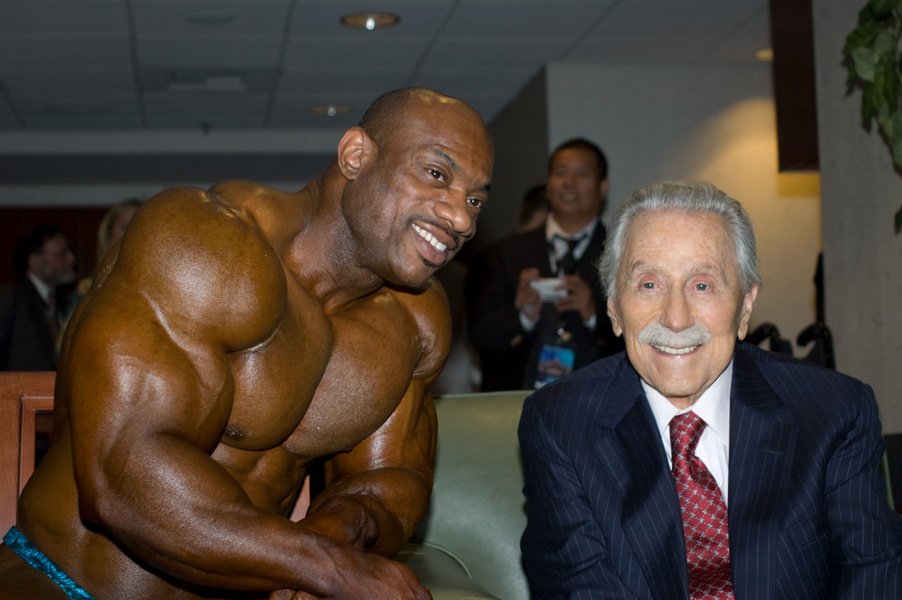
Cutler entered this chapter as an established champion. He had won the Olympia in 2006 and 2007 before Dexter Jackson took the title in 2008. Cutler finished second that year. That distinction matters: the comeback was a return from defeat at the top, rather than a rise from obscurity or a first breakthrough into the professional ranks.
For someone already close to the ceiling of the sport, improvement becomes a different problem. A beginner can add muscle across almost every area and improve the overall result. An experienced competitor has to consider what changes the comparison with other elite physiques. More of everything is not automatically a better answer, especially when proportions and visible detail influence how that size appears.
There is a useful distinction between acknowledging a result and inventing an explanation for it. The 2008 placing establishes that Jackson won and Cutler did not. It does not, by itself, reveal every training decision, meal or preparation adjustment that followed. A finished physique is an outcome, not a complete diary of the process that produced it.
That is why the story is stronger without a magical exercise attached. Cutler returned with a new competitive opportunity in 2009. His previous wins gave that attempt history; his recent loss gave it uncertainty. Watching an established champion respond to a setback offers a more realistic sporting narrative than pretending that past success guarantees the next result.
The 2009 result was bigger than a rematch
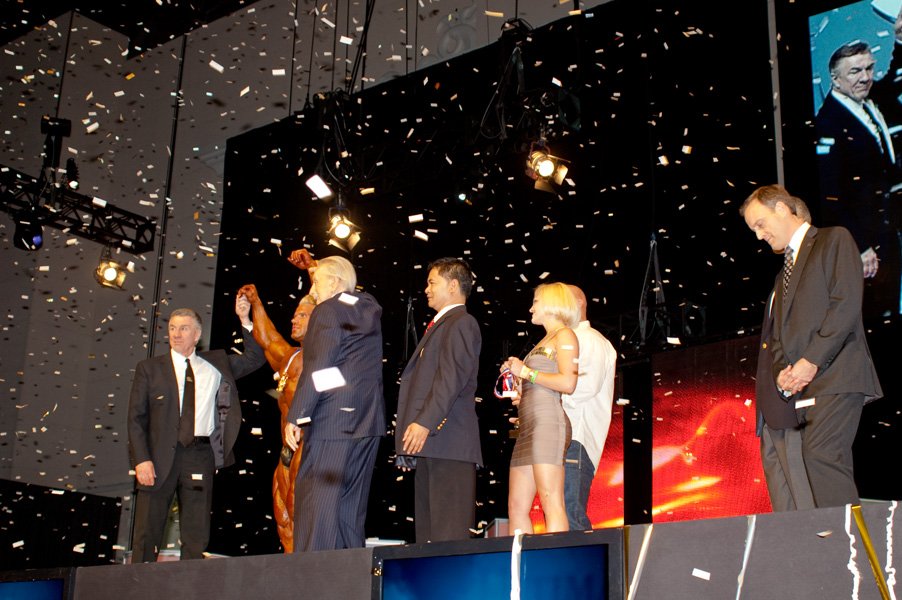
At the Orleans Arena in Las Vegas on September 26, 2009, Cutler won the Mr. Olympia title again. Branch Warren finished second, with defending champion Jackson third. Kai Greene, Phil Heath and Victor Martinez completed the top six, in that order. The final standings immediately complicate the simple image of Cutler returning only to defeat the man who beat him.
Warren’s runner-up finish is central to the result. A contest can be marketed around an obvious rivalry while another athlete changes the order beneath the winner. If you remember only the champion’s signature moment, you can lose the competitive depth that made the achievement worth watching in the first place.
Physique comparison also works differently from a race with one finishing time. Two competitors can draw attention for different combinations of muscle size, proportions and visible conditioning. A striking feature can help explain an athlete’s impact, but isolating that feature does not reproduce the full comparison across the lineup.
For a newer bodybuilding fan, start with the whole field. Look at front, side and rear views, then notice how the same athlete’s strengths appear in different positions. Keep your personal preference separate from a claim about what every judge must have seen. A photograph can support an observation about visible muscle; it cannot give you access to another person’s reasoning. When comparing your own progress pictures, use similar lighting, distance and poses. Otherwise, an apparent change may reflect the presentation rather than a change in your physique. Keep photographs alongside your training log instead of asking either one to explain everything.
The comeback therefore had two parts: Cutler returned to winning, and he did it against more than one credible opponent. Warren and Jackson belong in the account because their placings describe the actual contest, rather than a cleaner story invented afterward.
Why the quad stomp became the lasting image
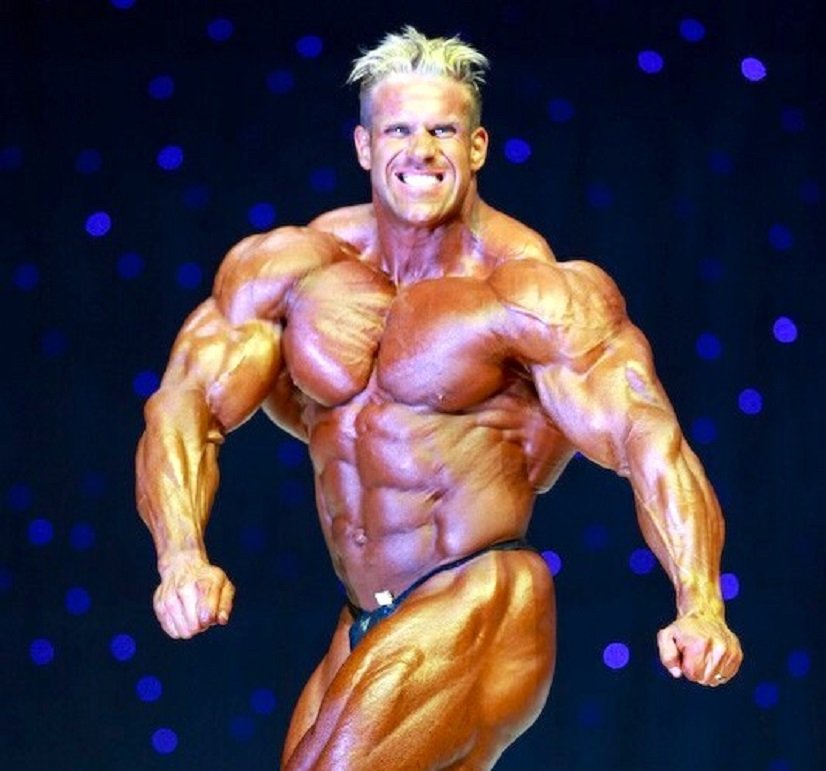
The quad stomp packages bodybuilding into a moment that is easy to understand. Cutler draws attention to a thigh, plants the leg and contracts it. You do not need an encyclopedic knowledge of the sport to notice the size and separation. The movement gives a still photograph an implied before and after: relaxation, impact, then the muscle displayed.
Its memorability should not turn into a claim that one stomp won the entire Olympia. A signature image is a way into a contest, not a substitute for its other comparisons. The same caution applies when social media compresses a whole preparation into a brief clip. The clip may be authentic while the explanation attached to it is much too simple.
There is another practical distinction here. Contracting and presenting a developed muscle is different from selecting the exercises that build it. Seeing Cutler display his quads does not establish that one squat variation, foot position or machine caused their appearance. Nor can a stage photograph tell an ordinary lifter which load or range of motion will suit their knees.
For training, take the attention to detail rather than the theatrical impact. Our look at the work behind Dorian Yates’s one-set leg-day slogan explores a related problem: a memorable summary can hide the preparation around it. Equipment can support controlled leg training, but none of the options below is presented as Cutler’s 2009 equipment or a shortcut to his physique.

Equipment Worth Exploring
Explore equipment, accessories and gear from our carefully selected range.

Leg Press/Hack Squat BPR-790
Convertible 45-degree leg press and hack squat machine with a broad footplate and band pegs.

Compact Leg Press CLP-700
Compact reverse-style leg press with a moving seat carriage and an adjustable footplate.

Seated Leg Combo BCO-680
Adjustable seated leg extension and leg curl machine with band pegs for added resistance.

Leg Extension/Curl BCO-780
Leg extension and lying leg curl combo with plate loading, band pegs and a cable-loading option.


Studio V-Squat
Plate-loaded V-squat machine for supported lower-body strength training.

GymPin Squat Wedges
Non-slip 15-degree squat wedges help elevate the heels for deeper quad-focused squats.


The fourth title matters to the comeback story
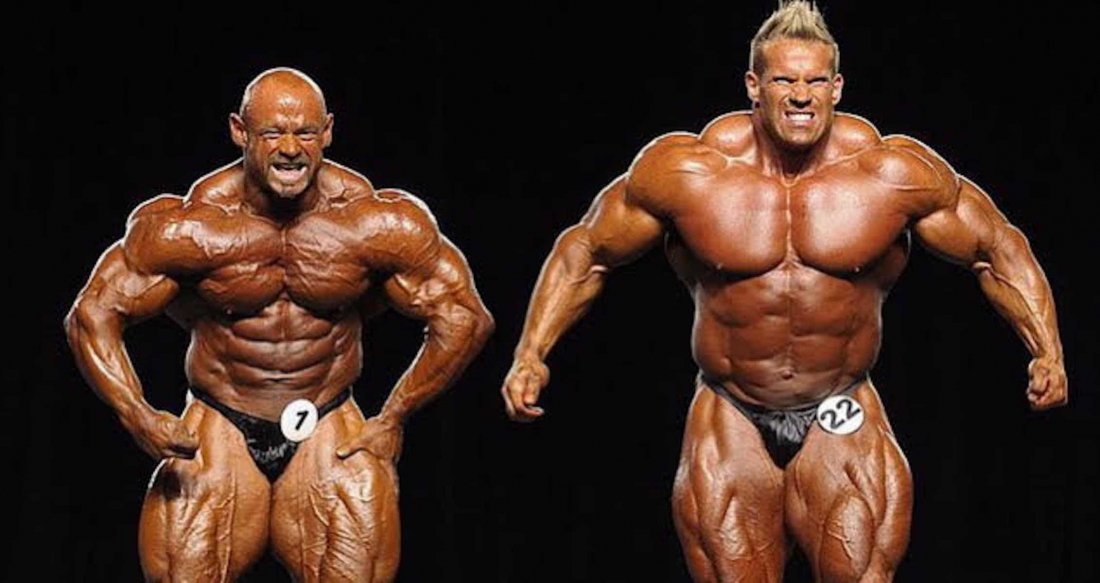
Cutler won again in 2010, bringing his Olympia total to four: 2006, 2007, 2009 and 2010. That follow-up matters because it places the celebrated return inside a longer competitive record. The 2009 victory was neither his first title nor his final appearance at the top.
He subsequently finished second to Heath in 2011 and sixth in 2013. Those later results do not erase the comeback. They make its boundaries clearer. A sporting achievement belongs to the competition and period in which it happened; it does not promise permanent dominance or require every later result to repeat it.
This is where physique history can become more useful than motivational mythology. You can admire Cutler’s size and Warren’s muscularity without expecting your own body to reproduce either outline. Structure, training history and competitive circumstances differ. A photograph helps you recognise an athlete’s identity, but it is a poor personal progress standard when the starting points are completely different.
Use the comparison to clarify what you enjoy about bodybuilding. Perhaps it is the balance between upper and lower body, the presentation, or the patience involved in returning to a difficult goal. Our guide to building a V-taper without waist myths turns the proportions question toward trainable priorities. The sensible goal is a programme that develops your physique, rather than a promise to inherit somebody else’s frame.
Borrow a review process, not an invented Cutler routine
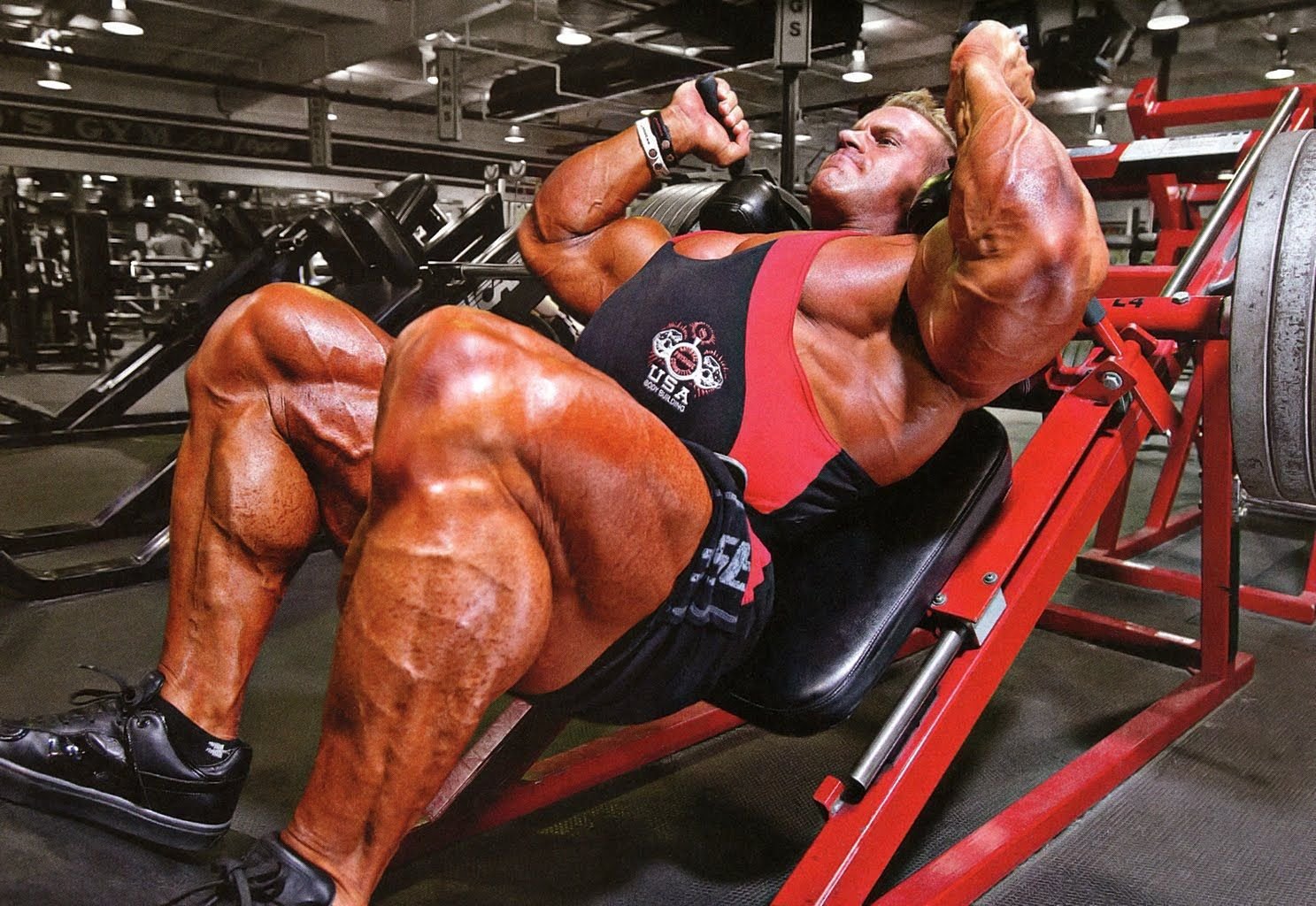
The most transferable idea is to review a setback before rebuilding everything. If your leg training has stalled, first define the problem. Has a familiar exercise stopped progressing? Are you shortening the movement to move more weight? Are you missing sessions? Those are different situations, and none automatically requires a champion’s training volume.
Here is an MMP example of a modest review process, not Cutler’s 2009 programme. Choose one familiar main leg exercise and one accessory you can perform comfortably. Record the working load, repetitions, movement range and rest you actually use. Keep the setup similar for the next few sessions so that the numbers describe comparable work. Include your normal preparation sets; the example is not an instruction to start heavy without warming up.
A leg press or squat variation and a leg extension offer different movement options. Dumbbells, a bench, rows and pulldowns can support the rest of a balanced bodybuilding week. Select equipment around a repeatable plan and available space, rather than treating a larger collection of machines as evidence of a better programme.
Equipment Worth Exploring
Explore equipment, accessories and gear from our carefully selected range.

Pec Fly/Rear Delt PEC-650
Combination machine with adjustable movement limits for chest fly and rear-delt exercises.

Linear Row LRX-750
Dual-sided rowing machine for supported rows, bent-over rows and varied pulling movements.

Trinity Lat Machine LSW-850
Weight-stack pulldown tower offering three cable directions and adjustable seated support.




Multi Bench MBX-650 2.0
Adjustable multi-bench with roller adjustment, 15 backrest positions and accessory mounts.


VForce Lat Tower
Wall-mounted cable tower with pivot arms and adjustable 1:1 or 2:1 pulley ratios.

Rubber Hex Dumbbells
Rubber-coated hex dumbbell pairs with a stable shape for home and commercial strength training.
When you review the log, change one clear issue at a time. If you rushed the rests, restore them before declaring the exercise ineffective. If the setup changes every visit, make it consistent before comparing performance. If the session repeatedly overwhelms the rest of your week, reconsider its demands. Frank Zane’s quick leg and torso routines provide another example of why organisation deserves as much scrutiny as a famous name.
Cutler’s 2009 return remains compelling because he came back after losing and won against a strong field. You can enjoy the quad stomp as bodybuilding theatre while taking a quieter lesson into the gym: assess the result, identify a useful change, and give yourself a fair chance to evaluate it.

Leg Day Shirts & Workout Gear
Leg-day gym shirts and workout gear for lifters who never skip squats, lunges and lower-body punishment.

The Quadfather Leg Day Meme Top & T-Shirt
Bring “The Quadfather” humor to your next gym day.

Quadzilla Massive Quads Sweater Leg Day Squatting T-Shirt
Keep things casual with a little “Quadzilla” attitude.

My Leg Hurts Leg Day Squat Lovers & Meme Fans Hoodie
Bring “My Leg Hurts” gym humor to lazy days and post-workout plans.

Squatzilla Meme Leg Day Vest Tank Top
Bring “Squatzilla” humor to your next lifting session.

Never Skip Leg Day Chicken Legs Meme Decal Water Sticker
Give your everyday gear a playful “Never Skip Leg Day” twist.

Anti Leg Day Leg Day Club & Meme Fans Vest Tank Top
Bring “Anti Leg Day Leg Day Club” humor to your next lifting session.

Leg Day Is Calling You Squats, Deadlifts & Gains T-Shirt
Rep “Leg Day Is Calling You” humor in and out of the gym.

Legday Gains – Squats & Deadlifts , Top Gymbros & T-Shirt
Heavy lifts, good laughs, and a little “Legday Gains” energy.

Shirt – Legday Of Legends Gymbros, & Meme Lovers T-Shirt
Show some gaming attitude with a playful “Legday of Legends” tee.

Squats R Us Shirt – Leg Day Gains & T-Shirt
Heavy lifts, good laughs, and a little “Squats R Us” energy.