Advertising disclosure: This page includes affiliate product links that may earn us a commission, as well as products from our own store.
Lentils can earn a place in a lifter’s kitchen without becoming the answer to every nutrition question. They bring protein, carbohydrate and fibre to meals, work in several textures and come dried or ready cooked. The useful question is how to turn the packet you bought into a meal you enjoy, with a protein count that matches what actually reaches the plate.
The biggest avoidable mistake happens before cooking: comparing a dry-food number with a cooked portion. After that, the decisions are practical. Do you want separate lentils for a salad, a soft base for a dal, or something you can open after training? Start there, then build the rest of the meal around your appetite and preferences.
Match the food’s state before counting its protein
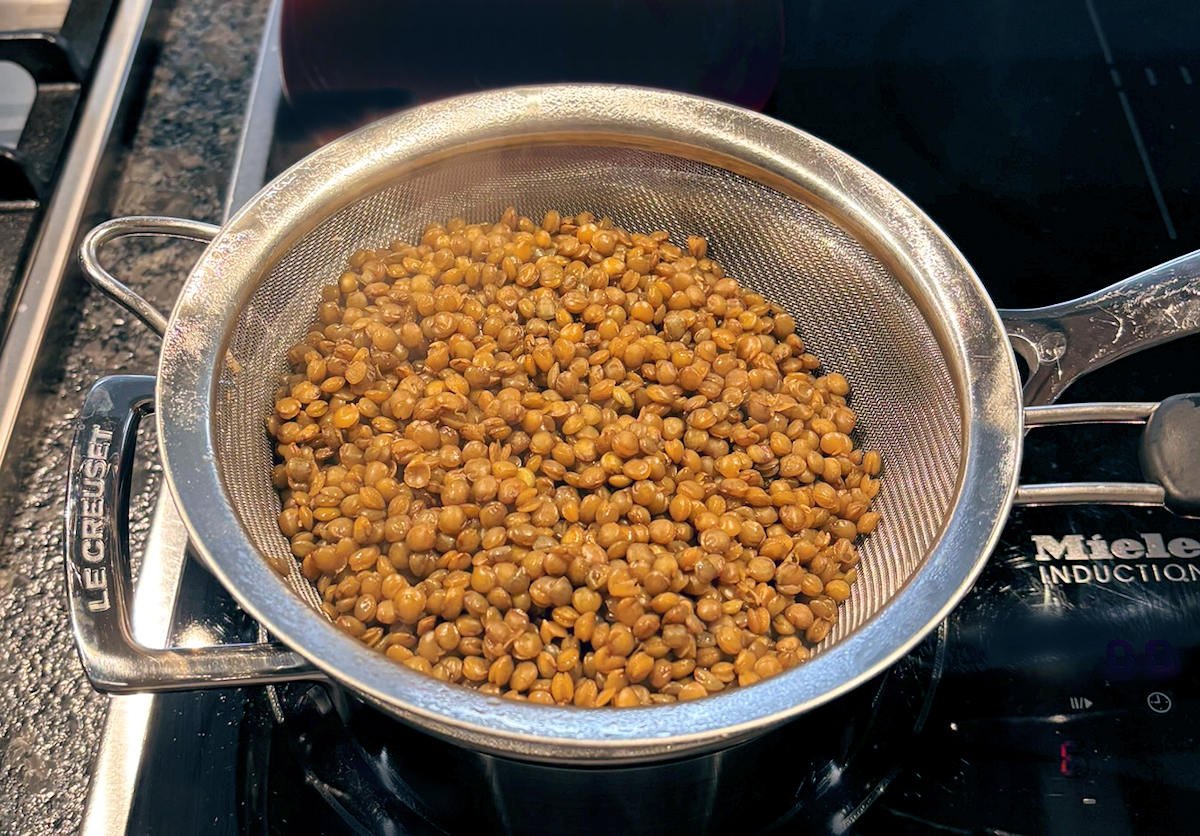
Dry lentils and cooked lentils are different weighing situations. Cooking adds water, so the cooked batch weighs more. That does not mean the pot has manufactured extra protein. A value printed for 100 grams of dry lentils cannot simply be applied to 100 grams taken from the cooked pan. The label’s basis matters as much as the number.
Use a straightforward calculation when the information and portion match. If a particular product declares 9 grams of protein per 100 grams cooked, a 180-gram cooked portion contains 16.2 grams on that label basis: 9 multiplied by 1.8. Those figures are an illustrative example, not a promise about every lentil variety, tin or recipe. Use your own product’s values.
A batch calculation can also work. Record the dry amount and its matching label information, then weigh the finished batch. If you divide that batch into four equal portions, each receives approximately a quarter of the batch’s calculated nutrients. Add other ingredients separately, including oil or sauce. This method remains an estimate, especially if you discard cooking liquid, but it keeps the weighing basis consistent.
Save the packet details if you use a food-tracking app. A generic entry named simply “lentils” leaves too much room for a dry-versus-cooked mismatch. Our guide to serving sizes and protein calculations on food labels explains the same principle across supermarket foods. A stated serving is the amount the label describes; it is not automatically your ideal portion.
Choose the texture before choosing the colour
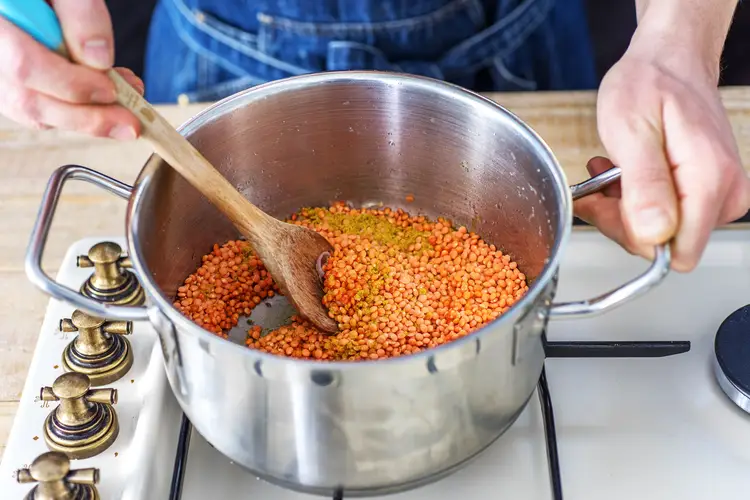
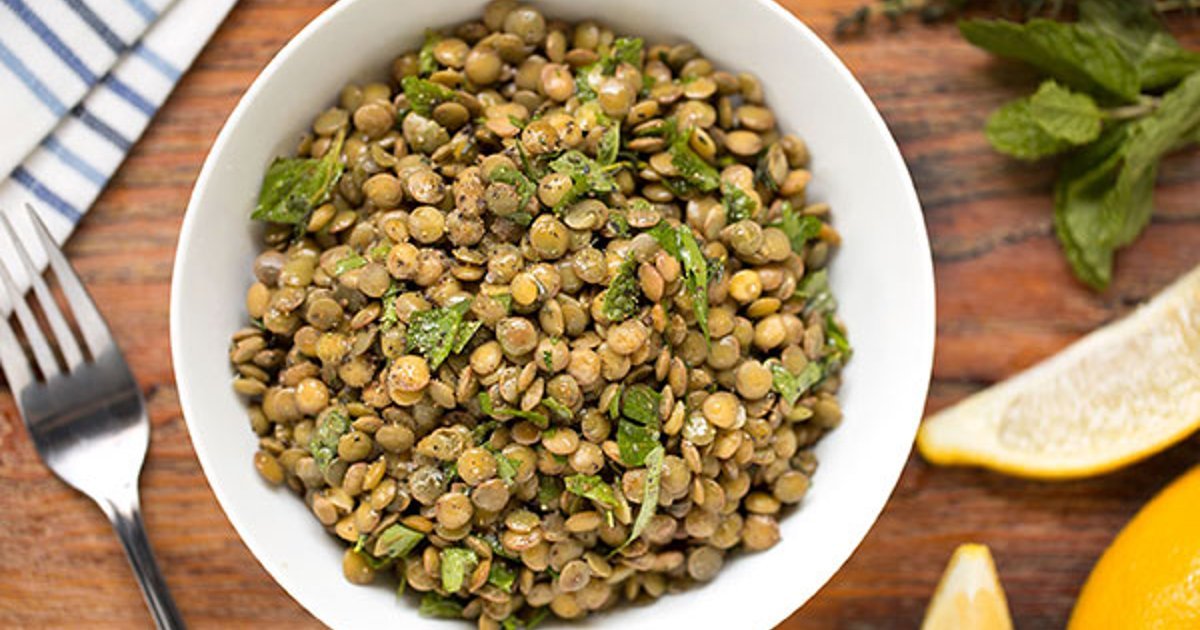
Whole lentils that retain their shape suit a bowl where you want separate ingredients and some bite. Brown, green and black varieties offer options here, although the result still depends on the particular lentil and how long you cook it. Split red lentils are useful when you want a softer, thicker dish such as dal or soup. Check whether the packet contains whole or split lentils rather than relying on colour alone.
This distinction changes meal planning more than declaring one colour the winner. Firm lentils can sit alongside rice and chopped vegetables. Softer lentils can become the sauce that brings the bowl together. Neither texture proves superior for building muscle. It tells you which cooking job the ingredient is likely to do well.
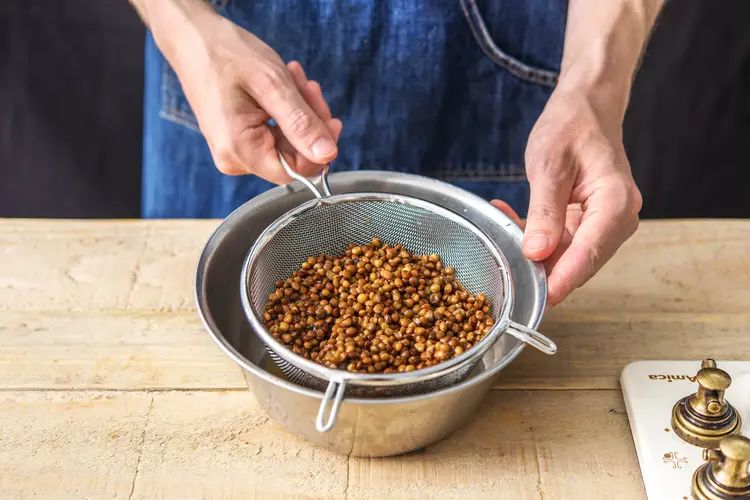
For dried lentils, sort and rinse them, then follow the packet’s cooking directions. They generally do not require the advance soaking associated with many dried beans. Start checking the texture before you expect them to be ready. If the aim is a salad, stop when they are tender enough to eat but still hold together; if the aim is a thick dal, a softer result can be desirable.
Try a small batch before committing an entire bag to a new recipe. You will learn whether you like that variety, how much finished food it produces in your kitchen and whether the cooking step fits your routine. Write down that useful result instead of assuming every bag will behave identically.
Use ready-cooked lentils when time is the constraint
A can or pouch removes the cooking step and may make lentils more realistic on a busy evening. Read the preparation instructions and the nutrition information for that exact product. Plain lentils, lentils in sauce and a seasoned grain-and-lentil pouch are different foods, even when they share a prominent word on the front.
Check whether the declared values refer to the contents as sold, a stated serving or the drained product. When draining is required, total package weight and usable lentil weight are not interchangeable. Weighing the portion in the same condition described by the label is more helpful than treating the entire can’s printed weight as edible lentils.
Convenience also changes the meal decision. You might combine ready-cooked lentils with rice, vegetables and a protein food you already enjoy, rather than waiting until you have time for a full batch. The pouch is serving a practical purpose. It does not need to win a theoretical contest against dried lentils to be useful.
Keep the comparison honest when shopping. Compare plain products with plain products first, then decide whether seasoning, preparation time or packaging makes a more expensive option worthwhile. The cheapest format can change with the shop, pack size and current promotions.
Build the whole meal around what you want to eat
Lentils contribute protein, but they also bring carbohydrate and fibre. Treat them as a food with several roles rather than a direct gram-for-gram replacement for a concentrated protein ingredient. Whether a lentil-based lunch meets your needs depends on the serving, everything alongside it and the rest of your eating day.
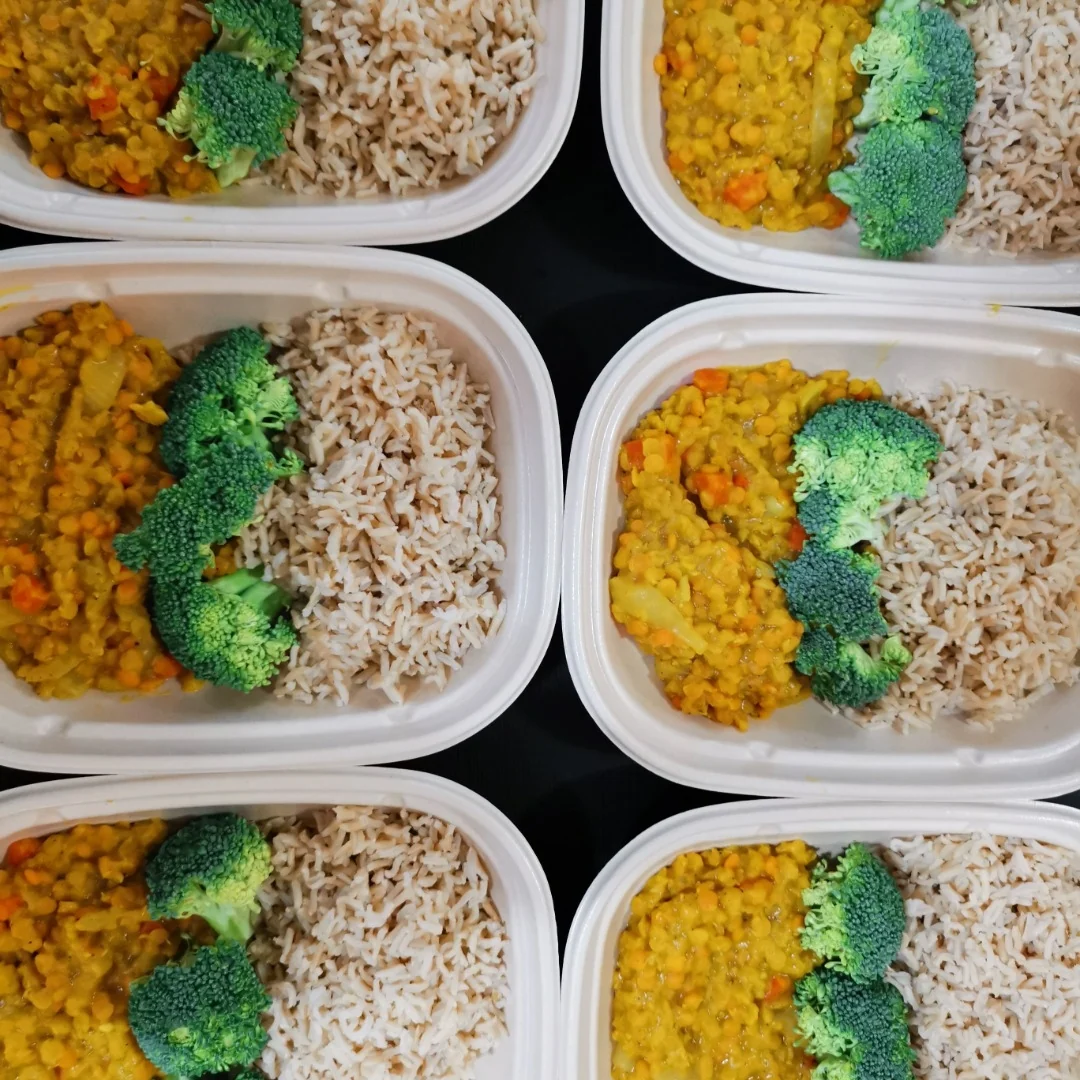
For a plant-based bowl, try firm lentils with tofu, vegetables and a dressing you like. For a softer meal, use red-lentil dal with rice and add a suitable protein food if the portion needs one. Our comparison of tofu, tempeh and edamame for lifters can help with that second choice. These are meal ideas, not tested recipes with guaranteed macros.
If you eat animal foods, lentils can also sit alongside eggs, chicken, fish or dairy. You do not have to choose between a fully plant-based identity and using legumes in dinner. A chicken, broccoli and rice routine can include lentils as a change in texture or flavour, with the combined meal calculated from its actual ingredients.
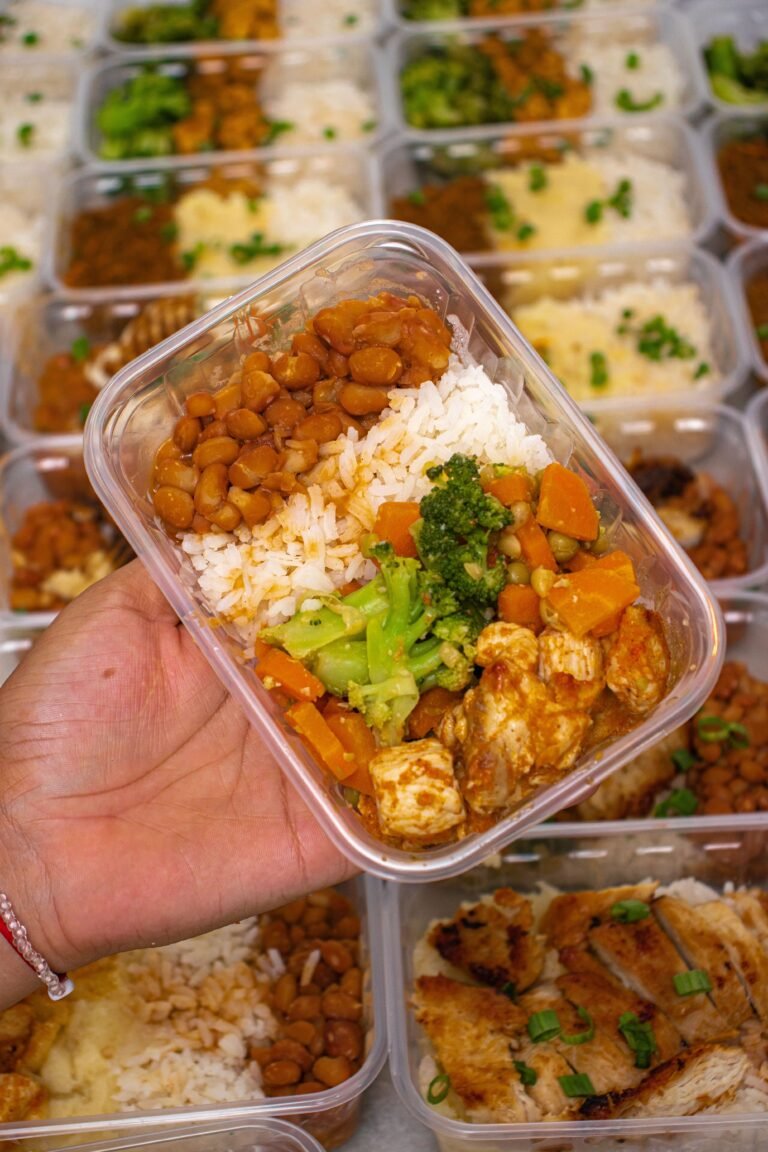
Appetite matters too. A large bowl may feel very different from your usual lunch. Start with a portion you enjoy and adjust rather than forcing a giant serving simply to reach a protein number. Likewise, photograph-friendly portions are not personalised instructions: the amount of rice, sauce or lentils in somebody else’s tray says little about what you need.
Compare usable portions and meals you will repeat
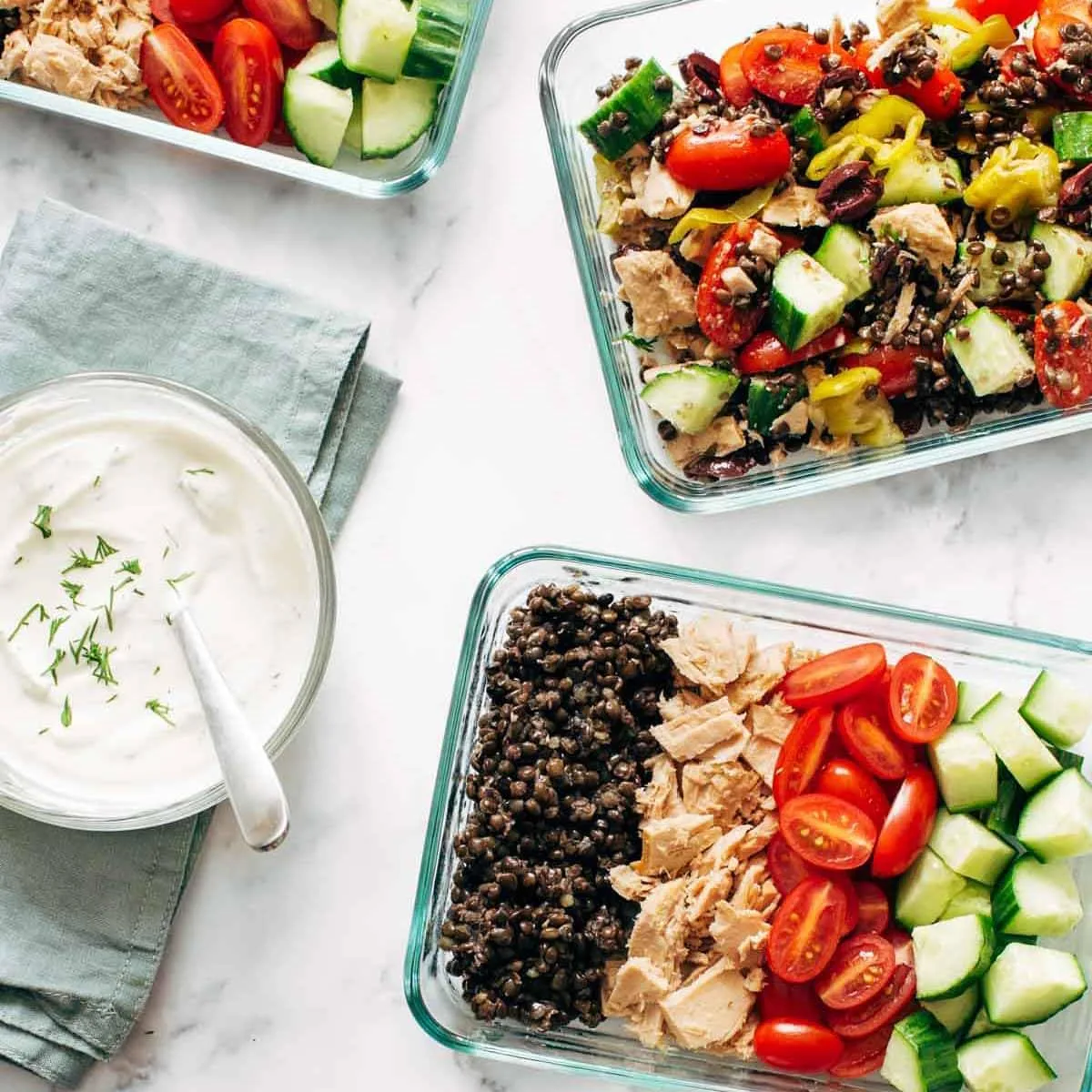
For a fair cost comparison, decide what you are buying a portion of. Dry weight can help compare two bags of dried lentils. Cooked or drained weight can help compare similar ready-to-eat products. Comparing a dry bag’s price per 100 grams with a cooked pouch’s price per 100 grams skips the water and preparation difference.
A useful home test is to cook one batch, record its finished weight and note how many satisfying meals it makes. Then compare the cost of the actual portion you use with your ready-cooked alternative. Include the other meal ingredients if the question is lunch cost, rather than the price of lentils alone. Time and waste can affect the decision as well.
Keep the preparation flexible. Use a firm batch in a salad with tomatoes and cucumber, or make a softer batch the base of a warm bowl. Rotate the vegetables and protein partner before deciding you need an entirely new recipe. Follow the product’s storage and reheating guidance, and plan quantities around what you will realistically use.
The repeatable version wins: a texture you like, a portion you understand and a meal that fits your day. Keep one reliable way to calculate it and one convenient backup for busy evenings. Lentils then become another useful option in the kitchen, without exaggerated protein claims or a meal-prep routine you cannot sustain.

Funny Gym Shirts & Workout Gear
Funny gym shirts, tanks, hoodies and workout gear for lifters who like training hard.

Swole Foods Groceries Meme Whole Foods Parody T-Shirt
Make gym days more fun with “Swole Foods Groceries” style.

Protein Gym Cosmic Graphic , Bodybuilding Workout T-Shirt
Make gym days more fun with “Protein” style.

Chicken Broccoli Rice Breaking Bad Parody & Memes Hoodie
Show off your meal-prep humor in a laid-back “Chicken Broccoli Rice” hoodie.

Broccolift Eat Broccoli Lift Gains Meme Vest Tank Top
Add some meal-prep attitude to training with “Broccolift”.

Powered By Rice Chicken Broccoli Bro Diet Decal Sticker
Put “Powered By Rice Chicken Broccoli” gym humor on your laptop, bottle, or gym gear.

Eat Your Chicken – Chicken Bro Meme Pullover Jumper T-Shirt
Bring “Eat Your Chicken” humor to your everyday gym style.

I'M Just Here Because I Like To Eat & Food Motivated Hoodie
Show off your bulking humor in a laid-back “I'm Just Here Because I Like To Eat” hoodie.

Everything Hurts And I'M Hungry Motivation Tank Top
Train hard, laugh a little, and rep “Everything Hurts And I'm Hungry”.

I'M A Rice-Ist Sweater & Rice Lovers Meme T-Shirt
Show some gym-day personality with “I'm A Rice-ist”.

Protein Monster Decal Protein Lovers, & Bros Sticker
Stick a little “Protein Monster” humor on your favorite gear.