Advertising disclosure: This page includes affiliate product links that may earn us a commission, as well as products from our own store.
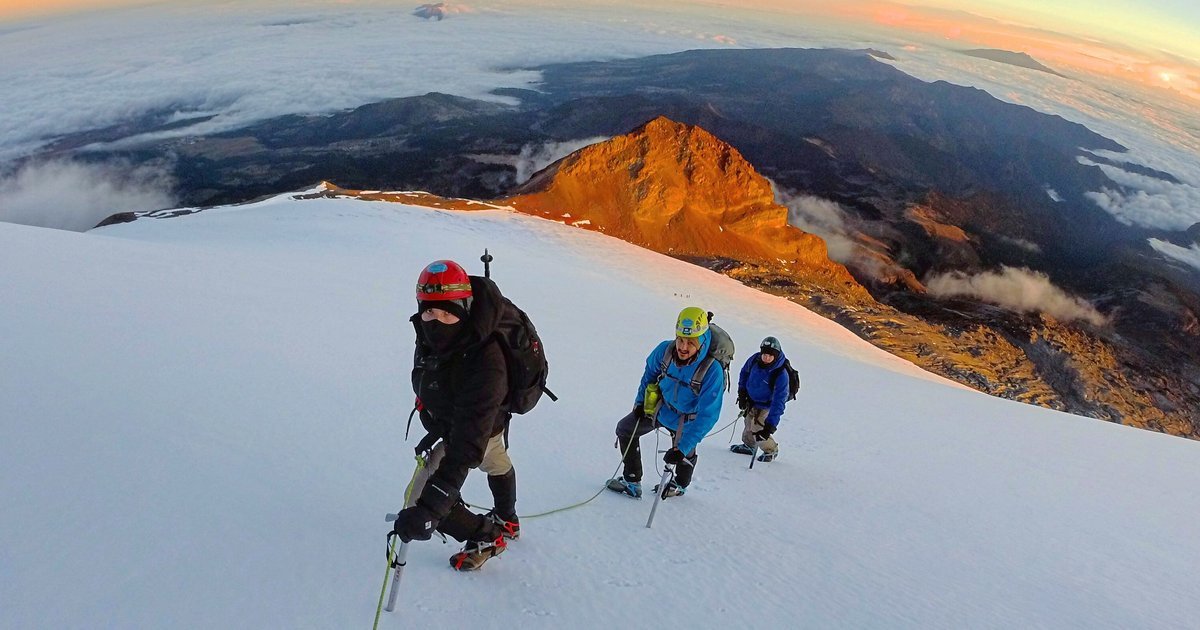
Four athletes climbed through the dark on Mexico’s Pico de Orizaba, carrying dumbbells as well as mountaineering equipment. After roughly five hours on the mountain, they still had a workout to complete: more than 20 synchronized push-ups at 5,071 metres above sea level. On July 4, 2026, that combination earned a very specific world record. The height—not the number of repetitions—is the figure to remember.
The team was André Belibi Eloumou of France, Robert Glover of the United Kingdom, and Americans Evie and Matt Soule, organized by Cold Club Global Corp. Their achievement is a fascinating example of what happens when a basic strength exercise becomes the final task after an exhausting endurance effort. It also gives ordinary lifters a useful reason to think about preparation, exercise technique, breathing, and the difference between an impressive stunt and sensible training.
The 5,071-metre record is not a push-up endurance record
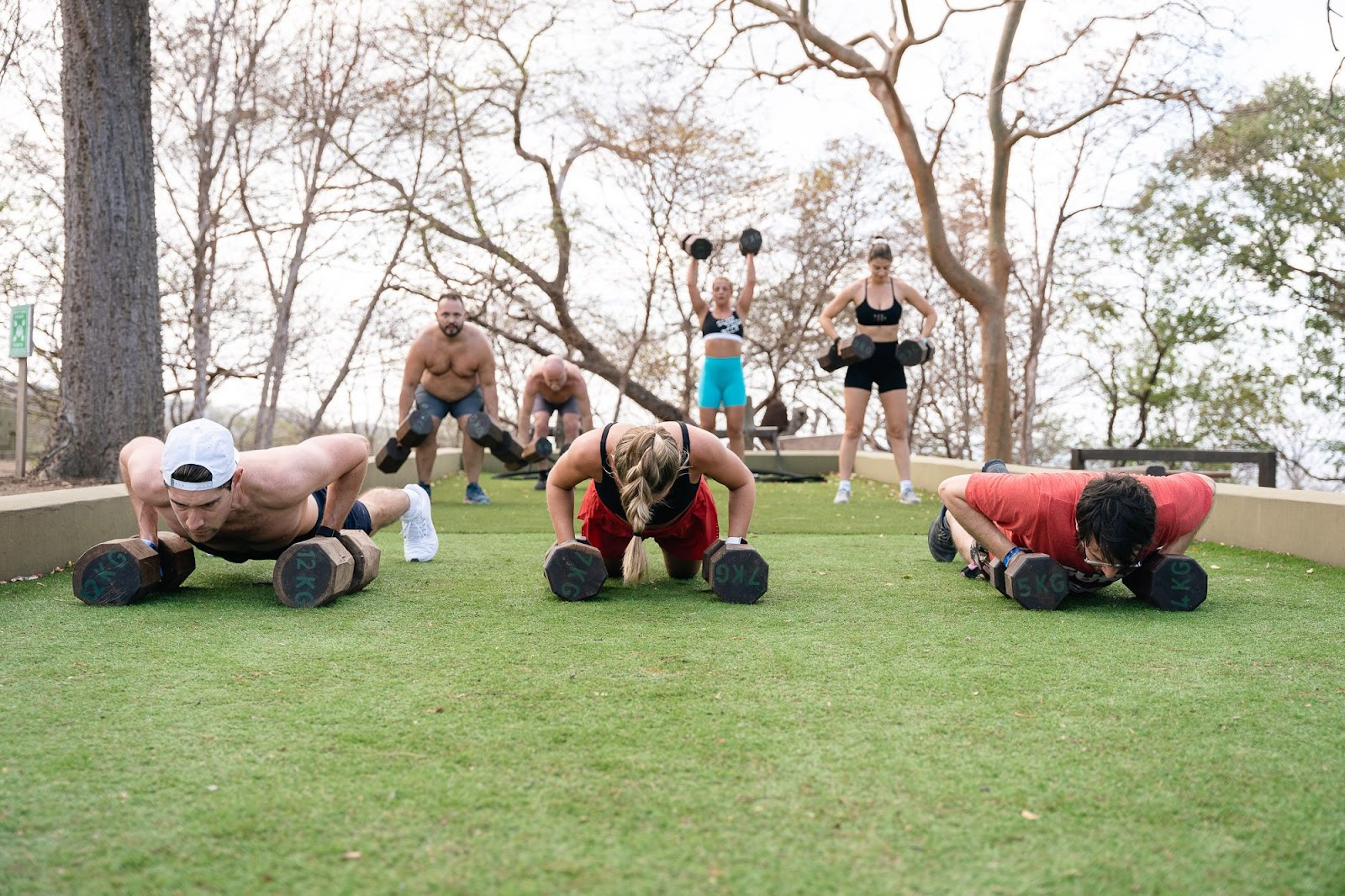
The official title is the highest altitude synchronized push-ups with dumbbells by a team. It was achieved on July 4, 2026, and publicized in October. The record mark is 5,071 metres, equivalent to 16,637.13 feet. Those numbers describe the elevation of the successful exercise attempt, not the total vertical distance climbed from base camp and not an individual athlete’s push-up maximum.
The four-person group completed more than 20 repetitions while working together. Using dumbbells as hand supports distinguished the attempt from ordinary hands-on-ground push-ups, but the precise make, weight and handle geometry of the equipment were not specified in the official record description. The fact that dumbbells were present should never be stretched into a claim that the athletes lifted or pressed a stated dumbbell weight on every rep.
André, Robert, Evie and Matt were between 18 and 54 years old. Their age range makes the coordination noteworthy, but it does not prove any one training style works equally well for everybody. Their abilities reflected preparation over months, a carefully organized expedition and experience that cannot be inferred from a single video clip or a dramatic headline.
Equally important: the record elevation is lower than the volcano’s summit height. Descriptions of the expedition use the familiar language of reaching the top, but the defensible record claim is that the synchronized work was completed at the verified 5,071-metre point. A precise location, exact route and summit standing should not be presented as extra verified results without independent evidence.
A five-hour climb changes the exercise before it begins
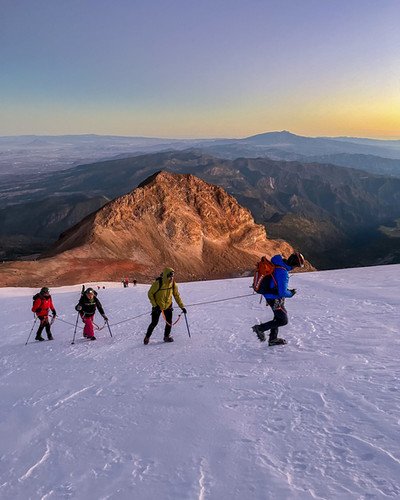
The party left its base camp shortly after midnight, moving upward through volcanic terrain in cold, thin air. The recorded ascent from camp to the attempt took about five hours. That is already a substantial effort for anyone wearing insulated clothing and carrying gear. Adding dumbbells means adding mass and the logistical burden of transporting objects that are useful for only a minute or two of the final physical task.
Think of the climb as a long pre-fatigue phase. The legs must manage repeated steps, the trunk stabilizes the pack, and the hands help with balance and equipment. On icy or uneven ground, attentional demands are high: choosing safe foot placements matters more than chasing a walking pace. The fatigue is not limited to the muscles that perform the subsequent push-ups.
For training purposes, the interesting lesson is task sequencing. A person who can complete twenty perfect push-ups in the first five minutes of a workout may struggle to reproduce that number after a demanding hike, loaded carry or cycling session. There is no mystery involved: the same exercise can feel harder once breathing, temperature regulation and local muscular endurance have already been taxed.
This does not mean that recreational athletes should carry weights onto a glacier to test themselves. Mountain travel requires route knowledge, appropriate weather decisions, experienced leadership and technical equipment. A much safer equivalent is to place a moderate push-up set at the end of a controlled incline walk or low-impact conditioning circuit, leaving enough reserves to maintain form.

Equipment Worth Exploring
Explore equipment, accessories and gear from our carefully selected range.


Rubber Hex Dumbbells
Rubber-coated hex dumbbell pairs with a stable shape for home and commercial strength training.



Thin air is a performance constraint, not a motivation slogan
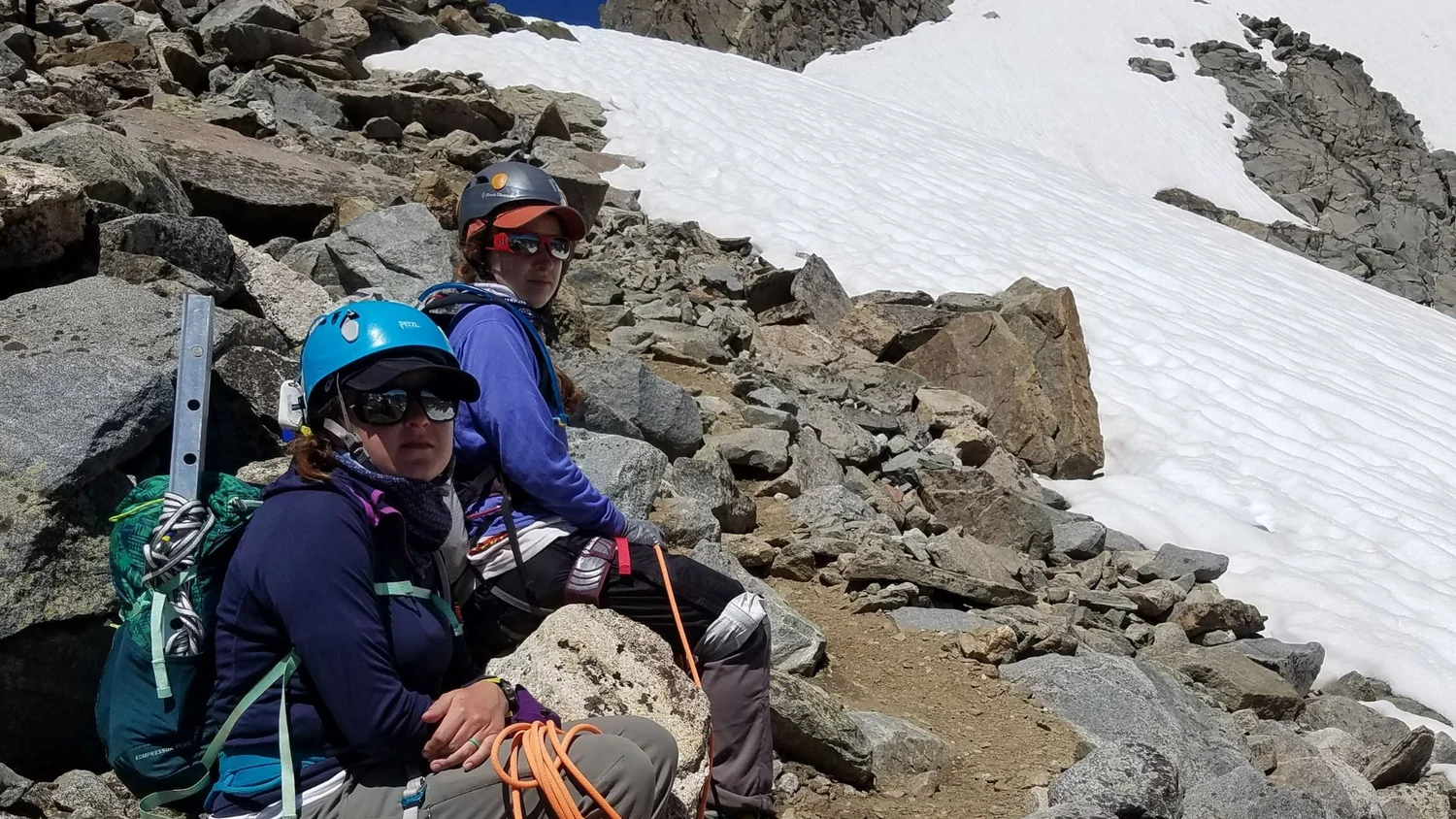
The crucial physiological change at elevation is reduced atmospheric pressure and therefore lower oxygen partial pressure, even though oxygen still makes up roughly the same percentage of the surrounding air. At just over 3,000 metres, the amount of oxygen available with each breath is already materially lower than at sea level. More than five kilometres up, the challenge becomes much greater for someone who has not adapted.
That is why serious high-altitude expeditions build acclimatization into the plan. Early adaptations include increased ventilation, but they require time, and they do not erase the effect of altitude on maximal exercise capacity. Headache, nausea, dizziness or unusual fatigue at elevation are not signs to push harder. They can indicate altitude illness, for which prompt decisions and descent may matter more than completing any workout.
The four record participants had prepared for months and acclimatized together. Those details matter more than the romantic image of simply refusing to quit. Fitness developed at sea level cannot substitute for learning how your body responds to a high mountain environment. Some experienced, well-trained people still develop altitude sickness, and a fast ascent can increase risk.
Anyone planning a real high-altitude trip should use appropriate medical and mountain guidance rather than copying an influencer’s training clip. Gradual ascent, mild activity immediately after arrival, weather-appropriate layers and an explicit turn-back plan are practical safety principles. The exercise performance itself is secondary to getting the team off the mountain safely.
Dumbbell push-ups add a stability problem to a familiar movement
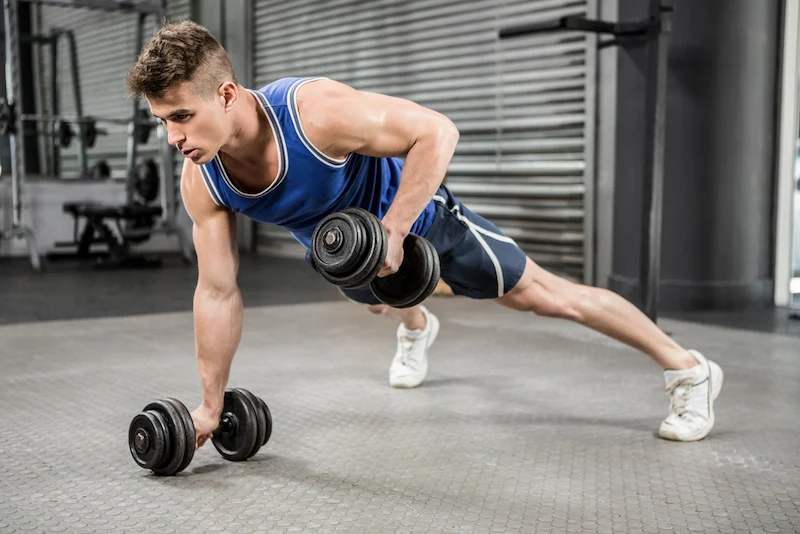
A normal push-up is a closed-chain pressing movement: hands stay fixed, shoulders and elbows move under load, and the trunk resists sagging and rotation. Placing hands on dumbbells can allow a neutral grip and potentially more clearance beneath the torso, but it also introduces a new variable—the handles must remain stable. A round or poorly positioned dumbbell can roll and turn a straightforward set into an avoidable wrist or shoulder problem.
If you practice this variation, use stable, non-rolling hex dumbbells on a firm, level surface. Set the handles shoulder-width apart, plant the toes, tighten the glutes and ribs, and descend only as far as shoulder comfort allows. The elbows should travel naturally rather than flare sharply outward, while the head, torso and pelvis move as a coordinated unit. Stop before the lower back begins to sag.
There is no reason to assume the record group used a particular model of dumbbell, performed a deeper-than-normal range of motion or added external weight. The published information supports synchronized push-ups with dumbbells; it does not provide a complete biomechanical breakdown. Technique advice for readers is an independent practical adaptation, not a claim about the quartet’s exact cues.
A sensible progression begins with incline push-ups or floor push-ups, then transitions to controlled sets on stable handles if desired. Add a brief pause near the bottom, a slow lowering phase or an extra set before adding complicated equipment. For most lifters, consistency and useful pressing volume will move progress forward more reliably than an unstable surface.

Calisthenics Shirts & Street Workout Gear
Calisthenics and bodyweight-training gear for pull-ups, dips, handstands and street-workout athletes.


Shirt – Calisthenics Heartbeat Gymbros & Meme Lovers T-Shirt
Bring “Calisthenics Heartbeat” humor to your next gym day.

Big Dip Energy Crewneck Pullover Sweater for Calistheni T-Shirt
Show some gym-day personality with “Big Dip Energy”.

Be Stronger Than Your Excuses Funny Gym
Bring “Be Stronger Than Your Excuses” humor to your everyday gym style.

Always Pull Yourself Up Hoodie
Make your off-duty look more fun with “Always Pull Yourself Up”.

Pull Up Not Out Hoodie
Show off your bodybuilding humor in a laid-back “Pull Up Not Out” hoodie.

Turn Off Gravity Funny Calisthenics Gym Muscle Shirt fo Tank Top
Bring “Turn Off Gravity Funny Calisthenics” humor to your next lifting session.

Calisthenics Evolution Muscle Shirt Athletic Vest for B Tank Top
Add some lifting attitude to training with “Calisthenics Evolution”.

Human Flag Calisthenics Decal Workout for Water Bottles Sticker
A fun “Human Flag” touch for bottles, laptops, and lockers.

Funny Calisthenics Gym Decal for Water Bottles Laptops Sticker
Stick a little “Calisthenics” humor on your favorite gear.
The team rhythm may be harder than the repetition count
Twenty-plus reps sounds modest if your usual workout includes several sets of push-ups. Synchronizing four people changes the assignment. Everyone must reach the bottom and top positions on a common rhythm, and the team can only move as smoothly as its least-ready member. One athlete rushing the first five repetitions can ruin the cadence for the other three.
In practice, the group has to communicate a shared tempo and agree on what a complete repetition looks like. A deliberate count helps prevent a fast starter from dragging everyone into sloppy movement. Fatigue after a climb makes those small decisions harder: an athlete can begin losing tightness even while feeling capable of forcing out another rep alone.
There is also a meaningful difference between synchronized pressing and competition for the fastest time. A team seeking consistent matching repetitions should prioritize clean start positions and predictable pacing rather than speed. If someone needs an extra breath at the top, the whole group benefits from accounting for that in the chosen rhythm. Cooperation is part of the actual skill.
For a gym experiment, try four partners performing ten strict floor push-ups to a three-second count, then repeating the test after a moderate conditioning circuit. Compare synchronization and technical quality rather than declaring the attempt a failure if anyone finishes later. The interesting metric is how well the group preserves coordination as fatigue rises.
Cardio Shirts & Workout Gear
Cardio and conditioning gym gear for runners, endurance athletes and anyone who earns the sweat.


Triathlon – Iron Man Medieval Knight Crewneck for Swim T-Shirt
Show some gym-day personality with “Triathlon”.

Wonder Woman Jump Rope | Superhero Cardio Workout Pullo T-Shirt
For laid-back days and superhero humor: “Wonder Woman Jump Rope”.


Running Dost Thou Even Trot Medieval Treadmill Pullover Hoodie
Show off your medieval humor in a laid-back “Running” hoodie.

Track Panther Athletic Vest Muscle Shirt for Running Wo Tank Top
Train hard, laugh a little, and rep “Track Panther”.

Burn Calories Human Torch Fantastic 4 Superhero Workout Tank Top
Add some superhero attitude to training with “Burn Calories Human Torch Fantastic 4”.

Funny Aquaman Gym Workout Decal for Swimming Cardio Fit Sticker
Give your everyday gear a playful “Aquaman” twist.

Iron Man Triathlon Decal for Water Bottles Laptops Swim Sticker
Bring “Iron Man Triathlon” attitude to your water bottle or laptop.
A four-week gym version builds capacity without the mountain risk
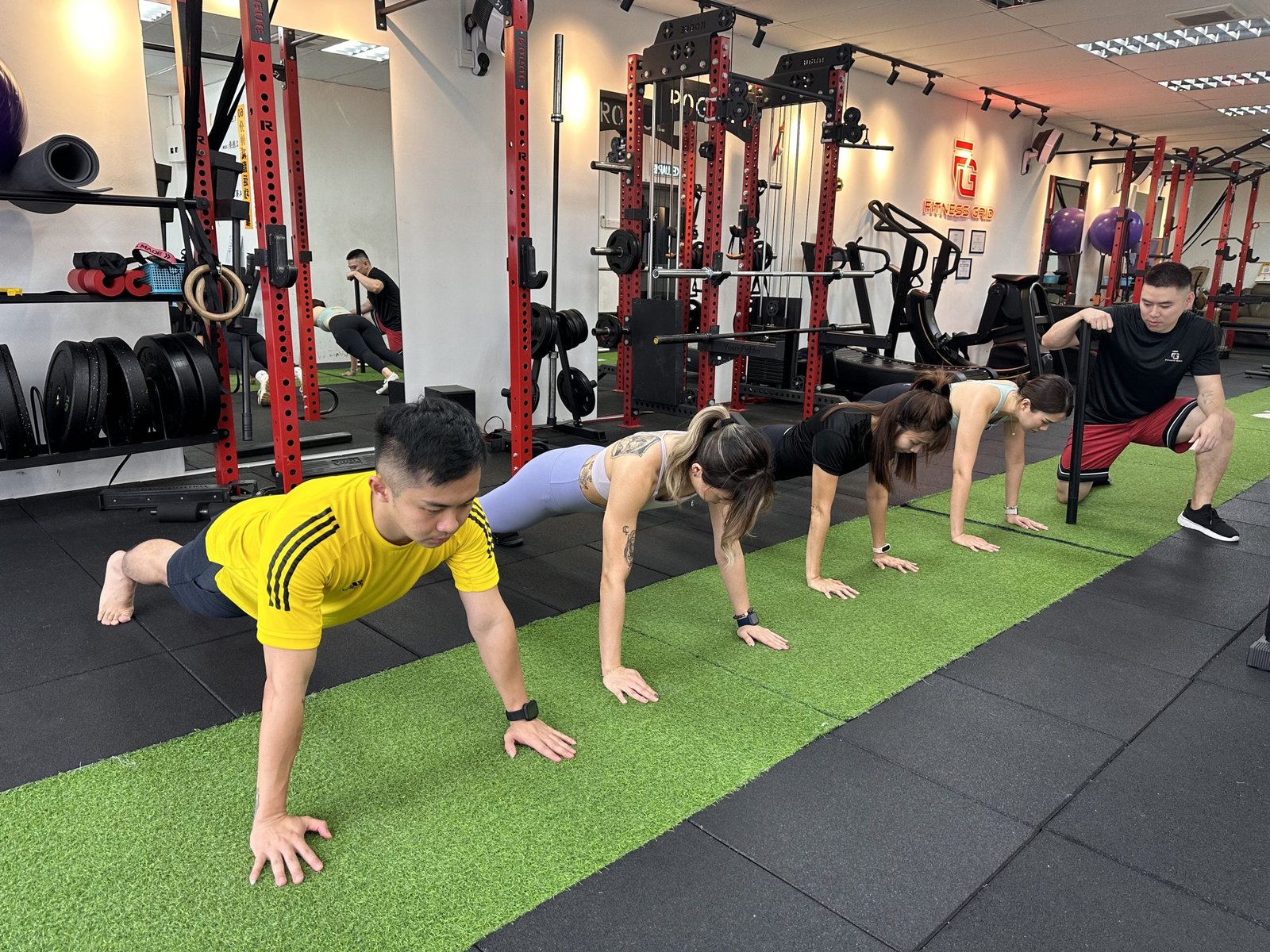
You can train the relevant ingredients without extreme altitude. Start each week with two upper-body sessions and one easy conditioning day, separated enough to recover. In week one, choose a push-up variation that permits three sets of six to ten controlled reps while keeping two or three repetitions in reserve. Add simple rowing work, light carries and low-intensity walking to establish a reliable base.
In week two, build total pressing volume modestly—perhaps one additional rep per set or a fourth set if recovery is good. Pair it with twenty to thirty minutes of comfortable incline walking or cycling. A person who cannot yet maintain a straight body in floor push-ups should use an elevated hand position rather than grind through poorly controlled repetitions.
In week three, add one combined session: fifteen minutes of brisk walking, a few manageable carries, then two short push-up sets. Keep the carries light enough that breathing and technique settle quickly. In week four, have two or more training partners perform a synchronized set at a pre-agreed tempo. Your target is excellent matching form, not exhaustion or a new altitude record.
None of these four weeks duplicates an expedition, nor is this a personalized medical or mountaineering plan. The principle is more useful than imitation: prepare the components, practice their sequence, then evaluate whether coordination and technique survive fatigue. It is possible to be inspired by a volcano workout while keeping the actual work safer, more repeatable and far easier to measure.
Equipment Worth Exploring
Explore equipment, accessories and gear from our carefully selected range.


Pro Sled System
Heavy-duty push-pull training sled for loaded conditioning, speed, and strength work.


Cast Iron Kettlebells
Textured cast-iron kettlebells for swings, squats, carries, and full-body training.




Slam Ball
Low-bounce weighted slam ball for explosive throws and high-intensity conditioning.

Competition Wall Ball
Competition-style weighted wall ball for HYROX, wall-ball shots, and functional conditioning.